
These North Carolina Shrubs Root In Deeper When You Plant Them This Fall Instead Of Spring
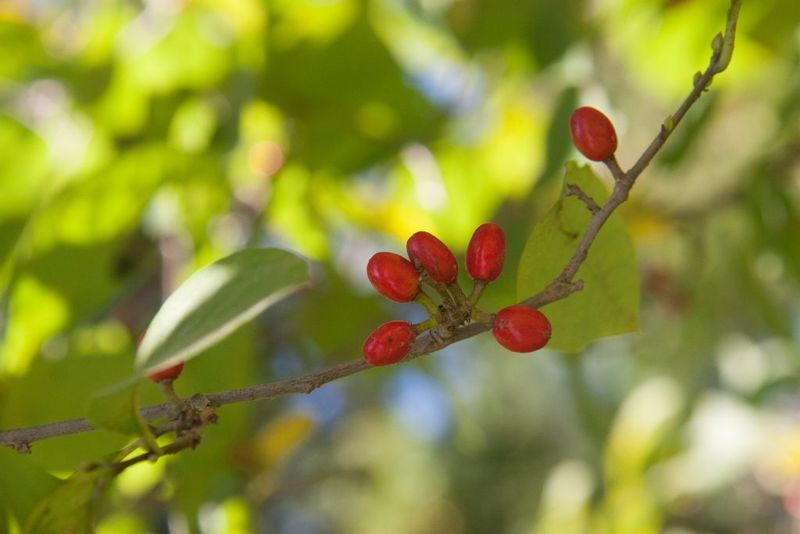
Most people rush to the garden center in April, but North Carolina shrubs often do better when they go in the ground in October. Fall brings cool air, warm soil, and steady rain, so young roots can spread out without fighting summer heat.
A shrub planted now gets months of underground growth before it ever has to push out leaves and flowers. Here are 10 native shrubs that reward fall planting and give birds, butterflies, and fireflies a better home in your yard.
1. Oakleaf Hydrangea
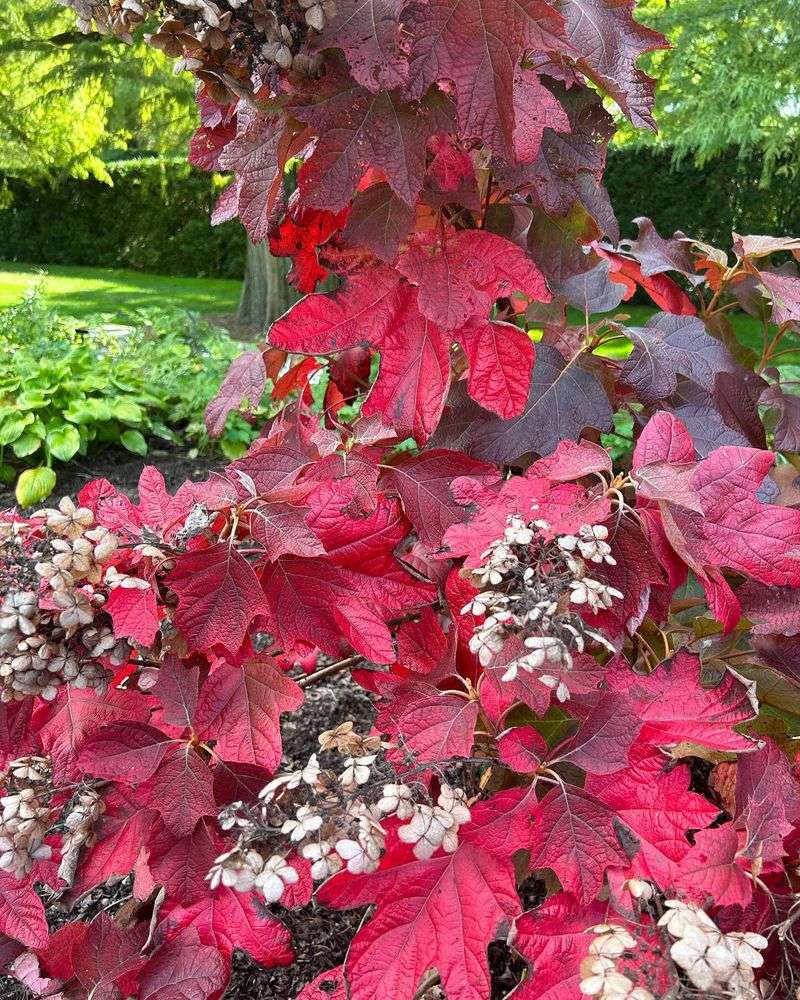
Picture a shrub that looks good in all four seasons and asks very little in return. Oakleaf hydrangea is a Southeastern native that fits right into a shady NC yard, from Raleigh cul-de-sacs to Asheville hillsides.
Planting it in fall matters because its roots are fairly shallow and hate summer stress. Set it in the ground between mid-September and early December, and the roots keep growing until the soil turns cold.
By spring, it is ready to push out those huge, oak-shaped leaves without wilting at the first hot spell.
Give it partial shade and moist, well-drained soil. Avoid soggy spots, since wet feet can rot the roots over winter.
A two to three inch layer of shredded leaf mulch helps hold moisture and keeps soil temperature steady.
Here is the stewardship bonus. Oakleaf hydrangea makes a handsome swap for invasive burning bush, offering its own blaze of burgundy fall color without seeding into nearby woods.
Bees visit the white summer blooms, and the peeling cinnamon bark gives you something to admire all winter.
2. Virginia Sweetspire
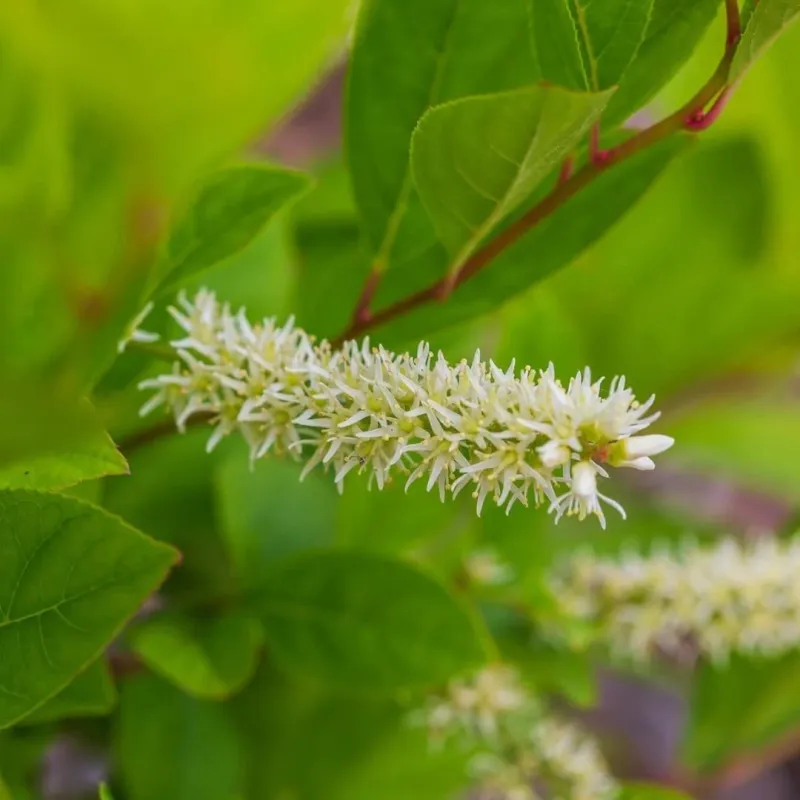
Got a soggy corner where nothing seems happy? Virginia sweetspire practically cheers when it finds one.
It handles wet soil, clay, and even short spells of standing water better than most shrubs.
Fall planting lets its spreading roots knit into the soil before spring storms roll through. That root network is a big reason it works so well in rain gardens and along low spots that collect runoff.
A shrub with an established root system also bounces back faster from a dry July.
In early summer, it puts out fragrant white flower spikes that draw native bees and even hummingbirds. Then in autumn, the leaves flip to red, orange, and wine tones that can hang on into winter.
Native plant folks often recommend sweetspire as a replacement for privet and burning bush. It spreads by suckers, so it fills in a border, but it stays in your yard instead of invading the forest.
Birds and small mammals also pick at its seeds once cold weather sets in.
3. Inkberry Holly
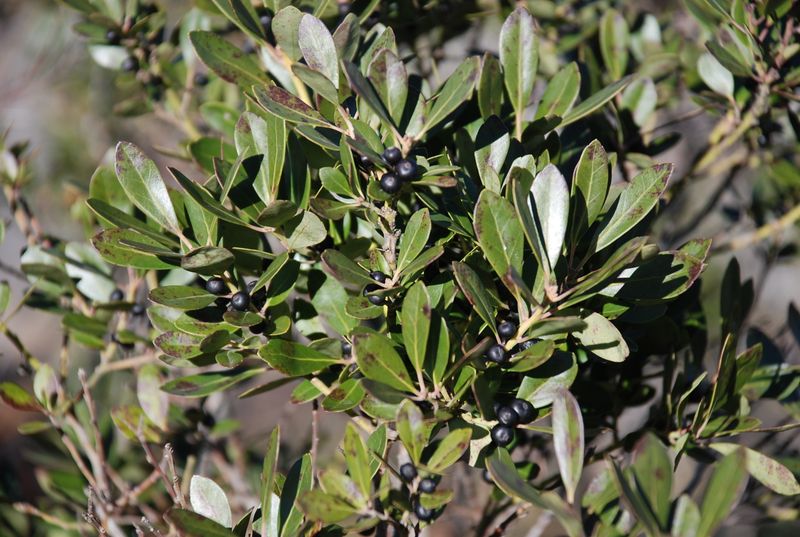
Evergreens are the backbone of a winter yard, and inkberry holly may be the friendliest one around. Its soft, smooth leaves have none of the prickly spines that make other hollies a pain to prune.
Here is why fall is the sweet spot. Evergreens keep losing water through their leaves all year, so a spring-planted inkberry has to grow roots while also battling heat.
A fall-planted one gets cool, rainy months to settle in first.
It handles wet ground, sandy coastal soil, and partial shade. That makes it a strong pick for property lines and privacy screens across the state.
Many NC homeowners still have old privet or invasive mahonia hedges. Inkberry is one of the best native swaps for both.
Female plants produce black berries that feed birds in late winter, and the flowers support small native bees. Plant a male nearby if you want berries.
4. Fragrant Sumac
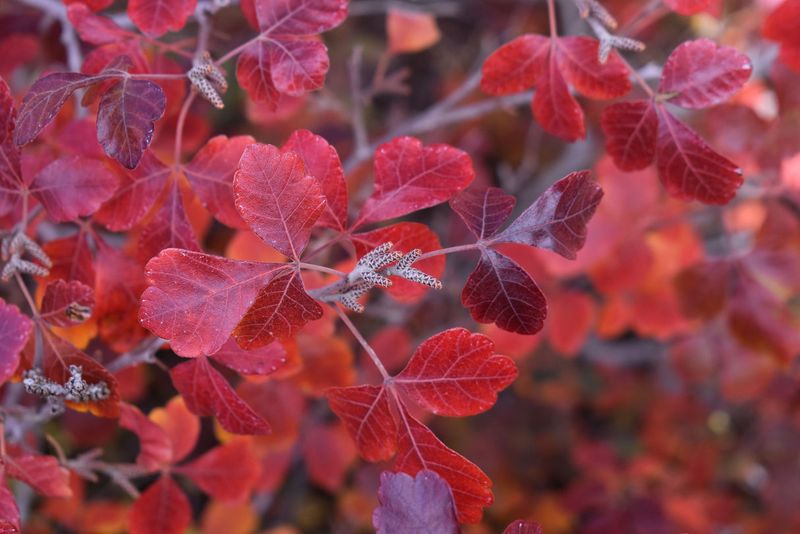
Every yard seems to have that one slope where mulch washes away after every storm. Fragrant sumac is the quiet fix.
It is low, tough, and spreads into a thick mat of roots that grips the soil.
That root-building job is exactly why fall planting pays off. Shrubs set out in October have the whole cool season to anchor in before heavy spring rains test the hillside.
Spring plantings on a bank often get stressed or even washed out before they take hold.
Once established, it laughs at drought. You will barely need to water it after the first year.
Don’t worry about the name. This is not poison sumac, and the leaves smell pleasantly spicy when crushed.
It is also a host plant for luna moths and red-banded hairstreak butterflies, so it feeds caterpillars that in turn feed nesting songbirds.
5. Fothergilla
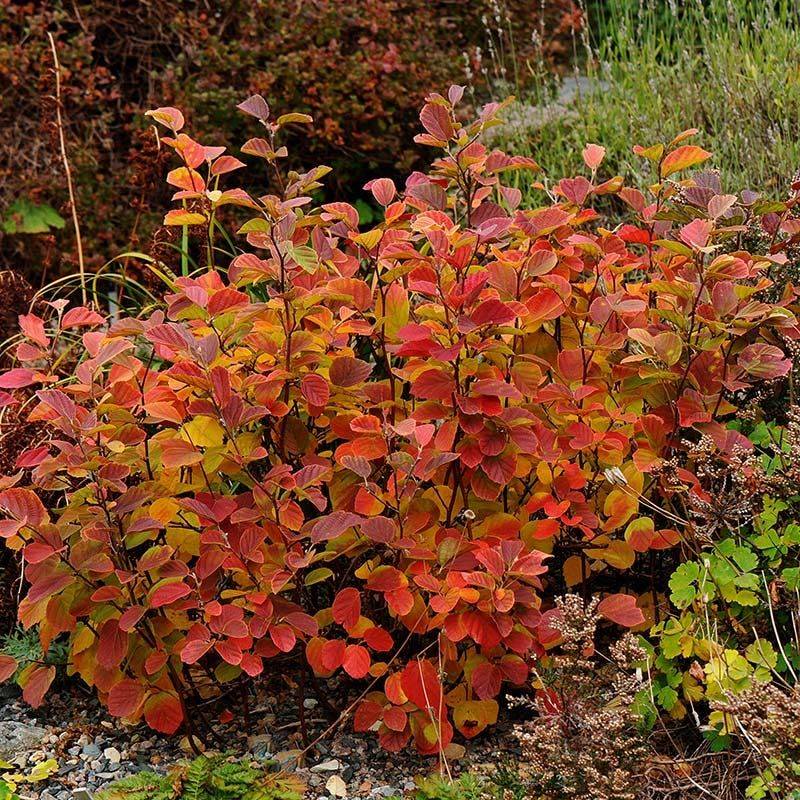
Small yard, big color. Fothergilla, sometimes called witch-alder, is a compact native that fits under windows and along walkways without swallowing them.
In late spring, it grows fuzzy, creamy bottlebrush flowers that smell faintly of honey. Early bees flock to them.
Come autumn, a single plant can show yellow, orange, red, and purple at the same time, like a sunset in shrub form.
Fall is when nurseries often have it on display in full color, so you can pick the best one with your own eyes. Plant it right away, water it in deeply, and let the warm soil do the work.
It likes acidic, well-drained soil, which many NC yards already have.
Fun fact: fothergilla is named after John Fothergill, an English doctor who collected American plants in the 1700s. Funny how a Southern native ended up with a British name.
6. Summersweet
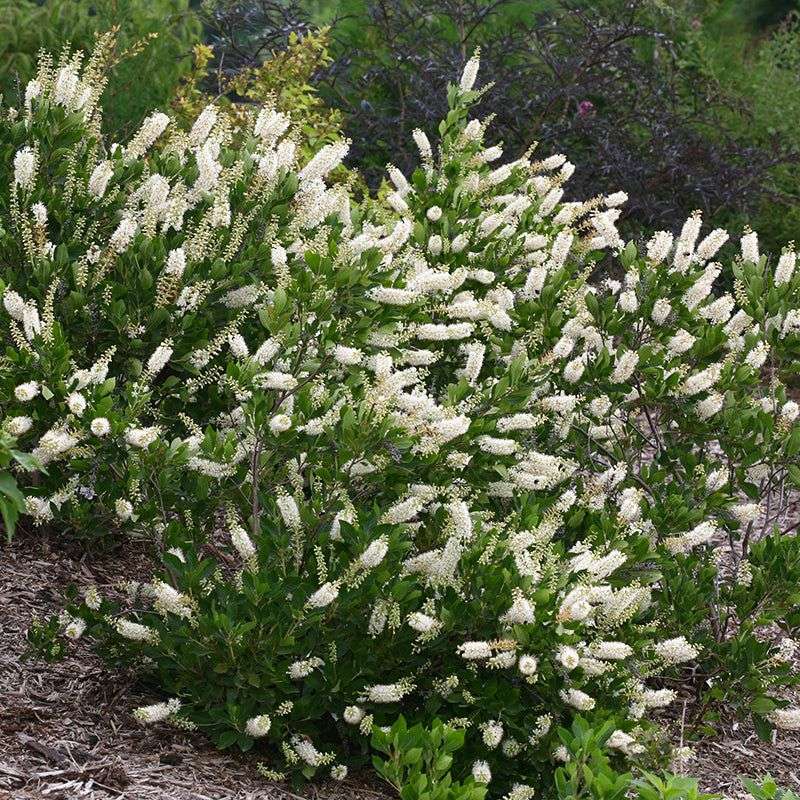
By late July, most flowers in an NC yard have called it quits. Summersweet shows up right when pollinators need it most, with spikes of white blooms that perfume the whole patio.
Butterflies, native bees, and hummingbirds crowd around those flowers. That late-season nectar helps fuel pollinators through the hottest stretch of the year.
Here is the catch. A shrub that blooms in brutal heat needs a strong root system to pull it off, and a spring-planted summersweet often struggles its first summer.
Plant it in fall and it has a full season of root growth behind it when August arrives.
It enjoys moist soil and handles part shade. Its native range runs along the coast, but it grows well in Piedmont yards too.
In fall, the leaves turn a clean golden yellow.
7. Mountain Laurel
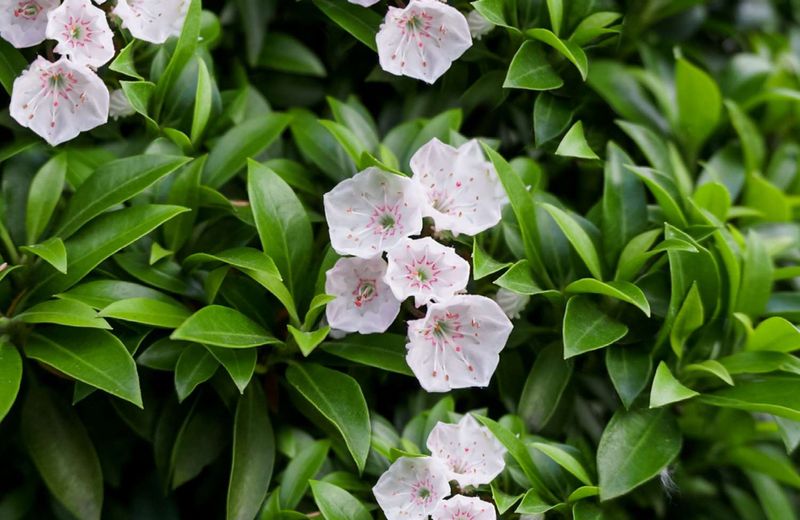
Hike almost any trail near Boone or Brevard, and you will brush past mountain laurel. Bringing that wild look home works best with a fall planting.
Mountain laurel is famously picky as a young plant. It wants acidic, well-drained soil, dappled shade, and steady moisture.
Cool fall weather gives it the gentlest possible start, with no scorching sun to burn new leaves while roots settle in.
Plant it high, with the top of the root ball slightly above ground level, so water drains away. Mulch with pine needles or shredded leaves, never piled against the stems.
Its late-spring flowers look like tiny painted cups, and each one holds a spring-loaded pollen trick that flicks pollen onto visiting bees. All parts of the plant are toxic if eaten, so keep that in mind around pets.
Deer usually leave it alone, which is a plus in tick-heavy areas.
8. Spicebush
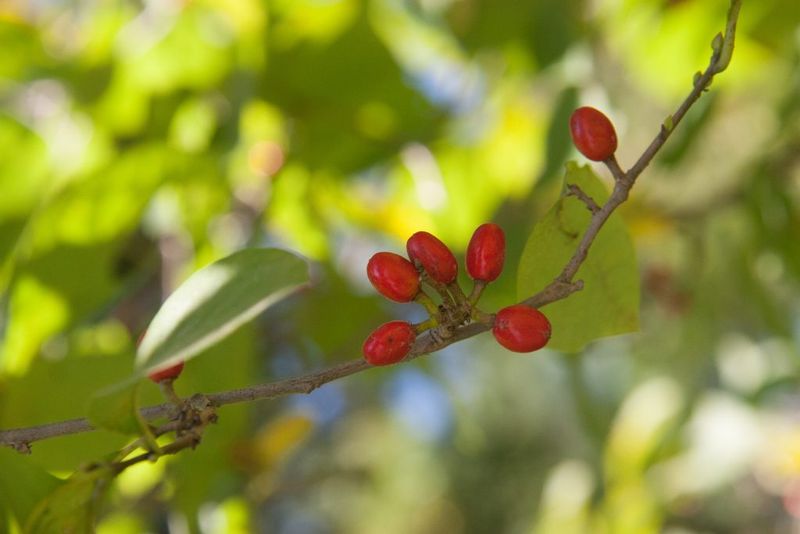
Crush a spicebush leaf and you will smell something like lemon and allspice. Butterfly fans love it for another reason.
It is a host plant for the spicebush swallowtail, whose caterpillar looks like a tiny green snake with fake eyes.
This shrub is a natural fit for the shady edge where your lawn meets the woods. It flowers in very early spring, often before leaves appear, giving early bees a meal when little else is blooming.
Fall planting helps spicebush build roots in the cool, moist conditions it loves. You will want both male and female plants if you want the red berries, which migrating thrushes and other birds gobble up in late summer and fall.
It also swaps nicely for invasive privet along wood lines. Pull the privet, plant spicebush, and you trade a habitat thief for a caterpillar nursery.
9. Winterberry
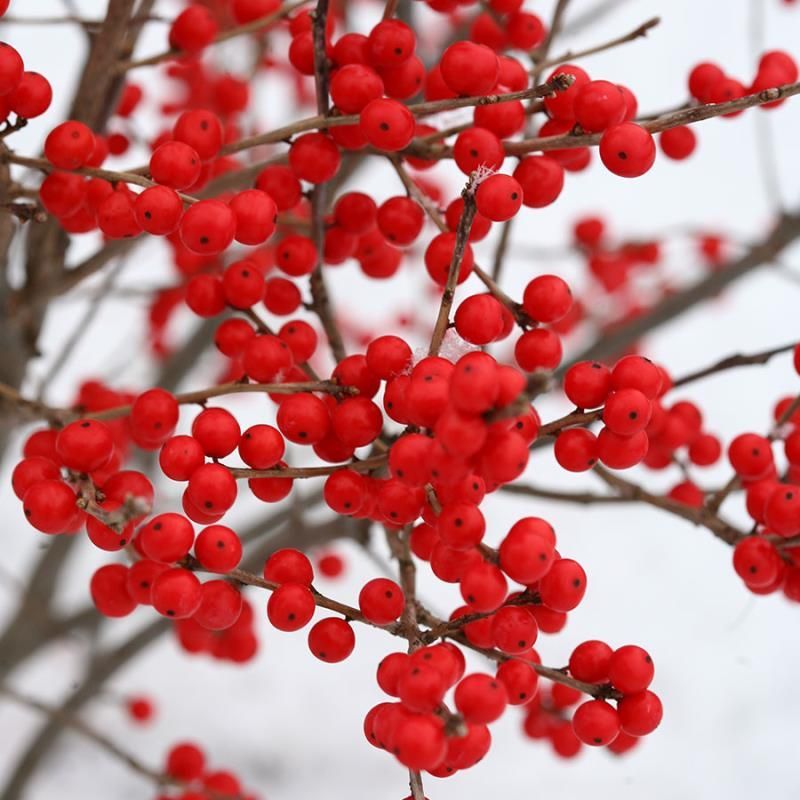
When the leaves drop and the yard turns brown, winterberry steals the show. Its bare branches stay loaded with bright red berries well into winter.
Those berries are a lifeline for wildlife. Bluebirds, robins, mockingbirds, and cedar waxwings rely on them during cold snaps when insects are scarce.
Winterberry is a deciduous holly that loves damp ground, so it pairs well with sweetspire in a rain garden. Fall planting lets its roots spread through wet soil before spring growth begins.
One tip that trips people up: only female plants make berries, and they need a male winterberry within about 50 feet. Ask your nursery for a matching male variety that blooms at the same time.
Plant several females around one male, water through any dry fall weeks, and get ready for a living bird feeder.
10. American Beautyberry
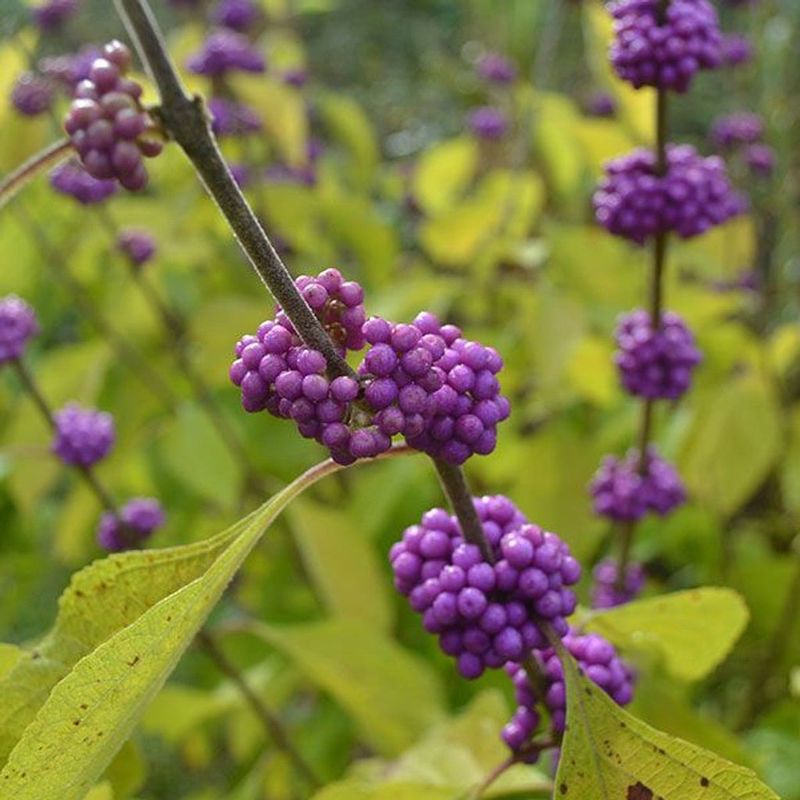
Those shocking purple berries look almost fake. American beautyberry is a Southern classic that grows fast and fills a sunny or partly shady spot in a single season.
You may have heard it called a tick-repelling shrub. Researchers have found compounds in crushed beautyberry leaves that may help deter ticks and mosquitoes.
A living hedge, though, will not form a tick barrier on its own. For real tick protection, keep grass short, add a wood chip strip between lawn and woods, and check yourself after yard work.
Even so, beautyberry earns its spot. Mockingbirds, catbirds, and brown thrashers eat the berries through fall and winter.
Plant it in fall and it roots in quickly. Some gardeners cut it back hard in late winter to keep it tidy, and it still blooms and fruits on new growth.
Pair it with black chokeberry for even more fall food.