
Before You Toss That Fading Mum, Know That 9 Varieties Come Back Bigger Every Year
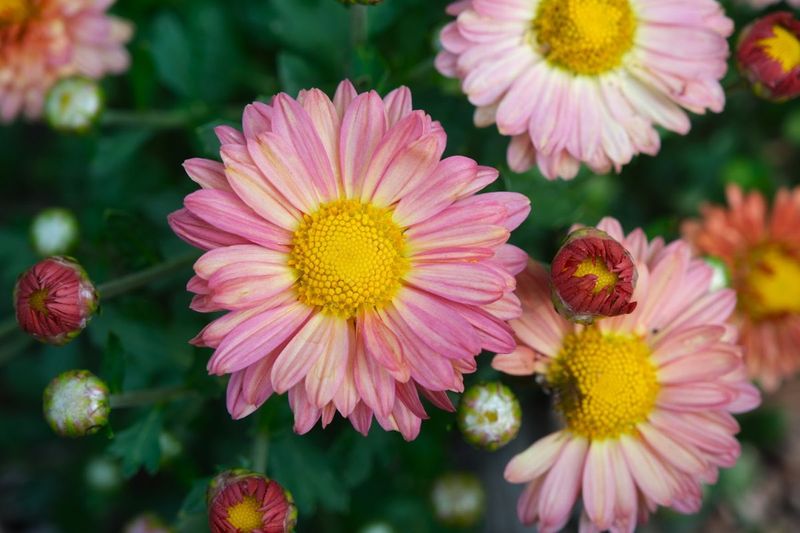
That tired mum on your porch with brown petals might not be ready for the trash yet. Many store mums are grown as one-season decorations, but some hardy garden mums are bred to survive winter and return each spring with more stems and more flowers.
Knowing which kind you have can save you money and give you a fuller fall display every year. Here are nine varieties worth keeping, plus the simple care that helps them come back strong.
1. Sheffield Pink
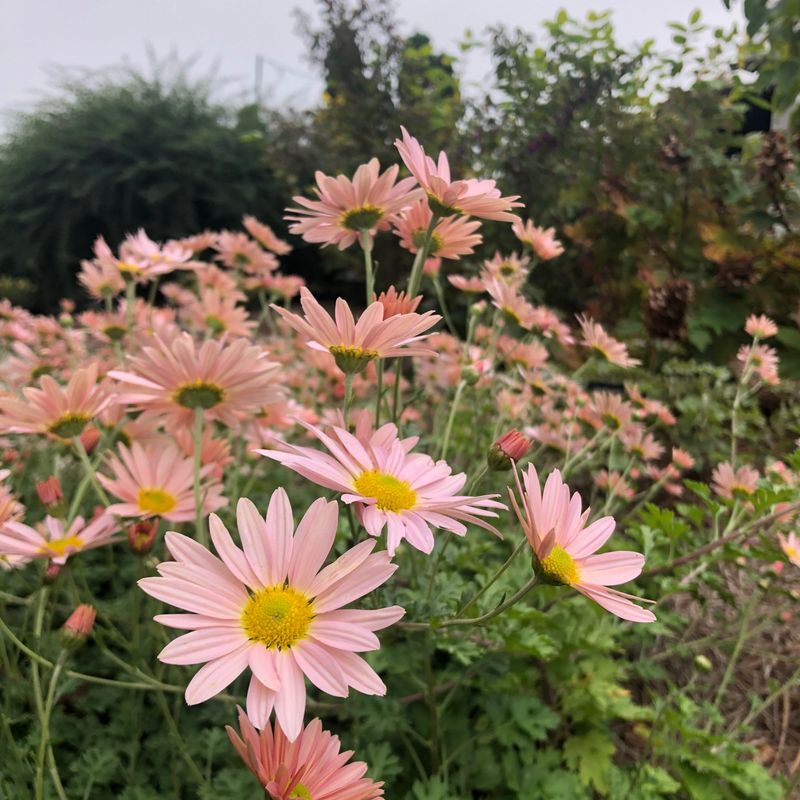
Ask an old-time gardener which mum never lets them down, and you will often hear one name: Sheffield. Also sold as ‘Hillside Sheffield Pink’ or ‘Single Apricot,’ it has passed from neighbor to neighbor for decades because it simply refuses to quit.
The flowers are pale apricot-pink singles with sunny yellow eyes, and they open in September and keep going until frost. Each year the clump spreads a little wider, so a small division can turn into a knee-high mound within a few seasons.
If yours looks scraggly by fall, it likely skipped a haircut. Pinch the stems back by about one-third when they reach 6 to 8 inches tall, repeat once more, and stop by mid-July so buds can form.
2. Venus
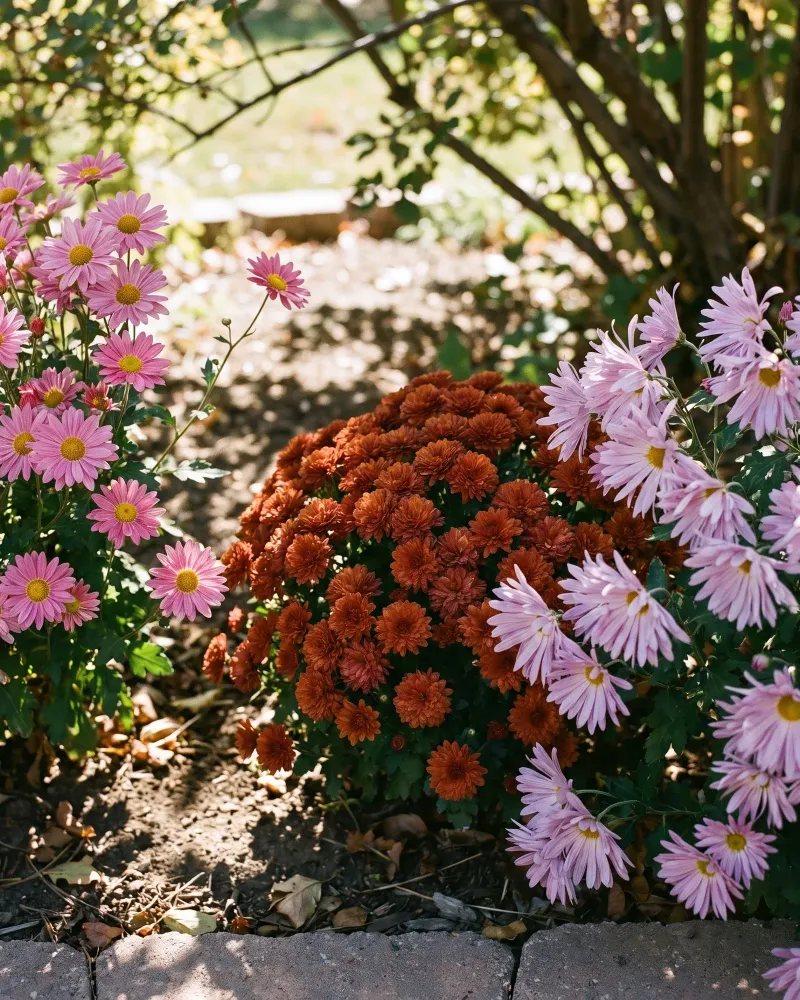
Lavender is a rare color in the fall garden, which is exactly why ‘Venus’ earns a spot here. While most autumn flowers lean orange and gold, this Korean mum brings a cool, dreamy tone that looks lovely next to asters and ornamental grasses.
Korean mums as a group are known for strong cold tolerance. That toughness is the real secret behind a plant that returns bigger, because a mum that survives winter with healthy roots has a head start in spring.
Give it at least six hours of full sun and soil that drains well. Soggy winter ground is a bigger killer of mums than cold, so mixing compost into heavy clay can make a real difference.
3. Red October
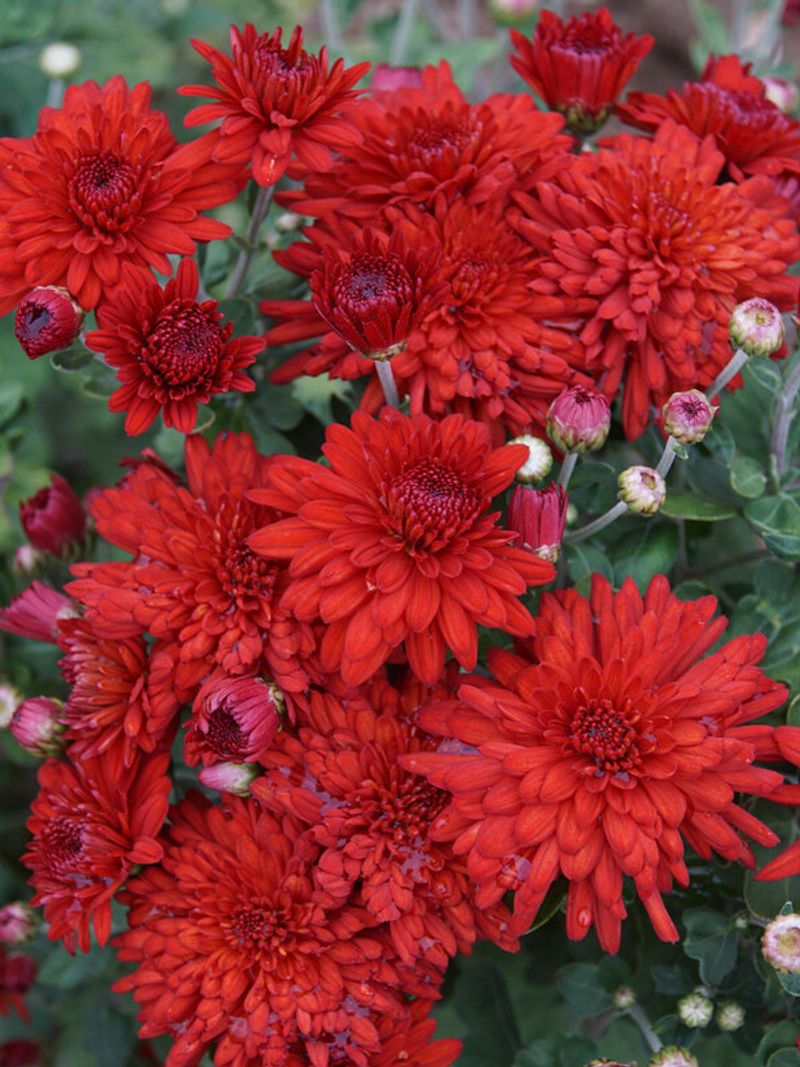
Picture a gray late-October morning, the maples mostly bare, and one bold splash of crimson still glowing by the fence. That is the job ‘Red October’ was made for.
Another Korean-type mum, it holds its rich red color well into the cold months. Many store mums fade to a rusty brown, but this one tends to stay vivid, which makes it a smart pick for gardeners who want color right up to Halloween and beyond.
Keep watering deeply every couple of days in dry spells until the first hard frost. Plants that go into winter thirsty are far more likely to fail, even if they are fully hardy.
4. Mei-Kyo
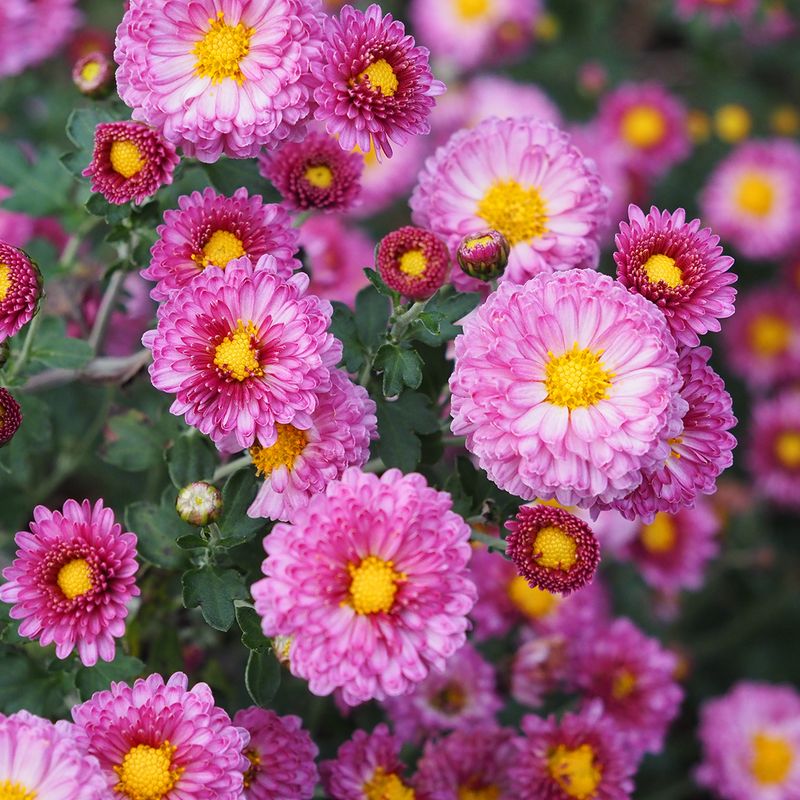
Small yard? Tight border? ‘Mei-Kyo’ is your mum.
It stays compact and covers itself in little rosy-pink pompom blooms late in the season, often after other flowers have given up. Because it does not flop much, it works well along walkways and in front of taller plants.
Fun fact: chrysanthemums have been grown in China for more than 2,500 years, and Japan made them a symbol of its imperial family. Varieties like this one carry a bit of that long history right into a suburban flower bed.
To help it bulk up, divide the clump every two or three years in spring. Fresh divisions grow with more energy than an old, crowded center.
5. Bronze Elegans
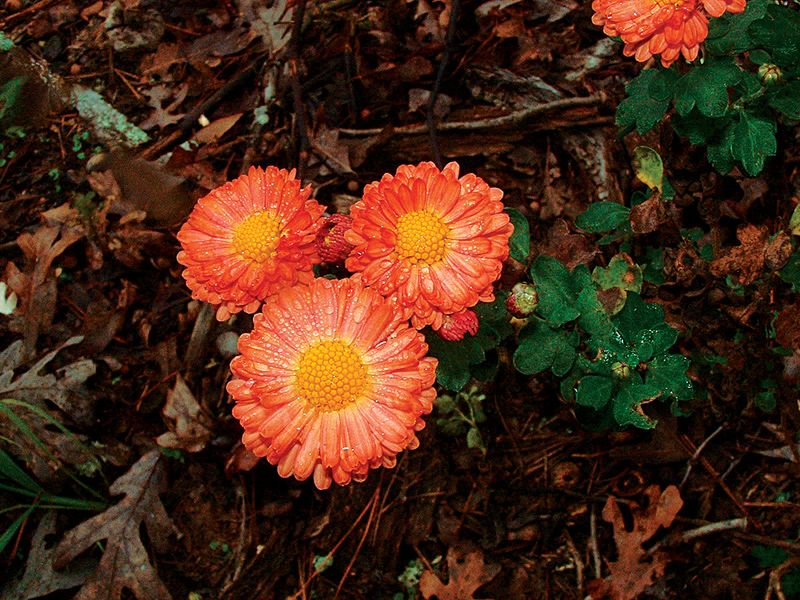
Warm amber flowers the size of buttons make ‘Bronze Elegans’ feel like a bowl of autumn candy. It is actually a sport of ‘Mei-Kyo,’ meaning it came from a natural color change on that plant, so it shares the same tidy habit and late bloom.
Plant the two side by side and you get a pink-and-bronze combo that looks planned by a pro. Both bloom late, so they pick up right where earlier mums leave off.
When cold weather arrives, cut the stems to about 3 to 6 inches or leave them standing for extra insulation. Then pile 3 to 4 inches of straw or chopped leaves over the crown to keep frost from heaving the roots.
6. Dixter Orange
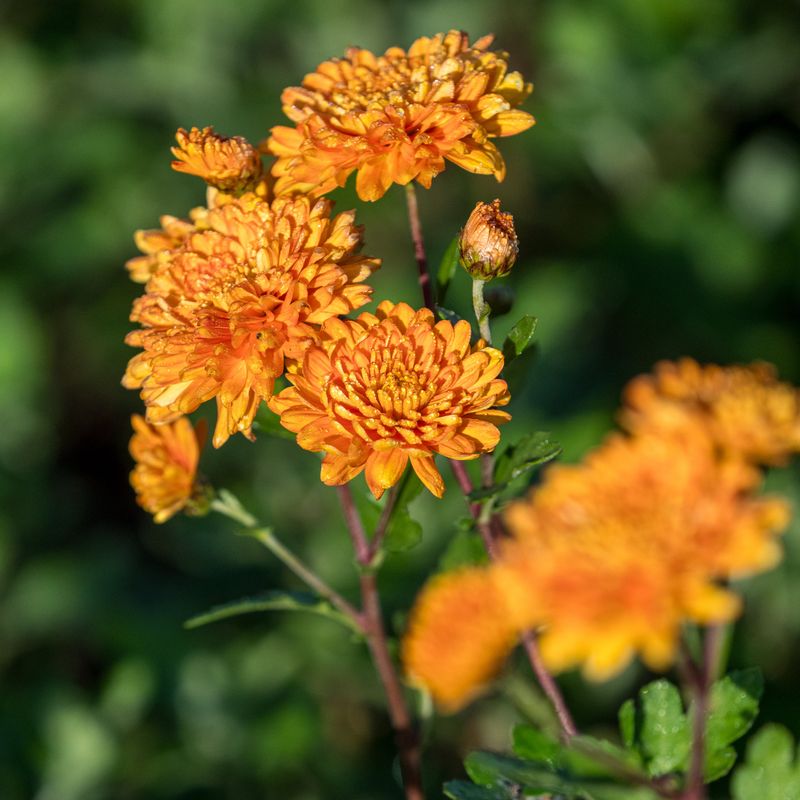
Northern gardeners, this one is for you. ‘Dixter Orange’ has a reputation for surviving winters as cold as USDA Zone 3, where many mums turn to mush by January.
The double blooms are a bright tangerine that really pops against fading foliage. It pairs well with purple asters or dark grasses if you want a planting that looks bold rather than sleepy.
Even tough plants appreciate a good start. Spring planting gives roots a full season to settle in, so if you buy one in fall, get it into the ground quickly and mulch well that first winter.
7. Mammoth Series
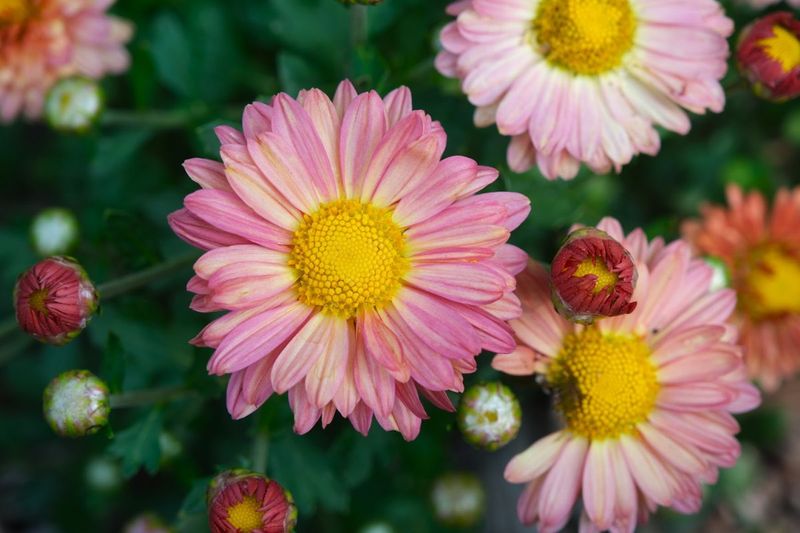
The name is not exaggerating. Mammoth mums, bred at the University of Minnesota, can grow into shrub-sized plants three to four feet wide, carrying hundreds of daisy-like flowers at once.
They were bred for serious cold, with hardiness down to Zone 3, and they come in shades from coral to lavender to yellow. If the promise of coming back bigger every year sounds good, this series delivers it in the most literal way.
Give them space when planting, at least three feet between plants. Crowding cuts airflow, which can invite leaf diseases on such dense growth.
8. Morden Series
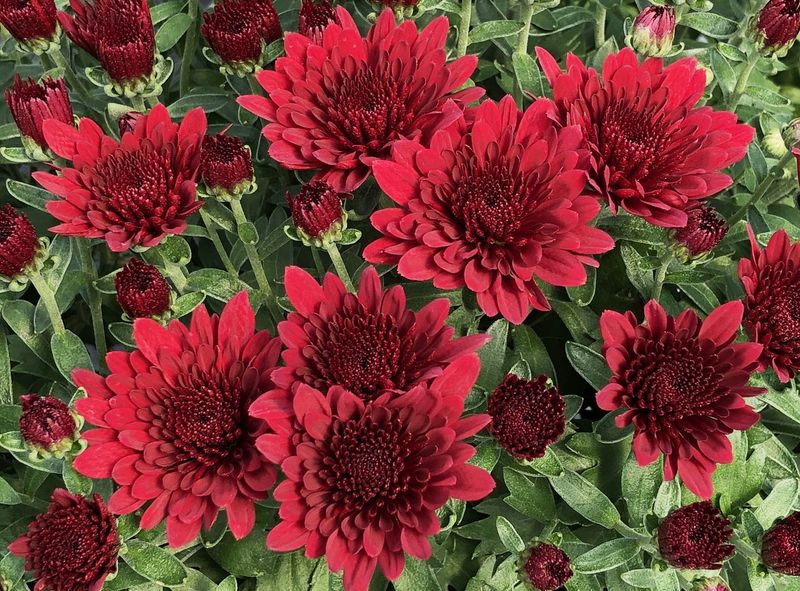
Some plants are bred in mild greenhouses, and some are bred on the Canadian prairie. The Morden mums came from a research station in Manitoba, where winters test every plant to its limit.
That tough upbringing means they are hardy to Zone 3 and recover quickly each spring. Their cushion shape stays neat, which suits gardeners who like a tidy look without much fuss.
In spring, wait until frost danger passes before pulling back the mulch. Then snip off any dead stems so the fresh green shoots at the base get plenty of light.
9. Grandchild
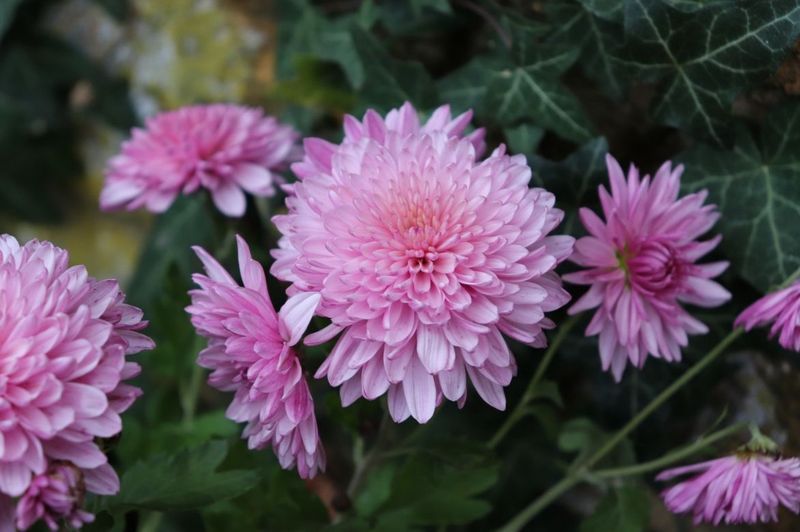
Award-winning and pint-sized, ‘Grandchild’ proves a mum does not need to be huge to be a standout. It forms a low, rounded plant topped with lavender-pink incurved flowers that curl inward like little cups.
Its compact size makes it handy for pots, but potted mums need a little extra winter help. Move the container to an unheated garage or cool basement that stays between 32 and 50 degrees F, cut stems to a few inches, and water about once a month.
Bring it back outside after the last frost and repot if roots are crowded. With that small effort, the plant you almost tossed can return fuller next fall.
Before tossing any fading mum, check the tag or ask your garden center if it is a hardy garden type, because it may only need a trim and some mulch.