
Can You Overwinter a Tomato Plant Indoors? How to Preserve a Favorite Plant Through Frost
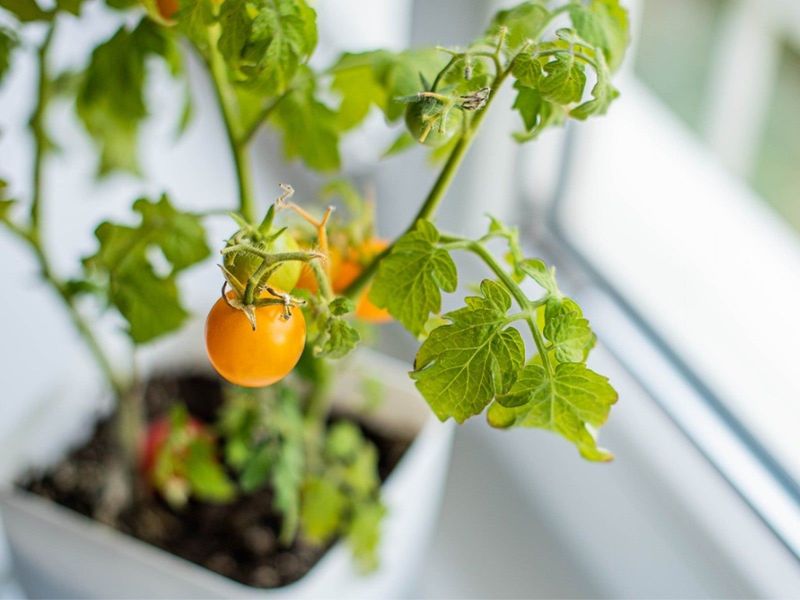
When the first frost hits, most of us pull out our tomato plants and toss them on the compost pile. But if you have a favorite variety you hate to lose, there are two ways to try keeping it going: root a small cutting or bring a whole plant inside.
Neither one is guaranteed, and both ask for light, space, and some patience. Here is how to decide whether it is worth a try in your home.
Frost ends the outdoor season, not necessarily the tomato plant’s life
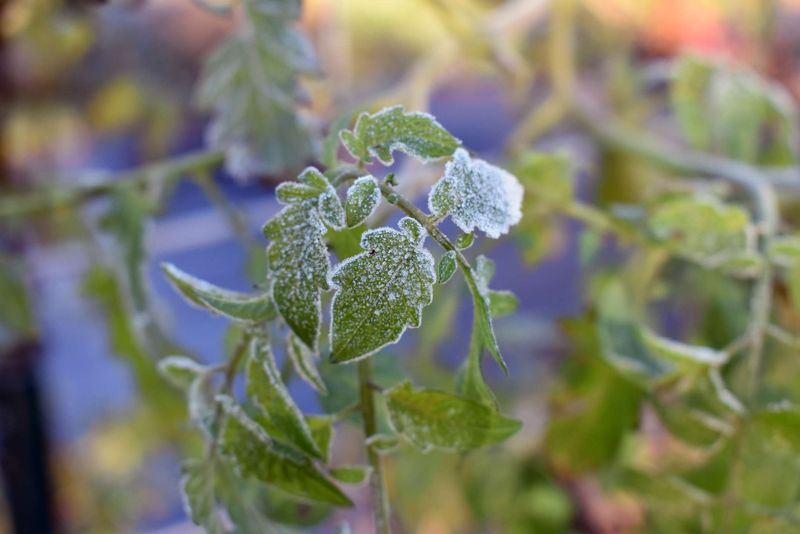
Walk out after a hard freeze and your tomato plant looks finished: black, limp leaves and mushy stems. That is why most gardeners in colder parts of the country treat tomatoes as annuals and start fresh every spring.
The plant itself is not built to live only one season. According to the NC State Extension Plant Toolbox, tomatoes are tender perennials, which means they can keep growing where frost is not a threat.
Frost is what ends the story in many yards, not a built-in expiration date.
So the goal changes a little. Instead of asking how to keep a big summer plant producing, ask how to preserve a healthy plant, or a piece of it, until it is safe to plant outside again.
A tomato that stays alive on a shelf in January is a very different thing from a tomato that gives you ripe fruit in January.
It also helps to be honest about what you might gain. A saved plant gives you something to start with in spring, and it keeps a variety you love going.
It does not promise earlier tomatoes or a bigger harvest, and some gardeners will find that buying or starting fresh seedlings is simpler.
Your local frost dates matter here more than any national calendar. Think about when frost usually arrives where you live, and plan your rescue around that, not around a date someone else set for a different climate.
A sucker is a smaller winter project than a whole tomato plant
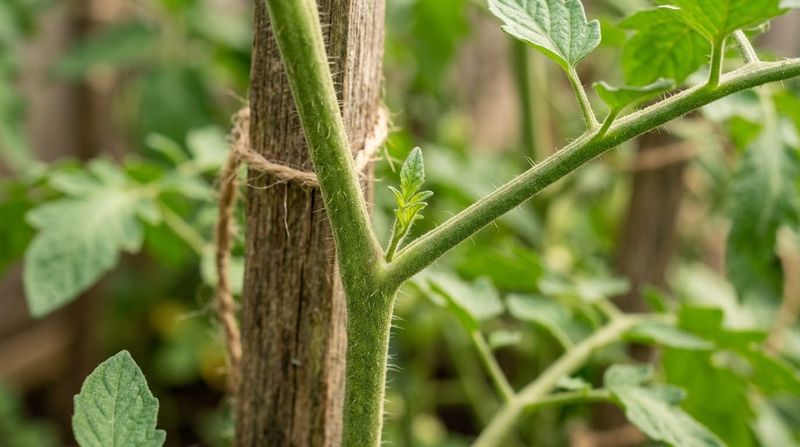
Picture the spot where a tomato leaf branch meets the main stem. A small shoot often grows right in that angle, and gardeners call it a sucker.
As Iowa State Extension explains in its pruning guide, suckers grow in leaf axils, and they can be removed or rooted.
This is different from a root sucker, which comes up from the roots or the base of a plant. When you plan to root a cutting, you want the shoot from the leaf axil.
Why choose a sucker over a whole plant? Space is the big reason.
A cutting in a jar or small pot fits on a shelf or windowsill, while a full-size tomato needs a large pot, a lot of room, and plenty of light.
A whole plant is not off the table, but it is a bigger commitment. Utah State Extension notes that compact varieties suit indoor growing better, and even those may give only modest amounts of fruit indoors.
If you grow a tall indeterminate variety, a cutting is usually the more practical choice. If you have a small patio type and a bright spot to spare, bringing the whole plant in might be worth a try.
Start with a healthy shoot, not a plant with hidden problems
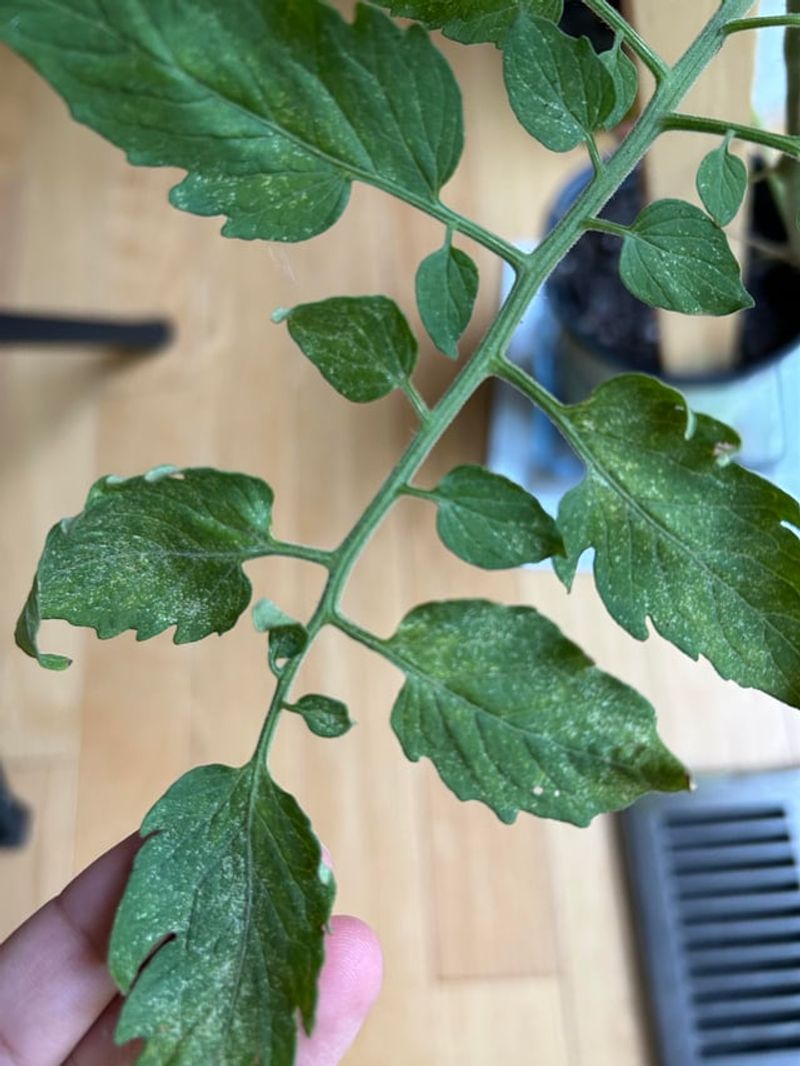
Before you clip or carry anything inside, give your plant a close look. Check the undersides of leaves, the stem joints, and the soil surface for insects, spots, and sticky residue.
Pests that were no trouble outdoors can spread fast among houseplants.
A cutting is a clone, so it carries forward whatever its parent has. A shoot from a diseased plant is likely to be a diseased plant.
Penn State Extension describes the many diseases that can affect home garden tomatoes, so choose a parent that looked vigorous all season.
Leave behind spotted, yellowing, or damaged foliage, and do not bring garden soil indoors. University of New Hampshire Extension points out that tomatoes are prone to a number of insects and diseases, and that problems can linger in plant debris.
Once you have a candidate, keep it separate for a while. Penn State advises isolating plants brought inside for about three to four weeks so you can catch hidden pests before they reach your other plants.
A spare room or a corner away from your houseplants works. Check it every few days, and if something shows up, you will be glad it was alone.
Rooting a cutting starts with water, warmth, and enough light
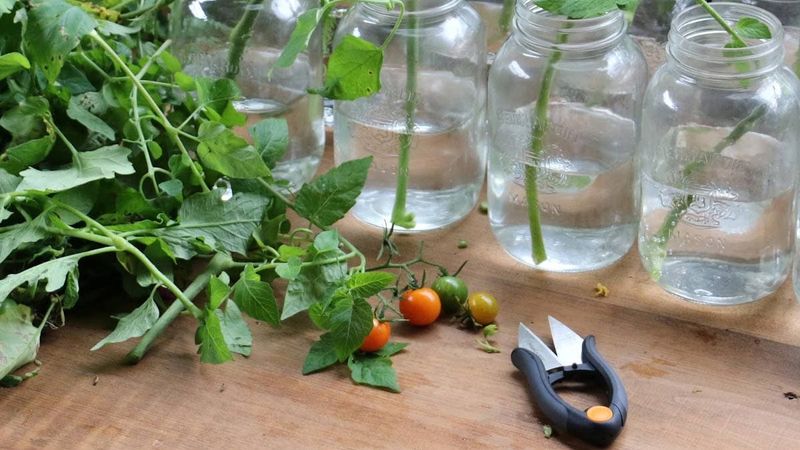
Rooting is the easy part. Take a healthy sucker a few inches long, remove the lowest leaves, and set the stem in a jar of water so the bare section is submerged.
Tomato stems form roots readily, and you can watch them appear.
The University of Arizona Extension gives one example. Its tomato guide suggests taking cuttings about three weeks before planting, setting them in water on a sunny windowsill, and expecting roots in about 14 days.
That timing fits Arizona’s fall planting cycle. It shows that rooting works, but it is not a schedule for the whole country.
Use your own frost dates and conditions to decide when to take cuttings.
Roots in water do not mean the plant is ready for spring. Once the roots are an inch or two long, move the cutting into a container with drainage holes and fresh potting mix.
Light is the next hurdle. Cornell notes that even a sunny south-facing window may barely be enough for young tomato plants, so a grow light may help.
Keep the cutting warm and water it carefully.
Indoor light and space shape a tomato’s chances through winter
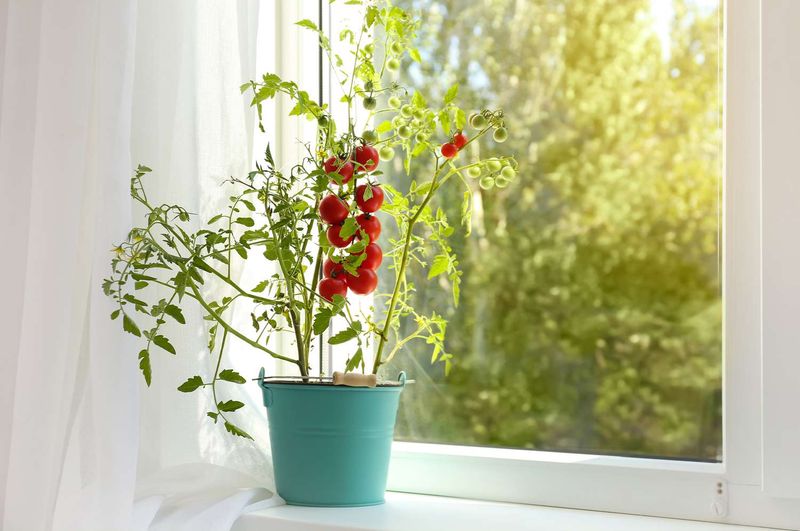
Winter days are short and the sun sits low. A tomato that loved July may struggle on a windowsill in January, getting tall, pale, and floppy as it stretches toward weak light.
For a whole plant, Utah State Extension suggests a bright south- or west-facing window plus supplemental fluorescent lighting. The same source warns that temperatures below 50 degrees F can harm plants and that heat above 90 degrees F can interfere with fruit set.
A rooted cutting is easier to light because it is small. You can tuck it under a simple grow light on a shelf, and it takes up little room.
A full-size plant needs a large pot, space to branch, and lights that reach it.
Surviving and producing are not the same goal. A plant may stay green all winter and never give you a useful tomato.
Plan on keeping it alive, and treat any fruit as a bonus.
Cost and effort are real too. Utah State also cautions that growing tomatoes through winter can be expensive, especially in a greenhouse.
If your home has no bright spot or spare shelf, it is fine to skip this project.
A rooted cutting still needs a gradual move outdoors
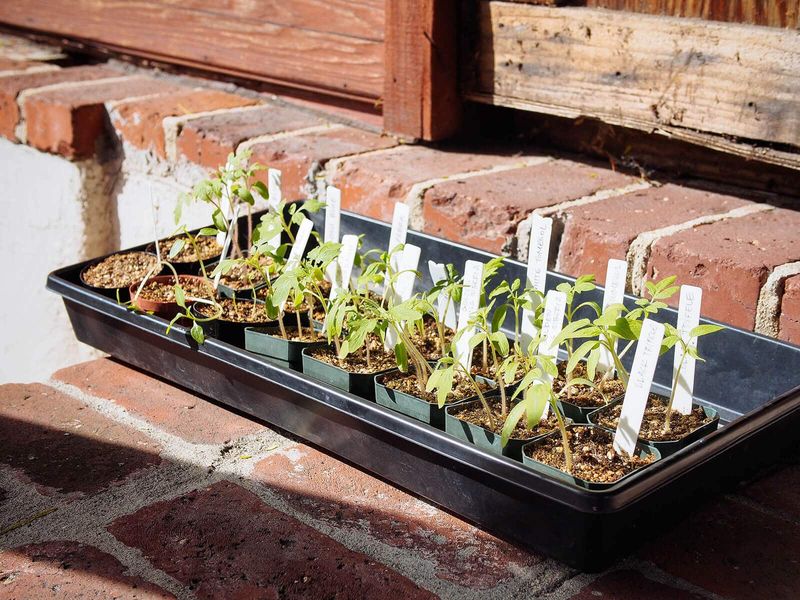
After months indoors, a tomato has tender leaves that are not used to wind, direct sun, or cool nights. Moving it straight into the garden can scorch it.
Hardening off means giving it a little more outdoor time each day.
Start with an hour or two in shade, then add more sun and more hours over several days. Arizona Extension recommends about a week of gradual transition for seedlings.
Treat that as an example, and stretch it if the weather turns cold or windy.
Let your local conditions set the date. Wait until frost risk has passed and nights are reliably mild before the plant goes into the ground, and bring it back inside if a cold snap shows up.
Do not assume a bigger plant is a better one. Iowa State Extension says overmature transplants can stall after planting, and younger compact plants may catch up or pass them.
A leggy plant that has been stretching toward a window all winter may need more care than a fresh seedling. Cornell’s guide stresses sturdy, healthy transplants, so a stocky plant with good color is a better sign than a tall one.
A preserved plant is a starting point, not a promised head start
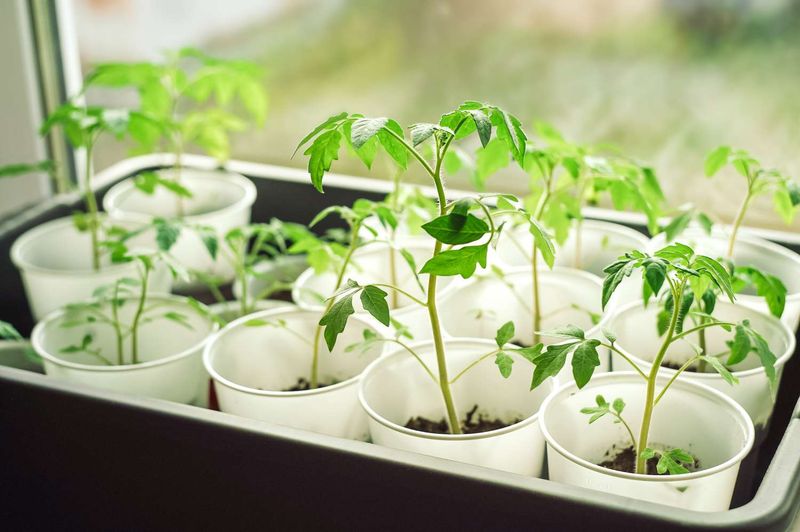
If you have a healthy favorite and a bright spot with a little room, a cutting is a low-cost experiment worth trying. If your home is dark or crowded, buying or starting new seedlings is a perfectly good plan.
What you end up with is a plant to begin the season with, not a proven way to get earlier or bigger harvests. Iowa State notes that older transplants do not always win, and Arizona Extension stresses gradual acclimation.
Sturdy growth and a careful move outdoors matter more than age. A tomato does not need to be old to be good, only healthy.