
13 Garden Chores You Can Safely Skip This Fall (Your Yard Is Actually Better Off)
Fall cleanup can feel like a race to make every bed neat before the first frost. The truth is that a lot of those chores do more harm than good, and some can even weaken the plants you love most.
Skipping the right tasks can protect your hydrangeas, clematis, and perennials through winter while saving your back. Here are 13 jobs you can cross off your list with a clear conscience.
1. Raking Every Leaf Out of Your Flower Beds
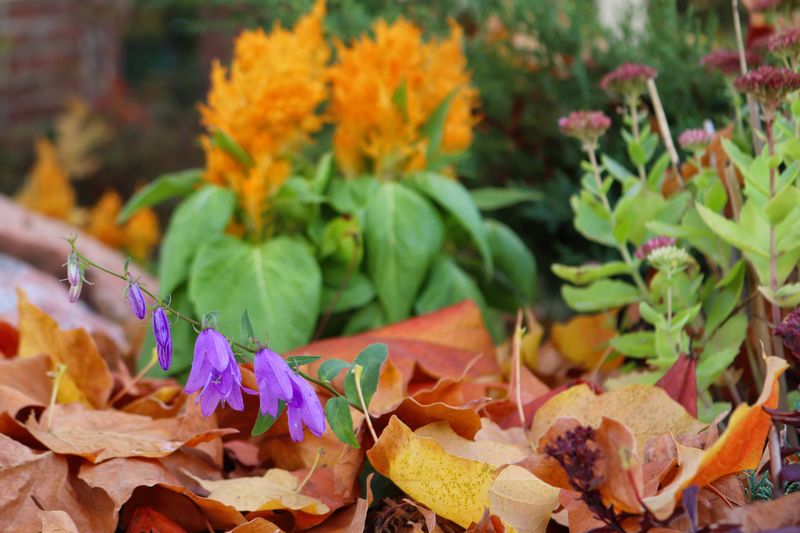
Picture a quilt your trees knit for free every October. That pile of leaves you were about to bag is exactly the blanket your perennial beds need.
A layer of leaves can hold in soil moisture, block weeds, and keep root temperatures steadier when cold snaps hit. As the leaves break down, they feed the soil with organic matter, almost like a slow-release fertilizer you never paid for.
Leaf litter also gives shelter to many butterflies, moths, and native bees through winter. Those same pollinators are the ones visiting your flowers next spring.
Keep the layer a few inches deep in beds, and pull leaves back slightly from the base of plant stems so crowns stay airy.
2. Bagging Leaves Off the Lawn
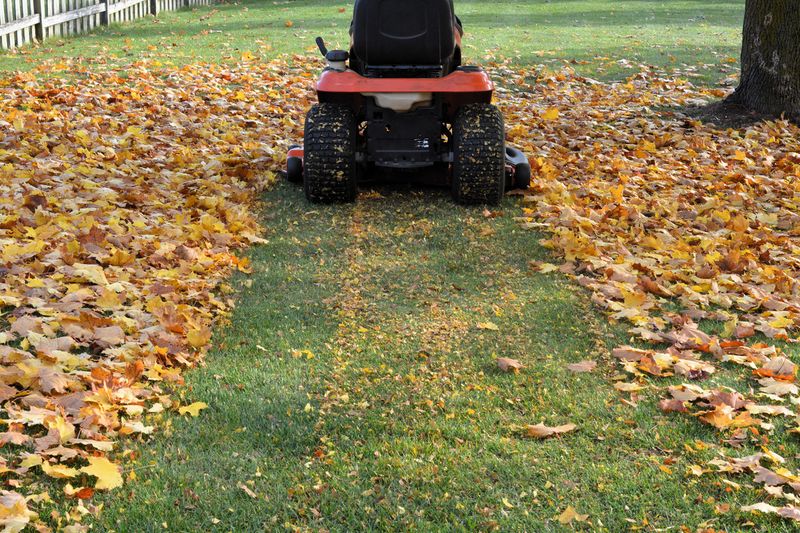
Good news for anyone who dreads lugging paper bags to the curb. Your lawn mower can handle most of this job in one pass.
Mowing over a light to moderate leaf layer chops it into small bits that slip down between grass blades. Those pieces break down over winter and can add nutrients back to the turf instead of smothering it.
The trick is size. If you can still see plenty of green grass after mowing, you’re in good shape.
A thick, soggy mat is different, so if leaves pile up deep, move the extra to your flower beds or compost pile rather than leaving it to block light.
3. Cutting Your Coneflowers and Black-Eyed Susans to the Ground
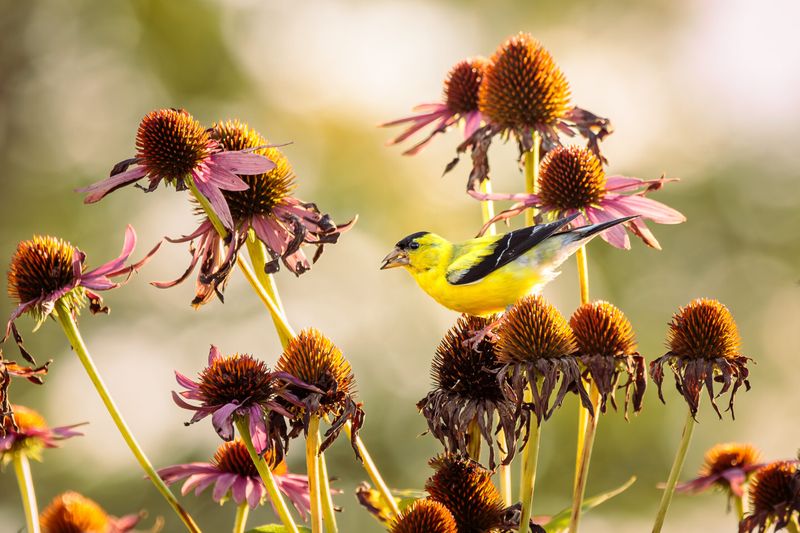
Watch a goldfinch hang upside down on a dried coneflower in November and you’ll never reach for the pruners this early again. Those brown seed heads are a winter snack bar.
Coneflowers, black-eyed Susans, and similar perennials hold seeds that chickadees, sparrows, and finches eat during the lean months. Their stiff stems also catch snow, which helps insulate the plant crown below.
Wait until late winter or early spring, when new green shoots start peeking up. Then you can cut the old stems back in a few minutes.
4. Removing the Old Flowers on Your Hydrangeas
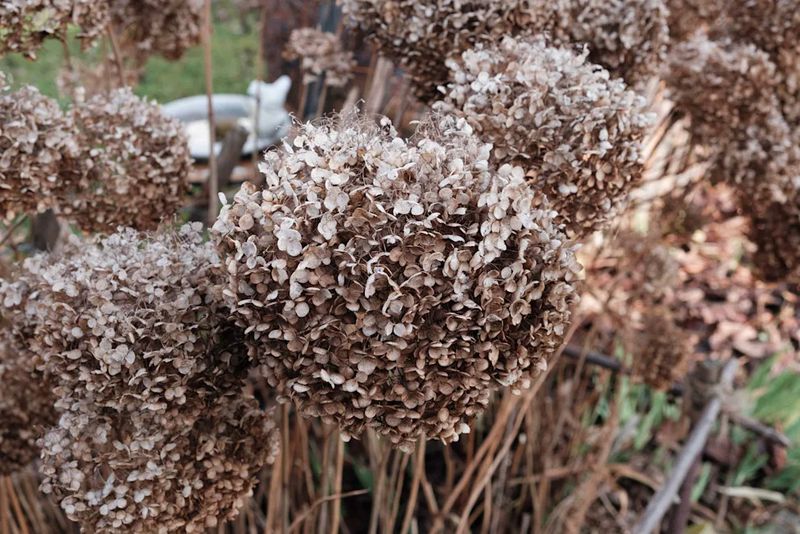
If you’ve ever had a hydrangea that refused to bloom, there’s a decent chance a fall haircut was to blame. Many popular bigleaf and oakleaf hydrangeas set next year’s flower buds on this year’s stems.
Snipping off those faded, papery blooms in fall often means cutting very close to the buds you want. Leaving the old flower heads in place may even give the buds a bit of shelter from wind and cold.
Wait until spring, when you can see swelling buds and new leaves. Then trim the dead flower heads just above the first healthy set of buds.
Your summer show will thank you.
5. Fall Pruning Your Clematis
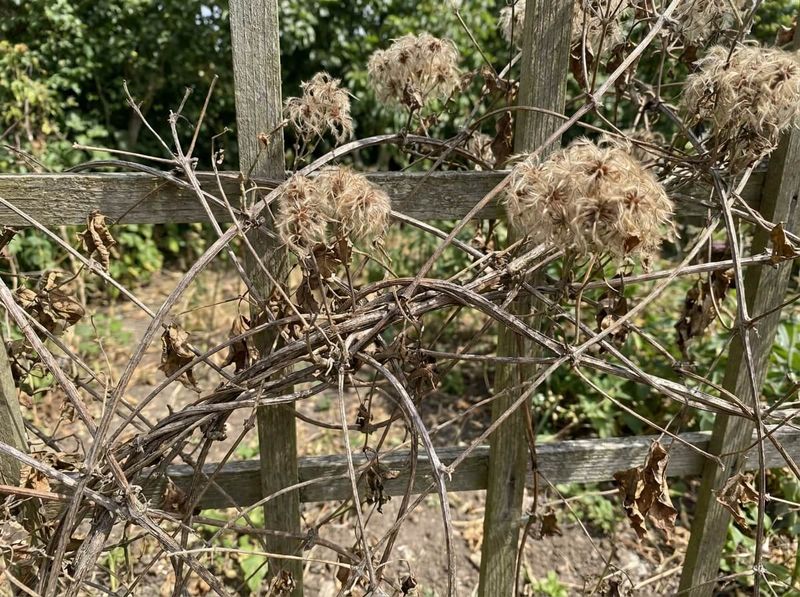
Clematis can be a little dramatic about timing. Prune the wrong type in fall and you may wait a whole extra season for flowers, or stress the vine badly.
Early bloomers in Group 1 and repeat bloomers in Group 2 flower on old wood, so fall cuts remove next year’s show. Group 3 types bloom on new growth, but even those are best cut back hard in late winter or early spring, not now.
Not sure which group you own? Leave the vine alone this fall and watch when it blooms next year.
Those fluffy seed heads look great on a frosty morning anyway.
6. Heavy Pruning of Shrubs and Trees
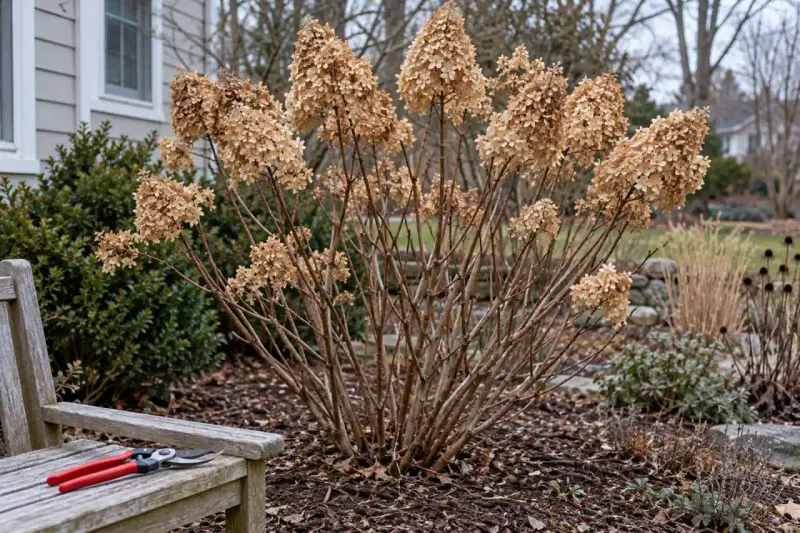
Pruning tells a plant to grow. In fall, that’s the opposite of what your shrubs need as they get ready to rest.
Big cuts can trigger tender new shoots that frost easily damages. Those wounds also stay open longer heading into cold weather.
Save major shaping for late winter or early spring, just before growth starts. The one exception is clearly dead, broken, or diseased branches, which you can remove anytime.
7. Tilling Your Vegetable Garden
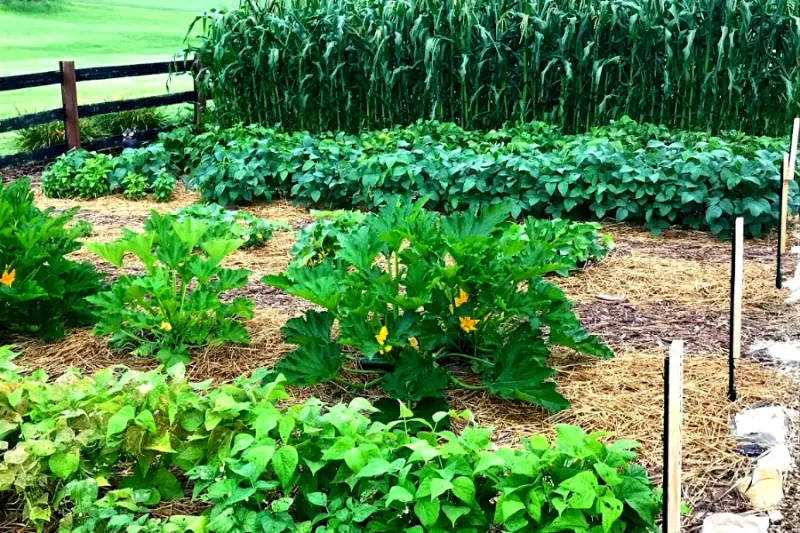
A freshly tilled bed looks tidy, but under the surface it’s a bit of a mess. Turning soil breaks up the tiny tunnels and clumps that help water soak in and drain properly.
Tilling also speeds up the loss of organic matter and drags buried weed seeds up into the light. Bare, fluffy soil can blow or wash away over winter too.
Instead, cover your beds with leaves, straw, or compost and let earthworms do the slow mixing. You’ll start spring with soil that holds moisture better and grows fewer weeds.
8. Pulling Every Spent Annual
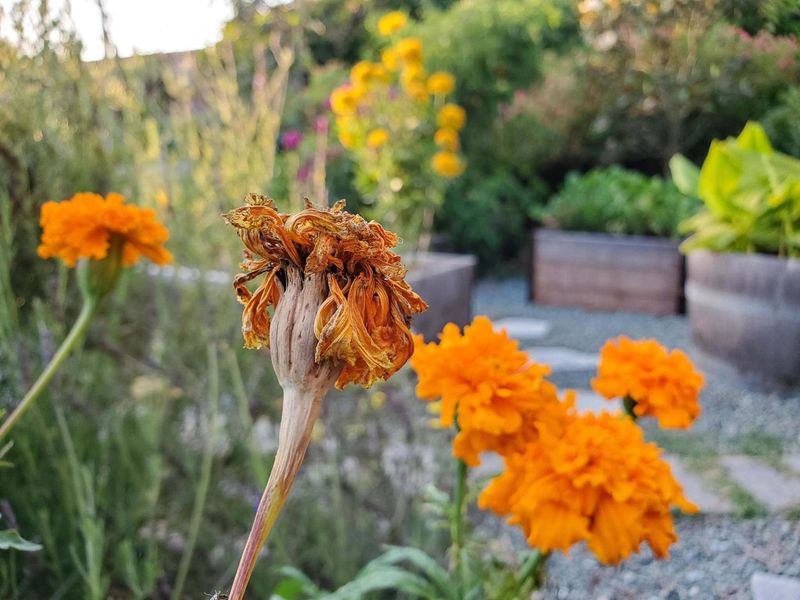
Zinnias, cosmos, and sunflowers keep working long after their petals fade. Birds love picking at the seeds well into winter.
Leaving roots in the ground lets them break down and feed soil life. In milder parts of the country, some annuals may even reseed and pop up early next spring.
One firm rule applies here. Anything showing disease or heavy pest damage should come out, but healthy plants can stay standing until spring.
9. Cutting Back Hollow-Stemmed Perennials Like Bee Balm
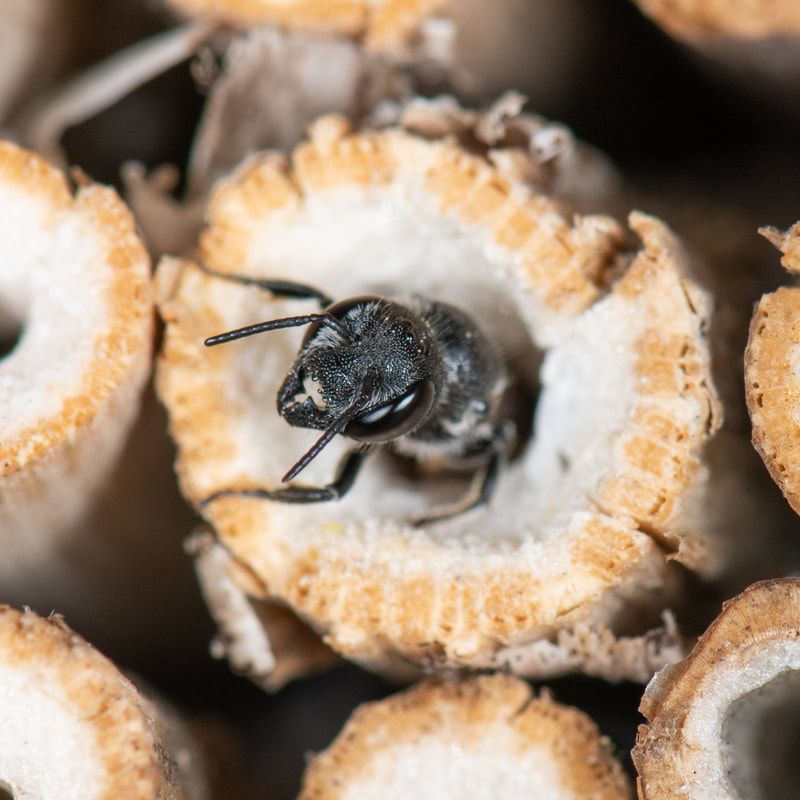
Here’s a fun fact: many native bees spend winter tucked inside hollow plant stems. Bee balm, Joe Pye weed, and similar perennials make cozy little apartments.
Cut them down in fall and you toss those tiny tenants into the yard waste bin. Leaving the stems up protects the next generation of pollinators.
In spring, you can cut stems back but leave 8 to 15 inches standing. New growth hides the old stalks quickly, and bees still have a home.
10. Cutting Back Hardy Geraniums and Evergreen Perennials
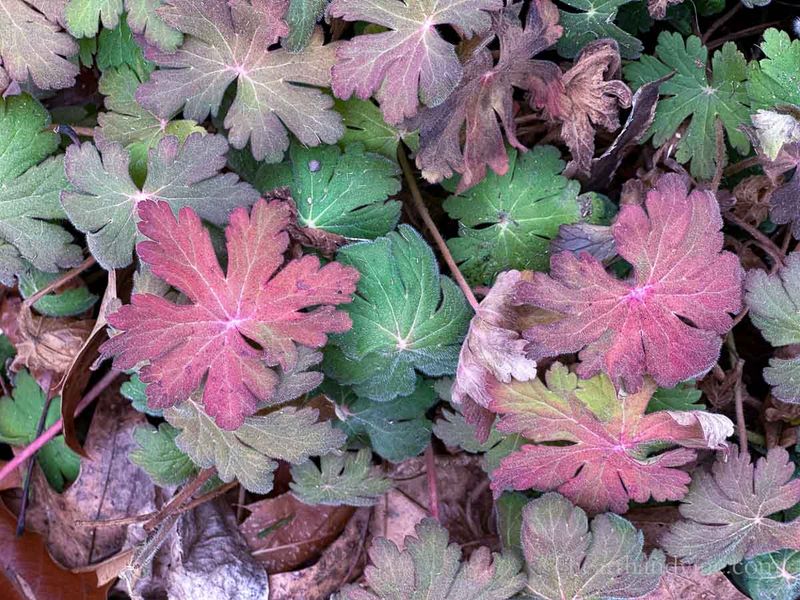
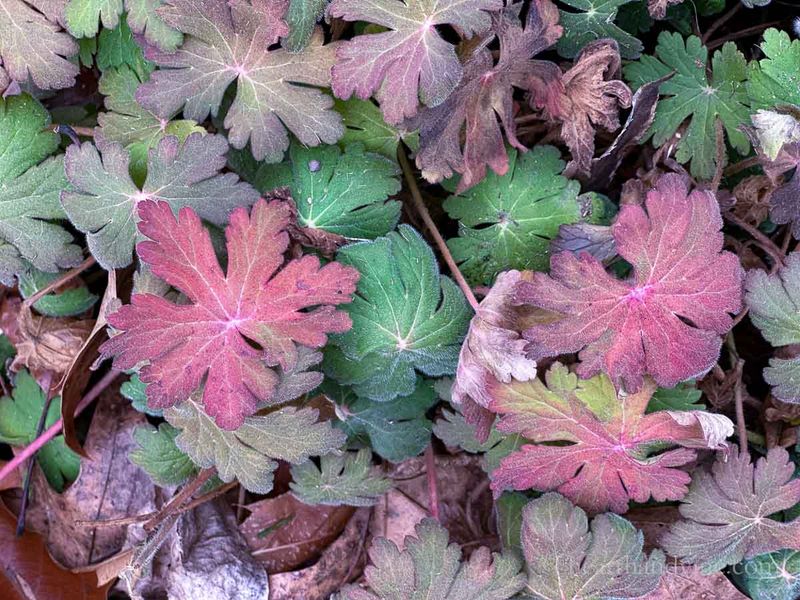
Some perennials simply don’t want a fall trim. Hardy geraniums, hellebores, heuchera, and other evergreen or semi-evergreen plants hold their leaves through much of winter.
That foliage helps protect the crown and keeps feeding the plant on mild days. Hardy geraniums often turn lovely shades of red and bronze, adding color when little else is happening.
Just tidy up any tattered leaves in spring once fresh growth appears. That’s it.
11. Cutting Down Garden Mums
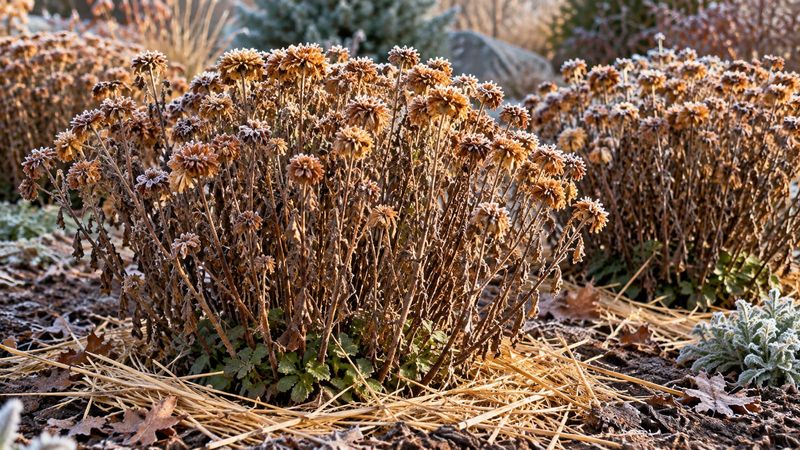
Mums planted in the ground often struggle to come back, and an early haircut can make it worse. Those old stems are part of the plant’s winter armor.
Standing foliage traps leaves and snow around the crown, giving extra insulation in cold zones. Many gardeners find their mums return more reliably when left alone.
Add a few inches of mulch around the base after the ground cools. Trim the dead stems in spring when new shoots show.
12. Heavy Fall Fertilizing
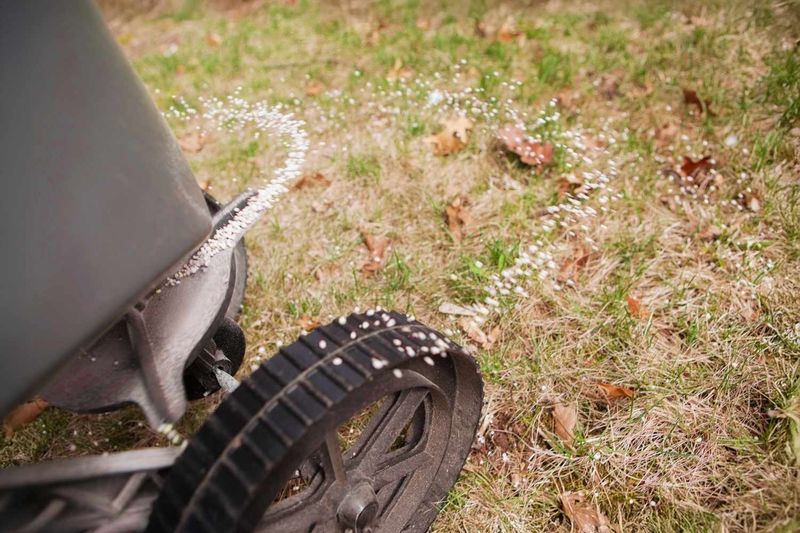
Feeding your garden in fall feels generous, but too much nitrogen can backfire. It may push soft new growth that frost quickly damages on shrubs and perennials.
For lawns, timing matters a lot. Once temperatures stay below about 40 degrees or grass goes dormant, roots can’t use much of what you spread, and it may wash away.
A soil test is the smartest move before buying anything. Feed only when there’s a real need, not just out of habit.
13. Chasing a Perfectly Clean Yard
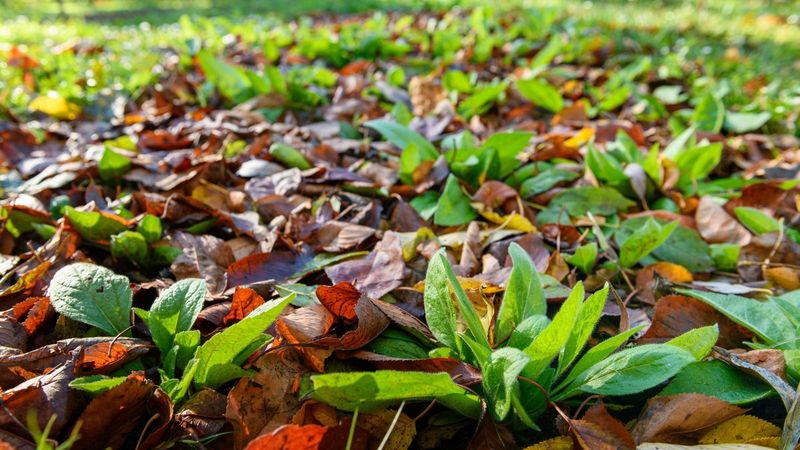
Spotless beds might win neighborhood compliments, but they leave little for wildlife. A slightly messy garden feeds birds, shelters insects, and protects roots.
Nature runs on a cycle of growth and decay. Letting that cycle play out often means healthier soil and fewer problems next year.
Do clean up diseased plants, like tomato vines with blight, and anything blocking walkways. Then grab a warm drink and enjoy the free time.