
Can You Use Pine Cones in North Carolina Garden Beds? What the Evidence Says
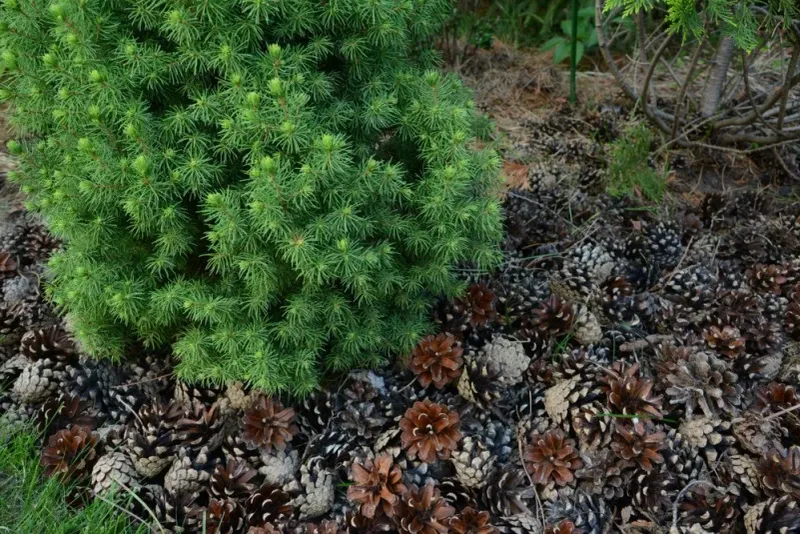
A pile of pine cones under the loblolly pine is easy to ignore, but some gardeners wonder if those cones belong in the flower bed. Can they help heavy clay, protect soil, or feed the garden by spring?
The answer depends on what job you want them to do and where in North Carolina you live. Here is what the experts actually say, and where the advice runs out.
Are North Carolina gardeners using pine cones?
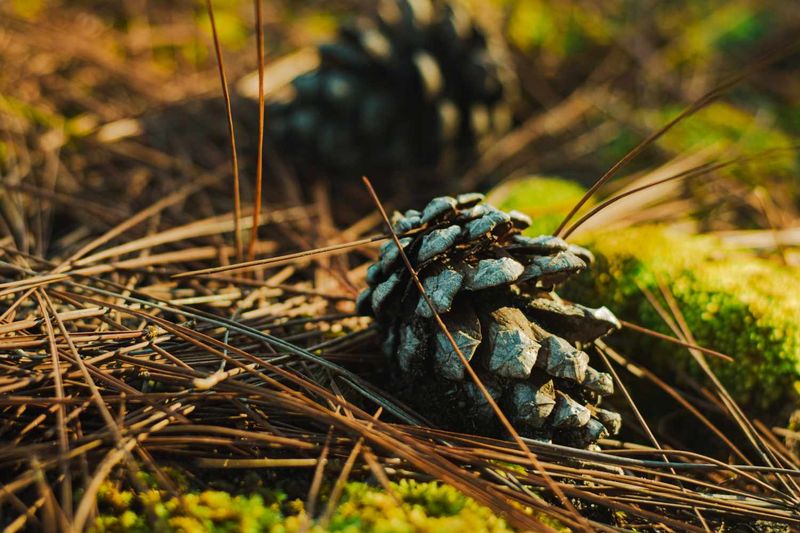
Nobody has shown that tucking cones into beds is a common fall habit across North Carolina. The sources reviewed for this article offer no count of gardeners doing it and no local survey.
So the habit may be real in some yards, but it is not an established regional practice.
What does exist is a short answer from Extension staff. In a 2025 Ask Extension reply, pine cones are described as something that can be used as surface mulch, especially if they are chopped up.
The same reply warns that cones break down slowly and can tie up nitrogen as they decompose.
That is limited advice from an expert, not a North Carolina field trial. It does not tell us that cones fix soil, and it does not tell us that your neighbors are doing it.
So the useful question is a narrower one. If you have cones dropping in your yard, what can they reasonably do in a bed?
The next sections look at soil, drainage, decomposition, and safety so you can decide for your own patch.
North Carolina soil conditions vary by region
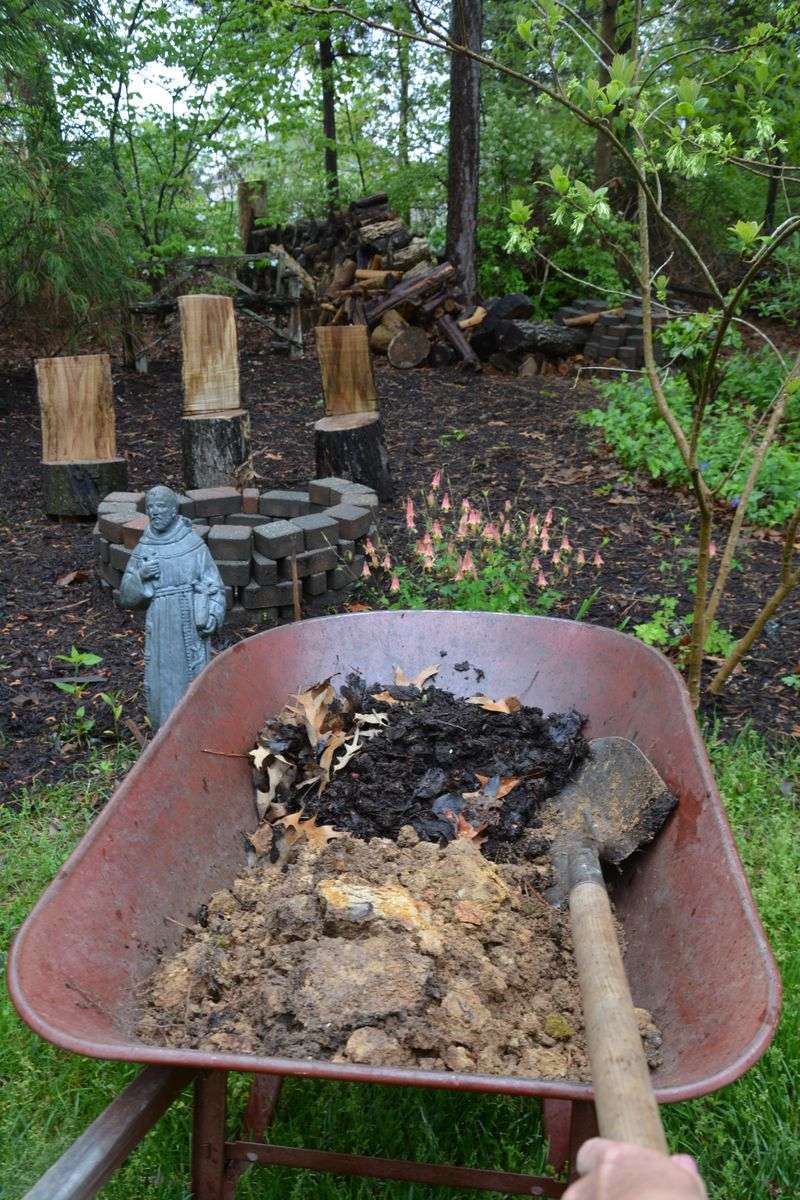
Ask a gardener in Greensboro and one in Wilmington about their dirt, and you will hear two different stories. NC State describes high-clay subsoils as common in parts of the Piedmont and the mountains.
Coastal Plain soils tend to be sandier, as explained in NC State’s guide to modifying soil around your home.
Clay holds water and can drain slowly. Sandy soil usually drains fast and may dry out.
A trick that sounds helpful for one can be pointless for the other.
You can check your own yard with a simple habit. After a good rain, watch whether water pools in a bed for a long time, or whether it vanishes quickly.
Dig a small hole and squeeze a handful of moist soil. If it holds a sticky ribbon, you likely have clay.
Keep in mind that even in the Piedmont, a yard can vary from one corner to the next, especially where builders scraped off topsoil. Treat clay as something to confirm in your bed, not as a statewide fact.
That local check sets up the drainage question that comes next.
A cone layer is not a proven clay-drainage fix
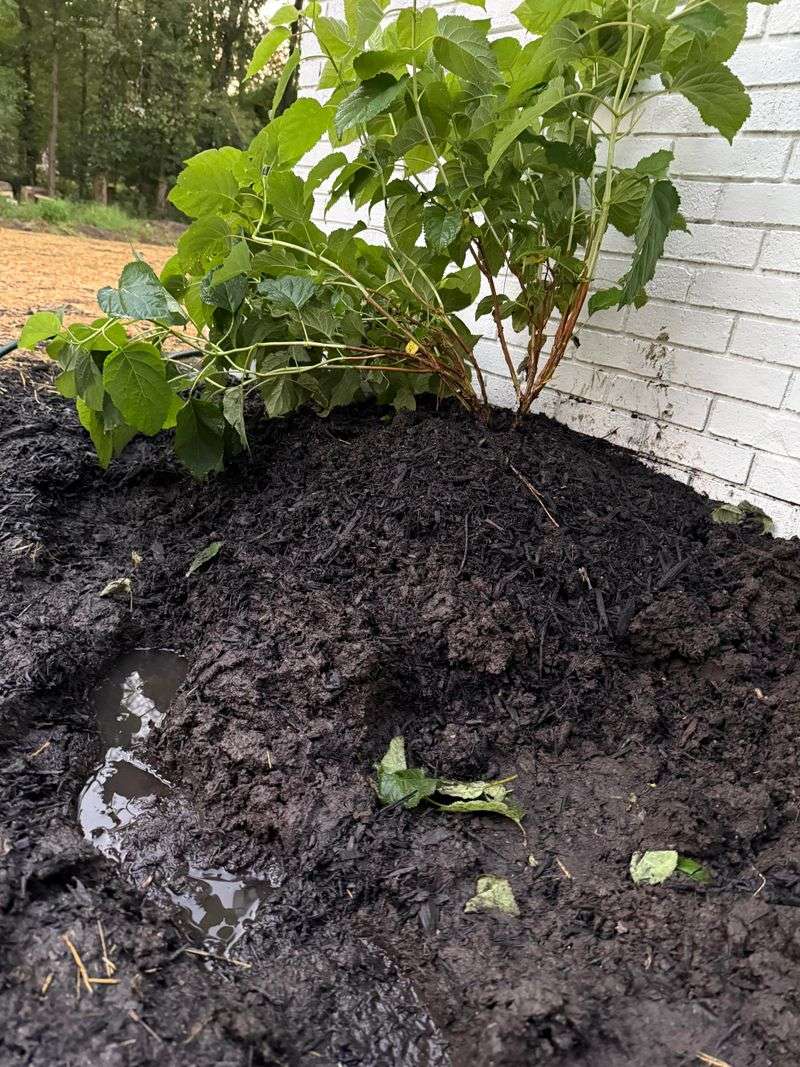
Covering the ground and changing the ground are two separate jobs. Surface mulch shields soil from sun, rain splash, and weeds.
A soil amendment, on the other hand, is organic matter worked into the soil over time so the structure itself improves.
The sources here do not show that whole cones do the second job. The Extension response frames cones as a possible surface mulch only.
Nothing reviewed shows that a layer of cones changes how water moves through the clay underneath.
NC State points to different tools for clay. The Extension Gardener Handbook explains that clay-rich soils drain slowly and that composted organic materials improve structure and porosity gradually.
NC State’s soil modification guide recommends materials such as fine pine bark rather than whole cones.
That does not make cones harmful. It means you should not count on them to loosen a soggy Piedmont bed, and they are not shown to match proven mulches or amendments.
If water sits in your bed for days, look to amendments and drainage planning instead.
What can happen to cones by spring?
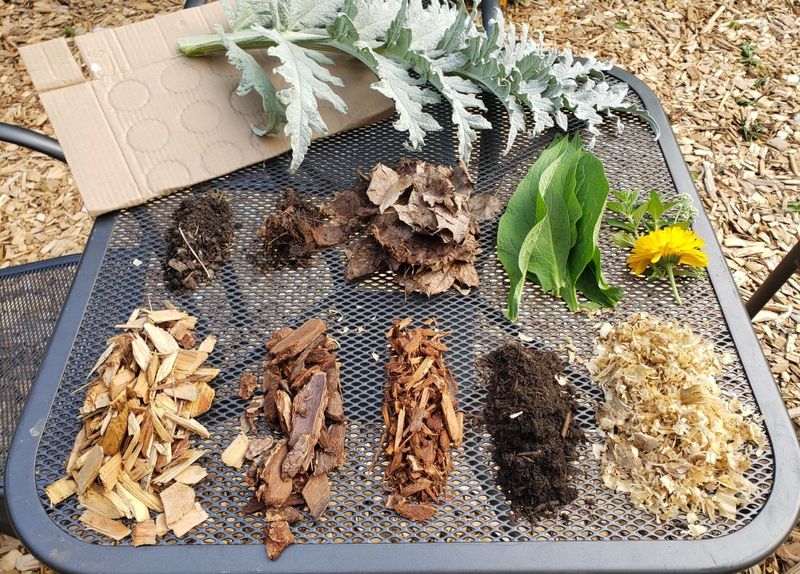
Come March, do not expect a crumbly, dark bed. The Extension response says cones break down slowly.
It also says they may tie up nitrogen as they decompose, meaning the microbes breaking down woody material can borrow nitrogen your plants might want.
Chopping cones into smaller pieces is the version the Extension reply mentions, and smaller pieces generally have more surface for decay to work on. Still, nothing promises a particular timeline.
There is research on cone decay, but it is narrow. A peer-reviewed genomic study looked at specialist fungi, Auriscalpium and Strobilurus, that live on cones from three pine species in Europe and East Asia.
It shows that cones host decomposers and can eventually rot.
It did not measure how fast cones break down, and it did not test home gardens in North Carolina. So it cannot tell you what a cone layer will look like by spring or whether your soil will measurably benefit.
A fair expectation is simple. Cones left on the surface will probably still look like cones in spring, perhaps a bit weathered.
If you want to watch your plants for signs of nitrogen shortage, such as pale new leaves, a cone mulch is a reason to keep an eye out.
If you use cones, keep them on the surface
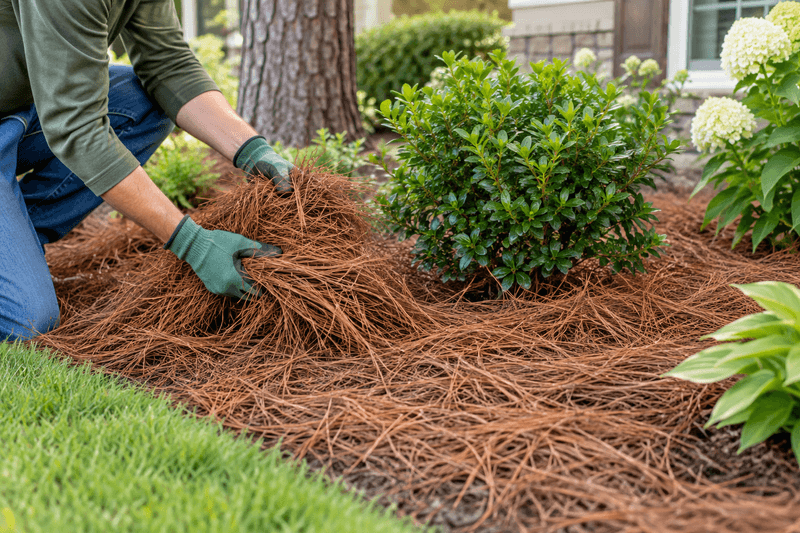
If cones are already piling up under your pines, using them as a top layer is the most supportable choice. The Extension response mentions surface mulch, and it especially points to chopped cones.
Whole cones have even less backing.
Skip the idea of mixing whole cones into the planting bed to help drainage. No source reviewed shows that this loosens clay, and slow-rotting chunks could tie up nitrogen right where roots are growing.
For depth and spacing, borrow general mulch rules. NC State’s woody ornamentals chapter recommends a mulch layer about 2 to 3 inches deep and keeping it at least 6 inches from plant bases and tree trunks.
Those numbers are general mulch guidance, not a tested pine-cone recipe.
A practical way to start is small. Mulch one bed section with chopped cones, leave the stems and trunks clear, and compare how that spot looks and drains against a section with a familiar mulch.
Remember that a bed near the house may need a different material, which the last section covers.
Use recommended amendments to improve clay soil
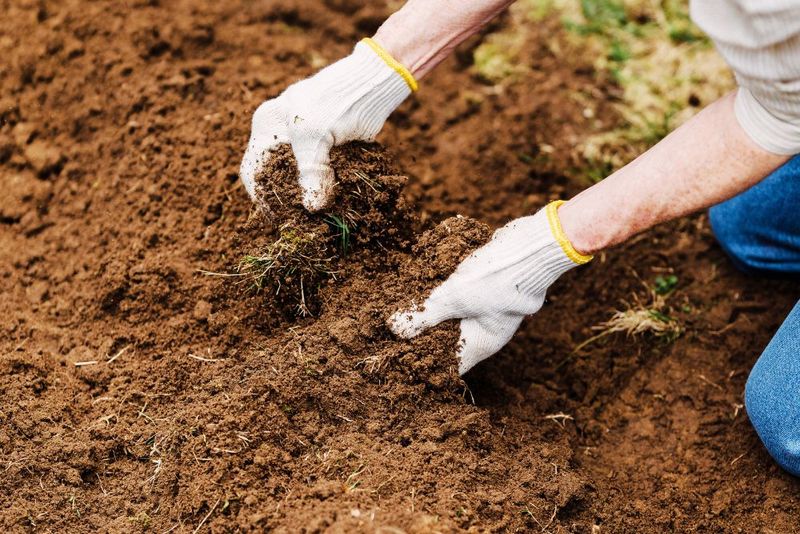
For heavy clay, NC State’s answer is steady organic matter. The Extension Gardener Handbook explains that composted organic material gradually improves soil structure and porosity, and it names fine pine bark and composted leaf mold as preferred amendments.
Notice the word composted. These materials are already broken down or finely ground, which is very different from intact cones that rot slowly.
Improvement comes over time, not overnight.
Timing matters too. Working wet clay can worsen compaction, so wait until the soil crumbles instead of smearing when you squeeze it.
NC State’s soil modification guide gives the same caution about wet soil.
Many gardeners also wonder whether pine material makes soil more acidic. North Carolina soils often lean acidic, but the sources reviewed do not show how a layer of whole cones affects a given bed’s pH.
Do not assume cones will acidify it, and do not assume they will not.
The reliable move is a soil test before any pH correction. It tells you what your bed needs, so you add lime or sulfur only when the numbers call for it.
Keep cones out of the home’s immediate fire-safety zone
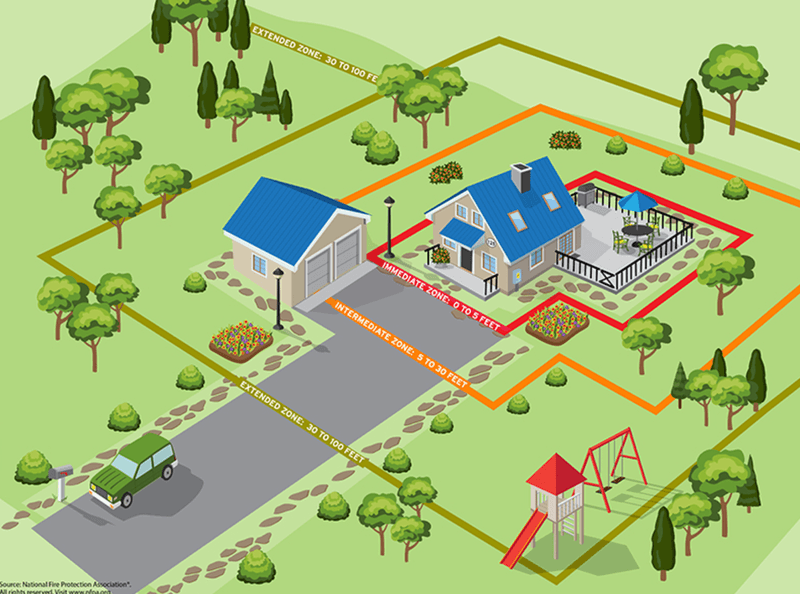
Near the house, cones can be a hazard. The North Carolina Forest Service, in its fire-resistant landscaping guidance, says to remove leaves, twigs, cones, and branches within 5 feet of the home, including decks and patios.
For that zone it recommends nonflammable mulch.
This applies most to homeowners in wildfire-prone areas, which can include pine-heavy neighborhoods and wooded lots. Dry cones are combustible debris, and embers can land in a bed against siding or under a deck.
That guidance takes priority over any idea of using cones as bed cover close to the house. If you like the look of cones, save them for beds farther out in the yard, following the surface-only habits described earlier.
A quick weekend check helps. Walk the perimeter, rake out cones and dry debris from the 0 to 5 foot band, check under decks, and swap in gravel or another nonflammable mulch.
A pine cone is a seed case first and a mulch only by improvisation, so give it a spot where its limits cost you nothing.