
Virginia Sweetspire: A North Carolina Native Shrub With Fall Color and Burning Bush Alternative Appeal
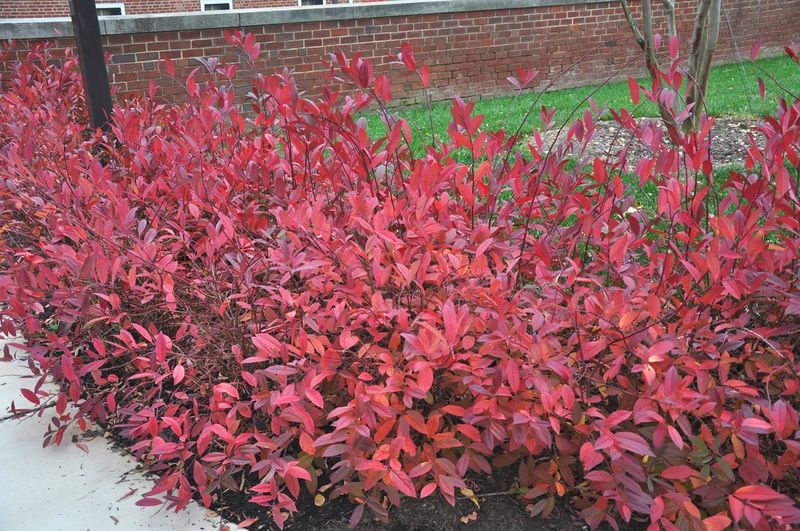
Many North Carolina yards still have burning bush, a shrub famous for autumn color that has become an invasive problem in our state. Virginia sweetspire is a native shrub that can brighten the fall landscape with its own mix of leaf colors.
It also brings fragrant spring flowers and some real value for pollinators and songbirds. Here is how to decide whether it belongs in your yard.
Virginia sweetspire brings more than fall color
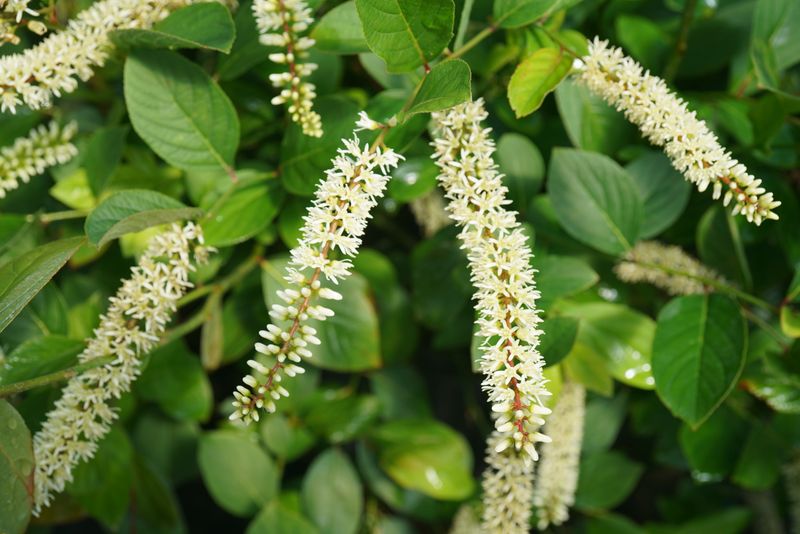
Picture a shrub that earns its spot in the yard twice a year. In late spring, Virginia sweetspire (Itea virginica) hangs long, fragrant white flower clusters over its branches.
In autumn, the leaves turn to warm shades that can light up a corner of the garden.
This plant belongs here. NC State Extension lists it as a native plant across the Coastal Plain, Piedmont, and Mountains, so a homeowner in Wilmington, Raleigh, or Asheville can consider it without reaching for an import.
That broad range is a good sign, though it does not mean every cultivar or planting site will perform the same way.
It is not a flashy plant in midsummer. The leaves are glossy green and the shrub sits quietly in the background of the garden.
That ordinary look is part of the charm, because the payoff comes in seasonal waves: flowers in spring, then foliage color when the weather cools.
This guide is meant to help you decide if sweetspire suits your yard. We will look at what fall color to expect, where it grows best, how much room it needs, and how to care for it.
NC State’s plant profile describes a range of autumn hues rather than one fixed color, and we will keep that honest range in mind throughout. Think of sweetspire as a dependable native with a lot to offer, not a guarantee of a uniform red show.
A native alternative, not a copy of burning bush
Burning bush has been a landscape favorite for its bright fall leaves, but it comes with a catch. NC State identifies burning bush (Euonymus alatus) as invasive in North Carolina.
It is a larger shrub that can spread by seed and form dense groves, crowding out the native plants that local wildlife depend on.
Swapping it for a native is a practical stewardship move. Virginia sweetspire offers fall foliage and fragrant spring flowers, and it grows naturally in our state.
If you are removing burning bush, sweetspire is one of several natives worth a look.
Still, call it an alternative, not a twin. The two shrubs differ in size, shape, and habit.
Burning bush is known for a tall, dense form, while sweetspire is an arching shrub that spreads by root suckers, as NC State’s sweetspire profile explains.
Its fall color is also less predictable than the uniform scarlet many people expect from burning bush. If you need a tall hedge or a single dramatic red, sweetspire may not deliver exactly that.
If you want a native with seasonal interest and a softer, more natural look, it fits well.
What to expect from sweetspire’s fall color
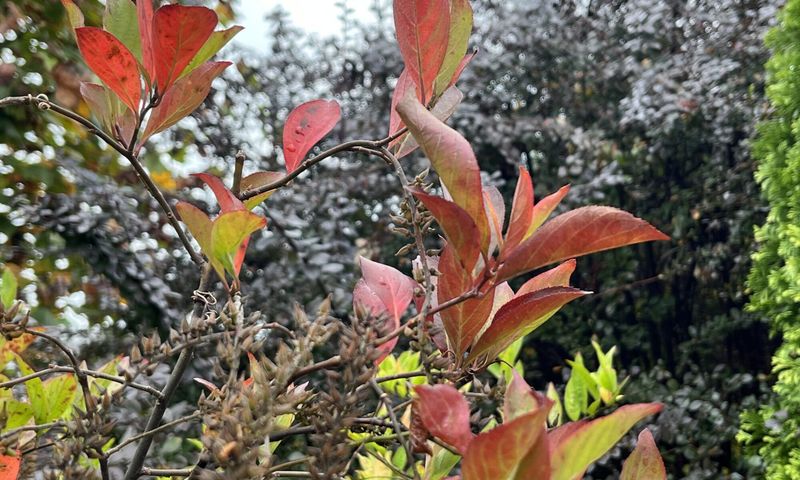
Sweetspire’s autumn show comes in a range of colors. NC State describes fall foliage that can include shades from copper-brown to orange and gold.
Other sources report red, red-purple, or maroon tones.
That list is a menu of possibilities, not a promise. One plant may lean toward burgundy while another, a few yards away, goes golden orange.
Virginia Tech Extension also points to red or purplish fall color, which fits the variety gardeners see in the field.
Several things shape what you get. Sun exposure, the cultivar you plant, the weather in a given year, and your local conditions can all change the display.
A shrub in full sun tends to color better than one in deep shade, but sun improves the odds without locking in a bright red.
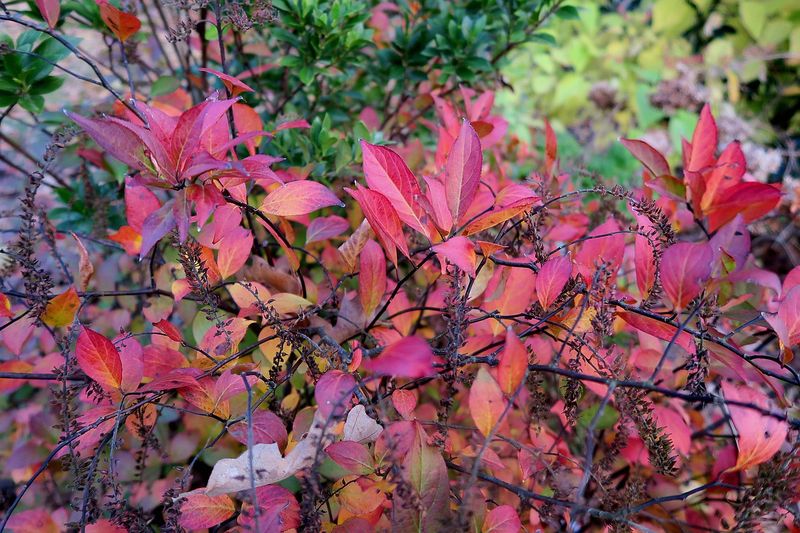
A good way to set expectations is to picture a patchwork. Leaves may shift gradually, with reds, oranges, and golds mixed on a single shrub.
Some leaves can hang on into late fall.
If you shop for a plant in person at a nursery in autumn, you can see the color before you buy. That is the surest way to know what a particular plant does in our region.
Give it sun, suitable soil, and room to spread
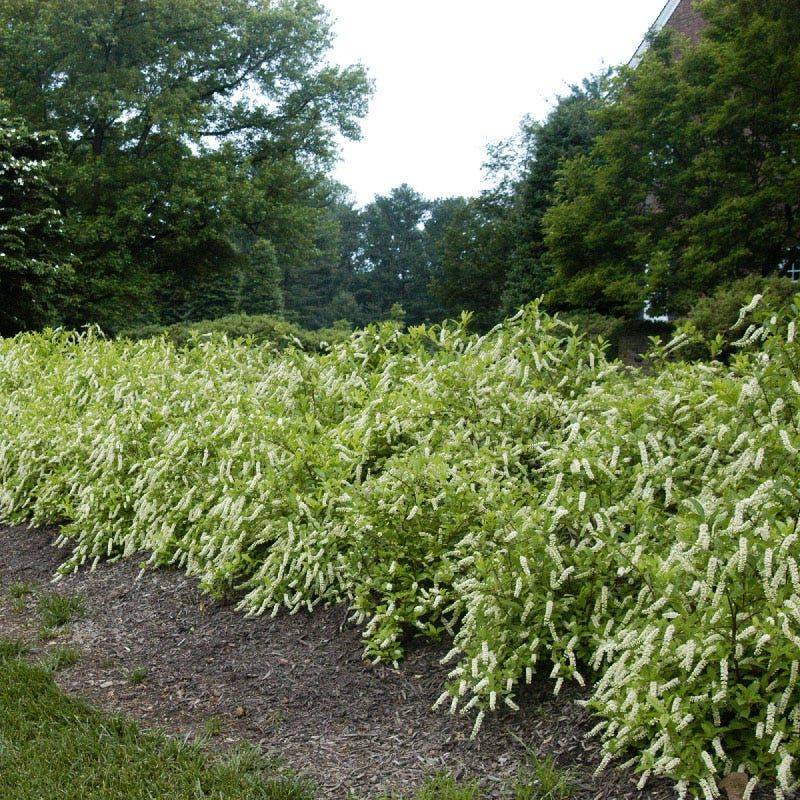
Before you dig, walk your yard and look at the light. NC State recommends full sun for stronger flowering, better fall color, and denser growth.
The shrub does tolerate shade, so a partly shady spot will not doom it, but expect a looser look and possibly less of a show.
Soil matters too. Sweetspire handles a range of soils, yet it performs best in moist, slightly acidic, fertile ground.
A low spot that stays damp, or the edge of a rain garden, can suit it nicely.
Now think about space. Typical height is 4 to 8 feet, and the plant forms colonies through root suckers.
Left alone, a single shrub can slowly become a thicket.
That habit is a plus on a slope or along a wet edge where you want coverage. It is a challenge in a tight bed beside a walkway.
NC State’s landscape design guidance notes that a smaller cultivar may suit tighter spaces.
If you want an easy-to-find cultivar, NC State identifies ‘Henry’s Garnet’ as the one most available. Do not assume every cultivar has the same size or fall color, so check the plant tag.
Plan to pull or mow unwanted suckers if you want to keep the clump in bounds.
Plant in fall and water while it establishes
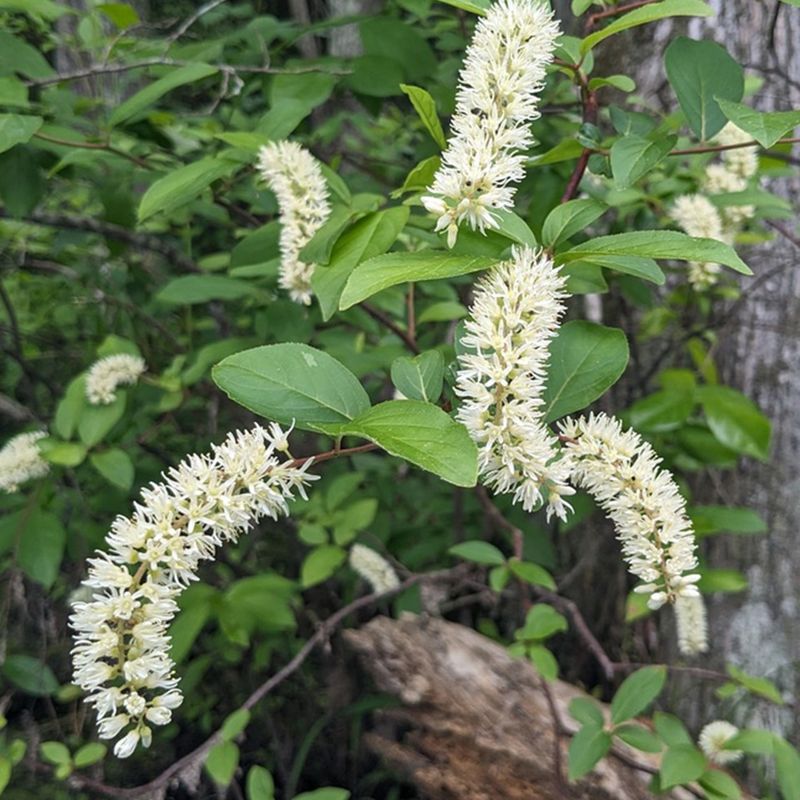
Autumn is a friendly time to get native shrubs in the ground. Cooler air and softer sun let roots settle without the stress of summer heat.
N.C. Cooperative Extension lists fall as a suitable planting window for native plants in North Carolina.
Planting is only half the job. A new shrub has a small root system and cannot find water on its own yet.
It needs consistent moisture while it establishes.
When rain is scarce, give it a deep watering instead of a quick sprinkle. A slow soak at the base reaches the roots and encourages them to grow downward.
Fall can be dry in parts of the state, so do not count on the weather to do the work.
Check the soil with your finger a couple of inches down. If it feels dry, it is time to water.
A layer of mulch around the plant, kept back from the stems, can help hold moisture.
Keep an eye on the shrub through its first growing season. A little attention early on sets up a plant that can handle itself later.
Prune after flowering to protect next season’s blooms
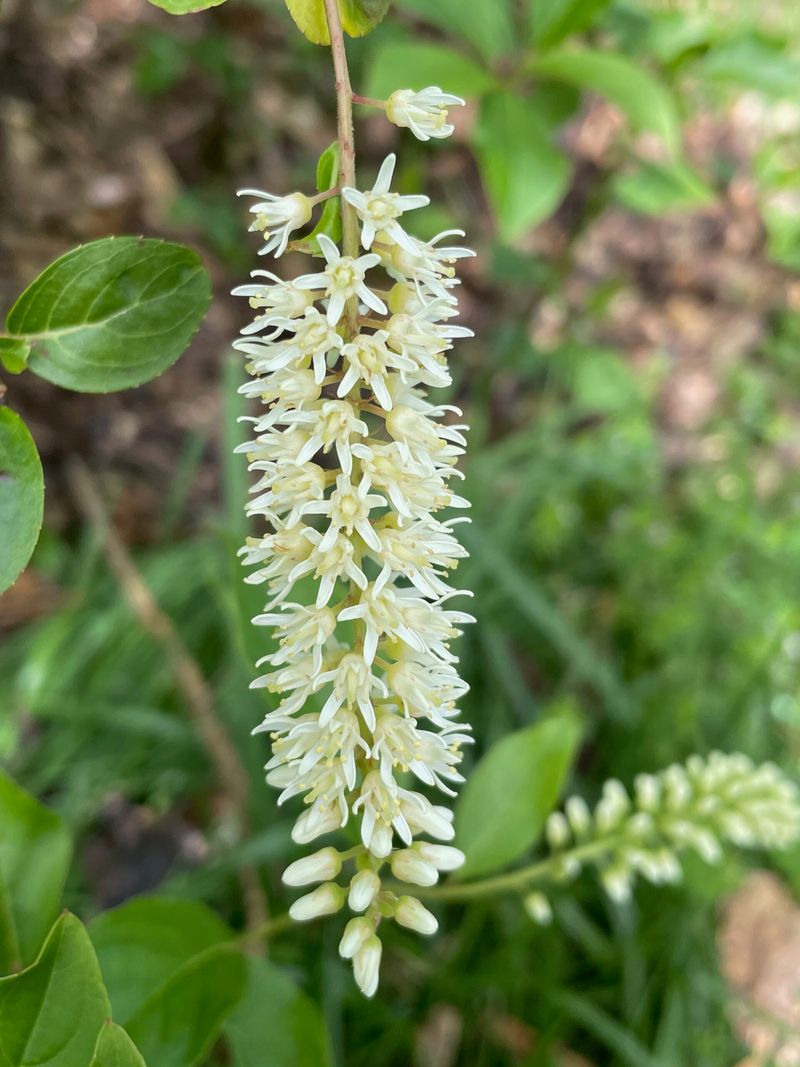
Timing is the one pruning rule worth remembering. Sweetspire flowers on the previous season’s wood, which means the buds for next spring’s blooms form on stems that grew this year.
Cut them off in late winter and you may be trimming away the flowers.
If blooms matter to you, NC State advises pruning after flowering instead of in late winter. That gives the shrub time to grow new stems that will carry the next round of flowers.
You do not have to prune at all. Plenty of gardeners let sweetspire arch and spread in a relaxed way, especially in a naturalized area.
Pruning is a choice, not a requirement.
If a shrub starts to outgrow its spot, early summer after the flowers fade is the moment to shape it. Late winter is the time to hold back if you want a full spring bloom.
A quick look at the calendar before you pick up the pruners can save a season of flowers.
Spring flowers and seeds add wildlife value
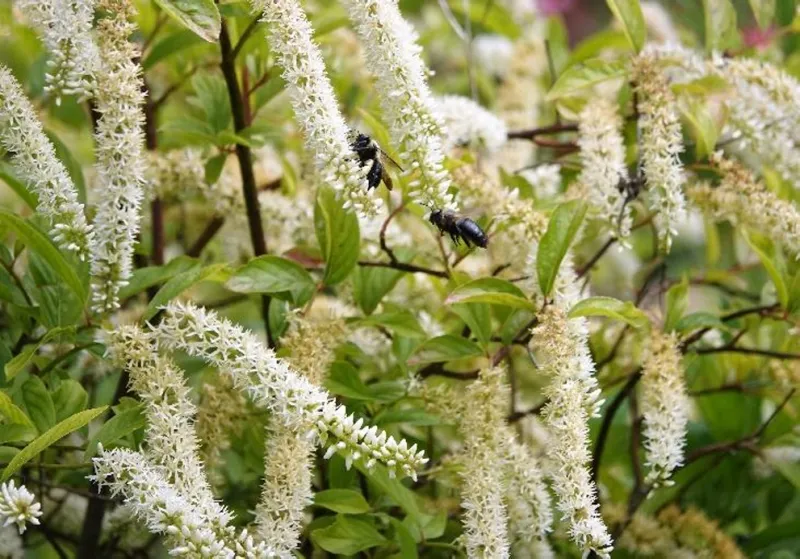
Walk past a blooming sweetspire in May and you may notice the scent first. The long, fragrant flower clusters draw pollinators, and NC State’s plant profile lists them as a pollinator attractor.
That makes the shrub a useful addition to a yard where you want more life in the garden.
The value does not stop when the petals drop. After flowering, the shrub produces small seeds, and songbirds eat them.
It is a modest but real food source that adds to the plant’s role in a backyard habitat.
Keep expectations grounded. The supported facts are general: pollinators visit the flowers, and songbirds eat the seeds.
No plant promises a particular bird or insect will show up, and a single shrub will not shield wildlife from other hazards in the yard.
Where sweetspire shines is as one piece of a larger planting. Pair it with other native shrubs, perennials, and trees, and your yard becomes a more welcoming patch of North Carolina.
Choosing a native over an invasive like burning bush is a quiet way to support that.
Decide whether sweetspire fits your yard
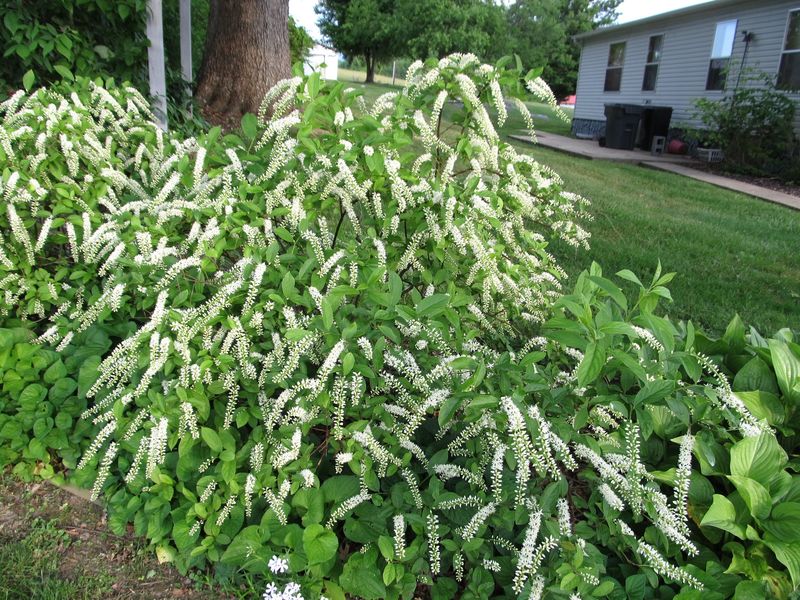
Sweetspire suits a North Carolina yard when you can offer decent light, reasonably moist soil, and room for a shrub that spreads. NC State’s profile backs up its seasonal value, and it is a sound native choice to replace invasive burning bush.
Go in knowing the fall color will vary from yard to yard and year to year. Weigh the spring flowers, the wildlife value, and the suckering habit, and you will get a plant that earns its place.
A native shrub rarely shouts, but it keeps showing up.