
A Simple Soapy-Water Light Trap May Catch Stink Bugs Already Inside
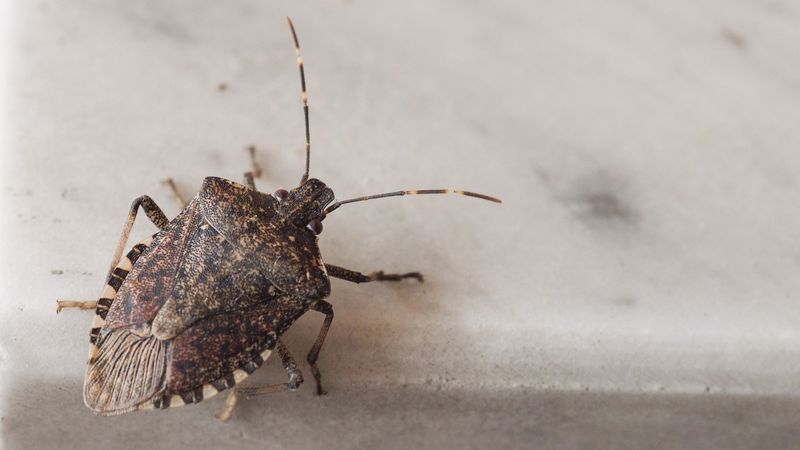
Stink bugs bunching up on window screens in fall can make any home feel under siege. Some of them find a way in, and then they wander around lamps, curtains, and ceilings.
A pan of soapy water and a light is a cheap, spray-free trick that may catch the ones already indoors. Here is how it works, where it falls short, and what really keeps more bugs out.
Bugs on a screen may still be outside
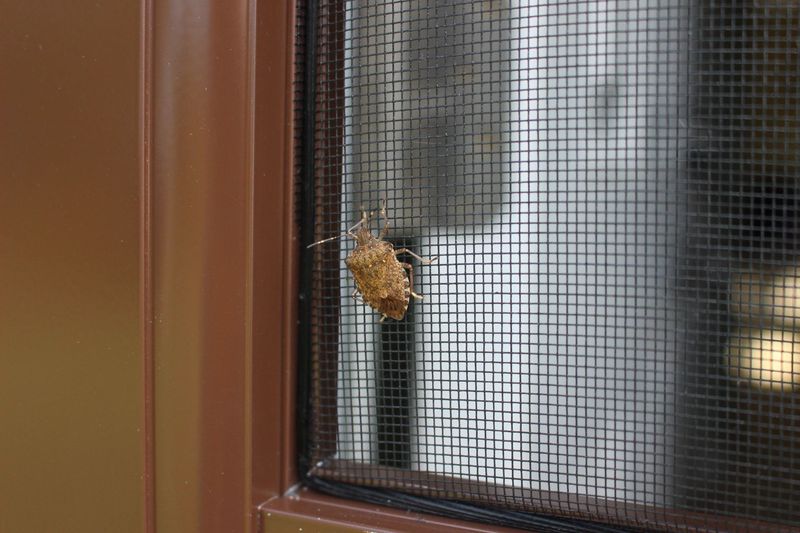
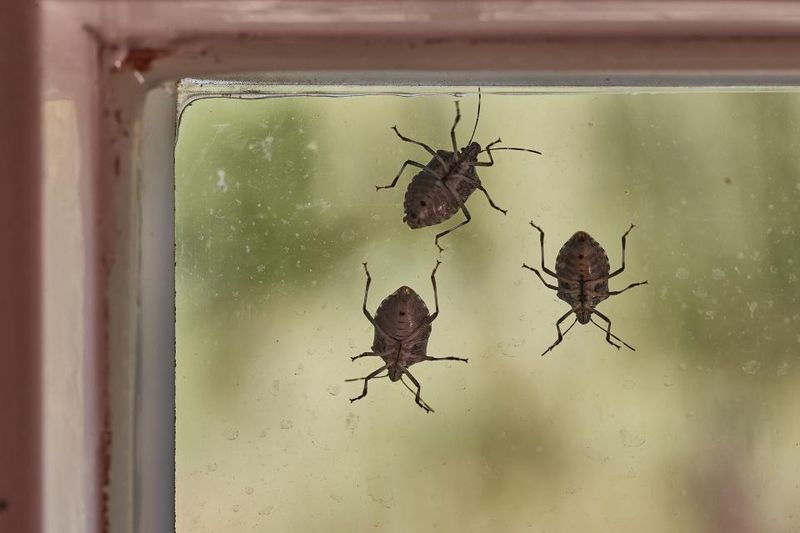
Late summer and fall bring brown marmorated stink bugs to the sides of houses. They are looking for sheltered spots to wait out winter, and warm walls, window frames, and doors look like good options, according to UC IPM guidance.
A bug sitting on the outside of a screen has not come in yet. That matters, because an indoor trap only deals with bugs that are already inside your home.
It is not a way to pull a crowd off exterior screens, doors, or walls.
Before you set anything up, make sure you are looking at the right insect. Brown marmorated stink bugs have alternating light and dark bands on their antennae and pale markings along the outer edge of the abdomen, as described by UNH Extension.
Other brown, shield-shaped insects look similar at a glance.
If the bug has those banded antennae and you find it indoors, the trap is worth a try. If the bugs are only clinging outside, your better move is to look at the screen and the gaps around it.
What an indoor light-and-water trap can do
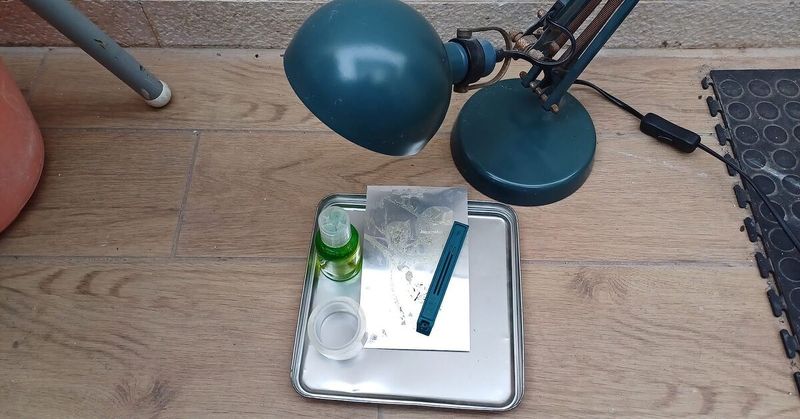
The idea is simple. Light draws the bugs toward a pan, and soapy water holds the ones that land in it.
UC IPM recommends this kind of inexpensive trap for brown marmorated stink bugs inside the home.
A Virginia study, published in the Journal of Extension, compared several light traps in homes during late winter and early spring. The aluminum-foil water-pan design caught the most stink bugs among the traps tested.
That is a useful result, but it has limits. The study looked at indoor traps in Virginia homes, not a fall treatment across the whole country.
Nothing in the study or the extension guidance shows that a lamp and pan inside will draw bugs in from outdoors.
Nor does it promise a catch overnight. University of Florida IFAS Extension lists light-and-water traps among do-it-yourself options, and the method is typically used at night.
Even so, the trap may catch some bugs, not all of them, and it will not necessarily clear a room.
Think of it as a low-cost helper for the stragglers already wandering around inside, one that needs no spray.
Set up a pan of soapy water and aim a light into it
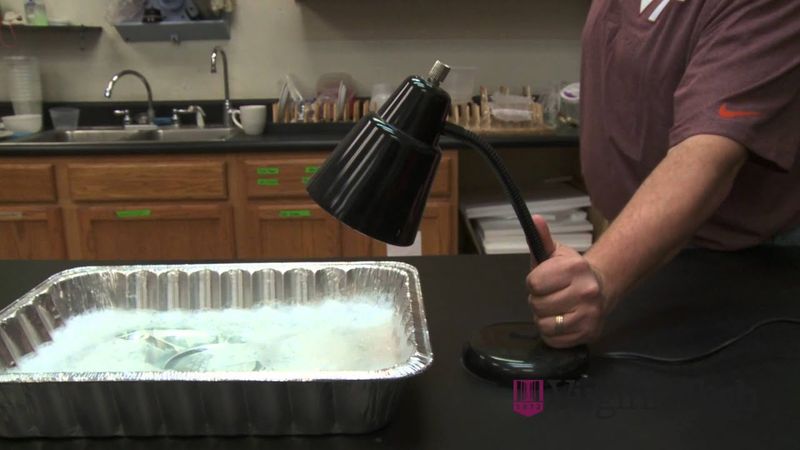
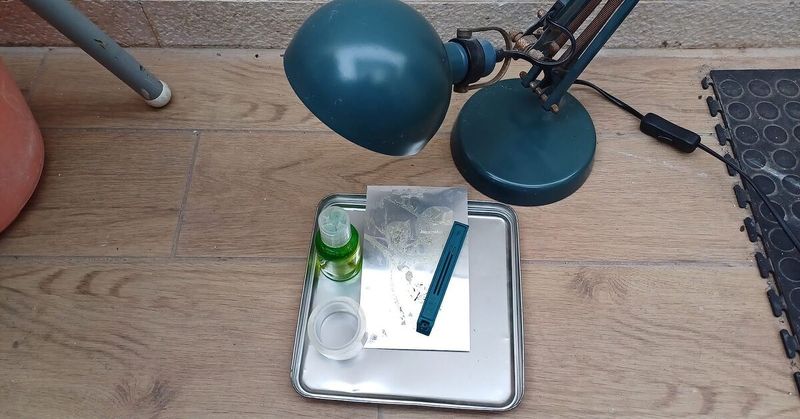
Start with a pan that holds water. A shallow baking dish or foil roasting pan works.
Place it in a room where you have seen stink bugs, ideally one you can keep dark at night.
Add water, then a few drops of dish soap. The soap breaks the water’s surface tension so bugs sink instead of walking away.
UC IPM describes the setup as a pan of soapy water with a light directed into it in a dark room. The light is the attractant, and the water does the catching.
For a sense of scale, a Virginia Tech dissertation describes a foil roasting pan with about 1 liter of water and 1 mL of dish detergent, lit by a desk lamp. That is a tested example, not a required recipe, so a little more or less will not ruin the idea.
Turn off other lights, aim your light so it shines down into the pan, and keep the setup simple. You do not need added chemicals or special products.
Keep the electrical lamp clear of the water
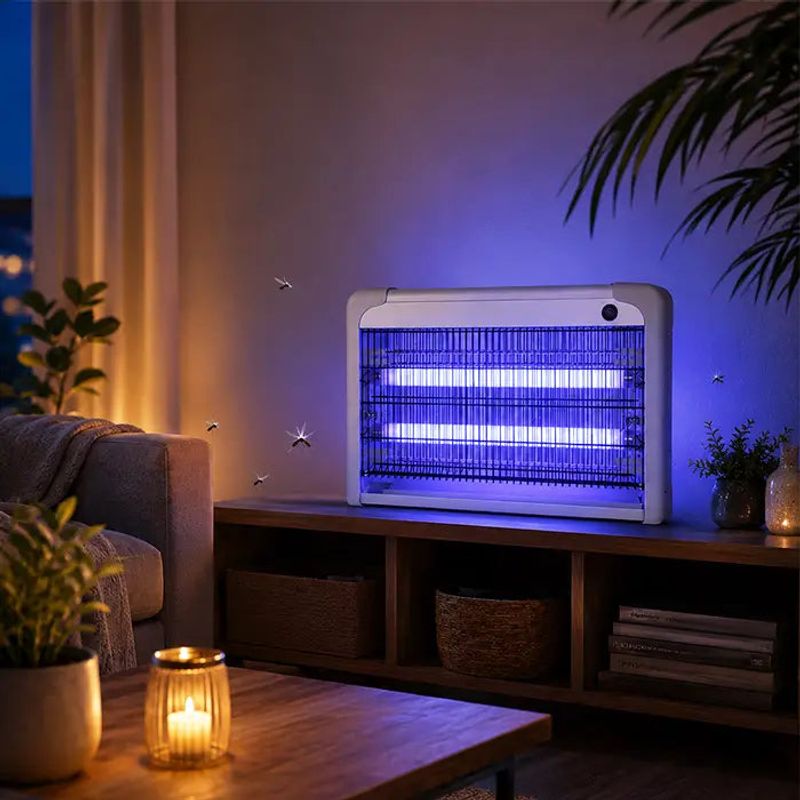
Electricity and water do not mix, so placement matters more than anything else in this trap. University of Tennessee Extension specifically warns about the risk of using an electrical source near water.
Set the lamp on a stable surface, a little back from the pan, so it cannot tip over, touch the pan, or catch a splash. Keep the cord out of walkways and away from pets and kids who might tug it.
Never let the lamp or its cord sit over the water or rest against the pan.
Before bed, give everything a gentle nudge to check that it is steady. If you cannot arrange it so the lamp is clearly safe, skip the trap for that room.
Treat an overnight setup as an attempt, not a promise
Some mornings the pan may hold several bugs. Other mornings it may hold none.
That is normal for a method that depends on where the bugs are and how active they are.
Check the pan in the morning, empty it, and refill it with fresh soapy water if you want to try again. UC IPM suggests repeating the setup as needed.
A couple of nights in a row in the room where you keep spotting bugs gives it a fair test.
Remember where the evidence comes from. The Virginia study tested indoor traps in homes in late winter and early spring, so it does not guarantee the same result in every house this fall.
Extension guidance backs the method for indoor stink bugs, but no source promises a particular number of bugs or an empty room by sunrise.
So use the trap as a way to remove some bugs, not as a complete solution. If bugs keep showing up inside, the real fix lies in how they are getting in.
Repair screens and seal likely entry points
A trap can thin out the bugs inside, but it does nothing to stop new ones from coming in. For that, walk around your home and look for the easy openings.
UC IPM points to repairing damaged screens, using tight-fitting doors and weather stripping, and sealing cracks.
Start with torn or loose window screens, gaps at the bottom of doors, and cracks around window frames and utility openings. Fixing these deals with the bugs outside your home that are trying to get in, which is the crowd you see on the screens.
Indoor insecticide sprays are generally not recommended as an effective answer to this problem, so you can leave the spray can on the shelf.
Each tool has its own job. Sealing keeps bugs out, and the soapy-water light trap may catch some that slipped past.
A tight house does most of the work.