
Your Peace Lily Keeps Drooping Indoors Because Of These 9 Mistakes You Don’t Notice You’re Making
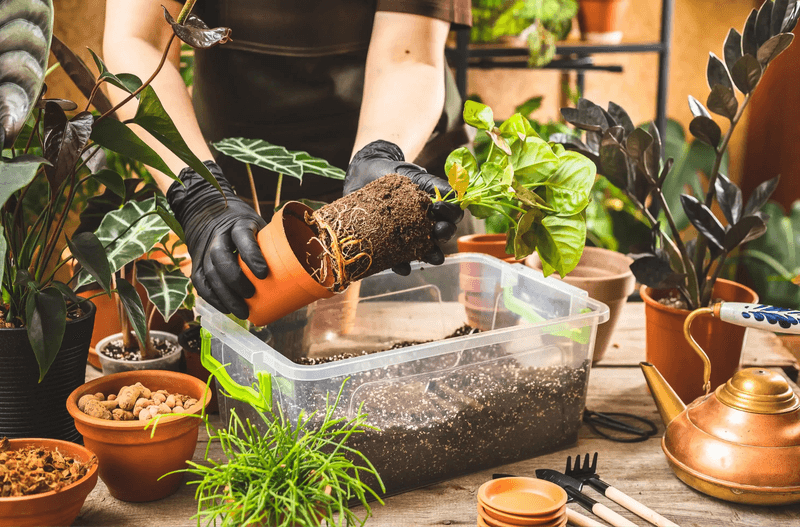
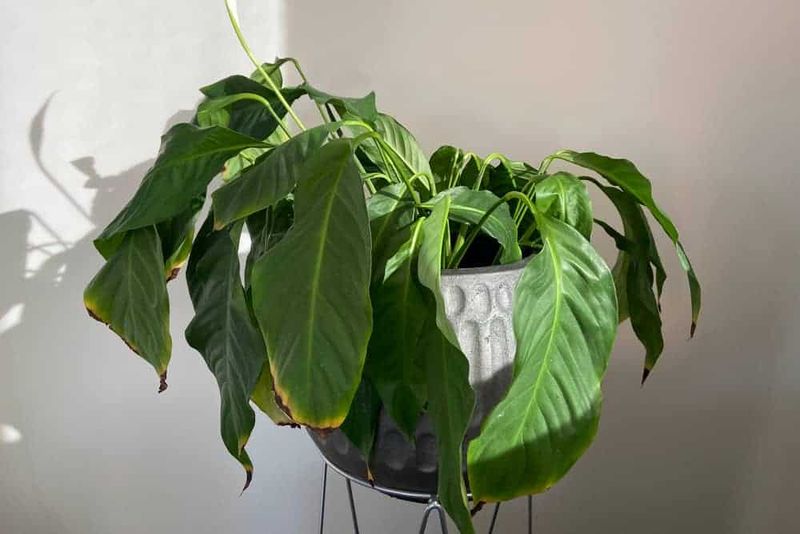
A peace lily can look perfectly happy on Monday and flop over like a sad rag doll by Wednesday. That sudden droop is the plant’s way of telling you something is off, and the cause is often a small habit you never think twice about.
The good news is that peace lilies bounce back fast once you fix the problem. Here are nine sneaky mistakes that may be making your plant sag, plus easy rescues you can try today.
1. Letting the Soil Go Bone Dry
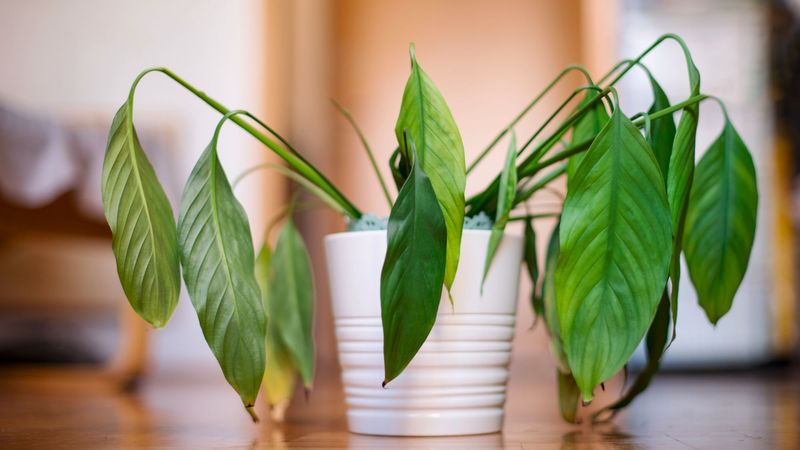
Peace lilies are the drama queens of the houseplant world. Skip one watering and the whole plant can collapse like it fainted.
Many owners panic and assume the plant is dying, but thirst is the most common reason for that dramatic slump.
Check by pushing a finger into the soil. If the top inch feels dry and the pot feels surprisingly light when you lift it, your plant is begging for a drink.
Water slowly until it runs out of the drainage holes, then let the extra drip away.
Most thirsty peace lilies perk up within a few hours, sometimes overnight. To avoid repeat faints, water whenever the top inch or about half the soil has dried.
Setting a weekly reminder to check, not automatically water, can save a lot of stress.
2. Watering Too Often
Here is the twist that confuses almost everyone. A peace lily sitting in wet soil can droop exactly like a thirsty one.
When roots stay soggy, they run short on air, start to rot, and lose the ability to pull water up to the leaves.
So the plant wilts, you water again, and the cycle gets worse. Signs of too much love include yellowing leaves, soil that never seems to dry, and a sour smell near the pot.
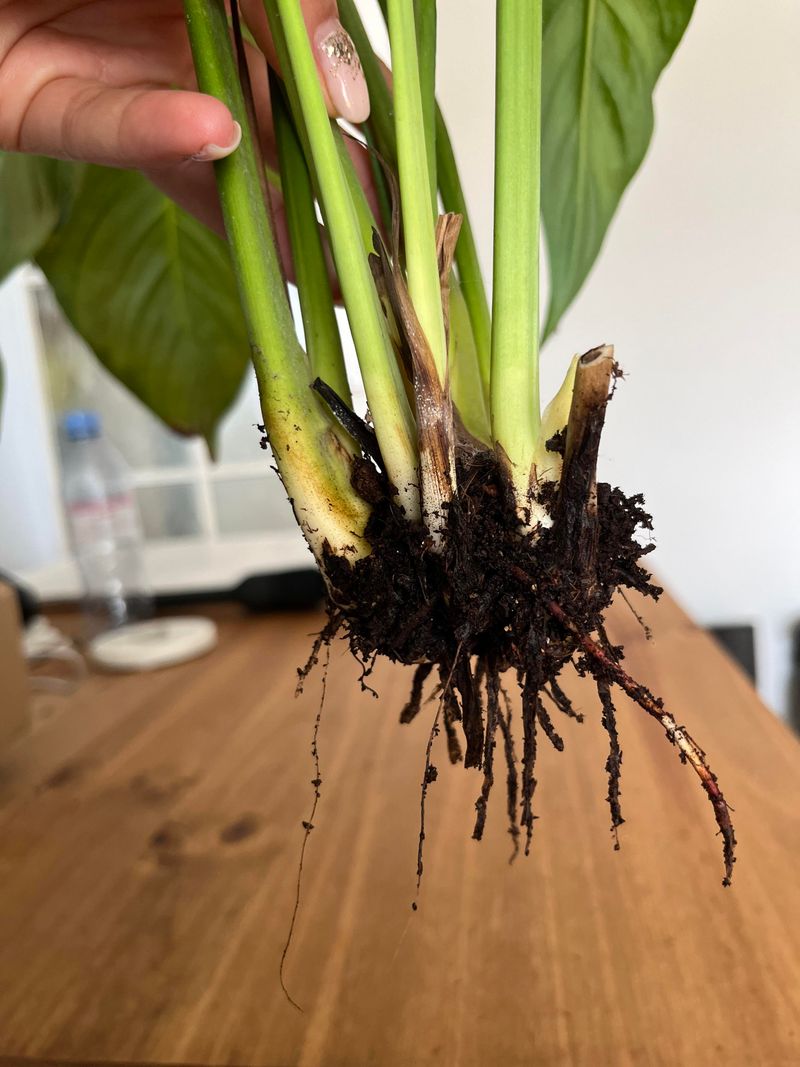
Let the top inch dry before you water again, and never leave the pot sitting in a full saucer. If you suspect rot, slide the plant out and look.
Healthy roots are firm and pale, while rotten ones feel mushy and brown. Trim the bad sections with clean scissors and repot in fresh, well-draining mix.
3. Using a Pot Without Drainage Holes
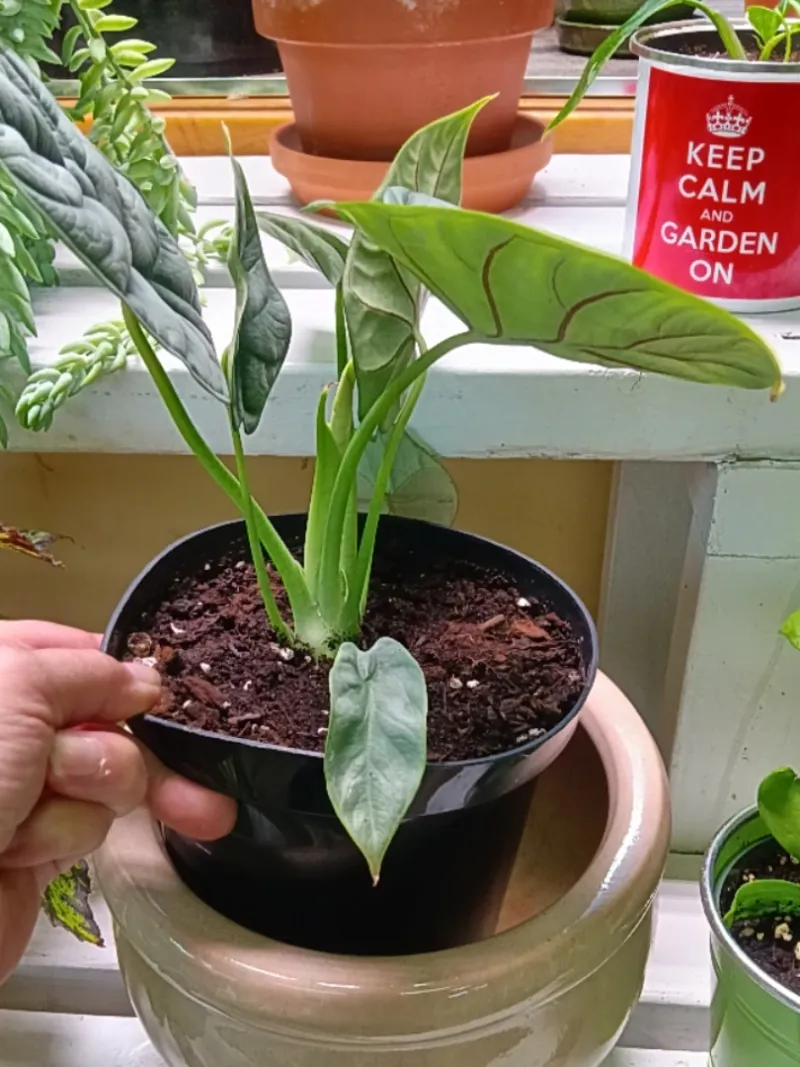
That gorgeous glazed pot you found at the store might be quietly drowning your plant. Without a hole in the bottom, water collects where you cannot see it.
The roots sit in a hidden puddle while the top of the soil looks totally fine.
Peace lilies need excess water to escape. An easy fix is to keep your plant in a plain plastic nursery pot with holes, then tuck that inside the pretty pot as a cover.
When you water, lift out the inner pot, let it drain in the sink, and pop it back. You keep the style and lose the swamp.
4. Picking the Wrong Light Spot
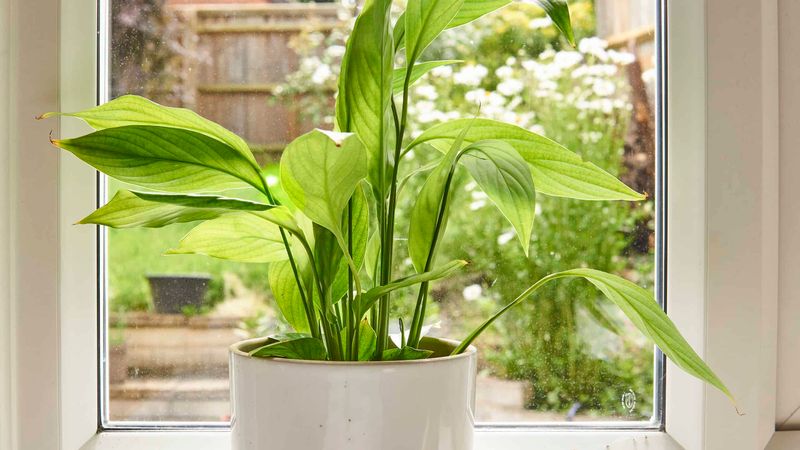
In the wild, peace lilies grow on rainforest floors, shaded by tall trees. Bright, filtered light is what they know and love.
Put one in a hot, sunny window and the leaves can scorch, fade, and wilt from stress.
The opposite mistake is just as common. Tuck a peace lily into a dark corner and it may grow weak, floppy stems and stop blooming altogether.
Aim for a spot near a north or east-facing window, or a few feet back from a brighter one with a sheer curtain. If the leaves look bleached or crispy, move it away from the glass.
If it hasn’t flowered in ages, nudge it closer to the light.
5. Ignoring Dry Indoor Air
Picture a January afternoon with the furnace running nonstop. Your skin feels dry, your lips crack, and your peace lily feels it too.
As a tropical plant, it likes moist air, and heated or air-conditioned rooms can pull moisture right out of the leaves.
Brown tips and a tired, droopy look are common signs. Thankfully, the fixes are cheap.
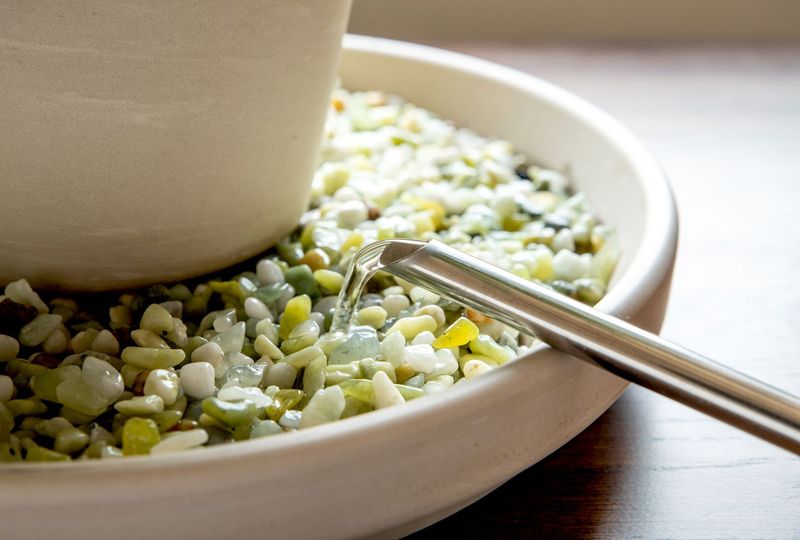
Set the pot on a tray of pebbles and water, keeping the pot base above the waterline. Grouping several houseplants together also creates a small pocket of humid air.
A room humidifier works best of all, and an occasional misting can help a little too.
6. Parking It Near Drafts or Vents
Fun fact: peace lilies aren’t true lilies at all. They belong to the same family as philodendrons, and like their cousins, they hate sudden temperature swings.
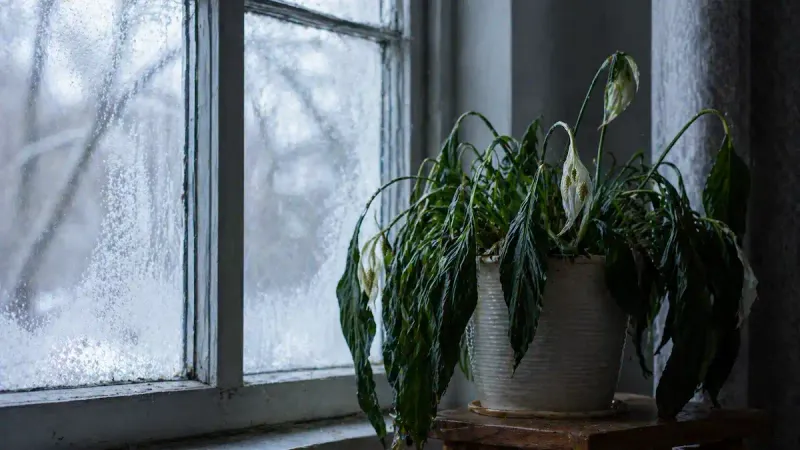
Most homes stay in their happy range of 65 to 80 degrees, but trouble hides in certain spots. A plant right under an air vent, beside a drafty front door, or against a cold winter window can droop seemingly overnight.
Blasts of hot air from a heater can be just as rough.
Walk around your plant’s spot and feel for moving air. If you notice a breeze, move the pot a few feet away.
Steady and boring is exactly what a peace lily wants.
7. Leaving It Root-Bound for Years
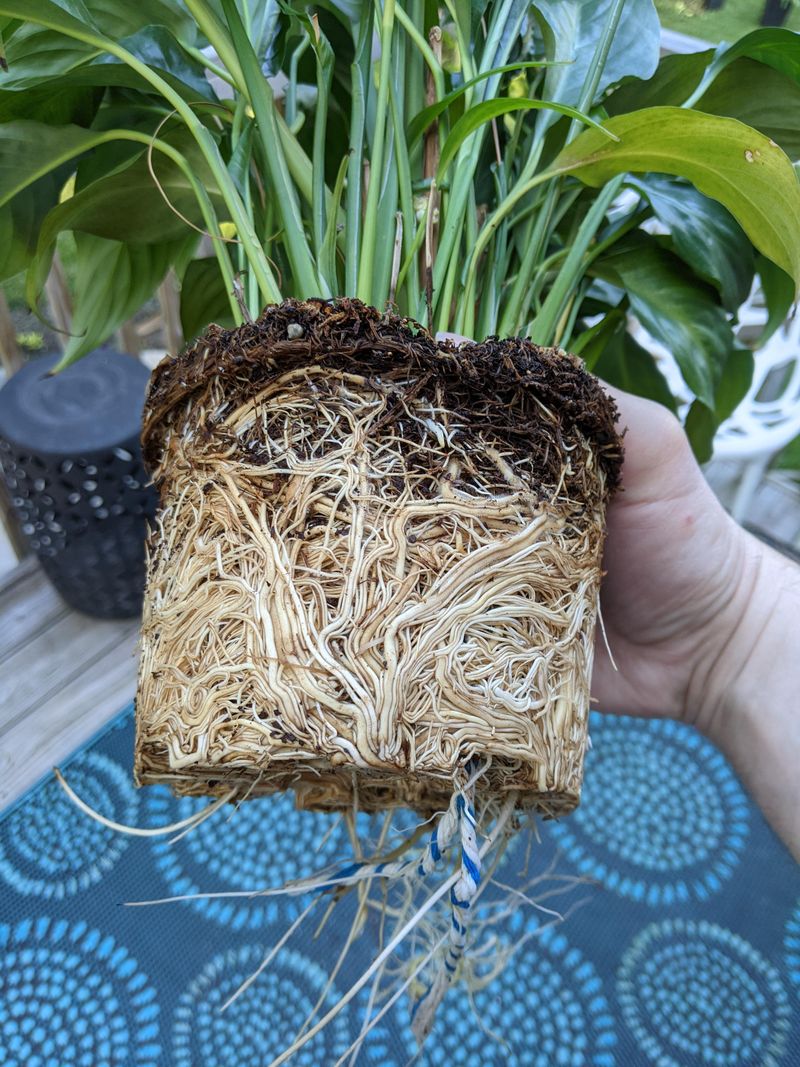
If your peace lily wilts every few days no matter how faithfully you water, take a peek underneath. Roots poking out of the drainage holes are a big clue.
Over time, the roots can fill the whole pot until there’s barely any soil left to hold water.
A crowded plant drinks its supply fast and droops again quickly. It’s not you being careless.
The plant has simply outgrown its home.
Spring or early summer is a great time to repot. Choose a container just 1 to 2 inches wider than the old one, gently loosen the circling roots, and fill in with fresh mix.
Going much bigger can leave too much wet soil around the roots.
8. Expecting Instant Recovery After a Move
You did everything right. You repotted with care or found the perfect new room, and now the plant looks worse than before.
Relax, because this is usually transplant shock, and it’s temporary.
Moving or repotting disturbs the roots and changes the plant’s surroundings. It needs time to settle in, often a few days and sometimes up to two weeks.
Water well right after repotting, then keep light and temperature steady. Hold off on fertilizer for a few weeks, since it can stress tender roots.
Above all, resist the urge to move it again. Patience is the real rescue here.
9. Keeping Old, Tired Potting Soil
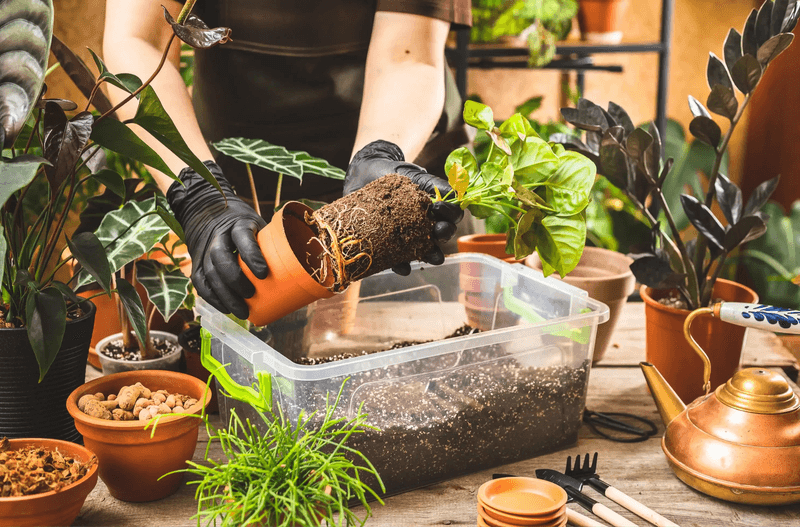
Potting mix doesn’t last forever. After a couple of years, it can pack down hard, choking roots and holding water like a sponge.
Or it can go the other way and turn so dry that water just runs down the sides and out the bottom.
Watch closely the next time you water. If water pours straight through in seconds, or the soil has shrunk away from the pot edge, your mix may be repelling water.
For a quick fix, try bottom-watering. Set the pot in a bowl of water for 20 to 30 minutes so the soil can soak it up slowly.
At your next repotting, switch to a fresh, airy mix that drains well.