
Those Leaves You’re Raking Into Bags Are The Best Free Soil Builder Your Vegetable Beds Will Ever Get
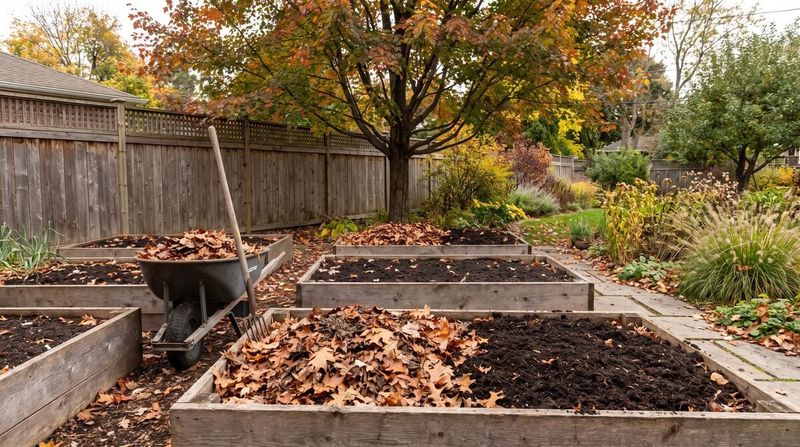
That pile of leaves on your lawn is more than a chore. Spread thinly over an empty tomato or pepper bed, it can add organic matter and shield the soil all winter, and it usually costs nothing.
You do not need a fancy composting setup to try it. Here is how to do it, plus the times you should skip it.
Leaves can build soil, but they are not a universal best
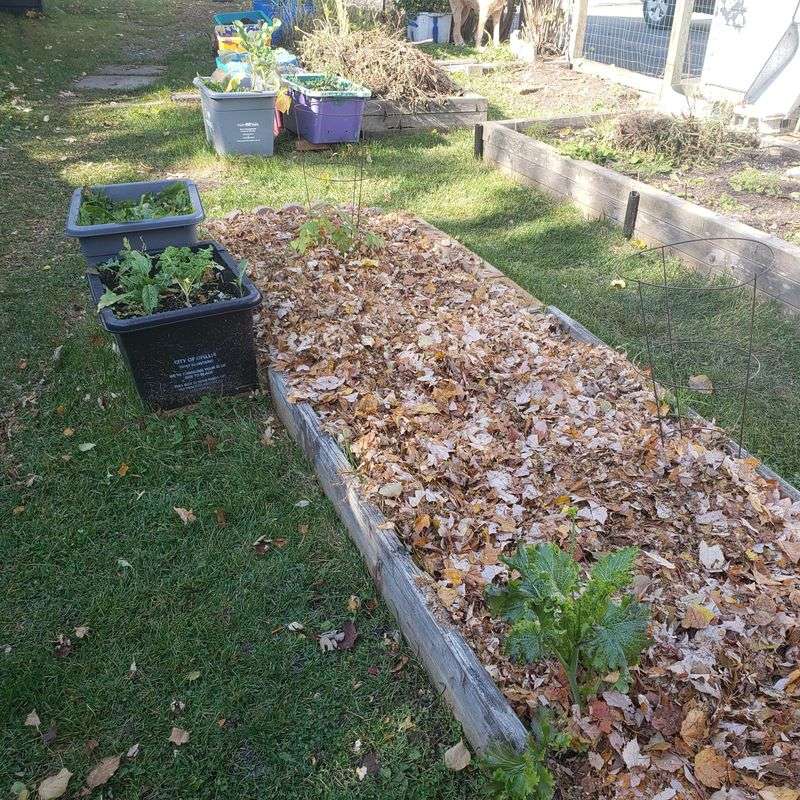
Bagging leaves for the curb feels like a loss when you could be using them. Oregon State Extension describes leaves as a readily available source of organic matter for vegetable gardens.
A fall layer of about 1 to 2 inches can add organic matter and protect bare soil from the pounding of raindrops.
That is a real benefit, but the title of this article went a little too far. Leaves are a useful, often no-cost option, not the best amendment for every bed.
Nothing here shows that a leaf layer will guarantee bigger tomatoes or more peppers next summer.
One reason for caution is that leaves break down fairly quickly. Their benefit shows up as slow soil improvement over time, not as a one-time boost.
The same Oregon State guidance notes that leaves are less useful than yard-trimmings compost as a single way to raise organic matter in a hurry.
So think of leaves as a handy tool in your fall cleanup. You already have them, they cost nothing, and they give your empty bed some protection and a bit of organic material.
If your soil needs more than that, other amendments can fill the gap, and later sections cover how to tell.
The rest of this article walks through shredding, spreading, spring checks, and the leaves you should keep out of the bed.
Shred leaves for a more manageable layer
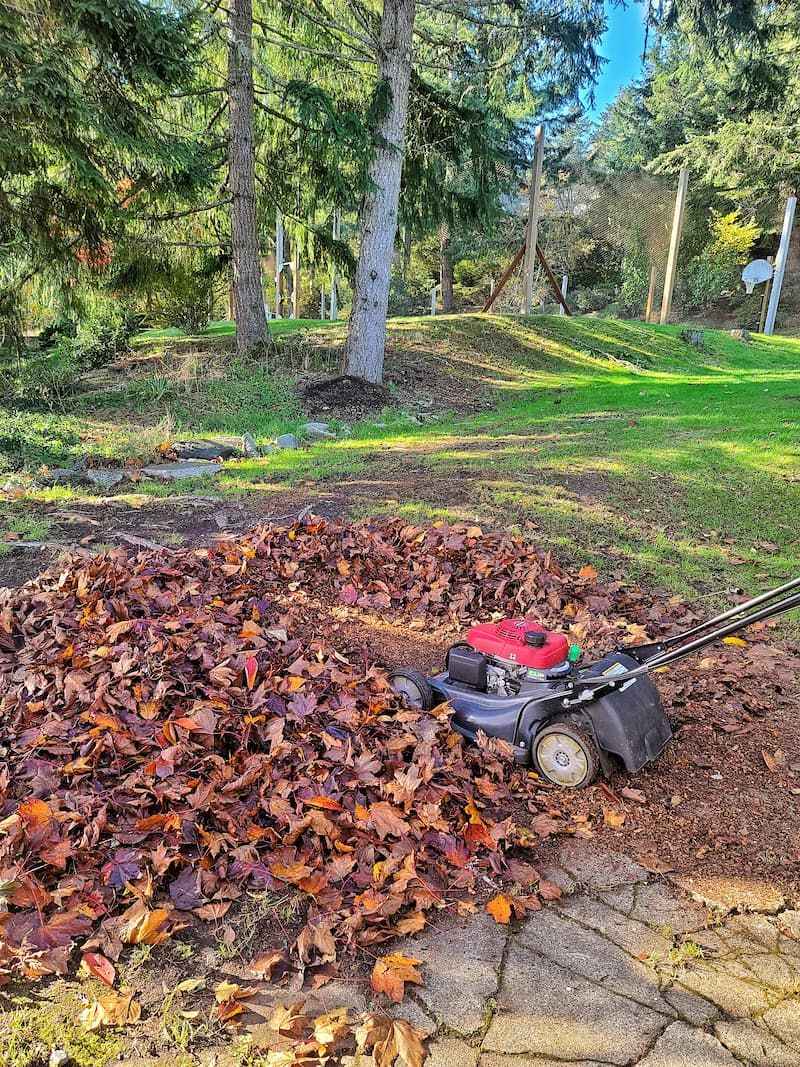
Whole leaves can be annoying. They mat down into slick layers, and the first windy day sends them across the yard.
Shredded leaves lie flatter, stay put better, and take up far less room, which is why Illinois Extension lists them among the materials used in vegetable beds and compost.
The easiest tool is the mower you already own. Run it over dry leaves on the lawn a couple of times until the pieces are about the size of a dime or smaller.
A bagging attachment makes collecting them simple, and a leaf shredder or string trimmer in a bucket also works.
Dry leaves chop better than wet ones, so pick a sunny afternoon after a few rain-free days. Wet leaves clump and gum up the mower deck.
If you only have wet ones, spread them out for a day first.
Shredding mostly gives you a more even layer you can handle with a rake or a bucket. A shredded pile shrinks a lot, so you can fit the leaves from several trees in a small space until you are ready to spread them.
Shredding is not a requirement. If you have no mower handy, a thin layer of whole leaves can still go on the bed, and you can just watch for matting.
Spread a modest layer over an empty bed
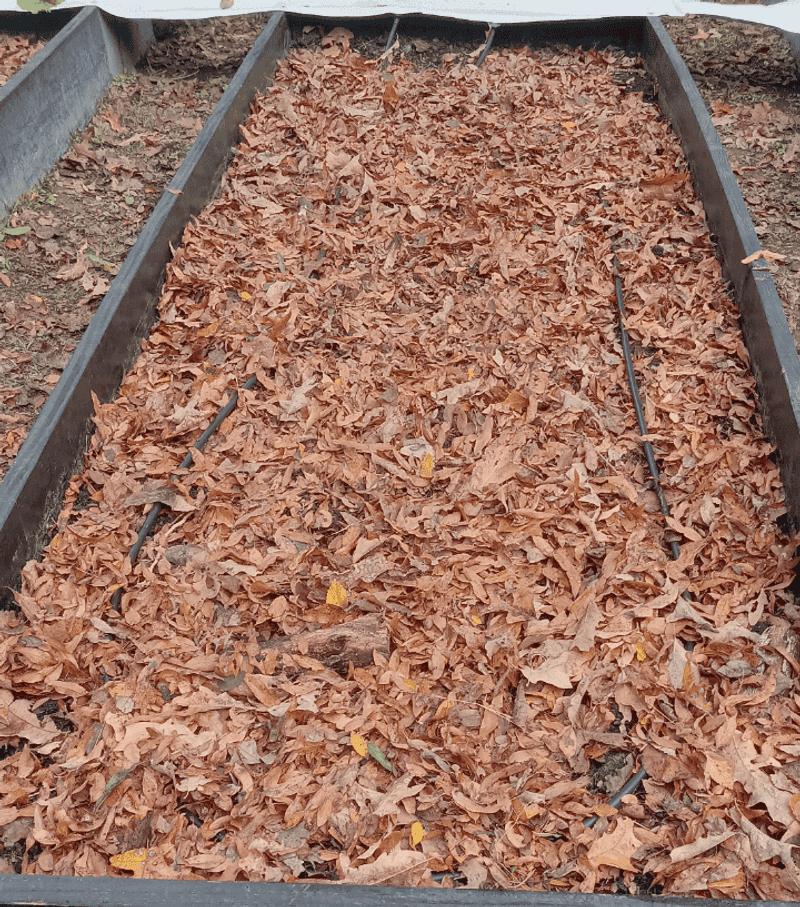
Once your tomato and pepper plants are pulled and the bed is bare, you have a good window for this job. Spread about 1 to 2 inches of leaves across the soil.
Oregon State Extension gives this range for an empty annual vegetable bed.
First, clear out old plant debris, especially anything that looked sick. Then rake the leaves out evenly, covering the soil from edge to edge.
Aim for a layer you can still see texture in, not a thick blanket.
Why the modest depth? A thin layer covers the soil without becoming a heavy, soggy mat over winter.
It also leaves less material to deal with when spring arrives.
What the layer does is add organic matter as it breaks down and protect the surface from raindrops, which can pack and crust bare soil. It is not a complete feeding plan for next year’s crops.
Fresh leaves are low in nitrogen compared with what hungry tomatoes and peppers use, so treat this as soil care and not as fertilizer.
This guidance fits an empty annual vegetable bed. It is not a rule for shrub borders, perennial beds, or lawns, which have their own needs.
Check the bed again in spring
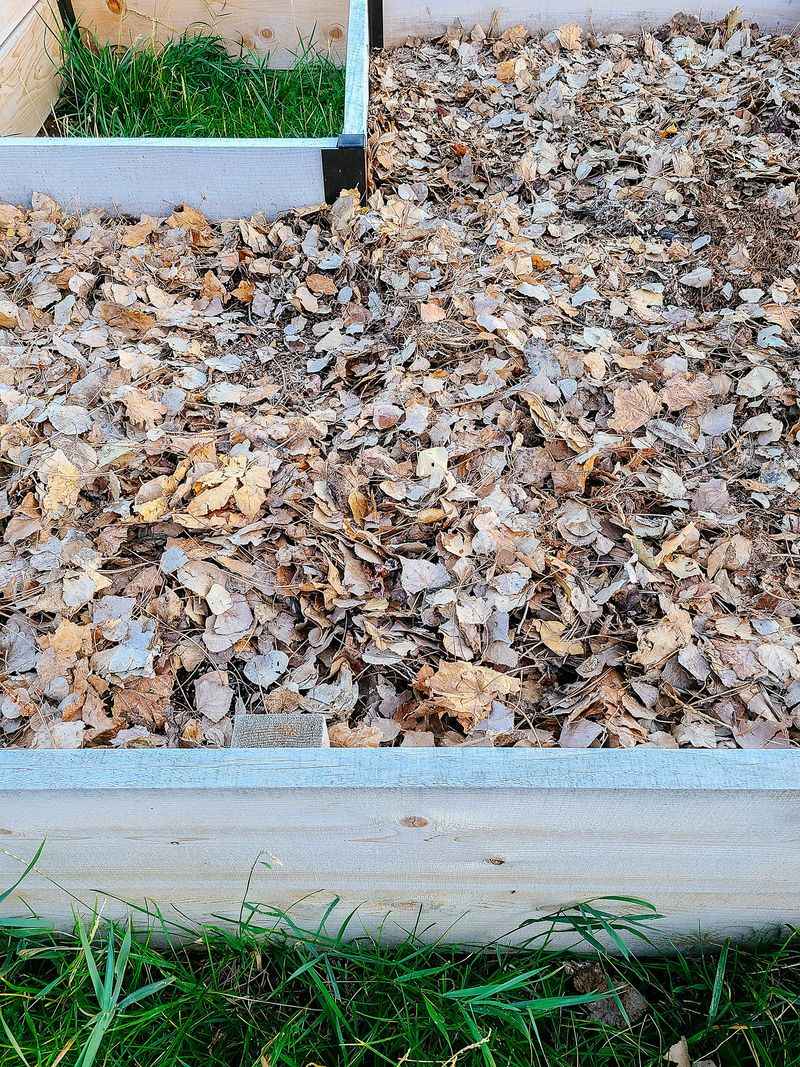
By early spring, your leaf layer will look different. Some of it will have darkened and crumbled, and some may still be recognizable.
Pull back a handful and check the soil underneath. If it looks loose and a bit damp, the winter did its work.
Where material remains, Oregon State Extension suggests working it into the soil if that makes sense for your bed. A garden fork or broadfork is enough for a small plot.
Wait until the soil is workable and not soggy before you dig.
If big clumps of leaves are still intact and slimy, rake some off to the side. You can add them to a compost pile or use them as a light mulch around plants after the soil warms.
There is no need to bury every scrap.
Now the exception. If you sowed a cover crop in fall, such as winter rye, skip the leaf layer or thin it out so it does not smother the seedlings.
Light cover crops and thick leaf mats do not mix well.
Spring is also a good moment to take a soil sample, since the bed is bare and easy to dig. Treat the leaf handoff as a quick look and a bit of forking, not a big project.
Make a separate leaf pile if you prefer
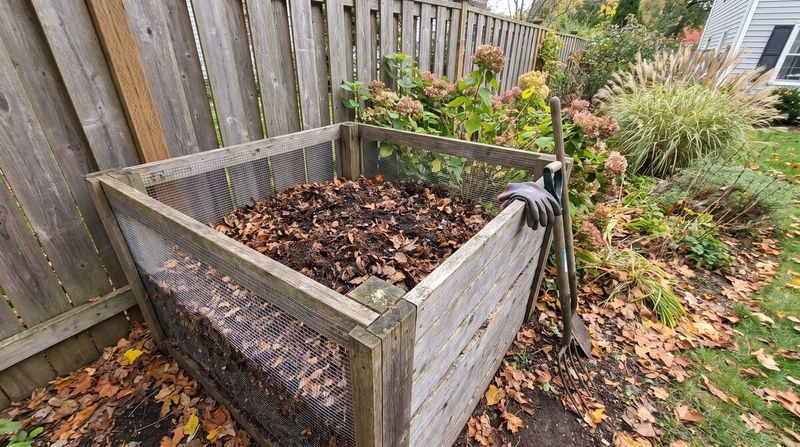
Putting a thin layer on the bed and building a leaf pile are two different jobs. Fresh leaves on a bed are one thing.
Leaf mold and leaf compost are another, and they are not interchangeable with raw leaves. If you like having a finished material to work with, a separate pile is an option.
The simplest approach is the slow one. As Oregon State Extension describes, you can pile leaves in fall and turn them several times in spring.
Keep the pile damp, and it will gradually break down.
A faster, more hands-on method comes from Penn State Extension. It layers leaves with nitrogen-rich green materials, such as grass clippings or kitchen scraps, and turns the pile regularly.
The greens give the microbes the nitrogen leaves lack on their own.
A wire bin, a pallet corral, or even a simple heap in a corner of the yard will do the job. Shredded leaves break down faster than whole ones, so your mower work pays off here too.
Neither method is required. If you just want to protect an empty bed this fall, a thin leaf layer is enough.
A separate pile is for gardeners who enjoy having a finished material on hand or who have more leaves than their beds can use.
Keep diseased and fresh walnut leaves out
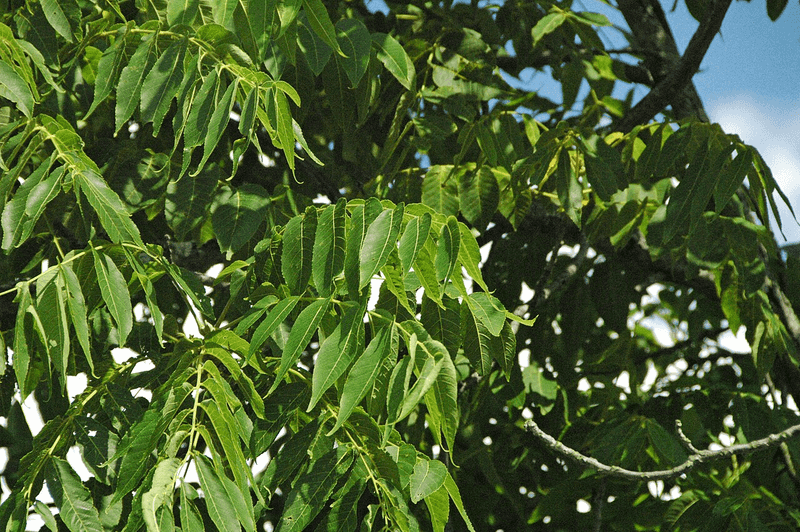
Most fallen leaves are fine to use, but two kinds deserve a pass. The first is foliage that showed signs of disease, such as blotchy spots or fungal growth.
Illinois Extension advises cleaning up leaves associated with foliar disease and keeping them out of a home compost pile unless the pile reliably reaches sufficient heat throughout. Most backyard piles do not manage that, so bagging those leaves for disposal is the safer move.
The same goes for old tomato and pepper foliage that looked sick this season. Pull it from the bed instead of mixing it in.
The second caution is walnut. Walnut trees make a compound called juglone, and Penn State Extension explains that leaves, nut hulls, roots, and other parts can all be sources.
Tomatoes are among the plants known to be sensitive to it, so do not use fresh walnut leaves in your vegetable beds.
Thoroughly composted walnut leaves are a different story. Illinois Extension says walnut leaves should be thoroughly composted before garden use.
That means a finished, broken-down material, not a layer of leaves fresh off the tree.
These are two narrow exceptions. The rest of your oak, maple, and other leaves can go to work as usual.
Use leaves to build soil, not replace a fertilizer plan
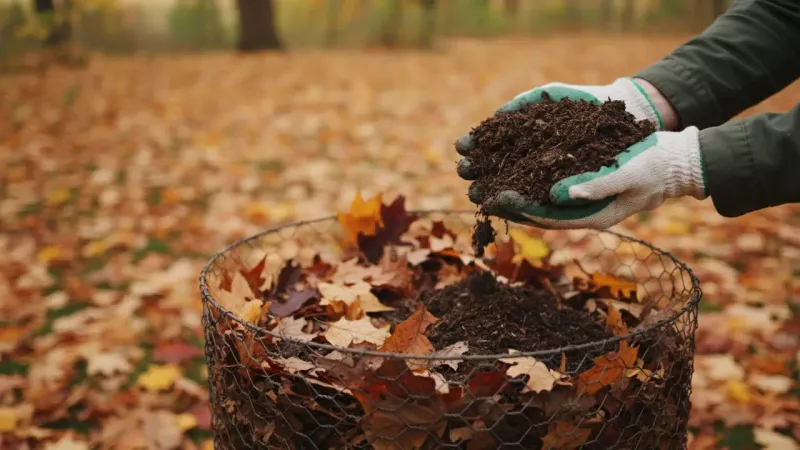
A leaf layer feeds your soil’s structure more than it feeds your plants. As leaves break down, they add organic matter, but a fall layer is not a reliable source of nutrients that tomatoes and peppers can use right away.
Fresh leaves are slow and low in nitrogen.
Even finished compost has relatively low fertilizer value, according to Oregon State Extension. It improves soil and releases nutrients over time, but vegetables may still need more.
A soil test is the best way to find out what your bed is missing, so let those results guide any fertilizer or amendment.
Treat the leaves as one piece of a larger plan. A thin layer, a soil test, and fertilizer where it is called for work together better than any one alone.
Next year’s harvest depends on far more than leaves, from weather to watering to the variety you plant. Raking them onto an empty bed is a small, free fall task that gives the soil a little help while you wait for spring.