
Your Jade Plant Dropping Leaves As Fall Arrives Is Reacting To One Of These 8 Indoor Changes
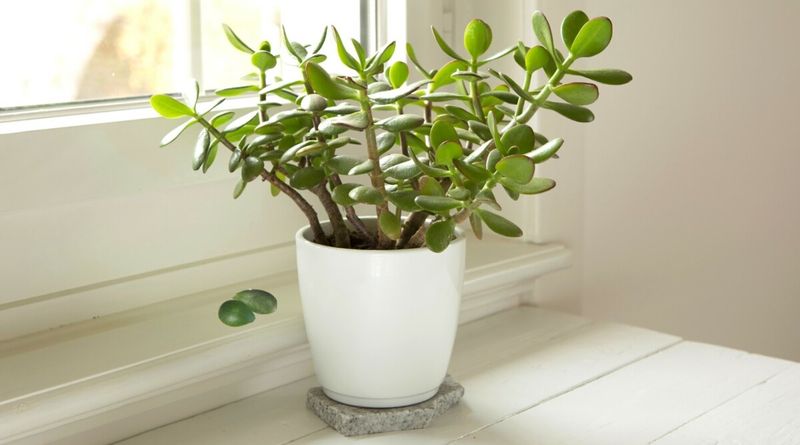
You walk past your jade plant one fall morning and spot a few plump green leaves lying on the windowsill. It feels scary, especially when this tough little succulent has looked happy all summer.
The good news is that jade plants usually drop leaves because something in your home changed, not because they are dying. Once you know which change is bothering yours, the fix is often simple and costs almost nothing.
1. Overwatering As Growth Slows
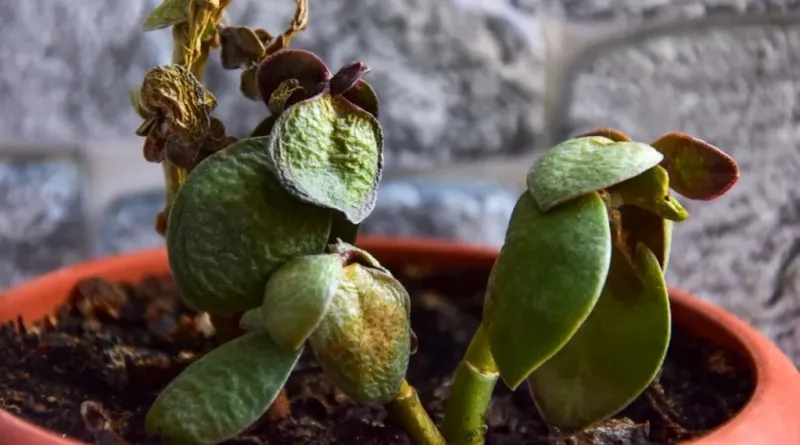
Summer habits are hard to break. You watered your jade every week in July, and it loved it, so you kept going into September.
The trouble is that a jade plant slows way down when days get shorter, and it simply can’t drink as fast.
Soggy soil starves the roots of air, and root rot can follow. Watch for leaves that turn soft, yellowish, or almost see-through before they fall.
If the base of the stem feels squishy or the soil smells sour, rot has likely started.
Stop watering and let the soil dry all the way down. For a badly affected plant, slide it out of the pot, snip off any brown, mushy roots with clean scissors, and repot into fresh, dry succulent mix.
Wait about a week before giving it a drink so the cut roots can seal.
2. Underwatering From Dry Indoor Air
Funny enough, the opposite mistake causes leaf drop too. Plenty of jade owners get so worried about rot that they almost stop watering once fall arrives.
Add the dry air from a running furnace, and those fleshy leaves start burning through their stored water.
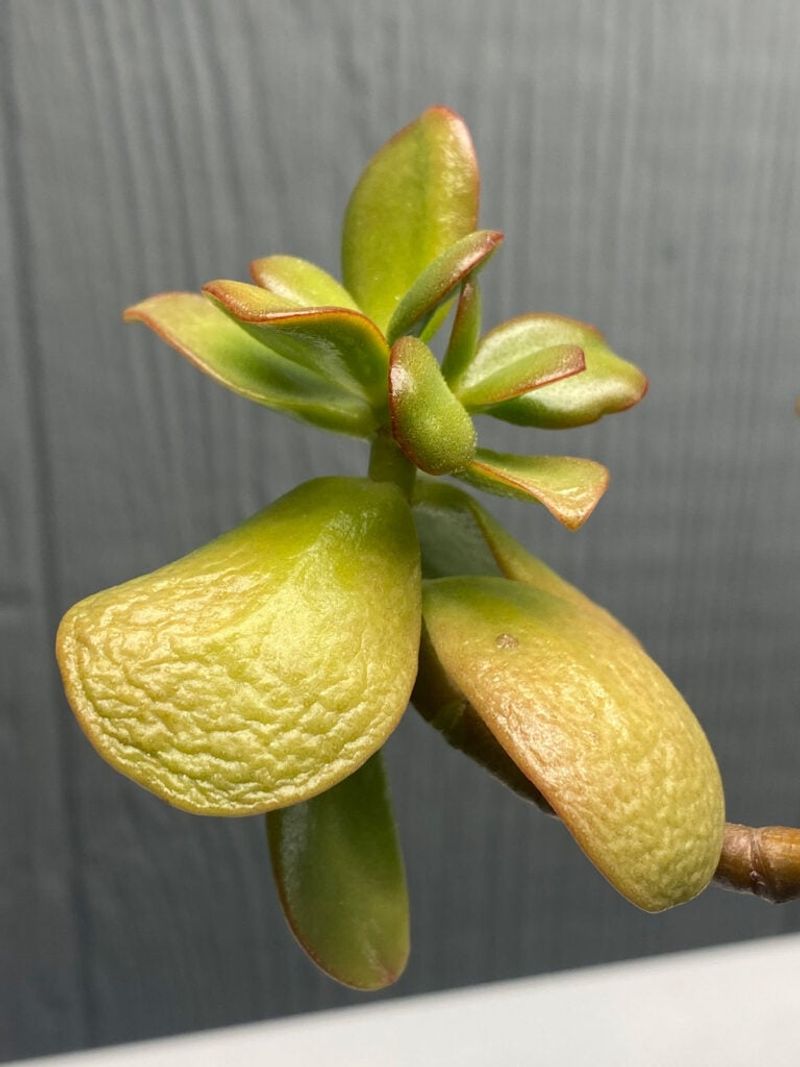
Thirsty leaves look wrinkled and thin, a bit like a deflated balloon. They may dry out and drop, and you might see the soil shrink away from the pot’s edge.
Give the plant a deep, slow soak until water runs out the drainage holes, then let it drain fully. After that, check by pushing a finger into the soil.
When the top inch or two feels dry, it is time to water again, which may be every two to four weeks in cooler months.
3. Shorter Days And Less Light
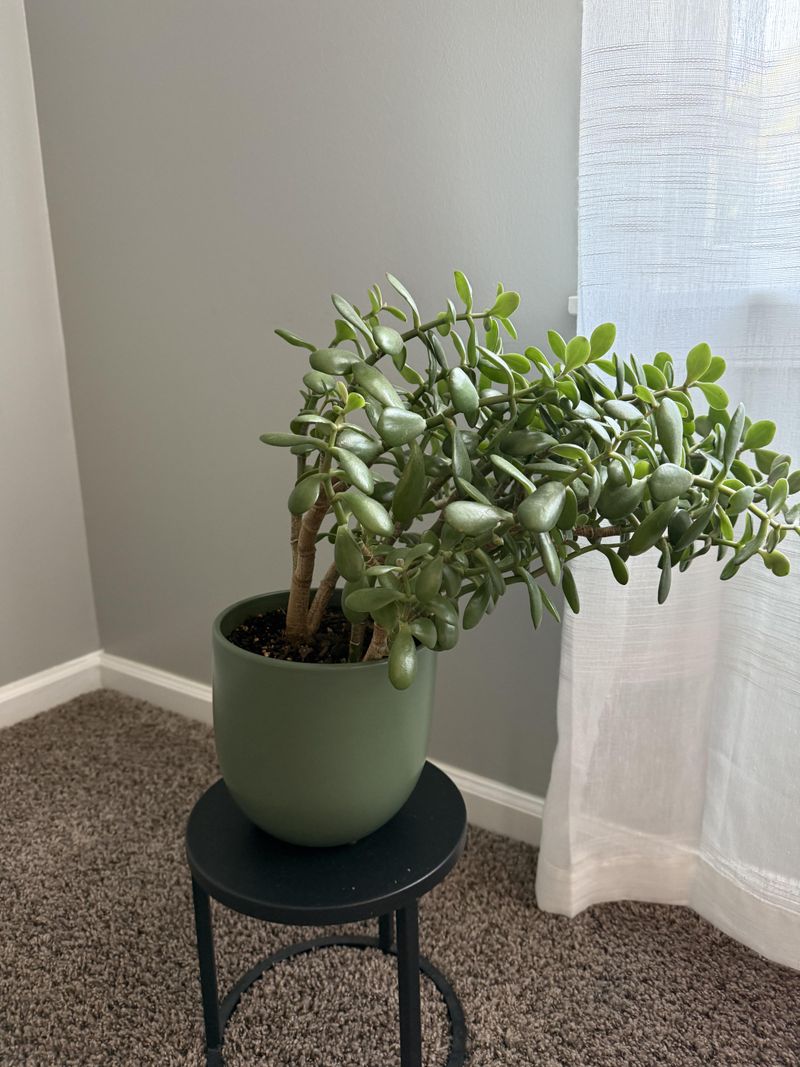
Picture your jade as a little solar panel. In summer, it soaks up long, bright days.
By October, the sun sits lower, the days shrink, and that same spot may only get a fraction of the light.
Without enough light, the plant can’t feed itself well, so it lets go of some leaves to save energy. Other clues include stretched-out stems, extra space between leaves, and pale green color instead of those pretty red edges.
Move the pot to your brightest window, ideally south- or west-facing, so it gets at least four to six hours of strong light. Turn it a quarter turn each week so all sides get a share.
If your home is dim, an inexpensive LED grow light set for about 12 hours a day can make a big difference.
4. Cold Drafts And Heater Blasts
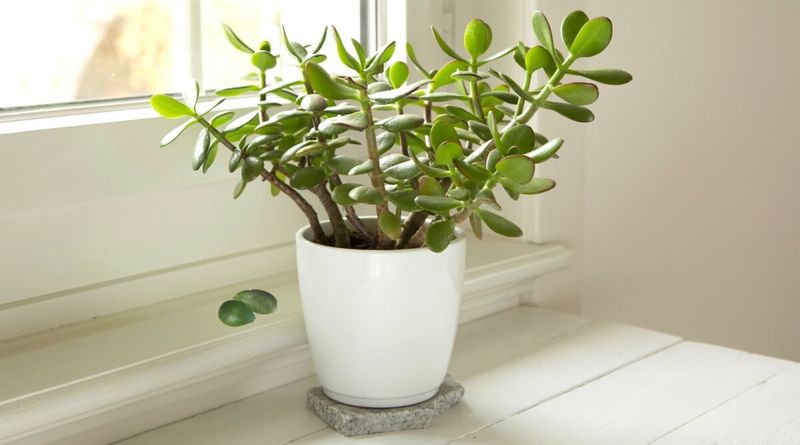
Here’s a sneaky one. The windowsill that felt perfect in August can turn icy at night once fall cools things off.
Glass gets cold fast, and so does the air right next to it.
Jade plants like steady temperatures between about 55 and 75 degrees F. A cold draft from a door, a chilly window, or a hot blast from a furnace vent can shock the plant into dropping leaves almost overnight.
True frost can kill it outright.
Keep the pot a few inches back from the glass on frosty nights, and steer clear of vents, radiators, and doors that open to the outside. If your jade spent summer on the patio, bring it in before nights dip below 50 degrees, and ease it into its new spot gradually rather than all at once.
5. Heavy Soil That Stays Wet
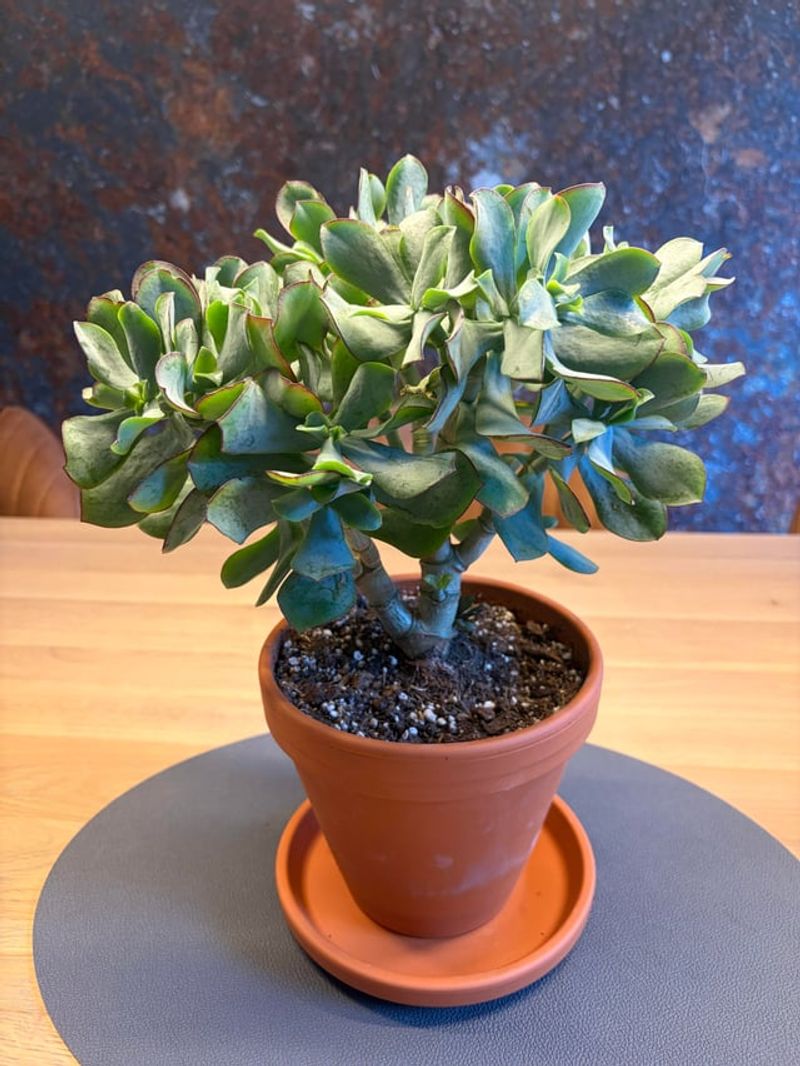
Maybe you’re watering just right, and leaves still fall. In that case, look at what the roots are sitting in.
Regular potting soil holds moisture like a sponge, and in cool fall weather it can stay damp for days.
That lingering wetness acts just like overwatering, even when you’re careful. A pot without a drainage hole makes things worse, because the extra water has nowhere to go.
Switch to a fast-draining cactus and succulent mix, and stir in a handful of perlite for extra grit. A terracotta pot is a smart choice, since the clay breathes and pulls moisture out of the soil.
Always make sure there’s a hole in the bottom, and empty the saucer after watering.
6. Pests Hitching A Ride Indoors
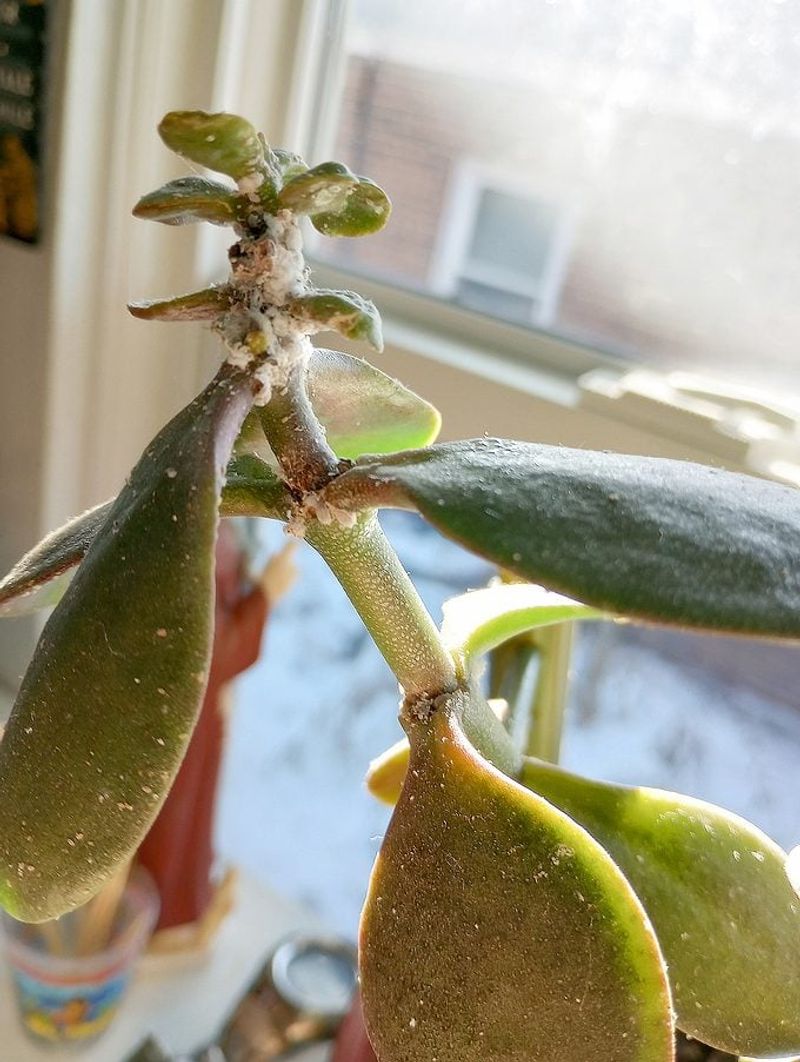
Did your jade spend summer outside? If so, it may have brought along a few tiny guests when it came back in.
Mealybugs and scale love jade plants, and warm indoor rooms help them multiply.
Mealybugs look like small blobs of white cotton tucked where leaves meet stems. Scale shows up as little brown bumps.
Both suck sap from the plant, which weakens it and can lead to dropped leaves and sticky spots.
Move the plant away from your other houseplants first. Then dab each pest with a cotton swab dipped in rubbing alcohol, checking under leaves and in tight joints.
For a bigger outbreak, neem oil or insecticidal soap may help reduce the numbers, but follow the label and test a small spot first. Check again weekly for a month, since eggs can hatch later.
7. Fertilizer At The Wrong Time
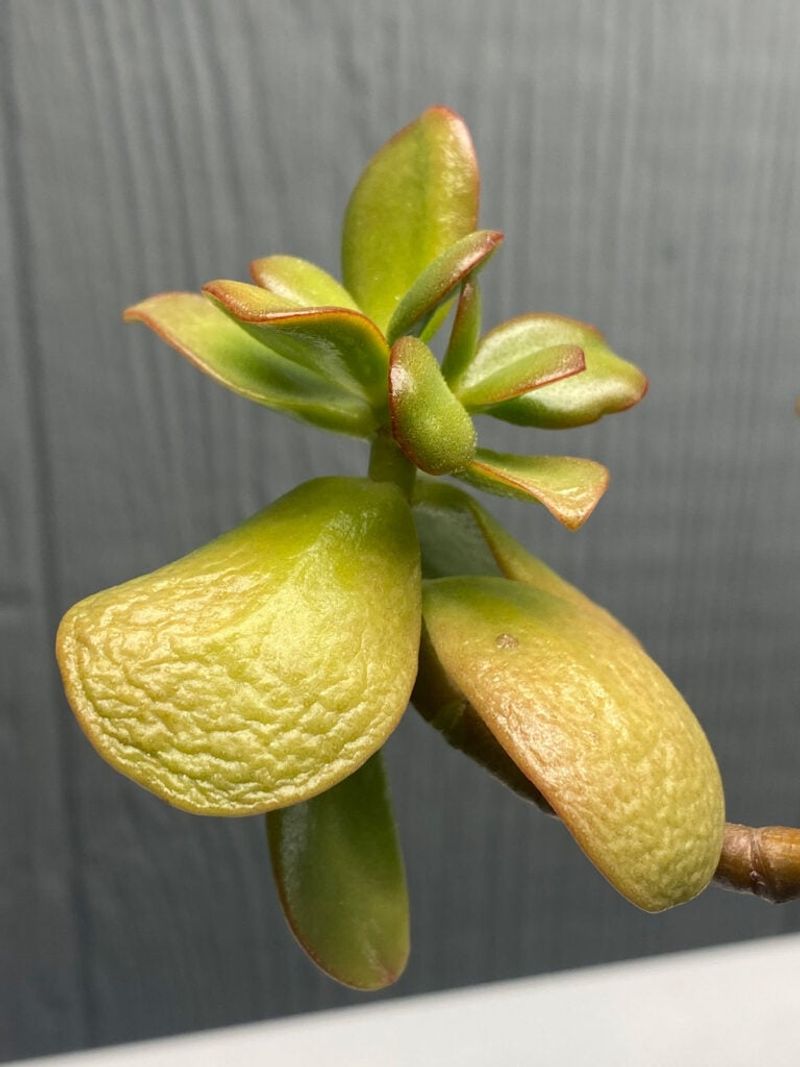
A little extra love sounds harmless, right? Not always.
Jade plants are light eaters, and feeding them in fall, when they are winding down, can leave salts building up in the soil.
Too much fertilizer can burn the roots, and lower leaves may yellow, shrivel, and drop. On the flip side, a jade that hasn’t been fed in years might look dull and grow very slowly, though that rarely causes sudden leaf drop.
Put the fertilizer away until spring. If you suspect overfeeding, water the pot slowly and deeply a couple of times to flush out extra salts, letting it drain well.
Once spring growth starts, feed with a balanced houseplant fertilizer mixed at half strength about once a month through early summer.
8. Normal Aging Of Old Leaves
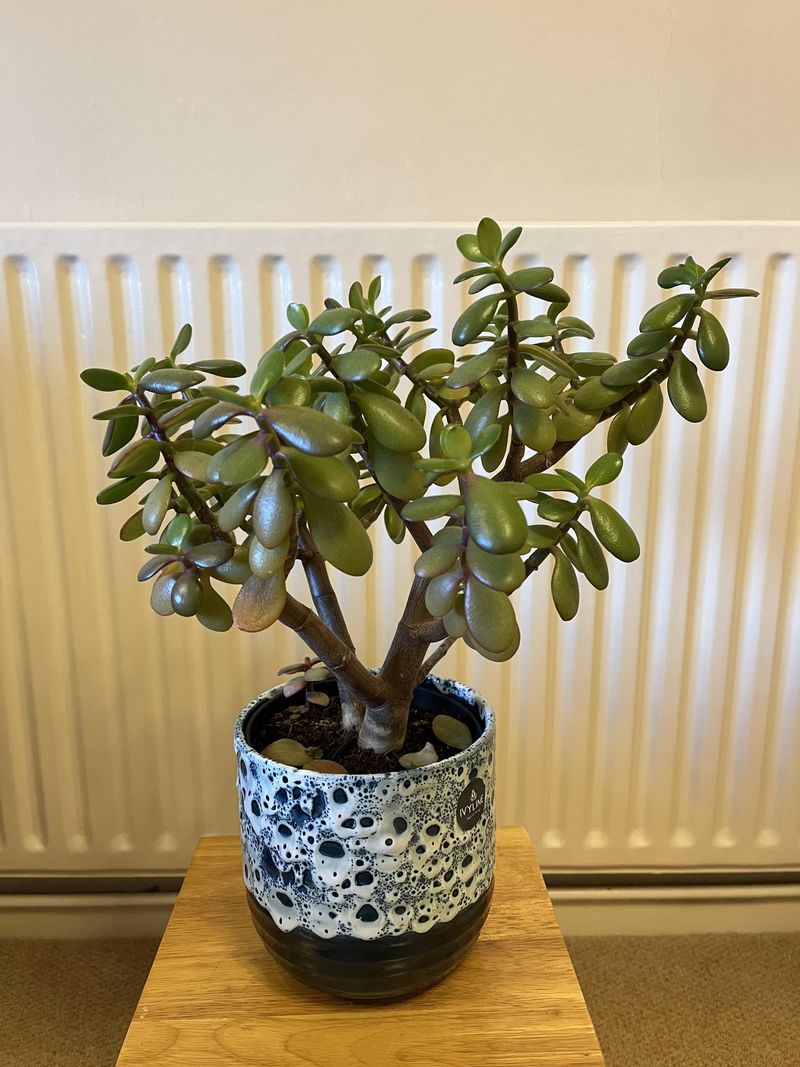
Take a deep breath, because sometimes nothing is wrong at all. Jade plants can live for decades, and as they grow tree-like trunks, they naturally shed some of their oldest leaves near the bottom.
You’ll know it’s normal if only a few lower leaves fall, the top looks plump and shiny, and new growth keeps appearing. The fallen leaves may look slightly wrinkled, but the rest of the plant stays firm and healthy.
Simply pick up the leaves to keep things tidy. Here’s a fun bonus: a healthy fallen leaf can root if you lay it on dry succulent soil for a few weeks.
You might end up with a baby jade to share with a friend.