
These Strange Jungle-Looking Plants Actually Thrive In Ordinary North Carolina Backyards
You do not need a greenhouse or a trip to the tropics to grow a yard that looks like a rainforest. Some of the wildest, leafiest, most dramatic plants around are true North Carolina natives that already love our heat, humidity, and clay.
Better yet, they feed goldfinches, shelter fireflies, and give box turtles cool places to hide. Here are ten jungle-style plants that can turn an ordinary backyard into a lush, wildlife-friendly retreat.
1. Dwarf Palmetto (Sabal minor)
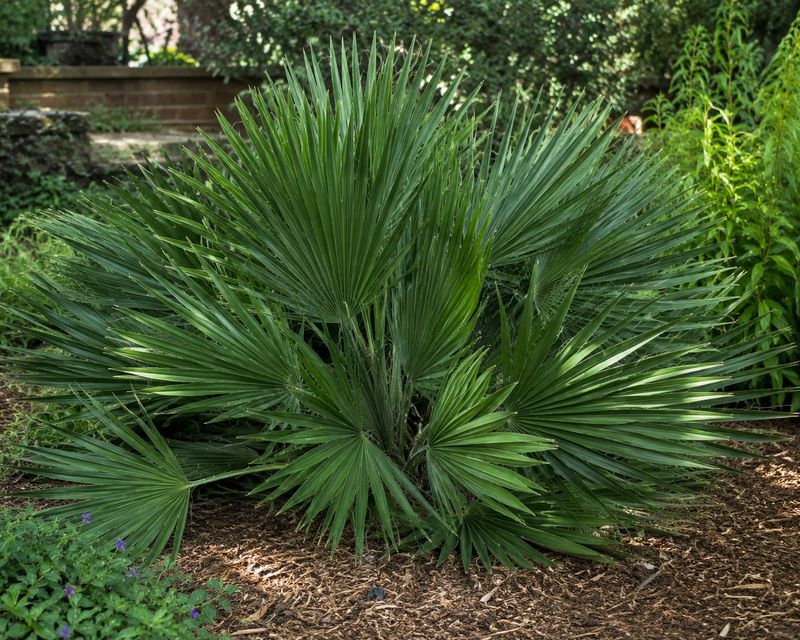
Most folks are shocked to learn North Carolina has its own native palm. Dwarf palmetto grows wild along swamps and river bottoms in the Coastal Plain, and it can handle cold snaps that would wreck a store-bought tropical.
Its stiff, fan-shaped fronds give any shady corner an instant beach-resort vibe. Plants stay low, usually three to five feet, so they fit nicely under pines or beside a patio.
Give it moist soil and patience, since it grows slowly at first. Piedmont gardeners can succeed too with a sheltered spot.
Skip the non-native windmill palms and let this tough local do the job while offering cover for lizards and ground-feeding birds.
2. Red Buckeye (Aesculus pavia)
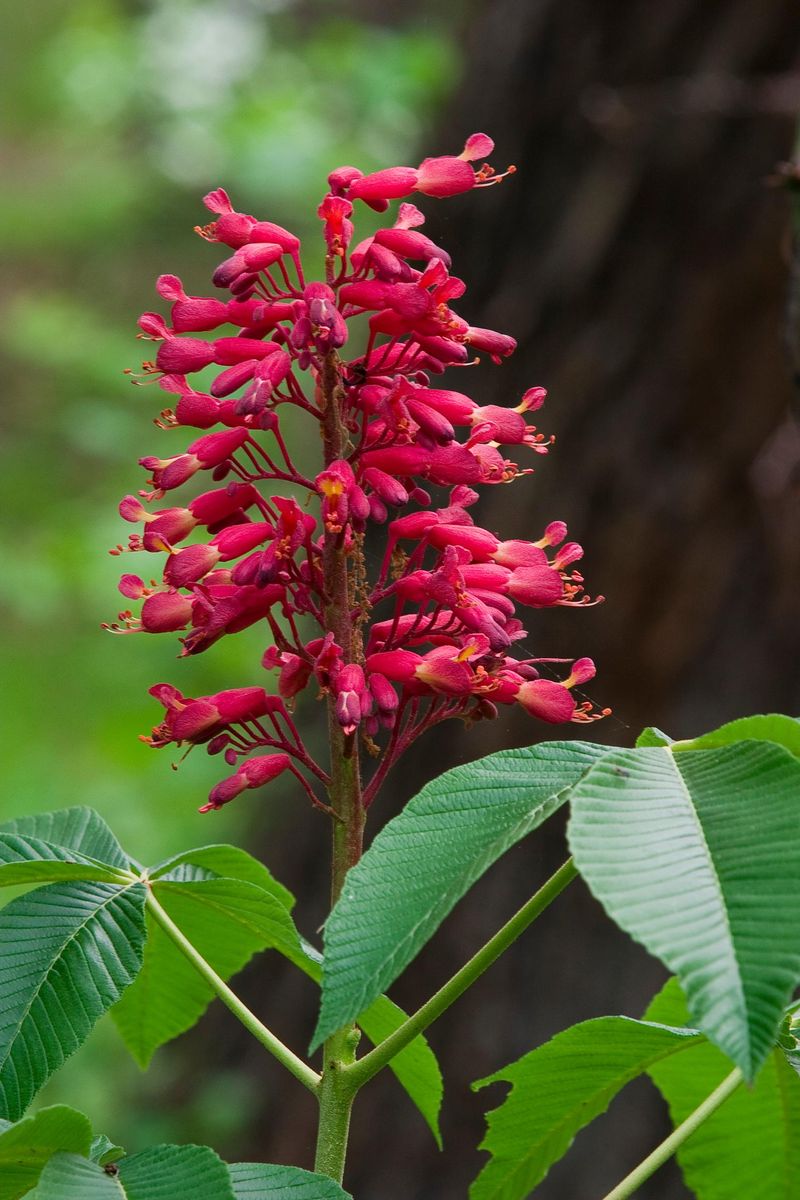
Picture a ruby-throated hummingbird zipping in from Central America in early April, starving after a long flight. Red buckeye is often waiting with a fresh spray of scarlet tubular flowers right on time.
Leaves on this large shrub spread out like fingers on an open hand, giving it a strangely exotic look. It is native to the Piedmont and Coastal Plain and handles part shade under big oaks beautifully.
One fair warning: the seeds and leaves are toxic, so keep curious pets and kids away from them. The shrub drops leaves early in late summer, which is completely normal.
Plant it in fall so roots settle before spring bloom.
3. Cinnamon Fern
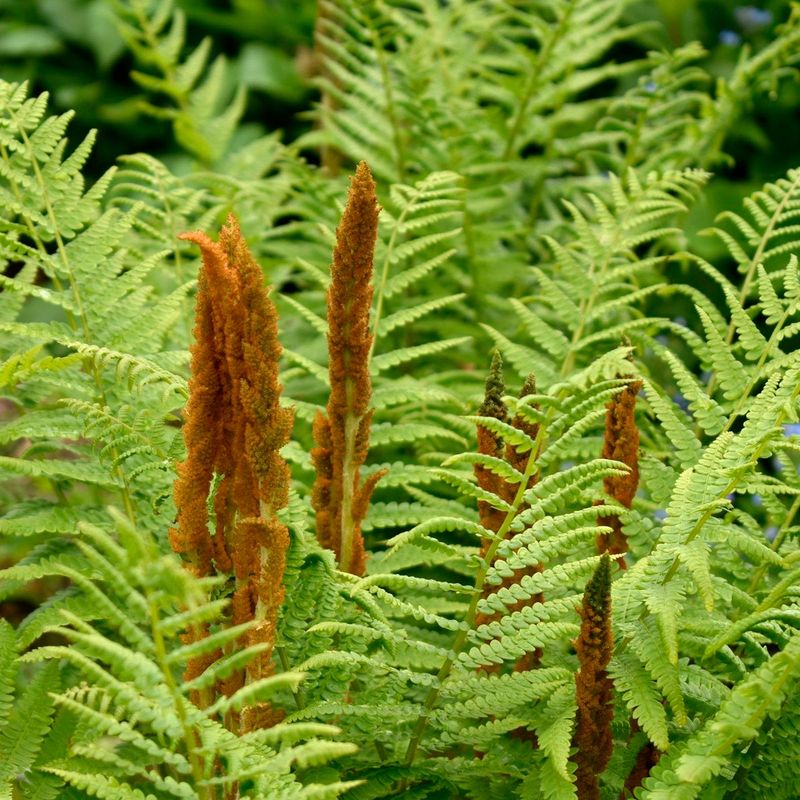
Ferns were around before dinosaurs, and cinnamon fern still carries that prehistoric swagger. In spring, rusty brown fertile fronds shoot straight up from the center like little torches.
The green fronds soon reach waist-high, forming a cool, humid canopy close to the ground. That damp shade matters more than you might think, because firefly larvae live in moist soil and leaf litter for one to two years before they ever glow.
Plant cinnamon fern in that soggy, shady spot where grass keeps dying. Leave fallen leaves around its base instead of bagging them.
Box turtles appreciate the hiding spot too, and if you find one there, admire it and leave it right where it is.
4. Passionflower (Passiflora incarnata)
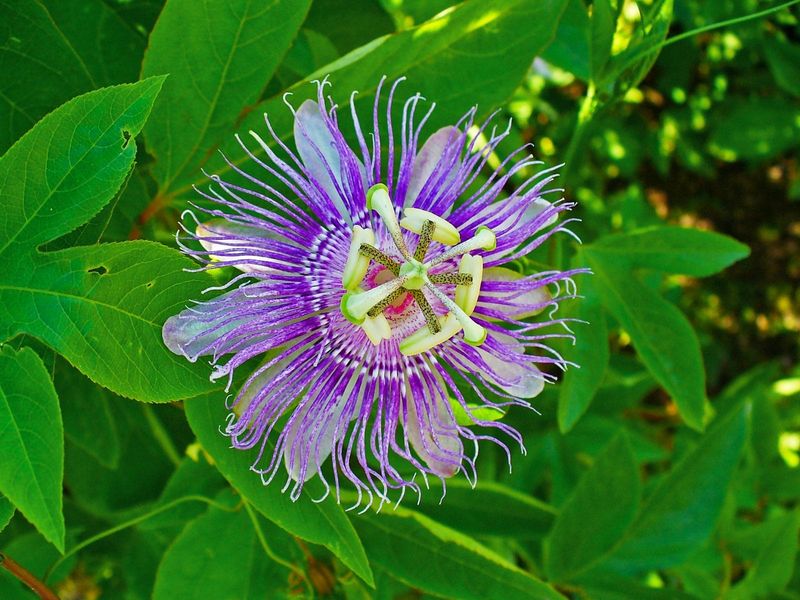
Honestly, the flower looks like something an alien would design. Purple fringe, white bands, and a strange sculpted center make passionflower the ultimate conversation starter.
Locals call it maypop because the hollow fruits pop when stepped on. It is a true native vine that scrambles over fences and trellises in full sun, and it is the host plant for gulf fritillary and variegated fritillary butterflies.
Expect chewed leaves, and celebrate them, because that means caterpillars are growing. The vine dies back in winter and reappears in late spring, so do not panic.
It can spread by roots, so give it room or a mowed edge.
5. New York Ironweed
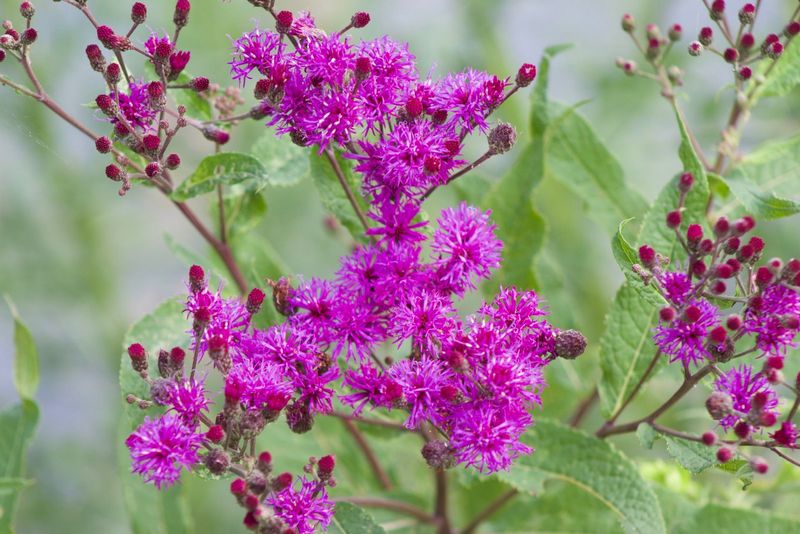
Want height fast? Ironweed can shoot up six feet or more in a single season, topped with clusters of electric purple flowers in late summer.
Native bees, swallowtails, and skippers swarm it. Then in fall, the fluffy seed heads become a buffet for American goldfinches, so hold off on cutting it back until winter.
It loves full sun and that wet, low area by the downspout. Pair it with Joe Pye weed for a towering meadow wall that feels wild yet stays tidy enough for a neighborhood lot.
6. River Oats
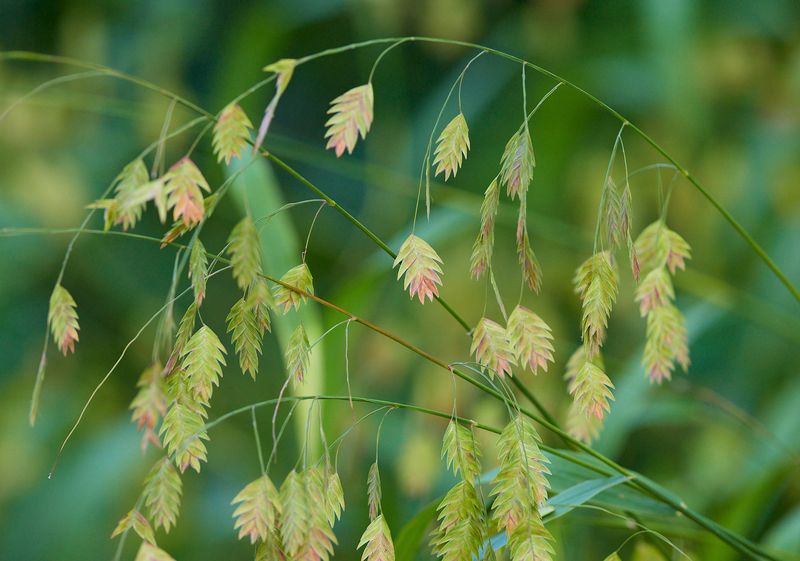
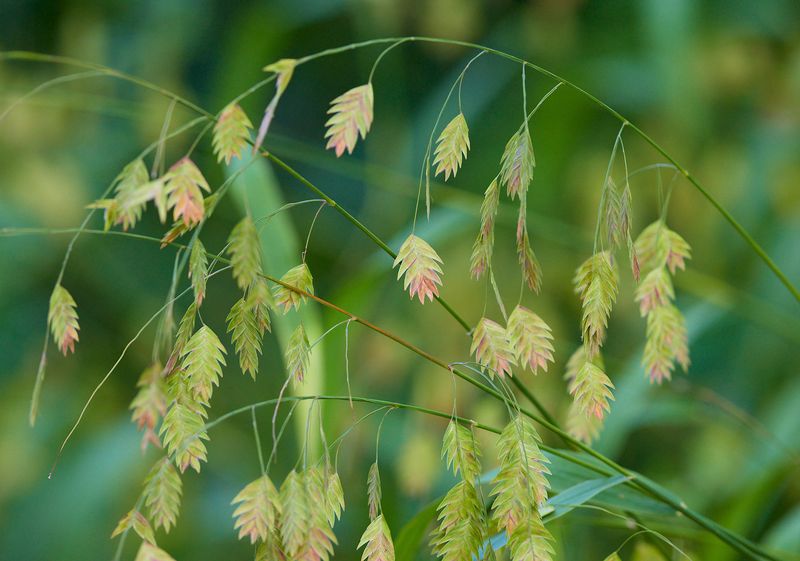
Bamboo is the plant many people reach for when chasing a tropical feel, and that is a mistake in North Carolina, where running bamboo can swallow a yard. River oats offers a similar leafy, arching look without the headache.
Flat seed heads dangle like tiny fish on wire and turn bronze in fall. The broad blades thrive in dappled shade, exactly where turf grass struggles.
Clumps give adult fireflies daytime cover, and fading leaves add debris for larvae below. It does reseed, so pull extra sprouts in spring or share them with neighbors.
7. Swamp Milkweed
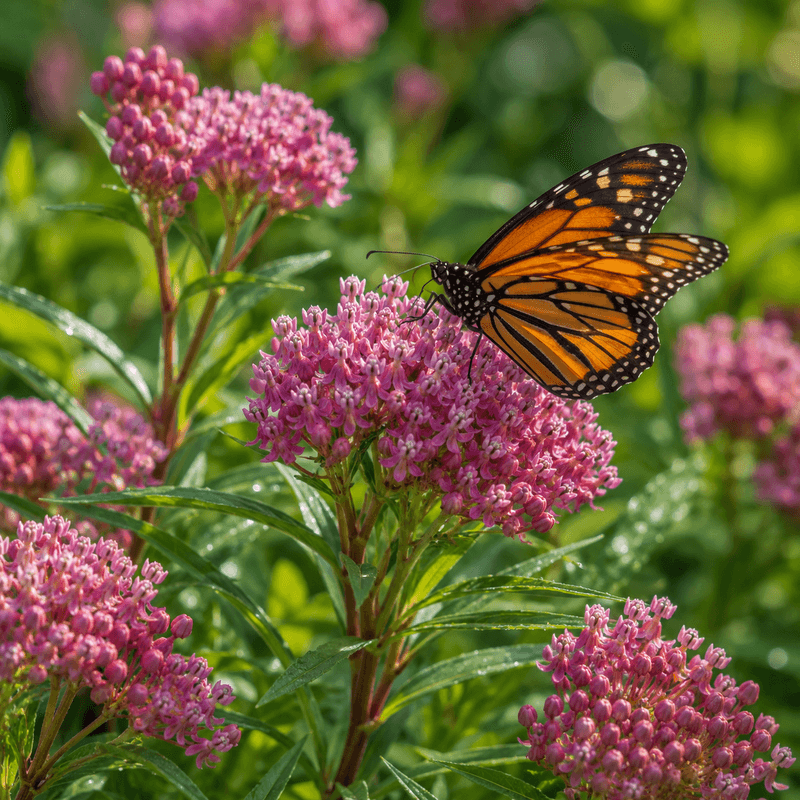
Here is a secret: you do not need a swamp. Swamp milkweed grows happily in an ordinary bed as long as the soil stays fairly moist.
Its dense, willowy leaves create a shady little thicket, and the pink blooms smell faintly of vanilla and honey. Monarchs lay eggs on it, and summer bees will not leave it alone.
Avoid tropical milkweed, a non-native often sold at big-box stores that can disrupt monarch migration. Choose this native instead and skip pesticides so caterpillars and fireflies survive.
8. Crossvine
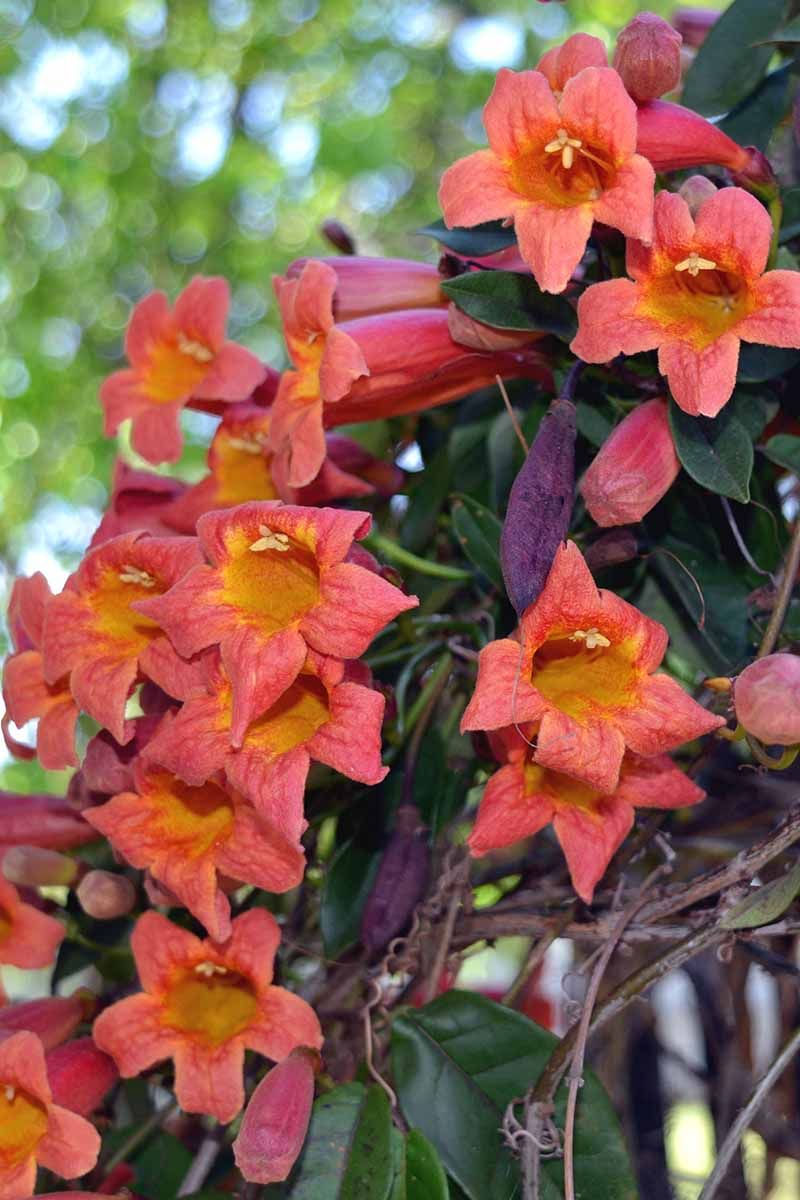
If English ivy or Japanese honeysuckle has a grip on your fence, crossvine is the sweet revenge. This native climber explodes with orange-red trumpets every spring, and hummingbirds go wild for them.
Leaves stay mostly evergreen in the Piedmont and coast, turning burgundy in cold weather. That gives you year-round jungle cover that birds use for shelter.
Removing ivy is a great winter project. Cut vines at the base, pull runners from the ground, then plant crossvine or coral honeysuckle in their place.
Your trees and native wildlife will thank you.
9. Mountain Mint
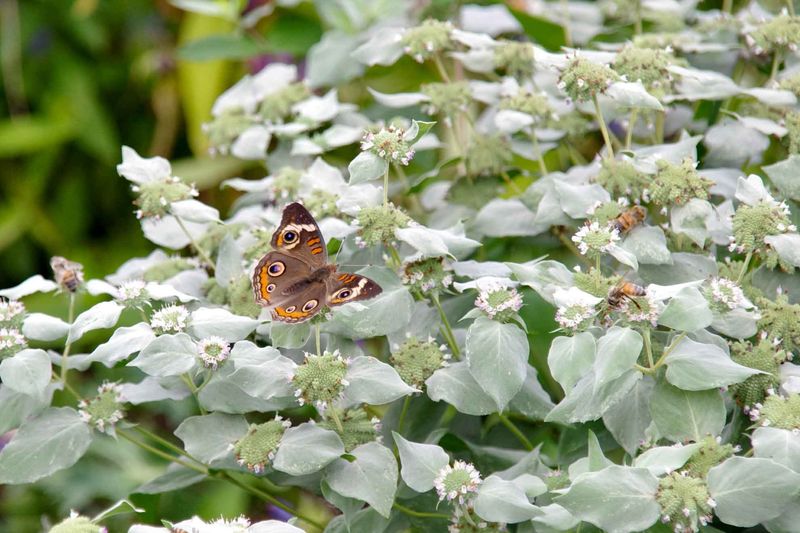
Brush past it and the air smells like peppermint candy. Mountain mint has silvery, frosted bracts that look almost tropical, and it hosts more kinds of pollinators than nearly any other native plant.
Its strong aromatic oils may help deter ticks, though no plant guarantees protection. Plant it along paths and patio edges as a fragrant buffer, combined with a dry strip of wood chips or gravel between lawn and woods.
Keep walkways trimmed short and you can reduce places ticks wait for a ride. Bee balm makes a colorful partner for the same border.
10. Northern Maidenhair Fern
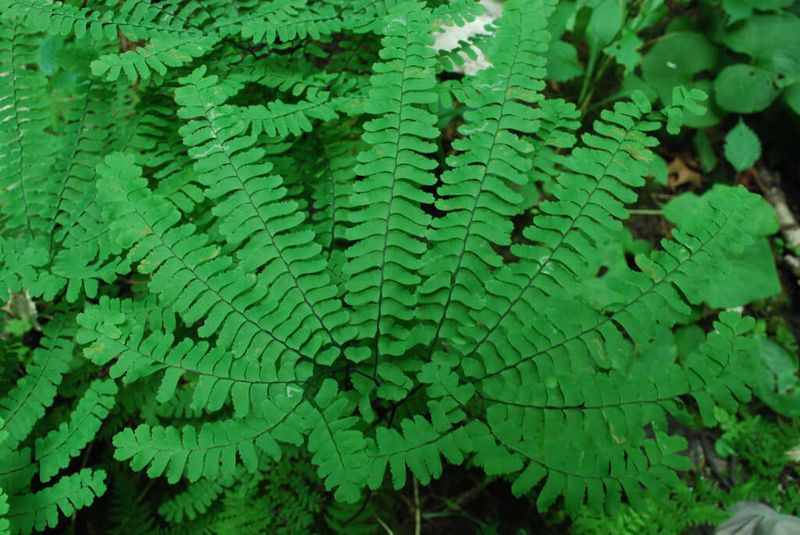
Mountain gardeners, this one is for you. Maidenhair fern looks like it belongs in a misty cloud forest, with lacy, fan-shaped fronds balanced on shiny black stems.
It spreads slowly by rhizomes into a soft carpet across rich, shady soil. That makes it a lovely replacement for English ivy groundcover under trees.
Mix it with foamflower and woodland phlox for a layered look. Keep leaf litter in place, water during summer droughts, and enjoy a quiet, cool corner that toads and salamanders will happily share.