
These North Carolina Native Groundcovers Carpet The Shady Spots Under Your Trees Without Ever Taking Over
That bare, patchy ground under your oak or maple does not have to stay that way. North Carolina has plenty of native groundcovers that love shade, stay in their lane, and give box turtles, fireflies, and native bees a place to live.
Many homeowners plant invasive picks like Japanese pachysandra or creeping liriope without knowing those plants can escape into nearby woods. Here are ten well-behaved natives that fill the gap and help your yard do right by local wildlife.
1. Allegheny Spurge (Pachysandra procumbens)
Picture the tidy look of Japanese pachysandra, but with roots in Southern soil instead of a nursery catalog from overseas. Allegheny spurge is the native cousin, and it is the single best swap if you are pulling out the invasive kind.
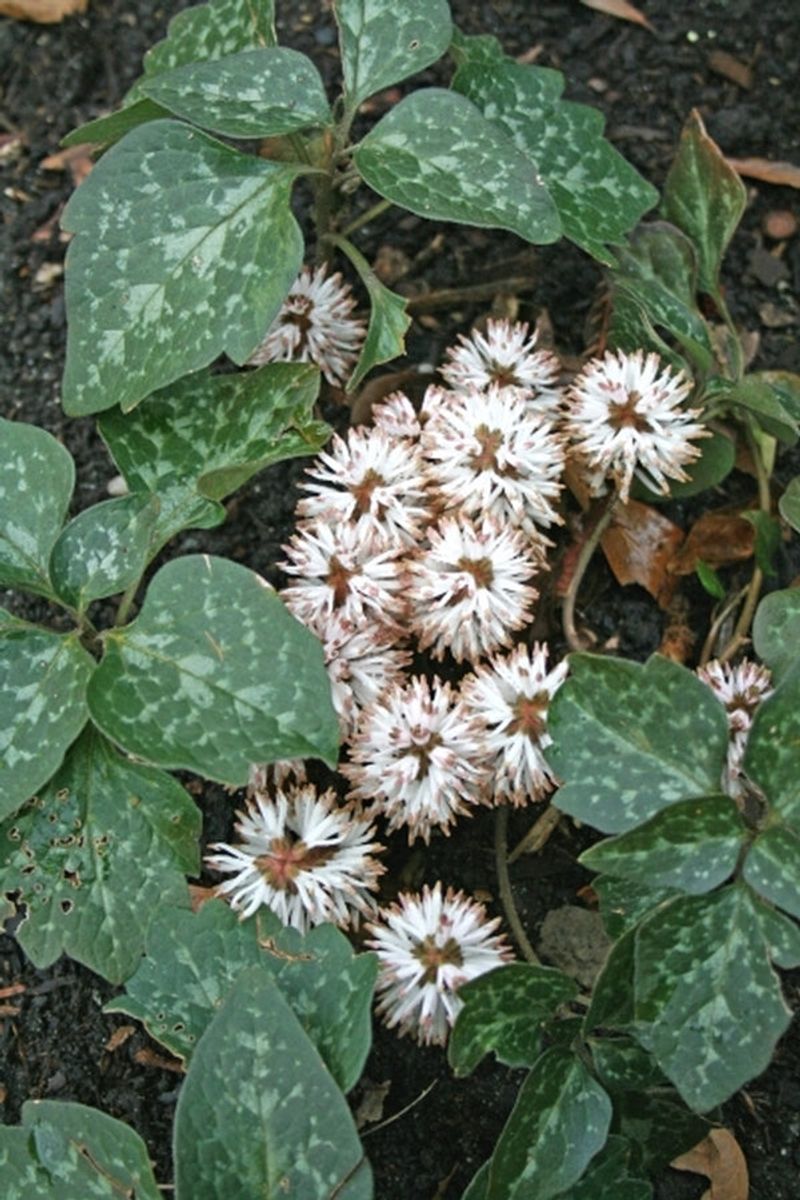
Its leaves carry a soft silver mottling that looks like someone brushed them with frost.
Growth happens slowly through underground rhizomes, so it fills in over a few seasons rather than racing across your yard. Once it settles, the mat gets thick enough to crowd out weeds on its own.
It handles deep shade under trees and can tolerate dry spells once established.
In late winter, fragrant white flower spikes pop up before most plants wake. Early-flying native bees appreciate that rare snack.
Give it moist, rich, slightly acidic soil, and plant it in fall or early spring for the best start.
2. Green-and-Gold (Chrysogonum virginianum)
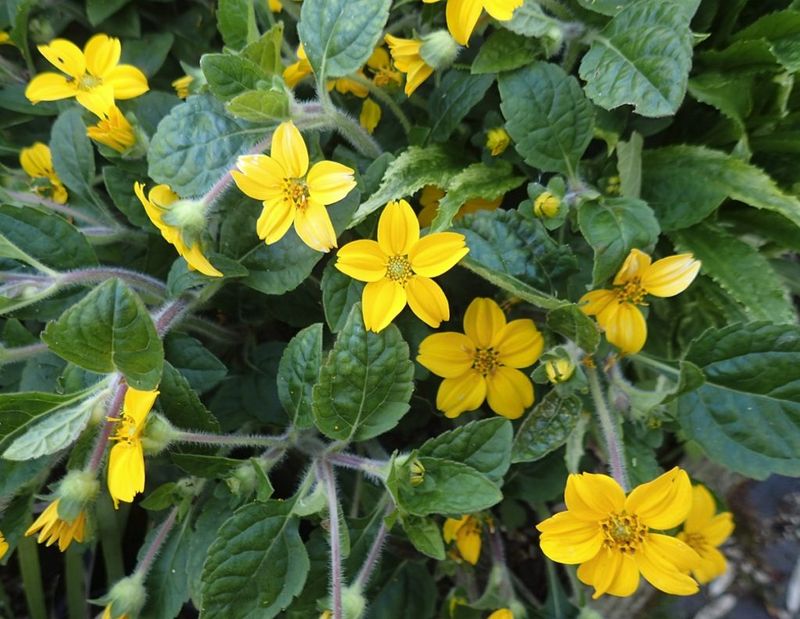
Sunny little stars on the forest floor. Green-and-gold earns its name with cheerful yellow blooms that start in spring and keep showing up off and on for months.
Here is why it makes the list: it works everywhere in the state. Mountain gardeners, Piedmont homeowners, and Coastal Plain folks can all grow it with confidence.
It prefers part shade and average to dry soil, which makes it handy for the edge of a tree canopy where light shifts through the day.
Deer tend to leave it alone, a real bonus in suburban neighborhoods. The foliage stays green through winter, so you will not stare at bare dirt in January.
Small native bees and butterflies visit the flowers for nectar, and the spread stays polite enough to share space with ferns and spring bulbs.
3. Foamflower (Tiarella cordifolia)
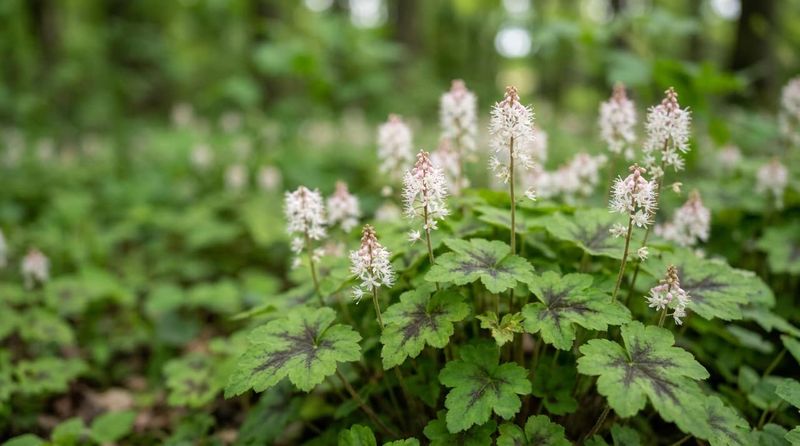
My favorite spring moment in a shade garden is when foamflower blooms and the whole bed looks dusted with sea foam. Tiny white flowers rise on wands above heart-shaped leaves, soft and airy.
The beauty is not just for us. Foamflower builds a low, layered understory that keeps the ground cool and humid, exactly what eastern box turtles look for on hot afternoons.
Pair it with leaf litter and you have created a turtle-friendly hideout without lifting much of a finger.
Early pollinators visit the flowers when food is still scarce. It likes moist, rich soil and spreads at a calm pace.
A quick reminder for good stewards: if you spot a box turtle resting here, let it be. They live in small home ranges, and moving one away can do real harm.
4. Wild Strawberry (Fragaria virginiana)
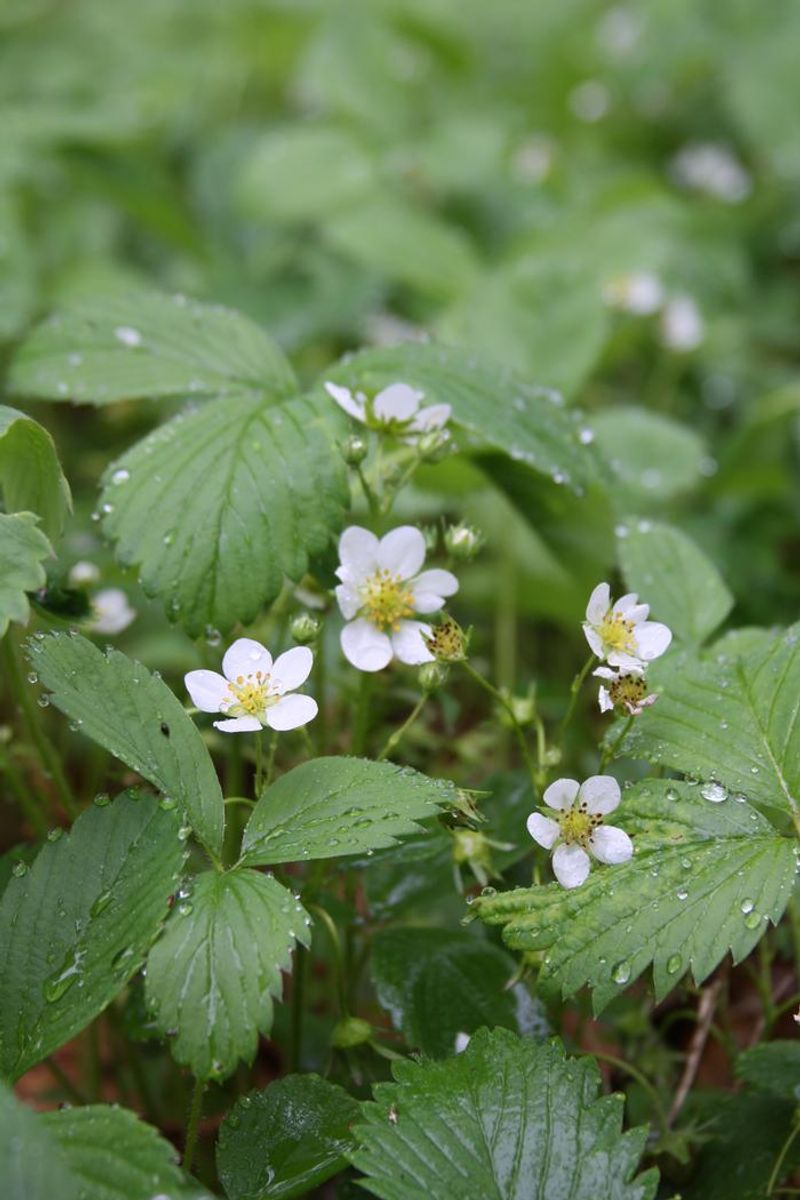
Need coverage fast? Wild strawberry is the sprinter of this list, sending out runners that knit into a green mat in a single season.
Do not mix it up with mock strawberry, the non-native lookalike with yellow flowers. The real native has white blooms in spring and small, sweet red berries later.
Those berries feed songbirds and box turtles, and you might sneak a few yourself if the critters leave any.
It does best in light shade along the outer edge of a tree’s reach and can handle full sun too. Light foot traffic does not bother it much.
It spreads quickly but stays low and easy to pull where you do not want it, so it never turns into a bully.
5. Creeping Phlox (Phlox stolonifera)
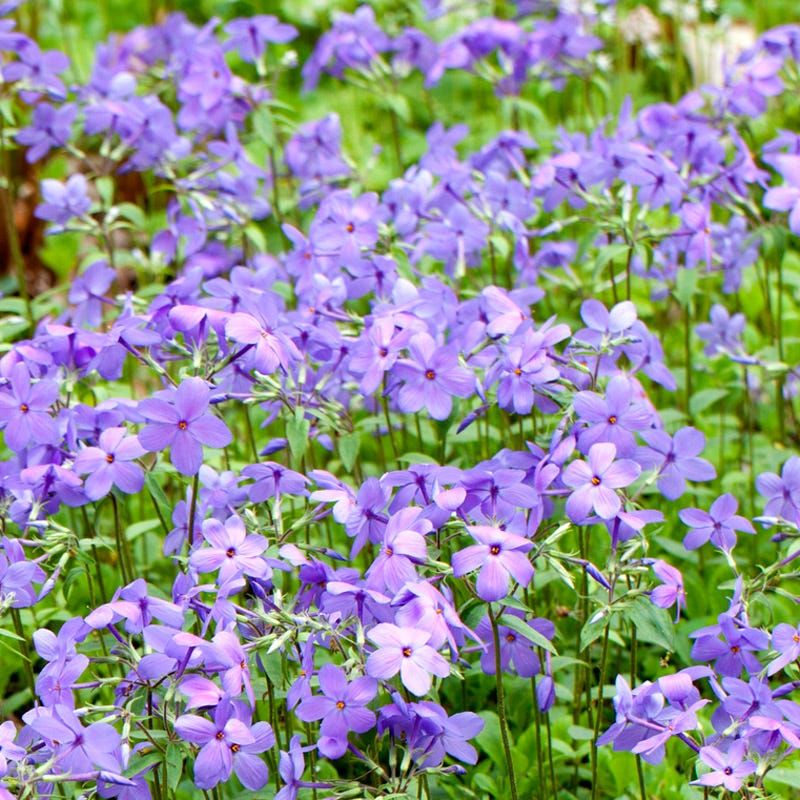
Straight out of the Appalachian woods comes a spring show that rivals any azalea. Creeping phlox covers itself with lavender, blue, or white flower clusters right when bees, butterflies, and even early hummingbirds are hungry.
Gardeners in the mountains will see it thrive with little effort, but Piedmont yards with rich soil do well too. Loose, semi-evergreen mats creep along the ground and slowly squeeze out weeds.
Drainage matters. Give it moist, rich soil that never sits soggy, and it rewards you year after year.
It can even take a few steps from kids heading to the swing set.
6. Woodland Stonecrop (Sedum ternatum)
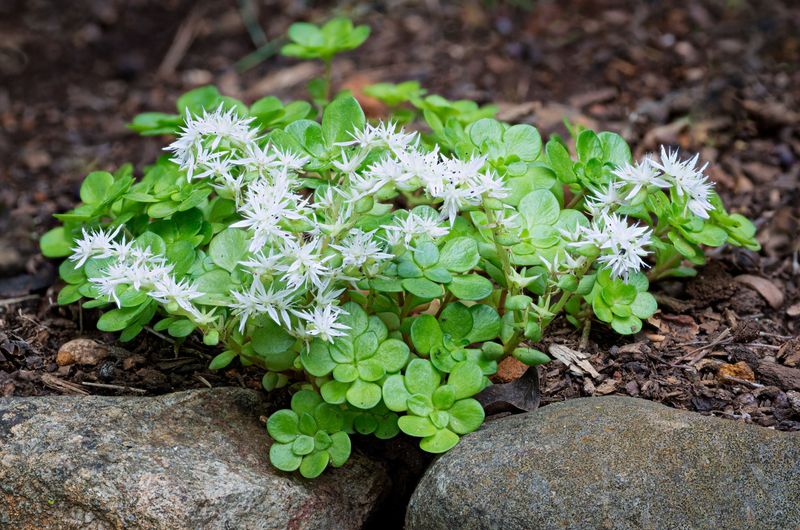
Rocks, roots, and thin soil stump most plants. Woodland stonecrop shrugs and moves right in.
Little succulent leaves form tidy mats just four to eight inches tall, perfect for the cracks between stepping stones or the bumpy ground over shallow tree roots. From April to June, starry white flowers cover the mat and draw in small pollinators.
It handles full shade to full sun as long as water drains away quickly. Drought does not faze it, and deer and rabbits usually skip it.
Fun fact: it is one of the few sedums native to the eastern United States, so you get the succulent look without bringing in an outsider.
7. Golden Ragwort (Packera aurea)
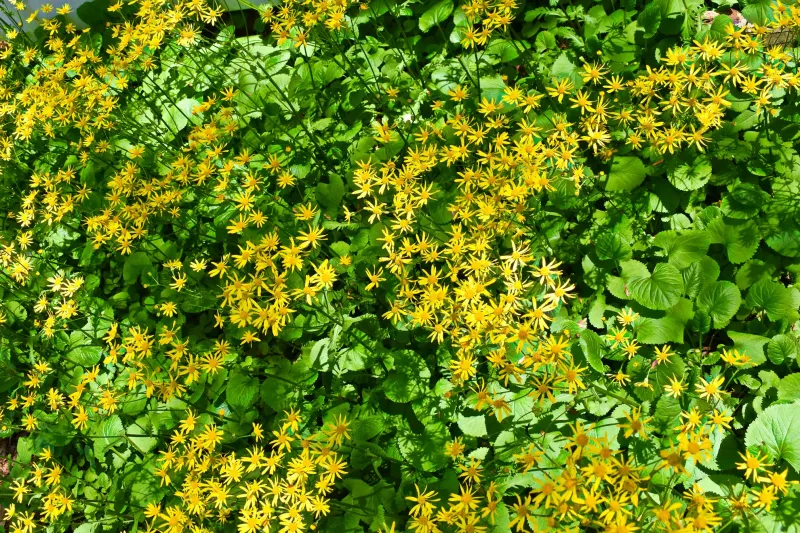
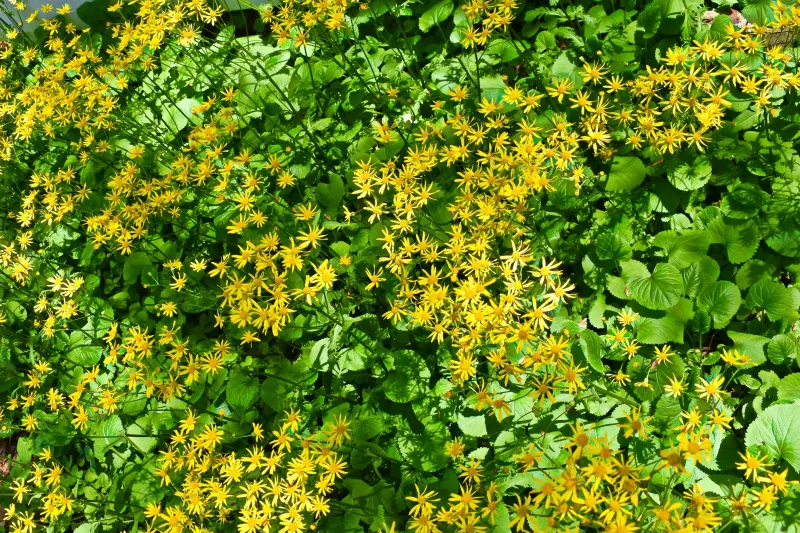
Golden ragwort blooms so early that it often catches gardeners by surprise in March. Clusters of bright yellow flowers stand over rounded leaves near the soil.
Wet spots under trees are its happy place. The low foliage keeps the soil cool and damp, giving box turtles moisture and cover during brutal summer heat.
A patch of it can act as a safe travel lane between garden beds.
Emerging native bees lean on its early nectar. It spreads by seed and runners, so it fills a moist corner nicely.
If it wanders, simply pull extras and share them with a neighbor.
8. Partridgeberry (Mitchella repens)
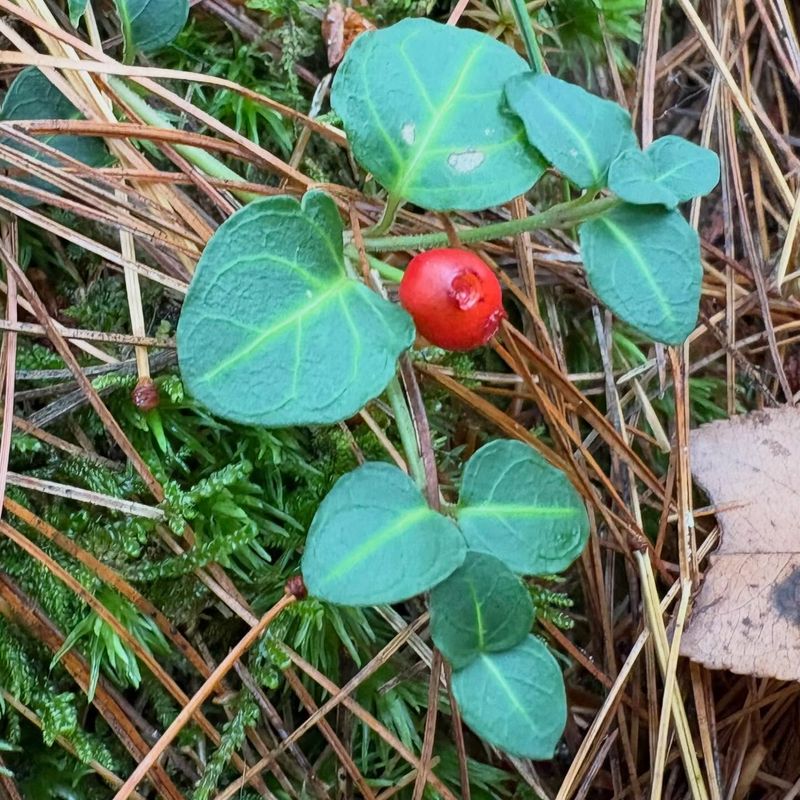
Less than an inch tall and stubbornly evergreen, partridgeberry is the quiet jewel of the forest floor. Small glossy leaves trail along the ground with pale veins running through them.
Each pair of white spring flowers fuses into a single red berry, and you can spot two tiny dimples on every one as proof. Those berries can hang on for nearly a year, feeding birds through lean winter months.
It loves acidic soil and plenty of shade, found naturally from the mountains to the coast. Plant it near a path where you can kneel and admire it.
Patience pays off, since it spreads slowly and will never overrun anything.
9. Wild Ginger (Asarum canadense)
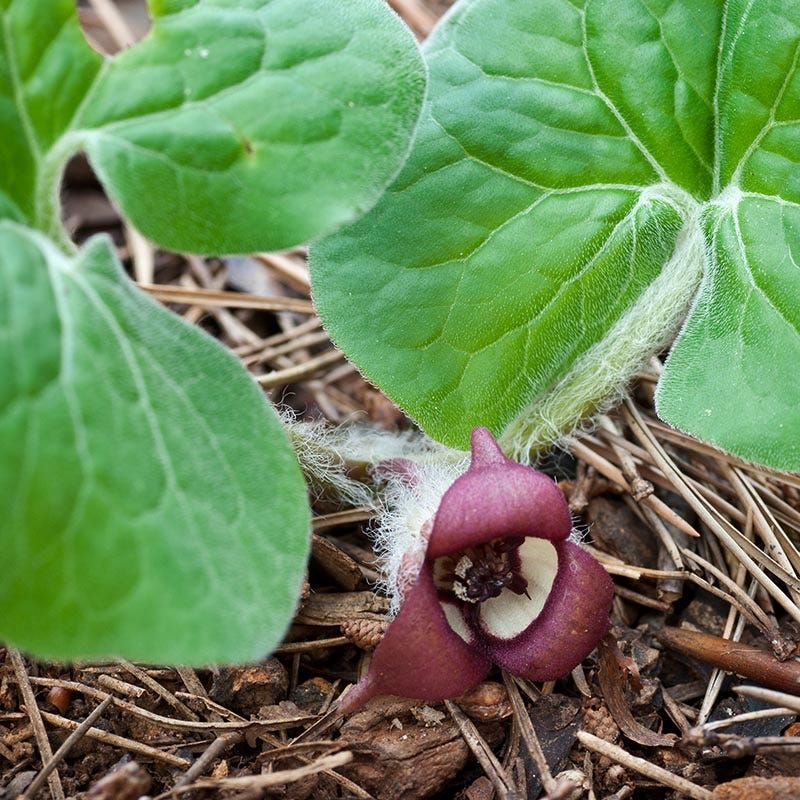
Lift a velvety heart-shaped leaf in spring and you may find a strange maroon flower hiding right at the soil line. Wild ginger keeps its blooms low, and some experts think ground insects help with pollination.
The broad leaves make a soft canopy just a few inches high. Box turtles love wandering and resting beneath that kind of cover.
Deer usually pass it by too.
Give it moist, rich woodland soil and steady shade. The roots smell a bit like ginger when crushed, but it is not the kitchen spice, so admire it rather than cook with it.
It spreads slowly into a lush patch that pairs beautifully with ferns.
10. White Tinged Sedge (Carex albicans)
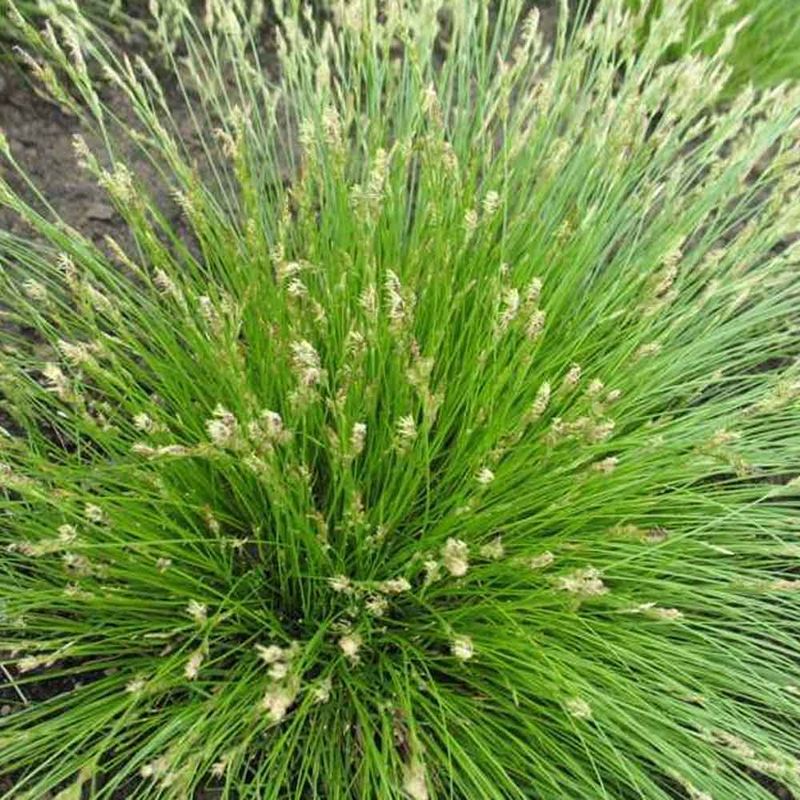
Tired of reseeding a lawn that just thins out under your trees every year? White tinged sedge is the answer many Piedmont homeowners wish they had found sooner.
Fine, grassy tufts slowly join into a soft, turf-like cover. It handles moist shade and dry shade, which covers most tough spots beneath a big canopy.
No fertilizer schedule, no constant mowing, and no chemical treatments that can harm firefly larvae in the soil.
Leave fallen leaves around it in autumn. Firefly larvae spend a year or two living in moist leaf litter, so that sedge patch can light up your summer nights later.
It may just be the most practical lawn swap on this list.