
Which Of These 15 Popular Houseplants Is Quietly Poisonous To The Cat Curled Up Beside It?
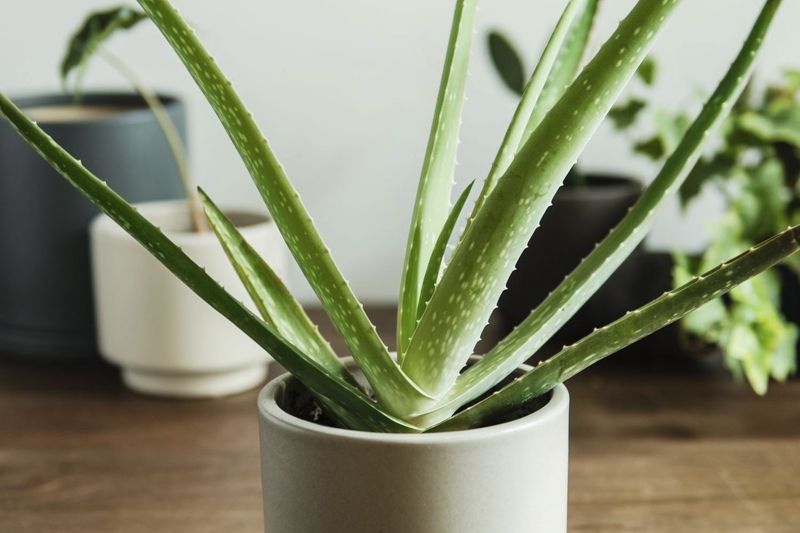
Your cat naps next to your favorite plant every afternoon, and it looks like the coziest scene in the house. But some of the most common plants we grow can make a cat sick with just a few curious bites.
Knowing which ones are risky helps you keep both your plants and your pet safe. Here are 15 popular plants, what makes each one a concern, and simple steps you can take today.
1. Lily
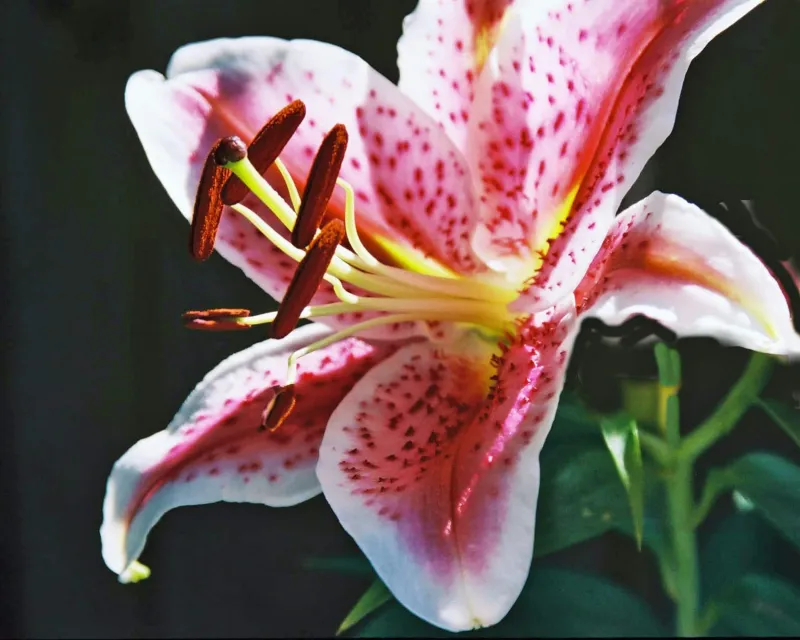
If one plant on this list deserves a red flag, it is the lily. Easter lilies, tiger lilies, Asiatic lilies, and daylilies can all cause sudden kidney failure in cats.
The scary part is how little it takes. A cat that licks pollen off its fur, chews one leaf, or drinks water from a lily vase can become seriously ill.
Early signs include vomiting, low appetite, tiredness, and changes in how often your cat urinates.
The fix is simple but firm: keep lilies out of any home with a cat, including bouquets. If you think your cat touched a lily, call your vet or a pet poison hotline right away, since fast treatment gives the best chance of recovery.
2. Sago Palm
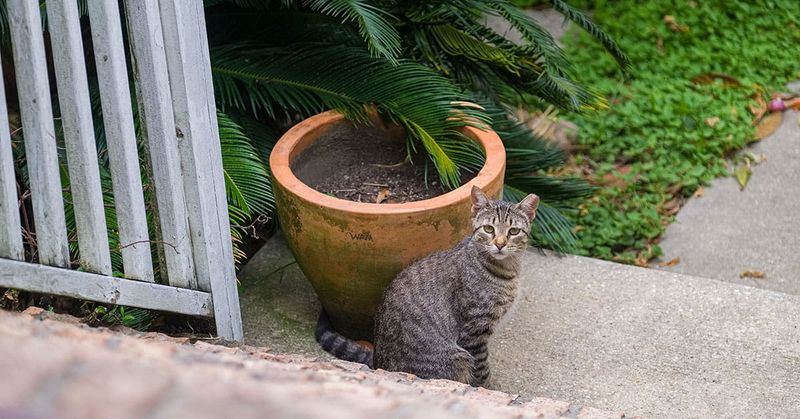
Sago palms look like tiny tropical trees, which is exactly why so many people bring them home. Sadly, every part of the plant is dangerous to cats, and the seeds carry the most poison.
Eating sago palm can lead to vomiting and diarrhea, and in serious cases, liver failure. It is one of the few houseplants that can truly be life-threatening.
Already own one? Move it outside to a spot your cat cannot reach, or give it to a pet-free friend.
Pick up any fallen seeds right away, and contact your vet immediately if you see chewed fronds.
3. Azalea
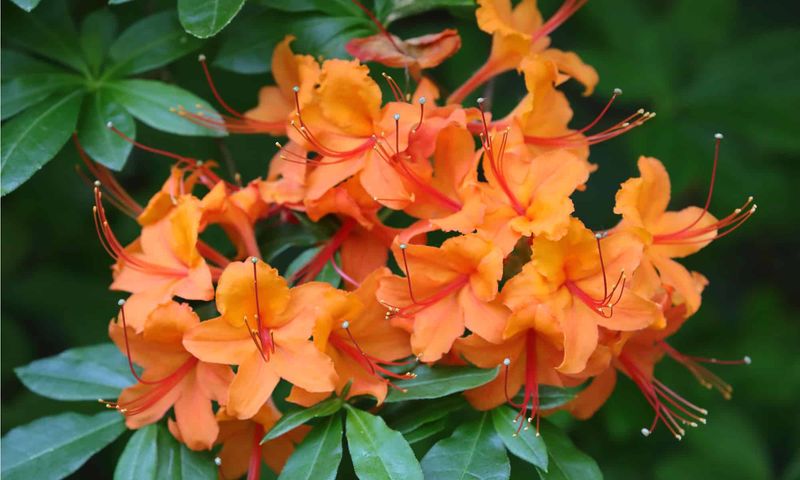
Gift-shop azaleas show up every spring wrapped in foil and covered in blooms. They are lovely, but even a small nibble can cause real trouble for a cat.
Symptoms may include drooling, vomiting, diarrhea, weakness, and loss of appetite. In severe cases, cats can have vision problems or even slip into a coma.
Enjoy azaleas outdoors in garden beds where indoor cats never roam. If one comes indoors as a gift, set it in a closed room until blooming ends, then plant it outside.
4. Hydrangea
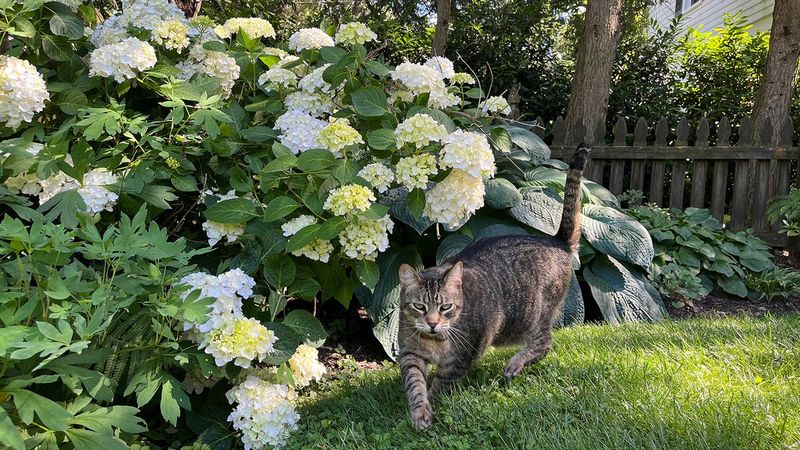
Plenty of gardeners pot up a hydrangea for the porch and never think twice about the cat sunbathing beside it. Every part of the plant, from leaves to flowers, contains cyanogenic glycosides.
Most cats only get mild stomach upset, like vomiting or diarrhea, and severe poisoning is uncommon. Still, a bored indoor cat chewing on cut blooms can feel pretty miserable.
Keep fresh hydrangea bouquets on high shelves, and skip leaving fallen flower heads on the porch floor. Your hydrangea will keep blooming, and your cat stays comfortable.
5. Tomato Plant
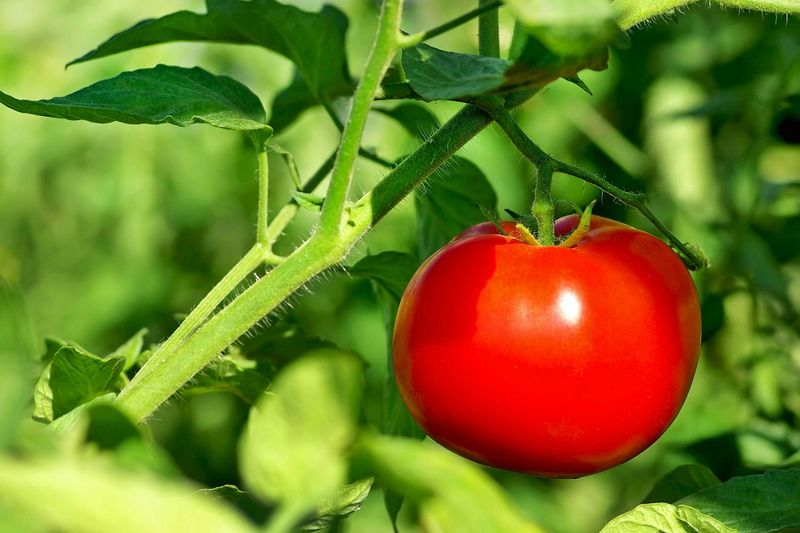
Here is a twist many gardeners miss: the ripe red tomato is generally fine, but the plant itself is not. Leaves, stems, and green fruit contain solanine and tomatine.
A cat that chews tomato foliage may drool, vomit, seem depressed, or show dilated pupils and a slower heart rate. Those signs can show up in cats who play in container gardens.
Patio tomato growers can add a simple barrier of chicken wire around pots. Pick up fallen green tomatoes and pruned suckers so they are not left as chew toys.
6. Clematis

Clematis vines climb mailboxes and trellises with showy purple and white flowers. Every variety contains protoanemonin, a compound that irritates a cat’s mouth and stomach.
Usually the bitter taste stops a cat quickly. Drooling, vomiting, diarrhea, and mouth irritation are common signs, and serious poisoning is rare.
Watch for low-hanging tendrils near doorways where cats wait to go out. A quick trim keeps the vine tidy and out of nibbling range.
7. Geranium
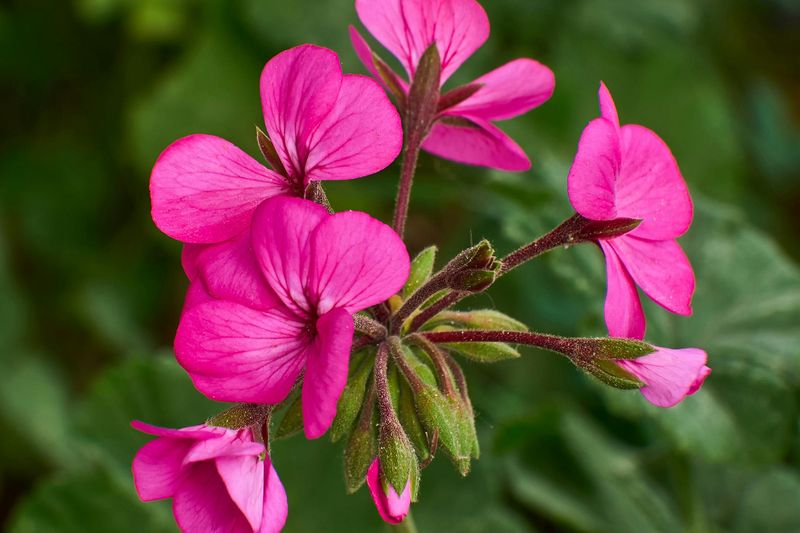
That spicy scent you love when you brush past a geranium? It comes from oils like geraniol and linalool, and those oils do not agree with cats.
Eating geranium leaves may lead to vomiting, diarrhea, low energy, or poor appetite. Some cats also get itchy skin from rubbing against the plant.
The good news is that symptoms are usually mild and short-lived. Overwintering geraniums indoors?
Put them in a spare room or high plant stand until spring.
8. Pothos
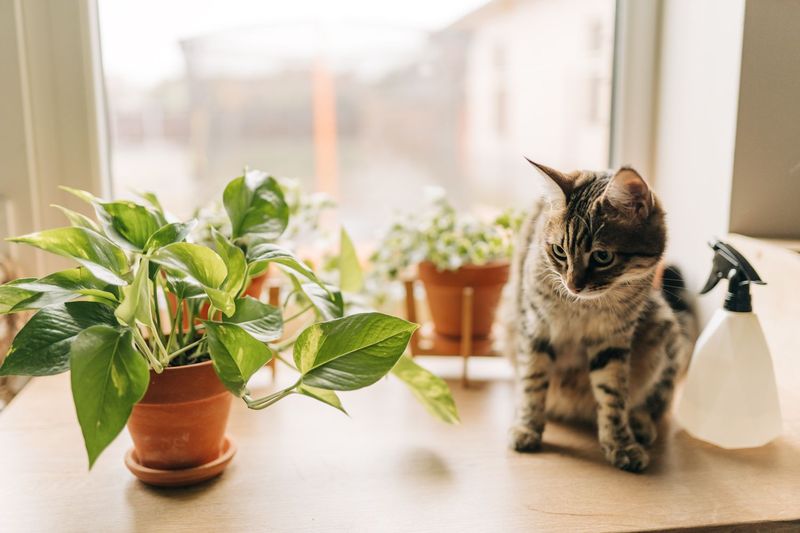
Long, dangling vines are basically cat toys in disguise. Pothos is famous for being easy to grow, but it is packed with sharp calcium oxalate crystals.
One chomp can feel like biting into tiny needles. Cats may drool heavily, paw at their mouth, vomit, or have trouble swallowing.
Trim vines so they do not trail down within reach. Hanging baskets well above cat-jumping height work nicely too.
9. Philodendron
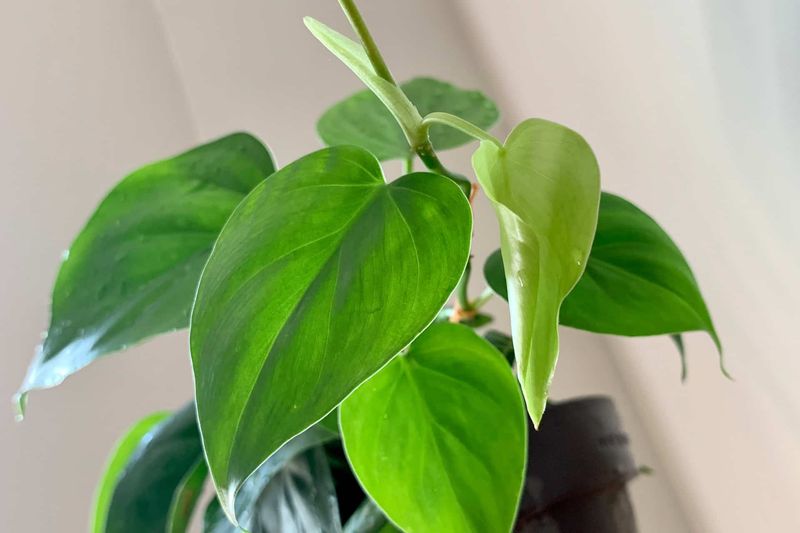
Philodendrons are close cousins of pothos, and they share the same crystal problem. Heartleaf types are everywhere because they forgive almost any mistake.
A cat that chews one can get mouth pain, swollen lips or tongue, drooling, and vomiting. The pain usually stops them before they eat much.
Bigger floor varieties are the trickiest since cats can reach them easily. Try a room your cat does not use, or swap for a pet-safe plant.
10. Snake Plant
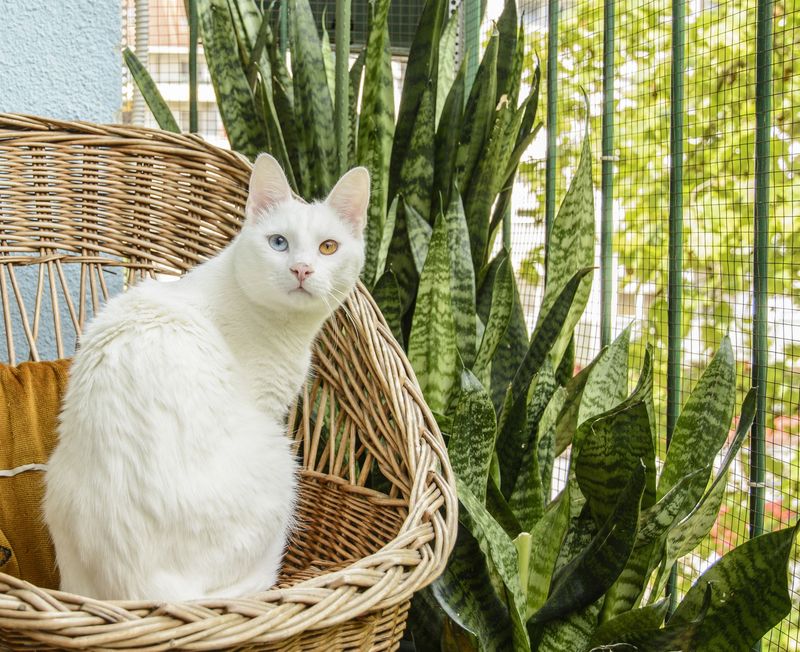
Sturdy and nearly impossible to kill, the snake plant seems like the perfect beginner plant. It does contain saponins, though, which can upset a cat’s stomach.
Nausea, vomiting, diarrhea, and drooling are the usual signs. Most cases are mild, and many cats ignore the stiff leaves entirely.
If your cat likes chewing on upright things, place it behind furniture or on a plant stand. A torn leaf tip is your clue that someone has been tasting.
11. Jade Plant
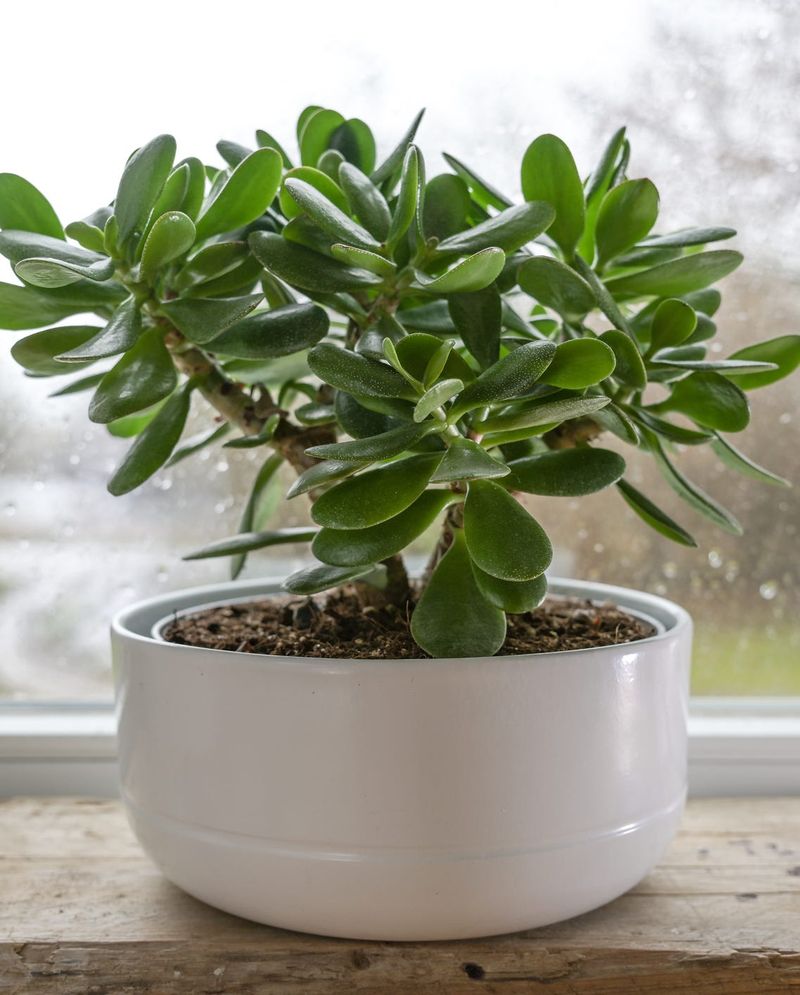
Grandma probably had a jade plant that lived for decades. The plump little leaves are a sign of good luck to many people, but not to cats.
Eating jade can cause vomiting, tiredness, and sometimes wobbly, uncoordinated walking. That unsteady movement is a good reason to call your vet.
Since jade loves bright windowsills, it often sits right where cats sunbathe. Move it to a sunny spot your cat cannot reach.
12. Aloe Vera
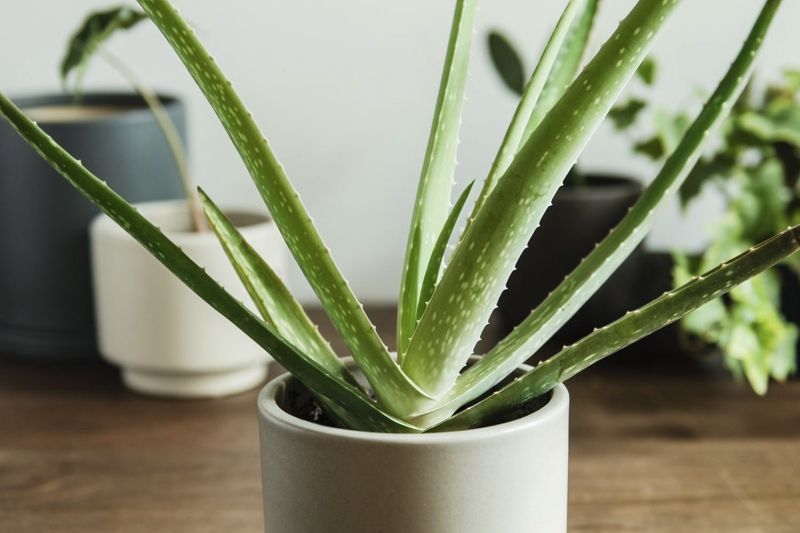
We keep aloe handy for sunburns, so it feels like a helpful plant. For cats, the story is different.
Eating aloe can irritate the digestive system and lead to vomiting, diarrhea, and tremors. The gel is not something to rub on your pet either.
Store your aloe on a high shelf or windowsill your cat never visits.
13. Asparagus Fern
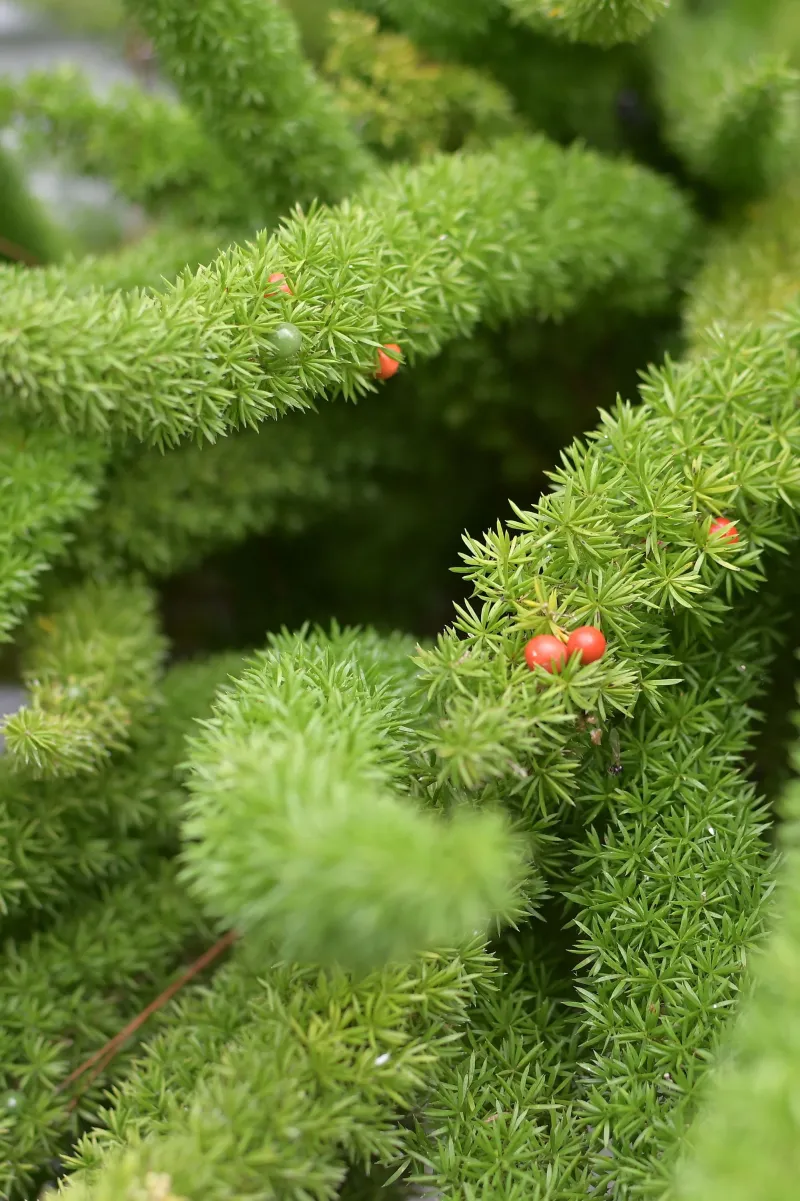
Soft and fluffy, the asparagus fern almost begs to be touched. It is not a true fern, and it contains sapogenin.
Cats that chew it may get stomach upset, and brushing against it can irritate skin. The small red berries can also tempt playful cats.
Keep it hanging high and pick off berries as they form. That simple habit cuts the risk a lot.
14. Tulip
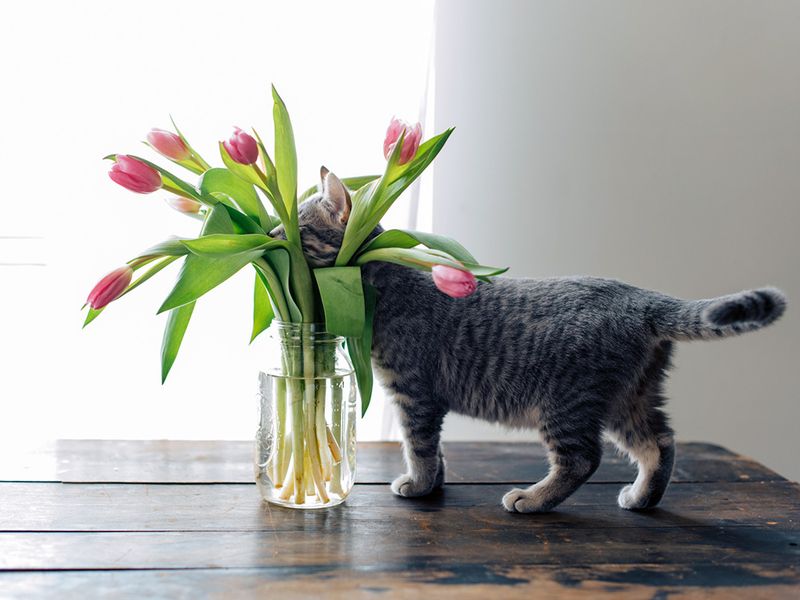
Spring tulip bouquets brighten any kitchen table. The bulbs hold the most poison, but every part of the tulip can cause problems.
Cats may drool, vomit, have diarrhea, or get mouth and throat irritation. In bad cases, breathing trouble can happen.
Store spare bulbs in a closed cabinet before planting season. Keep cut tulips where your cat cannot jump.
15. Spider Plant
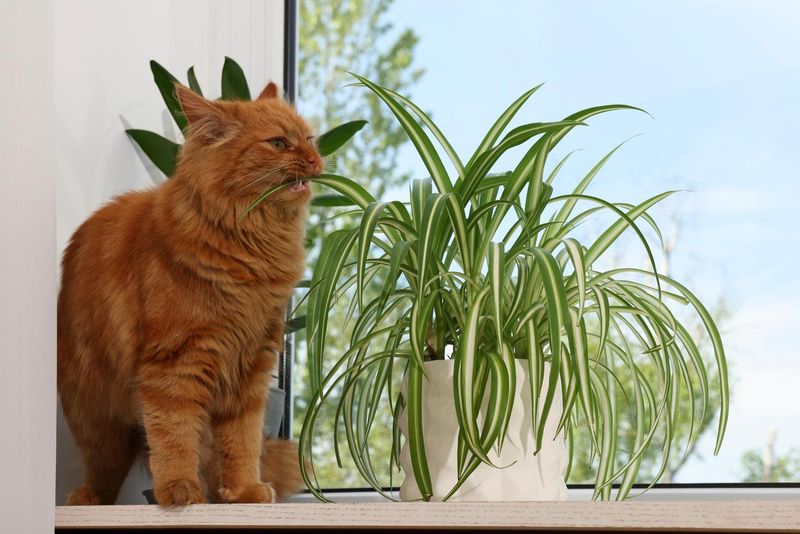
Finally, some good news. The spider plant is non-toxic to cats, making it a smart swap for pothos or philodendron.
Cats adore batting its long, arching leaves. Eating a lot of any plant can still cause brief tummy upset, so hang it partly out of reach to protect the leaves.
Want to replace a risky plant today? A spider plant grows fast, costs little, and lets you relax when your cat curls up beside it.