
Whether to Prune Hydrangeas Before Winter Depends on the Type, and It Can Affect Next Summer’s Blooms
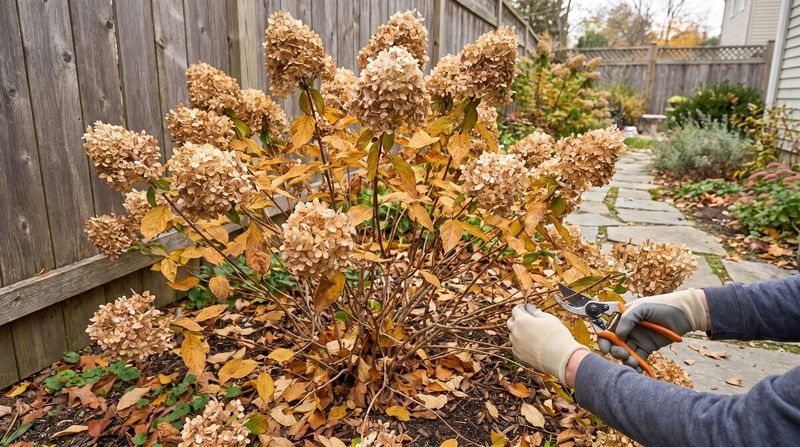
You walk out to your hydrangea in October, pruners in hand, and wonder if one wrong cut could cost you next summer’s flowers. The worry is fair, because some hydrangeas tuck their flower buds into the stems long before winter.
Others grow their blooms fresh each spring. Once you know which kind you have, the decision gets much easier.
What does “old wood” actually mean?
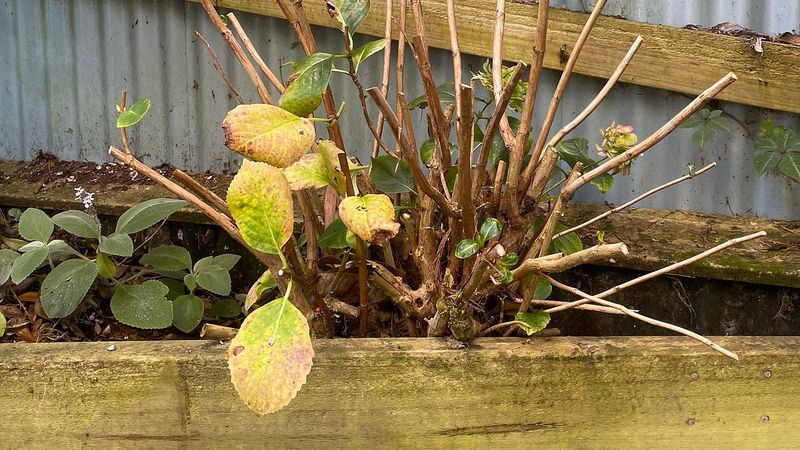
Gardeners hear “old wood” and “new wood” all the time, and the terms sound fussier than they are. Old wood is growth from the previous season or earlier.
New wood is the growth a plant produces in the current season.
Here is why that matters for your shrub. According to University of Maryland Extension, bigleaf, mountain, and oakleaf hydrangeas bloom on old wood, forming their flower buds the summer or fall before they open.
Smooth and panicle hydrangeas bloom on new wood, so their flowers grow on stems that sprout in spring.
Picture two shrubs standing side by side in November. On the old-wood type, the bare stems may already be carrying next year’s flower buds, hidden and waiting.
On the new-wood type, the stems are just a framework, and the flowers will form on shoots that have not grown yet.
That difference is why no single fall pruning rule can safely cover every hydrangea. A hard cut that is harmless to one shrub can remove the buds on another.
Pruning cuts matter, but they are only one piece of the puzzle, since the shrub’s type and the weather also shape what blooms.
Extension guidance, including University of Minnesota Extension, builds its timing advice on this same split. Once you know which group your plant belongs to, you know when pruning is safe and when it is smarter to hold off.
Identify the hydrangea before you reach for the pruners
Not sure which hydrangea is growing by your porch? Plenty of gardeners inherit a plant with no tag, and pausing to figure it out is the smart move, not a failure.
A few clues help. Leaves shaped like oak leaves point to an oakleaf hydrangea.
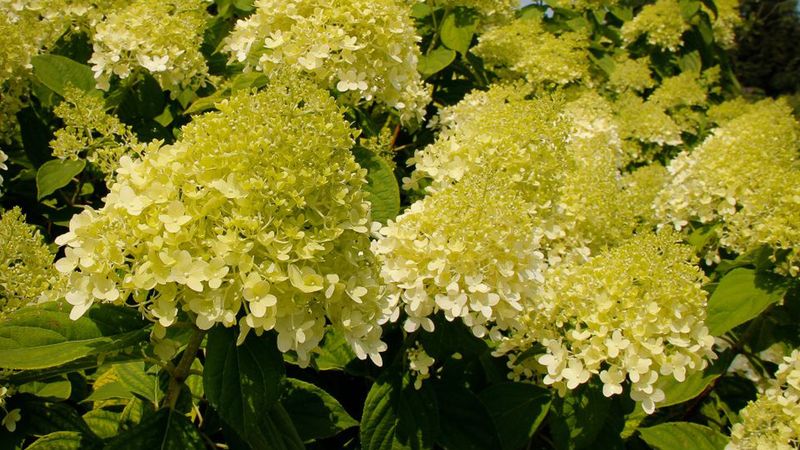
Flower clusters shaped like cones point to a panicle hydrangea, and ‘Annabelle’ is a well-known smooth hydrangea, as noted by University of Maryland Extension.
Bigleaf and mountain hydrangeas are harder, because they can look quite similar. If you bought the plant, check the original plant label or the nursery receipt.
If that is gone, your local Extension office can often help identify it from photos or a sample.
Photos of your shrub in bloom are a great tool. Snap a few next summer showing the leaves, the flower shape, and the whole plant, and keep them handy for next fall.
If you still cannot say for sure what you have, put off any substantial pruning. Waiting costs you very little, while guessing wrong on an old-wood type can cost you buds.
Pulling off a few dead or broken stems is fine, but save the big cuts for when you know.
Why old-wood hydrangeas usually should wait
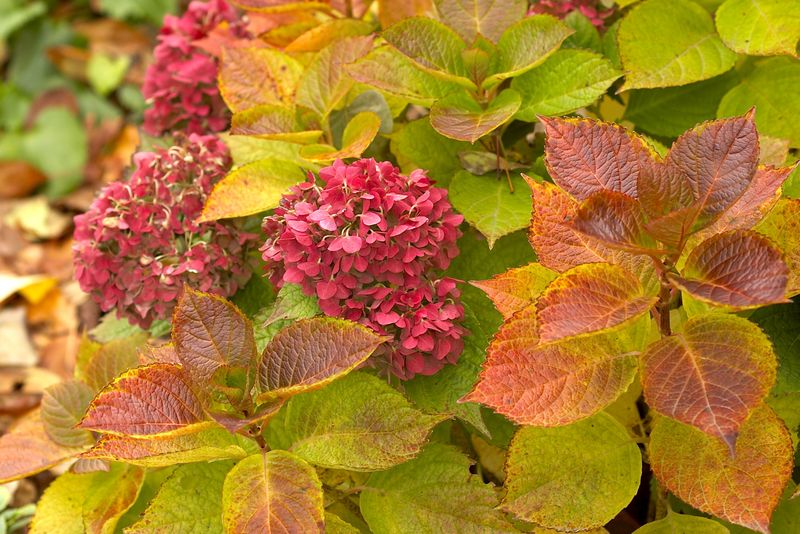
Bigleaf, mountain, and oakleaf hydrangeas are the old-wood group. Their next-season flower buds are already on the stems by fall, so cutting those stems in fall or winter can take the buds right off.
If preserving next summer’s blooms is your goal, skip substantial pruning during those months. University of Maryland Extension recommends doing any major pruning of these types just after they finish flowering.
Exact dates vary by region, so treat them as local guidance rather than a national deadline. Illinois Extension suggests pruning soon after bloom and by August 1.
Minnesota Extension notes that bigleaf buds develop in late summer to early fall, which is why waiting too long is risky.
Here is the reassuring part: these shrubs do not need a yearly haircut. Many do fine with little pruning, and you only need to cut when there is a reason, such as a crowded center, a shrub that has outgrown its spot, or stems that are clearly dead.
So if you are standing in the yard in November, looking at a leggy bigleaf, you can set the pruners down. Dead stems can be spotted more easily in spring, when leaves emerge, and that is a good time to remove only what is truly lifeless.
New-wood hydrangeas have a different pruning window
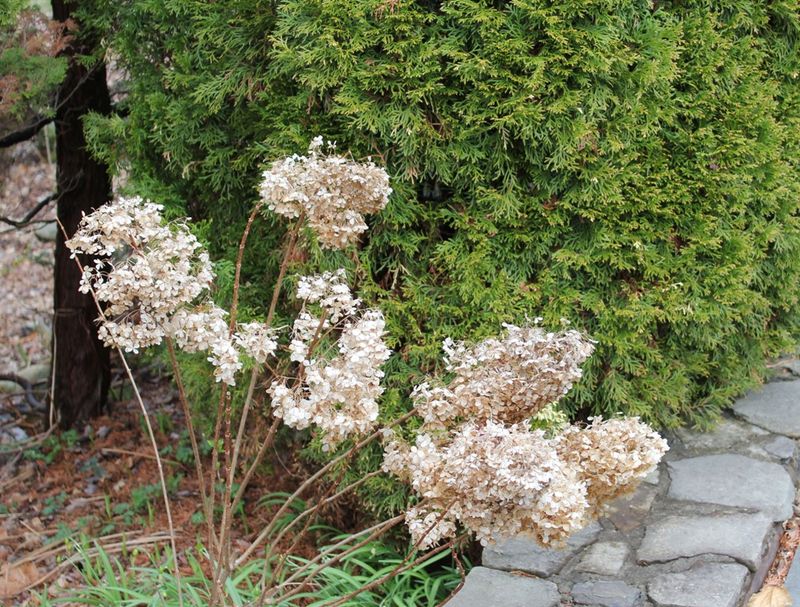
Smooth and panicle hydrangeas play by easier rules. They form flowers on new growth, so cutting dormant stems does not remove the same kind of overwintering flower buds that old-wood types carry.
Late winter or early spring is a sound default for these shrubs. University of Minnesota Extension says panicles can be pruned in fall, late winter, or spring, and the dried flower heads can stay on for winter interest.
Maryland Extension recommends late-winter pruning for new-wood bloomers.
That flexibility does not mean you must cut hard. Advice on how much to remove varies, and there is no single height that suits every shrub.
Illinois Extension cautions that repeated drastic cutbacks can weaken plants.
A light trim to remove dead stems, fix crossing branches, or control size is often plenty. Some gardeners prune every year and others rarely do, and both can have healthy plants.
If you have a smooth hydrangea like ‘Annabelle’ or a panicle, you have breathing room. Fall cleanup will not wipe out next summer’s flowers, though cold snaps and other problems can still affect the plant.
Deadheading does not mean cutting the shrub back
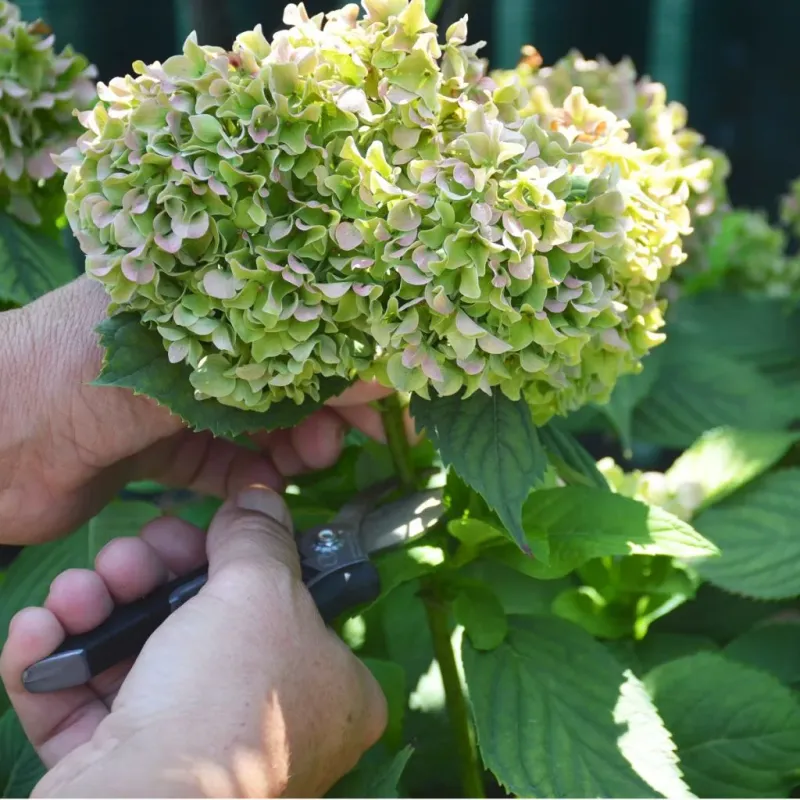
Many gardeners use “deadheading” and “cutting back” as if they were the same job. They are not, and the gap between them can decide whether your old-wood hydrangea blooms.
Deadheading means removing a spent flower. According to University of Maryland Extension, you can do this after flowering by cutting only at the branch tip.
Cutting farther down the stem can remove buds on an old-wood hydrangea.
Think of it this way: snipping just below the faded bloom is a tiny tidy-up, while shortening the stem is real pruning. The first is safe for nearly any hydrangea, and the second needs the right timing for your type.
Deadheading is also optional. It is not required for plant health, and many gardeners leave the dried flower heads because they look pretty in fall and winter.
If you are not sure where the buds sit below the flower, leave the head in place. That is the lower-risk choice, and you can always tidy up in spring once you can see which stems are alive.
Reblooming, climbing, and winter damage complicate the rule
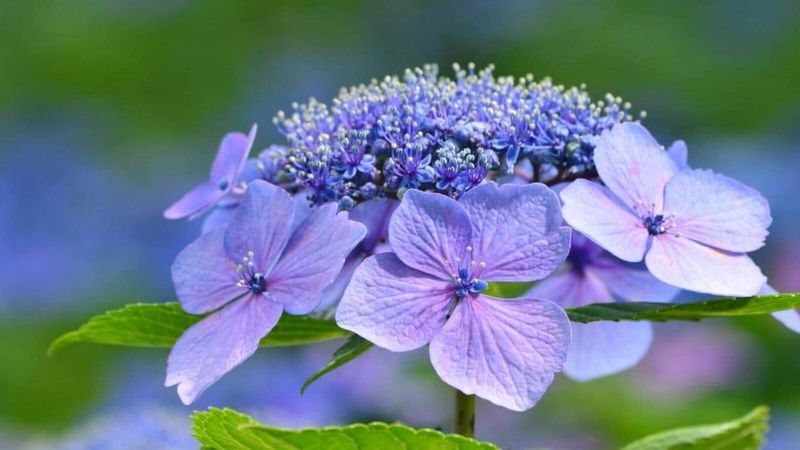
Garden rules rarely fit every plant, and hydrangeas have a few exceptions worth knowing. Some bigleaf and mountain cultivars are remontant, meaning they can flower on both old and new wood.
If old-wood buds are lost, these cultivars may still bloom on new growth. Maryland Extension notes that pruning can delay or shorten their reblooming window, so remove as little wood as possible.
Climbing hydrangeas bloom on old wood too, but they generally need little or no routine pruning, as University of New Hampshire Extension explains. Let them climb, and trim only to keep them off windows or gutters, right after flowering.
Then there is weather. Even if you never touch the stems, winter cold, a late spring frost, or deer browsing can damage or remove buds, a problem covered in Maryland Extension’s hydrangea problem guide.
So if your bigleaf produces leaves but no flowers one year, pruning may not be the culprit. Check for frost-blackened buds and chewed stem tips before blaming yourself.
When in doubt, wait before making a major fall cut
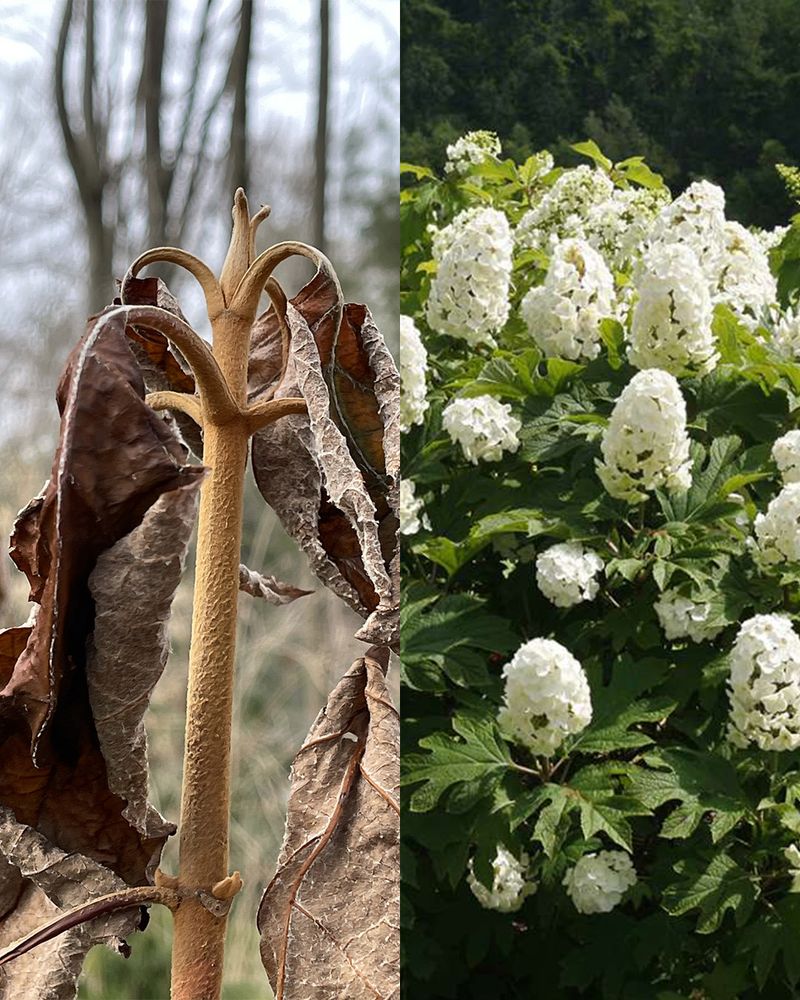
Start by identifying your plant. If it is a bigleaf, mountain, or oakleaf, skip substantial cuts in fall and winter when saving next season’s buds is the goal, and prune soon after flowering if pruning is needed at all.
If it is a smooth or panicle hydrangea, plan pruning for late winter or early spring, as Minnesota Extension describes. Panicles can also be pruned in fall.
If you cannot tell what you have, hold off on big cuts and ask your local Extension office.
Pruning is not always required, and no choice guarantees flowers, since weather and deer play a part too, as UNH Extension notes.
A hydrangea forgives a patient gardener far more often than a hasty one.