
The Old Fashioned Vegetables Grandma Grew In North Carolina Are Back In Backyard Gardens For Good Reason
Grandma never bought seeds in a shiny packet with a big brand name. She saved them in coffee cans and envelopes, and they came back every spring as tough, tasty plants that knew North Carolina weather by heart.
Now those same heirloom vegetables are popping up in backyards from the mountains to the coast. They feed families, feed native bees, and help make a yard healthier for the wildlife we love.
1. Candy Roaster Squash
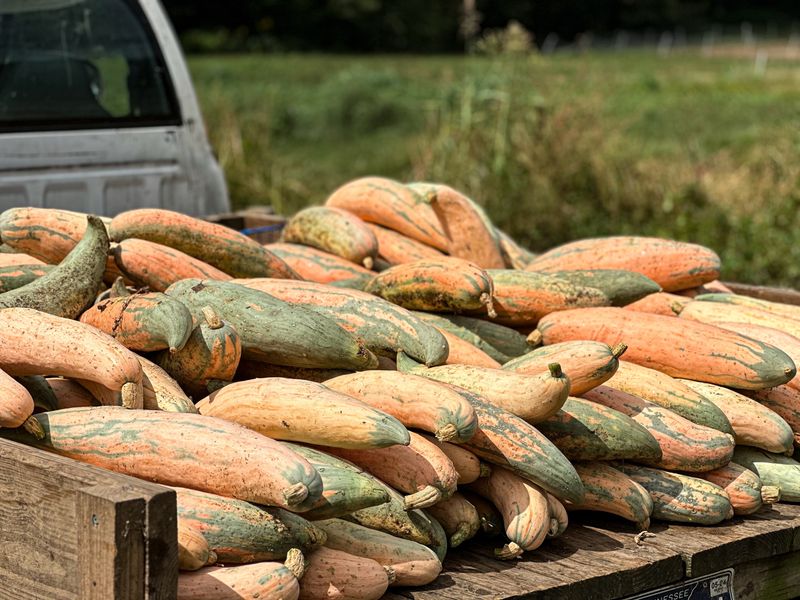
Picture a squash the size of a toddler, painted peachy pink with blue-green tips, sitting on Grandma’s porch all winter. That was the Candy Roaster, and it may have first grown right here in North Carolina.
The Cherokee prized it for its sweet flesh and long keeping, which helped carry families through cold months.
Its sprawling vines need room, so give them a sunny corner or let them ramble along a fence line. The big yellow blossoms are a favorite of squash bees, native pollinators that wake up at dawn and work cucurbit flowers better than almost any other insect.
Many squash bees nest in bare soil near the plants, so skip deep tilling around your patch.
Plant seeds after your last frost, usually late April in the Piedmont and May in the mountains. Harvest in fall, cure the fruits in a dry spot, and enjoy pies well into February.
2. North Carolina Heirloom Cucumber
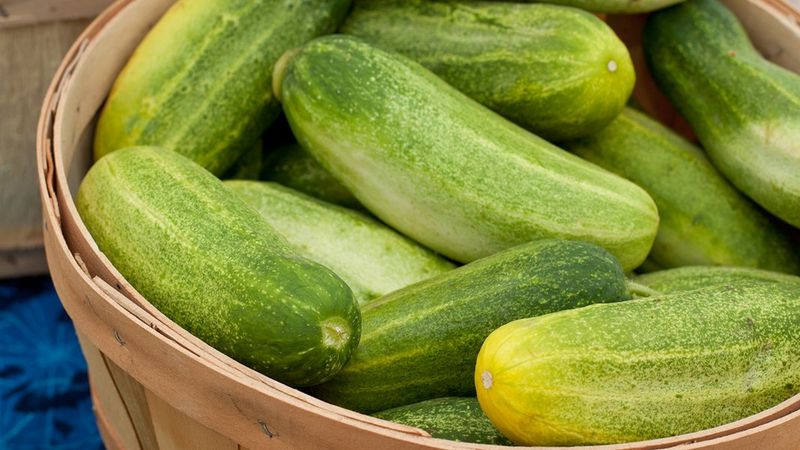
Hot spell, drought, then a week of rain. Most cucumbers sulk through a North Carolina summer like that, but this one just keeps producing.
Mountain families have grown it as a pickler since at least the 1880s. Growers note it holds off pests well into the season, which means fewer sprays and a safer yard for the bees, beetles, and fireflies working nearby.
Run the vines up a simple trellis to keep fruit clean and air moving. Pick often, because the more you harvest, the more it sets.
A handful of dill and a crock in the kitchen will put you right back at Grandma’s table.
3. Cherokee White Flour Corn
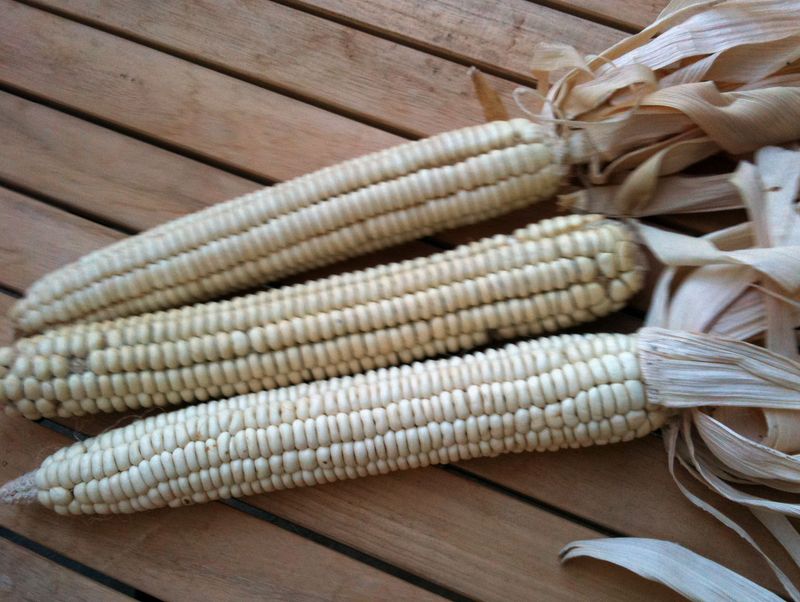
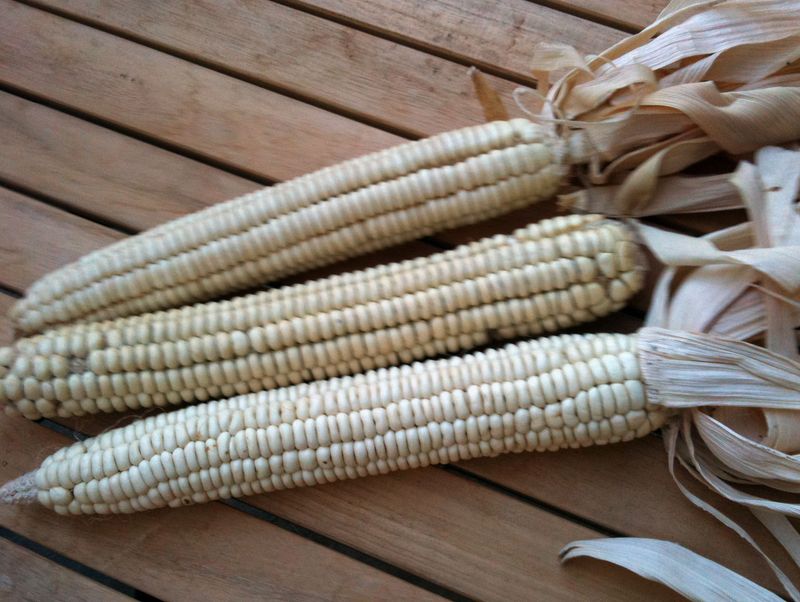
Some seeds come with a story worth telling at supper. Cherokee White Flour corn was collected from an elderly Cherokee woman in the Tuckasegee area of western North Carolina, and her family’s care kept it alive for generations.
The soft white kernels grind into a fine, sweet meal for cornbread and dumplings. Stalks grow tall, so plant in blocks of at least four short rows rather than one long line.
Corn is wind pollinated, and blocks help every ear fill out.
Leave a few dried stalks standing after harvest. They give winter cover to small insects and a perch for songbirds when the garden goes quiet.
4. Bloody Butcher Corn
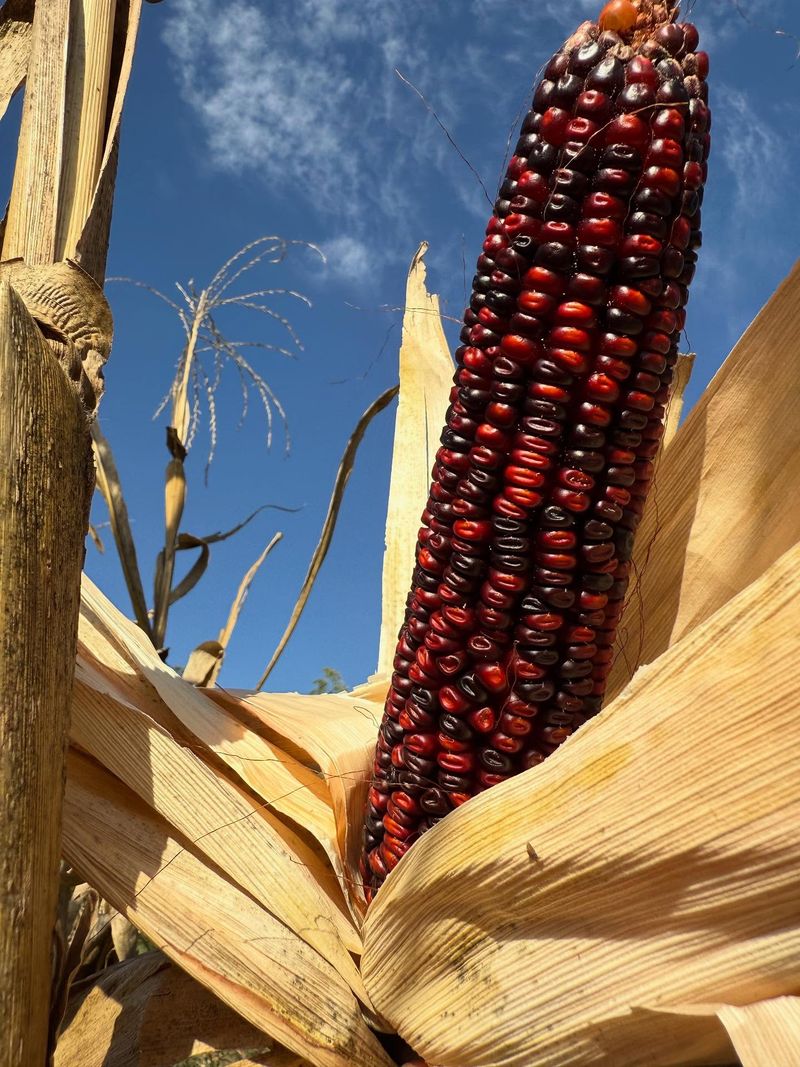
Yes, the name is a little gruesome. One look at those blood-red kernels and you understand why old-timers called it that.
Bloody Butcher is a dent corn grown across the South for well over a century, and it still turns heads in a backyard plot. Young ears can be eaten fresh, while dried ears make rosy grits and cornmeal with a rich, nutty taste.
Keep it at least a few hundred feet from sweet corn or time plantings apart, since the two will cross. The colorful ears also make a fine fall door decoration once the harvest is done.
5. Cherokee Trail of Tears Bean
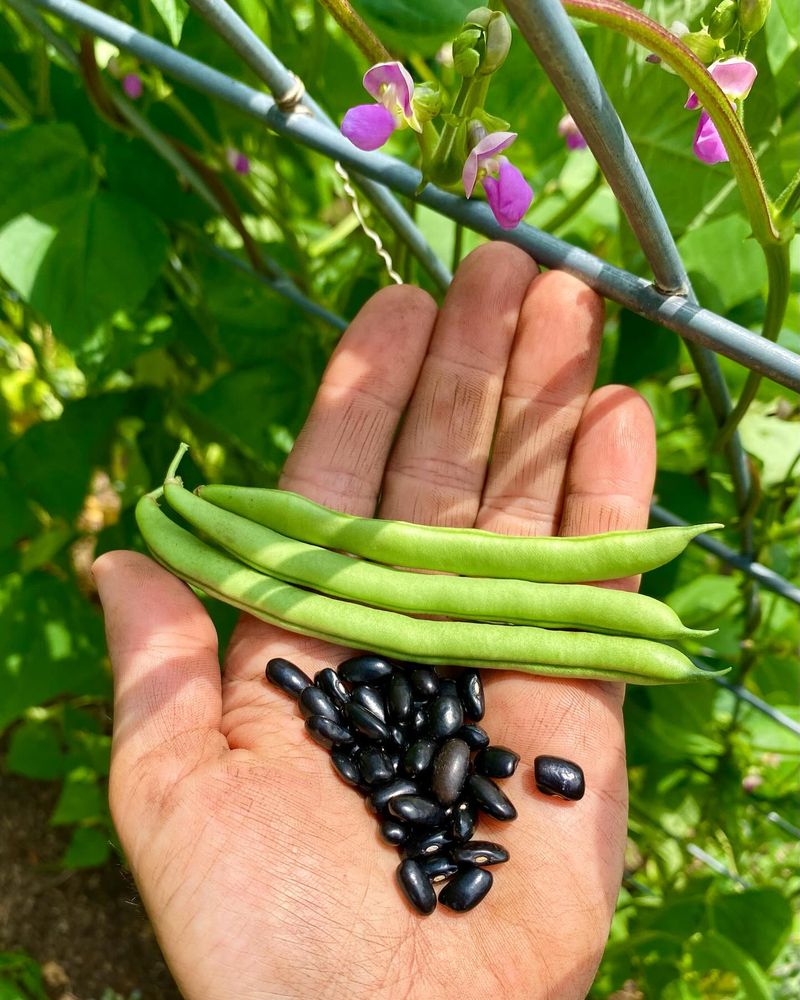
In 1838, Cherokee families forced from their North Carolina homes carried these small black beans west to Oklahoma. Growing them today is a quiet way of honoring that history in your own soil.
The vines climb happily up poles or a cattle panel, and the pods blush purple as they ripen. Pick young for snap beans, or let them dry on the vine for shiny black soup beans.
Beans feed the soil, too, adding nitrogen as they grow. Pair them with corn and squash in a Three Sisters bed, an Indigenous method where corn holds up the beans and squash leaves shade out weeds.
6. Mountaineer Half Runner Bean
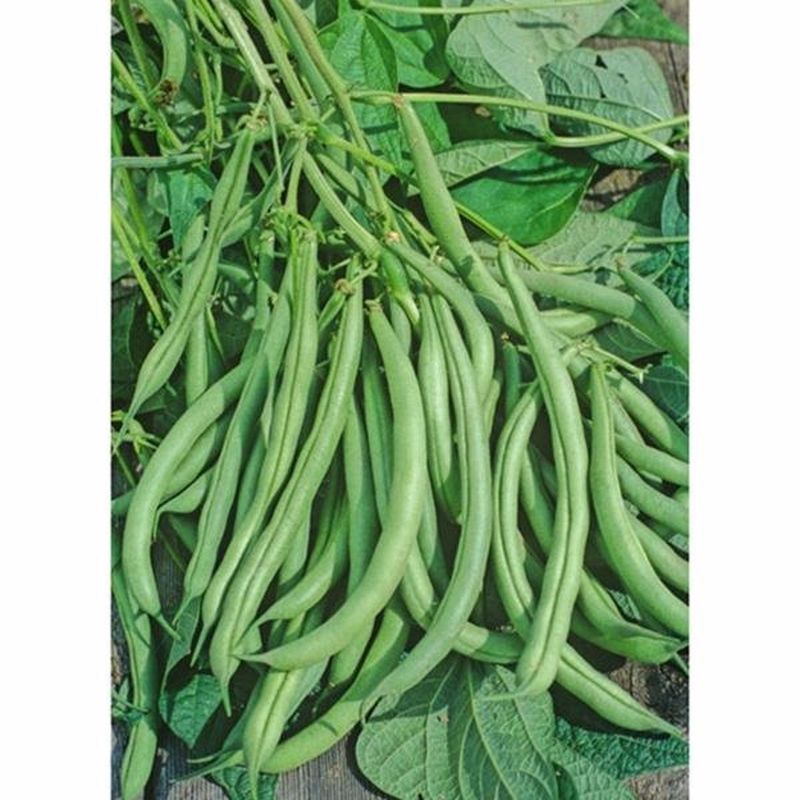
Ask anyone raised in the High Country about half runners and watch them smile. Stringing a bushel on the porch was a summer ritual, gossip included.
Mountaineer Half Runner grows somewhere between a bush and a pole bean, sending out short runners about three feet long. A low fence or a few stakes keeps it tidy.
The flavor is deep and beany, nothing like the bland pods at the store.
Plant in late spring once soil warms. Mulch with shredded leaves to hold moisture, but keep that mulch inside the bed rather than piled at the yard’s wooded edge, where damp leaves invite ticks.
7. North Carolina Long Bean
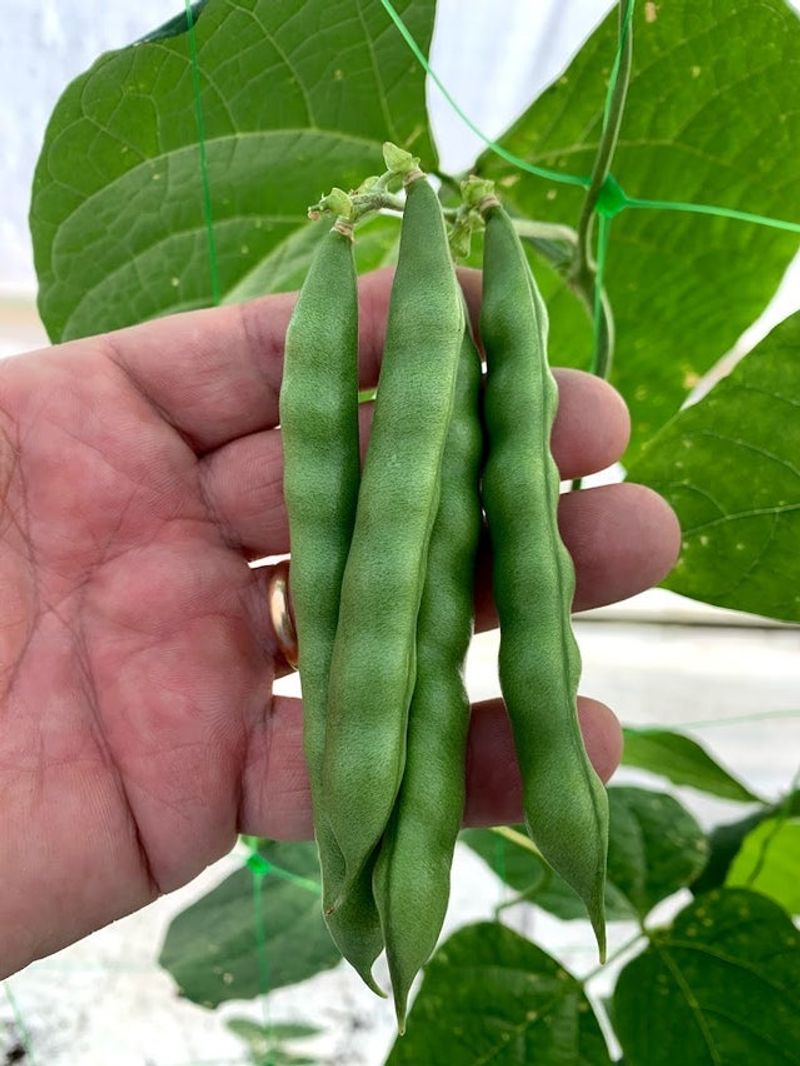
With a name like that, this bean was always going to earn a spot here. North Carolina Long is a white-seeded heirloom known for heavy yields and real flavor.
Its generous harvest makes it a good choice for small yards where every square foot counts. Snap pods young, or let some dry for white beans to simmer with ham hock in winter.
Save seed from your healthiest plants each year. Over time, your strain adapts to your own soil, whether that is Piedmont red clay or sandy coastal ground.
8. Dixie White Butter Bean
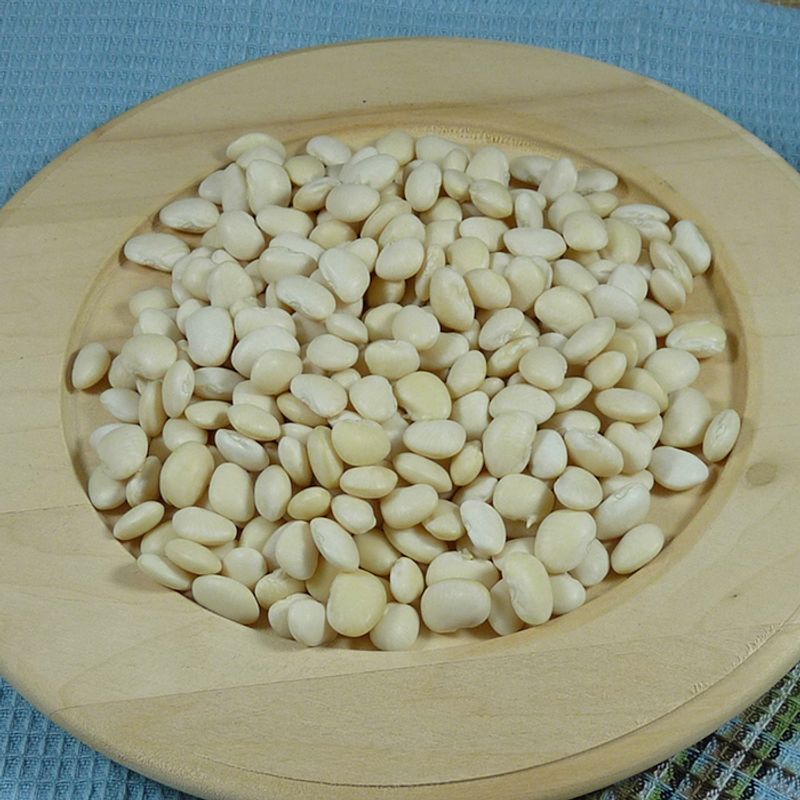
Shelling butter beans on a hot July afternoon might be the most Southern thing a person can do. Dixie White made those afternoons worth it.
These small, creamy lima beans love heat, which makes them ideal for Coastal Plain and Piedmont gardens where other crops fade in August. The flowers draw native bees and other pollinators during the hottest weeks of summer.
Sow after soil is truly warm, around mid May. Skip broad insecticides, which can harm the very pollinators that set your pods, and hand pick any beetles you find instead.
9. Georgia Blue Corn
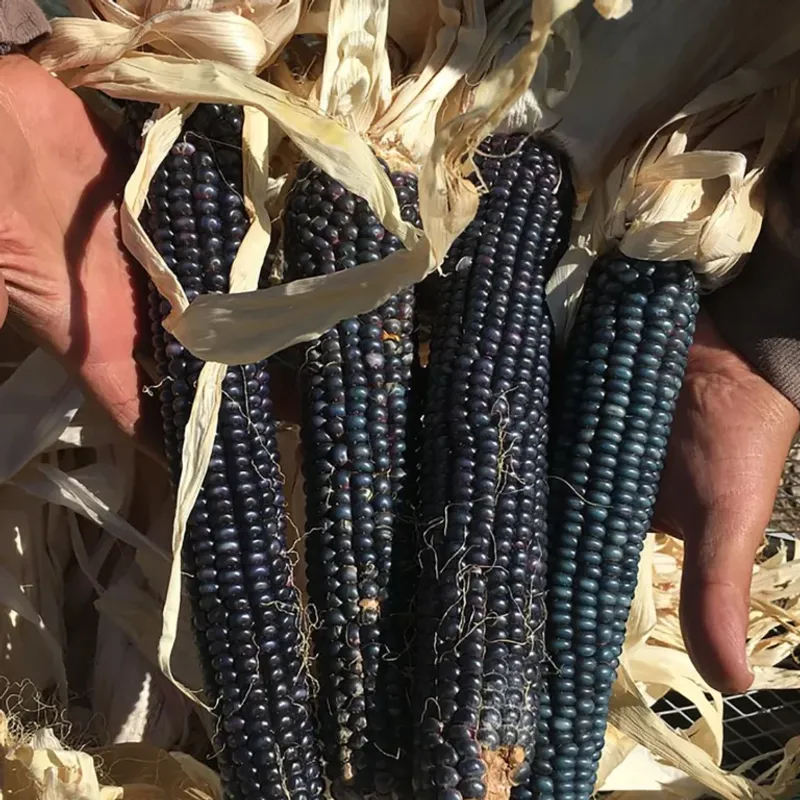
Blue cornbread surprises guests every time. Georgia Blue, grown in Southern gardens including North Carolina, turns ordinary meal into a dusky, slate-colored treat.
Like other heirlooms, it carries a wide mix of genes, so each planting may look slightly different. That variety is a strength, helping plants handle disease and odd weather without much help.
Plant around your edges with native flowers like black-eyed Susan and purple coneflower. Goldfinches will visit the seedheads in late summer, and you get a garden that looks good to people and birds alike.
10. Native Plant Borders Around Heirloom Beds
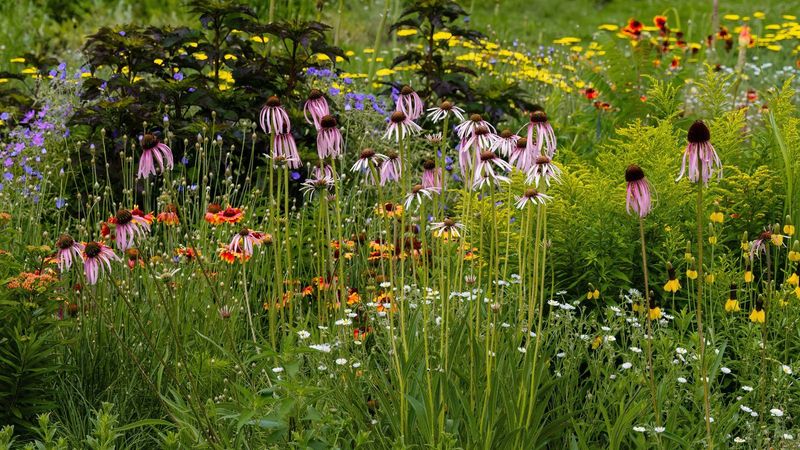
Grandma’s garden never stood alone. Wildflowers, hedgerows, and buzzing bees surrounded it, and that busy border is the final piece worth bringing back.
Ring your vegetable beds with NC natives like bee balm, mountain mint, Joe-Pye weed, and goldenrod. They feed pollinators that boost your harvest, offer seeds for goldfinches, and host moths that bats hunt at night.
If Japanese barberry or butterfly bush lingers in the yard, swap it for American beautyberry or summersweet.
Along a wooded edge, lay a 3-foot strip of gravel or wood chips, which may help keep ticks out of your planting area. Leave some leaf litter farther back for fireflies and box turtles.
And if a box turtle wanders into your tomatoes, let it be, since moving one away from its home range can do real harm.