
Bringing Your Boston Fern Inside For Winter? A Quick Rinse Can Help Keep Porch Pests Outside
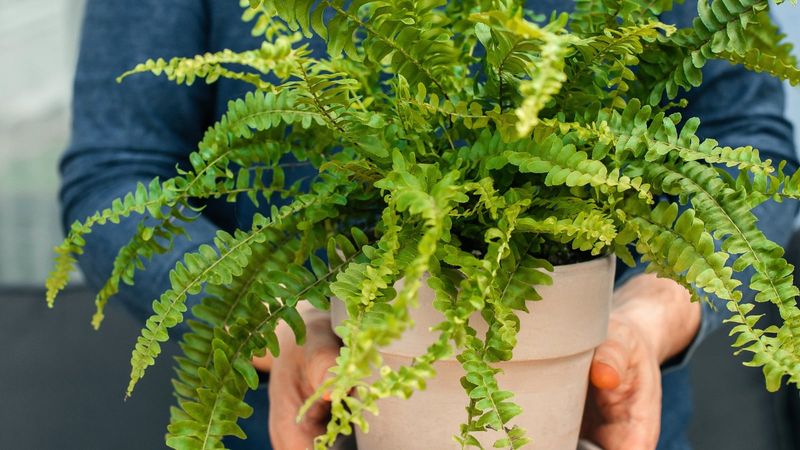
Your Boston fern spent the summer on the porch, and now it needs to come inside before the cold hits. Tiny pests can ride along on the fronds, and many of them are hard to spot.
A little prep work before the move can cut down on surprises later. Here is a calm, simple routine that gives your fern a better shot at a smooth winter.
Inspect the fronds, stems, and pot before the move
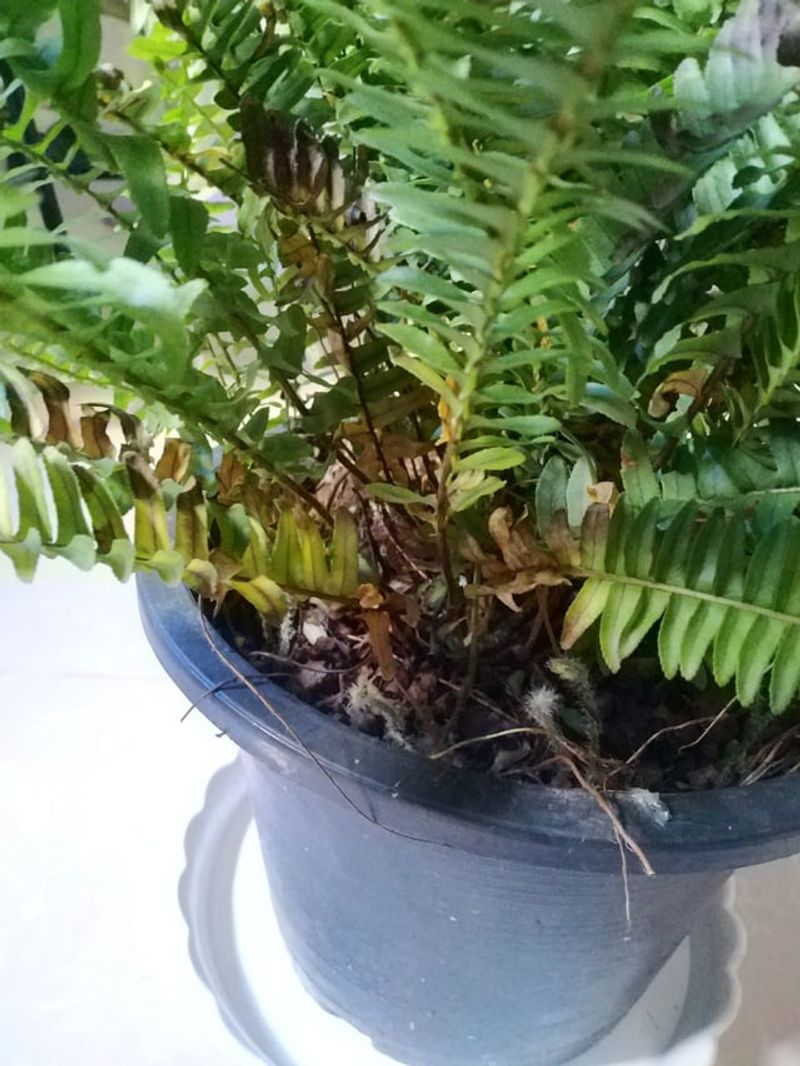
Grab a bright spot and a good look before you carry anything through the door. Turn over the fronds and check the undersides, then run your eyes along the stems.
You are hunting for clues, and finding none is a perfectly good result.
Spider mites often gather on the undersides of leaves. They are arachnids, not insects, which is why they behave differently from many other plant pests.
UC Statewide IPM Program guidance on spider mites points to signs such as stippling on leaves, fine webbing, and tiny moving dots.
Scale is the other one to watch for. Look along leaves and stems for small bumps that stay put, and for sticky honeydew on the foliage or on surfaces below.
Iowa State Extension describes how scale can look like part of the plant, which is why a slow, close check pays off.
Treat the pot as its own location. Peek at the surface of the potting mix and around the drainage holes.
Not every Boston fern carries pests, so think of these signs as clues to follow up on, not proof of a problem.
Rinse the foliage to reduce exposed pests
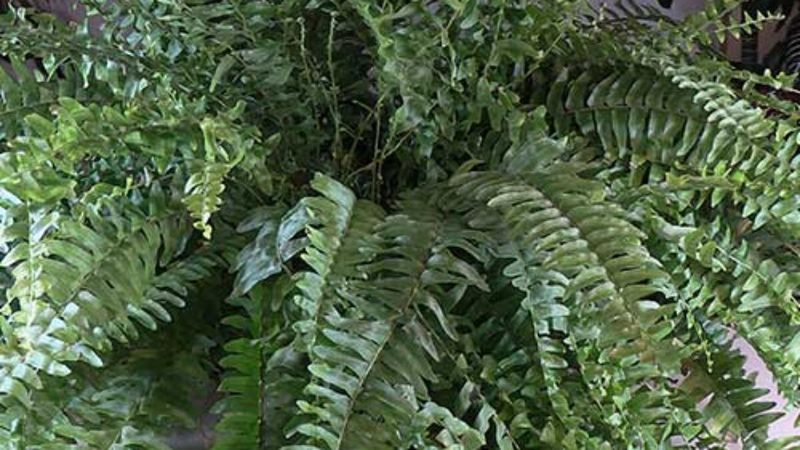
Once the inspection is done, take the fern to a spot where a little water is no problem. Use a hose or a sink sprayer on a gentle setting, and wash the fronds from top to bottom.
Tilt the plant or lift the fronds so the spray reaches the undersides and the stems.
Extension experts agree this is worth doing. University of Minnesota Extension suggests washing and rinsing foliage before outdoor houseplants come in, and Illinois Extension points the spray at leaf undersides and stems.
Water can knock some exposed pests off the plant, and sprays of water can help manage spider mites. Think of the rinse as a cleaning and knockdown step.
It will not cure an infestation that has already settled in, and one quick pass will not handle every kind of pest.
Let the fern drip dry in the shade for a bit before it moves. If you spotted webbing or stippling earlier, give those leaves a second look after they dry.
Keep checking the undersides in the weeks ahead, since a rinse lowers the odds but cannot promise a pest-free plant.
Check the pot separately from the foliage
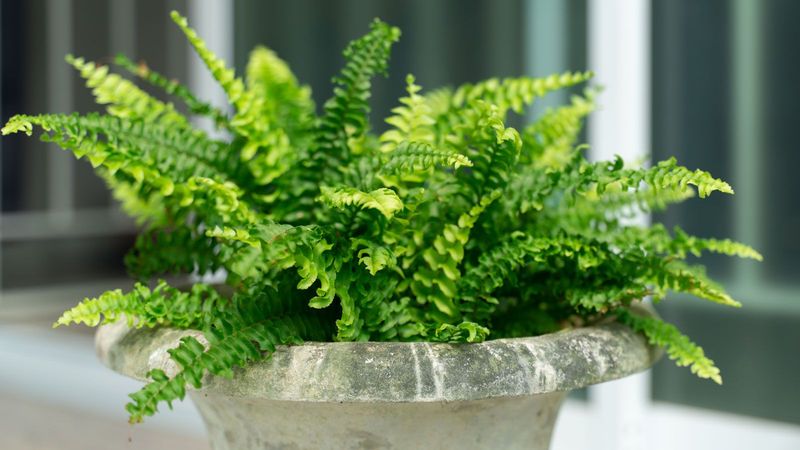
Rinsing leaves and treating the pot are two different jobs. A foliage rinse works on pests living on the plant.
Flushing or soaking the container is aimed at insects that live down in the potting mix.
Several extension sources describe this step. North Carolina Cooperative Extension and Penn State Extension both mention flushing or soaking the pot so that some soil-dwelling insects leave the growing medium.
If you want to try it, set the pot in a tub or bucket of water so the root ball is covered for a short time, then let it drain fully. A fern left sitting in a soggy saucer will not thank you.
Keep your expectations modest, because this will not reach mites or scale on the fronds, and it will not remove every organism in the soil.
It also helps to keep perspective. Illinois Extension notes that some creatures hiding in outdoor pots may die in the drier air indoors, and not all of them are plant pests.
Treat the soak as an optional step if the container worries you.
Do not expect a rinse to remove established scale
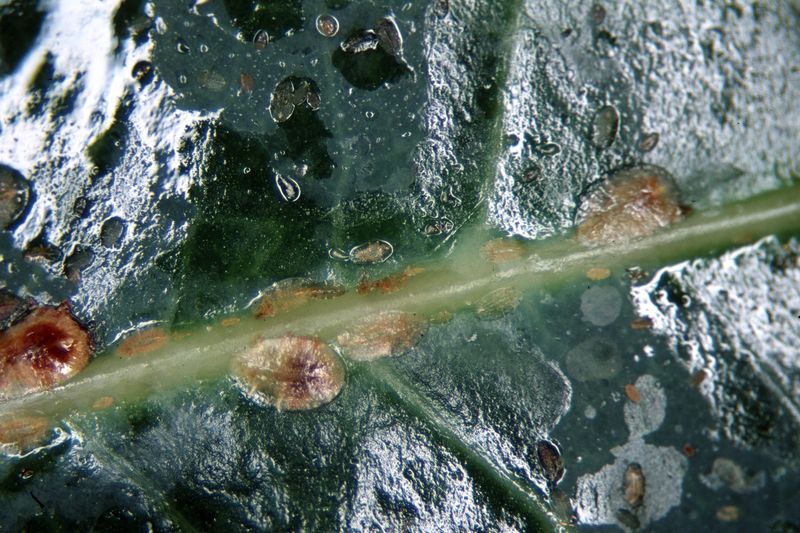
Scale is the pest that gives a hose the most trouble. Adults can cling to leaves and stems under waxy or shell-like coverings, so water may roll right past them.
If you find scale on your fern, a rinse alone probably will not settle the matter.
Iowa State Extension describes scale as difficult to control and recommends sticking with management over time. University of Wisconsin Extension also notes that established infestations can take repeated, thorough treatment.
For a Boston fern, one option is simply removing the affected fronds. Wisconsin’s Boston fern guidance says this can be done, and the same source describes the plant as having few pests overall, so scale is not a given.
Hands-on control, such as physically wiping or scraping scale, is another path that extension sources describe. There is no single universal fix, so match your approach to how much scale you see.
If you decide a pesticide is needed, pick a product labeled for both the plant and the pest, and follow the label closely. Ferns can be sensitive to some ingredients, a point raised by University of Maryland Extension.
You can also read University of Minnesota Extension’s indoor plant insect advice before choosing.
Isolate the fern and keep checking it
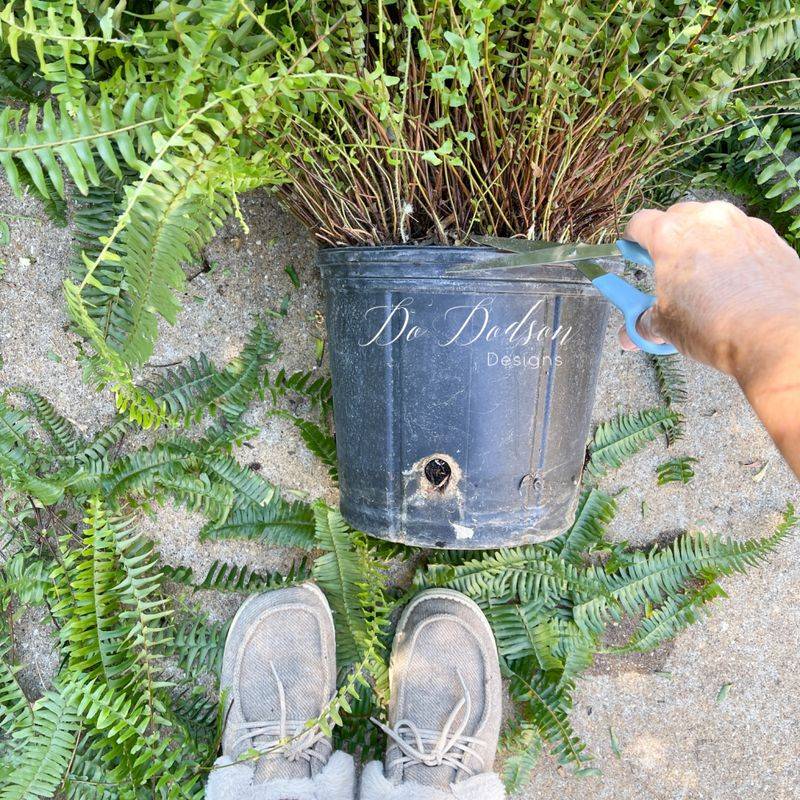
Pests do not always announce themselves on day one. Some hide well, and a few eggs or tiny mites can slip through even a careful rinse.
That is why the weeks after the move matter as much as the prep.
Park the fern away from your other houseplants for several weeks. Nebraska Extension recommends this kind of separation, and it gives you time to catch trouble before it spreads to the rest of your collection.
Build a quick habit of checking. Once a week, flip a few fronds and look at the undersides, scan the stems, and watch for sticky residue on nearby surfaces.
The UC Statewide IPM Program houseplant guide is a handy reference for matching what you see to likely causes.
Quarantine does not prove the fern is pest-free, and a quiet first week is not a final answer. Think of it as an extra layer that works alongside your inspection and rinse.
If you do spot something, you will be dealing with one plant instead of a whole shelf.
Time the move before cold weather arrives
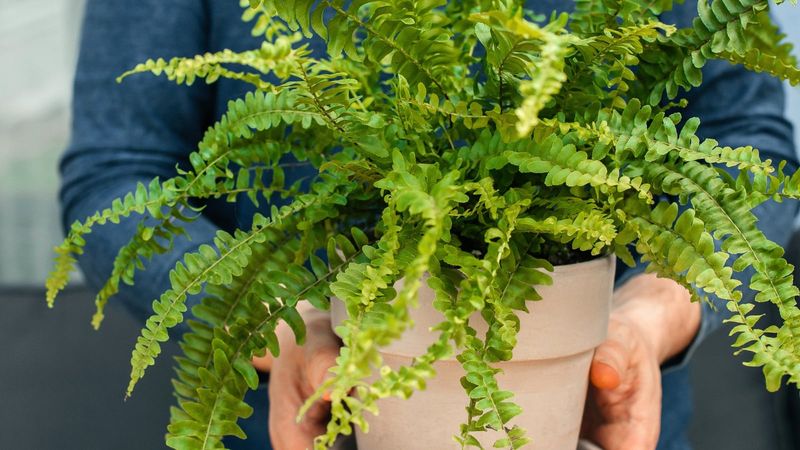
Timing keeps the whole routine from turning into a scramble. Boston ferns do best when they come inside before temperatures reach the low 40s F, a point noted in Wisconsin’s Boston fern guidance.
Watch your local forecast and plan your prep days a little ahead of any cold snap.
Light is the other piece of the move. Indoor light is lower than what your fern got on the porch, so expect some adjustment.
A fern that sheds a few fronds after the move is often just adapting, and a bright spot helps. University of Minnesota Extension discusses easing plants through that change.
A simple order of operations keeps things tidy. Inspect the plant, rinse the fronds, check the pot if it worries you, then set the fern apart and keep watching it.
Each step trims the odds of unwanted guests, and none of them is a guarantee.
You can also use Nebraska Extension’s checklist as a backup reminder. A fern that comes in clean and early has a quiet winter ahead of it.