
This North Carolina Native Grass Holds Its Shape All Winter So Your Curb Never Looks Bare
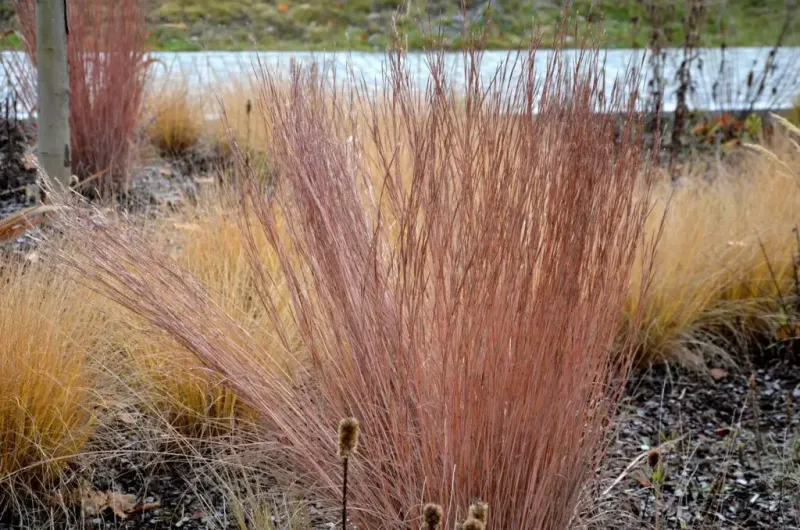
Picture a curb strip in January with a tidy clump of coppery grass catching the low sun. That is the winter look little bluestem can bring to a North Carolina yard.
It is a native grass, and it can give a plain strip some color and shape when many plants have gone brown and flat. It does come with limits, so here is how to decide if it fits your curb.
Winter color comes from dormant foliage, not evergreen growth
Little bluestem is a plant of two looks. In summer, its leaves are blue-green.
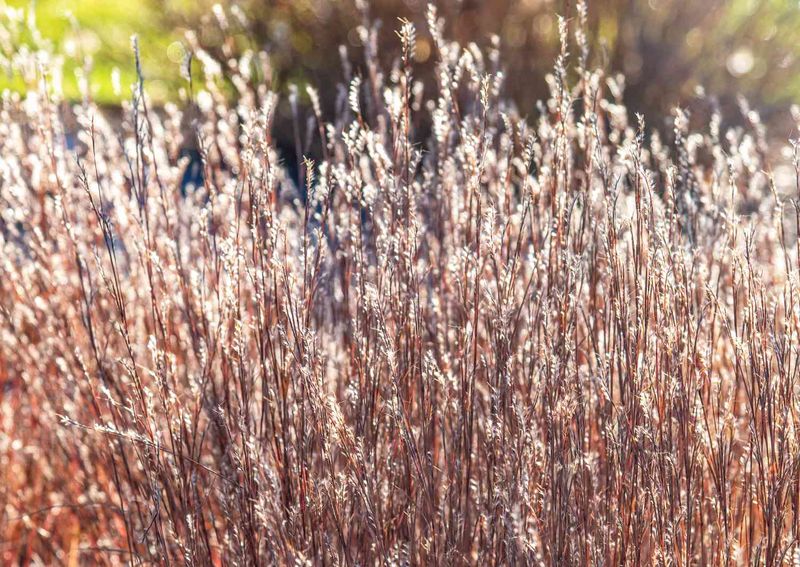
According to the NC State Extension plant profile, that foliage turns copper or bronze in fall and can persist through winter.
Picture those dried blades and fluffy, silvery seedheads standing in a clump beside the sidewalk. On a cold morning with low sun behind them, they can glow.
That is the payoff, and it is a real one.
It helps to be clear about what you are getting. The winter look is dried foliage and seedheads.
It is not fresh green, and it is not evergreen coverage. The grass is dormant, resting until warm weather returns.
The color can also vary. Fall color may linger into winter, but the exact shade and how long it lasts will differ from one North Carolina yard to the next, and from one winter to the next.
A mild, dry winter may treat the clumps better than a wet, windy one.
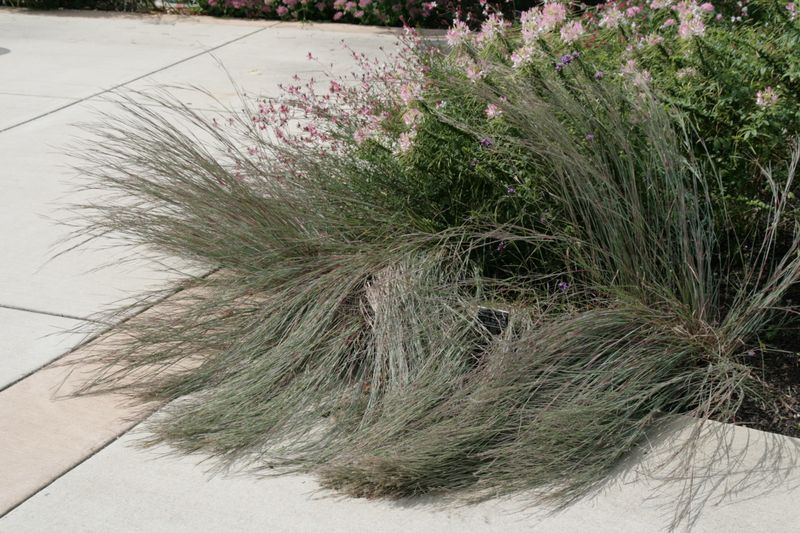
Shape is not a sure thing either. University of Wisconsin Extension notes that stems can lodge, meaning they flop or lean, especially when the plant grows in rich soil or gets watered heavily.
Think of little bluestem as a good chance at winter structure, not a promise that the curb will never look bare.
A full-sized clump needs room beside the sidewalk
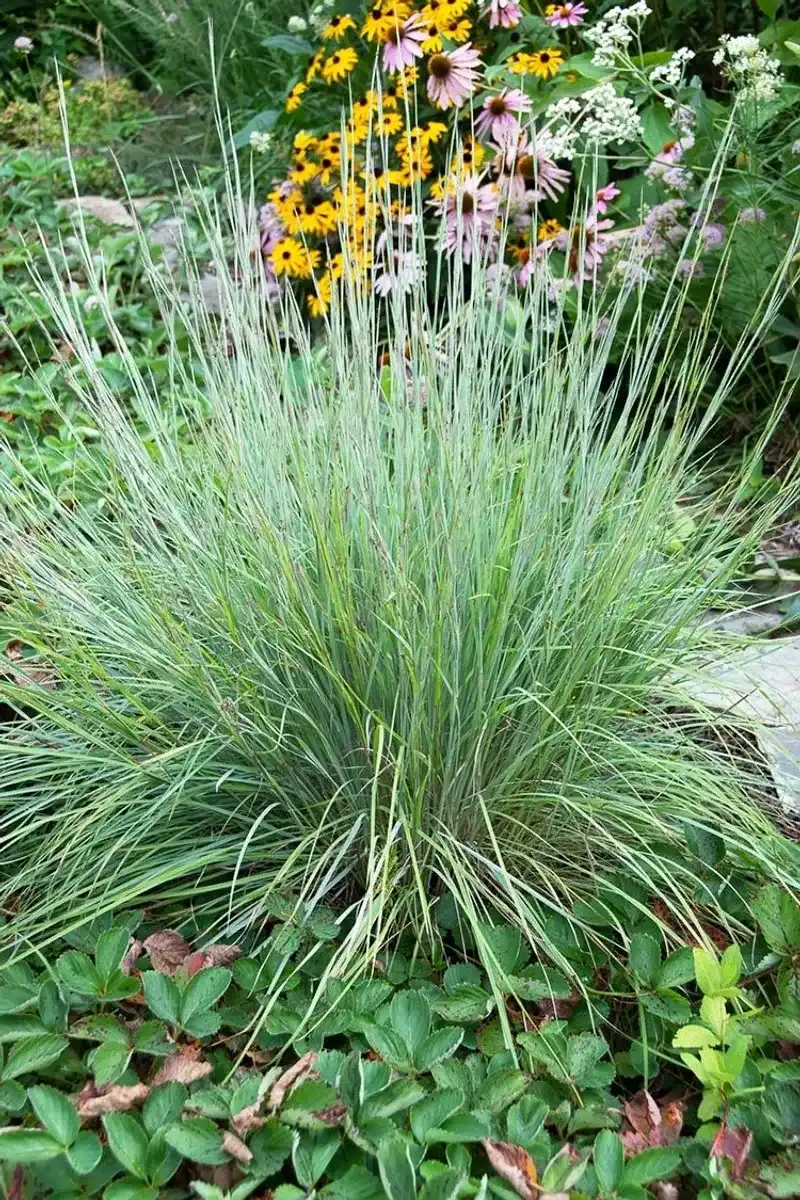
Measure your strip before you shop. NC State Extension lists little bluestem as a clumping, upright perennial that grows about 2 to 4 feet tall and 1.5 to 3 feet wide at maturity.
That is a good-sized plant. A one-gallon pot looks small on planting day, but a few seasons later each clump can reach well past your knees and nearly to your waist.
Because it grows in distinct clumps, little bluestem makes a defined mound of grass. It does not make a low, even edging line like liriope or mondo grass.
If you want a neat, short border that looks the same from end to end, this is the wrong tool.
Plan for the spread. A strip only 18 inches wide may feel crowded once the clumps fill out, and wide blades can lean toward the sidewalk or the street.
Leave space so walkers, mail carriers, and car doors are not brushing against the plant.
Spacing also shapes the look. Setting clumps with a little room between them gives each one its own outline, which shows off winter form.
Plant in a staggered group of three or five for a natural, relaxed rhythm instead of a stiff row.
Start with sun, soil, and the conditions of your road edge
Spend a day watching your strip before you buy a single plant. Little bluestem wants full sun, which NC State Extension lists as at least six hours of direct light a day.
It also grows in a range of soil textures, from sandy to clay.
Resist the urge to pamper it. Wisconsin Extension advises against heavy watering and rich soil, because both can lead to taller, floppier growth.
If upright winter form matters to you, skip the compost and the daily sprinkler once the plant is established.
Drainage deserves a look too. After a hard rain, does water pool on the strip for a day or more?
Soggy ground is a poor match. Also think about where you live.
It is native across North Carolina, but NC State’s native plant guidance says to consider your ecoregion and site conditions, because native status does not guarantee success in every yard.
Finally, think about road salt. Utah State Extension describes its salt tolerance as low, and a roadside study record cautions that it may not handle high-salt zones.
Evidence is limited and mixed, so treat it as a plant for a lightly salted edge, not a salt-proof one. If plows throw salty slush onto your strip, think twice.
Leave the stems standing, then cut them back in late winter
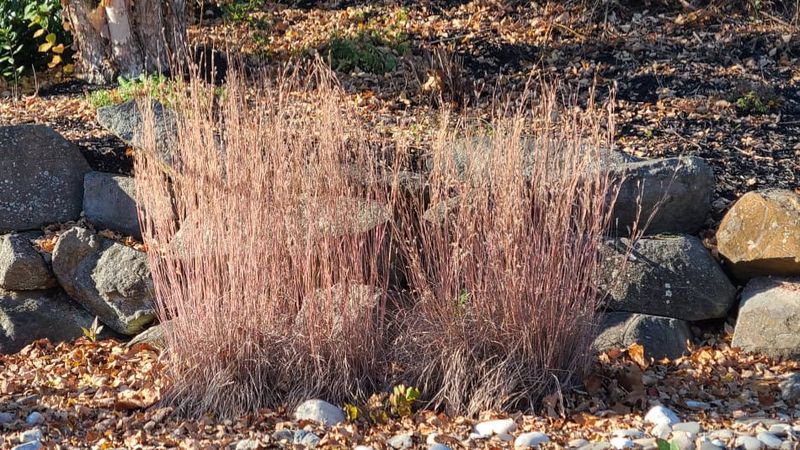
The easiest part of winter care is doing nothing. Leave the old stems and seedheads standing from fall onward so they can provide shape, texture, and color.
Cutting them in autumn removes the very thing you planted the grass for.
Late winter is cutback time, before new growth gets going. NC State Extension recommends cutting ornamental grasses to about 6 to 8 inches.
For little bluestem specifically, Wisconsin Extension gives a lower figure of 2 to 4 inches.
Neither number is a universal rule. A practical choice for a North Carolina yard is to follow the local NC State guidance, or land somewhere in between.
Whatever height you pick, make sure you cut before fresh shoots appear so you do not slice off new growth.
Hedge shears work for a few clumps. For bigger ones, tie the bundle with twine first, then cut, and the debris comes away in one tidy armful.
Expect a pause afterward. Little bluestem is a warm-season grass, and the USDA NRCS plant guide places its growth in the warm months.
It comes back from the same roots each year, so you do not replant, but it may emerge later in spring than cool-season grasses. For a few weeks the strip may look bare.
Its native value extends beyond winter appearance
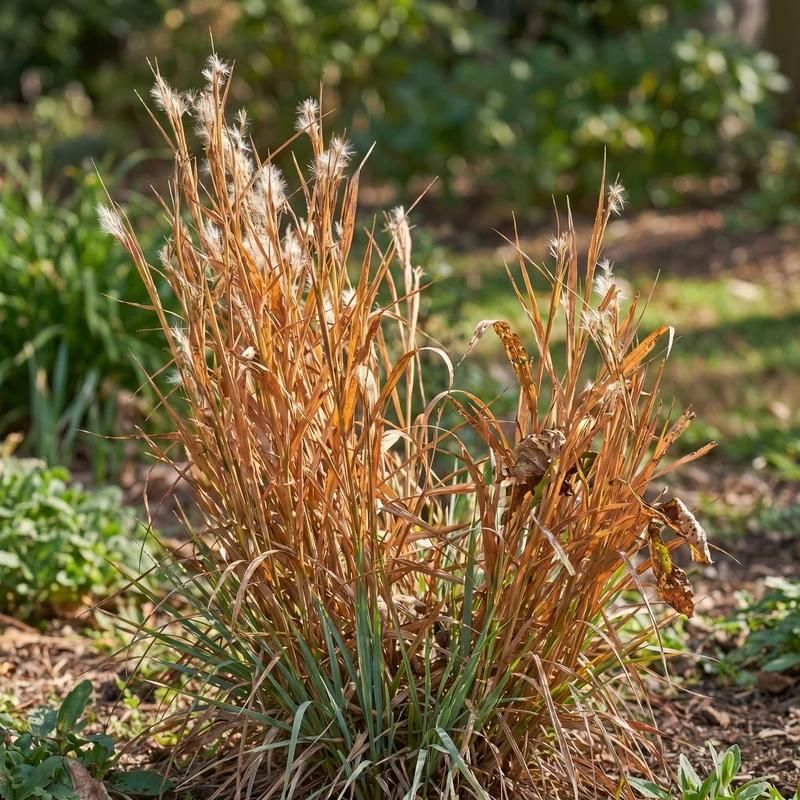
A curb strip can do more than look tidy. According to NC State Extension, little bluestem offers cover for small creatures, serves as a host plant for skipper caterpillars and the Common Wood-Nymph, and produces seeds eaten by songbirds and small mammals.
That makes the standing winter clump useful. The dense base can shelter insects and give small animals a spot out of the wind, and the seedheads are a food source when little else is around.
Which birds visit will depend on your neighborhood, so do not count on any one species.
Leaving stems up until late winter also fits with wildlife. You get the look and the habitat at the same time.
Deer are a common worry. NC State describes the grass as highly deer-resistant, which is not the same as deer-proof.
A hungry deer in a hard winter may still sample it.
It can also spread by seed. The USDA NRCS plant guide notes it can become weedy in some regions or habitats.
That is a general caution, not a sign it is invasive in North Carolina, where it is a native. Still, pull any seedlings that pop up where you do not want them.
Decide whether its seasonal look fits your curb
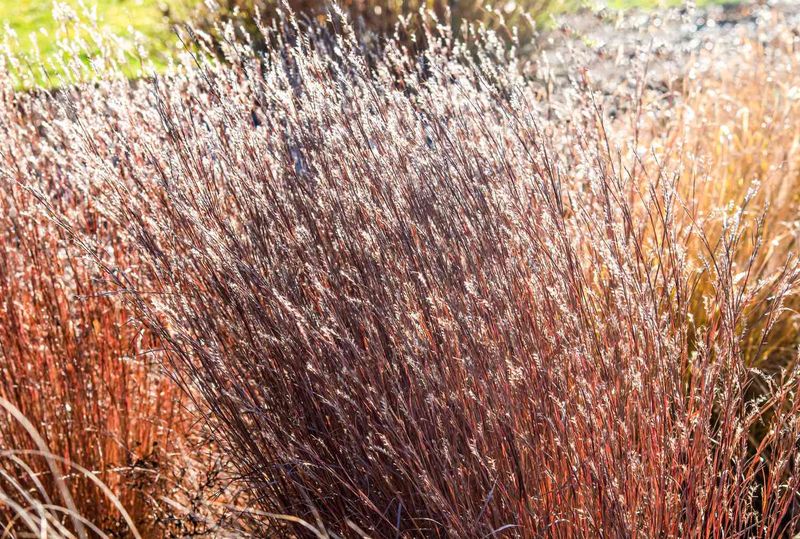
Choose little bluestem if your strip gets full sun, has room for clumps up to 4 feet tall, and can live with dormant winter texture. Skip it where heavy road salt lands, since Utah State Extension rates its salt tolerance low.
Once established, this perennial returns without yearly replanting, but it still needs a cutback each late winter, as NC State guidance explains, plus patience in spring.
Some bare weeks are part of the deal, and the copper months are worth it.