
The Early Signs Rats Are Already Living In Your North Carolina Yard Before Winter Drives Them Inside
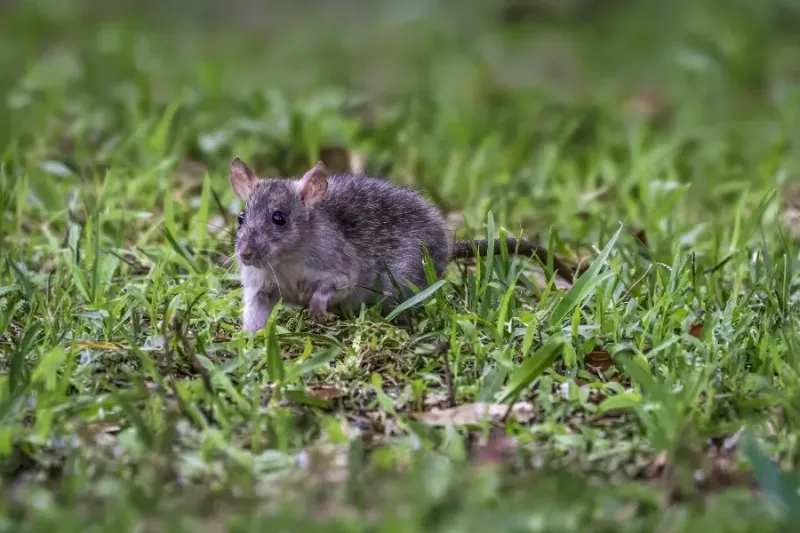
A small hole by the woodpile or a nibbled pecan on the lawn might be nothing, or it might be a clue. Fall is a handy time to walk your yard and look closely, since the garden is winding down and leaves are thinning out.
A calm, careful check can show you what is going on before small problems grow. Here is how to look, what to make of it, and how to protect both your home and the wildlife you value.
Inspect in fall without assuming rats are moving indoors
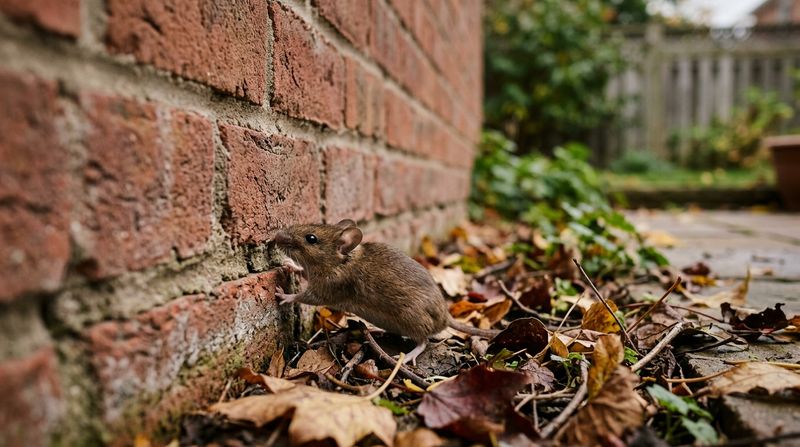
Autumn is a comfortable time to walk your property and see what is going on. The heat is gone, the vegetation is thinning, and burrows, nests, and gnaw marks are easier to spot.
A walk now gives you a baseline, so you notice changes later.
Here is the honest part. Many people say winter cold pushes yard rats into houses, but nobody has shown that this happens reliably in North Carolina yards.
A 15-year survey of English dwellings found no significant seasonal shift in Norway rats living in homes. The same paper mentioned reports of more rats in British farm buildings in autumn and winter, but that is a different setting from a suburban North Carolina lot.
So treat fall as a good inspection window, not a deadline set by rat behavior. Colder weather may make you more aware of openings that let animals reach your attic, crawlspace, or garage.
Looking for current signs and fixing problem spots helps whether or not any rats are planning a move.
Bring a flashlight, a notebook, and your phone for photos. Note anything unusual by location and date, and you will have useful details if you ever need to ask an expert for help.
Norway rats and roof rats use different places
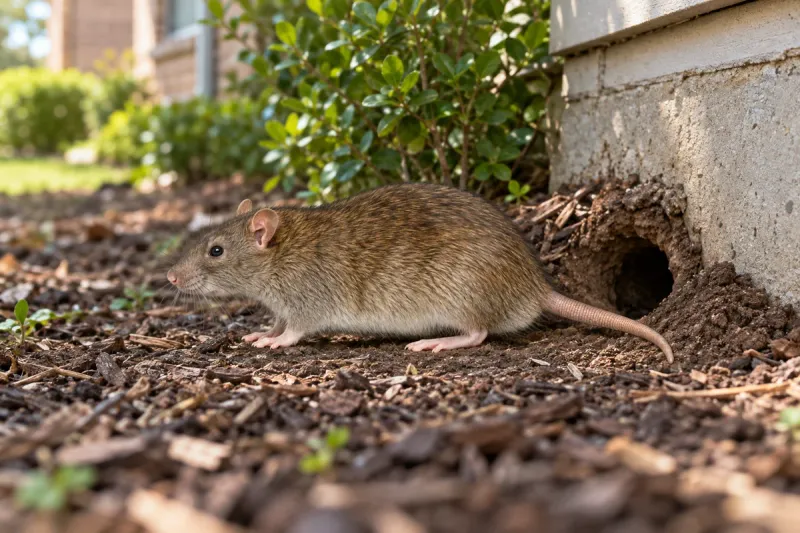
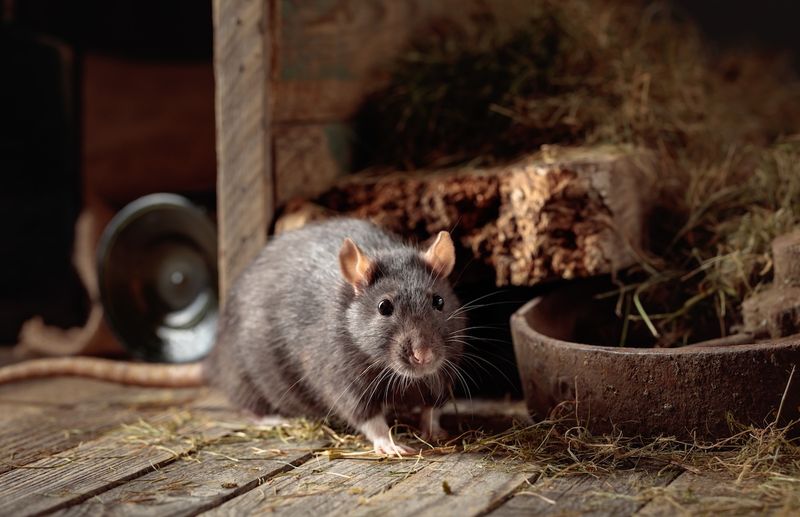
Where you find signs matters, because the two rats common in North Carolina live differently. Norway rats are diggers.
According to NC State Extension, they usually nest in underground burrows, while roof rats generally nest above ground, including in trees.
For a Norway rat, check ground-level spots. Look beside foundations, under sheds and decks, along the edges of compost piles, and at the base of dense garden plantings.
Burrow openings can sit tucked against a slab or a stack of lumber.
Roof rats call for a look up. They are strong climbers, so think about dense shrubs, vines on fences, tree limbs touching the roofline, and utility lines.
UC Statewide IPM guidance notes that roof rats often nest in elevated places such as trees, shrubs, or attics.
This is why “rats in the yard” is not one single pattern. A hole in the soil points you toward one set of questions, and gnawed fruit high in a tree or scratching overhead points toward another.
Coastal Plain yards with thick evergreen cover may offer different hiding places than mountain yards with rock walls, so let what you actually see guide you.
Keep an open mind as you look. Chipmunks, voles, and other animals dig too, and a single clue never settles the question.
Look for several clues, not one smoking gun
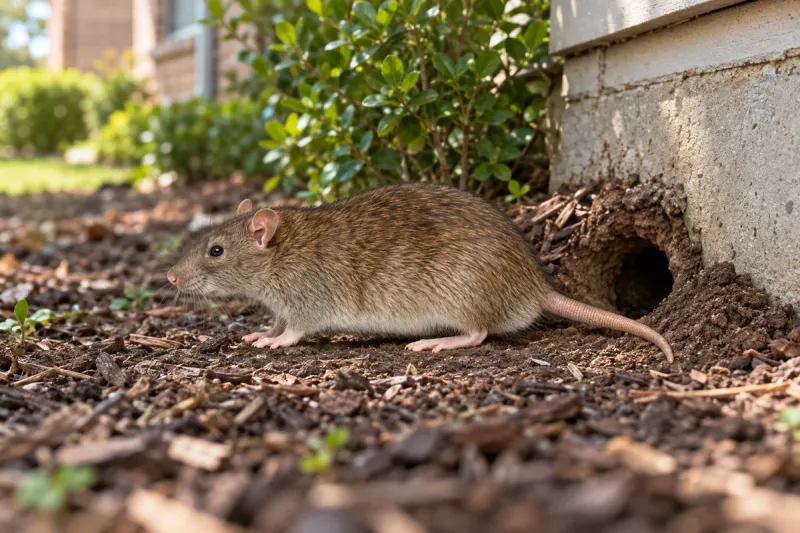
Think like a detective. One dropping or one hole tells you very little, but a handful of matching clues starts to tell a story.
Walk the property slowly and write down what you find and where.
Possible yard clues include burrows near foundations, woodpiles, compost, or garden plants, plus gnawed fruit or nuts and nests tucked into woodpiles or clutter. Droppings near pet food or stored feed count too.
At dusk, you might also see animals running along fences or utility lines. UC Statewide IPM lists these as common signs to investigate.
Indoors or in sheds and garages, look for dark, oily rub marks along walls and pipes where animals travel again and again. NC State Extension points out that rats and mice both gnaw, and young rats can be mistaken for mice, so signs can overlap.
Other animals can also leave holes or damage. Squirrels crack nuts, voles tunnel through lawns, and chipmunks dig near walls.
A burrow without any other evidence is a prompt to keep watching, not a verdict.
If clues remain unclear, try to confirm with your own eyes. A trail camera aimed at the spot at night can help, and so can a call to your county Extension office or a licensed pest professional.
Getting the identification right keeps you from spending effort on the wrong animal or disturbing wildlife you would rather leave alone.
Reduce food and shelter near the house
You do not need a bare, tidy-to-the-point-of-sterile yard. Native shrubs, leaf litter, and brush corners feed and shelter box turtles, songbirds, and pollinators.
The goal is smaller: make the zone right next to your buildings less welcoming.
Start with food. Store birdseed, pet food, and other feed in sealed metal or heavy plastic containers, and bring pet bowls in at night.
Use trash cans with tight-fitting lids, and pick up fallen fruit and nuts from beneath fruit trees, pecans, and walnuts. UC Statewide IPM recommends these steps to reduce what draws rats.
If you feed goldfinches, consider a tray or a tube feeder that limits spilled seed, and sweep up hulls under it regularly. Seed on the ground is an easy meal for many animals.
Next, look at shelter. Move woodpiles and stacked pots away from walls and raise them off the ground.
Trim clutter near foundations and cut back branches that touch the roof. The NC State Extension Gardener Handbook advises identifying and monitoring a suspected pest, and it notes that not every wildlife sighting calls for control.
These changes can lower the appeal of your house area, but they cannot promise rats will stay away. Think of them as reducing conditions that support rats while keeping the wild, living parts of your yard intact farther from the walls.
Close gaps between the yard and the house
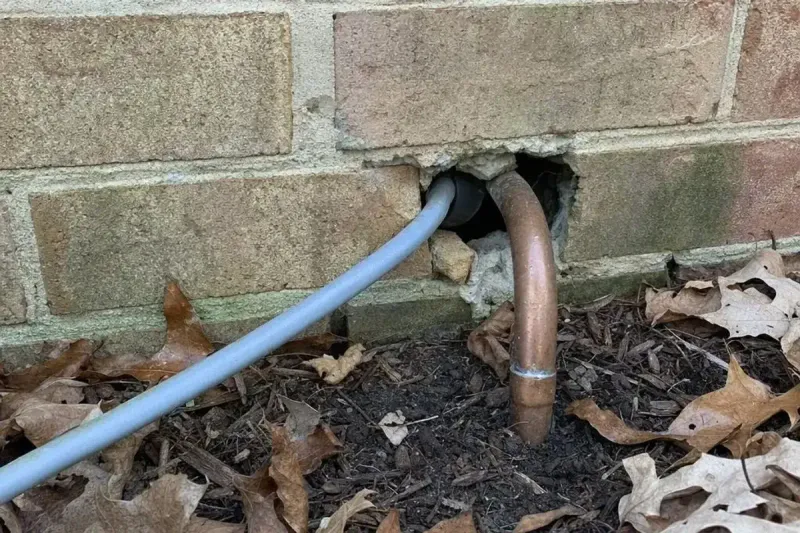
Grab a flashlight and circle the house slowly. Check where pipes, cables, and vents enter the walls, along the foundation, around crawlspace vents, under doors, and where the roofline meets siding.
Look at the garage and any outbuildings too.
Size matters here. According to NC State Extension, gaps as small as one quarter inch may admit juvenile rats, and gaps of one half inch may admit adults.
A tape measure or a pencil can help you judge what counts as too wide.
Fill small openings with sturdy materials that are hard to chew through, such as metal mesh, hardware cloth, or sealant suited to the spot. Replace worn door sweeps and repair damaged vent screens.
If you hear scratching in a space, think twice before sealing it up, since closing an opening with an animal inside can trap it.
Roof rats can use tree limbs, wires, and rooflines, so look up as well as down. Gaps near the eaves and attic vents deserve a careful look.
Sealing is a strong step, but it is not a cure on its own. If rats are already inside, closing visible gaps will not resolve the problem, and you may need traps and expert help as well.
Think of exclusion as one part of a larger plan.
Clean indoor evidence safely and choose control carefully

Cleanup comes first, and it needs care. For droppings or urine indoors, CDC guidance says to put on gloves, wet the material with disinfectant or a bleach solution, and let it soak for five minutes or as the disinfectant label directs.
Then wipe it up with paper towels and dispose of them properly.
Do not sweep or vacuum droppings, urine, or nesting material. Doing so can stir particles into the air that you could breathe.
Never handle nests bare-handed.
If activity continues indoors, CDC recommends snap traps placed where you find signs, and kept away from children and pets. It advises against glue traps and live traps.
Poison deserves extra caution. Never scatter loose bait outdoors.
If you consider bait stations for a persistent problem, the EPA explains that these stations are designed to limit access by children, pets, and nontarget wildlife when used as directed, so follow every label instruction.
Even then, poison is not harmless to wildlife. EPA warns that predators and scavengers can be exposed by eating poisoned rodents, which matters in yards that host owls, hawks, and foxes.
If you are unsure, a licensed professional can help you choose a plan. The best protection for a yard full of wildlife is often the quiet work of closing gaps and removing food.