
These 15 Spring Bulbs Go In The Ground Before It Freezes And Come Back Every Year On Their Own
Plenty of gardeners plant tulips in October, wait all winter, and then feel let down when only a few leaves show up the next spring. The good news is that some bulbs really do come back year after year, and many even spread on their own.
All you have to do is get them in the ground before the soil freezes solid. Here are 15 tough, returning bulbs that reward one afternoon of digging with many springs of color.
1. Daffodils
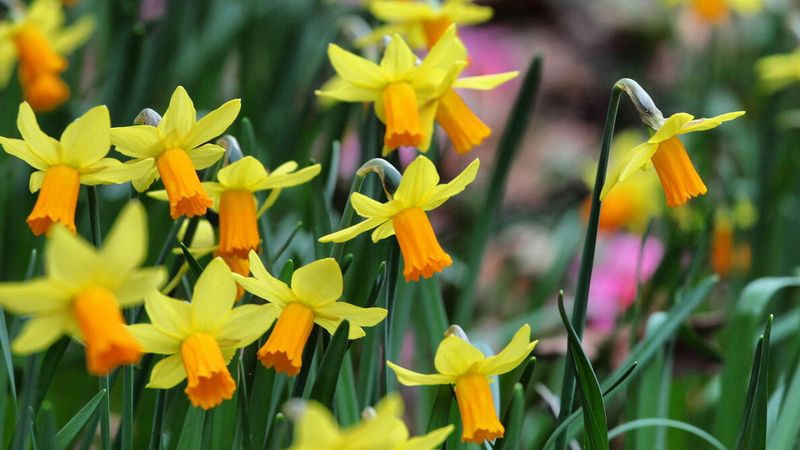
Ask any longtime gardener which bulb never lets them down, and daffodils usually come up first. Deer and squirrels leave them alone because the bulbs taste bitter and are toxic to critters.
That alone saves a lot of heartbreak.
Daffodils grow well in USDA zones 3 through 9, so they fit almost every US backyard. Plant them about 6 inches deep, pointy end up, in a sunny or partly sunny spot with soil that drains well.
The big mistake people make happens in spring, not fall. Cutting or braiding the leaves right after blooming starves the bulb of the energy it needs for next year.
Let the foliage yellow on its own for about six weeks, and your clumps will get bigger every season.
2. Crocuses
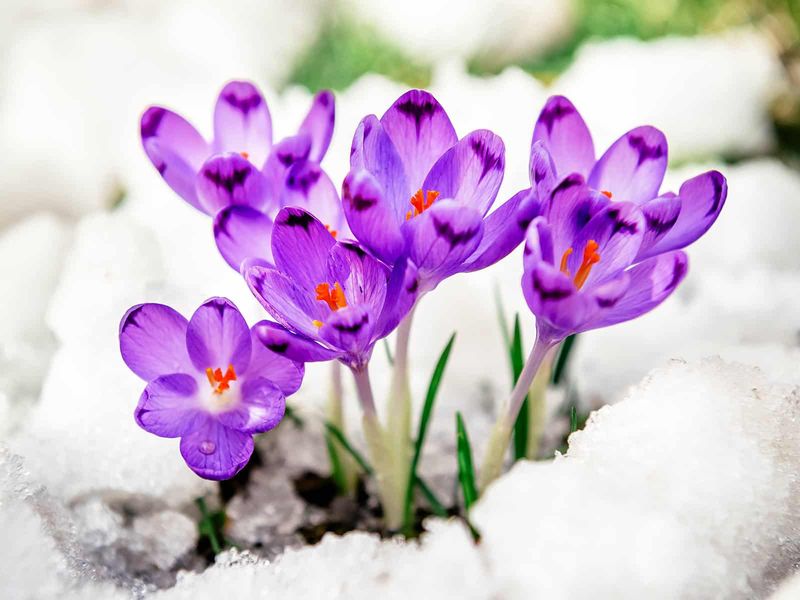
Spotting purple petals poking through the last patch of snow feels like a little reward for surviving winter. Crocuses are often the very first color of the year, opening in late winter in zones 3 to 8.
Plant the small corms about 3 to 4 inches deep in fall. They are happy tucked into lawns, along walkways, or under deciduous trees that leaf out later.
Squirrels love digging them up, so you may want to lay chicken wire over fresh plantings until the ground settles. Snow crocus types, like Crocus tommasinianus, are less tasty to rodents and spread faster.
3. Grape Hyacinths
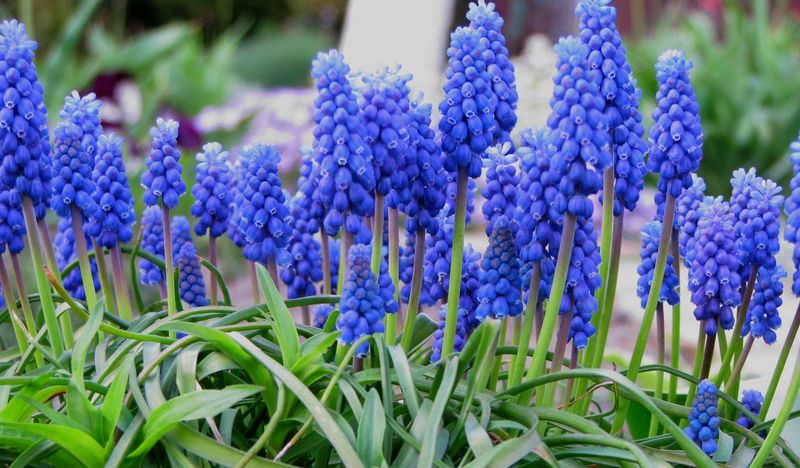
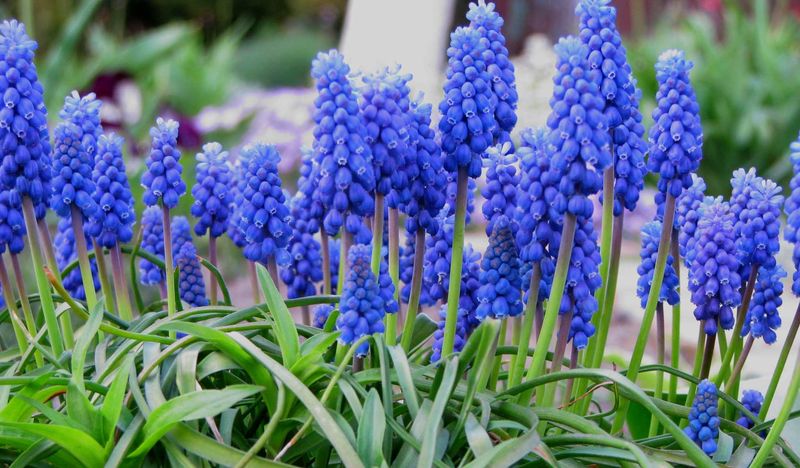
Picture a tiny bunch of grapes turned upside down and dyed bright blue. That is the look of Muscari, and it brings a cheerful pop wherever you plant it.
These bulbs are almost impossible to mess up. They grow in zones 3 to 9, handle sun or light shade, and multiply so readily that a dozen can turn into a whole carpet within a few years.
One quirk surprises new growers: grape hyacinths often send up grassy leaves in fall. That is completely normal, and the plant is not confused or dying.
Try them as a blue edging in front of daffodils. The combination is a spring classic for good reason.
4. Snowdrops
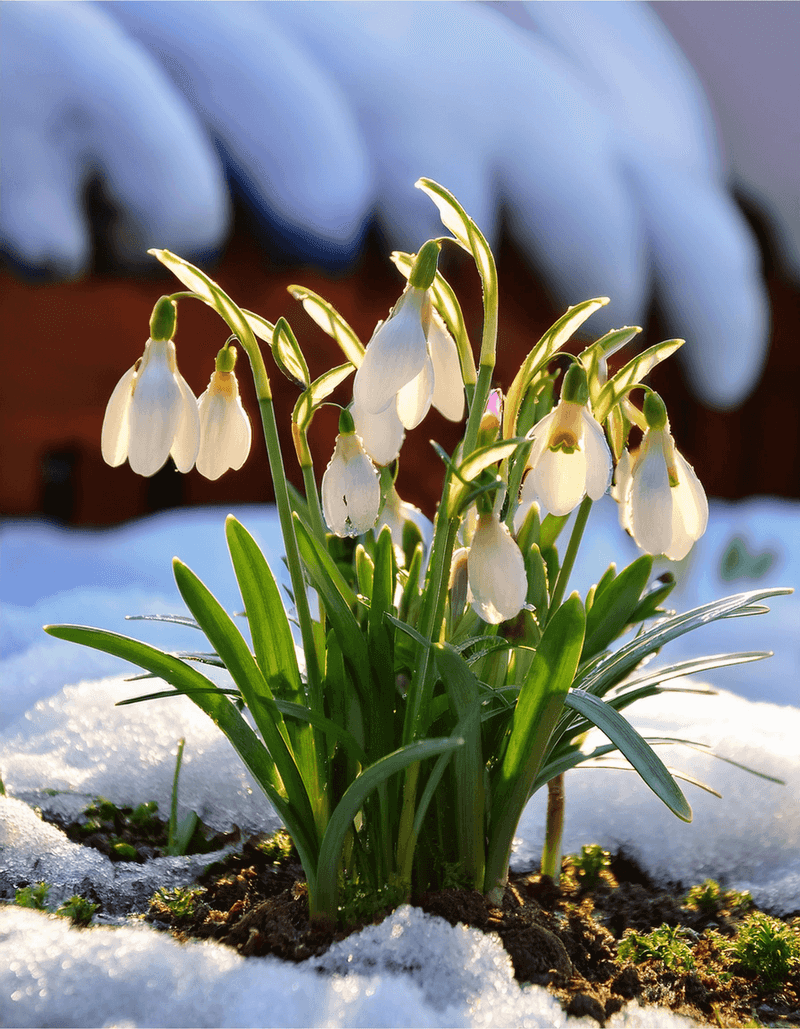
In Victorian England, people grew so obsessed with snowdrops that the craze got its own name: galanthomania. One look at those little white bells hanging over frosty ground and you might understand why.
Snowdrops bloom in late winter, sometimes right through snow, and they are hardy in zones 3 to 8. They prefer partial shade and soil that stays a bit moist, like the edge of a wooded area.
Dry bulbs from the store can be slow to wake up, so plant them as soon as you buy them in fall. Once settled, they form spreading clumps that you can divide right after blooming.
5. Siberian Squill
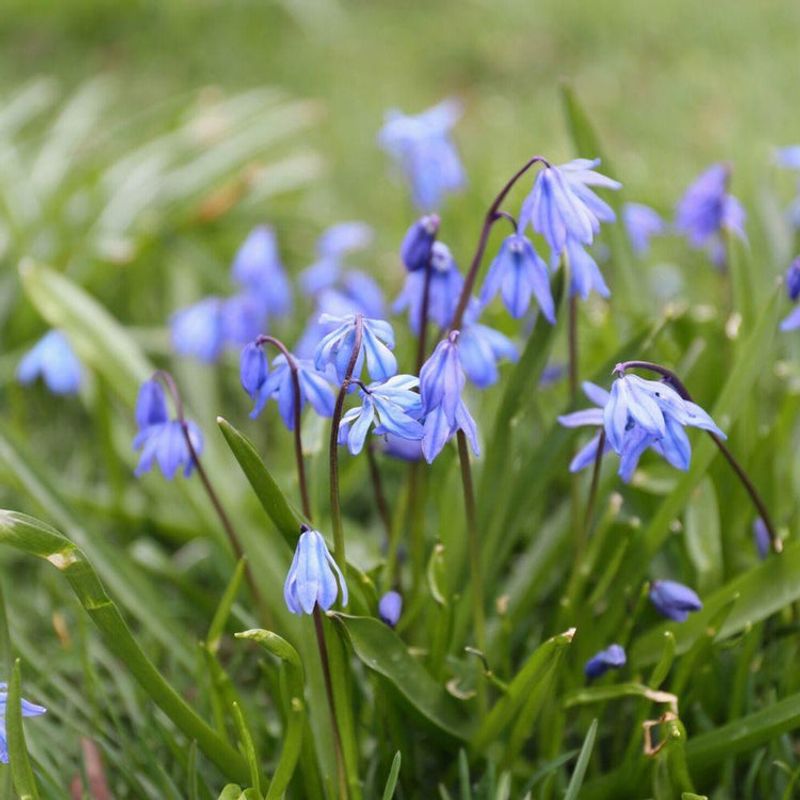
Gardeners in Minnesota and Maine, this one is for you. Siberian squill is hardy all the way to zone 2, which makes it one of the toughest bulbs you can grow.
The tiny flowers are an electric sky blue, and they open in March or April. Plant them 3 to 4 inches deep in fall, and they will spread by both seeds and offsets.
Some older neighborhoods have lawns that turn completely blue each spring because someone planted a handful of squill decades ago. Just know they can wander, so keep them where a little spreading is welcome.
6. Hyacinths
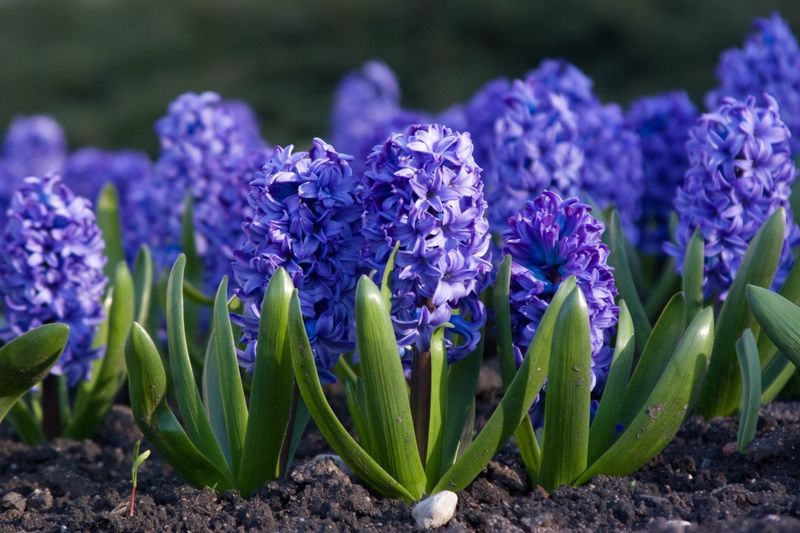
Walk past a blooming hyacinth on a warm April day and the scent stops you in your tracks. Few spring flowers smell this sweet.
Hyacinths are hardy in zones 4 to 8 and should go in the ground in October or November, about 6 inches deep. Give them full sun and soil that never stays soggy, since wet feet can rot the bulbs.
Here is an honest heads-up. The giant blooms from year one tend to come back looser and smaller in later years.
Many gardeners actually prefer that relaxed look, and the plants still return reliably if you leave the leaves alone after blooming.
7. Alliums
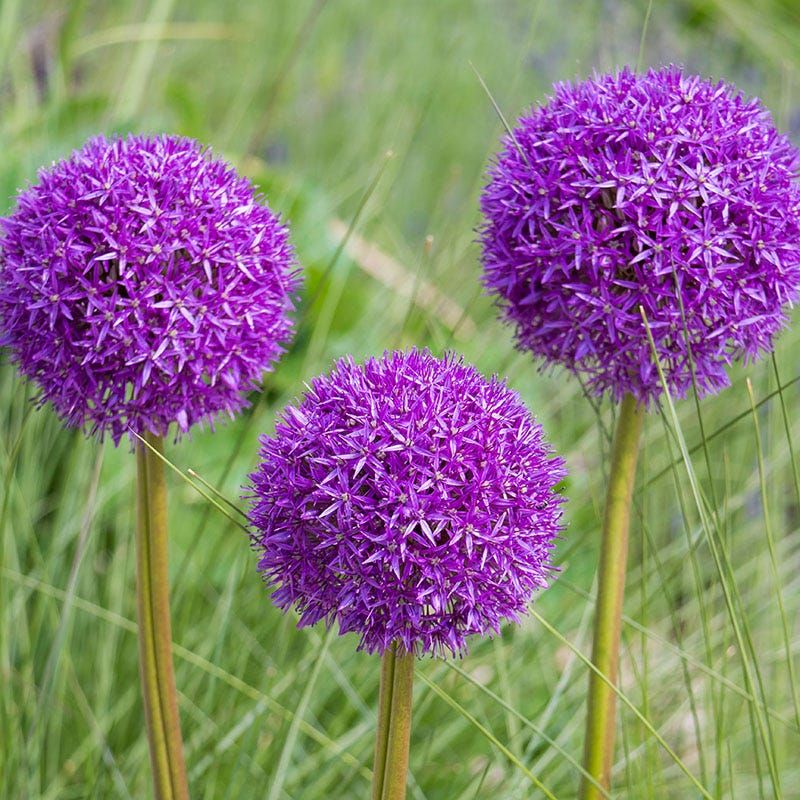
Purple pom-poms floating on tall stems look like something from a Dr. Seuss book. Alliums are ornamental onions, and they fill that awkward gap between spring bulbs and summer perennials.
Because they belong to the onion family, deer, voles, and rabbits usually skip them. Bees, on the other hand, love the flowers.
Plant them in full sun and well-drained soil in fall, about three times as deep as the bulb is tall. Varieties like Allium aflatunense and drumstick allium return and multiply easily.
The leaves often look tired by bloom time, so tuck alliums behind leafy plants like catmint to hide them.
8. Camassia
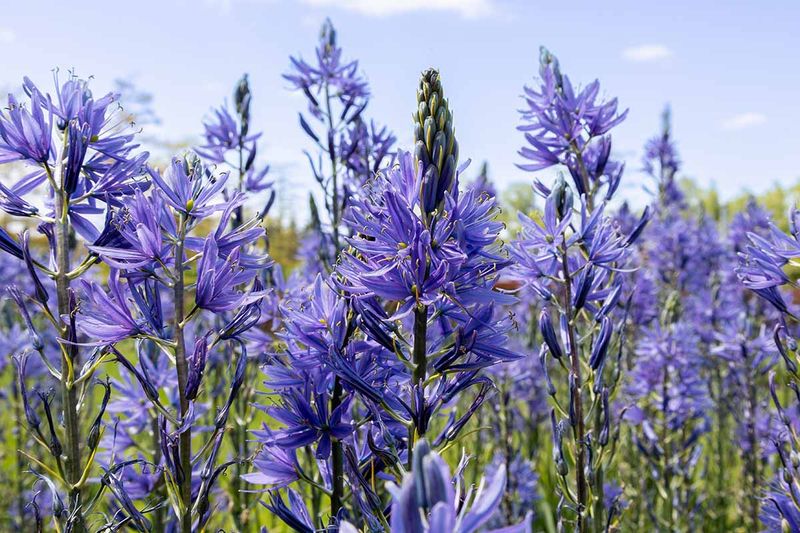
Got a soggy spot where other bulbs rot? Camassia might be your answer.
This North American native once fed Indigenous peoples, who roasted the bulbs of edible species. In the garden, it sends up 2 to 3 foot spikes of blue or white starry flowers in late spring.
Unlike most bulbs, camassia tolerates heavier, moist soil, especially in spring. It grows in zones 3 to 8 and forms bigger clumps every year.
Plant the bulbs about 4 inches deep in fall. They pair beautifully with ferns and hostas near a rain garden.
9. Puschkinia
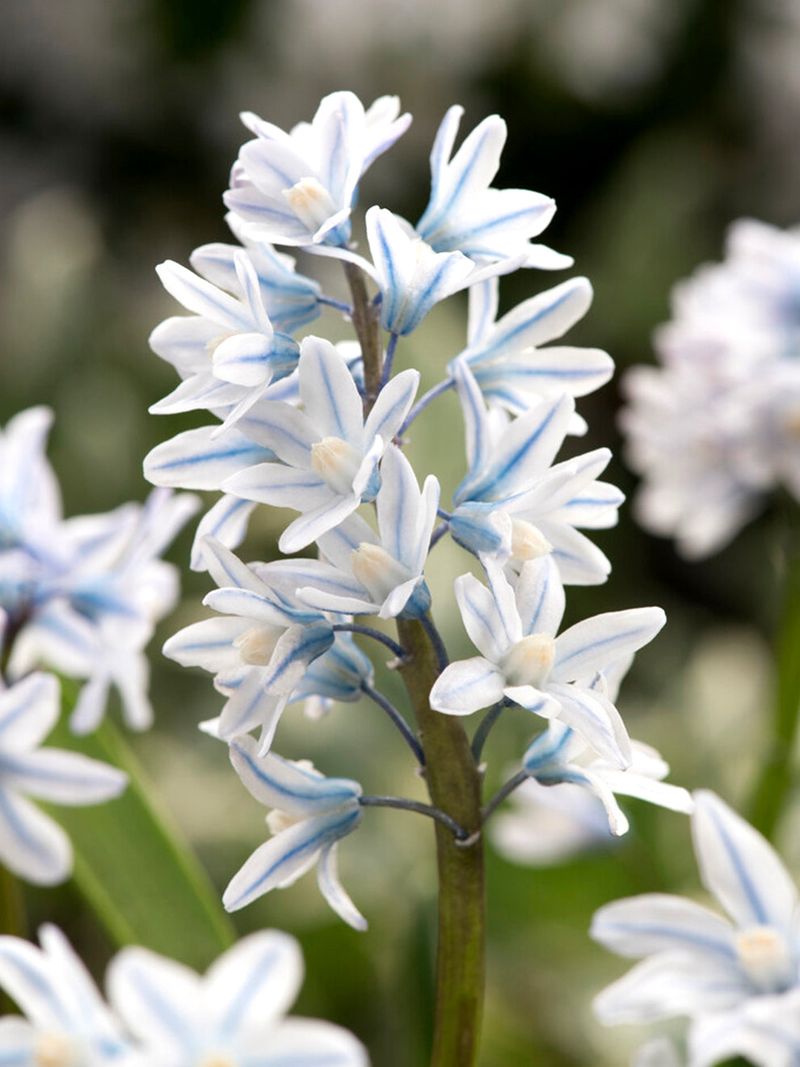
Lean in close and you will see a thin, darker blue stripe running down each pale petal, almost like someone painted it with a fine brush. Puschkinia, or striped squill, rewards gardeners who notice small details.
It blooms in late winter and early spring in zones 3 to 8. The bulbs are small, so plant them in groups of 25 or more for real impact.
Rock gardens, the base of shrubs, and the front edge of beds all suit it well. Over time it seeds itself and slowly fills in.
10. Fritillaria
Fritillaria meleagris looks like nature tried to make a checkerboard out of a flower. The nodding bells carry a purple and white pattern that makes visitors stop and ask what it is.
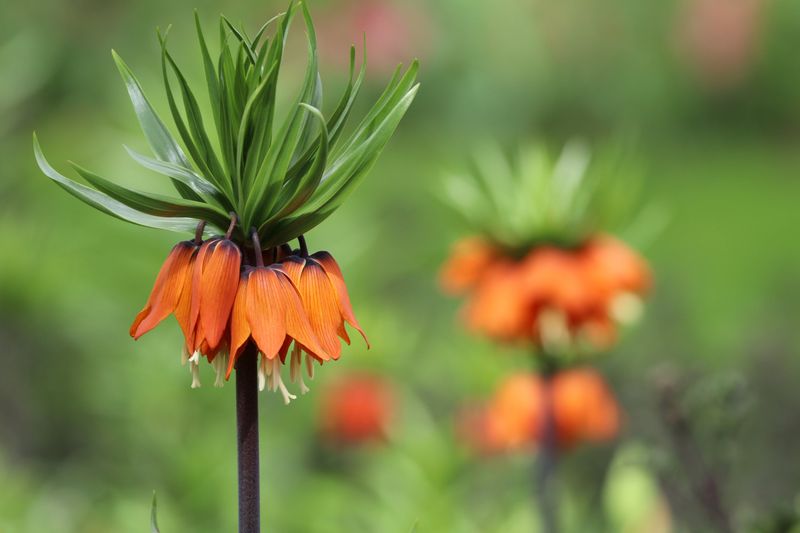
Checkered lilies naturalize well in moist, partly shady spots and bloom in mid-spring. Their bigger cousin, crown imperial, stands tall with a ring of orange bells and a famously skunky smell that may help deter rodents.
Plant fritillaria bulbs on their sides in fall to keep water from pooling in the hollow top. That small trick can prevent rot.
11. Glory of the Snow
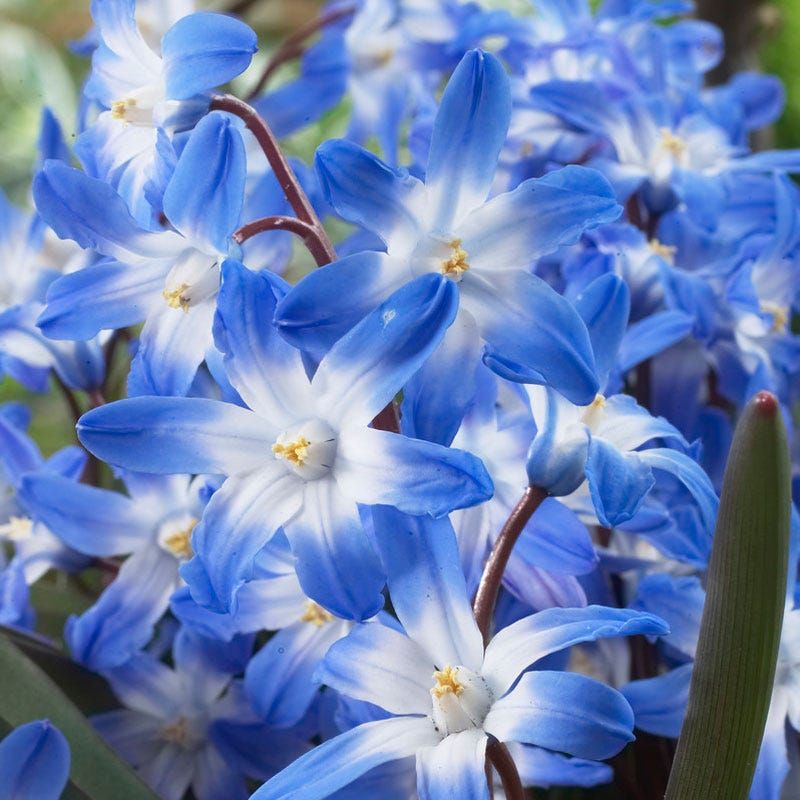
The name says it all. Chionodoxa opens upward-facing blue stars with bright white centers, often while snow still lingers nearby.
Botanists have recently lumped it in with Scilla, but most catalogs still sell it as chionodoxa. Pink and white types exist too.
It spreads in clusters and returns every year with almost zero fuss. Since the flowers face up instead of nodding, it shows off nicely in the lawn or under trees, where it finishes blooming before you need to mow.
12. Dwarf Iris
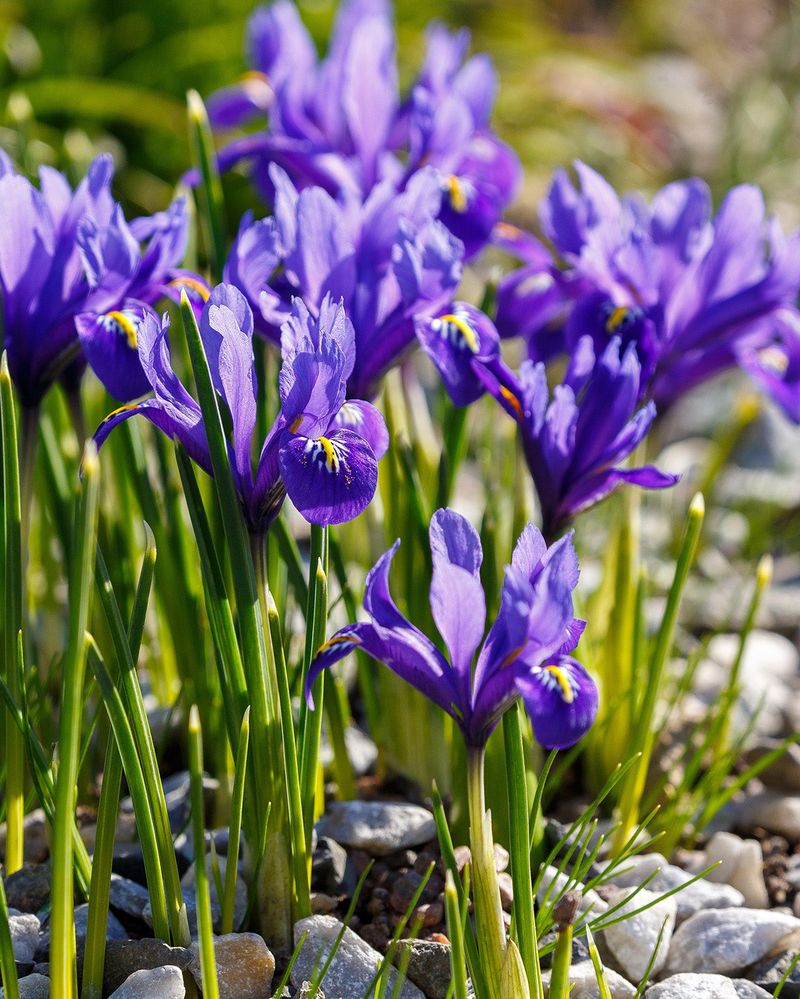
Only about 4 to 6 inches tall, dwarf iris punches way above its size. The jewel-toned blue and purple petals have tiny yellow markings that look hand-painted.
Iris reticulata blooms in early spring, often alongside crocuses. It wants sharp drainage and full sun, so a rock garden or raised bed is ideal.
A common worry is that the bulbs bloom once and then just make leaves. This happens when bulbs split into smaller bulblets.
Planting them a bit deeper, around 4 inches, and adding a sprinkle of bulb fertilizer after bloom can help them flower again.
13. Winter Aconite
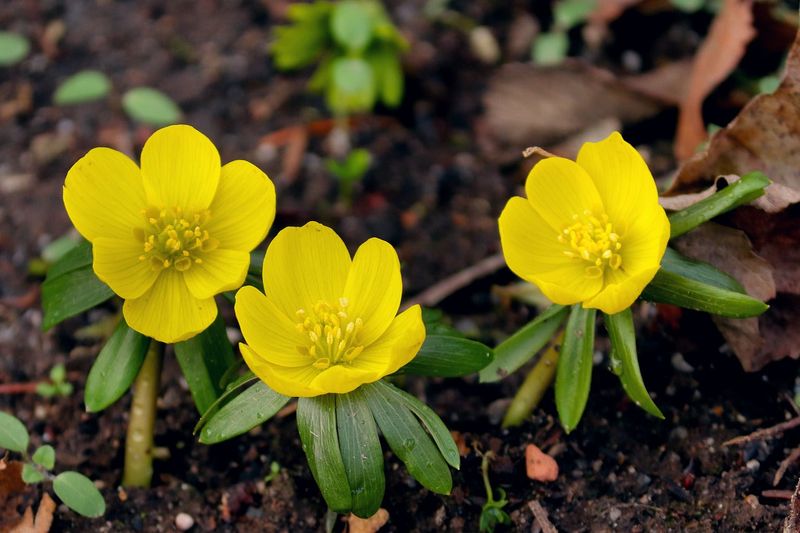
Bright yellow cups wearing little green ruffs, like tiny Elizabethan collars, show up when most of the yard is still brown. Winter aconite is pure sunshine in February.
The tubers dry out easily, so soak them overnight in water before planting in early fall. Set them about 2 inches deep under trees or shrubs.
Expect patience in the first year. Once established, though, eranthis spreads into golden carpets that bloom alongside snowdrops.
14. Species Tulips
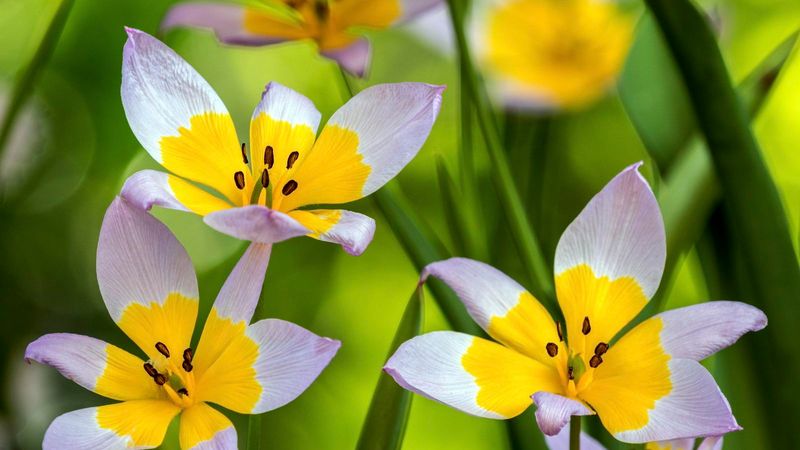
If tulips have disappointed you before, you are not alone. Most big hybrid tulips fade after a year or two because they were bred for show, not staying power.
Species tulips are different. These smaller, wild-type tulips, such as Tulipa tarda and Tulipa clusiana, form daughter bulbs and return for years in sunny, dry spots.
For larger flowers that still come back, look for Darwin Hybrid, Fosteriana, Greigii, and Kaufmanniana types. Plant all tulips about 8 inches deep, since deeper planting can help them return.
15. Grecian Windflower
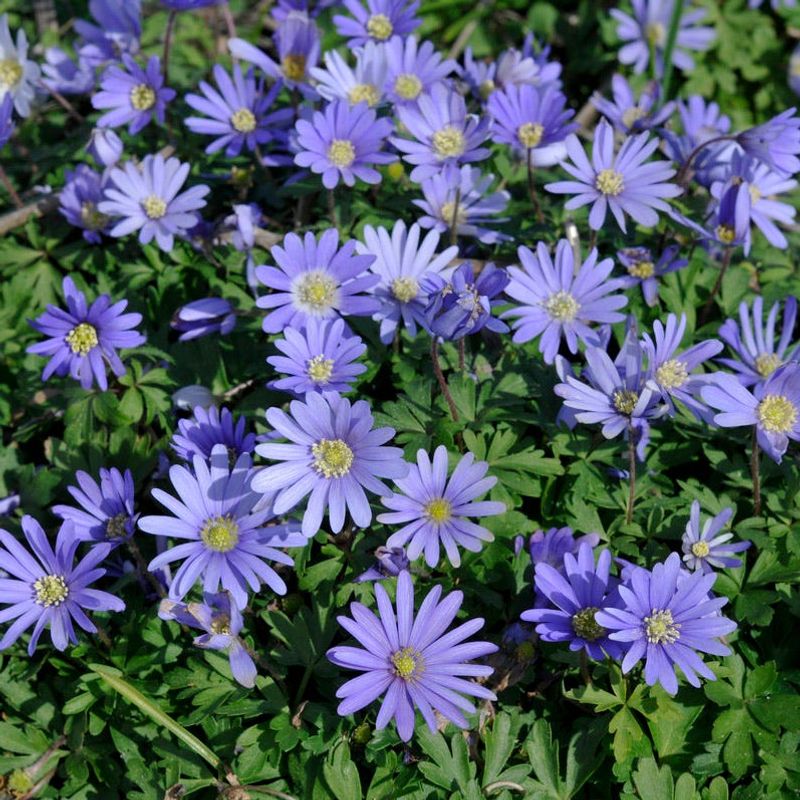
Low carpets of daisy-like flowers in blue, white, and pink make Anemone blanda look like a meadow shrunk down to fit your garden.
The knobby tubers look like dried pebbles, which confuses plenty of people at planting time. Soak them for a few hours, then plant about 2 inches deep.
If you cannot tell top from bottom, plant them sideways and they will sort it out.
Grecian windflowers bloom in early spring and slowly spread. They look lovely under roses or hydrangeas, filling bare ground before those shrubs leaf out.