
Don’t Dig Out Your Ragged Ornamental Grasses: Leave Them Standing All Winter And Your Garden May Look Better For It
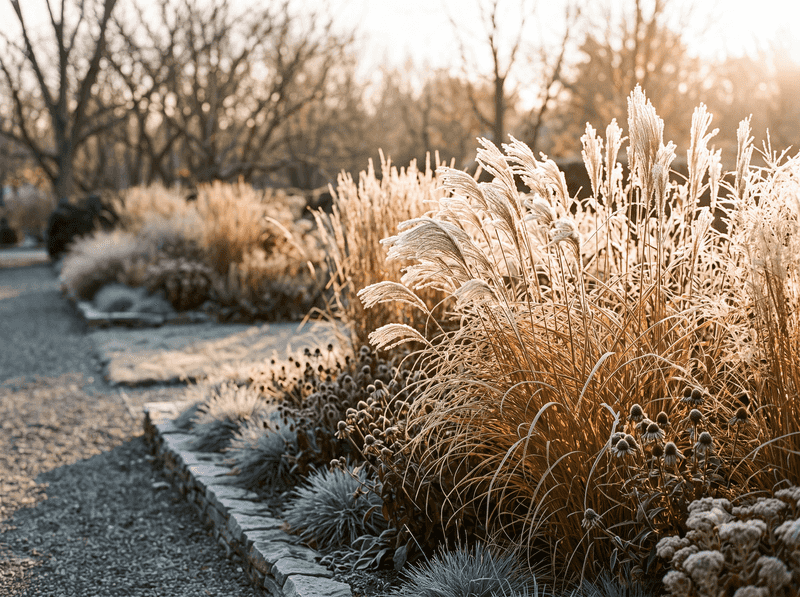
Those shaggy, tan clumps of ornamental grass in your yard may look worn out by late fall. Before you grab the shears or the shovel, know that many healthy grasses can stand through winter just fine.
Leaving them up can add shape to a bare yard and may give the plant some cold-weather cover. Here is how to decide if it makes sense for your grass and your site.
You can leave the clump standing
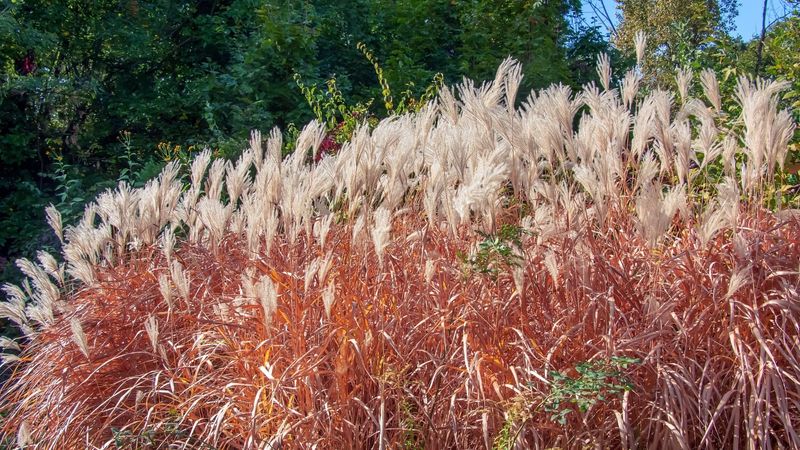
Fall cleanup does not have to include a buzz cut for your maiden grass, feather reed grass, or switchgrass. For many healthy ornamental grasses, leaving the clump standing through fall and winter is a reasonable option.
It is a choice, not a rule, and your yard, your climate, and your taste all get a vote.
Leaving a grass up is not the same as digging it out or ignoring it. Raggedy tops are not a sign that the plant is dying.
They are just the end of the growing season, and the roots and crown are still alive below. You are simply postponing the haircut until the weather turns.
Extension experts at the University of Illinois have said that grasses can be left intact in the garden through fall and winter. The same university also reported that skipping a spring cutback did not harm the grasses it discussed.
That should ease the worry that a late trim will hurt your plant.
Standing grass is not a free pass to stop caring for it, though. Winter is the pause, and late winter or early spring is when the real cleanup happens.
Think of it as a two-step plan: enjoy the clump now, then cut it back before new growth takes off.
There are also times when cutting in fall is the smarter move, and we will cover those. For a healthy clump in a safe spot that you like looking at, it is fine to put the shears away for a few months.
What standing foliage can—and cannot—do
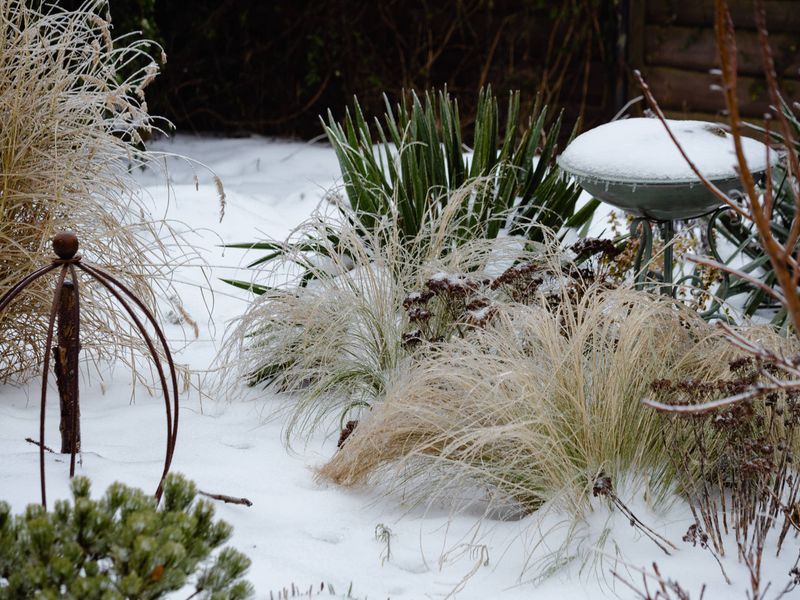
Old foliage may act like a loose blanket around the middle of the clump. Illinois Extension says standing growth can help protect growing points from extremely cold temperatures.
Nebraska Extension describes a similar benefit, noting that leaving the tops can help keep the crown from drying out.
Notice the careful wording: can help, may offer some protection. Dead blades are not a dependable shield, and they do not guarantee that your plant will survive a brutal winter.
A severe cold snap, wet soil, or a poor planting spot can still cause losses.
This also means the foliage is not a replacement for good plant choice. If a grass is not suited to your winter lows, leaving it standing will not fix that.
Check the hardiness range on the plant tag, and match the grass to your zone and your drainage.
On the flip side, you do not need old foliage to keep a grass healthy. Plenty of gardeners cut their grasses in fall and see them return every spring.
Think of the standing blades as a possible bonus, not a requirement.
One more reality check: old growth can slow things down in spring. Dead material left too long may delay new shoots and pile up in the center of the clump.
That is another reason the spring cutback matters.
Winter structure depends on the grass and the garden
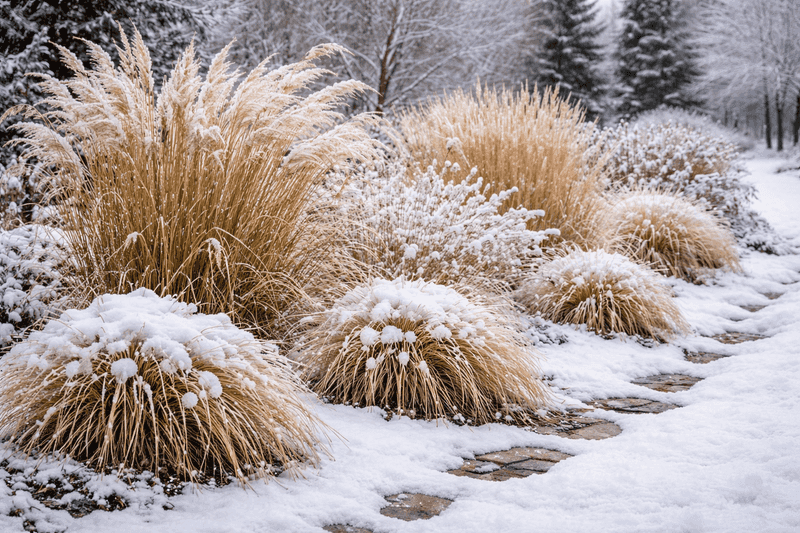
Once perennials collapse and the leaves are gone, a standing grass can be the only thing with height in the bed. Its texture catches frost, and snow outlines the plumes and arching blades.
Extension educators describe this kind of winter interest as one of the big reasons to hold off on cutting.
Whether it looks better is a matter of taste. Some people love a soft, wind-rustled clump, while others find it messy next to a front walk.
A grass that flops flat under heavy snow may not give you much to look at either.
Plant type matters too. Iowa State Extension notes that grasses vary in how well they hold their form through the cold season.
Sturdy, upright types tend to stand tall, while softer ones may sag.
Foliage habit changes the picture as well. University of Florida guidance points out that some grasses are evergreen, some are semi-evergreen, and others die back.
An evergreen clump may keep some color, while a dormant one turns straw tan.
Try looking at your yard from a window on a gray January day. If the grass adds shape you enjoy, keep it.
If it looks tired by midwinter, cutting it is perfectly fine.
Seedheads and foliage can offer wildlife value
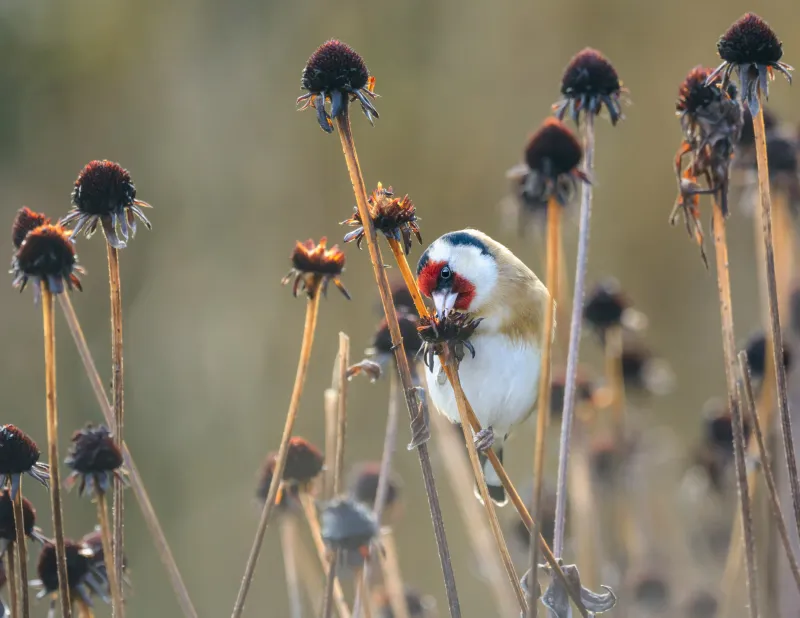
Standing grasses can give birds something to nibble and somewhere to tuck in out of the wind. Seedheads left on the plant may offer a bit of winter food, and dense clumps can serve as shelter for small creatures.
University of Maryland Extension lists wildlife benefits as one reason to leave perennial tops through winter.
The benefit depends on the plant and the site. A big switchgrass with heavy seedheads will likely feed more birds than a compact, sterile cultivar.
A clump in a busy, open yard may also see fewer visitors than one near shrubs or a hedge.
You may have heard that hollow stems make cozy bee nests. Illinois Extension cautions that grass stems are not usually a first-choice nesting site for bees.
Do not count on your grasses as pollinator habitat.
Treat wildlife value as a pleasant extra. If you watch finches or sparrows visit your clump in January, that is a nice reward for waiting.
If not, the other reasons still stand on their own.
Let sanitation and fire safety guide exceptions
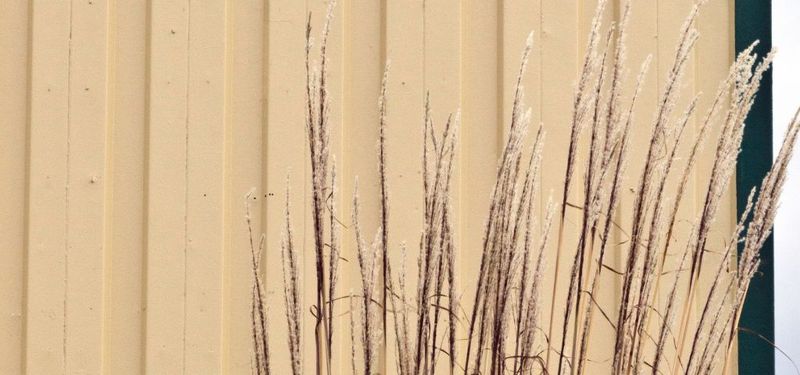
A blanket rule to leave everything standing does not work for every yard. Sometimes cleanup should come first.
Start by thinking about the history of your plants and the setting around them.
If a grass had a severe disease or a significant pest problem, remove the debris. University of Maryland Extension recommends clearing plant debris after serious disease or pest outbreaks, since cleanup can reduce the chance of problems lingering.
Look for patchy dieback, heavy spotting, or past infestations as clues.
Fire is the other big exception. Dry, standing foliage can burn quickly, especially after a dry spell.
The University of Nebraska has explained the fire risks of dry plants in dry weather.
Placement counts. A big clump right beside a house, garage, or wood fence is riskier than one in the middle of a bed.
Colorado State Extension even advises removing grasses in some public and commercial sites.
If you live in a fire-prone area, check local guidance and cut grasses back near buildings. Do not burn them as a shortcut.
Grass fires move fast and can get away from you, so bag or compost the trimmings instead.
Cut back at the right time in spring
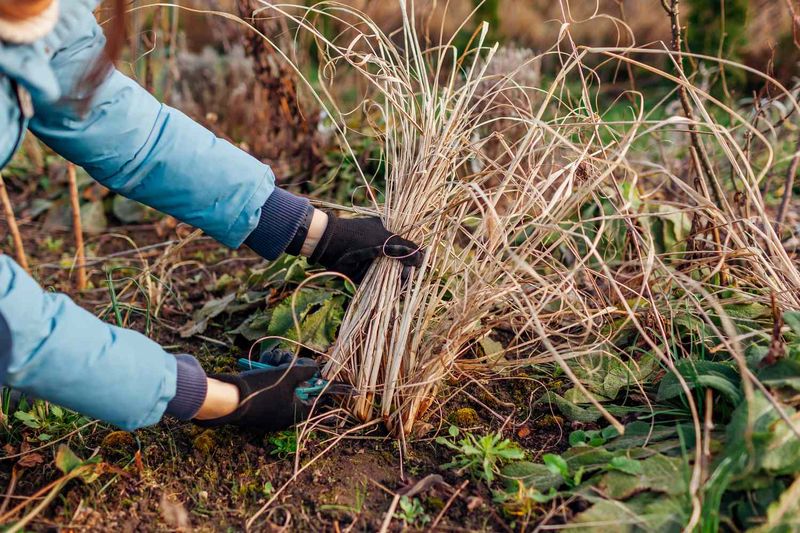
For grasses you leave up, plan to cut back the previous year’s growth in late winter or early spring. Aim to finish before new growth begins or just as it emerges.
Waiting too long means you risk snipping the new green shoots along with the old.
Timing differs by type. Illinois Extension explains that cool-season grasses start growing earlier, while warm-season grasses generally wait for warmer soil.
So the cool-season clumps get your attention first.
Cut height varies by source. Illinois Extension suggests cutting cool-season types to a few inches and warm-season types to about 4 to 6 inches.
Iowa State Extension gives 2 to 4 inches as general guidance.
Because the advice varies, identify your grass and look up species-specific directions. University of Florida guidance is a good reminder that some grasses are evergreen or semi-evergreen and may need lighter grooming rather than a hard cut.
Wear gloves and long sleeves. Colorado State Extension notes that leaf edges can be sharp.
For big clumps, tie the bundle with twine first, then cut below the tie so the trimmings come away in one neat armful.
Rake out any remaining dead blades from the center once you are done. Clean crowns let new growth come up without a tangle of old leaves in the way.
Choose the option that fits your site
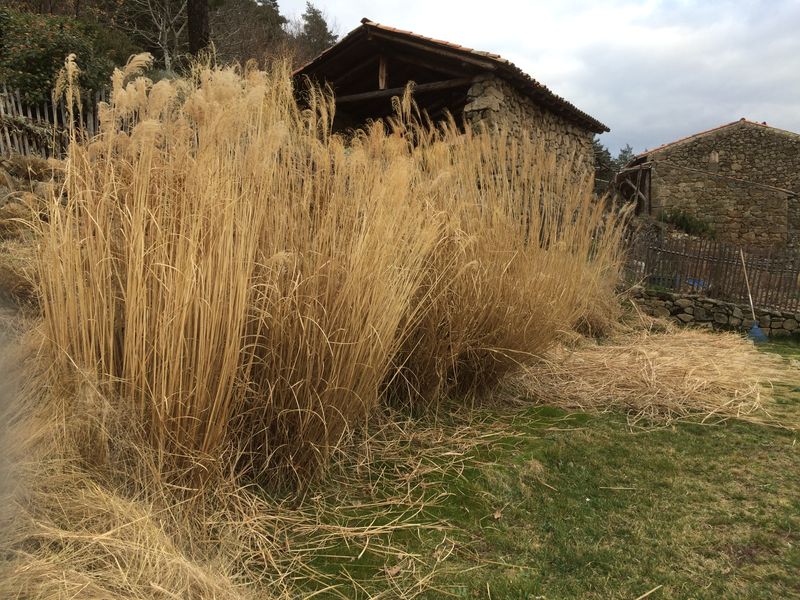
Here is a simple rule: if your grass is healthy, you like how it looks, and nothing about disease, pests, or fire risk says otherwise, leave it up for the winter. Then check it in spring and cut it back.
Standing foliage may help the crown but does not promise freeze protection, and your plant does not need it to stay healthy.
If a fall cut suits your yard better, that is a fine choice too. The best clump is the one that fits your site and your eye.