
Debris Can Give Weeds a Foothold Between Your Pavers: How to Reduce Regrowth
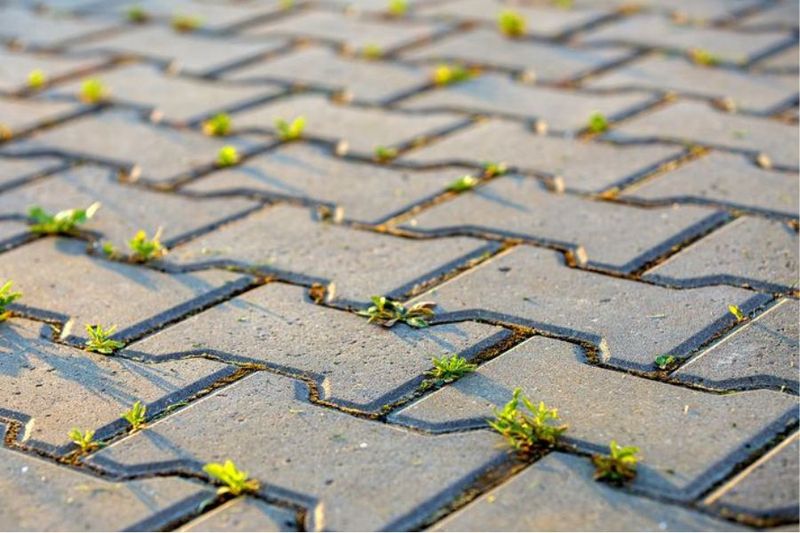
You scrape out the weeds between your patio pavers, and a few weeks later green shoots are poking up again. Dirt, dust, and plant bits can settle into the narrow joints and make a cozy spot for seeds to sprout.
The good news is that a few simple habits can cut down on how often you fight this battle. Here is how to clear the joints, refill them the right way, and keep up with them without harsh shortcuts.
Debris can give weeds a foothold
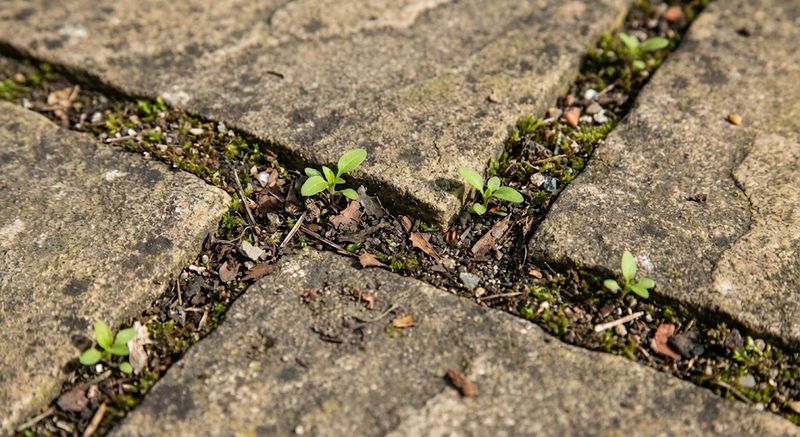
Look closely at a joint where weeds keep showing up and you will often see more than just gaps. Over time, wind, rain, and foot traffic leave soil, sediment, and bits of leaves or grass in those narrow spaces.
That layer works a lot like a tiny planter, holding a little moisture and giving seeds something to root into.
Cornell turf and weed guidance on hard surfaces points out that regular sweeping helps limit soil buildup, which reduces the chance of weeds taking hold. Joints that have lost some of their filler can be especially easy to fill with debris.
Not every joint collects the same mix, though, so what you find will depend on your yard, nearby trees, and how much traffic the area gets.
Debris is not the only explanation. Some weeds creep in from nearby lawn or garden beds and grow underneath the paving before popping up through a joint.
If you see a weed with a thick runner or a long root that seems to come from beyond the patio edge, that is a clue it is spreading from somewhere else.
That is why clearing a joint can help without solving every case. Taking out the loose material removes the spot where seeds like to land and sprout.
It will not stop a neighboring plant from sending in new growth, so think of it as one useful step in managing the problem rather than a cure.
Why pulling alone may not prevent a return
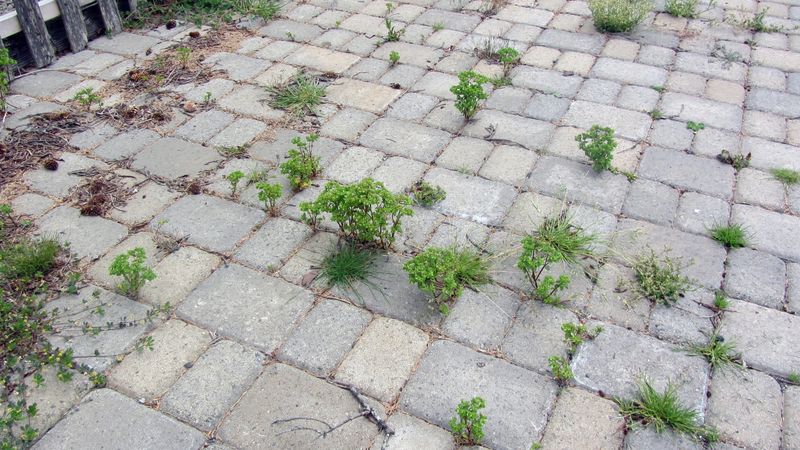
Pulling and scraping are still worth doing. Taking weeds out by hand uses no pesticide, and getting them before they set seed keeps a few plants from turning into dozens.
A joint brush or paving knife, as Cornell recommends, makes the job easier.
The catch is that the weed you can see is only part of the story. If a piece of root stays behind, the plant may sprout again.
New seeds can also blow in or drop from nearby plants, and those land in the same debris-filled joint you just cleaned.
If the joint is left bare or half empty after pulling, it can be an easy spot for the next seedling. A quick walk along the patio every week or two lets you catch new sprouts while they are small and come out cleanly.
Weeds that creep in from under the paving may keep coming back until the source is dealt with.
Boiling water is a common backyard trick, but Iowa State Extension explains it mainly injures the plant tissue it touches. It may not kill established roots, it can take repeat treatments, and it carries a real burn risk.
So keep pulling as part of your routine, and pair it with a fix for the joint itself.
Clear the joint before refilling it
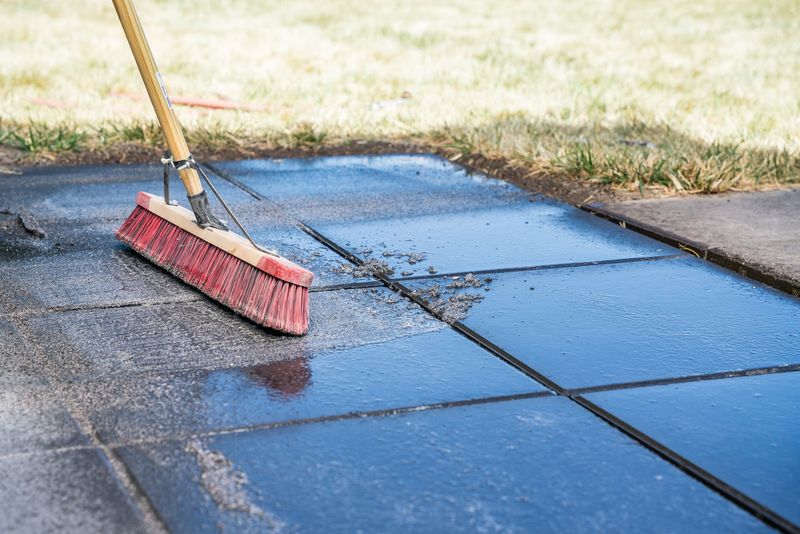
Dumping fresh sand on top of weeds and old dirt is tempting, but it just buries the problem. Seeds and roots can keep growing through the new layer.
The better move is to take out the weeds and the loose, dirty material first so the joint is truly clean.
Many joint products spell out how deep to clean. For example, Sakrete’s PermaSand data sheet calls for cleaning existing joints to the full depth of the paver and then filling them as directed.
That guidance applies to that specific product, so it is not a universal recipe for every type of filler.
Before you start, read the current instructions for the material you plan to use. Details like joint depth, dry pavers, and how to water the sand afterward can change from one product to the next.
Your paving system matters too, since a setup built for drainage may call for different joint material.
Work in small sections so you do not leave open joints sitting through a rainstorm. Use a screwdriver, joint pick, or narrow brush to loosen packed material, then sweep or vacuum it out.
Once the joint is clear, you are ready to refill with a material that suits your pavers.
Choose joint material for your paving system
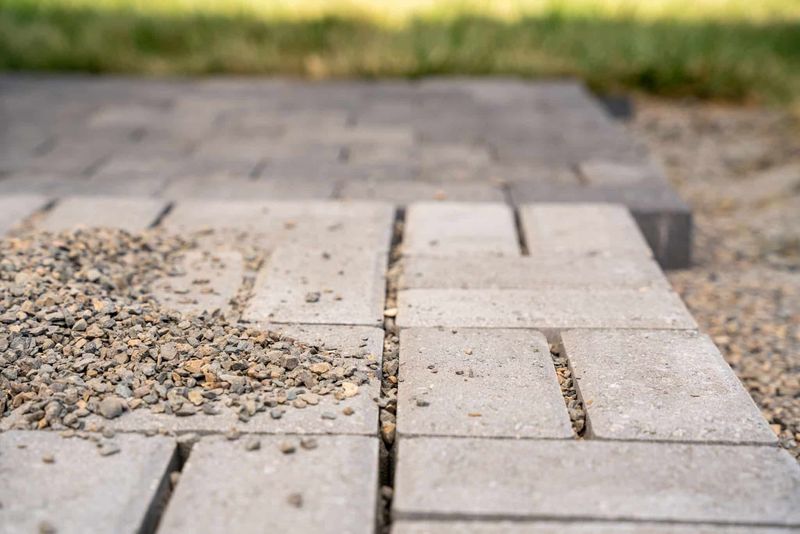
Not every joint filler belongs in every patio. On a conventional installation that is compatible, polymer-modified joint sand can fill gaps and may reduce weed growth and joint washout.
Sakrete describes its product in those terms, not as a permanent weed-proof seal.
Permeable pavers are a different story. They are built to let water pass through the joints, and a material that restricts infiltration may defeat that purpose.
UF/IFAS Extension notes that permeable joint materials can preserve drainage but may need periodic replenishing. Check the specifications from the system designer or manufacturer instead of assuming polymeric sand is fine.
Research backs up the idea that results depend on conditions. In a controlled growth-chamber study, weed growth varied with the type of filler, the weed species, and how much water the joints received.
It was not a field trial of every residential patio, so it does not show that one product guarantees weed-free joints.
Think of the choice as a tradeoff between weed suppression, drainage, and keeping the joints stable. Look at how your patio was built, where water goes after a storm, and what the product instructions say.
When you are unsure, ask the installer or manufacturer before you buy.
Some quick fixes can create new problems
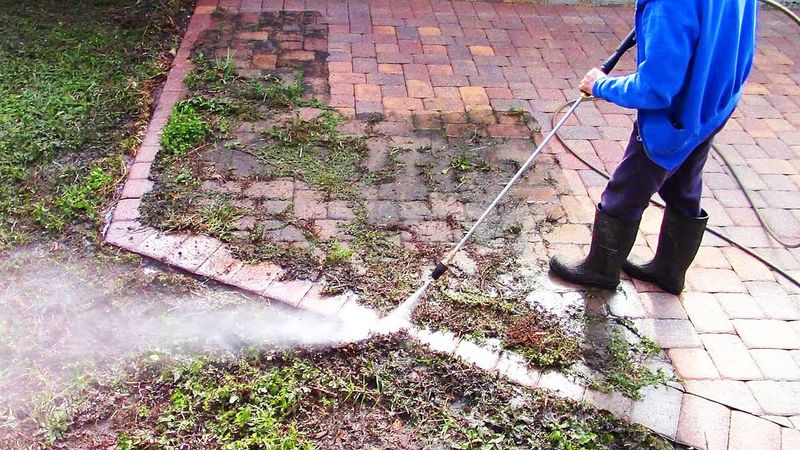
Pressure washing looks like a fast way to blast weeds out of cracks, but it can backfire. Oregon State Extension warns that power washing can dislodge joint sand, and if you use it, the sand may need to be replaced.
That makes it a poor routine weed fix.
Boiling water has tradeoffs too. As Iowa State notes, it can burn you, may spare established roots, and may need repeating.
If you decide to use a pesticide, pick a product whose label allows your site and follow the directions closely. The EPA advises keeping pesticide from running off into storm drains, gutters, drainage ditches, or surface waters.
A sloped patio makes that harder, so think about where rinse water and rain will carry it.
Homemade mixes are not safe shortcuts either. Penn State Extension cautions that salt can harm nearby plants and linger in soil, household vinegar is unreliable on established perennials, and bleach can harm soil life and create chemical hazards.
Detergent blends fall into the same unproven category.
Flame weeding is not risk-free either. NC State Extension covers alternatives to glyphosate, and fire risk and limited results on established perennials are part of the picture.
Clearing and refilling joints remains the steadier plan.
Keep joints from becoming an easy foothold
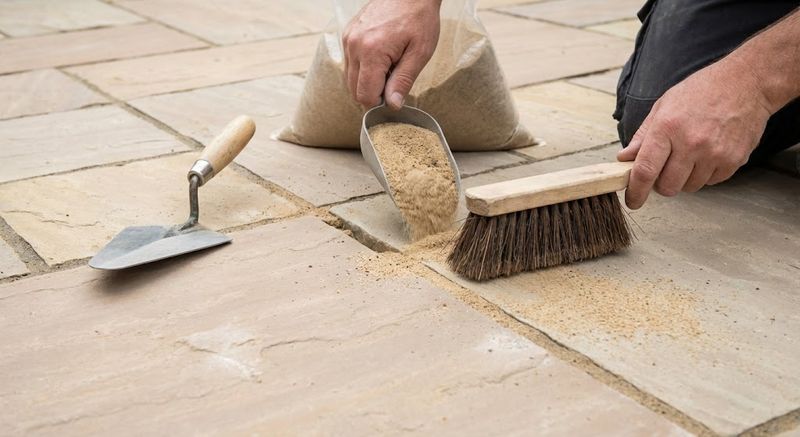
A simple routine does most of the work. Sweep your pavers regularly, especially after leaf drop, mowing, or windy days, so soil and debris have less chance to settle.
Cornell advises sweeping to minimize buildup in joints.
Every week or two, walk the patio and pull any young weeds before they set seed. Top up low joints with the material that matches your paving system, and follow the specs from the installer or manufacturer when choosing or replenishing it.
Cleaning and refilling can reduce opportunities for weeds, but it cannot promise they will never return. A few seedlings now and then are normal, and catching them early keeps the job small.
Think of your joints like a gutter: keep them clear and they rarely cause trouble.