
How to Mow New Tall Fescue Without Damaging Seedlings in North Carolina
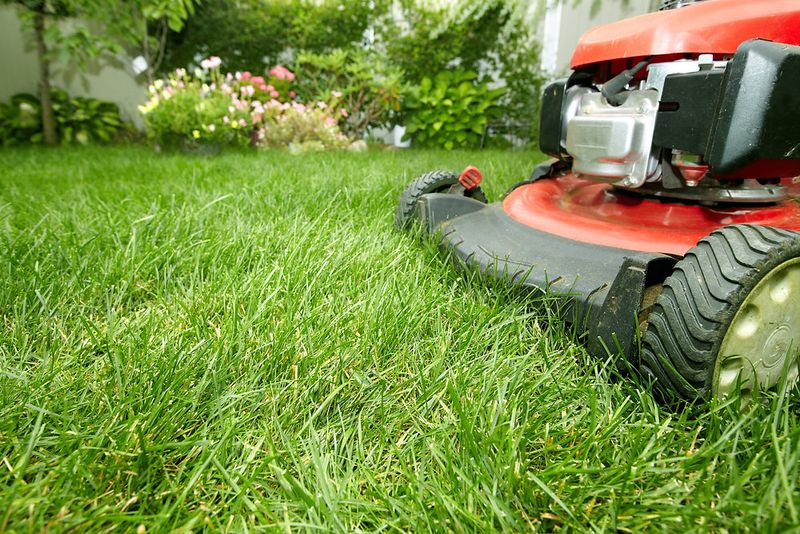
You spent a weekend seeding your yard this fall, and now thin green blades are finally showing up. The first time you pull out the mower is a nervous moment, because young grass is easy to tear.
A little patience and a few simple habits can lower the risk of pulling out the seedlings you worked to grow. Here is how to know when your North Carolina fescue is ready and how to make that first cut with care.
Judge readiness by growth, not the calendar
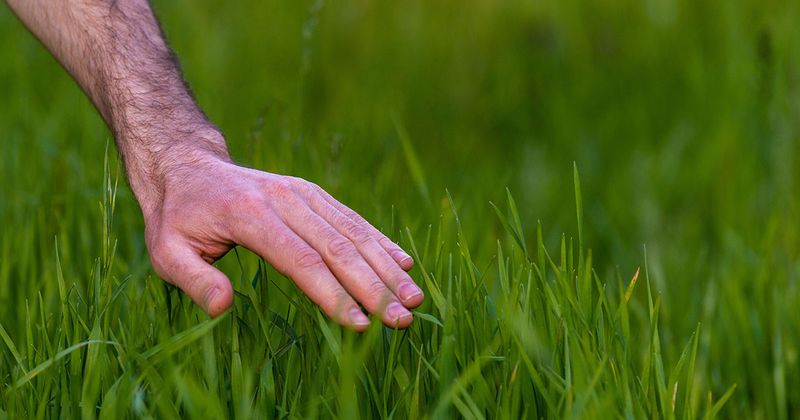
Walk out to the lawn with a ruler instead of a calendar. A North Carolina Cooperative Extension article advises waiting until seedlings are at least 3 inches tall, or about three weeks after overseeding.
That gives you a handy starting point for planning your first cut.
Three weeks is a rule of thumb, though, not a deadline. Cool nights, dry spells, or a late seeding date can slow growth, and some yards simply take longer to catch up.
University of Maryland Extension says the first mowing under optimum conditions typically begins four to six weeks after seeding. Put the two timelines side by side and you can see why a single date does not fit every lawn.
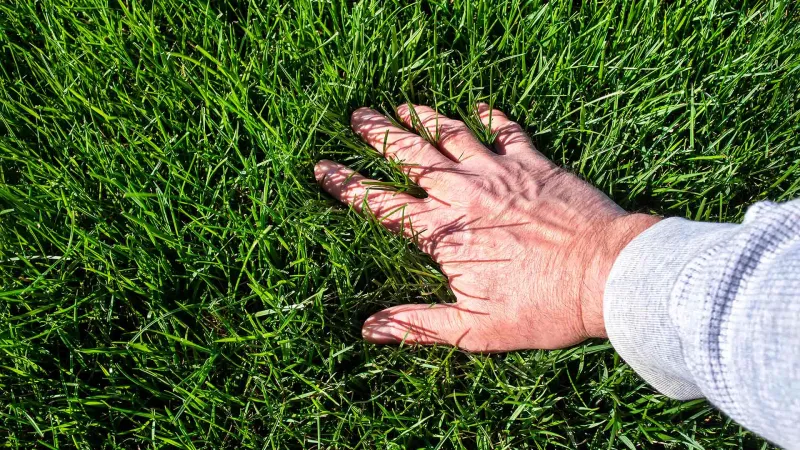
So what should you look for? Check that the grass stands tall enough to be cut, that the seedlings look sturdy rather than wispy, and that they stay put when you brush a hand across them.
Patchy spots may be at different stages than thicker ones, so check several areas of the yard, not just the best-looking corner.
If the grass is not ready, waiting a few more days costs you very little. Keep up with watering and give the plants more time to settle in.
When the turf looks tall, firm, and the ground is fairly dry, you are ready to plan the mow.
Understand what can go wrong in a rough first pass
Most first mows go fine. Trouble tends to show up when a couple of avoidable things pile together, and young plants are simply more fragile than an established lawn.
Knowing the likely trouble spots helps you skip them.
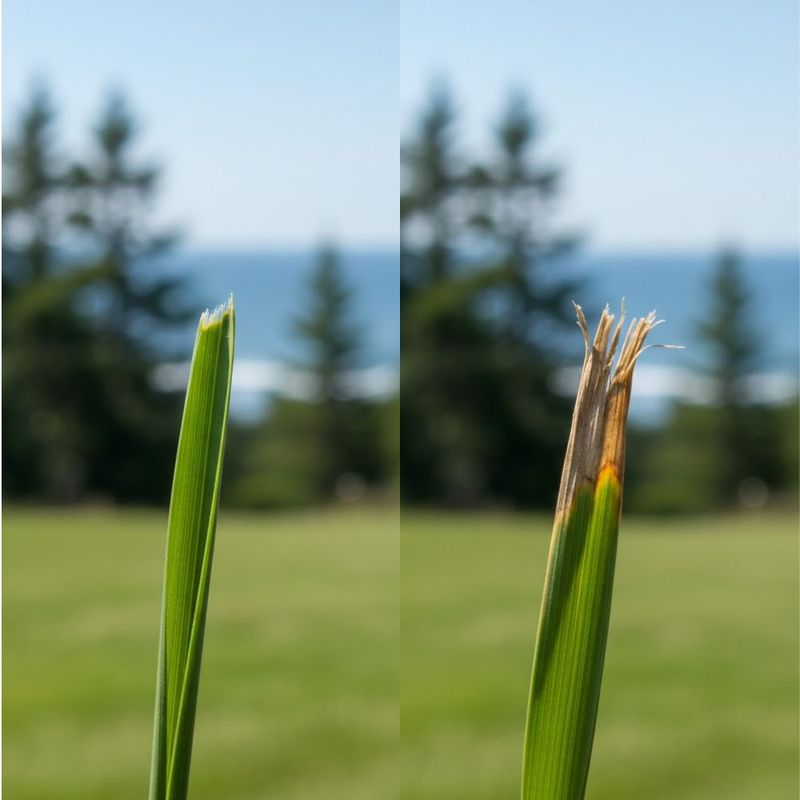
A dull blade is one of them. Maryland Extension warns that dull blades can tear young grass plants right out of the ground.
Instead of slicing cleanly, the blade grabs and rips, which can leave ragged tips and bare gaps.
Wet conditions are the other common culprit. UC IPM guidance suggests mowing a new lawn when it is fairly dry, which lowers the chance of pulling turf out.
Soft, soggy ground lets wheels slip and lets seedlings come loose more easily.
None of this means one ordinary mowing will wreck a fall planting. Lawns also struggle from uneven watering, weed competition, poor soil preparation, and heavy foot traffic.
Mowing is one piece of the puzzle, and it happens to be a piece you can control.
A good clue that a cut went poorly is finding small tufts or whole seedlings in the mower bag or lying on the surface afterward. If you see that, check the blade and the soil moisture before the next pass.
Mow high and follow the one-third rule
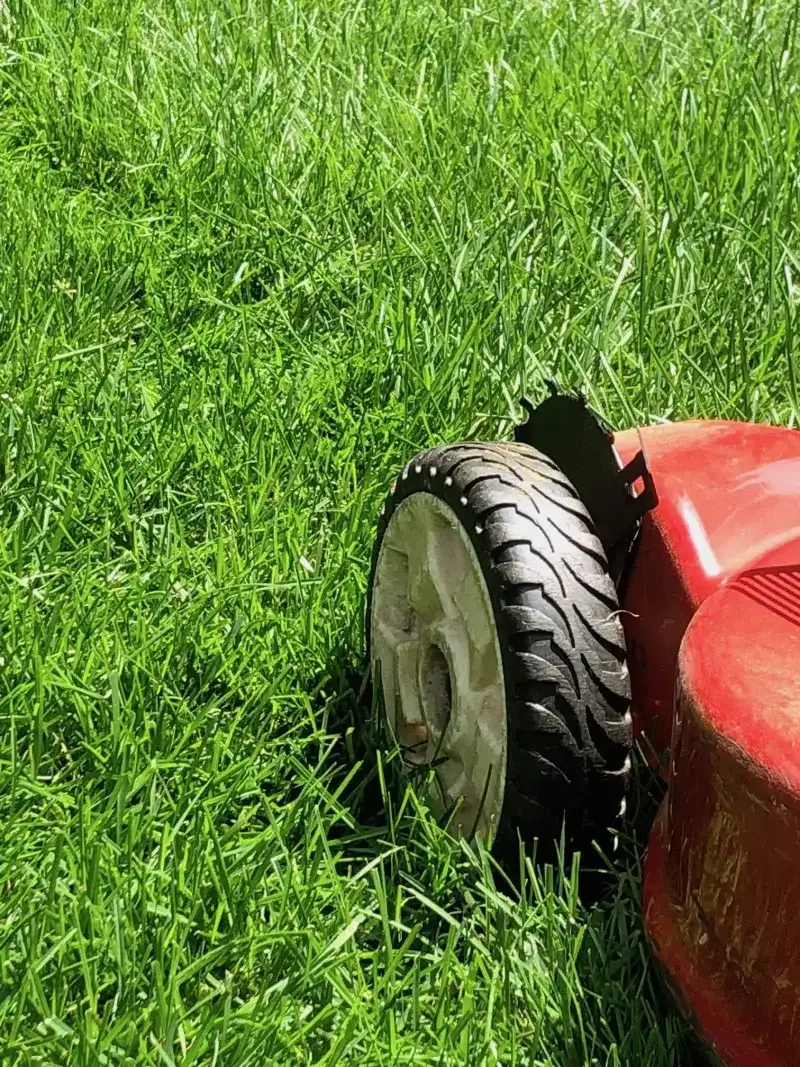
Here is the simple math. The one-third rule says never take off more than one-third of the grass height in a single mowing.
NC State’s gardener handbook gives an example: cut tall fescue back to 3 inches when it reaches 4.5 inches.
Scalping is the thing to avoid. Dropping the deck too low strips away leaf area and stresses young plants.
If the grass has gotten taller than planned, trim it in stages over several days rather than all at once.
You may also see mowing ranges quoted for tall fescue. NC State lists 2.5 to 3.5 inches, and its Carolina Lawns guide says tall fescue does best at 3 to 3.5 inches and should not be cut below 2.5 inches.
Those numbers describe established lawns. They are not a single first-cut setting for brand new turf.
For a first mow, think about how tall the seedlings actually are today. Set the deck high enough that you trim only the top portion of the blades.
Maryland Extension’s example, for instance, is to mow fescue standing 4 inches tall with the mower set to 3 inches.
Guidance varies a bit from source to source, but the shared ideas hold steady: stay high, avoid scalping, and keep each cut modest.
Account for the difference between overseeding and bare soil
Not every seeded yard starts from the same place. On bare soil, every plant is new, so the whole lawn grows at roughly the same pace and you can judge readiness from the seedlings alone.
Overseeding is trickier, since old grass and new grass share the same patch of ground.
In an overseeded lawn, the existing turf can shade the seedlings beneath it. The local Cooperative Extension guidance recognizes that shading as a reason to mow rather than wait indefinitely for every seedling to reach the usual height.
That is an exception, not a green light to mow early. The old grass may be getting tall and blocking light, which is the situation the exception covers.
If your yard is not shaded out by taller grass, there is no special reason to hurry.
A practical check is to part the taller grass with your hand and look down. If the seedlings underneath look pale or crowded, a high, careful cut may help light reach them.
If they look healthy and the old grass is not much taller, let them keep growing.
Either way, the same cautions apply: keep the blade sharp, cut when the ground is fairly dry, and take off only a small amount at a time.
Prepare the lawn and mower for the first pass
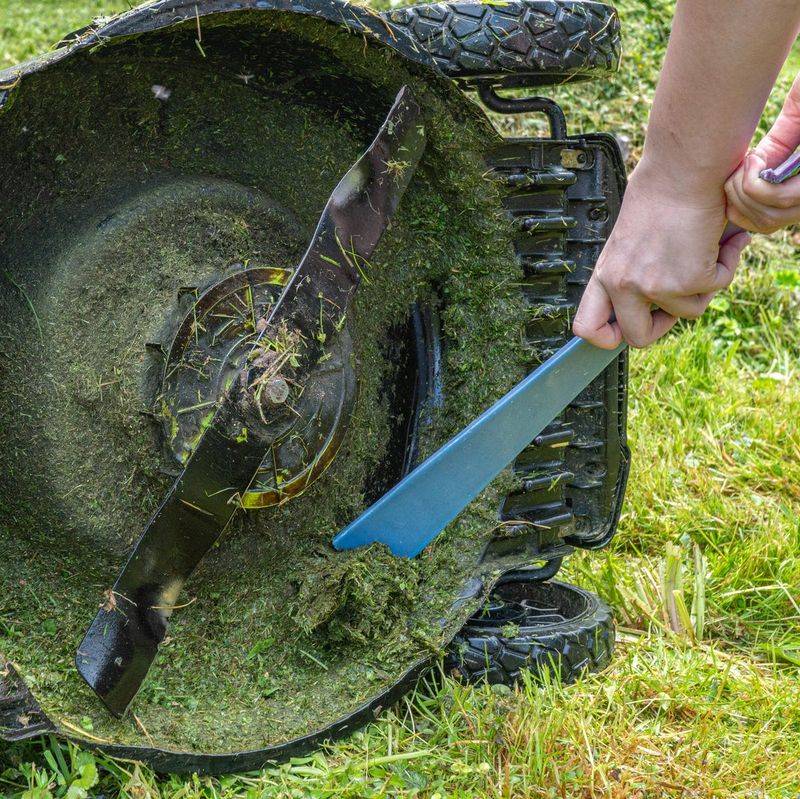
Give yourself a short checklist before the engine starts. Sharpen or replace the blade first, since a clean cut matters most on tender plants.
Then raise the deck and check the grass height against the one-third rule.
Next, check the ground. Pick a day when the lawn is fairly dry, as UC IPM recommends for a first mow.
A good test is to walk the edge of the yard: if your shoes sink or the blades cling wetly to them, wait.
Do not stop watering just to make mowing possible. Cooperative Extension notes that moisture during germination and the first weeks supports root development.
Instead, schedule your watering so the turf has time to firm up before you mow, such as watering the evening before a planned cut and not right before.
Foot traffic matters too. Maryland Extension recommends keeping people and pets off for at least a month after germination, or until the lawn has been mowed at least twice.
Plan your mowing path so you are not crisscrossing the same strips, and avoid sharp turns that can twist the wheels into soft turf.
Finally, empty the bag or mulch lightly so clumps of clippings do not smother thin spots.
Set realistic expectations for a new fescue lawn
Careful mowing keeps your new turf out of trouble: wait for real growth, cut when it is fairly dry, use a sharp blade, mow high, and respect the one-third rule. Those habits reduce the risk of tearing or pulling plants, but they cannot promise a perfect result.
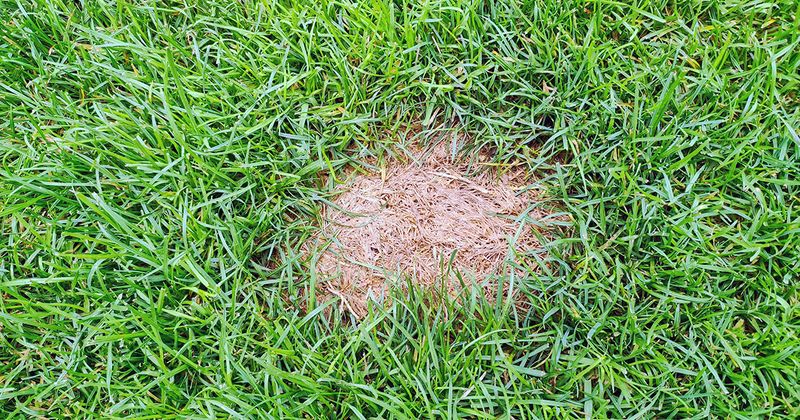
Tall fescue is a bunch-type grass in North Carolina, according to NC State’s Carolina Lawns guide. It will not spread to fill gaps, so damaged or bare areas need reseeding.
Appropriate mowing height supports healthy growth and can reduce weed pressure, as NC State’s home lawn care guidance describes.
Location matters as well. Tall fescue is best adapted to the mountains and Piedmont.
In the Coastal Plain it can be kept on heavy silt loams, but it performs poorly in full sun there, especially on sandy soil.
A lawn is a slow project. Watch it, fix the thin spots, and let it fill in over the seasons, with the handbook’s mowing basics as your guide.
Good mowing will not make a lawn, but it can keep you from unmaking one.