
Moving Your Potted Rosemary, Lavender, And Bay Indoors? These 11 Herbs Actually Survive Winter On A Sunny Windowsill
Every fall, gardeners carry their favorite potted herbs inside and hope for the best, only to watch them turn brown by January. The good news is that plenty of herbs can make it through winter on a sunny windowsill if you give them the right light, water, and temperature.
Rosemary, lavender, and bay are a great start, but they are not your only options. Here are 11 herbs that can actually survive the cold months indoors, plus the simple fixes that keep each one alive.
1. Rosemary
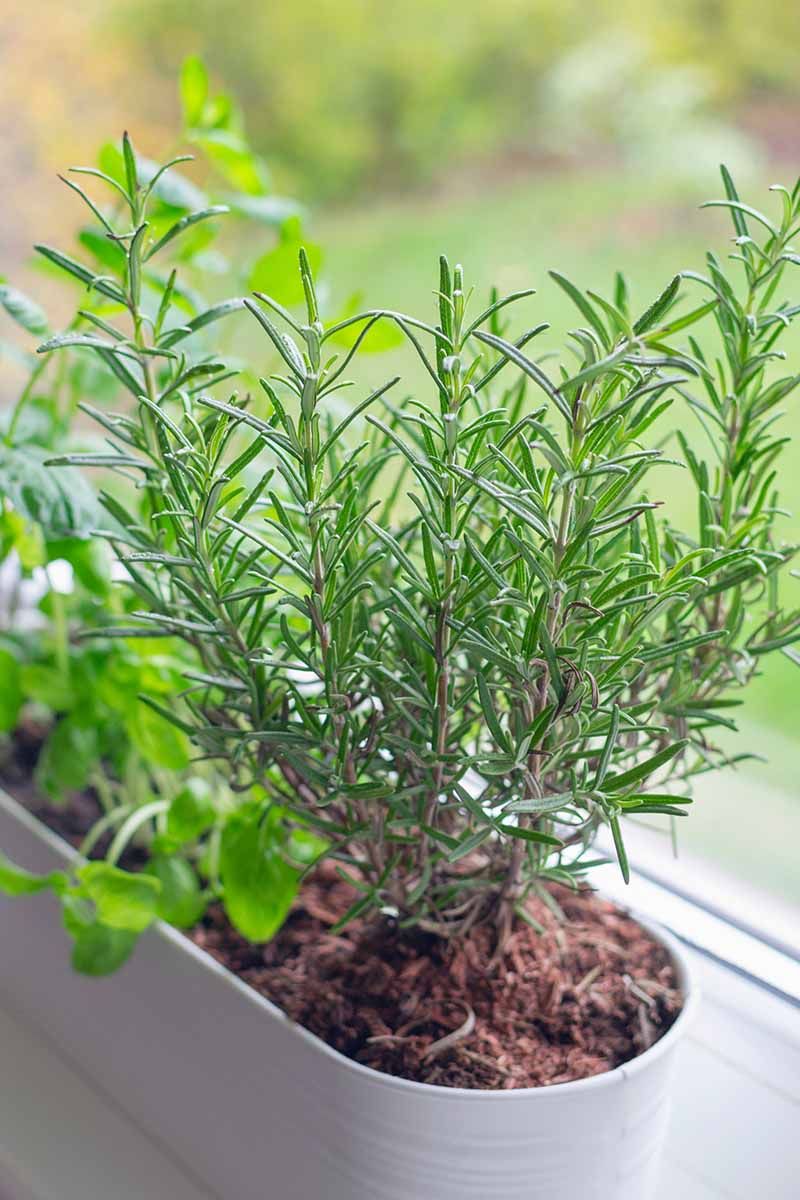
Ask any gardener which herb broke their heart last winter, and rosemary will top the list. The sad part is that most indoor rosemary dies from too much love, not neglect.
Soggy roots and stale air do far more damage than a chilly room.
Give your plant the sunniest spot you have, ideally a south or west window with 6 to 8 hours of direct light. Rosemary actually prefers cool rooms, around 50 to 65 degrees during the day and a bit cooler at night.
Keep it away from heating vents that blast hot, dry air.
Water when the top of the soil feels dry, but never let the pot go bone dry all the way down. A clay pot helps extra moisture escape, which may reduce the risk of root rot.
Turn the pot every few days so all sides get light.
Spot a white, dusty coating on the leaves? That is powdery mildew, usually from damp conditions and poor airflow.
Snip off affected stems and run a small fan nearby for a few hours a day. Skip misting, and set a bowl of water nearby for gentle humidity instead.
2. Lavender
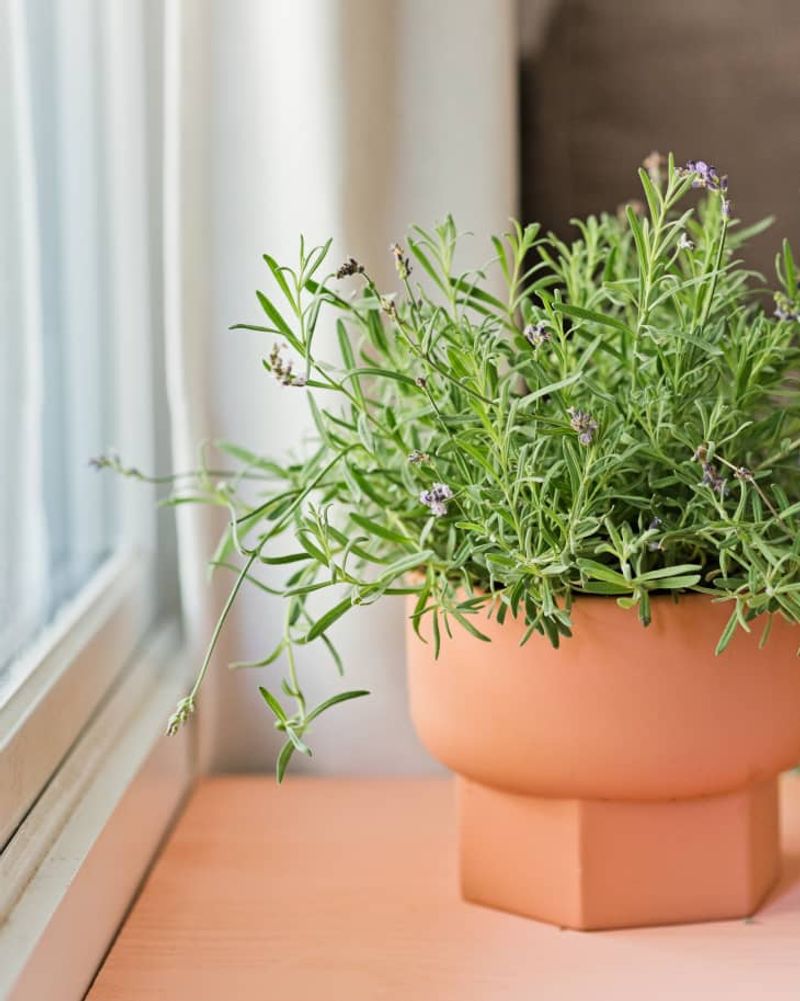
Lavender goes quiet indoors, and that worries a lot of people. No new flowers, barely any growth, and you start wondering if it is dying.
Relax, that is just winter dormancy doing its job.
French and Spanish lavenders are the ones most worth bringing inside, since they handle cold far worse than English types. Aim for 6 to 8 hours of direct sun if you can get it.
If your window falls short, a grow light running 12 to 14 hours a day can fill the gap.
Keep the room at 60 degrees or warmer, but avoid drafty glass and heating vents that swing the temperature up and down. Water only when the soil is completely dry.
Lavender hates wet feet more than almost any other herb.
One more trick helps a lot: ease the plant indoors gradually. A week of moving it in and out before the first frost can soften the shock of the change.
3. Bay Laurel
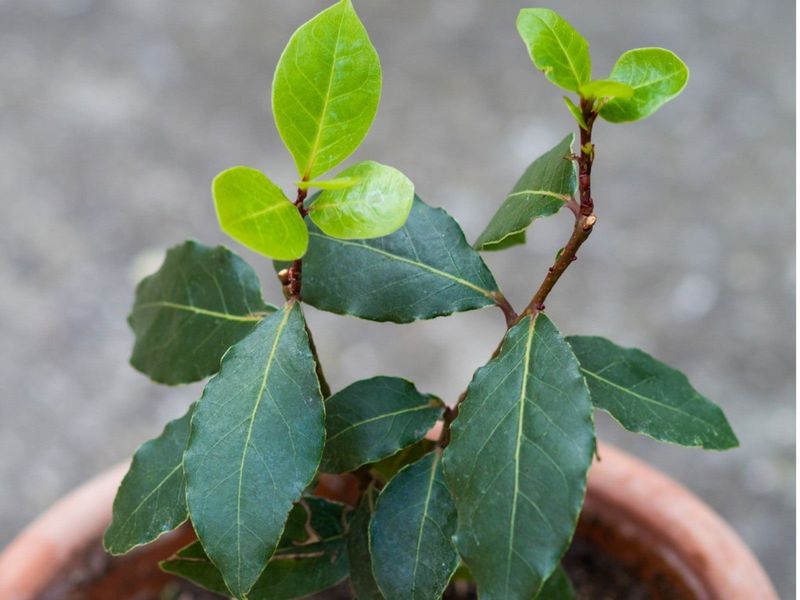
Ancient Greeks crowned their champions with bay leaves, and the plant still carries itself like royalty. Outdoors it only survives in USDA Zones 8 to 11, so most of us need to haul it inside before frost.
Bay is happiest in a cool spot, no warmer than about 60 degrees, and it can handle temperatures down to around 35. A sunny window works well, though bright indirect light is fine when the room stays cool.
Keep it clear of vents and doorways with drafts.
Crispy, withered leaves or blackened stems usually point to watering trouble or air that is too dry. Water deeply, then let the soil dry slightly before the next drink.
Cut back on watering as the plant slows down for winter.
Check the undersides of leaves for spider mites and scale, two pests that love dry indoor air. Grouping bay with other plants or setting it on a pebble tray can raise humidity.
Save any big pruning for spring.
4. Thyme
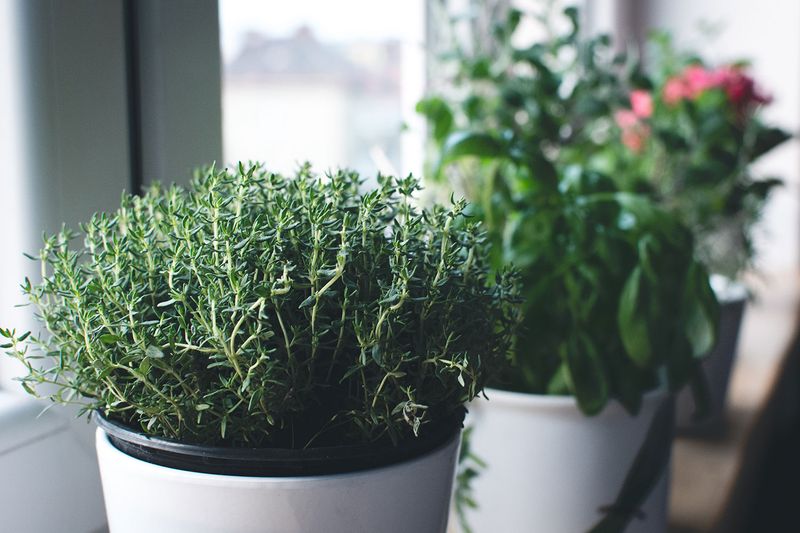
Tough as old boots, thyme is the herb that forgives your mistakes. Its tiny leaves lose very little water, so it shrugs off dry indoor air better than most of its neighbors.
Pot it in a gritty, well-draining mix with a good drainage hole. Let the soil dry slightly between waterings, since thyme sulks in soggy soil far faster than in dry soil.
A bright south window is perfect.
Snip sprigs often for soups and roasts. Regular trimming keeps the plant bushy instead of woody and sprawling.
5. Oregano
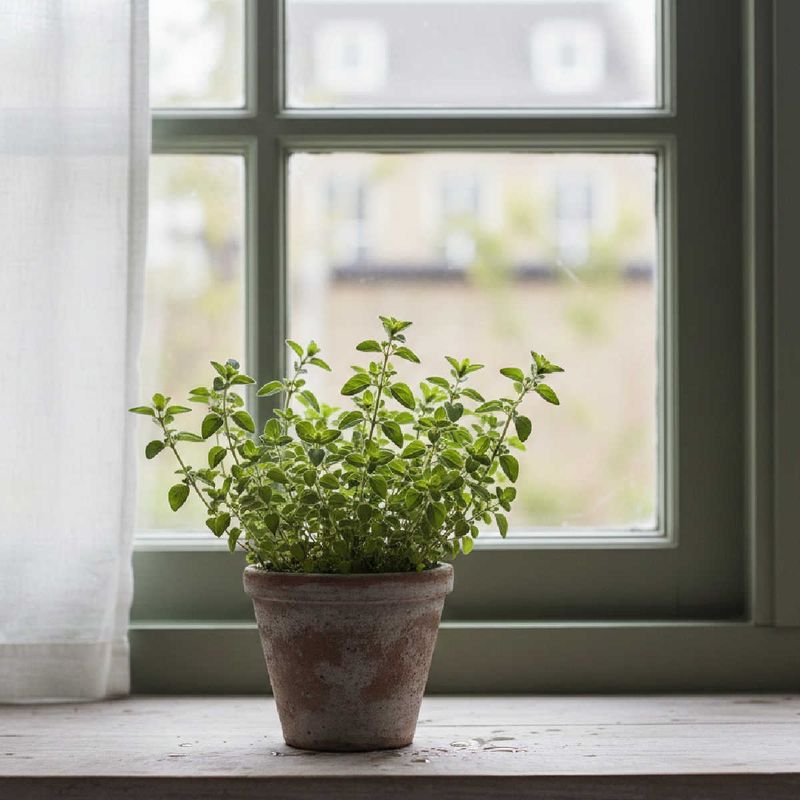
Here is a little secret: you do not have to bring your whole oregano patch inside. Dig up a small clump, pot it, and leave the rest in the garden, where it usually comes back on its own.
Before you lift it, give the outdoor plant a good harvest. Drying those cuttings means you lose nothing, and the smaller division settles indoors more easily.
Use fresh potting mix, never heavy garden soil.
Oregano tolerates cool rooms as long as drainage is good. Give it your brightest window and water when the top inch of soil is dry.
Pinch the tips often, and it will keep sending out fresh, flavorful leaves all winter.
Fun fact: oregano usually tastes stronger when it grows a little lean, so go easy on fertilizer.
6. Sage
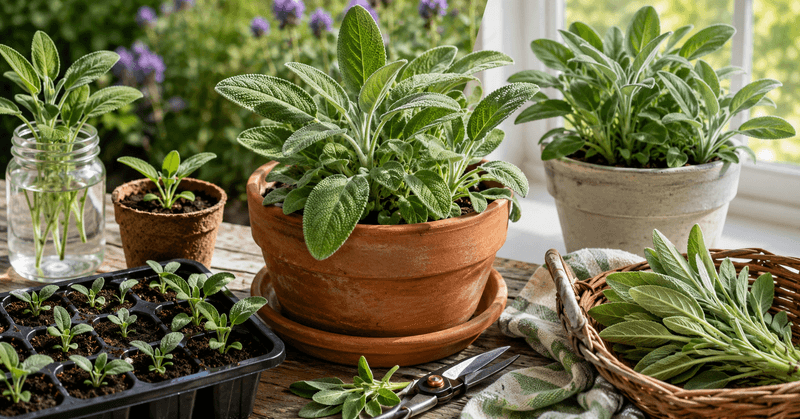
Thanksgiving stuffing tastes so much better with sage you grew yourself. Lucky for you, this fuzzy-leaved perennial can keep going indoors well past the holidays.
Sage wants bright light and evenly moist, not wet, soil. A south window works best, and a grow light can help on cloudy stretches.
Those soft leaves can hide trouble, so look closely.
Mites and whiteflies are the main pests to watch for. Inspect the plant before it comes inside and every week after.
If you find them, insecticidal soap or horticultural oil can help knock the numbers down.
7. Chives
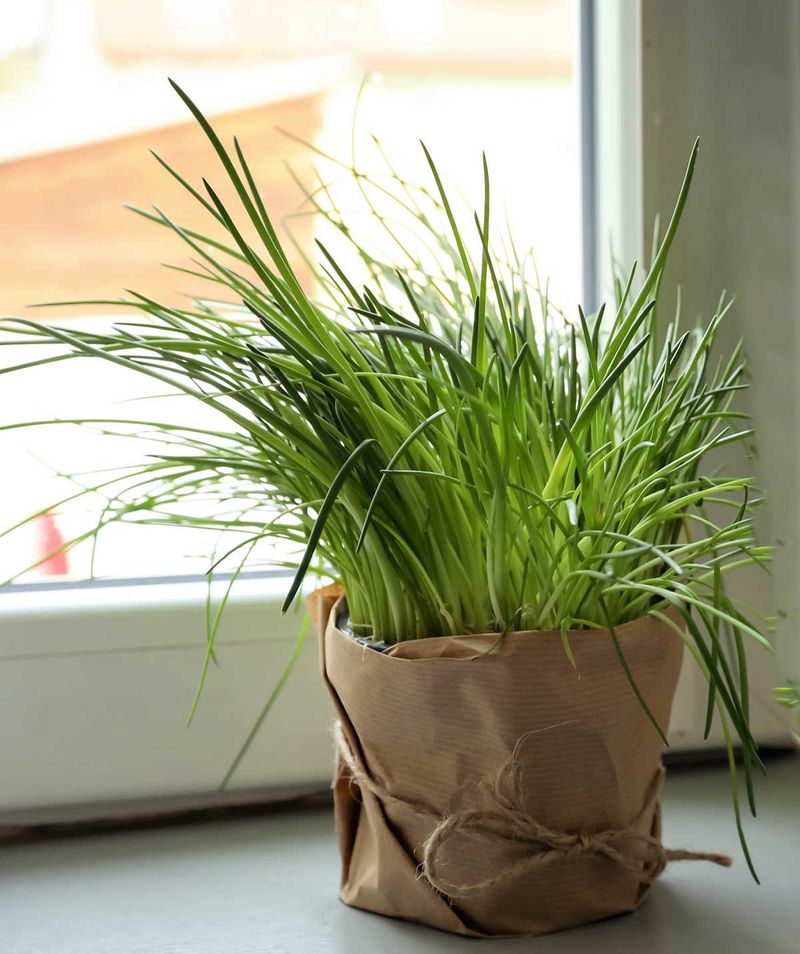
Small window? Not much sun?
Chives might be your best friend this winter. They fit in tiny pots, handle cooler rooms, and grow with only moderate light.
Pot up a clump from the garden or buy a starter plant. Keep the soil lightly moist and give it a spot by any reasonably bright window.
Cut the stems about an inch above the soil, and they will grow right back.
Some gardeners leave a potted clump outside in the cold for a few weeks first. That brief chill can wake the plant up, so it sprouts fresh growth once you bring it in.
Sprinkle the harvest over eggs, potatoes, or soup all winter long.
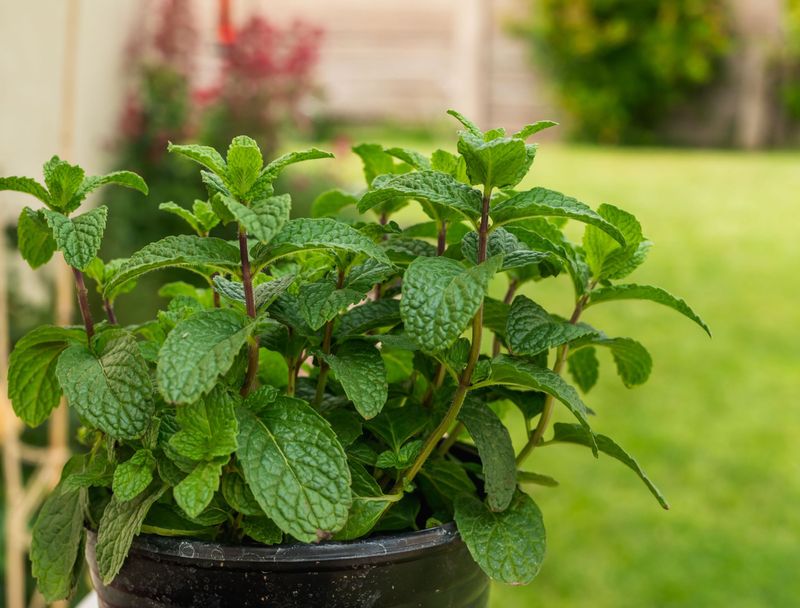
8. Mint
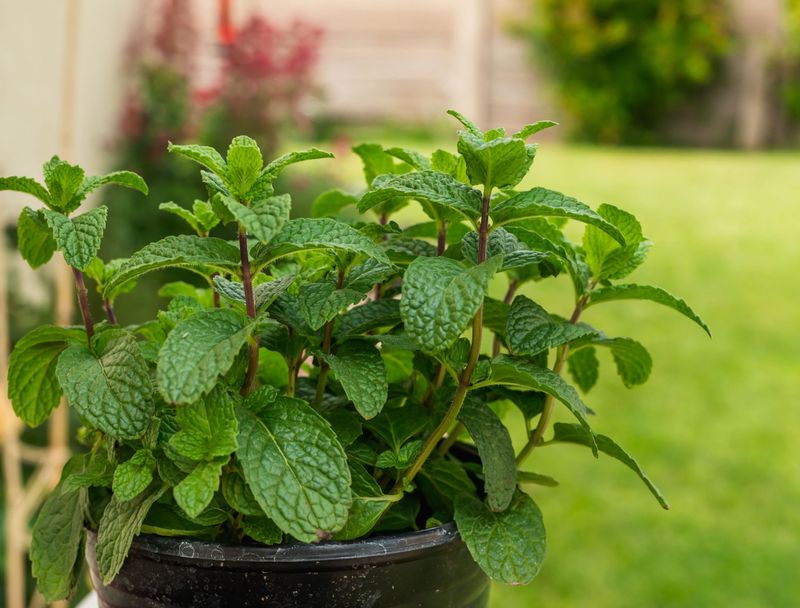
Mint has never met a boundary it respects. Plant it with anything else, and within weeks it will try to take over the whole pot.
Give it a container all to itself, and that wild energy becomes a gift. Indoor mint grows fast, even in winter, so you can make tea, mojitos, or fruit salad whenever you like.
It handles moderate light better than many herbs.
Keep the soil a bit more moist than you would for rosemary or thyme. Mint drinks more than its Mediterranean cousins.
Harvest often to keep it full and stop it from getting leggy.
9. Parsley
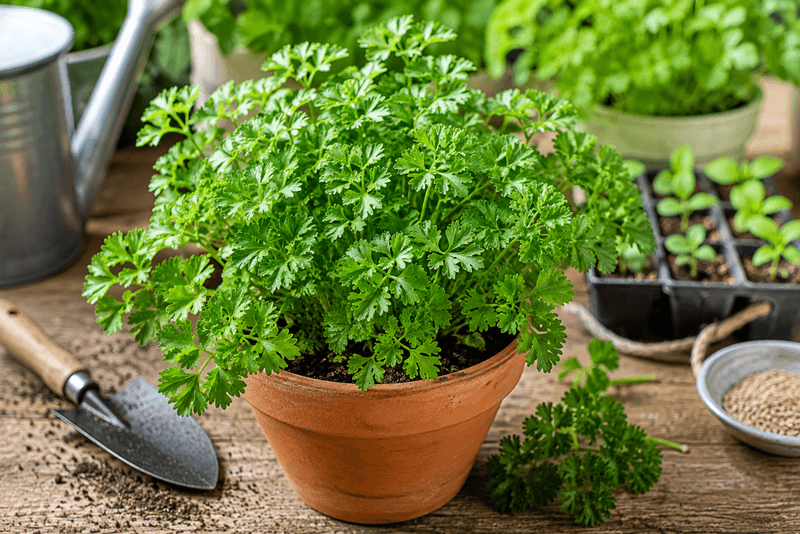
Grandma probably kept a pot of parsley by the sink, and she had the right idea. It is one of the steadiest growers you can keep indoors when the days get short.
Parsley tolerates cooler rooms and grows well with moderate light. It has a long taproot, so choose a deep pot.
Digging up an old garden plant can damage that root, so starting fresh plants or seeds often works better.
Water when the top inch of soil feels dry. Harvest outer stems first and let the center keep growing.
If you are cutting often, a half-strength feeding now and then can keep the leaves coming.
10. Basil
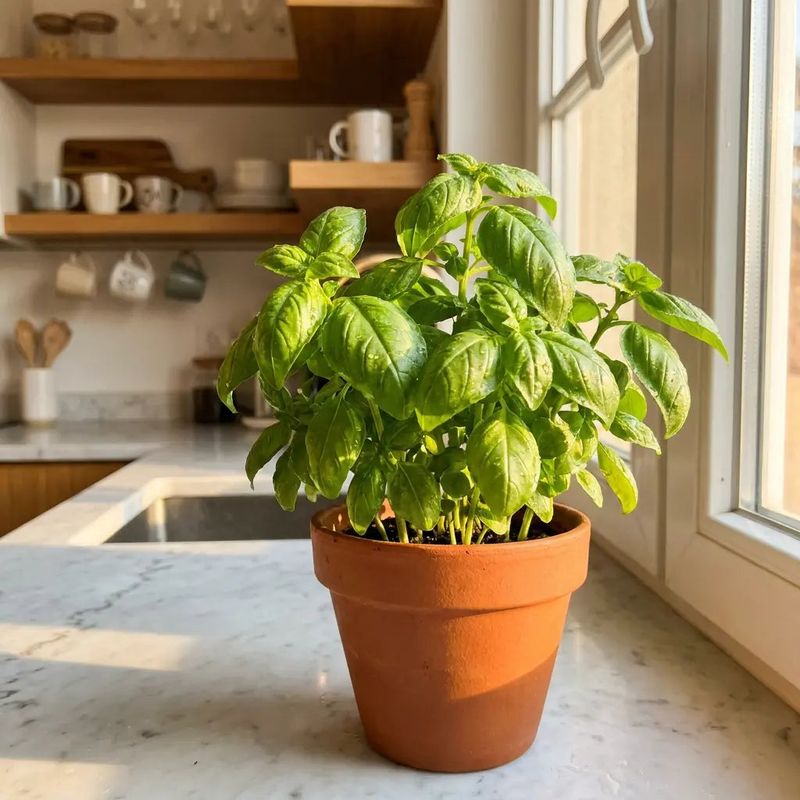
Basil is the drama queen of this list, and honesty matters here. It is not a cool-room herb like rosemary or bay.
Cold glass and chilly drafts can turn its leaves black almost overnight.
To keep basil going, find your warmest sunny spot, away from cold windowpanes at night. It needs bright light, and a grow light makes a huge difference during gray months.
Keep the soil evenly moist but never soggy.
Harvest regularly by pinching just above a pair of leaves. That pushes the plant to branch out instead of flowering.
Once basil blooms, its leaf production slows down fast.
If your plant still struggles, take cuttings and root them in a glass of water. Fresh young plants often handle indoor life better than tired summer ones.
11. Dill and Cilantro
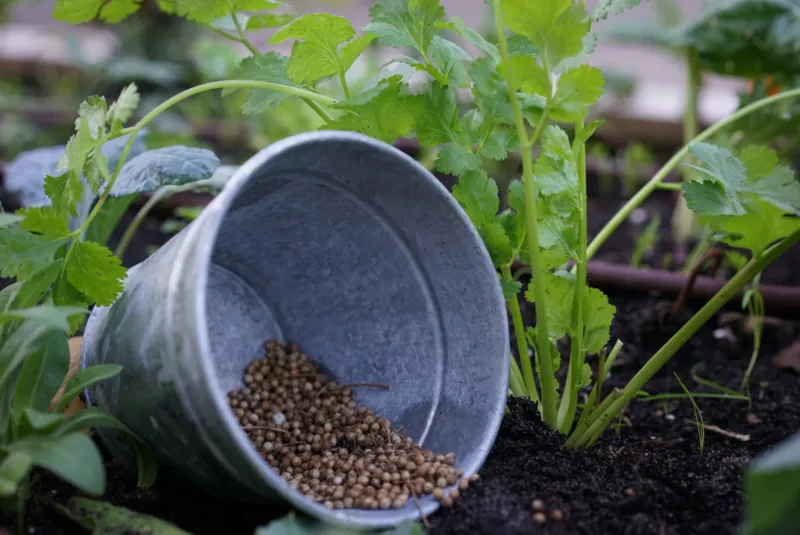
Some herbs hate being moved, and dill and cilantro are the classic example. Both grow long taproots that sulk when disturbed, so digging them up from the garden rarely works.
The fix is simple and cheap: start them from seed right on your windowsill. Cilantro can be ready to snip within a few weeks of sprouting.
Dill grows easily too, sending up soft, feathery fronds for fish and pickles.
Sow a new pot every few weeks for a steady supply all winter. Give them bright light and keep the soil lightly moist.
A cool room actually helps cilantro, since heat pushes it to bolt and go to seed.