
Beets Planted This Fall Stay Small Because Of These 13 Mistakes Most Gardeners Make
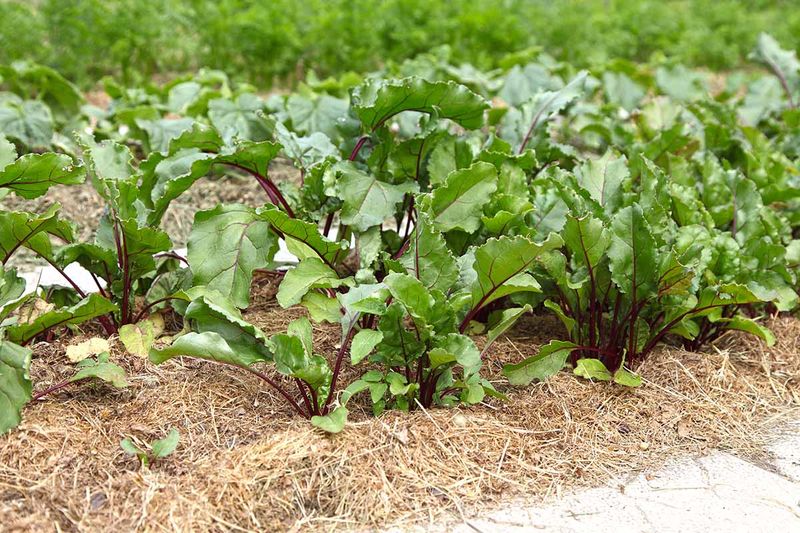
You pull up a fall beet expecting a fat, round root, and out comes something the size of a marble. That letdown happens to a lot of backyard growers, and it usually comes down to a few simple slip-ups.
Fall beets can be some of the sweetest you will ever grow, but they have less time and less sunlight to work with. Here are the 13 mistakes that keep beets tiny, plus easy fixes you can start using right away.
1. Planting Too Late in the Season
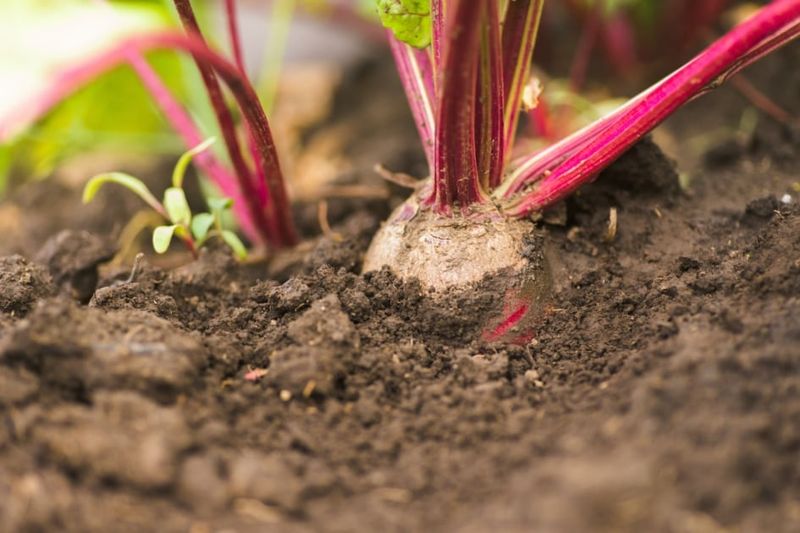
Picture a beet racing against the calendar and losing. That is exactly what happens when seeds go in just a few weeks before frost.
The plant spends its short life making leaves and never gets around to building a real root.
Beets usually need 55 to 60 days to mature, but fall can stretch that to 75 days because daylight keeps shrinking. Shorter days mean less energy for the plant, so everything slows down.
The fix is simple math. Find your average first frost date, then count back at least 4 to 6 weeks before that for planting, and add extra time if your variety is a slower one.
Fast types like Early Wonder or Detroit Dark Red give you a better shot when you are cutting it close.
2. Skipping the Thinning Step
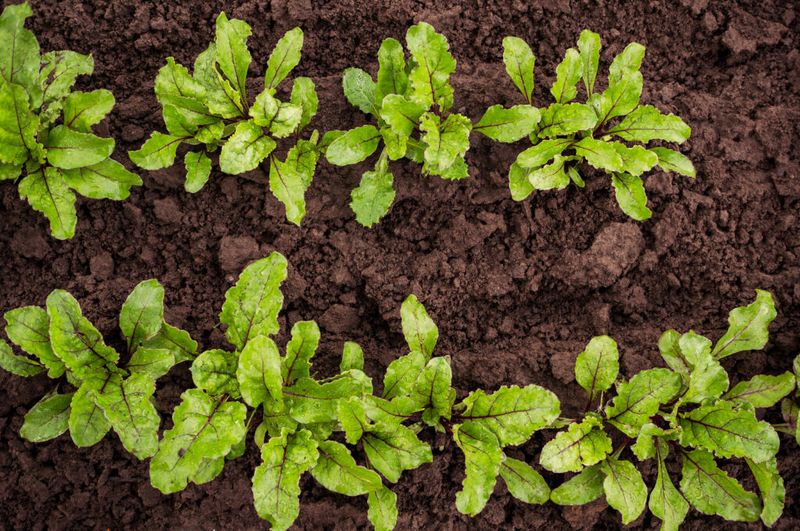
Here is a fun fact that surprises many gardeners: one beet seed is not really one seed. Each wrinkly little ball is a cluster holding 2 to 5 seeds, so several sprouts pop up in the same spot.
Leave them all, and they fight over water, food, and room. The result is a row of pencil-thin roots that never fill out.
Once the seedlings are a few inches tall, thin them to 2 to 4 inches apart. Snip the extras at soil level with scissors instead of pulling, which keeps the roots of the keepers from being disturbed.
Bonus: those thinnings make a tasty addition to salads.
3. Growing in Compacted or Heavy Clay Soil
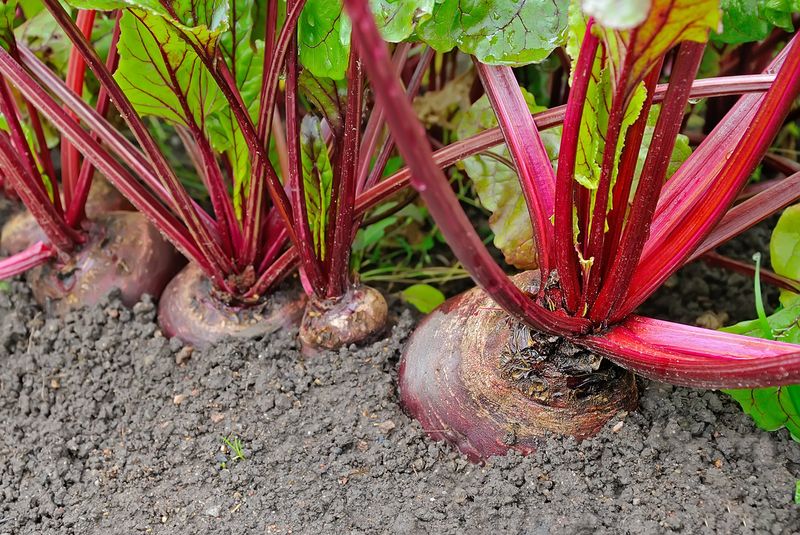
Try squeezing a fist through a brick wall, and you will understand how a beet feels in packed clay. Roots need loose ground to swell, and hard soil simply pushes back.
In heavy or rocky beds, beets often come out small, twisted, or forked. They spend their energy pushing instead of growing.
Before planting, loosen the bed at least 8 to 12 inches deep and mix in plenty of compost or aged manure. If your yard is mostly clay, a raised bed filled with a light soil mix can be a real game changer for root crops.
4. Watering on a Feast-or-Famine Schedule
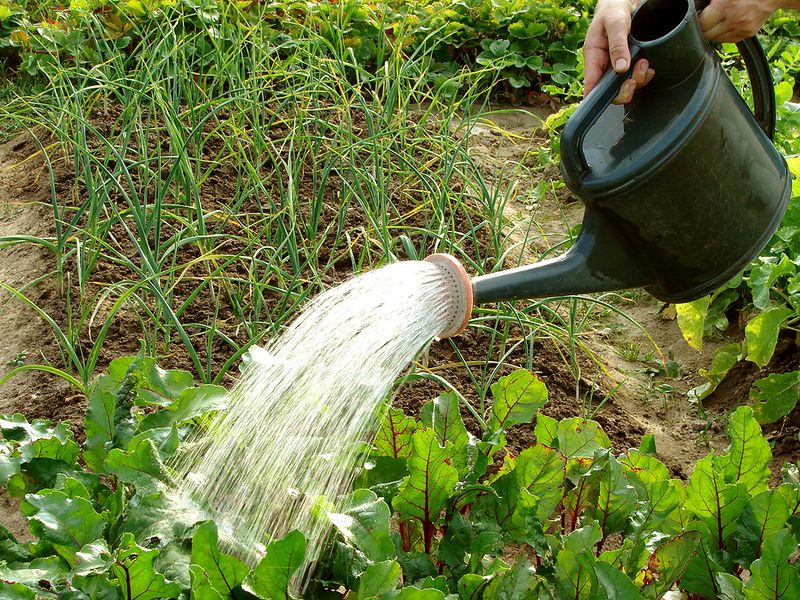
Cool fall air tricks a lot of us into forgetting the hose. A week goes by, the soil dries out, and then a big soak tries to make up for it.
Beets hate that roller coaster. Dry spells stress them and stall root growth, while sudden heavy watering after drought can cause roots to crack, split, or turn woody.
Aim for about one inch of water per week, counting rain. Stick a finger into the soil, and if it feels dry an inch down, it is time to water.
A cheap rain gauge takes the guessing out of it.
5. Choosing a Spot Without Enough Sun
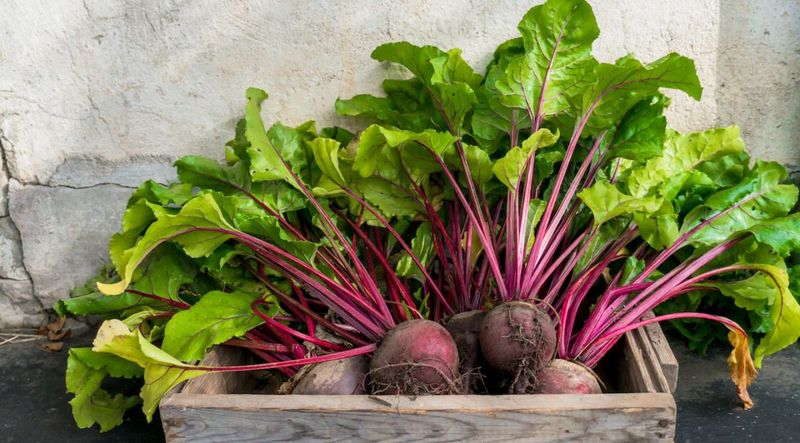
Sunlight is basically the fuel tank for a beet. In fall, the sun sits lower in the sky, and shadows from fences, sheds, and houses grow longer every week.
A spot that got plenty of light in June may be shady by October. Beets grown in too much shade tend to have leggy, pale tops and slow, small roots.
Give your fall beets at least six hours of direct sun each day. Walk your yard in the afternoon and notice where the shadows land now, not where they fell in summer.
6. Feeding Too Much Nitrogen
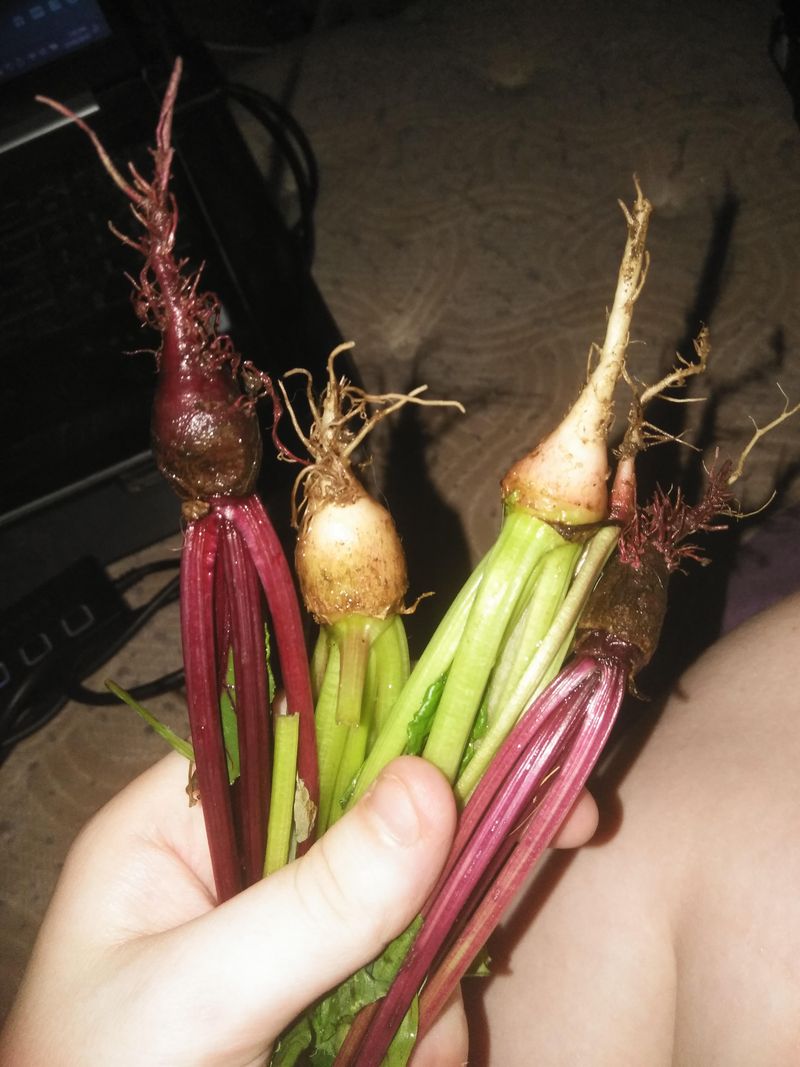
Gorgeous, bushy beet greens can actually be a warning sign. If the tops look amazing but the roots stay tiny, extra nitrogen may be the culprit.
Nitrogen pushes leafy growth. Lawn fertilizer or heavy doses of high-nitrogen plant food tell your beets to grow salad instead of roots.
Choose a balanced fertilizer, or one a little higher in phosphorus and potassium, since those nutrients support root development. Go easy on fresh manure too.
A modest dose of compost at planting often does the job.
7. Overlooking Boron Deficiency
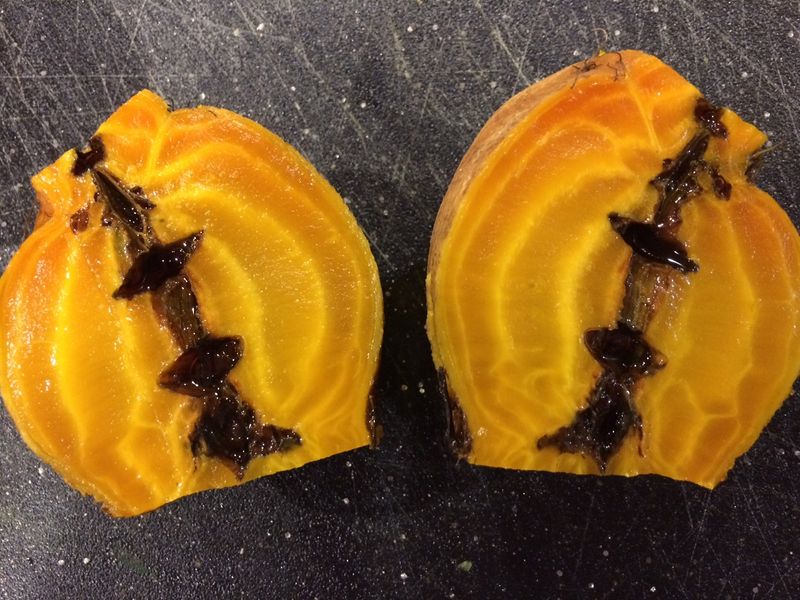
Ever cut open a beet and found black spots or a hollow middle? That odd surprise often points to boron, a tiny nutrient that beets crave more than most vegetables.
Without enough boron, roots can stay stunted, develop brown or black corky patches inside, or crack in the center. Leaves may also turn yellow or twisted.
A soil test is the safest first step, because too much boron can harm plants. If a shortage shows up, a very light application of a boron source like borax, following extension guidelines, may help.
Adding compost regularly can also reduce the chances of trouble.
8. Ignoring Soil pH
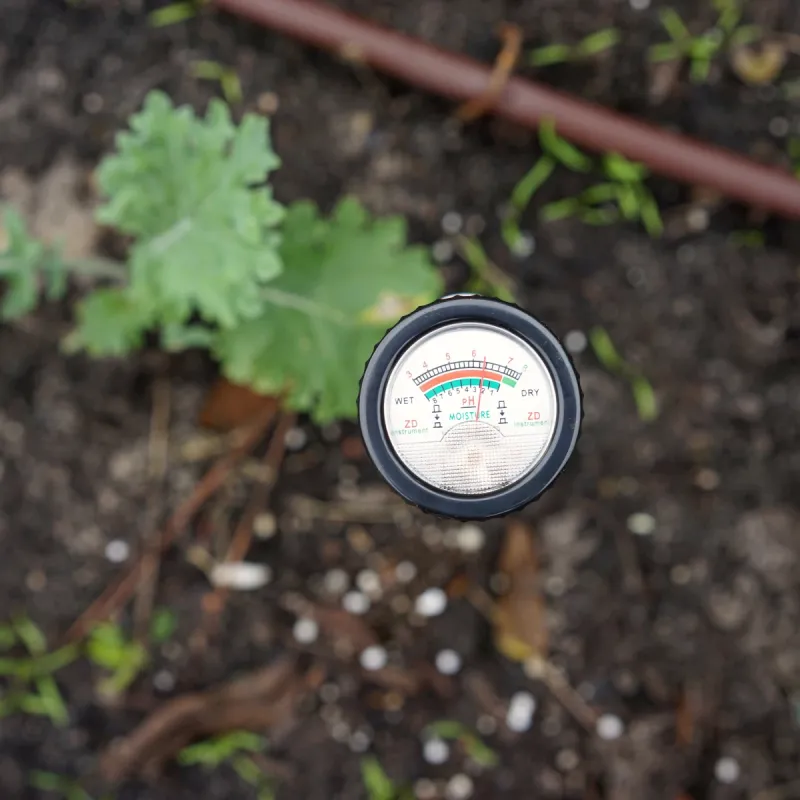
Soil pH sounds like a chemistry class topic, but it quietly controls how well your beets can eat. When the soil is too acidic, nutrients get locked away even if they are right there.
Beets grow best when the pH sits between about 6.0 and 7.0. In more acidic soil, growth can stall and leaves may look pale and weak.
Grab an inexpensive home kit or send a sample to your local extension office. If the reading comes back low, garden lime worked into the soil can gently raise it over time.
9. Sowing Seeds at the Wrong Depth
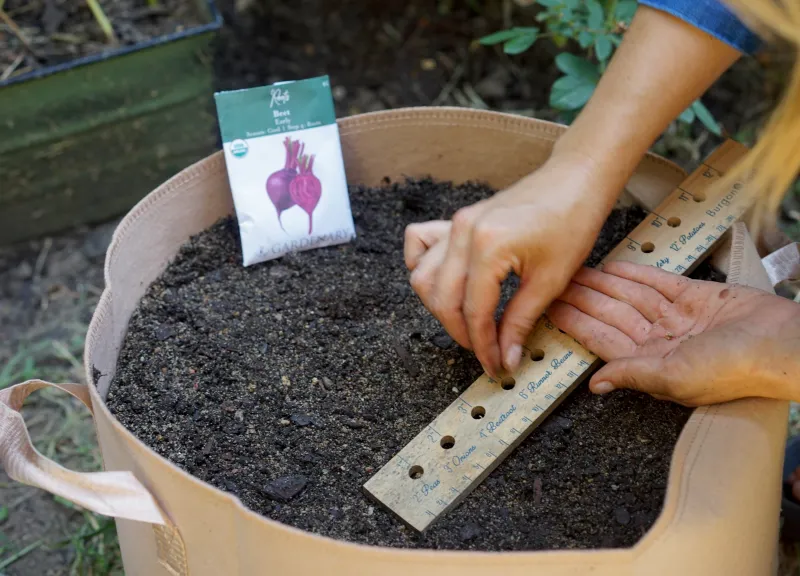
Half an inch. That is the sweet spot, and it is easy to miss when you are sowing quickly on a breezy fall afternoon.
Bury seeds too deep, and they may run out of energy before reaching the surface. Plant them too shallow, and they can dry out or wash away in the first heavy rain, leaving gaps and a late, uneven crop.
Make a shallow furrow with the edge of a hoe or your finger, drop the seeds in, and cover lightly. Soaking seeds in water for a few hours before planting can help them sprout faster too.
10. Letting Weeds Move In
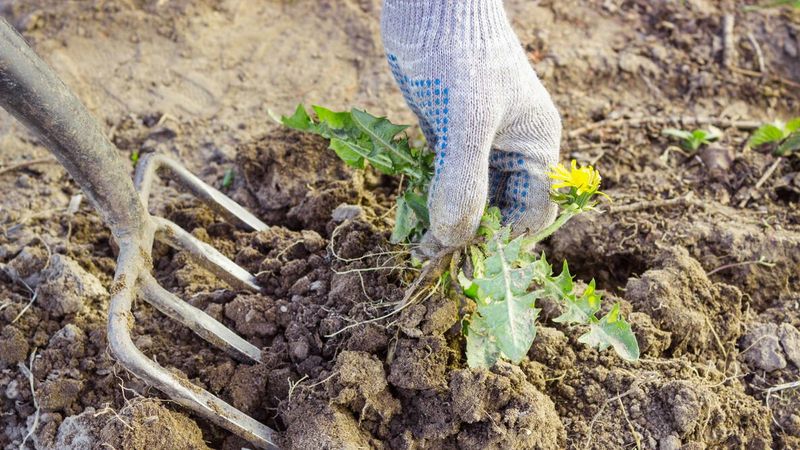
Weeds are sneaky little thieves. They grow fast, steal water and food, and shade out young beets before you even notice.
Fall weeds like chickweed and henbit can pop up quickly once temperatures cool. Young beet seedlings are slow starters, so they lose that race easily.
Spend five minutes pulling weeds every few days, especially in the first month. Work gently near the beets, since their shallow young roots are easy to disturb.
A small hand tool makes the chore quick and painless.
11. Leaving Soil Bare Without Mulch
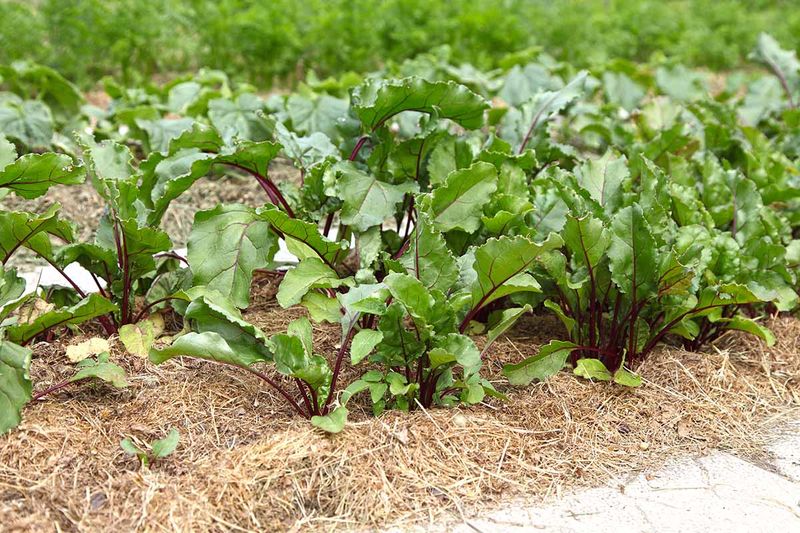
Bare soil in fall swings wildly, warm one afternoon and chilly the next night. Beets prefer a steadier home, and mulch gives them one.
A layer of straw, shredded leaves, or grass clippings keeps moisture from escaping and blocks many weeds. It also helps keep soil cooler during warm early fall days and a bit warmer as frosts arrive.
Once seedlings are a few inches tall, spread about two inches of mulch around them. Shredded fall leaves from your own yard work great and cost nothing.
12. Planting Too Close to Trees
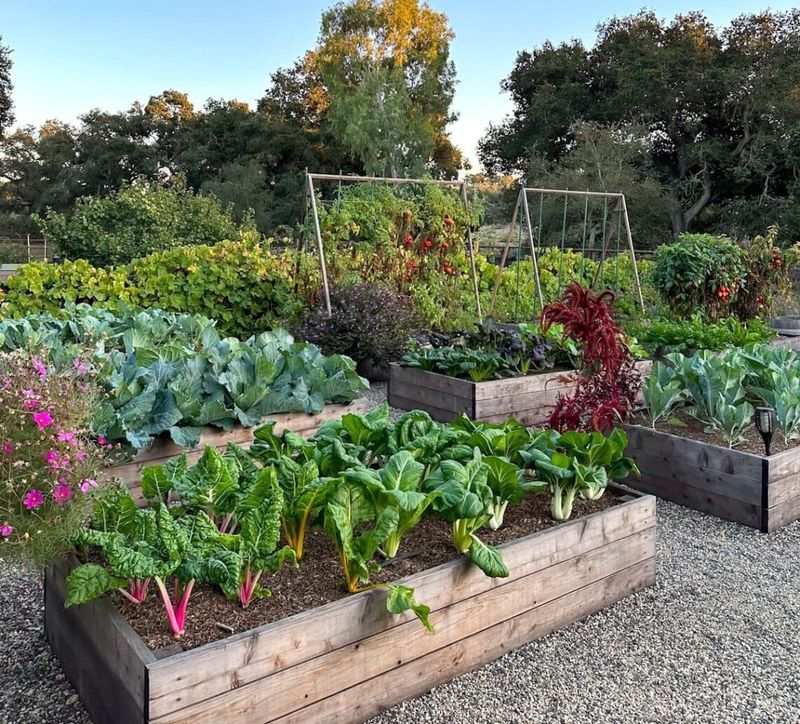
That cozy spot under the maple might look perfect, but there is a hidden battle going on underground. Tree roots reach far and drink deeply.
Beet roots can stretch surprisingly far down, sometimes 36 to 48 inches. When they bump into tree roots, they compete for water and nutrients and usually lose.
Keep beet beds well away from trees, shrubs, and large hedges. If space is tight, a raised bed with a barrier underneath can help keep thirsty tree roots out.
13. Picking Too Many Greens Too Early
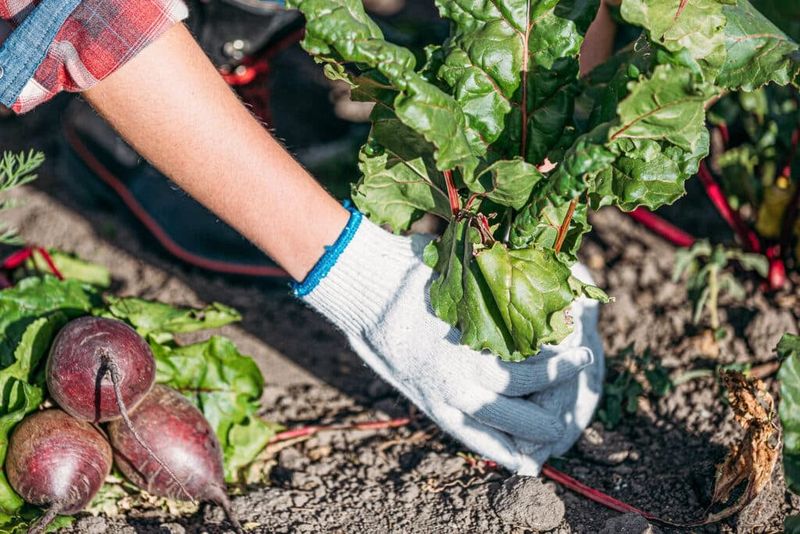
Beet greens are tasty, and grabbing a handful for dinner feels like a free bonus. The trouble starts when young plants lose too many leaves.
Those leaves are solar panels. They make the energy the root needs to grow, so stripping them early leaves your beet running on empty.
Wait until plants are well established, then take only one or two outer leaves per plant at a time. Leave the center growing, and you will enjoy both greens and a full-sized root.
If greens are your main goal, plant a separate row just for them.