
These Underrated North Carolina Native Trees Stay Small Enough For Any Yard And Look Good Every Season
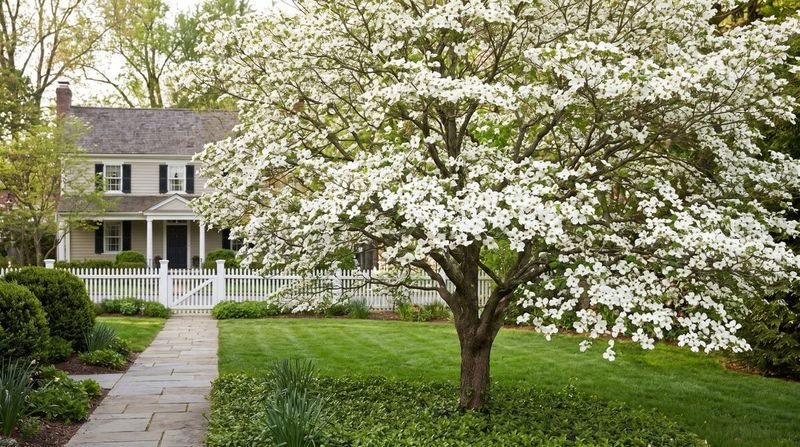
Not every yard has room for a giant oak, but almost every yard has room for a small native tree. North Carolina is home to compact trees that bloom in spring, shade you in summer, glow in fall, and still look sharp in winter.
They also feed the birds, bees, and butterflies you love seeing out the window. Here are ten that deserve a spot in your patch of the Tar Heel State.
1. Eastern Redbud
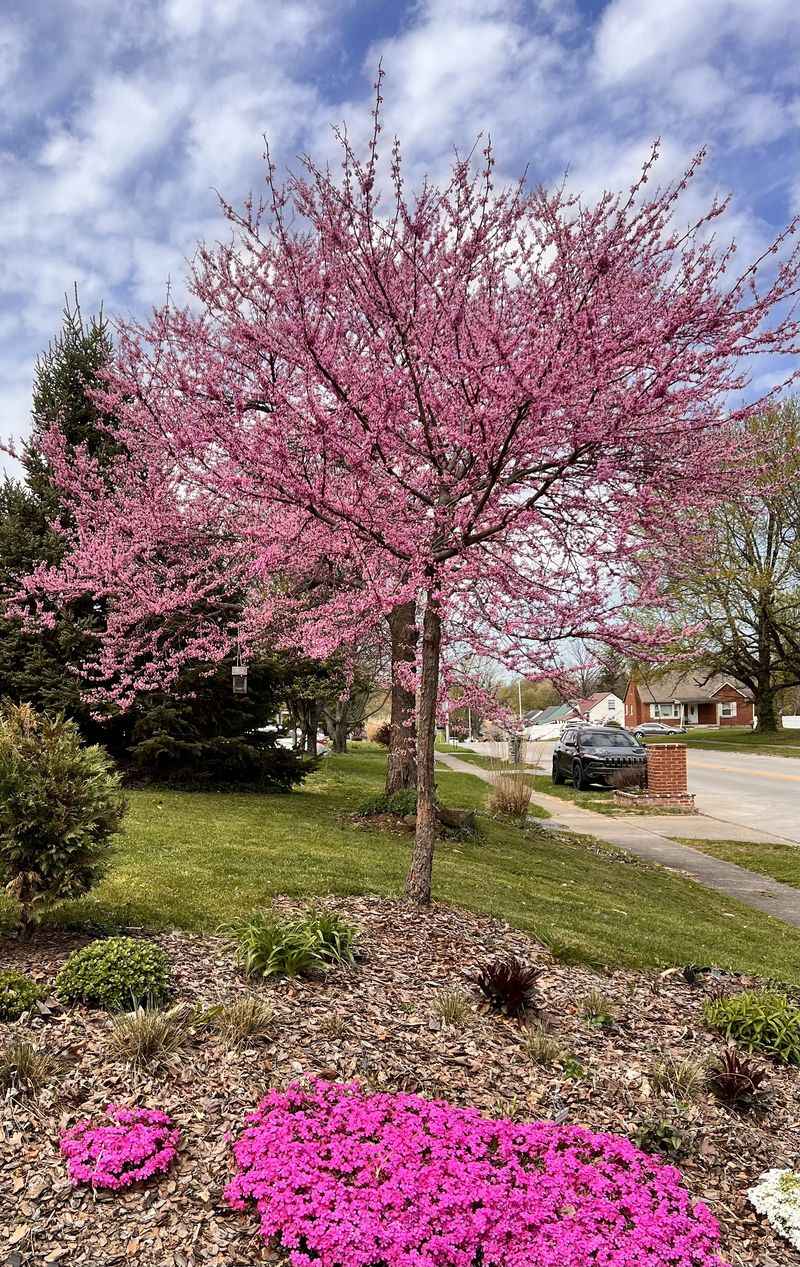
Before most trees have even thought about waking up, redbud is already throwing a party. Tiny pink-lavender blossoms pop straight out of the bare bark in March, and early bees treat them like the first open diner on the road.
The heart-shaped leaves that follow host over 20 kinds of native caterpillars. Those caterpillars become baby food for nesting songbirds like Carolina chickadees, so one tree quietly feeds a whole brood.
In fall the leaves turn butter yellow, and the zigzag branches look striking against a winter sky.
Redbud usually tops out around 20 to 30 feet with roots that behave near patios. It shrugs off Piedmont clay and dry spells too.
If you have a Bradford pear, redbud is the swap to make, since that invasive pear spreads into fields and woods and offers wildlife very little.
2. Serviceberry
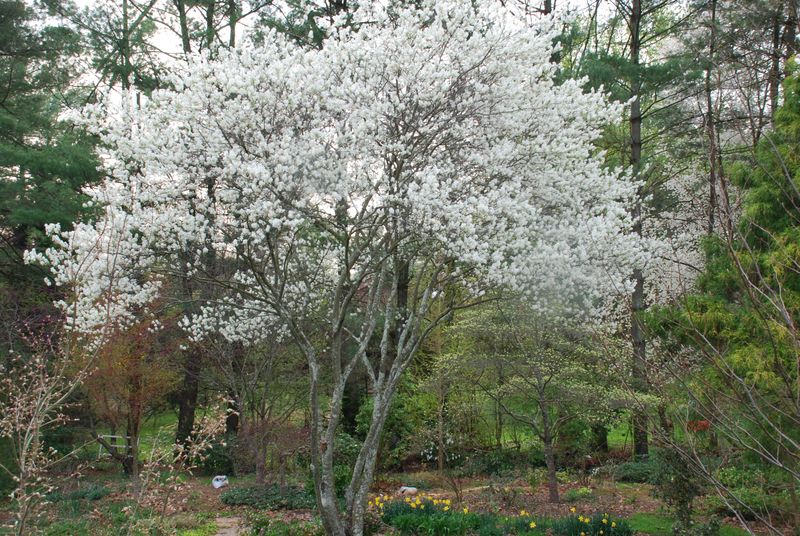
Ask a cedar waxwing about serviceberry and it would probably just keep eating. When the red-purple berries ripen in early summer, flocks show up fast, and you might want to grab a handful yourself since they taste a bit like blueberries.
Spring opens with clouds of delicate white flowers. Fall finishes with leaves in orange and red, and winter shows off smooth gray bark.
At 15 to 25 feet, serviceberry casts light, dappled shade, so it works well beside a bench or seating nook. Its roots are well-mannered enough for spots near the house.
Try one as the backdrop for a bed of native perennials like coneflower and bee balm.
3. Fringe Tree
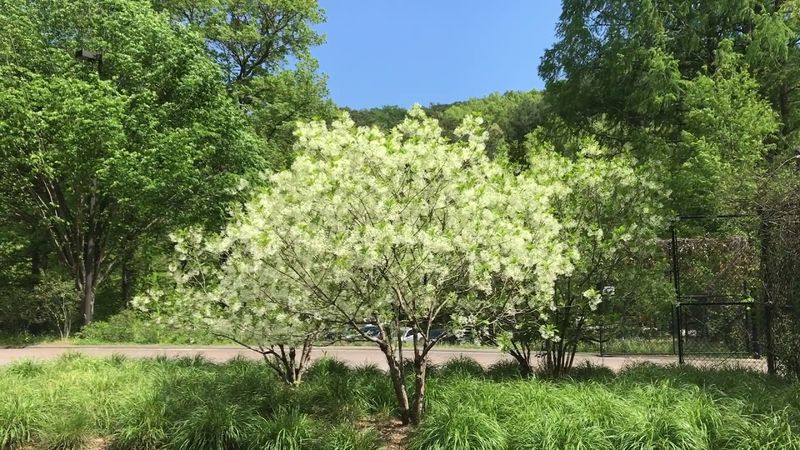
Old-timers in the South called it Grancy Graybeard, and one look in May explains why. The whole tree drips with frothy white flowers that look like a wizard’s beard, and the sweet fragrance drifts across the yard on warm evenings.
Fringe tree is one of the most overlooked natives in North Carolina nurseries, which is a real shame. It stays under about 20 feet, needs almost no fuss, and handles city lots as well as country ones.
Female trees produce blue-black fruit in late summer that catbirds and mockingbirds happily gobble up. Plant one near a front walk or patio where you can enjoy the scent up close.
Its compact roots make close quarters no problem.
4. American Hornbeam
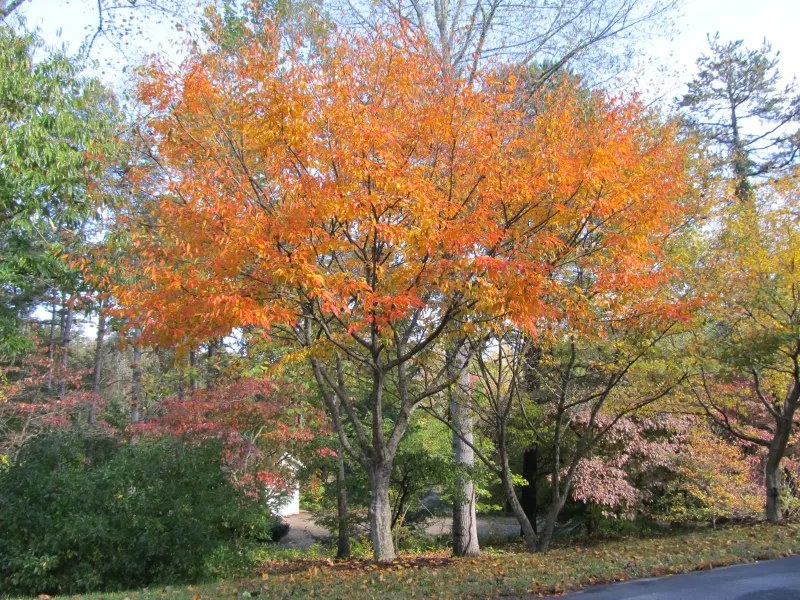
Got a backyard so shady that grass gives up? American hornbeam laughs at that.
It grew up under big oaks and pines in North Carolina woods, so heavy shade feels like home.
Run your hand along the trunk and you will see where the nickname Musclewood comes from. The smooth gray bark ripples like a flexed arm, and it stays interesting all year, even after the golden-orange fall leaves drop.
Here is a stat worth bragging about: hornbeam hosts about 68 species of caterpillars. That makes it a buffet for chickadees raising chicks.
Its small nuts feed songbirds and turkeys, and its deep roots will not crack your sidewalk.
Wet, low spots suit it too, so consider it for a rain garden edge.
5. Sweetbay Magnolia
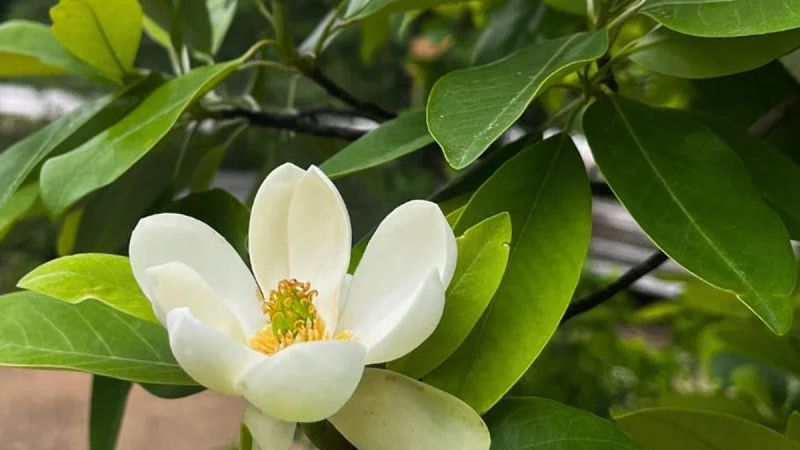
Love the Southern magnolia but not its habit of swallowing half the yard? Meet its slimmer, sweeter cousin.
Sweetbay magnolia usually stays 10 to 20 feet tall. From late spring into summer it opens creamy white flowers with a lemony scent, and when the wind blows, the leaves flip to show silvery undersides.
In milder parts of the state, especially the Coastal Plain, it keeps many leaves through winter.
Soggy soil does not bother it at all, making it a hero for rain gardens and wet corners. It hosts Eastern tiger swallowtail caterpillars, and in fall its bright red seeds pull in blue jays, towhees, and flickers.
Noninvasive roots mean it can live closer to the house than you might expect.
6. Yaupon Holly
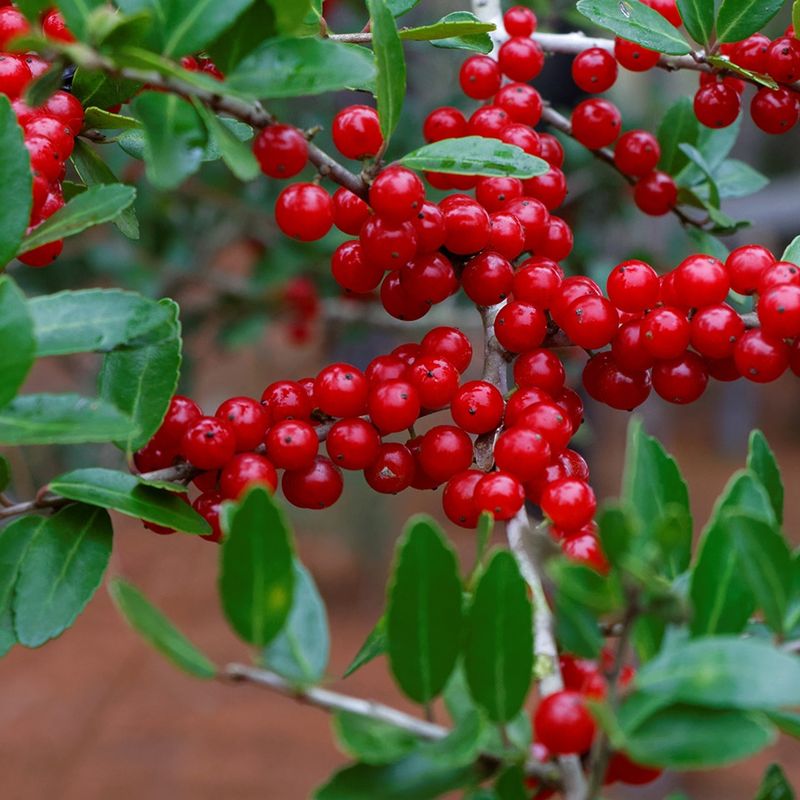
Winter is hungry season for birds, and yaupon holly runs the soup kitchen. Female plants hold bright red berries well into the cold months, right when bluebirds, mockingbirds, and cedar waxwings need them most.
Fun bit of history: yaupon is the only native North American plant with caffeine. Native peoples brewed its leaves into tea long before coffee arrived.
Trained as a small tree, it reaches about 12 to 20 feet with a tidy evergreen look all year. It handles salt spray, sand, drought, and Piedmont clay with zero complaints, and deer tend to leave it alone.
Use it as a living screen in place of invasive privet or Chinese hollies. Just plant a male nearby if you want berries.
7. Flowering Dogwood
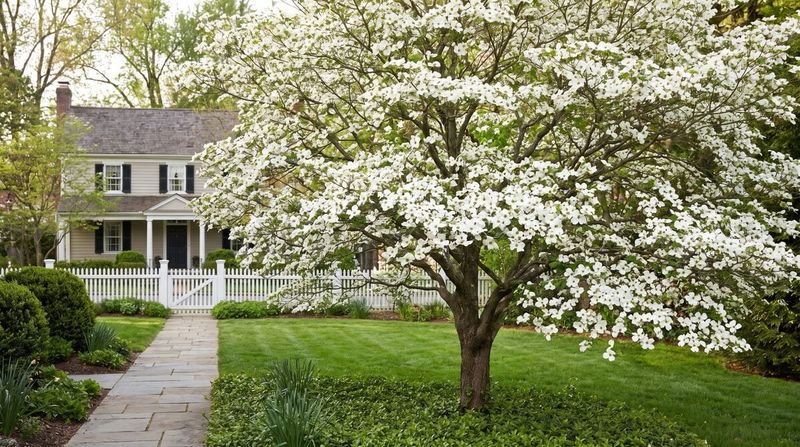
Few sights say home to a North Carolinian like a dogwood in April. It is our state tree and state flower, after all, and it earns that honor every single season.
Those white blooms are actually bracts surrounding tiny true flowers. By fall, the leaves turn deep red and clusters of glossy red fruit appear.
Migrating thrushes and robins depend on that fat-rich fruit to fuel their trips south.
Dogwoods like the edge of a woodland, so give yours morning sun, afternoon shade, and well-drained soil. They usually stay 15 to 25 feet.
Skip planting the non-native kousa if you want to help local birds most, since our native version feeds far more wildlife.
8. Pawpaw
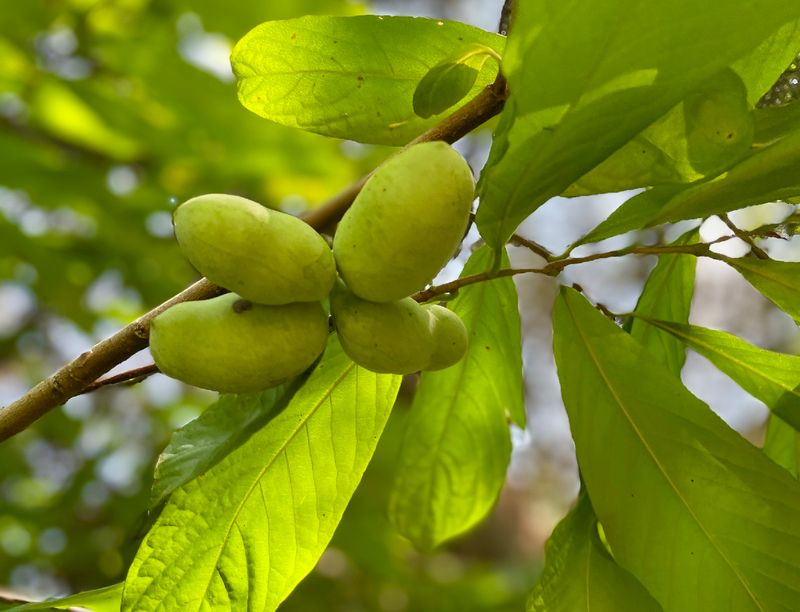
Picture a fruit that tastes like banana, mango, and custard all at once, growing wild in North Carolina. That is the pawpaw, and most neighbors have never tasted one.
Big drooping leaves give this small tree, usually 15 to 25 feet, an almost tropical look. Maroon flowers appear in early spring, and the fruit ripens in late summer.
Leaves turn a clear gold in fall.
Pawpaw is the only host plant for the zebra swallowtail butterfly, so planting one may bring those striped beauties to your yard. It grows well in partial shade and moist soil.
Plant two different trees for better fruit, and enjoy the fact that deer rarely bother it.
9. Carolina Silverbell
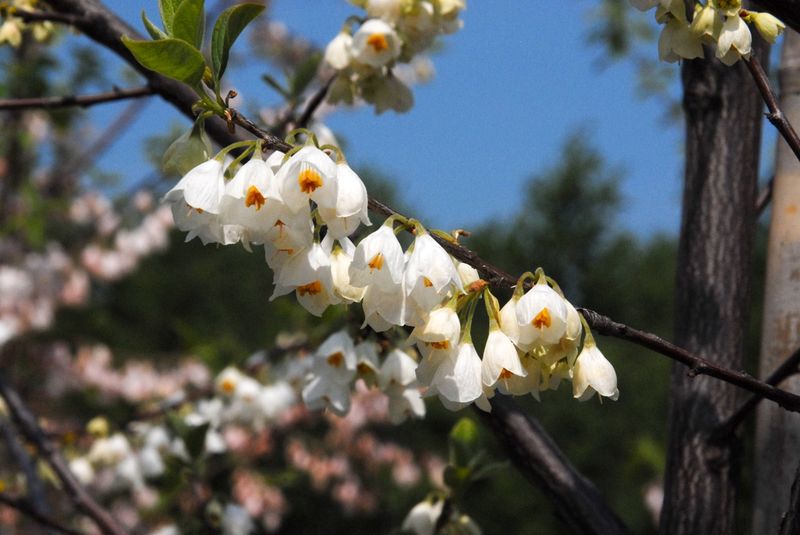
Walk under a Carolina silverbell in April and you will feel like you stepped into a fairy tale. Hundreds of little white bells dangle along every branch, swaying in the breeze.
Native to the Blue Ridge and mountain coves, silverbell is a real treat for western North Carolina gardeners, though it also grows in the Piedmont with some afternoon shade. In the yard it often stays around 20 to 30 feet.
The flowers draw early native bees, and squirrels nibble the odd four-winged seed pods later on.
Fall brings soft yellow leaves, and winter shows striped bark. Give it rich, moist, slightly acidic soil and it will reward you for decades.
10. Possumhaw
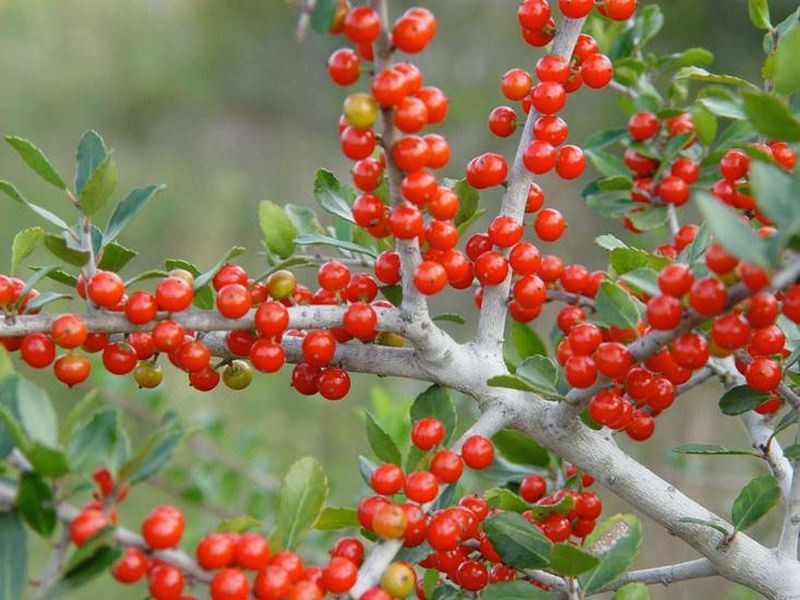
Most trees fade into the background in January. Possumhaw saves its showstopper moment for exactly then.
This deciduous native holly drops its leaves in fall, revealing branches packed with bright red or orange berries. Against gray winter skies, it practically glows.
Hermit thrushes, bluebirds, and robins pick at the fruit through the coldest weeks, which makes it a lifeline for overwintering birds.
It usually stays 15 to 20 feet and tolerates both wet and dry soils, clay, and partial shade. Its small spring flowers feed native bees too.
As with yaupon, you need a male plant nearby for the females to fruit. Swap it in for invasive nandina, whose berries can actually be toxic to birds.