
These North Carolina Native Edging Plants Line Your Walkway Better Than Liriope Ever Did
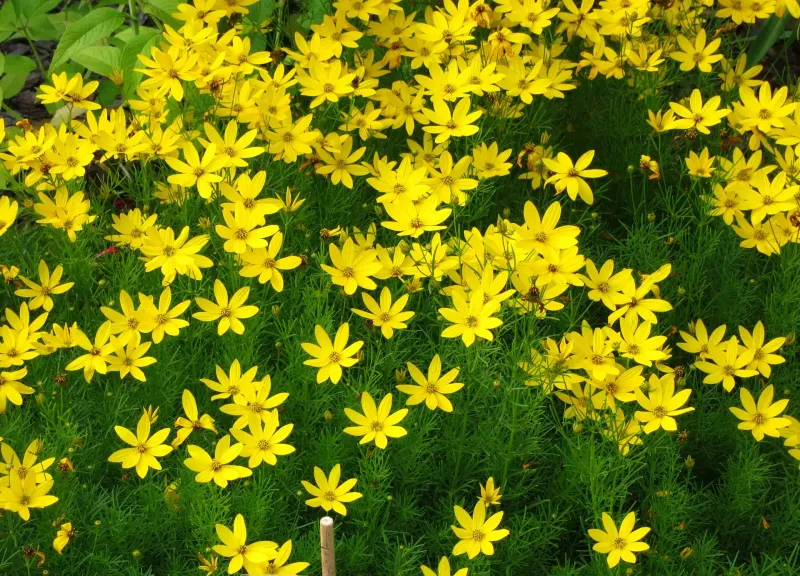
That neat row of monkey grass along your front walk is hiding a problem. Liriope spreads into nearby woods, crowds out plants that belong here, and gives almost nothing back to the bees, birds, and box turtles living in your yard.
The good news is that North Carolina has its own edging plants that look just as tidy and actually feed and shelter local wildlife. Here are ten native picks for sunny and shady paths, so you can swap out the lilyturf this season and feel good every time you walk to your door.
1. Green and Gold (Chrysogonum virginianum)
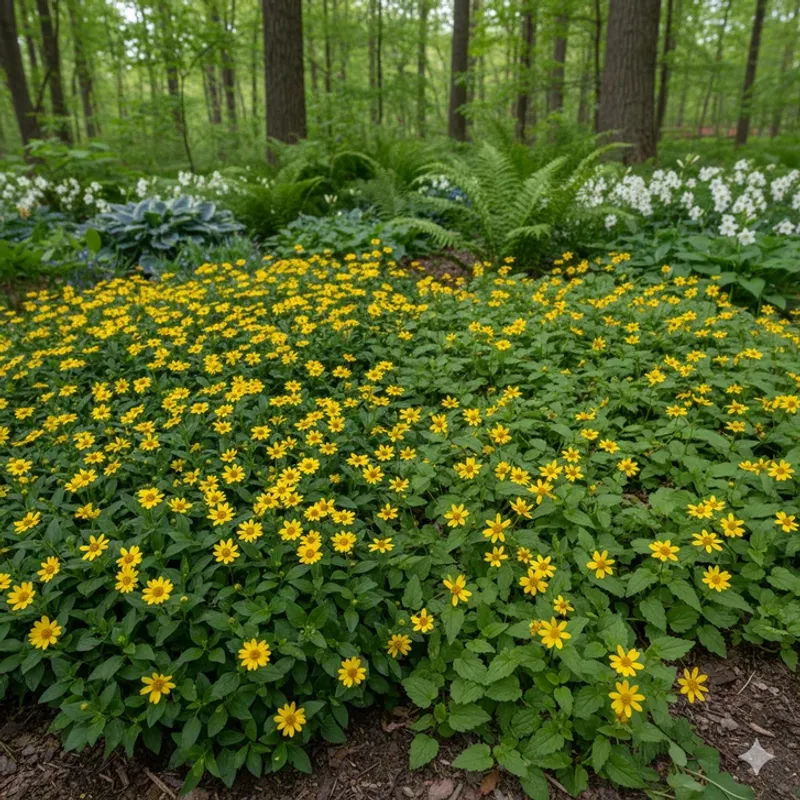
If you want one plant to take Liriope’s exact job, start here. Green and Gold hugs the ground in a low, semi-evergreen carpet and sprinkles cheerful yellow stars over dark leaves starting in spring.
It grows wild across the Piedmont, so it already knows how to handle our clay and humid summers. Give it part shade along a path under oaks or pines, and it will slowly knit into a soft, even edge without jumping into the lawn.
Native bees visit the flowers, and the dense leaves keep soil cool for the ground beetles and firefly larvae that hunt in leaf litter. Plant it about a foot apart in fall or early spring and keep it watered the first summer.
2. Pennsylvania and Cherokee Sedge (Carex spp.)
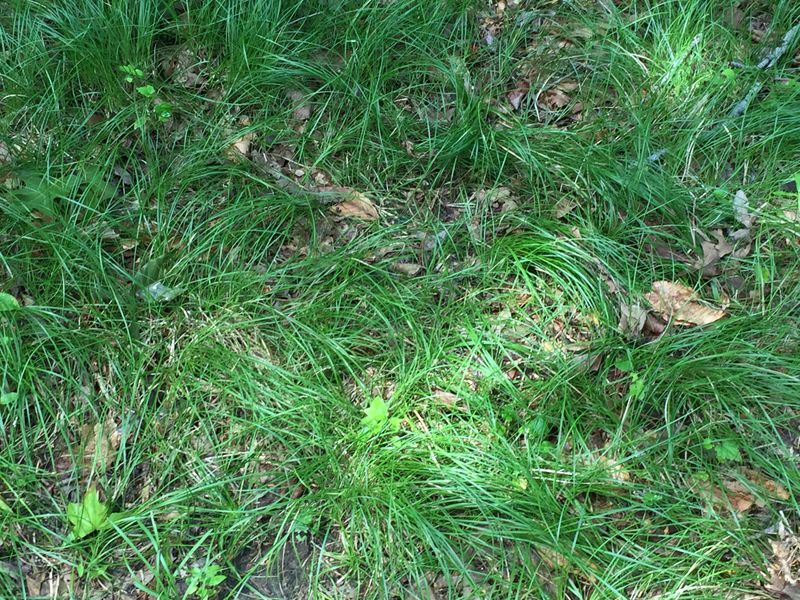
Picture the grassy look of monkey grass, minus the invasion. Native sedges give you those same fine, arching clumps, and they stay semi-evergreen through most coastal NC winters.
The NC Native Plant Society points to Cherokee sedge, Gray’s sedge, and creeping sedge (Carex laxiculmis) as direct replacements for creeping lilyturf. Each one forms a low, tidy line that tolerates foot traffic spilling over from the walk.
Here is the bonus Liriope can’t match. Sedges host the caterpillars of several native moths and skippers, which in turn feed the songbirds raising chicks in your trees.
Trim old leaves in late winter, and that’s about all the care they need.
3. Christmas Fern (Polystichum acrostichoides)
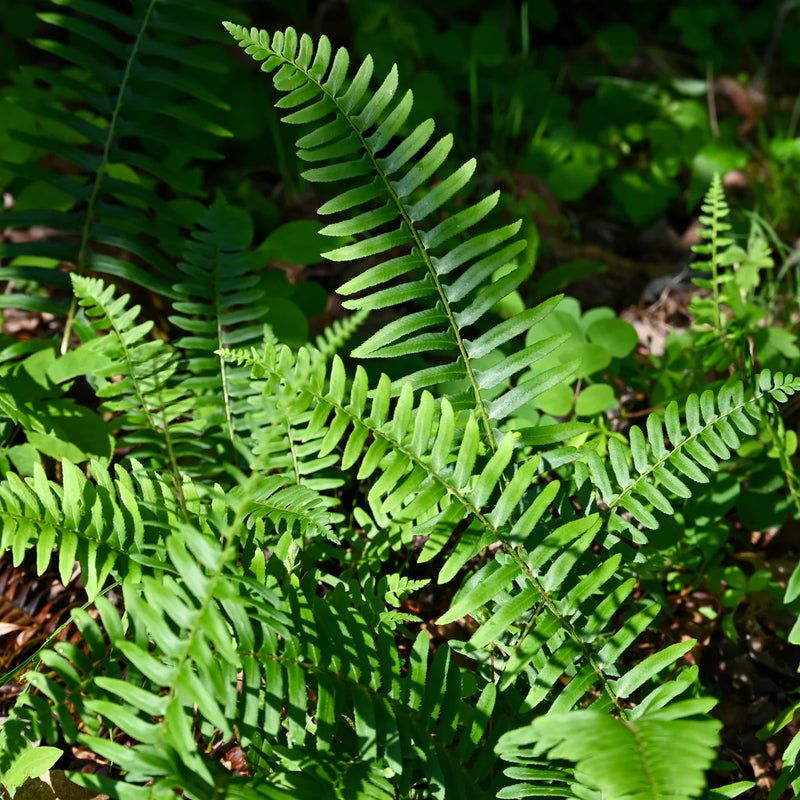
Walk out on a frosty January morning and you’ll still find Christmas Fern green and upright. Early settlers gathered the fronds for holiday decorations, which is how it got its name.
Along a shady path, the low arching clumps form a soft, leafy edge that deer usually skip. Their fronds trap moisture and keep the soil underneath cool, creating the damp shelter that eastern box turtles look for on hot summer days.
That makes this fern a quiet ally for one of NC’s most loved backyard reptiles. If a turtle shows up tucked under the fronds, let it be right where it is, since box turtles live their whole lives in a small home range and moving them can doom them.
4. Allegheny Spurge (Pachysandra procumbens)
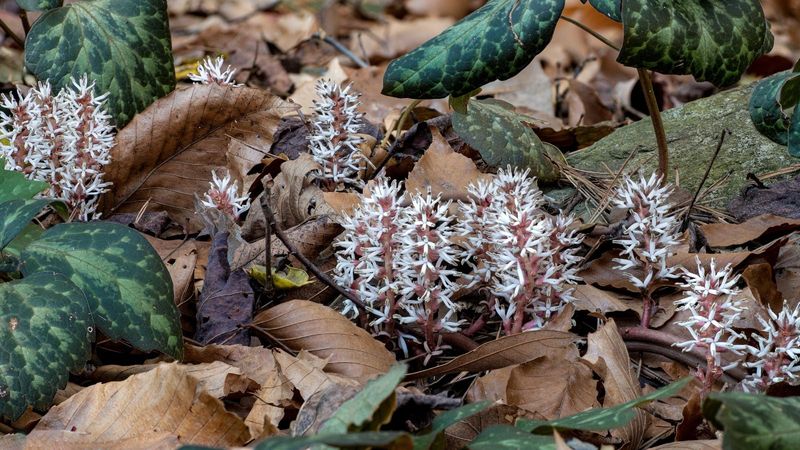
Plenty of NC yards are stuck with Japanese pachysandra, an Asian groundcover that marches into the woods just like Liriope. Our own Allegheny spurge is the polite cousin that stays where you plant it.
It spreads by underground runners into a thick, weed-blocking carpet. The leaves are mottled silver and green, and in early spring fuzzy white flower spikes pop up with a sweet scent that early bees appreciate.
It grows slowly, so buy a few extra plants for faster coverage. Mulch with shredded leaves, keep it in shade, and you’ll have an evergreen edge that looks classy for years.
5. Woodland Stonecrop (Sedum ternatum)
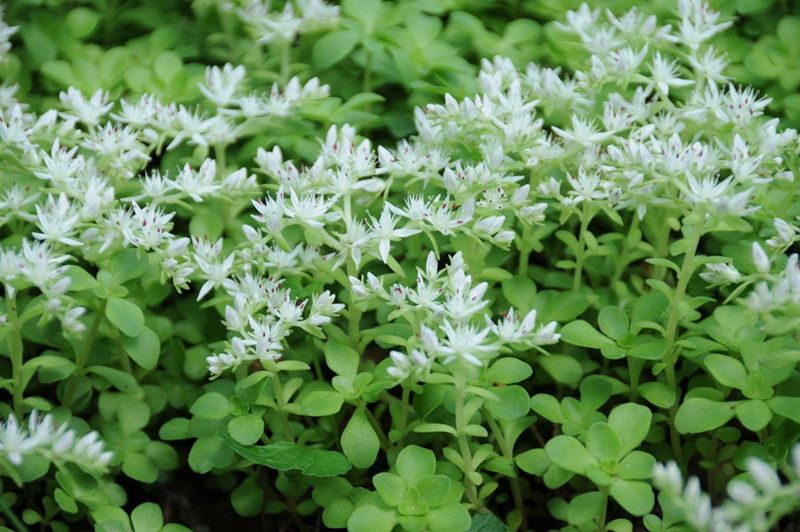
Small but scrappy, woodland stonecrop is a native succulent that tucks into spots most plants hate. Rocky edges, thin soil, the gap between pavers, it’s happy in all of them.
From April into June it covers itself in tiny white star flowers that bees and small butterflies love. Its leaves also feed the caterpillars of several moth species.
Deer and rabbits tend to leave it alone, which matters in suburban NC neighborhoods. Pull off a stem, press it into moist soil, and it will usually root on its own, a free way to fill out your border.
6. Foamflower (Tiarella cordifolia)
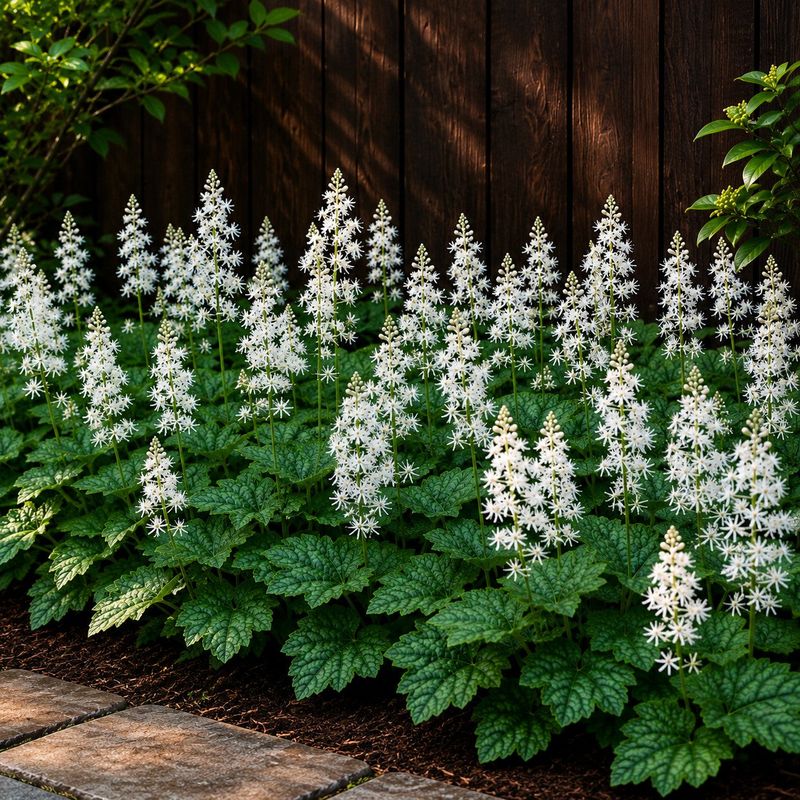
Foamflower looks like someone sprinkled sea foam across your shade bed. In early spring, fluffy white spikes rise above heart-shaped leaves, often just as the first native bees are waking up hungry.
The plant spreads gently into a layered, woodsy carpet that mimics a forest floor. That cool, humid microclimate is exactly what box turtles and salamanders depend on.
It does best in moist, rich soil in part to full shade, especially in the mountains and western Piedmont. Some forms clump while others run, so pick a running type if you want a continuous edge.
7. Golden Ragwort (Packera aurea)

Bright yellow flowers in March feel like a little gift after a gray winter. Golden ragwort delivers that early color, opening just when hungry queen bumblebees and other early pollinators need nectar most.
The rounded leaves form a low, dense, mostly evergreen mat that holds moisture. It handles damp spots near downspouts and the low side of a path where other plants rot.
It spreads readily, which is great for filling an edge but means you should give it room. Shear the spent flower stalks if you want a neater look after bloom.
8. Coreopsis (Coreopsis spp.)
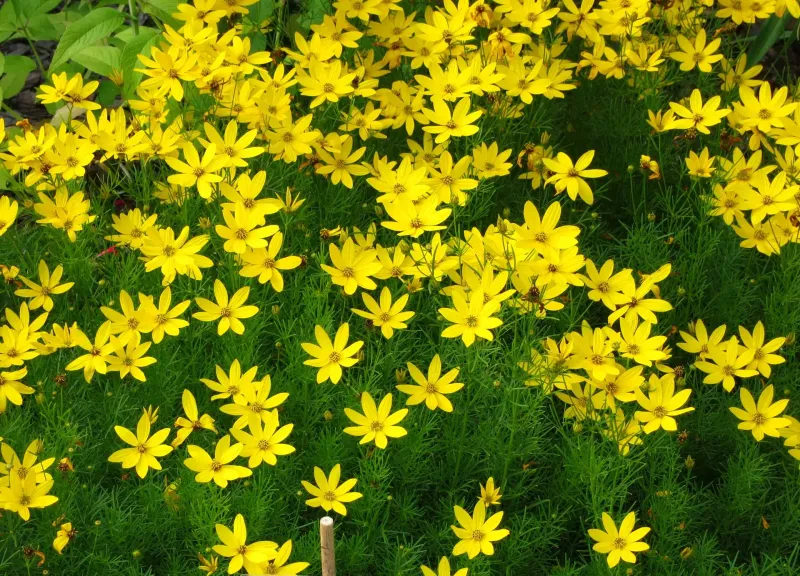
Sunny walks bake in NC summers, and Liriope often turns brown and crispy along hot concrete. Coreopsis laughs at that heat.
Lanceleaf and threadleaf types form low mounds covered with daisy-like yellow flowers from late spring into summer. Once roots settle in, they need very little water, and deer usually pass them by.
Butterflies and bees work the blooms, and if you leave seed heads standing in fall, goldfinches will come pick them clean. Snip faded flowers in midsummer for a second round of color.
9. Butterfly Weed (Asclepias tuberosa)
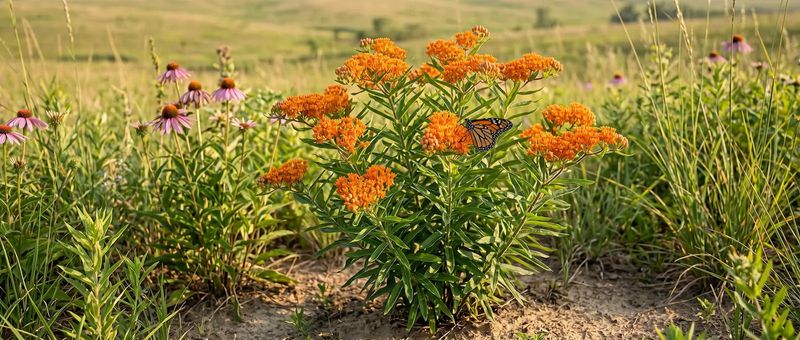
Monarchs can’t raise their young without milkweed, and butterfly weed is the tidiest milkweed you can grow along a path. It stays knee high and blooms in blazing orange in early to mid summer.
It loves dry, sandy, or well-drained soil, so it’s perfect for Coastal Plain yards and hot driveway edges. Avoid rich, soggy beds where its deep taproot can rot.
Be patient in spring, since it wakes up late and you may think it died. Mark its spot so you don’t dig into it, and don’t panic if caterpillars chew the leaves, that’s the point.
10. Pink Muhly Grass (Muhlenbergia capillaris)

Every October, neighbors stop and stare. Pink muhly grass erupts into a hazy cloud of pink-purple plumes that glow in low autumn sun.
It’s native to the Coastal Plain and Piedmont, and it shrugs off heat, humidity, salt spray, and sandy soil. Through summer it’s a neat, fine-textured clump, so it lines a sunny walk with a grassy feel similar to monkey grass.
Leave the clumps standing all winter for texture and cover for small critters, then cut them back in late February. Plant in groups spaced two to three feet apart for the best fall show.