
Checking for Ripe Pecans in North Carolina and the Possible Risk of Wildlife Loss
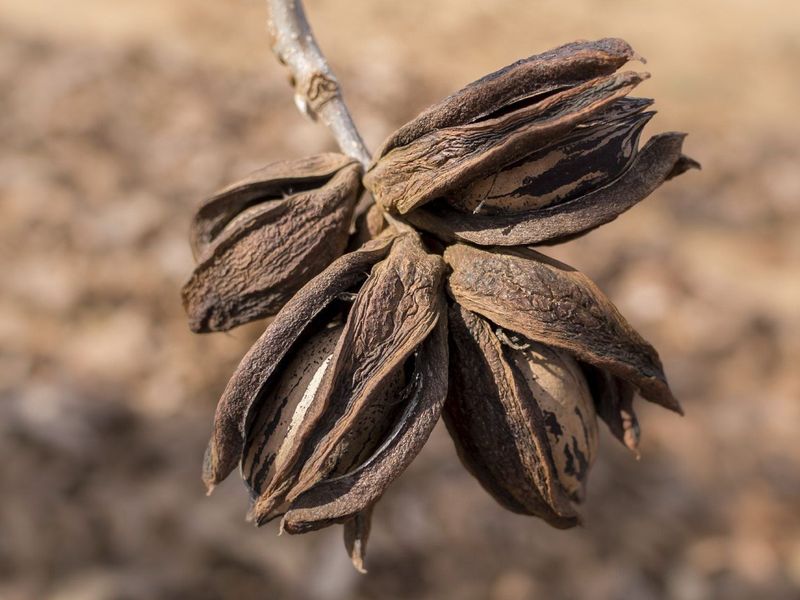
A backyard pecan tree can drop a lot of nuts in a short stretch, and a few hungry animals may notice before you do. Knowing when the nuts are truly ready helps you gather them at the right time.
The tree gives you a clear sign, and it has nothing to do with the date on your calendar. Here is how to spot it, collect the nuts, and keep them in good shape.
October through December is a broad season, not a statewide deadline
If you have searched for when to pick pecans, you have probably seen October through December. That range comes from the NC State gardener handbook, and it describes a broad harvest period for the state.
It does not mean every tree is ripe in October, or that every tree is ready on the same week.
Variety makes a big difference. According to NC State Extension, Pawnee is an early-maturing cultivar, while Sumner matures late.
A Pawnee in your yard may be dropping nuts while a Sumner down the road is still holding tight. No exact dates are promised for either one, so your own tree is the best guide.
Location matters too. Pecans are best suited to the Coastal Plain and the eastern edge of the Piedmont.
Farther west, production may be inconsistent, so a tree in the mountains or foothills may act differently from one near Wilmington or Goldsboro.
Think of the season as a window of weeks that opens at different times for different trees. Instead of marking one date, plan to walk out and look at your tree regularly through the fall.
The next section explains what to look for.
Let the shuck tell you when pecans are ready
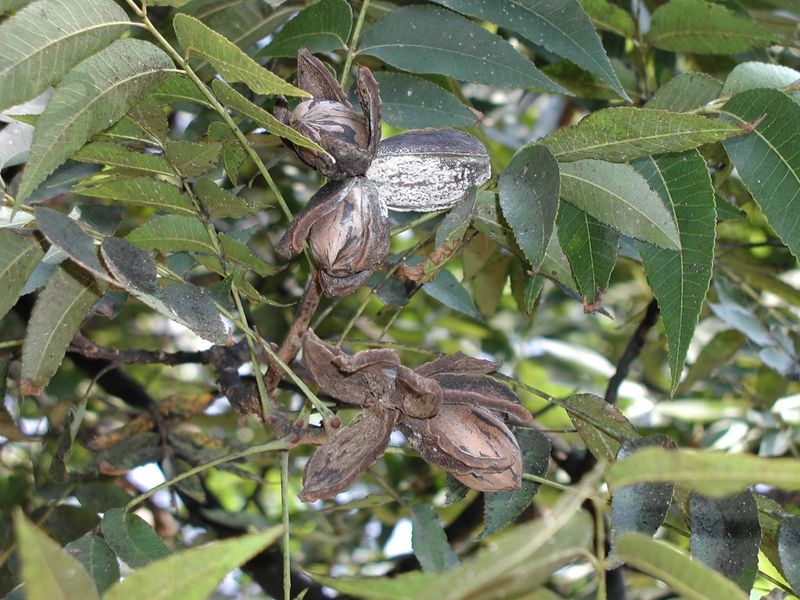
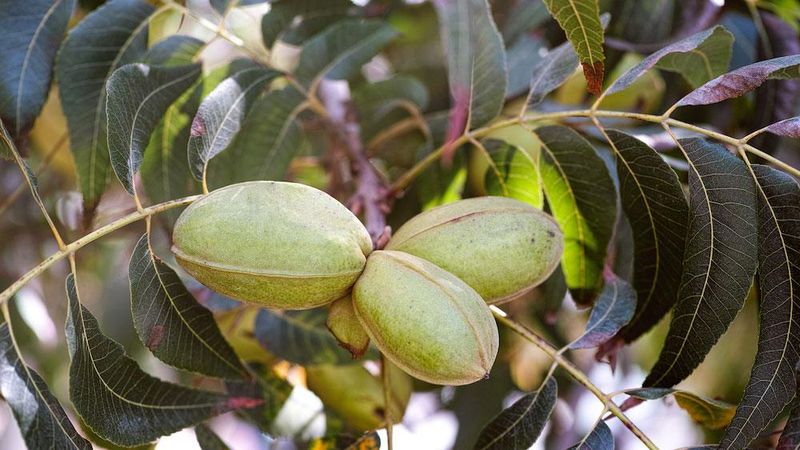
Pick up a pecan in the grocery store and you only see the hard shell. On the tree, that shell sits inside a leafy outer covering called the shuck.
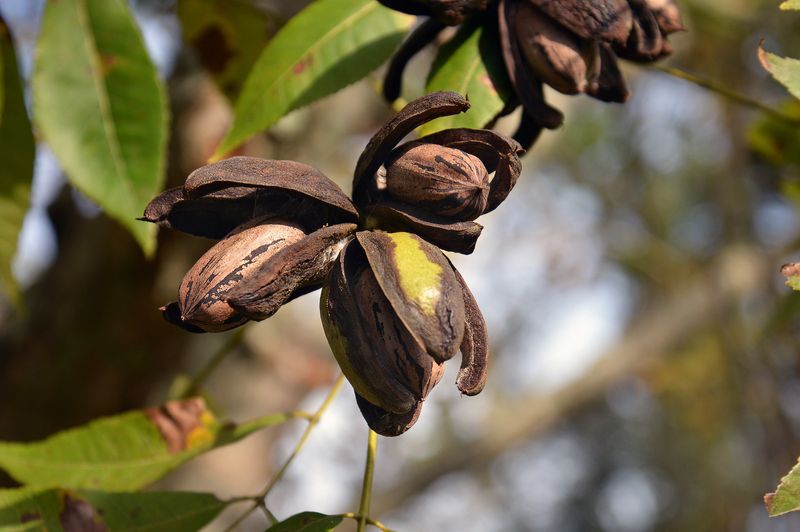
The sign you want is simple: NC State advises harvesting when the outer shuck opens and releases the nut.
A closed, green shuck is a sign to wait. Guessing from the calendar can lead you to pick too early, and knocking nuts loose before the shucks open only gives you poorly filled nuts.
Patience pays off here.
To check your tree, stand under the canopy on a dry day and look up at several branches. Use binoculars if the tree is tall.
Look for shucks that have split along the seams and curled back, and check the ground for nuts that have already fallen.
One open shuck does not mean the whole crop is ready. Nuts often ripen in stages, even on the same limb.
If you see only a few split shucks, keep watching and check again in a few days.
Gather opened nuts without forcing the rest down
Once shucks are open, you can make gathering easier. NC State describes spreading a sheet or tarp under the tree to catch nuts as they come down.
It keeps them off damp soil and makes them far easier to spot than they are in grass and leaves.
For nuts that are loose but still hanging, a pole can help. Gently shake small limbs, or use another suitable mechanical aid, so the released nuts drop onto your tarp.
This step belongs after the shucks have opened, not before.
The order matters. First, check that shucks are splitting.
Second, set out the tarp. Third, collect what falls.
If a nut stays put when you tap the limb, leave it for another day.
Wear closed shoes, since husks and twigs pile up fast, and keep kids and pets clear of the area while you work a pole overhead. A bucket or a mesh bag makes it simple to carry your pile to a dry spot.
Small, steady sessions usually work better than one big effort.
Wildlife may take some nuts, but the outcome varies
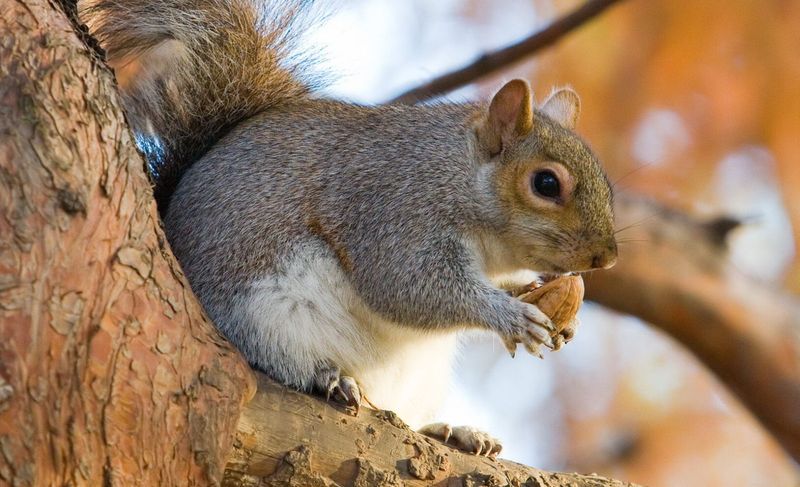
Your yard is not the only place those pecans are noticed. NC State names squirrels, crows, and blue jays as animals that can steal or damage nuts.
That is a real possibility, but not a sure thing in every yard or every year.
How much gets taken depends on your surroundings, what else the animals can eat, and how many nuts your tree makes. There is no typical backyard loss rate for North Carolina, so avoid assuming the worst.
Walking out regularly lets you see what is actually happening.
Do not count on gadgets to protect the tree. Noise makers and similar scare devices are not a dependable backyard fix, because animals can grow used to them.
Staying on top of collection is the more practical step.
If damage keeps happening and worries you, look at current guidance from the North Carolina Wildlife Resources Commission. Rules for crows involve legal protections with certain exceptions, so a licensed wildlife-control professional is a good contact.
Squirrels, jays, and crows are part of a healthy yard, so shared nuts may simply be the cost of having them around.
Return for fallen nuts every other day
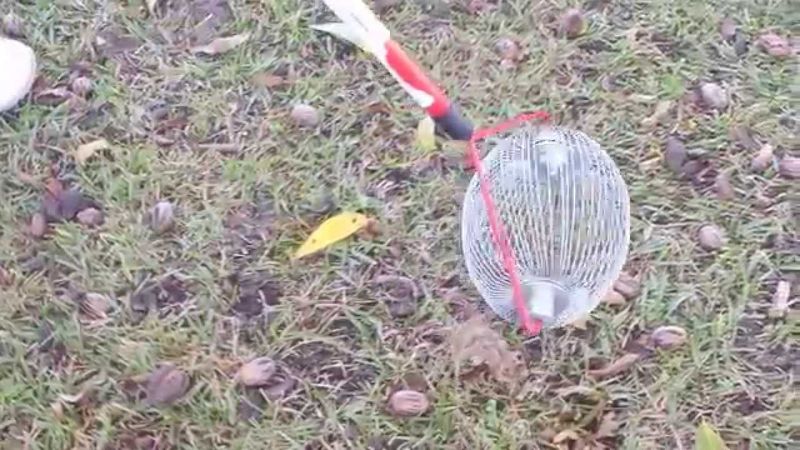
After the first nuts drop, a routine works better than a single big cleanup. NC State Extension recommends picking up hand-harvested fallen nuts every other day.
Doing so helps limit losses to mold and pests.
Nuts left lying in damp grass can spoil, and they are easy pickings for hungry animals. A quick lap under the tree takes only a few minutes.
It also shows you whether more shucks have opened since your last visit.
This schedule is separate from the ripeness cue. The open shuck tells you when a nut is ready to come off the tree.
The every-other-day habit applies to nuts that have already fallen.
Frequent pickup helps, but it cannot promise a perfect harvest. Some nuts may still be damaged by weather, insects, or animals.
Try tying the chore to something you already do, like checking the mailbox, and keep a bucket by the door during peak weeks.
Dry pecans before storing them
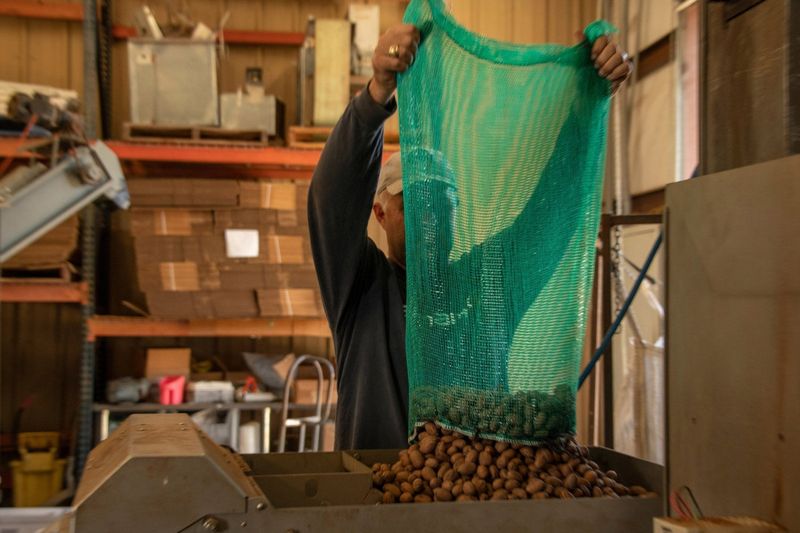
Freshly picked pecans still hold moisture, so they need to dry before they go into storage. The NC State gardener handbook suggests porous bags and good airflow for small-scale drying.
A mesh onion bag hung in a shaded, breezy spot is an easy way to do it.
Skip sealed plastic containers at this stage. Trapped moisture is what you are trying to avoid.
Give the nuts time to dry out while the air moves around them.
Dampness matters because mold is a real concern. FDA laboratory guidance notes that pecans can develop mold at high relative humidity.
That supports keeping nuts airy and dry, though it is not a household humidity number to measure.
Once the nuts are dry, freezing is the choice for longer storage. Pack them in freezer-safe bags or containers and label them with the year.
Toss any nuts that look moldy or smell off. A little drying time now means good pecans for pies in the months ahead.