
These Kitchen Herbs Actually Grow Better In The Shady Corners Of Your North Carolina Yard
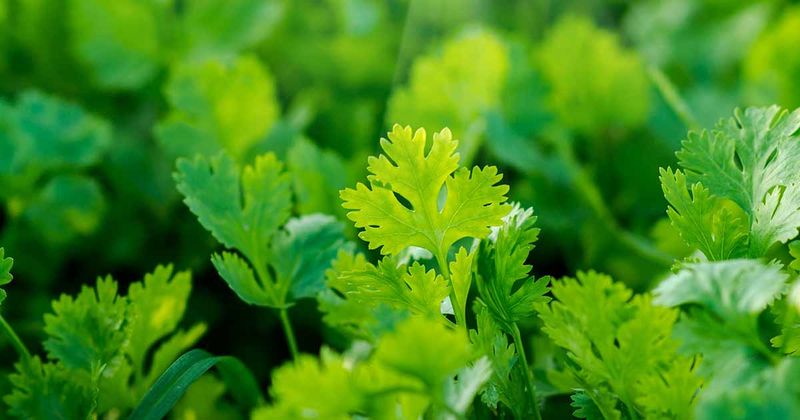
That dim spot under your oak tree might be the best herb bed you own. North Carolina summers can scorch tender herbs in full sun, turning leaves tough, bitter, or straight to seed.
Some favorite kitchen herbs actually prefer a break from the heat, and a few NC natives even feed local wildlife while they feed you. Here are seven that turn a shady corner into a fresh, fragrant harvest.
1. Chervil
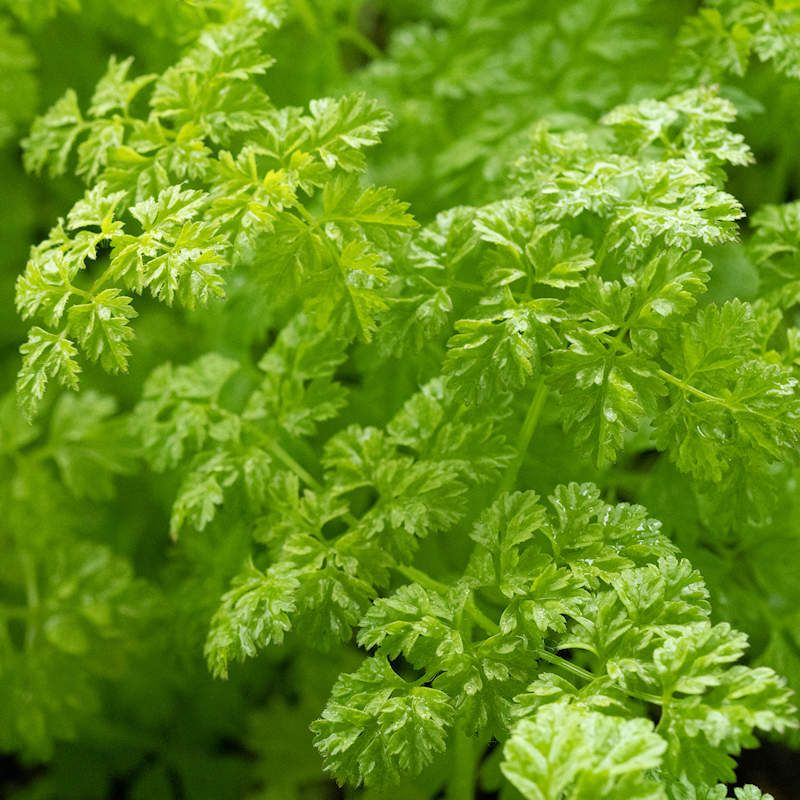
Picture parsley’s shy French cousin, and you have chervil. Its feathery leaves taste faintly of anise, and they wilt and bolt the moment July heat hits a sunny bed.
Give it a spot with only a few hours of gentle light and cool, damp soil, and it stays tender far longer. You can start snipping within six to eight weeks of sowing.
In the Piedmont and Coastal Plain, sow in early spring and again in September for a second fall crop.
Chervil dislikes being moved, so plant seeds right where you want them. Work some compost into the soil and keep a thin layer of shredded leaf mulch around the plants.
Your eggs and spring salads will thank you.
2. Mint
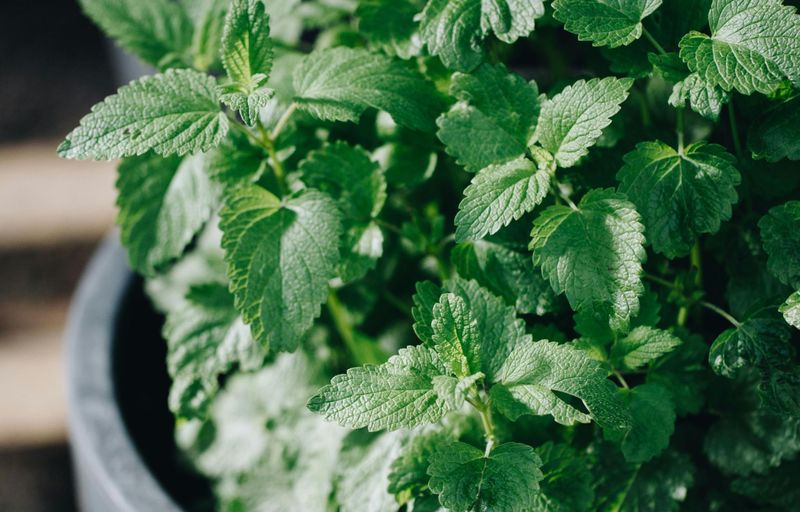
Ask any NC gardener about mint and you will hear a warning before a recipe. It grows like it has somewhere to be, and in a shady, moist corner it gets there fast.
Morning sun with afternoon shade keeps the leaves glossy instead of crispy. Steady moisture is the real secret, so a low spot near a downspout can work beautifully.
Now for the stewardship part. Mint spreads by runners and can crowd out native woodland plants, so always grow it in a pot or a bottomless bucket sunk into the ground.
Let a few stems flower in summer, and you may notice small native bees and wasps visiting the tiny blooms.
3. Parsley
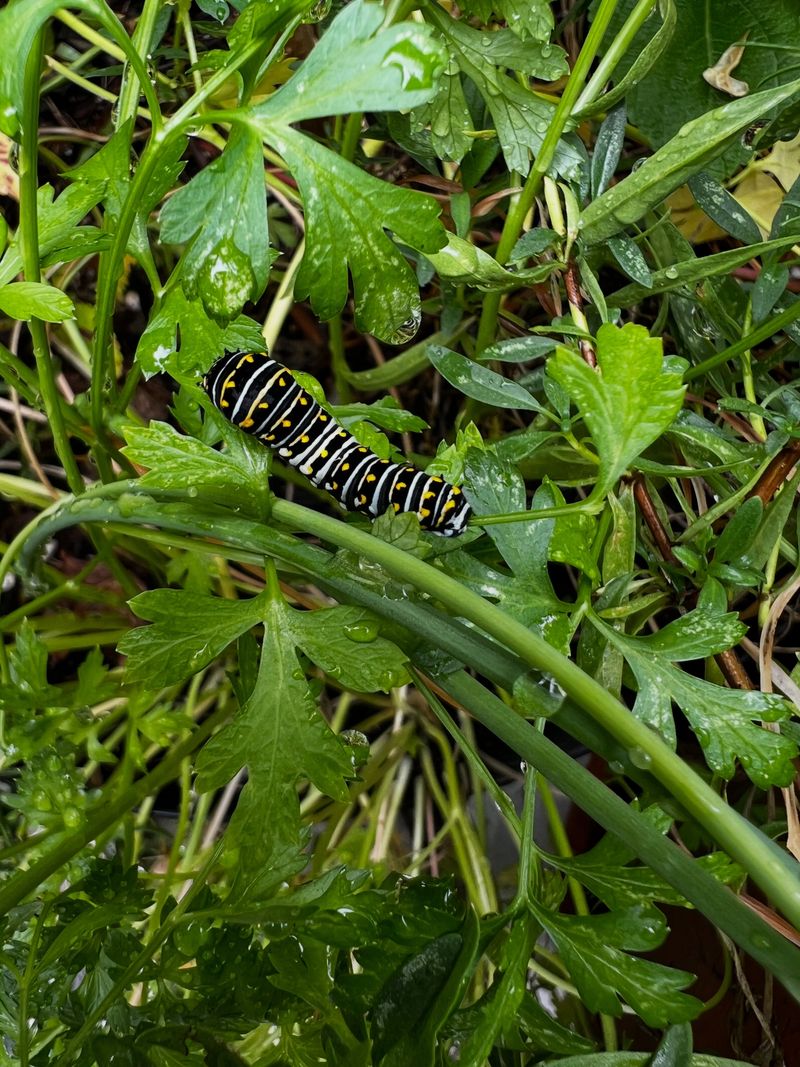
Here is a fun surprise: the parsley in your shady bed might host a future butterfly. Black swallowtail caterpillars, those striped green, black, and yellow beauties, feed on parsley across North Carolina.
Full summer sun tends to yellow and toughen parsley leaves. With morning light and cool afternoon shade, the foliage stays sweet and soft, and the soil holds water longer, so you water less.
Plant a little extra so you can share with the caterpillars. Please do not squish or relocate them, since they become one of our most loved native butterflies.
A healthy parsley patch can feed your kitchen and your yard’s wildlife at the same time.
4. Cilantro
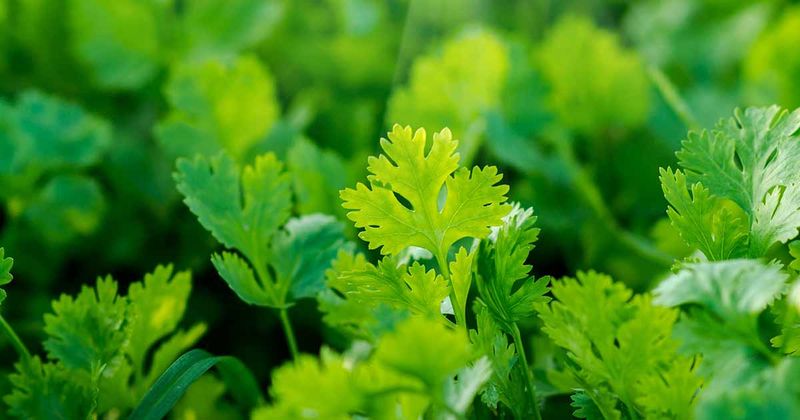
Cilantro has a famous short temper. One hot week in May and it shoots up a flower stalk, leaving you with bitter leaves and a sad salsa.
Shade slows that rush. Tuck it on the east side of a fence or under high tree branches, and you buy yourself extra weeks of harvest.
Sow every few weeks in spring and again in early fall for a steady supply.
When it does bolt, let it. The lacy white flowers draw hover flies and other helpful insects that eat aphids, and the dried seeds become coriander for your spice rack.
5. Lemon Balm
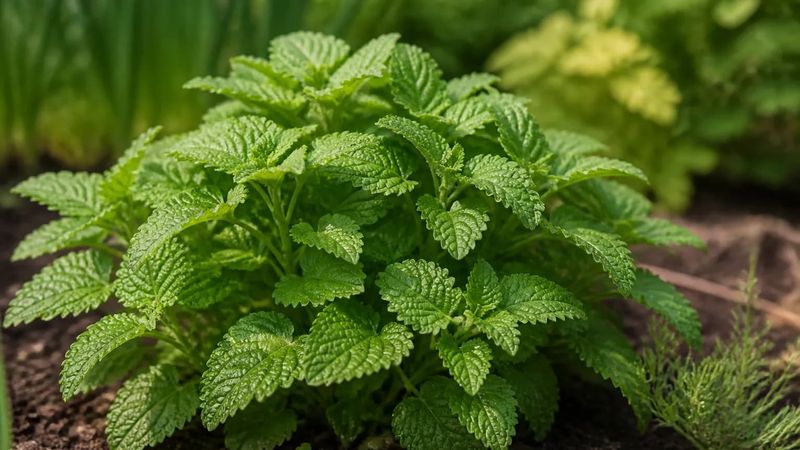
Brush past lemon balm on a muggy August evening and the air suddenly smells like lemonade. That cheerful scent is half the reason people grow it.
Partial shade suits it well, especially in hot Coastal Plain yards where full sun can bleach the leaves. Cooler soil keeps the plant leafy and fragrant for teas, iced drinks, and fruit salads.
Like mint, it self-seeds generously. Clip off the flower stems before seeds ripen so it stays put and does not wander into nearby woods.
Keep it trimmed, and you will have a bushy, tidy plant all season.
6. Wild Ginger
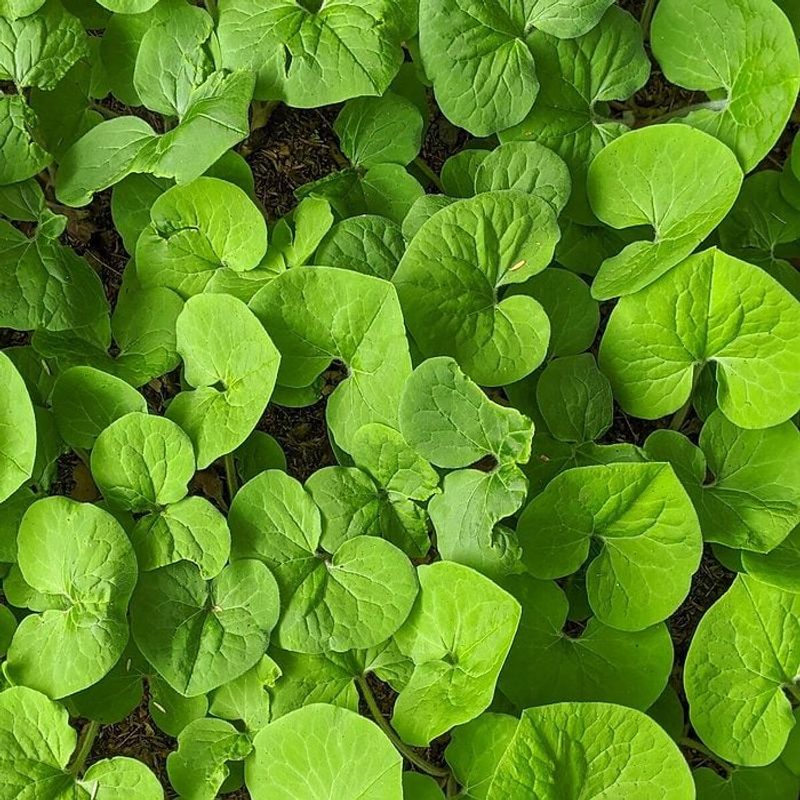
Deep shade where nothing else grows? Meet wild ginger, a true North Carolina native with soft, heart-shaped leaves that carpet the ground under hardwoods.
It loves rich, moist soil, so it fits right in under oaks and maples in mountain and Piedmont yards. Its roots carry a gingery flavor and were used by early settlers, but enjoy them only sparingly as an occasional flavor, not a staple.
The bigger payoff is for your yard. Wild ginger makes a great native swap for invasive English ivy and vinca, giving shady corners a living groundcover that will not climb trees or smother native plants.
Box turtles and other woodland critters appreciate that cool, leafy cover too.
7. Spicebush
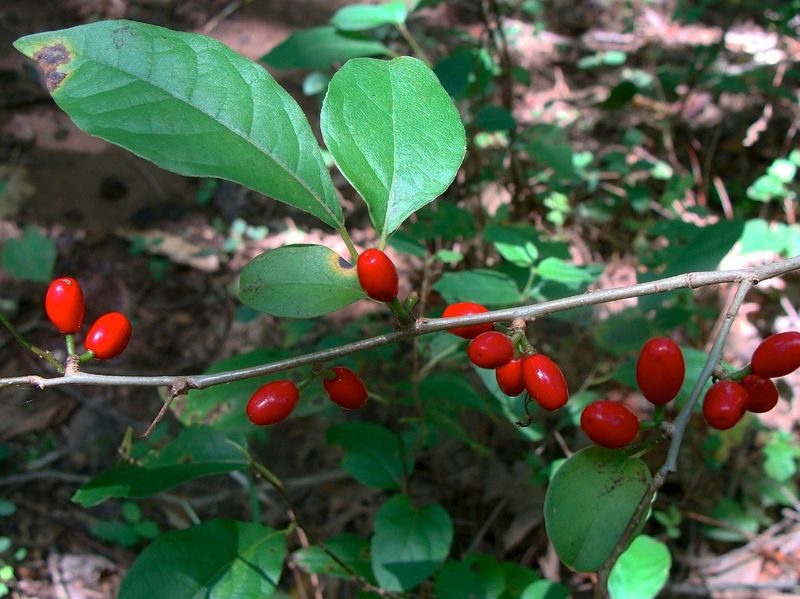
Crush a spicebush leaf and you will smell something between citrus and allspice. Early Appalachian cooks dried its red berries as a spice, and you can still do the same.
Spicebush is a native shrub that thrives in dappled shade and moist soil, and it handles brief floods or dry spells once settled. In early spring, tiny yellow flowers feed early pollinators.
It is also the host plant for the spicebush swallowtail butterfly, and fall berries fuel migrating songbirds. Plant it in place of invasive Chinese privet or bush honeysuckle along a shady border.
You get a spice, a wildlife haven, and a better yard, all from one shrub.