
Saving Moonflower Seeds This Fall May Give You Fragrant Night Blooms Along Your Porch Down the Road
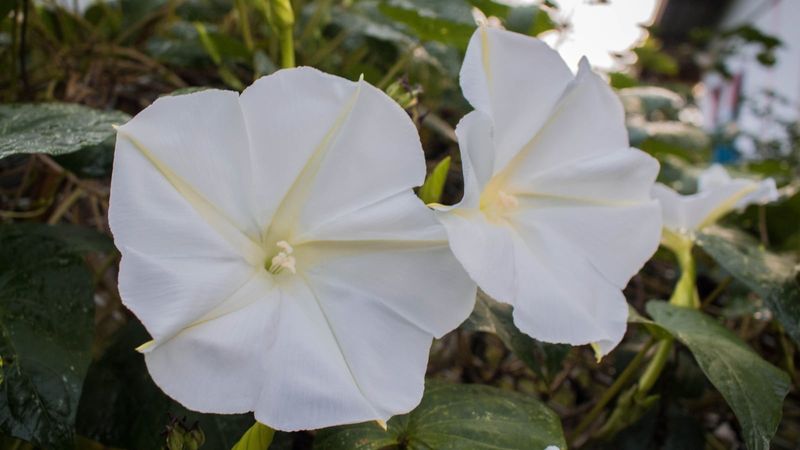
A white moonflower vine opens its blooms at dusk, just when most of the garden is fading into shadow. If your vine sets seed pods, you may be able to collect those seeds and plant them next year.
It does not always work out, so a little checking and patience go a long way. Here is how to find out whether your vine gave you seed worth saving, and what to do with it.
Save Seeds From the Right Moonflower
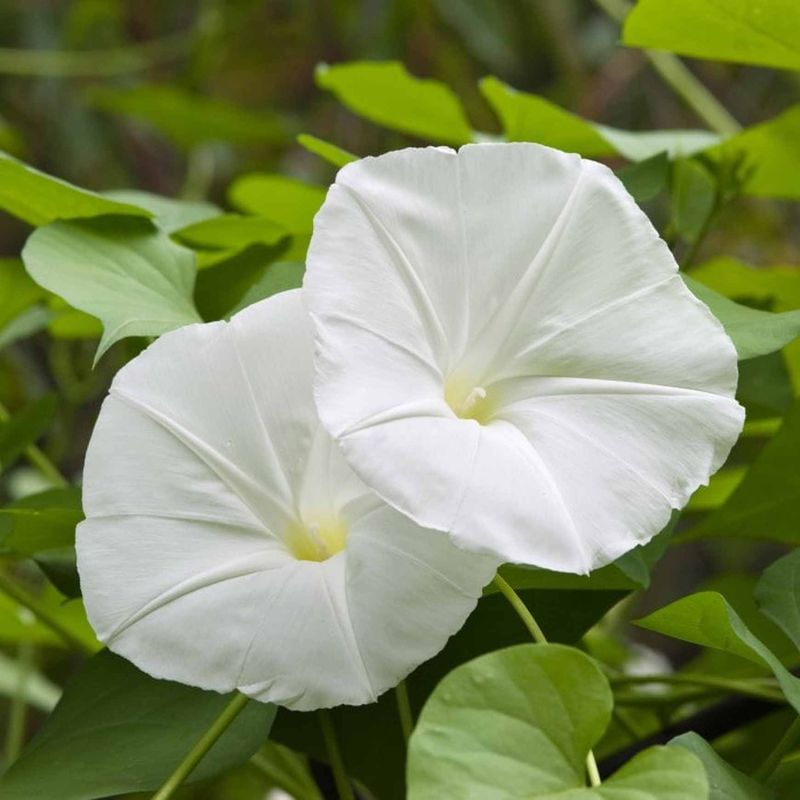
Start by making sure you have the right plant. The vine this article covers is Ipomoea alba, the white moonflower, a climbing relative of morning glory with heart-shaped leaves.
Its big white blooms open in the evening and close by morning, and University of Florida IFAS Extension describes them as fragrant. How strongly you notice that scent can vary from person to person and evening to evening, so treat it as a pleasant possibility.
The name causes real confusion. Some Datura plants, which have thorny seed capsules and trumpet-shaped flowers, are also called moonflower.
A CDC report on a moonflower poisoning in Ohio involved Datura inoxia and warns about this shared name. If your plant has thorny pods or you are not sure what you have, do not collect seed from it until you can identify it.
Treat all seed as something to handle, not taste. North Carolina Extension lists I. alba seeds as a low-severity poison concern, and the CDC report notes some Datura effects were not linked to I. alba.
Because the picture is not simple, keep seeds away from children and pets. If anyone swallows some, call Poison Control at 1-800-222-1222.
Check Whether Your Vine Set a Mature Pod
Before planning a harvest, look at the vine itself. Not every flower sets seed, so some vines will carry plenty of blooms and few or no pods.
If you find none, that is a normal outcome, not a sign that you did something wrong.
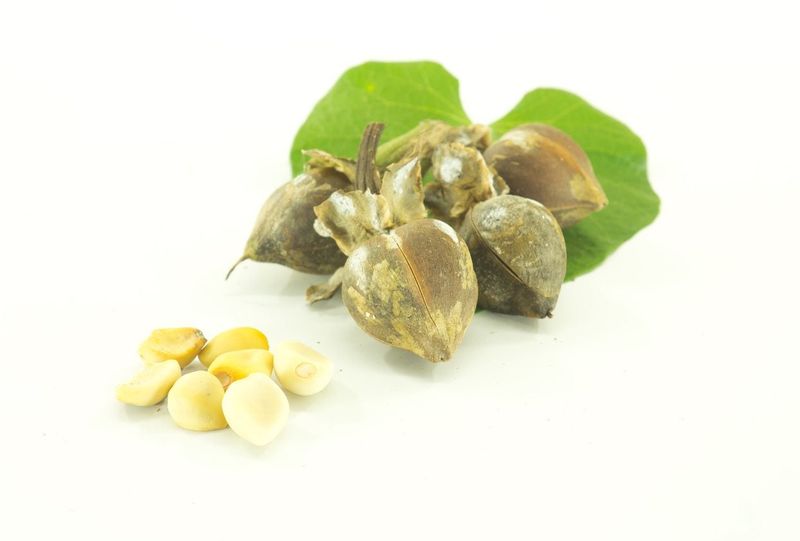
The seed comes from small, rounded capsules that form after a flower is pollinated. According to University of Arkansas Extension, seeds must be fully mature to be viable.
A capsule that is still plump and green is probably not ready, and seed pulled from it may never sprout.
Walk the vine every few days in late summer and fall. Note which capsules are firm, which are turning tan or brown, and which have dried out.
The pods, not the calendar, tell you whether a harvest is possible, and the timing shifts with your local weather, when your vine started flowering, and how quickly the pods develop.
Let the Pods Dry Before Collecting
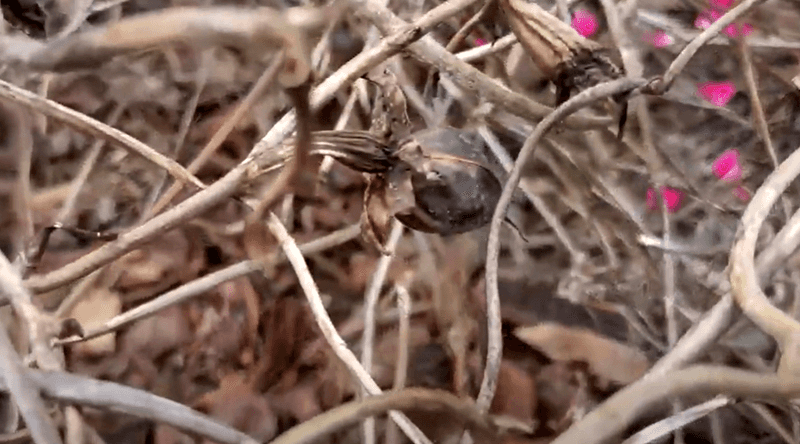
Patience pays off here. Leave the pods on the vine until they dry, and resist the urge to strip green ones early.
Iowa State Extension advises leaving seeds in dry pods on the plant so they can finish maturing.
Weather sometimes forces a change of plan. If a long stretch of rain or a hard cold snap is on the way, the same Iowa State guidance says you can harvest whole plants and hang them in a dry spot so the pods can finish drying.
Cutting the vine is a backup move, so use it only when conditions threaten the pods.
A dry pod feels papery and brittle, and it often looks brown or tan. A pod that feels soft, damp, or green needs more time.
Seeds from pods picked too soon may not be viable, as the Arkansas Extension guidance on seed maturity makes clear.
Your local conditions set the schedule. A gardener in a mild region may wait much longer for a frost than one in a cold area, and some years the pods may not finish at all.
If that happens, you can try again next season.
Dry, Label, and Store the Seed
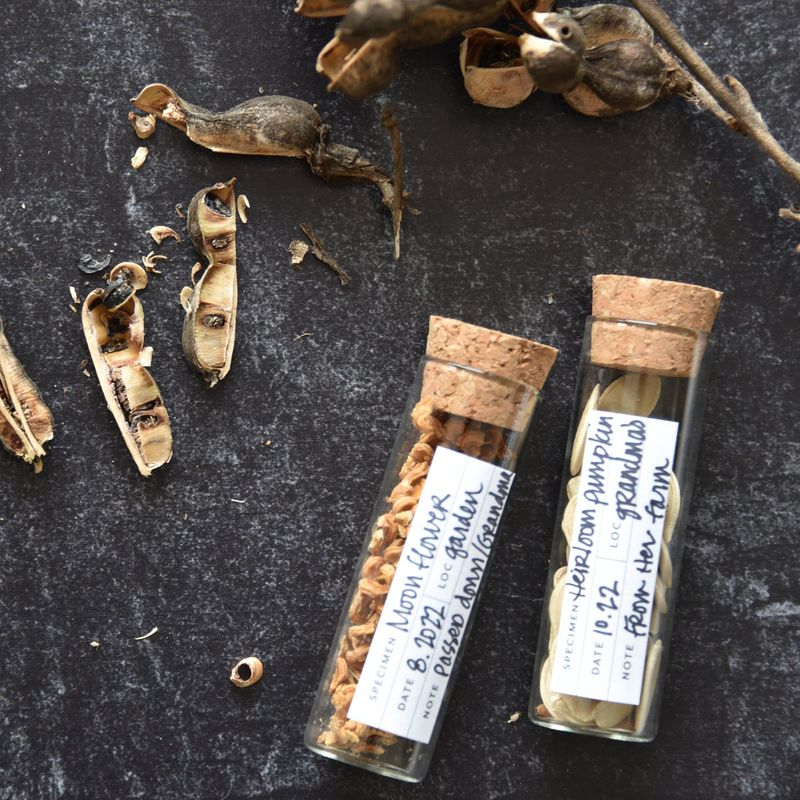
Once you have pods in hand, open them over a tray or paper plate and let the seeds sit out so any leftover moisture can escape. Spread them in a single layer in a spot with good airflow and out of direct sun.
Damp seed stored in a closed container can mold, which ruins the whole batch.
When the seeds feel hard and dry, label them. Write the plant name, Ipomoea alba, and the year on a small envelope or container.
A label seems like a small detail until next spring, when several jars of mystery seeds look alike.
Store the seed in a sealed container and keep it in a cool, dry place, as Iowa State Extension’s seed storage advice recommends. A closet shelf or basement shelf away from heat often works.
Avoid a damp garage or a sunny windowsill.
Good storage protects the seed you have, but it cannot improve it. How well seed sprouts depends on its quality at harvest and the conditions it was kept in.
So even carefully stored seed may sprout poorly, which is why a quick test later is worth doing.
Test Germination and Prepare to Sow
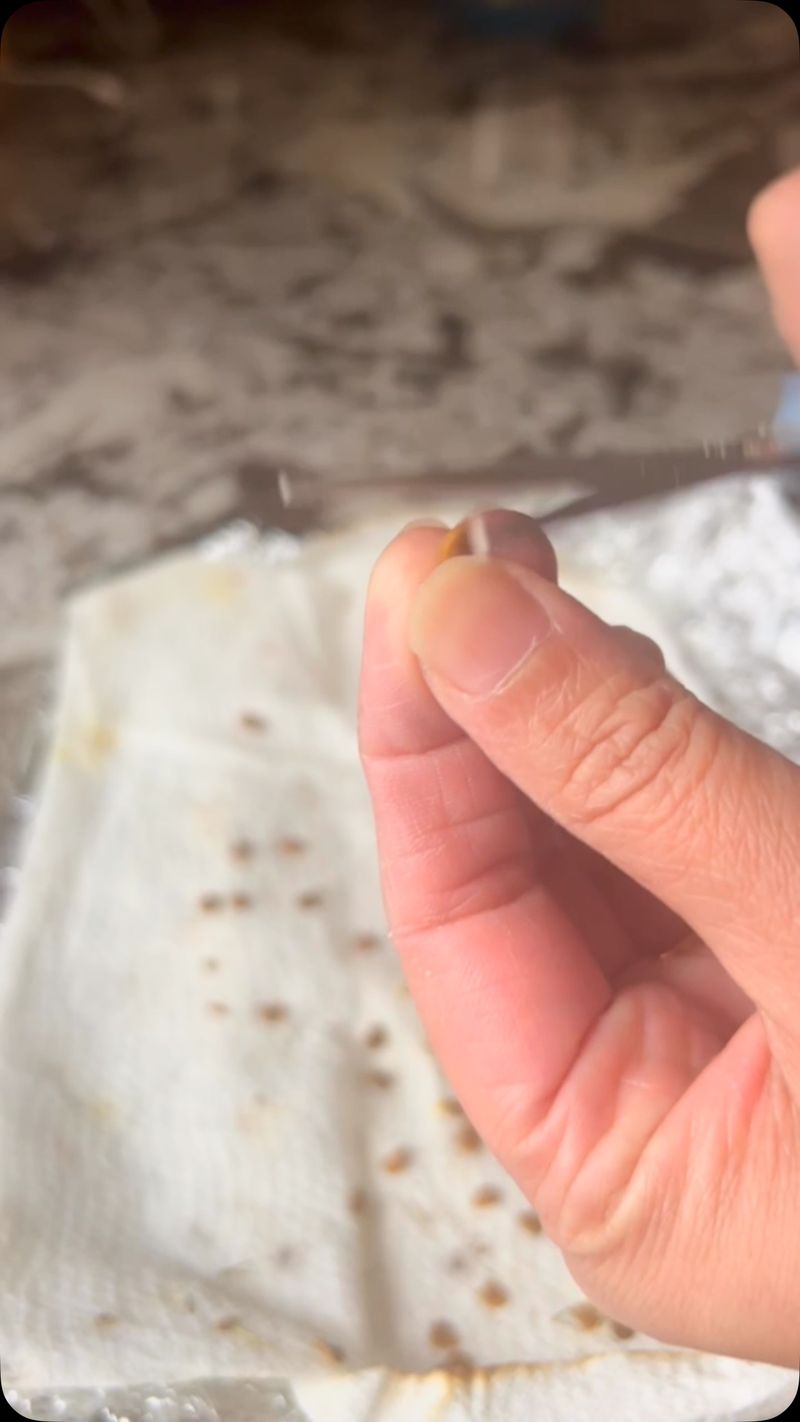
A simple test takes away much of the guesswork. About a month before you plan to sow, Iowa State Extension suggests checking germination.
Place ten seeds on a damp paper towel, slip it into a bag, keep it warm, and count how many sprout.
If only a few sprout, plan to sow more seed than you need. If none do, you have learned that early enough to buy fresh seed.
Either result is useful.
Moonflower seed has a hard coat, so it often needs help. North Carolina Extension recommends soaking seeds overnight in warm water or nicking the coat.
Illinois Extension also suggests soaking or notching. When nicking, make a small scratch with a file or nail clipper and avoid cutting deep into the seed.
For timing, North Carolina Extension suggests starting seeds indoors four to six weeks before your local last spring frost. Treat that as a guide, not a promise.
Your own frost date and spring weather may call for adjusting the schedule.
Plan for a Long-Season Climbing Vine
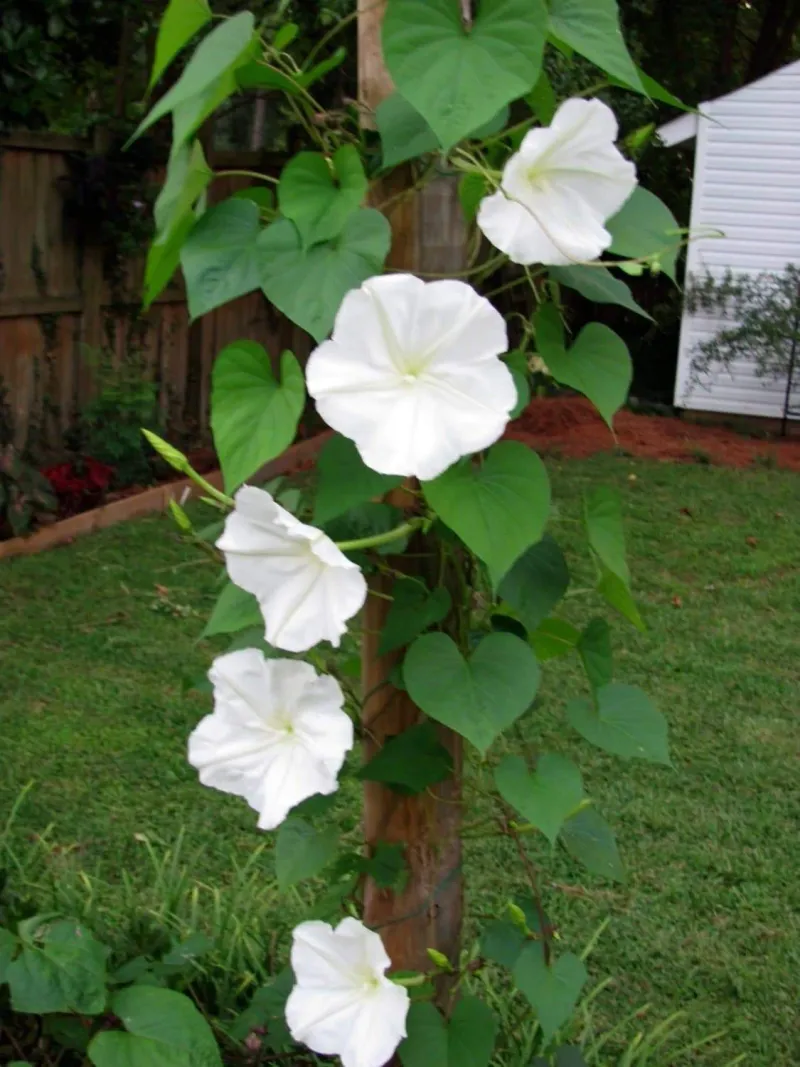
Moonflower is a climber, so it needs something to climb before it needs anything else. North Carolina Extension recommends a fence, arbor, or trellis, along with a sunny site and well-drained soil.
Set the support in place early so you do not disturb young roots later.
The vine also wants time. Illinois Extension notes that it needs a long growing season.
In warm climates it can live as a tender perennial, but in colder parts of the US it is commonly grown as an annual and started fresh each year, so no single growing calendar fits every yard.
Bloom timing is the part that surprises people. University of Arkansas Extension describes strong flowering in late summer and early fall, so do not count on flowers in early summer.
Dry spells can also slow things down.
The Florida IFAS guide to moonlight gardens is a good place to see how moonflowers fit into an evening garden. Plant one near a seat or doorway if you want to enjoy it after dark.
Saving mature seed may give you a chance at new plants without buying seed. It does not guarantee germination, a cost-free garden, or fragrant porch blooms next summer.
Some years the vine gives you a basket of seed, and some years it gives you only a good story about the blooms.