
These North Carolina Native Plants Soften Your Driveway Edge Better Than Monkey Grass Borders Ever Did
That stiff line of monkey grass along your driveway looks tidy, but it does almost nothing for the wildlife in your yard. Liriope comes from East Asia, and it can creep into woods and crowd out the plants our bees, birds, and box turtles depend on.
Swapping it for North Carolina natives gives you a softer, prettier edge that feeds goldfinches, shelters fireflies, and still holds the line against weeds. Here are ten tough, local plants that can turn a plain driveway border into a living welcome mat.
1. Allegheny Spurge (Pachysandra procumbens)
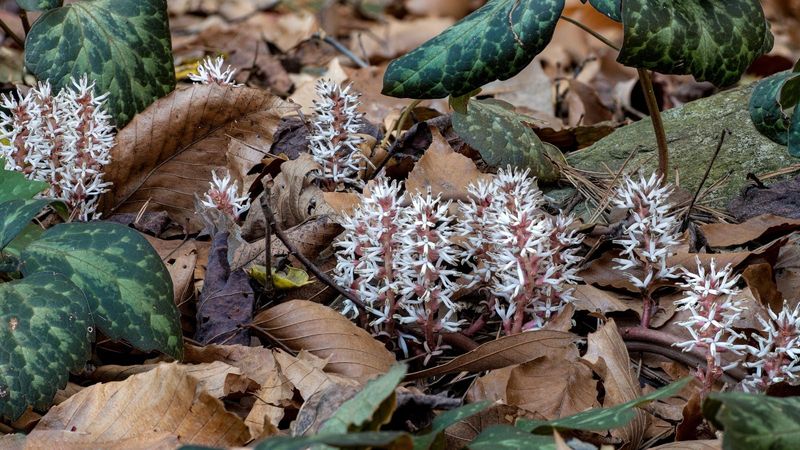
Picture the shady corner where your driveway meets the big oak, the spot where grass gave up years ago. Allegheny spurge was made for exactly that place.
Its soft, mottled leaves form a low carpet that quietly smothers weeds.
Many people know only Japanese pachysandra, which escapes into woodlands and becomes a headache. Our native cousin spreads politely by underground stems, so it fills in without marching off into the neighbor’s yard.
It even handles damp soil and the occasional puddle after a summer storm.
In early spring, fuzzy white flower spikes pop up before the new leaves, giving early native bees something to eat when little else is blooming. Plant it in fall, keep it watered the first year, and let it knit together.
You will rarely need to touch it again.
2. Green and Gold (Chrysogonum virginianum)
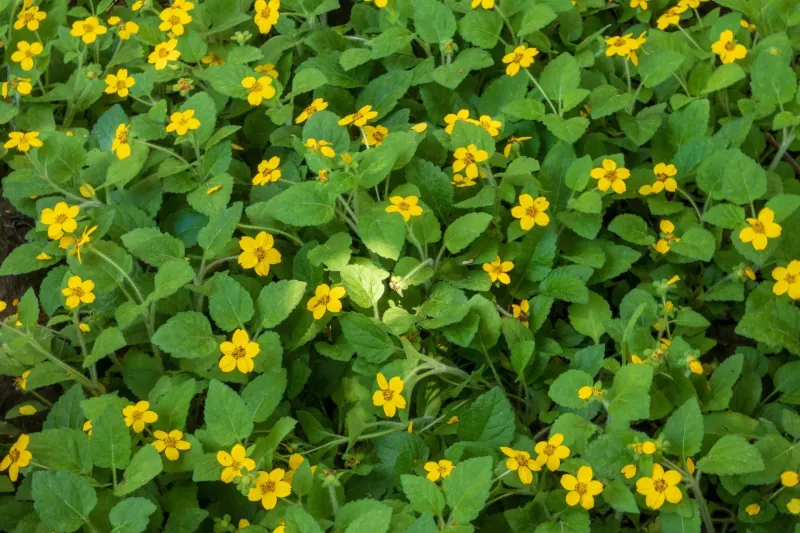
Little yellow stars along the pavement every spring? Yes, please.
Green and gold is one of the most cheerful driveway plants a North Carolina gardener can grow, and it stays low enough that it never blocks the view when you back out.
The foliage is mostly evergreen in the Piedmont and Coastal Plain, so your edge does not vanish in January. Deer tend to skip it, which matters in neighborhoods where they wander through nightly.
It handles part sun to part shade and average to dry soil, so it fits those in-between spots monkey grass usually fills.
Pollinators visit the flowers from spring into early summer, and blooms sometimes return in fall. Space plants about a foot apart and they will spread into a soft, flowering ribbon within a couple of seasons.
3. Woodland Stonecrop (Sedum ternatum)
Some plants sulk when the hose forgets them. Woodland stonecrop just shrugs.
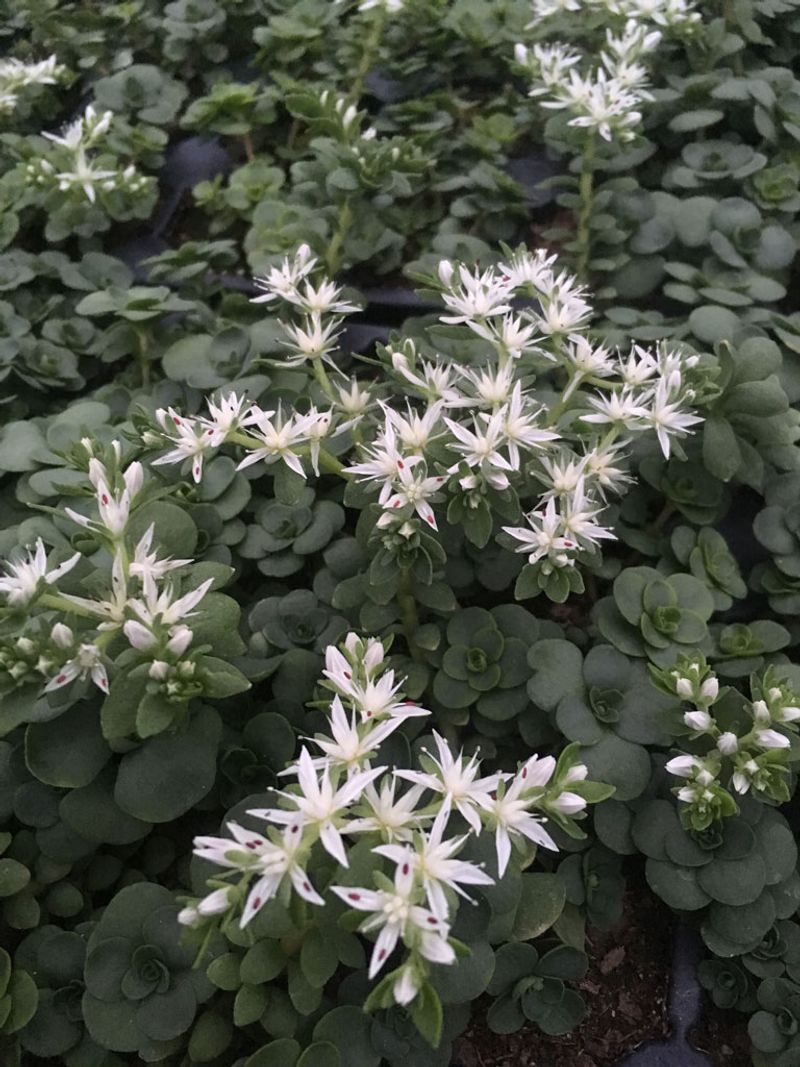
This little native succulent builds tight green mats that cling to rocky, thin soil right where gravel meets lawn.
In spring it opens clusters of white, starry flowers that draw bees and small butterflies. Here is the fun part: it also hosts moth caterpillars, and those caterpillars become meals for chickadees raising hungry babies.
A plant that small, feeding birds that busy, is a pretty good trade.
Deer and rabbits ignore it, and it shrugs off dry spells once settled. Tuck pieces into cracks, along stone edges, or between pavers.
Keep it lightly moist for a few weeks and it will root on its own.
4. Christmas Fern (Polystichum acrostichoides)
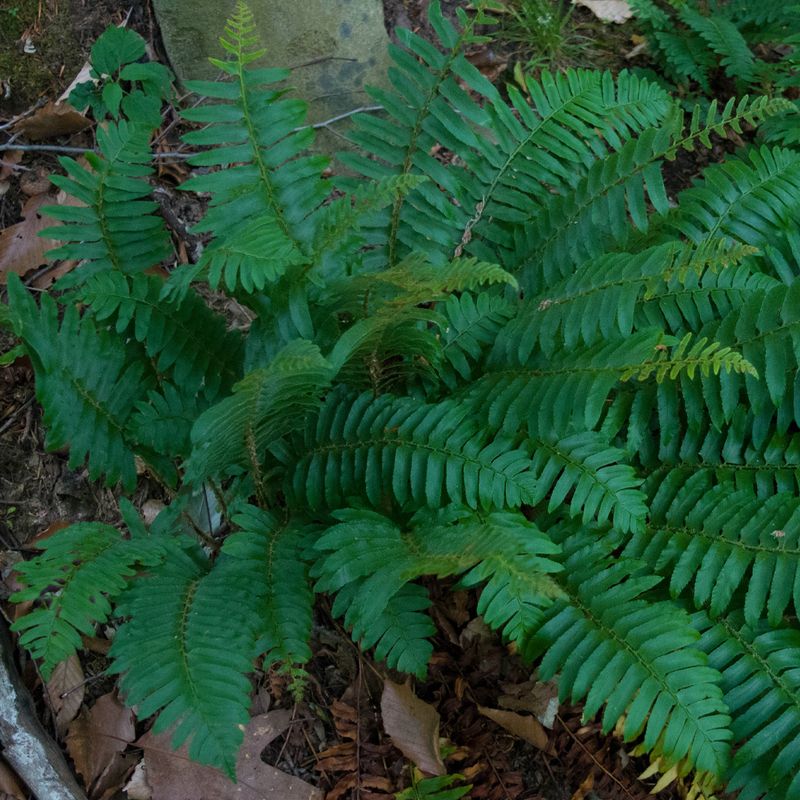
Back when settlers needed winter greens for holiday decorations, Christmas fern was ready and waiting, and that is how it earned its name. Its leathery fronds stay green straight through December, which makes it a standout along a driveway that looks bare in winter.
Got a slope where rain washes soil onto the pavement? The fern’s thick roots grip that soil and slow the runoff.
Once established it tolerates dry shade, a rare skill among ferns.
Deer usually leave it alone. Fallen fronds also create damp leaf cover that box turtles and salamanders appreciate.
Plant it in fall about eighteen inches apart for a graceful, arching edge that feels like the edge of a forest path.
5. Native Sedges (Carex spp.)
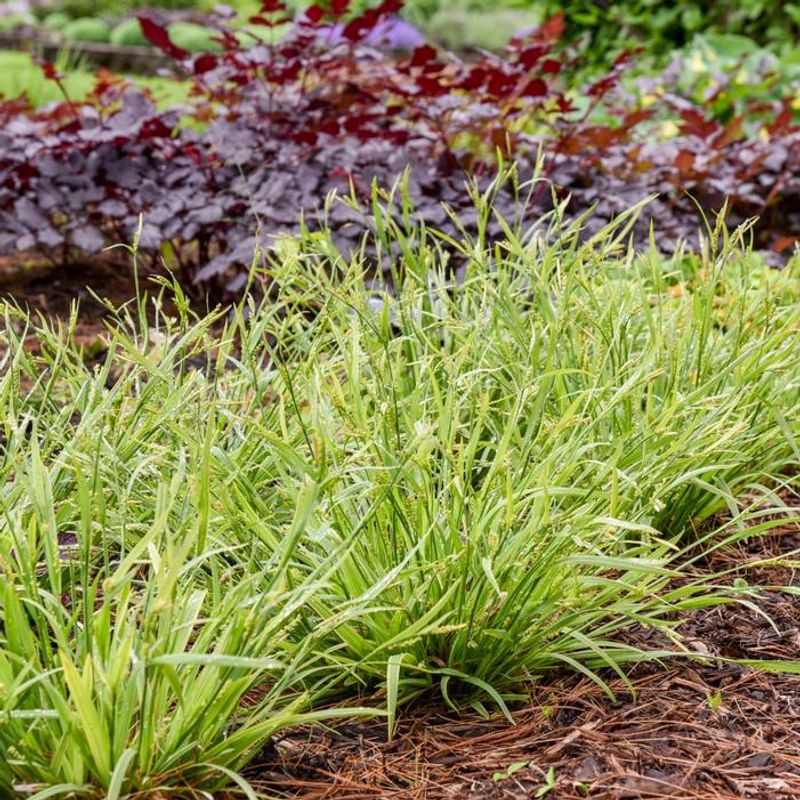
If you love the clean, grassy look of monkey grass, sedges are your closest native match. Carex pensylvanica, Carex blanda, and Carex appalachica all form neat, fine-leaved clumps that read as a tidy line from the street.
The difference is underground and out in the yard. Their dense roots help hold back creeping lawn grass, and their seeds feed native birds while the foliage hosts several native insects.
Liriope offers almost none of that.
Pick blanda for tougher, sunnier spots and pensylvanica or appalachica for dry shade. Plant plugs eight to twelve inches apart.
Trim old leaves in late winter if you want a fresh look, or leave them for overwintering insects.
6. Wild Strawberry (Fragaria virginiana)
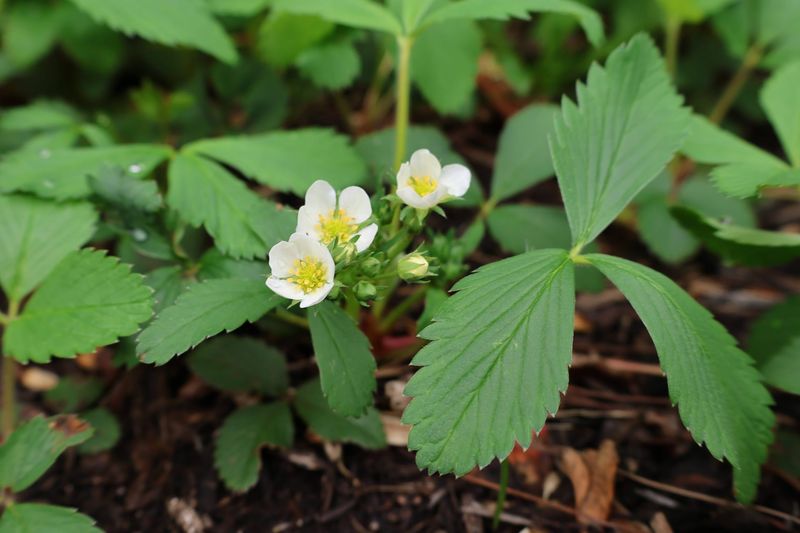
My favorite driveway surprise is spotting an eastern box turtle with a red-stained chin. Wild strawberry makes that happen.
Its tiny berries are a summer treat for box turtles, chipmunks, and songbirds.
The plant spreads quickly by runners that root wherever they touch soil, filling sunny gaps fast. White spring flowers feed early native bees, and the leaves handle light foot traffic from guests stepping out of cars.
One stewardship note: if you see a turtle snacking near the drive, let it be. Never move a box turtle to a new area, since they rely on their home range to survive.
Just slow down when pulling in during spring and summer.
7. Creeping Phlox (Phlox subulata)
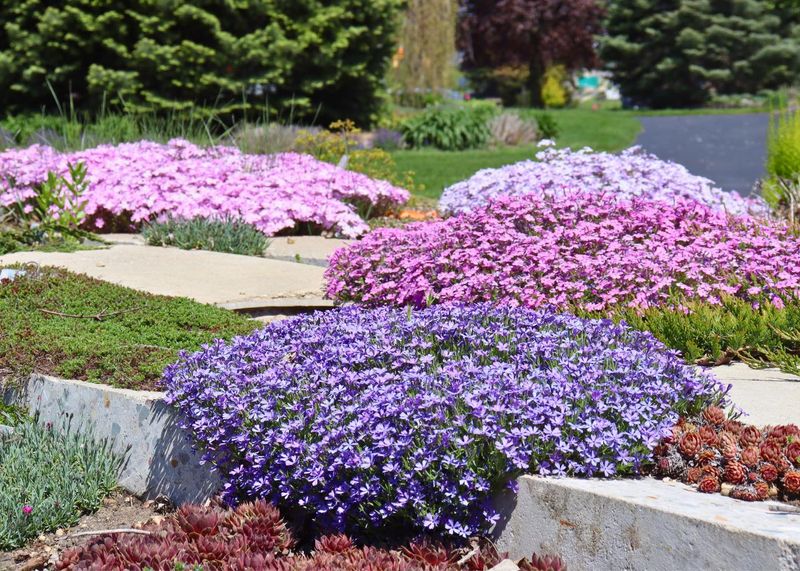
Every April, certain driveways in the Piedmont seem to catch fire in pink and purple. That is creeping phlox putting on its show, and it is hard not to slow down and stare.
The rest of the year, its needle-like evergreen foliage forms a tough mat that hugs the ground and drapes beautifully over low walls and curbs. It loves sun and well-drained soil, so it handles the heat that bounces off pavement.
- Plant in full sun.
- Avoid soggy spots.
- Shear lightly after bloom to keep it dense.
Butterflies and early bees visit the flowers, and the mat stays low enough to never crowd your car doors.
8. Mountain Mint (Pycnanthemum spp.)
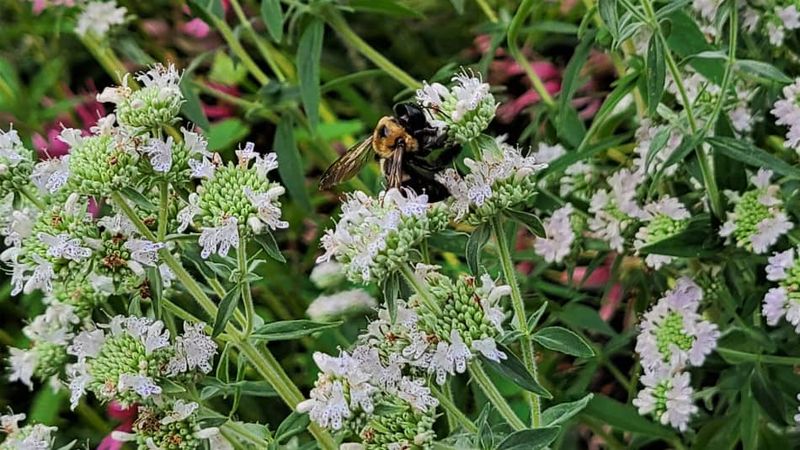
Brush a leaf of mountain mint and you get a burst of cool, peppery scent. Deer dislike that smell, and since deer carry ticks into yards, a fragrant mint border may help reduce how often they browse near your driveway and walkways.
That alone makes it worth planting, but the summer show is the real reason gardeners rave. Its silvery flower heads get mobbed by native bees, small wasps, and butterflies.
Stand nearby in July and the whole plant hums.
Mountain mint grows in all three regions of North Carolina and likes sun. It can spread, so give it a spot where it can stretch between the driveway and lawn.
Pair it with a mowed strip for an extra tick-smart buffer.
9. Pink Muhly Grass (Muhlenbergia capillaris)
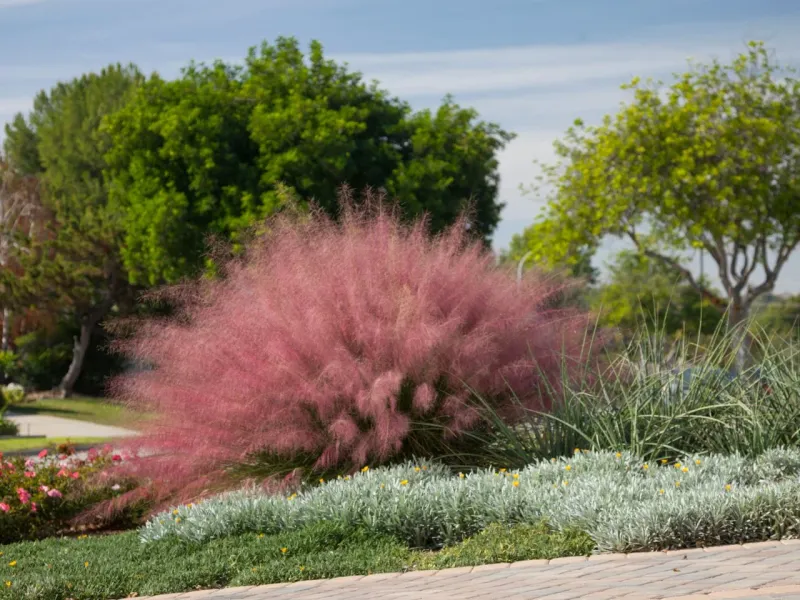
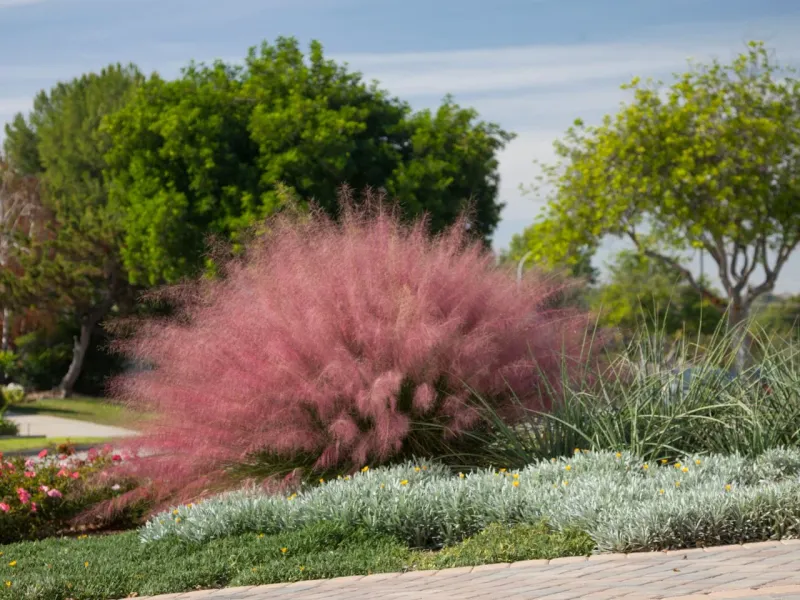
Fall drivers on the Coastal Plain have probably done a double take at it: a cloud of pink haze rolling along a curb. Pink muhly grass is native to our coast and Piedmont, and in autumn its airy seed heads glow at sunrise and sunset.
It laughs at heat, humidity, and sandy soil, so it is a smart pick for beach-area homes. Through winter the seeds feed sparrows and other birds.
Plant clumps two to three feet apart where they get full sun. Cut back in late winter before new growth starts.
For more height, mix in a few American beautyberry shrubs, whose purple berries feed songbirds in fall.
10. Coreopsis (Coreopsis spp.)
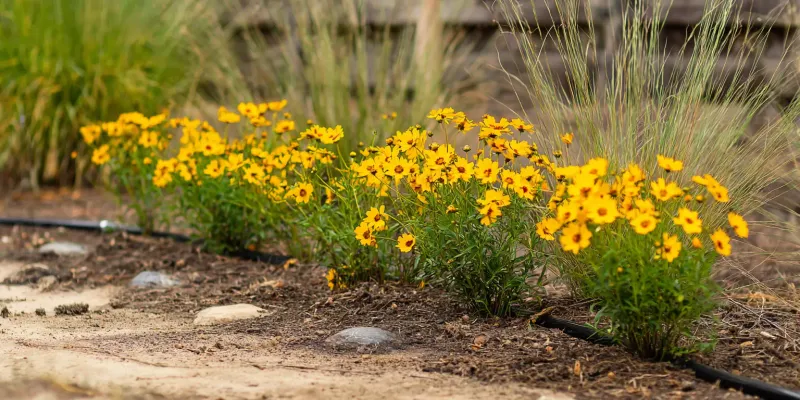
North Carolina already loves coreopsis, and it shows along our highways each summer. Bring that same sunny burst home to the driveway.
Its daisy-like yellow blooms run from late spring through summer and attract butterflies and bees. Leave spent flowers standing in fall, and goldfinches will cling to the stems picking out seeds.
Coreopsis is drought tolerant, deer resistant, and thrives in lean soil near hot pavement. Try lanceleaf coreopsis for sunny spots and plant in spring or fall.
Your monkey grass never earned a visit from a goldfinch.