
Got A Few Leftover Seed Packets? These 13 Vegetables Grow Happily Under A Simple Cold Frame All Winter
Those half-used seed packets in your drawer do not have to sit there until spring. A simple cold frame, which is just a bottomless box with a clear lid, can keep fresh vegetables growing right through the cold months.
Winter growing is often easier than summer growing because there are fewer bugs and less watering. Here are 13 vegetables that are happy to keep you in salads and soups while the rest of the garden sleeps.
1. Spinach
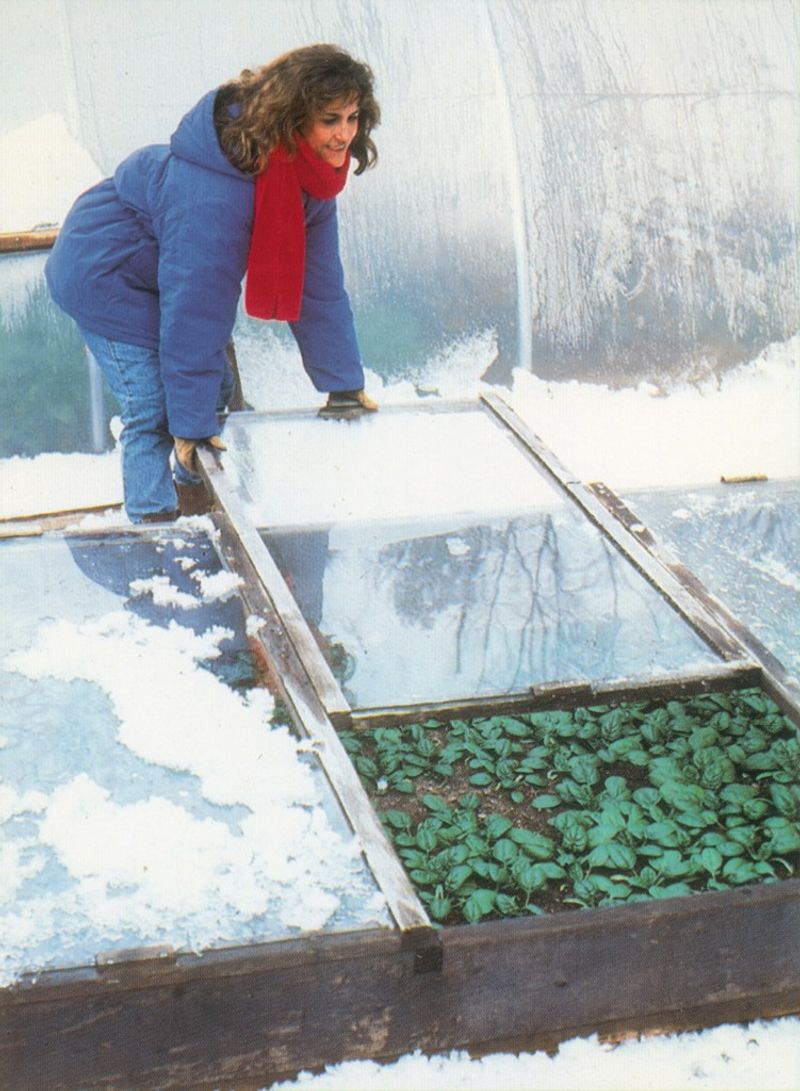
Ask any winter gardener which crop they would keep if they could only grow one, and spinach wins almost every time. It actually prefers cold weather, and summer heat makes it bolt fast.
Under a cold frame, it just keeps going.
Sow your leftover seeds in early fall so the plants have a good rosette of leaves before days get short. From mid-November to mid-January, growth slows way down, so you want plants already full-sized by then.
Think of the cold frame as a refrigerator that keeps your harvest fresh on the plant.
Cold also makes spinach leaves taste sweeter, since the plant stores sugar as a natural antifreeze. One small tip saves a lot of heartbreak: wait until after noon to pick.
Frozen morning leaves bruise easily and can turn to mush in your bag.
2. Carrots
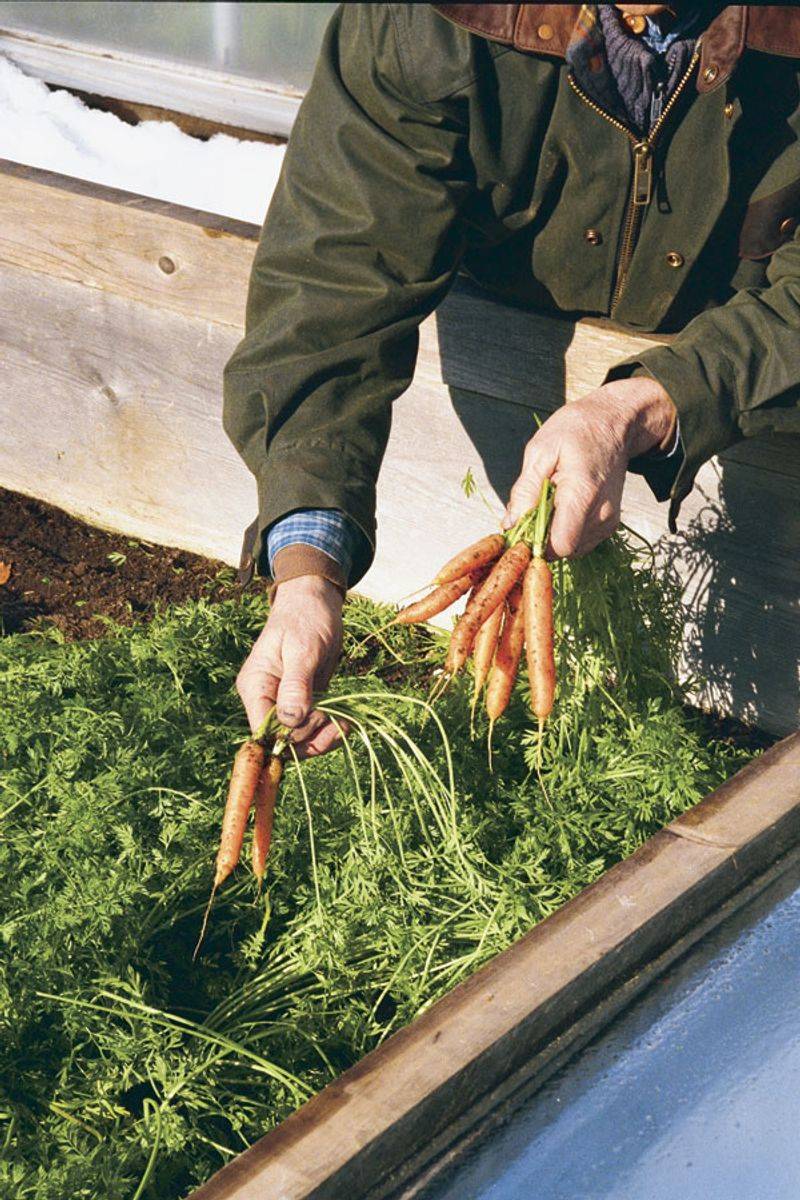
Pulling a carrot out of the ground in January feels a little like finding buried treasure. The chill does something magical to them, turning starches into sugars so the roots taste almost like candy.
Varieties such as Napoli and Bolero are well known for overwintering. Sow them in late summer so the roots reach full size before winter sets in.
After that, the cold frame simply holds them in place, crisp and sweet, until you are ready to dig.
Loose soil helps a lot, since carrots fork and twist in heavy clay. If your frame sits on tough ground, mix in some compost before planting.
Keep the soil lightly moist at sowing time, because carrot seeds are slow and fussy about drying out.
3. Lettuce
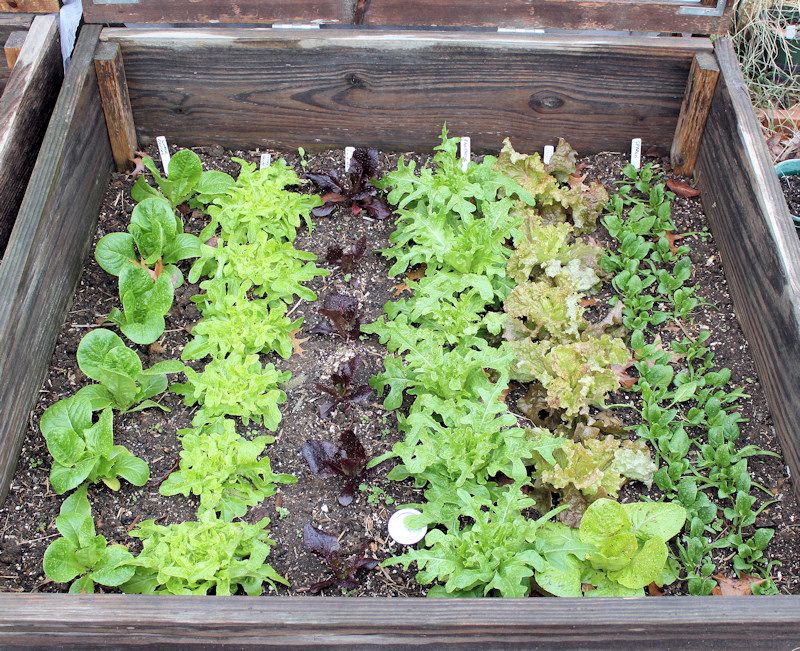
Store-bought winter lettuce often tastes like crunchy water. Homegrown leaves from a cold frame are a whole different story, tender and full of flavor.
Loose-leaf and butterhead types are the best picks because you can snip outer leaves and let the plant keep producing. Hardy relatives like endive and radicchio handle even colder nights.
With a lid overhead, you can stretch harvests weeks or even months beyond your usual season.
Lettuce is the crop most likely to cook on a sunny day. Inside a closed frame, temperatures can hit 70 degrees even when it is 26 outside.
Prop the lid open on bright days and close it again by mid-afternoon to trap warmth for the night.
4. Kale
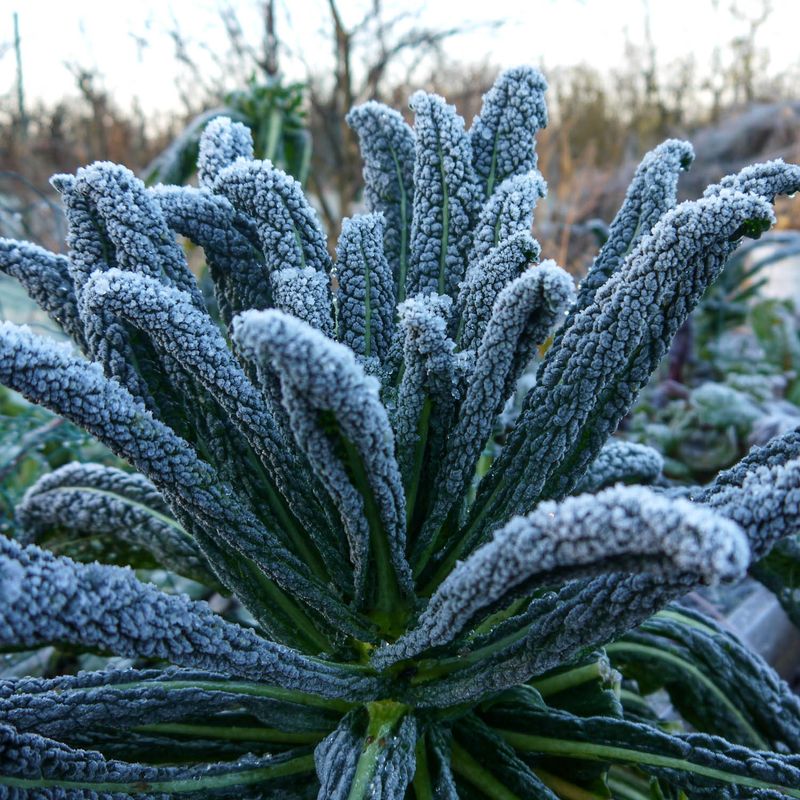
Tough as old boots and twice as dependable, kale barely notices winter. Dinosaur kale, also called Lacinato, can handle temperatures around 20 degrees without a cover, so a cold frame gives it a cozy margin.
Winter has a hidden bonus for kale growers. The cabbage worms and aphids that chew holes in summer leaves mostly disappear.
Many gardeners say their best-looking kale all year comes in the cold months.
Plant seeds in late summer or start transplants in early fall. Harvest the bottom leaves first and leave the growing tip alone.
A few plants can feed a family all winter if you pick a little at a time.
5. Arugula
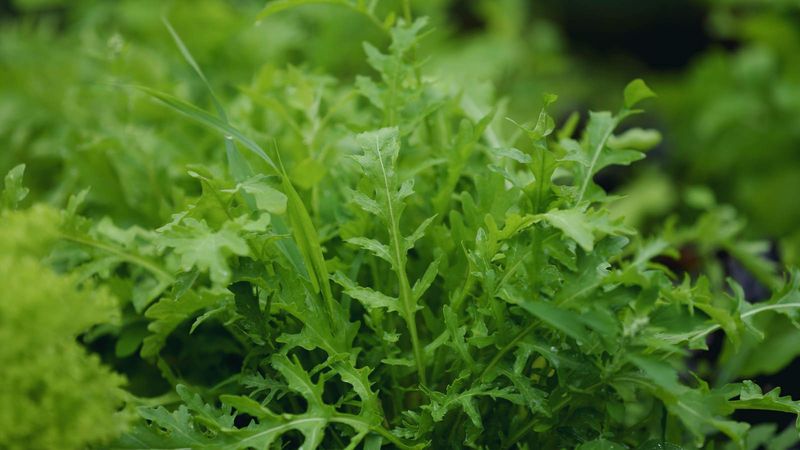
Peppery, fast, and almost impossible to mess up. Arugula is the crop for anyone who wants quick proof that winter gardening works.
Baby leaves can be ready in about a month from sowing in early fall. In summer, arugula turns bitter and flowers almost overnight.
In a cold frame, it stays mild and leafy much longer.
Scatter seeds thickly and cut with scissors about an inch above the soil. The plants often regrow for a second or third cutting.
A handful on pizza or tossed with warm roasted beets turns a gray day around.
6. Swiss Chard
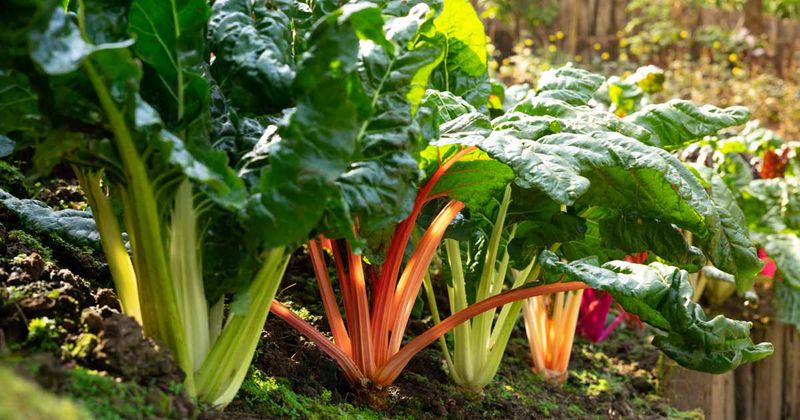
On a dull winter afternoon, lifting the lid to see glowing red and yellow chard stems is a real mood lifter. Few vegetables bring that much color to the cold months.
Chard is a biennial, so it is built to survive one winter before flowering the next year. That makes it naturally sturdy, and a cold frame lets it keep producing even in colder parts of the country.
Leaves may get smaller in deep winter, but they bounce back fast as days lengthen.
Harvest outer stalks by twisting them off at the base. Leave at least a few center leaves so the plant can keep feeding itself.
Fun fact: chard is actually a close cousin of the beet, just bred for leaves instead of roots.
7. Beets
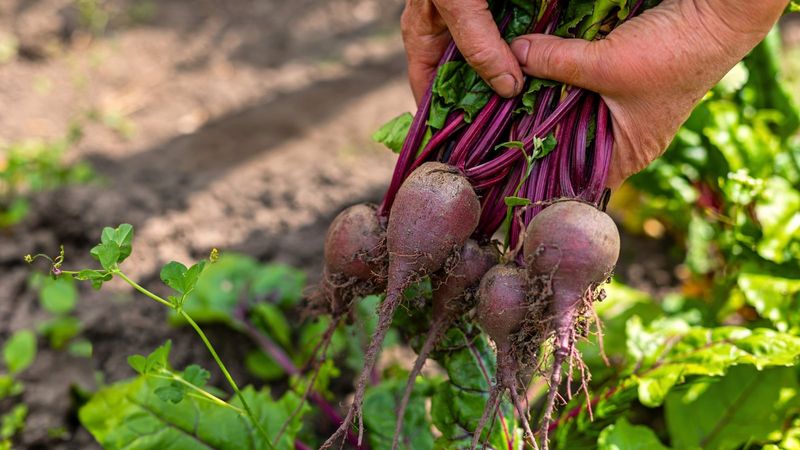
Here is a two-for-one deal hiding in your seed drawer. Beets give you sweet roots plus tender greens, and both handle frost surprisingly well.
Like carrots, beets get sweeter when temperatures drop. Sow them around late summer so roots size up before winter.
Then the cold frame keeps the ground from freezing solid, which makes digging possible in January.
Each wrinkly beet seed is really a cluster of several seeds, so thin seedlings to a few inches apart. Toss those thinnings into a salad rather than the compost pile.
Smaller roots around golf ball size tend to be the most tender.
8. Radishes
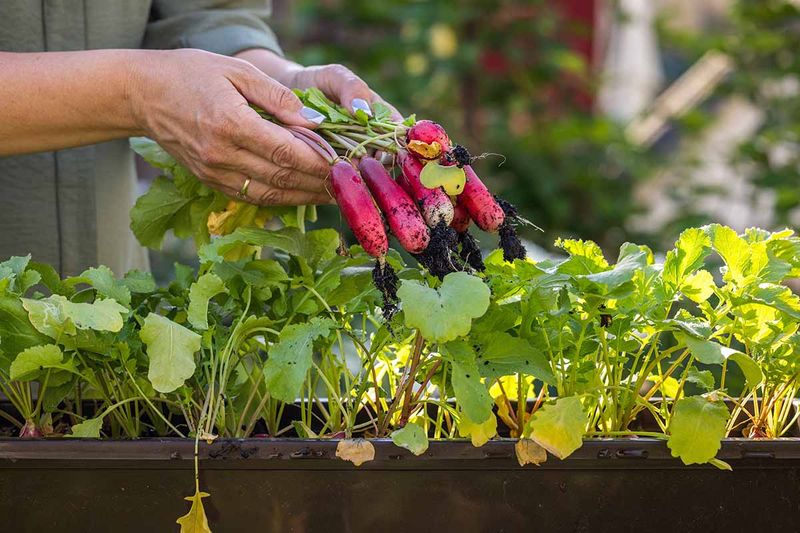
Impatient gardeners, this one is for you. Radishes can go from seed to snack in about four weeks, faster than almost anything else on this list.
Their speed makes them perfect for filling empty gaps in the frame. Sow a short row every couple of weeks in fall and again in late winter as light returns.
Growth slows in the darkest weeks, so do not panic if they pause.
Cool weather keeps radishes crisp and mild instead of woody and fiery. If yours are all leaves and no bulb, the plants are likely too crowded or too warm, so thin them and vent more often.
9. Tatsoi
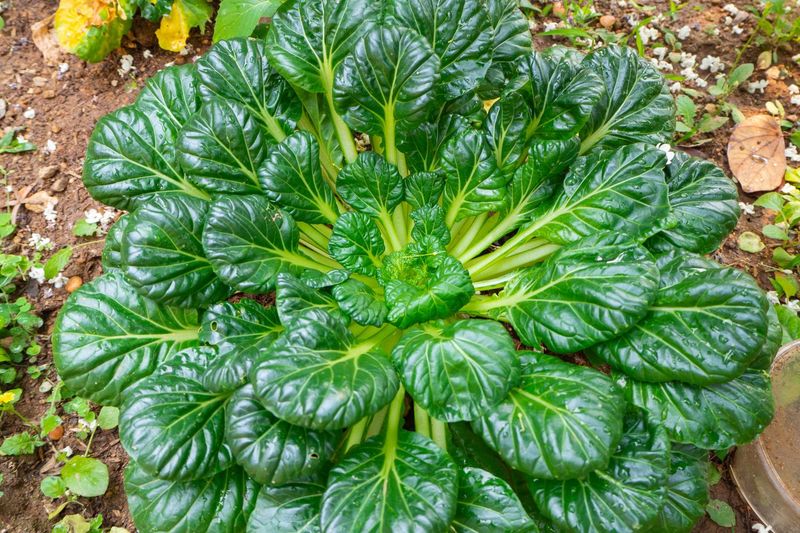
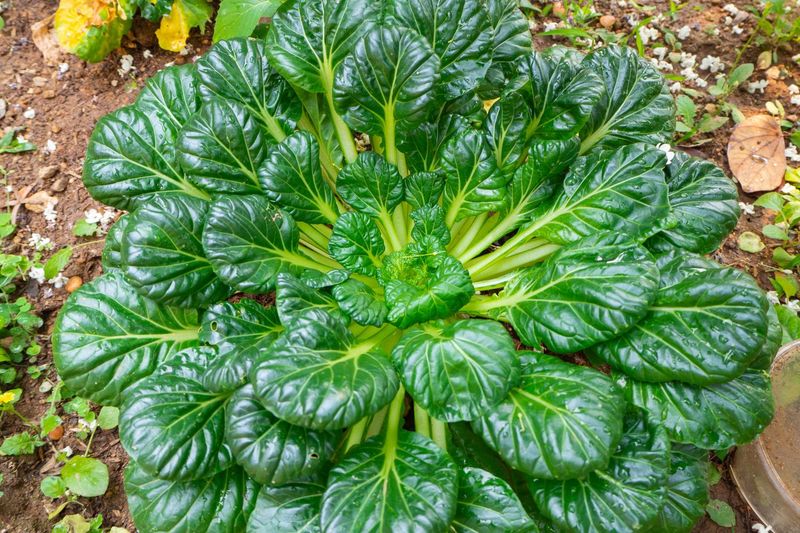
Picture a perfect green rosette, almost like a flower made of spoon-shaped leaves. That is tatsoi, an Asian green that many gardeners have never tried, yet it may become a winter favorite.
It grows low and flat, hugging the soil where the air stays warmest inside a cold frame. The flavor is mild, a bit like spinach with a hint of mustard.
It works raw in salads or quickly stir-fried with garlic.
Tatsoi shrugs off hard frosts and keeps producing well into winter. You can cut the whole rosette or pick leaves one at a time.
If a seed packet came free in a garden swap, this is the time to use it.
10. Mizuna
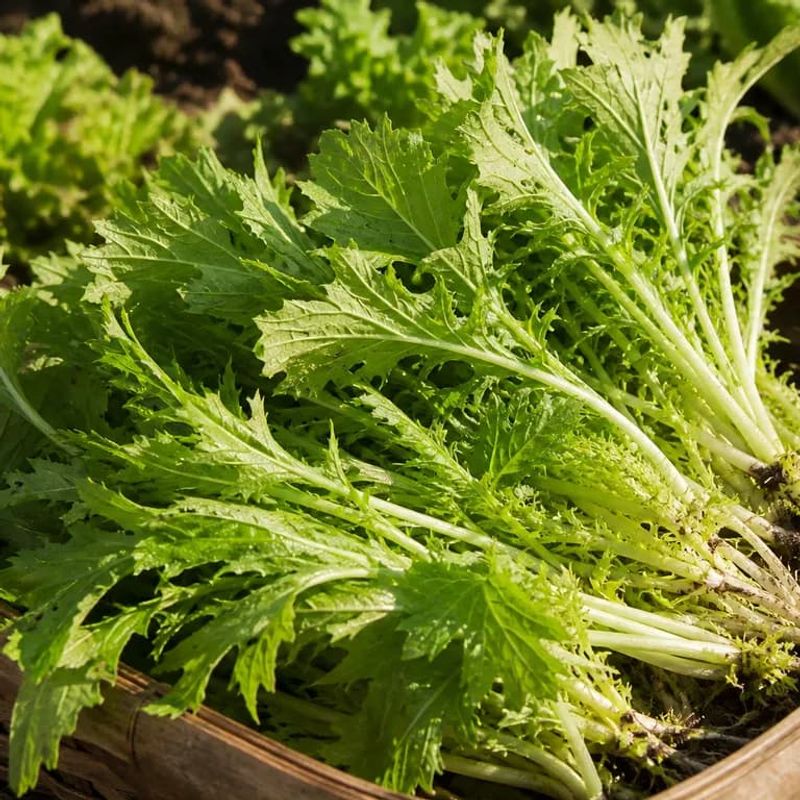
Frilly, feathery, and cheerful, mizuna looks almost too fancy for a homemade cold frame. Do not let the looks fool you, because it is one of the easiest greens around.
Mizuna is a cut-and-come-again crop. Snip it near the base, and it regrows for multiple harvests.
The taste is mildly peppery, gentler than arugula, which makes it a good choice for picky eaters.
Its lacy leaves also add volume to salad mixes. Try sowing it in the same row as lettuce and tatsoi for a homegrown spring mix in the middle of winter.
11. Cabbage
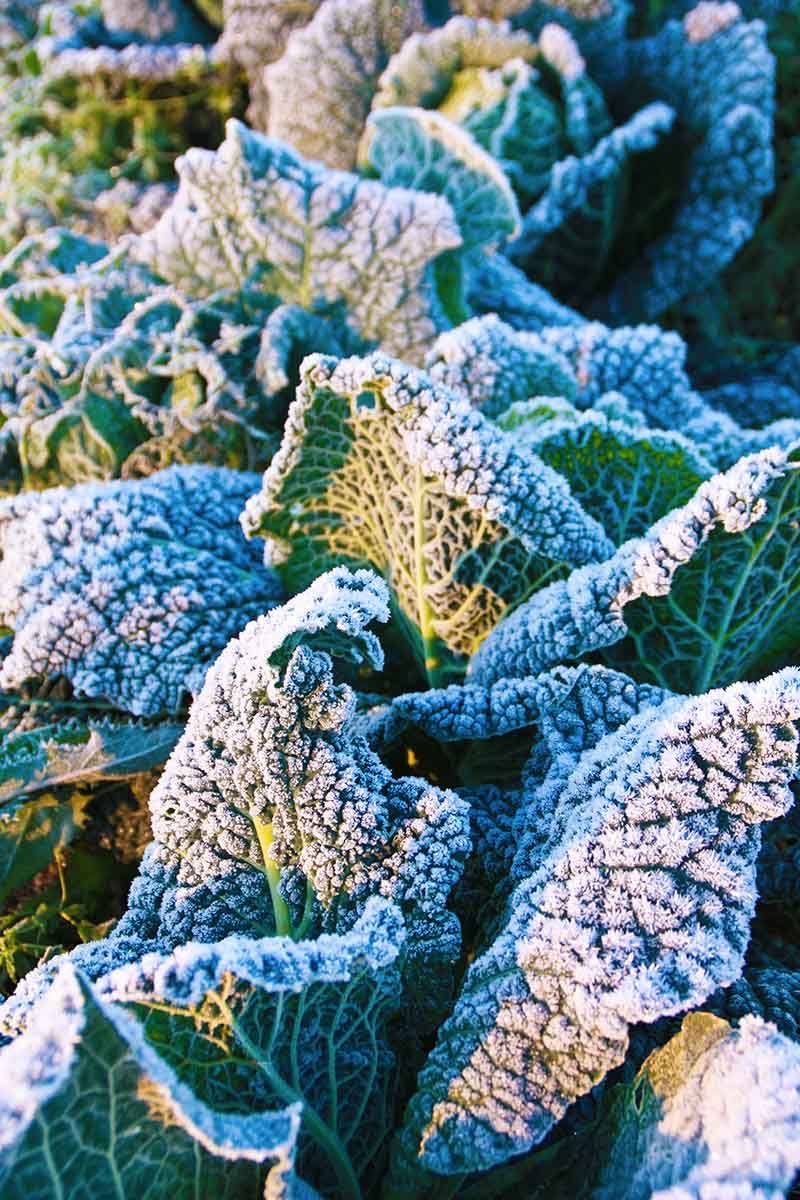
Patience pays off with cabbage. Unlike quick greens, this crop treats the cold frame as a safe winter waiting room before a spring payoff.
Cabbage is naturally frost-resistant. Young plants set out in fall can ride out winter under cover, then put on growth and form heads as days warm.
You get fresh cabbage weeks before spring-planted crops.
Choose smaller or early varieties so they fit under the lid. Give each plant space, since crowded cabbages struggle to head up.
Keep an eye out on mild days for slugs, which sometimes hide in sheltered frames.
12. Leeks
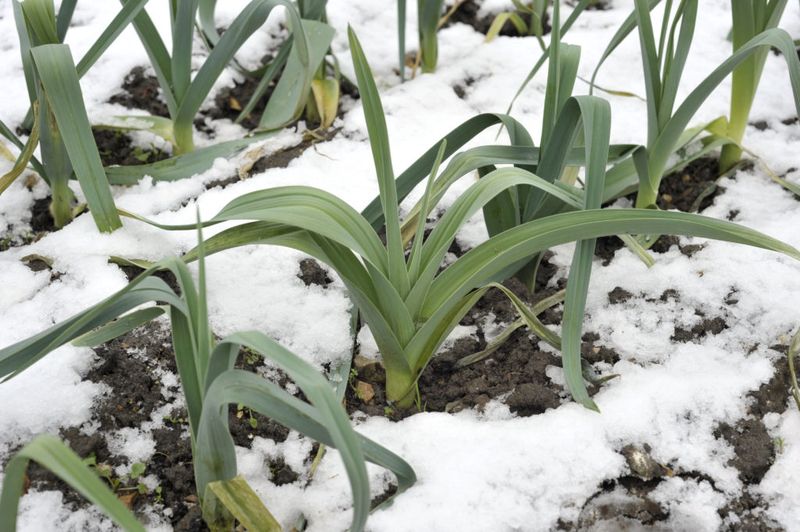
Potato leek soup made with leeks you pulled that morning is about as cozy as winter cooking gets. Leeks are tough alliums that stand in the ground for months without complaint.
Because they grow tall, they suit deeper cold frames or simple hoop covers. Start them earlier in the year, since leeks are slow.
Once mature, they hold well, so you can harvest one at a time as needed.
Piling soil or mulch around the stems blanches them, giving longer white sections. Wash them well, because grit loves to hide between the layers.
13. Cilantro
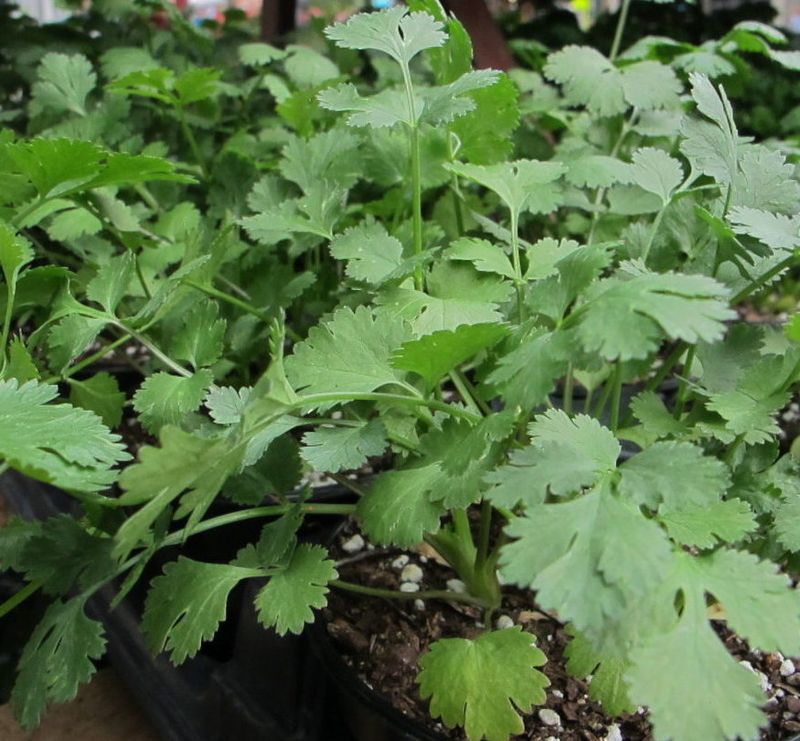
Summer cilantro is famous for flowering almost as soon as it sprouts. Winter flips that story, and cold-frame cilantro stays leafy for a long time.
This herb actually likes cool temperatures. Sow seeds in early fall and enjoy fresh sprigs for winter tacos, soups, and salsa.
It handles light frost well, and the frame protects it during hard freezes.
Pick regularly to encourage bushy growth. If some plants do flower in spring, let them go to seed, which is coriander, and you may get free seedlings next fall.
Leftover seed packets and a simple box with a lid can keep your garden going all winter. Start with a few of these crops, vent on sunny days, and enjoy fresh harvests when you least expect them.