
These Underrated North Carolina Native Shrubs Stay Compact Enough For Any Foundation Bed And Feed Birds All Winter
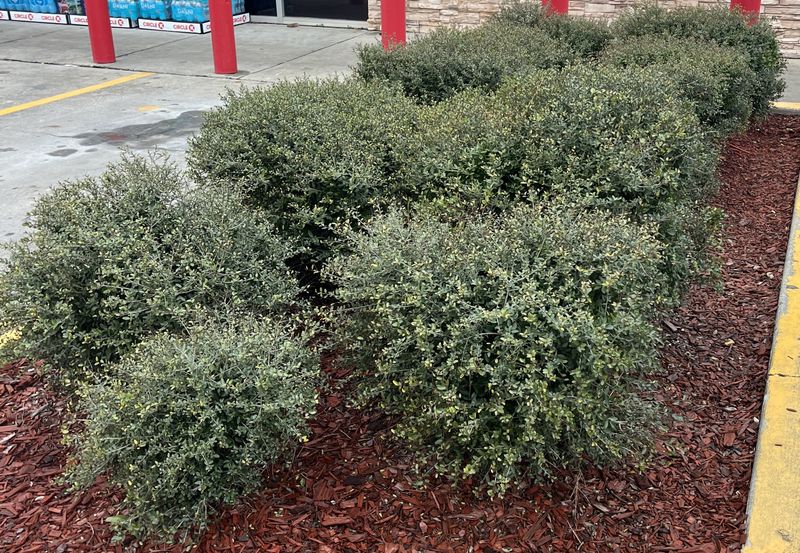
Most foundation beds in North Carolina are packed with the same boxwoods and Nandina, and the birds pass right by them in January. Swap in the right native shrubs, and that strip of soil by your front steps can become a winter feeding station for robins, bluebirds, and cedar waxwings.
The seven shrubs below stay small enough to sit under a window without blocking the view. Each one also hangs onto berries, seeds, or shelter when food is hardest for wildlife to find.
1. American Beautyberry
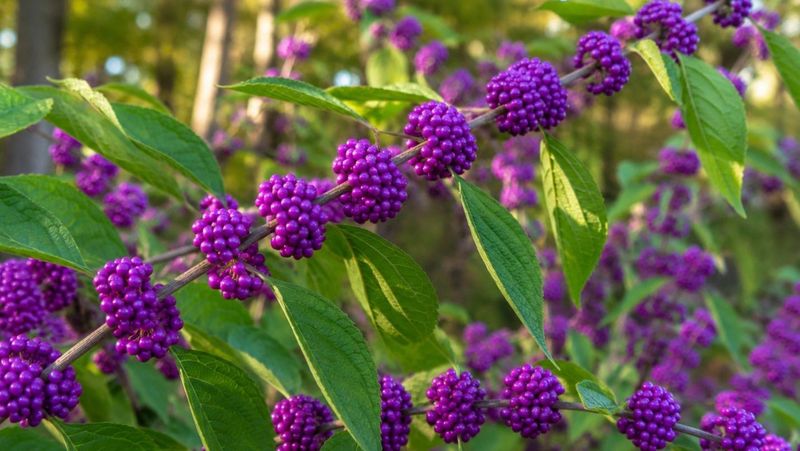
Those neon purple berries look almost fake the first time you see them in October. Callicarpa americana grows wild along woodland edges from the Coastal Plain to the Piedmont, and towhees, robins, and purple finches know exactly where to find it.
Left alone, beautyberry can reach 6 feet or more. The trick for a foundation bed is simple: cut the whole shrub back to about 12 inches in late winter.
It blooms and fruits on new wood, so you get a tidy 3 to 4 foot mound loaded with berries by fall.
Here is the steward bonus. Beautyberry is one of the best replacements for invasive Nandina, whose berries can poison cedar waxwings.
Crushed beautyberry leaves have a folk reputation for repelling bugs, and research suggests compounds in them may help deter ticks and mosquitoes, but the shrub itself is not a tick barrier for your yard.
2. Berry Poppins Winterberry Holly
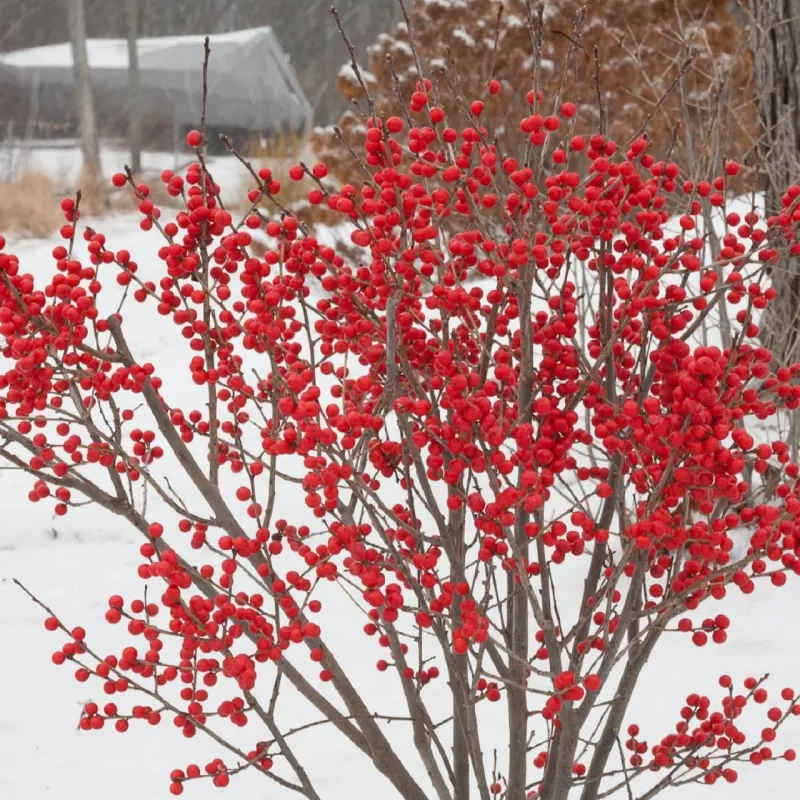
Picture a gray January morning, bare trees everywhere, and then a burst of red right under your living room window. That is winterberry, a deciduous holly that drops its leaves in fall and keeps its fruit on display all winter.
The wild species can grow 10 feet or taller, which is why the cultivar ‘Berry Poppins’ is such a gift for small beds. It tops out around 3 to 4 feet.
Researchers have counted at least 48 bird species eating winterberry fruit, including cedar waxwings, bluebirds, and robins.
One catch: you need a boy. Plant a male pollinator like ‘Mr. Poppins’ within about 50 feet, or the berries will never appear.
Tuck him around the side of the house where he can do his job quietly.
Winterberry handles soggy clay, drought, compaction, and even salt spray near the coast. Deer usually leave it alone too.
3. Compact Inkberry Holly
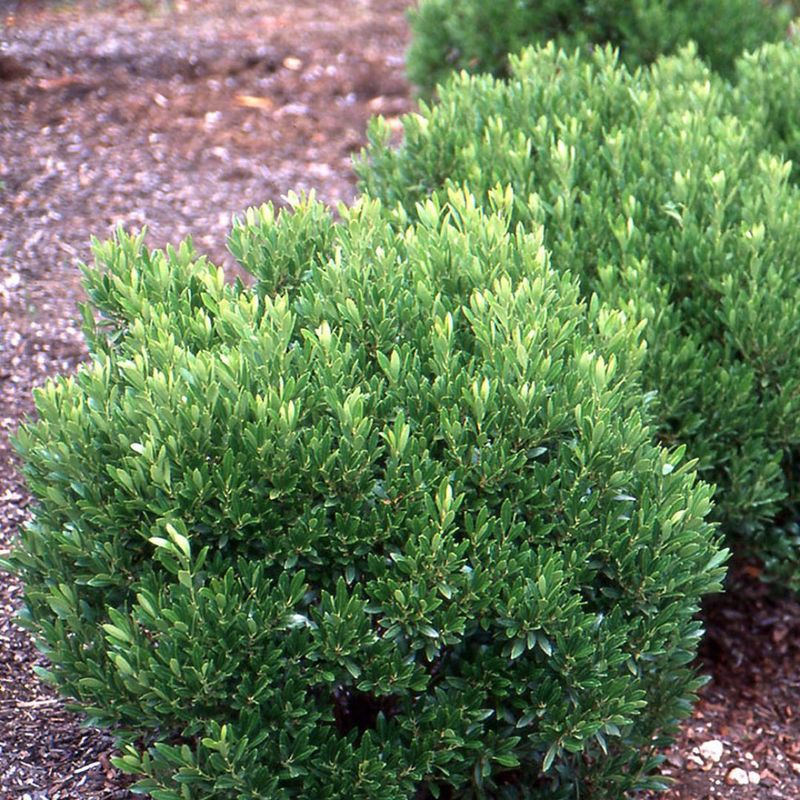
Want the clean evergreen look of boxwood without the boxwood blight worries? Meet inkberry, a native holly with soft, spineless leaves that stay deep green all year.
Cultivars like ‘Shamrock’ and ‘Compacta’ hold a neat, rounded shape around 3 to 4 feet tall. Females produce small black berries in fall that linger into winter, a quiet snack for thrushes, mockingbirds, and small mammals.
As with winterberry, a male plant nearby is needed for fruit.
Inkberry likes acidic soil, which most NC yards have naturally. It shrugs off damp spots near downspouts and works in rain gardens too.
Year-round foliage also gives songbirds a place to duck out of the wind on bitter nights.
4. Red Chokeberry
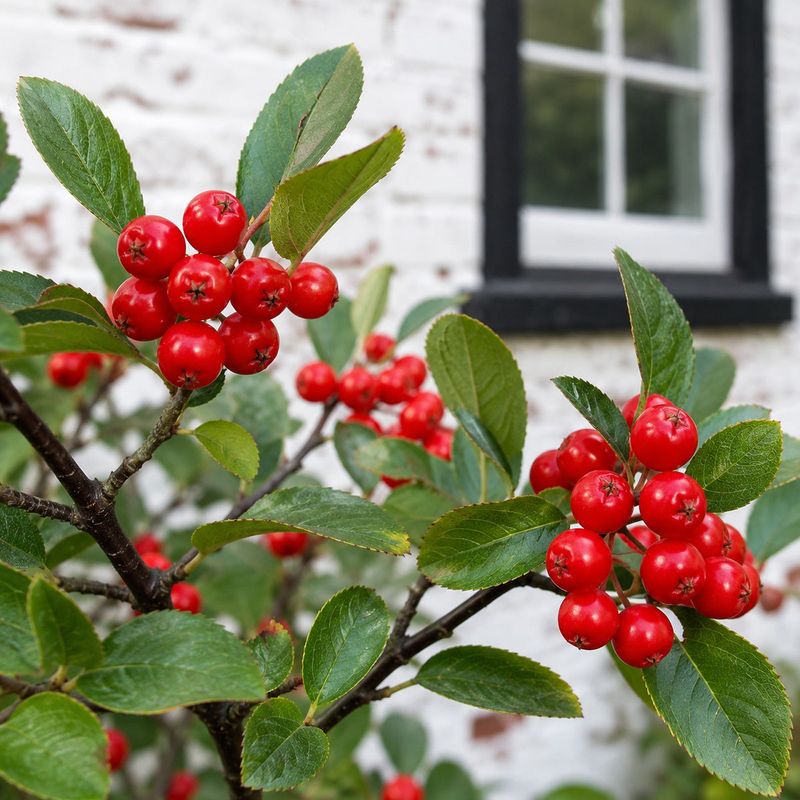
Few shrubs earn their keep in four seasons the way red chokeberry does. White blossoms feed native bees in spring, the leaves turn fiery scarlet in fall, and red berries hang on from autumn deep into winter.
The funny part is the name. The berries are so tart that birds often skip them at first, which is actually great news, because it means food is still waiting in February when other shrubs are picked clean.
Aronia arbutifolia can reach about 7 feet, so choose ‘Brilliantissima’ and give it a light trim after flowering to keep it in bounds. It grows in wet ditches and dry slopes alike, making it a forgiving pick for that awkward corner bed.
5. Dwarf Yaupon Holly
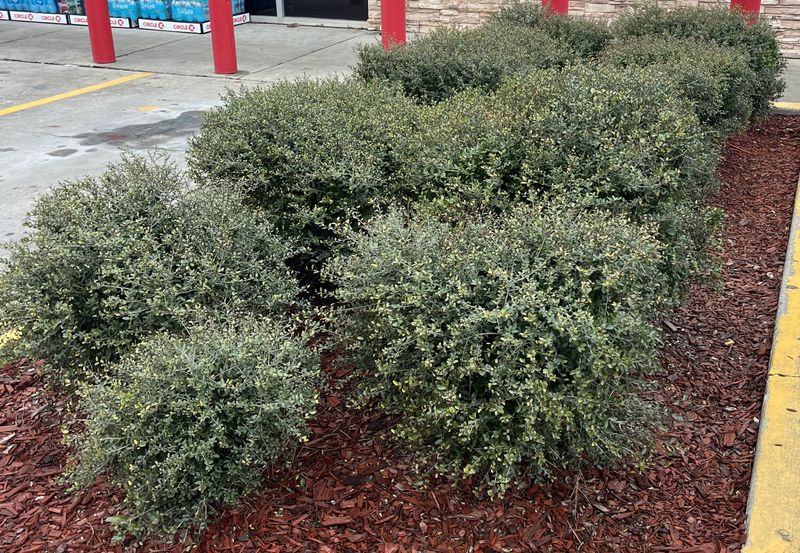
Long before it became a landscaping staple, yaupon grew wild across the Outer Banks and Coastal Plain, and Native peoples brewed its leaves into a caffeinated tea. It is the only native North American plant with caffeine.
Dwarf forms like ‘Nana’ and ‘Schillings’ stay in tight 2 to 4 foot mounds, the closest native stand-in for clipped boxwood or non-native Japanese holly. Be honest with yourself here: most dwarf forms are male and rarely fruit.
For berries, plant a compact female like ‘Bordeaux’ or a straight-species female you prune yourself. Her red fruit feeds bluebirds and cedar waxwings, while the dense evergreen branches give wrens and sparrows winter cover either way.
Salt, sand, heat, and drought barely faze it.
6. Gro-Low Fragrant Sumac
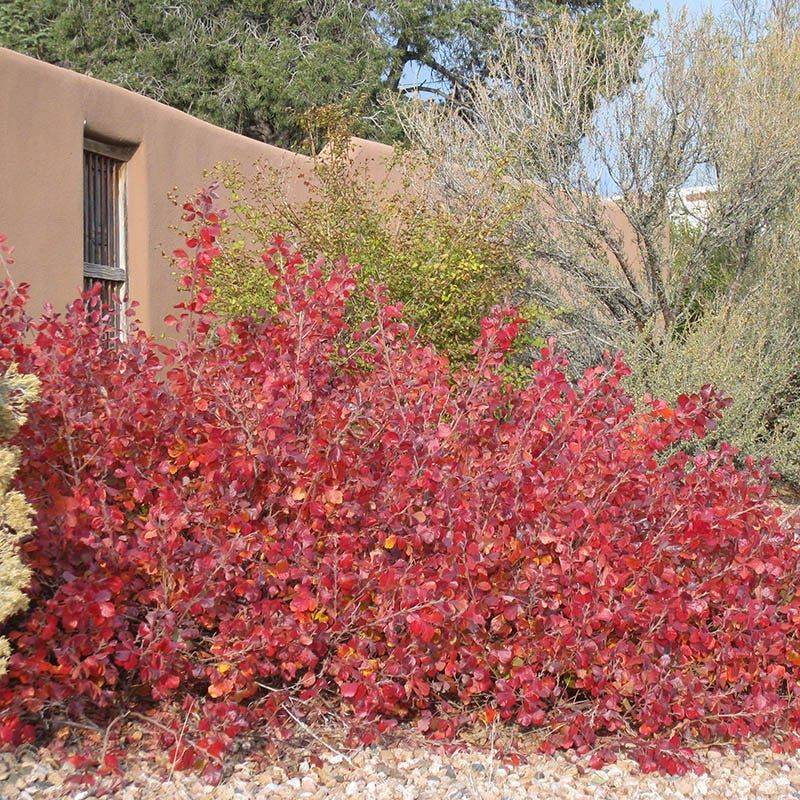
Low, wide, and tough as an old work boot. ‘Gro-Low’ fragrant sumac stays about 2 feet tall while spreading 6 feet or more, which makes it perfect for the front lip of a bed or a sunny slope by the driveway.
Rhus aromatica is native to scattered sites in North Carolina, mostly the western half. Its fuzzy red berries ripen in summer and persist, becoming a backup food source for bluebirds, robins, and even wild turkeys when nothing else is left.
Sumac fruit is not the first thing birds grab, and that is the point. It works like a pantry they raid late in winter.
Bonus: crush a leaf and you get a citrusy scent, plus a blaze of orange and red each November.
7. Virginia Sweetspire
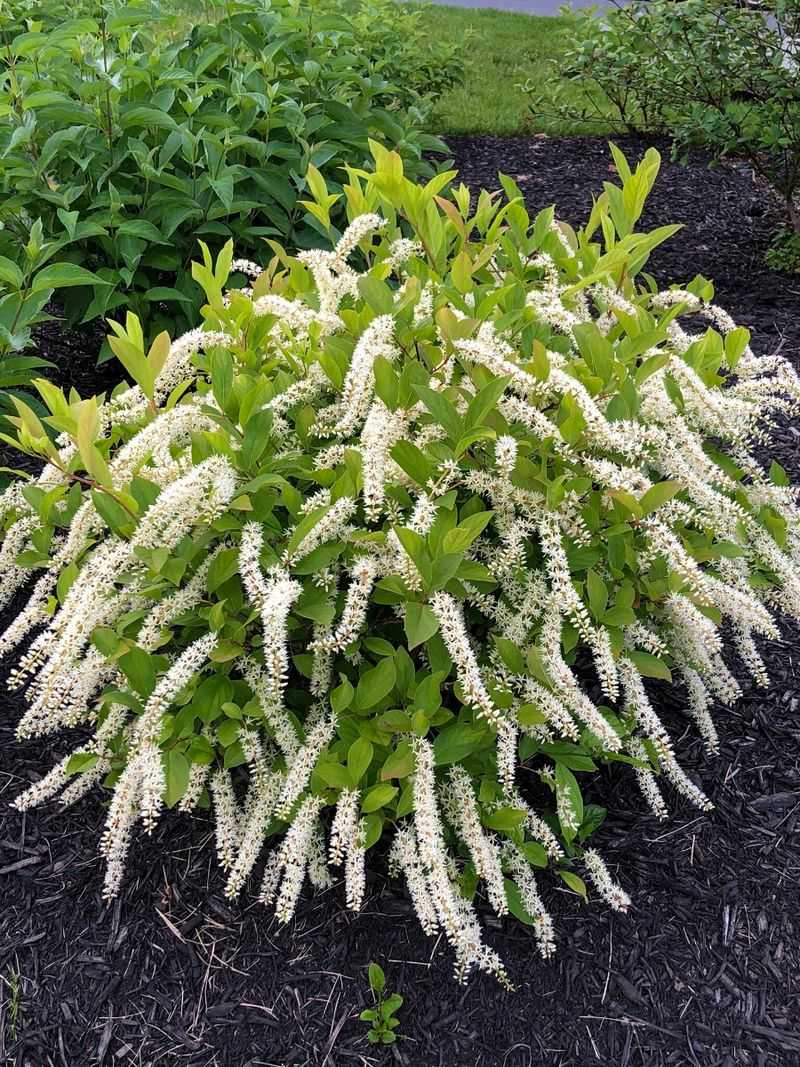
Ask a seasoned NC native plant fan for an underused shrub, and Virginia sweetspire often comes up fast. In late spring it covers itself in white, honey-scented flower spikes that pull in native bees and butterflies.
So where do the birds come in during winter? The dried seed capsules stay on the stems, and the dense, suckering branches make cozy cover for Carolina wrens and white-throated sparrows.
Leaves turn wine red in fall and often hang on well into winter in the Piedmont and coast.
‘Little Henry’ stays around 2 to 3 feet, ideal under low windows. Plant it where you once had invasive Japanese barberry, a known tick haven, and you trade a problem shrub for one that gives back.
Sweetspire loves moist spots but adapts to average soil easily.