
Not Sure What To Do With Your Leftover Fall Bulbs? 15 Of Them Bloom Indoors In Pots All Winter
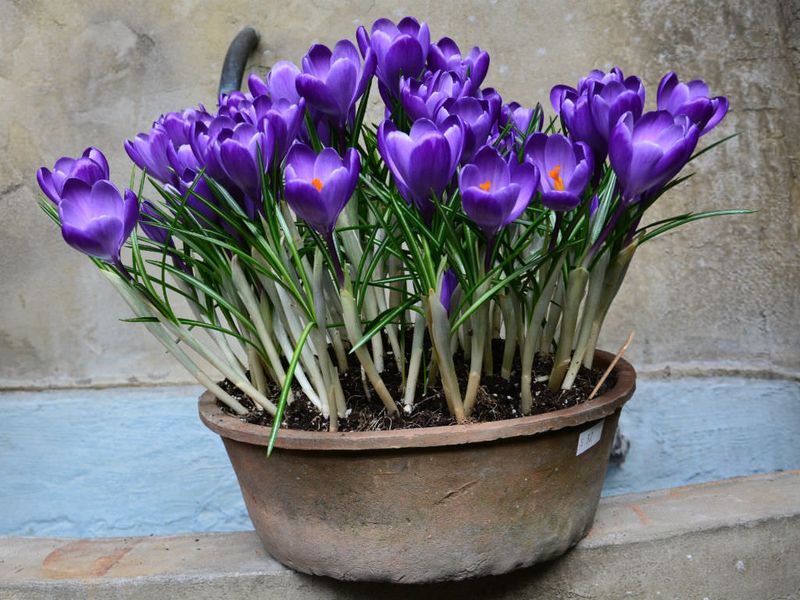
That half-empty bag of bulbs sitting in your garage does not have to go to waste. Many fall bulbs can be tucked into pots and coaxed into blooming right on your windowsill while snow piles up outside.
The trick is called forcing, and it mostly comes down to giving each bulb the right amount of cold, water, and light. Here are 15 bulbs that work, plus the simple fixes that keep them from flopping, rotting, or refusing to flower.
1. Hyacinths
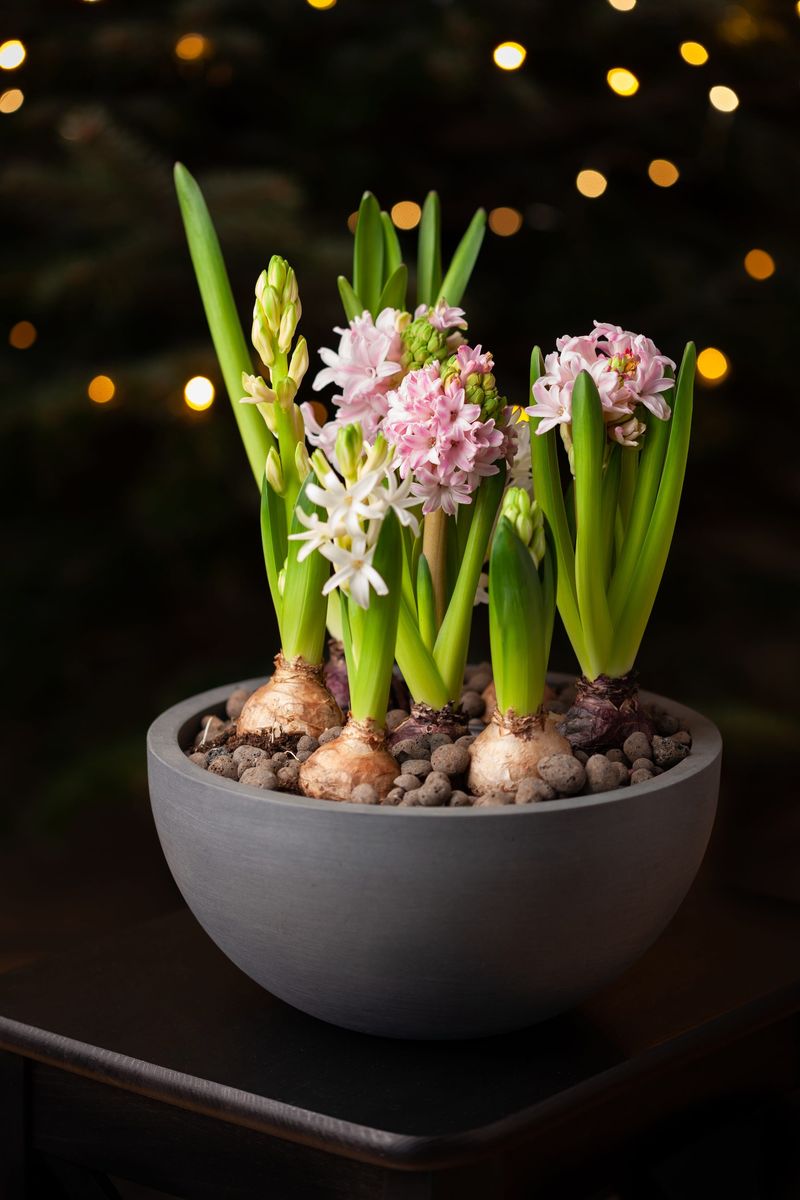
One pot of hyacinths can perfume an entire living room, and that is both the charm and the warning. Their dense, curly flower spikes are some of the easiest blooms to force, which makes them a smart first project for leftover bulbs.
Plant them so about one-third of each bulb peeks above the soil. Wear gloves while you handle them, since the papery skins contain oxalic acid that can make your hands itch.
Then chill the pot for 12 to 15 weeks somewhere between 35 and 48°F.
Got short, stubby stems with flowers stuck down in the leaves? That usually means the bulbs did not get enough cold time.
Next round, wait until white roots poke out of the drainage holes before bringing them inside. If the scent feels like too much, park the pot in an entryway rather than a small bedroom.
2. Daffodils
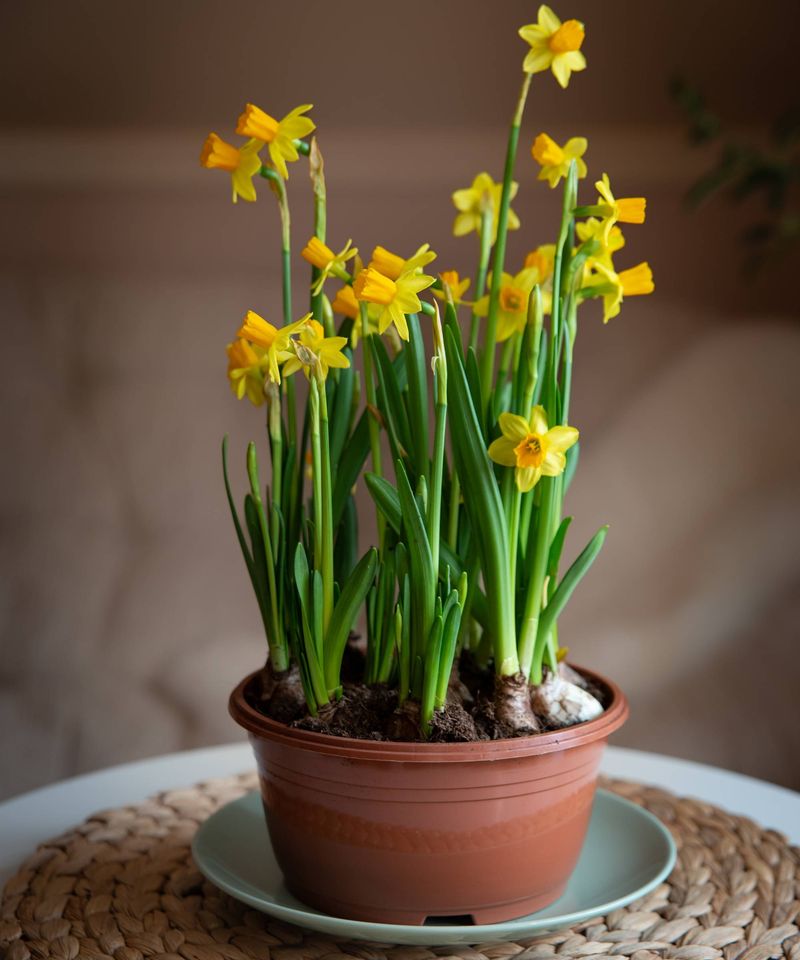
Nothing says spring is coming quite like a cheerful yellow trumpet in January. Daffodils are tough, reliable, and forgiving, so they reward beginners who are nervous about wasting bulbs.
Tuck them in close together and leave the pointed tips sticking out of the soil. They need a long chill of about 15 to 17 weeks at 35 to 50°F.
Miniature types like Tete-a-Tete stay compact and fit nicely on a sill.
Floppy stems are the most common complaint. The usual culprit is weak light once the pot comes out of the cold, so move it to your brightest window and give it a quarter turn every few days.
Tall varieties may still need a thin stake or a loop of twine.
Keep curious cats and dogs away, because daffodil bulbs and leaves are toxic to pets. After blooming, you can plant them outside, though they may skip a year before flowering again.
3. Tulips
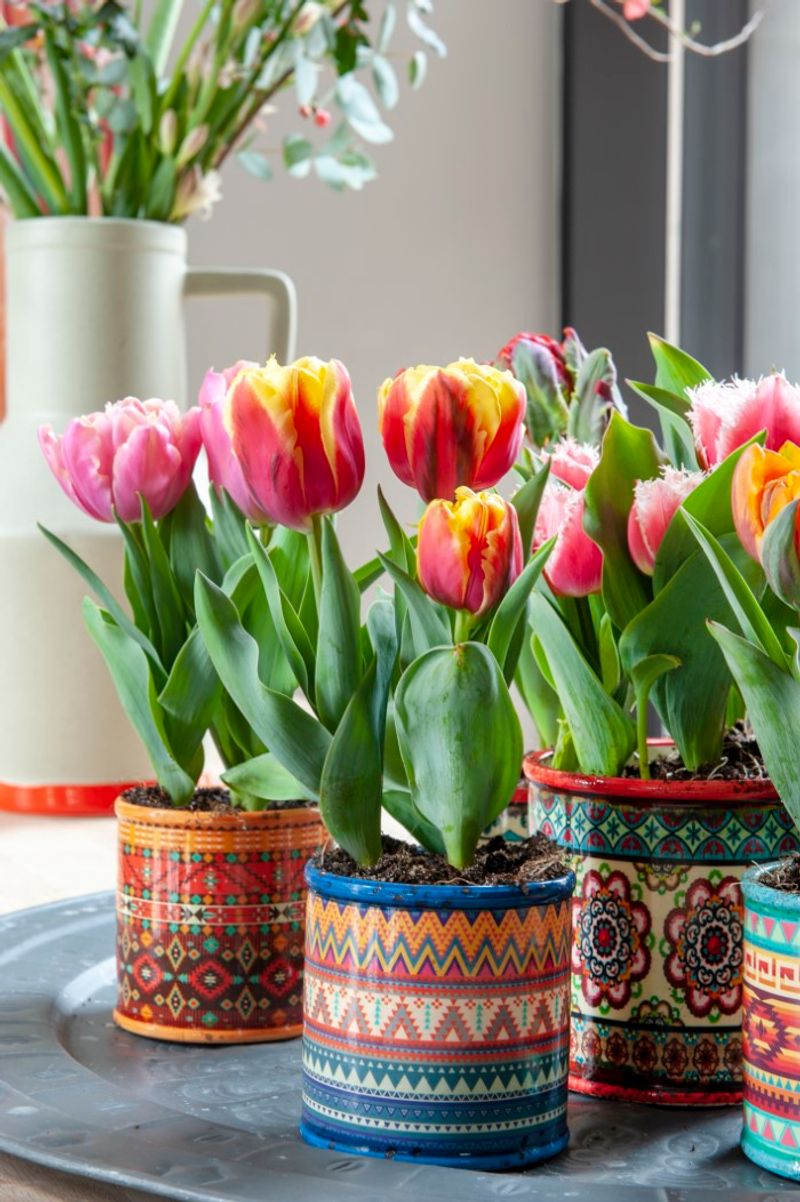
Here is a little secret growers use: every tulip bulb has one flat side. Point that flat side toward the wall of the pot, and the biggest leaf will grow outward, framing the edge like a neat green collar.
Tulips are a bit fussier than daffodils or hyacinths, so set your expectations accordingly. They want 15 to 17 weeks of chilling, and some varieties prefer even longer.
Short, early types labeled for forcing tend to do best.
Check your leftover bulbs before planting. Any with torn skins, soft spots, or mold should go in the compost, since damaged bulbs invite disease in a crowded pot.
Firm, heavy bulbs give you the best shot.
Once they bloom, keep the pot cool at night to make the petals last longer. Most forced tulips will not bloom well again, so enjoy the show and then compost them guilt-free.
4. Crocus
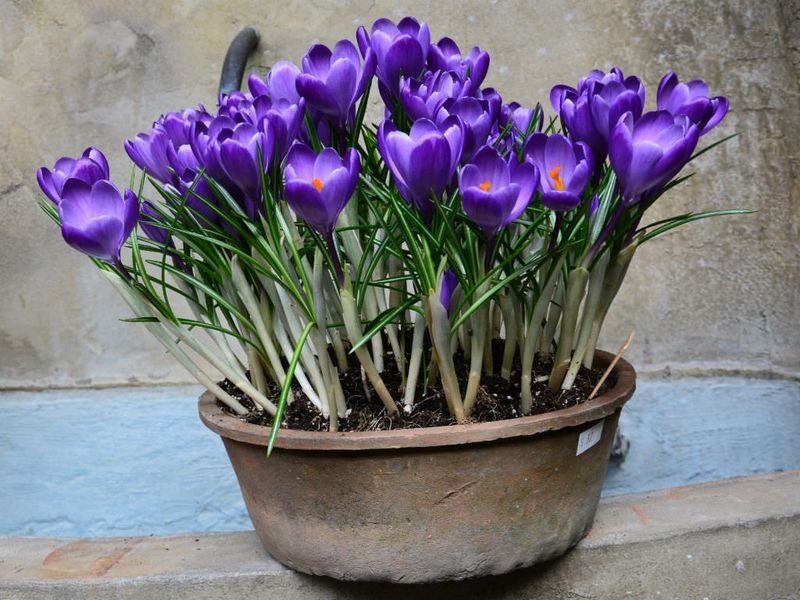
Small but mighty, crocus bulbs pack a surprising punch of color into a tiny bowl. A shallow dish of purple and white cups on a coffee table can lift a gray February afternoon.
Since the corms are little, cover them completely with soil. Pack them in tight for the fullest look.
They need about 15 to 17 weeks of cold at 35 to 50°F.
Sparse blooms almost always point back to a short chilling period. Mark your start date on the calendar so you are not tempted to rush them indoors.
When you do bring them out, a cool, bright room keeps the flowers open longer, since crocus petals close up and fade fast in warm air.
5. Grape Hyacinth
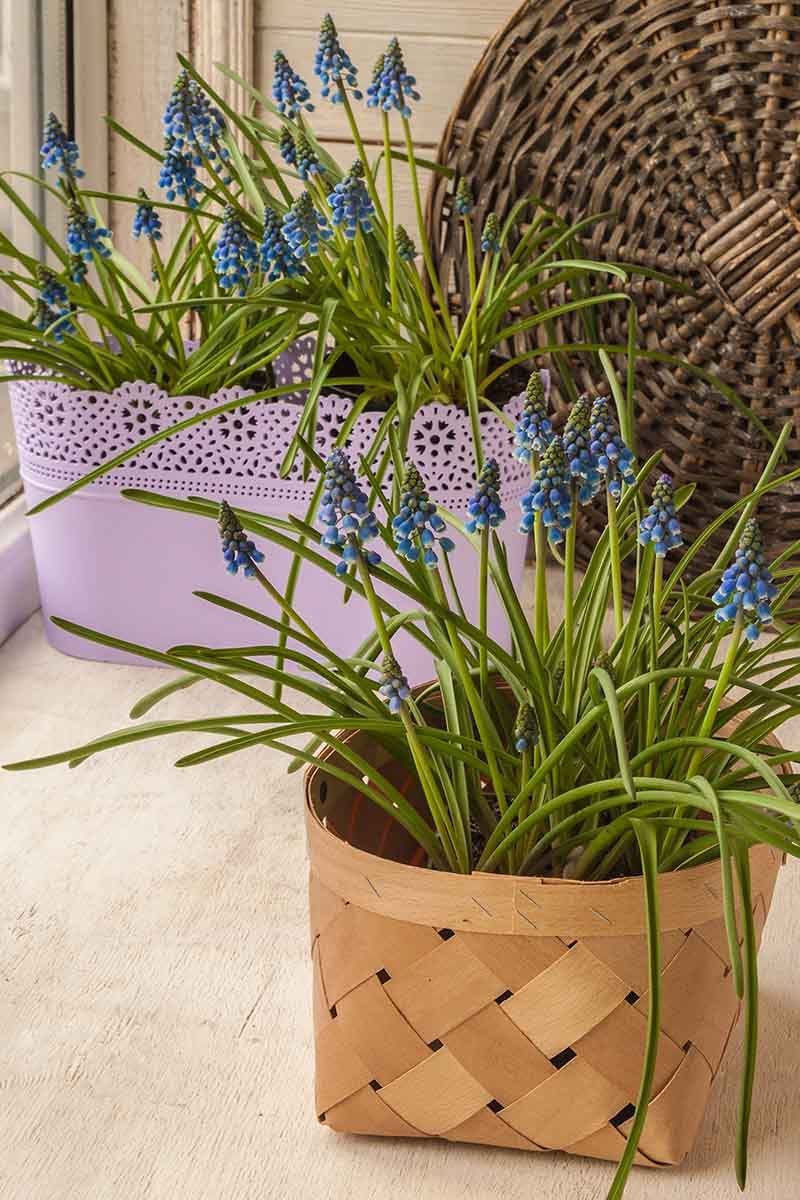
Picture tiny clusters of blue beads standing at attention, and you have grape hyacinth. Muscari looks adorable massed in a mug, a teacup, or a vintage tin with drainage holes punched in.
They are among the quickest bulbs to force, with some sources suggesting as little as 8 to 10 weeks of cold. Others recommend the longer 15 to 17 weeks, so if your first batch underperforms, add time next year.
Plant them shoulder to shoulder with the tips exposed. If the leaves grow long and stringy while the flowers lag behind, the plant is begging for more light.
A south-facing window or a simple grow light usually fixes it.
6. Dwarf Iris
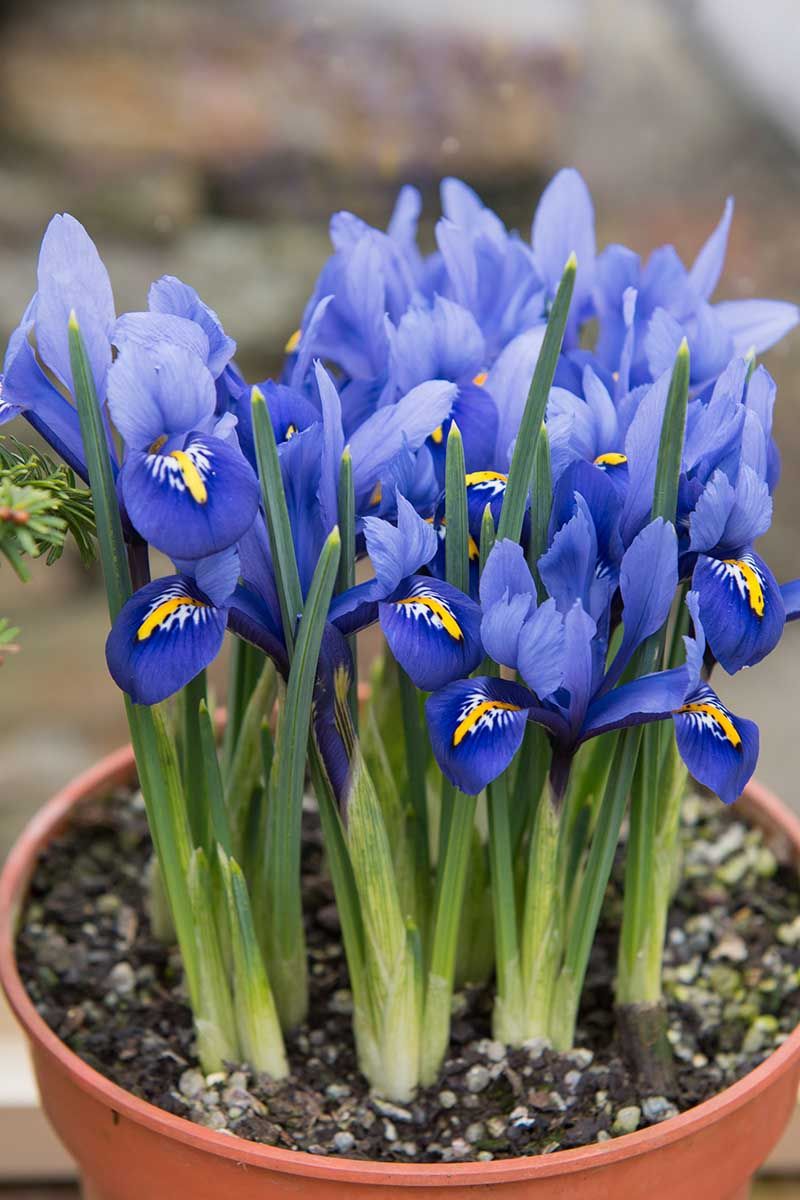
Lean in close to a dwarf iris and you will spot tiny yellow and white markings painted on each violet petal, like a little landing strip for bees. Iris reticulata stands only a few inches tall, which makes it perfect for close-up viewing on a desk.
Set the bulbs side by side, pointy ends up, with the tips just showing. Give them 15 to 16 weeks of steady cold.
Consistency matters more than anything here. A garage that swings from freezing to warm can confuse them, so a spare fridge or a steady basement is a safer bet.
Flowers are brief, often lasting about a week, so stagger a few pots for a longer display.
7. Siberian Squill
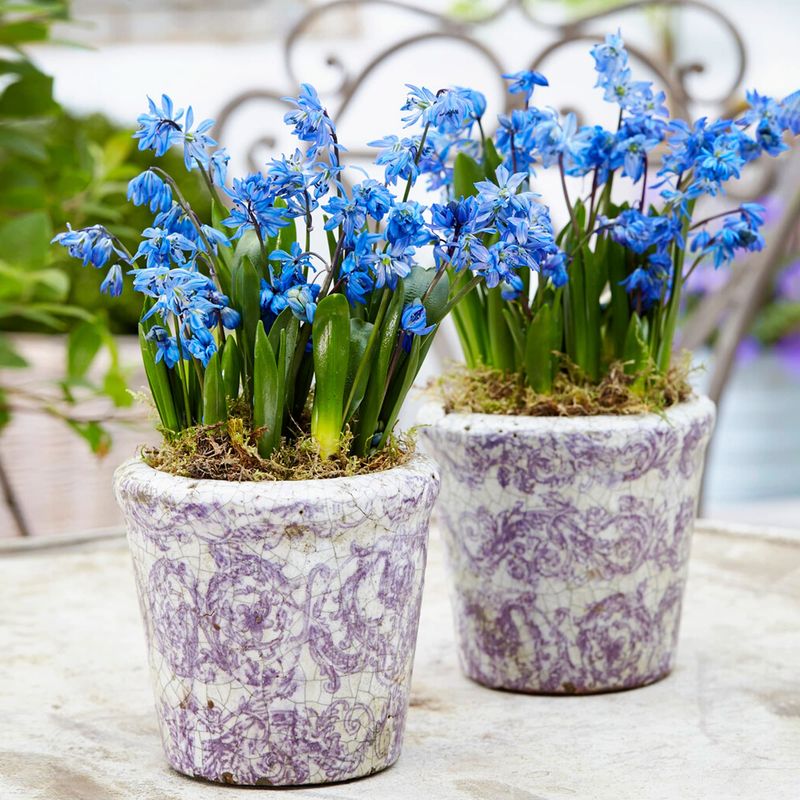
Few blues are as electric as Siberian squill. The nodding, starry flowers look almost too bright to be real, and they bring a jolt of color that pairs nicely with white crocus.
Cover the small bulbs fully with soil and chill them for 12 to 16 weeks. Some growers give them a short pre-chill in a paper bag in the fridge before potting, which can help.
Keep the pots inside a garage or fridge rather than outdoors on a porch. Outdoor containers swing hot and cold during sunny winter days, and those spikes can damage roots and lead to rot.
Steady cold is the goal.
8. Dutch Iris
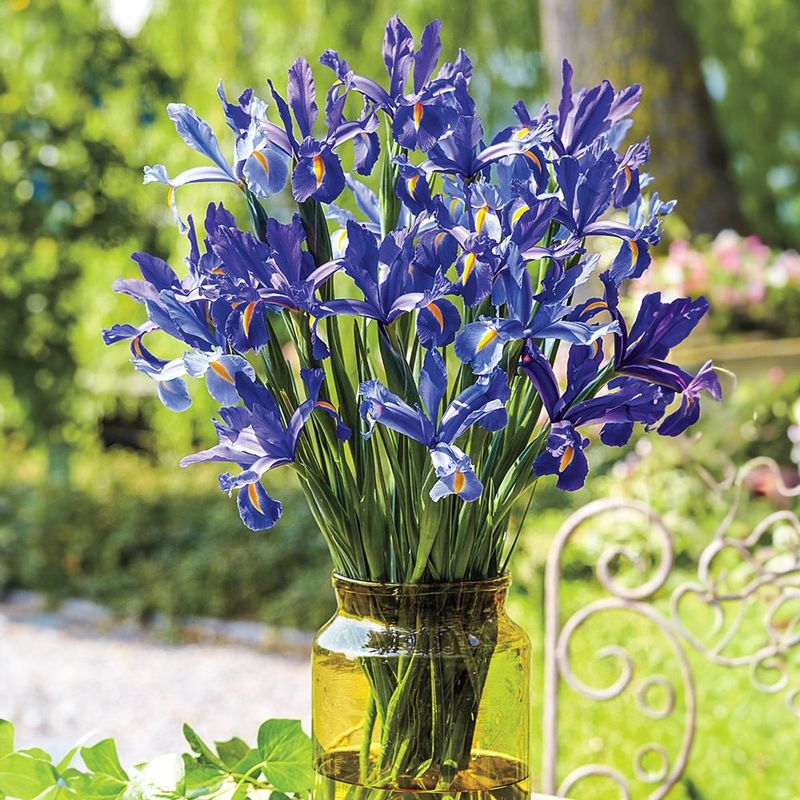
Ever bought a bunch of iris at the grocery store? Odds are they were Dutch iris, the elegant blue and yellow flowers florists love.
Growing them yourself means a fresh bouquet that keeps going in the pot.
A shallow container works fine, as long as it is at least 3 inches deep. Space the bulbs close but not touching, pointy end up, tips exposed.
Chill them for 15 to 16 weeks at a slightly colder 35 to 45°F.
Because they grow taller than most forced bulbs, bright light is your friend. Rotate the pot often so stems do not lean toward the window.
If buds stall, the cold period was probably cut short.
9. Snowdrops
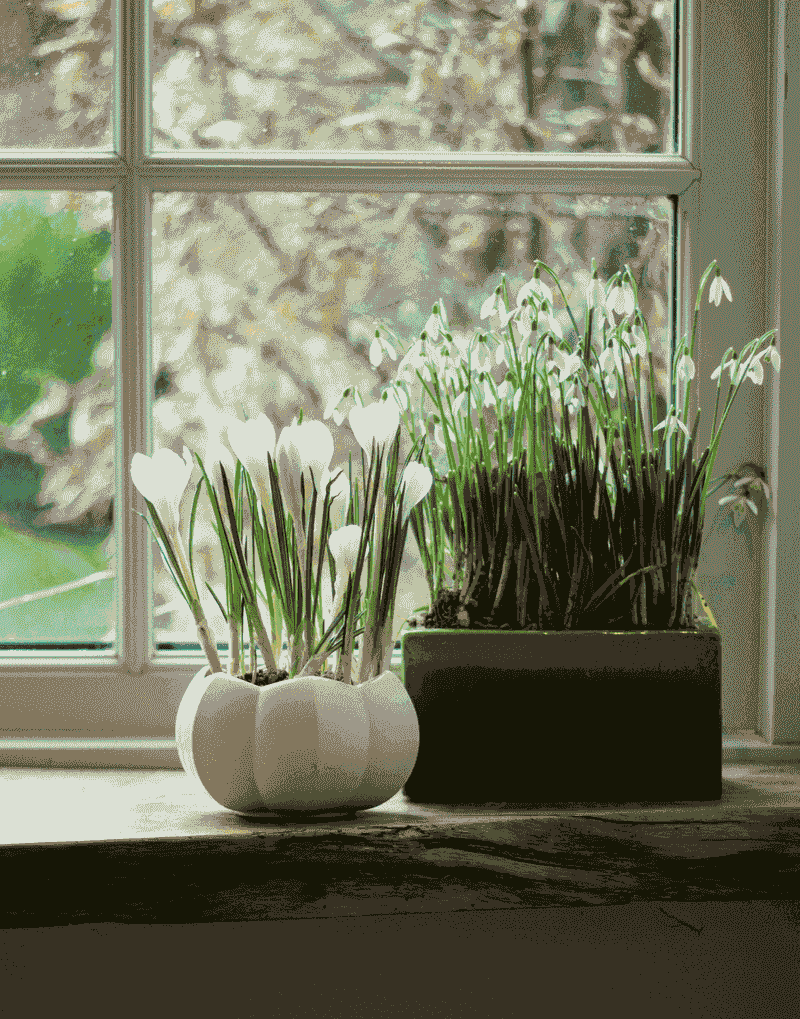
Snowdrops have a quiet, old-fashioned grace, with white bells that hang like tiny lanterns. Victorian gardeners adored them, and a pot on the table still feels a bit like a gift from another time.
Fully cover the small bulbs and chill them for around 15 weeks at 35 to 50°F. Good root growth during that cold stretch is what makes them bloom.
Snowdrop bulbs dry out quickly, so plant leftovers as soon as possible. Shriveled, lightweight bulbs often fail.
A layer of moss on top of the soil keeps moisture steady and looks lovely too.
10. Glory of the Snow
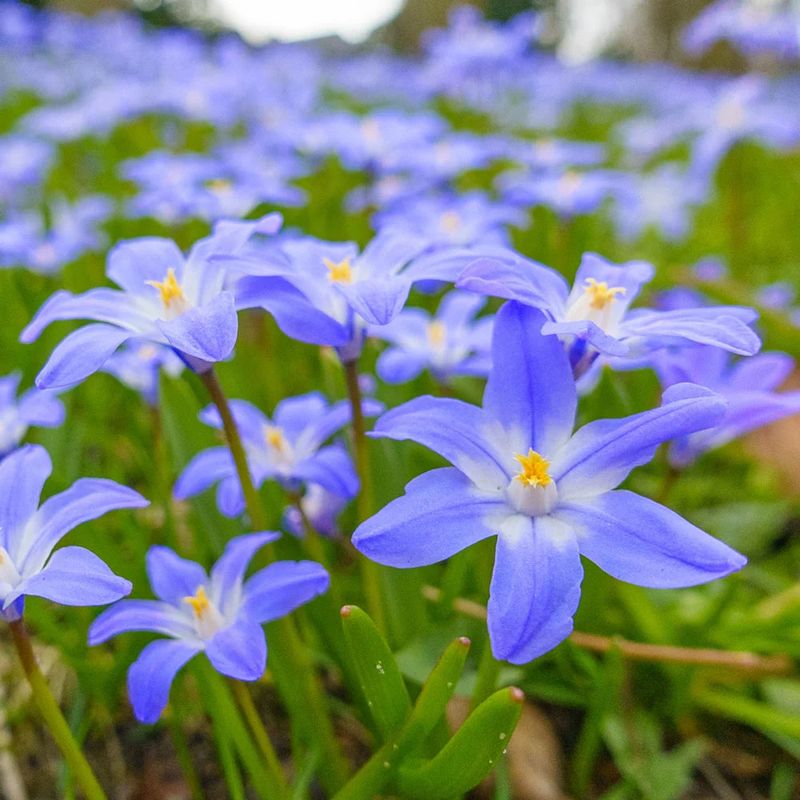
True to its name, glory of the snow often pops up through melting snow outdoors. Indoors, those upward-facing blue stars with white eyes beat the calendar by weeks.
Treat it like other small bulbs: cover it fully, keep the soil lightly moist, and give it about 15 weeks of cold.
The flowers face up instead of nodding, so a low bowl lets you look right down into them. Group a dozen or more in one container for real impact, since a few alone can look lonely.
11. Grecian Windflower
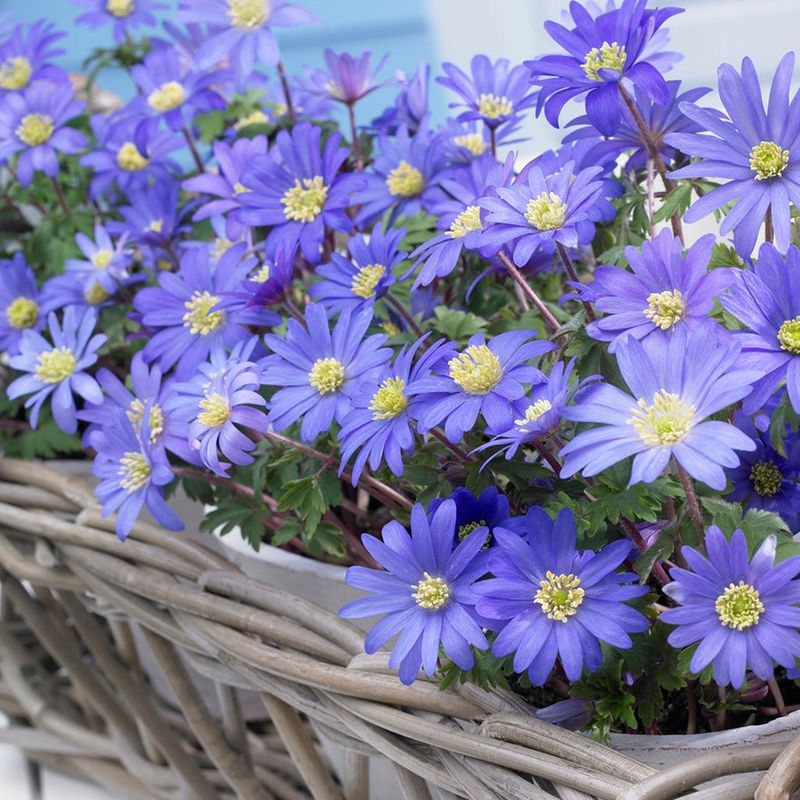
Those wrinkled little lumps in your bag that look like dried raisins? Those are Anemone blanda corms, and they turn into sweet, daisy-like flowers in blue, pink, or white.
Soak the corms in water for a few hours before planting so they plump up. Plant them in well-draining mix and chill them like other spring bulbs.
Skip any that stay hard and shriveled after soaking. Healthy, plump corms are the ones that flower.
The blooms open in sunshine and close on dim days, so a bright window gives the best show.
12. Checkered Lily
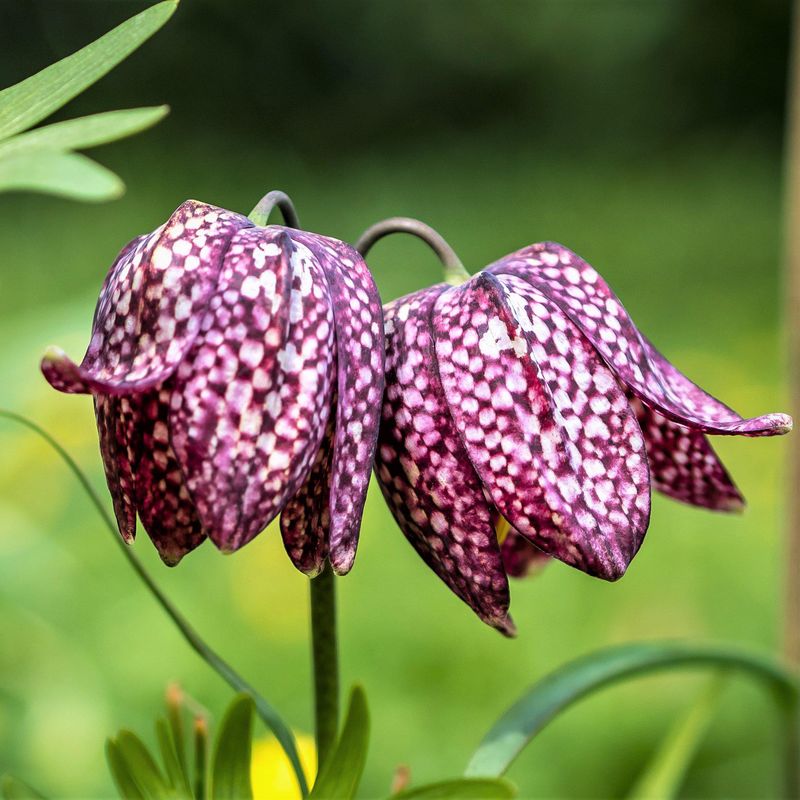
Guests always ask about this one. Fritillaria meleagris has nodding bells covered in a real checkerboard pattern of purple and white, like something out of a storybook.
It needs a cold period and a well-draining mix to avoid rot. Handle the bulbs gently, since they lack a protective skin and bruise easily.
Some fritillaria have a musky scent, so give the pot a sniff test before setting it beside your dinner table. A cool, bright spot keeps the slender stems sturdy.
13. Striped Squill
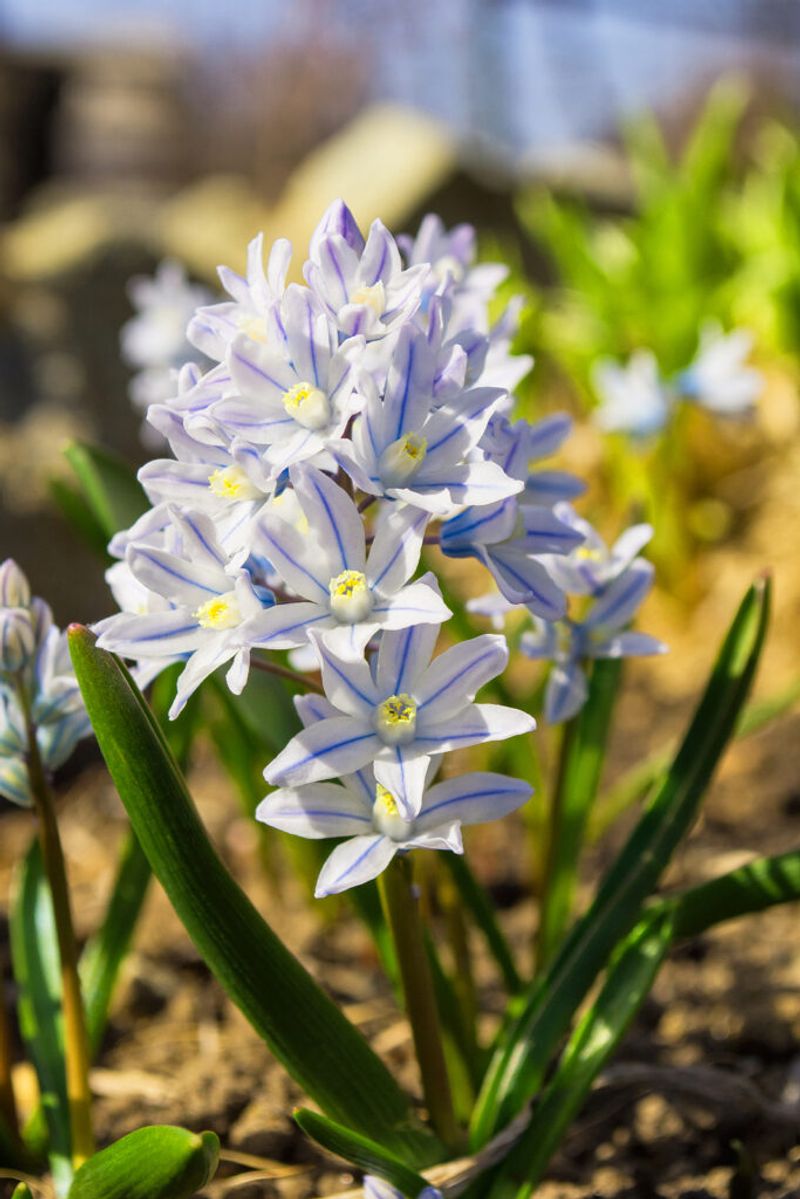
Puschkinia is the soft-spoken cousin of Siberian squill. Its pale icy-blue petals each carry a thin darker stripe down the middle, and the effect is calm rather than flashy.
Cover the small bulbs completely and chill them like other little bulbs. The biggest risk is rot, especially when soil stays wet during the cold weeks.
Check the pot every few weeks and water only when the top inch or two feels dry. Damp is good, soggy is not.
14. Amaryllis
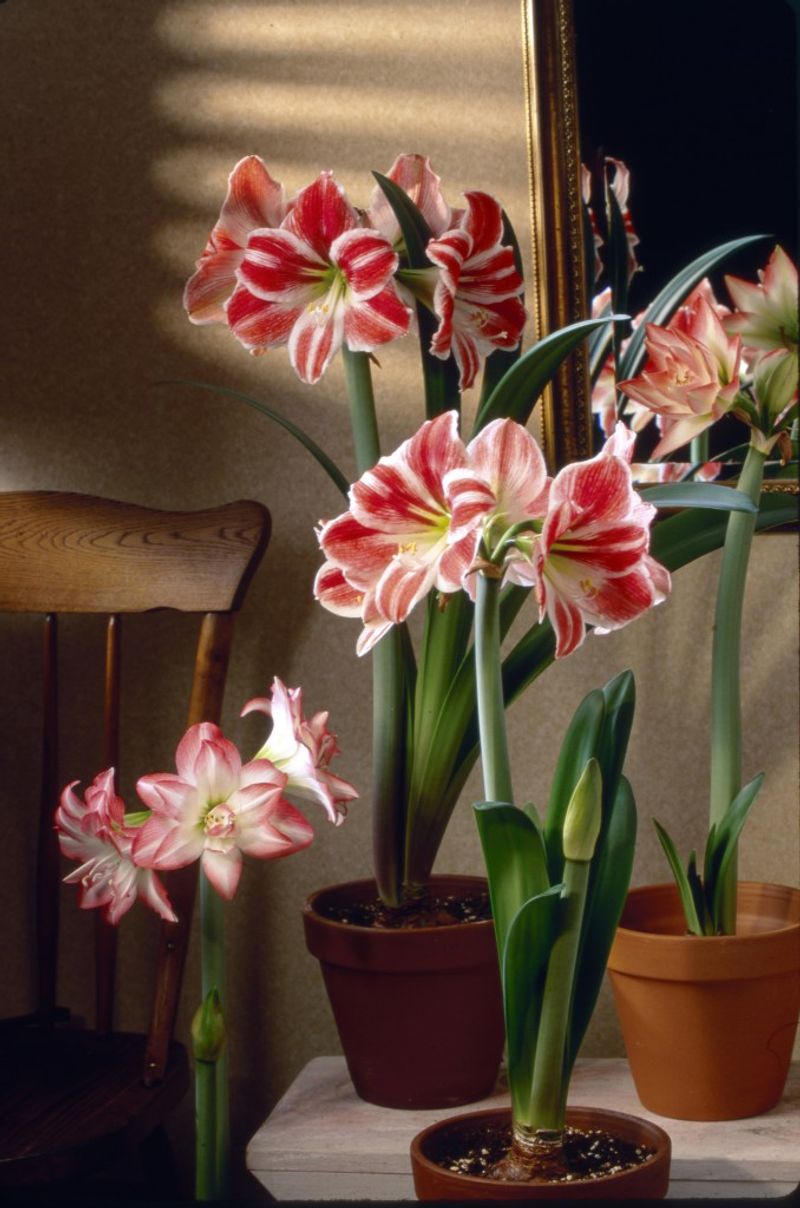
Impatient? Amaryllis is your bulb.
No chilling, no waiting months in the fridge, just plant it and watch a thick stalk shoot up with dinner-plate blooms.
Leave the top third of the bulb above the soil in a pot just a little wider than the bulb. It grows best in a warm room of at least 70°F with bright light.
Want it to bloom again next year? Keep the leaves growing after flowers fade, then let them die back.
Store the potted bulb in a cool, dark spot at 45 to 55°F for 8 to 12 weeks, then water and bring it back into the sun.
15. Paperwhites
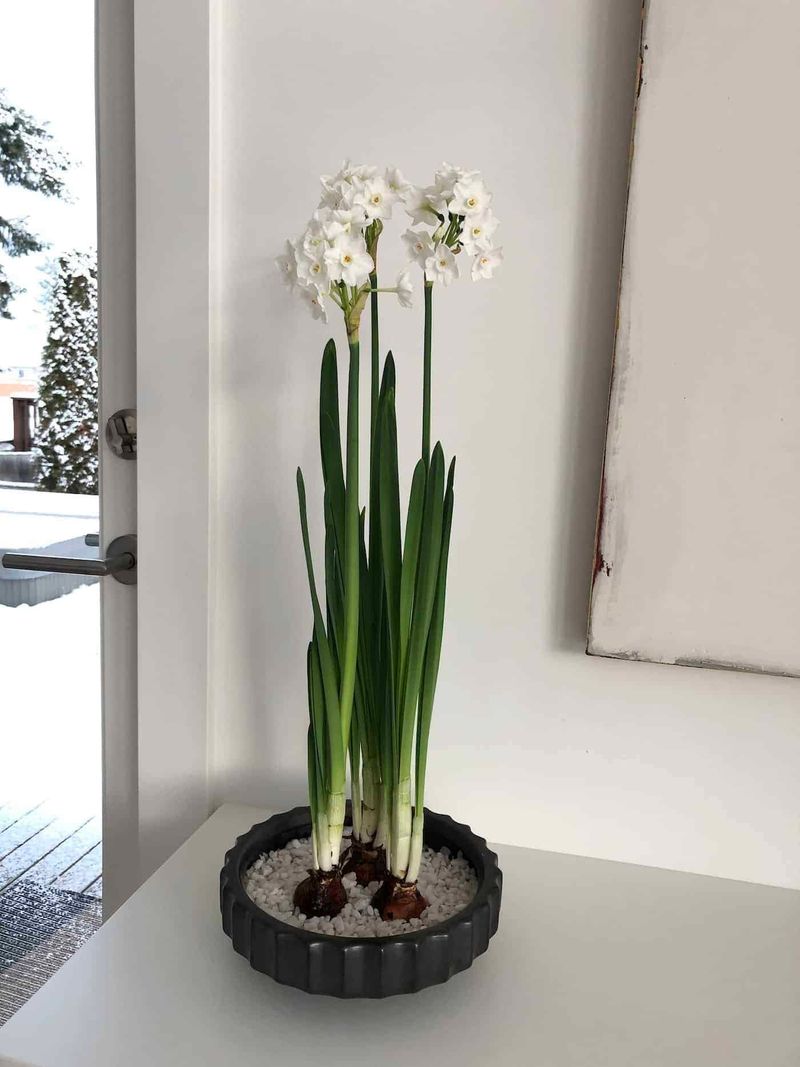
A glass bowl, some pebbles, and water. That is honestly all paperwhites need to put on a show, which is why they are a holiday favorite.
Nestle the bulbs close together, roots down, and add water just until it touches the bulb bases. Covering the bulbs invites rot.
No chilling is required, and blooms usually arrive in four to six weeks.
Leggy, toppling stems mean too little light, so give them a bright window and rotate often. The scent is strong, and not everyone loves it, so a well-ventilated room is smart.
Plant a new batch every two weeks for flowers all winter long.