
The Small Indoor Habits That Quietly Keep Your Christmas Cactus From Blooming In North Carolina Homes
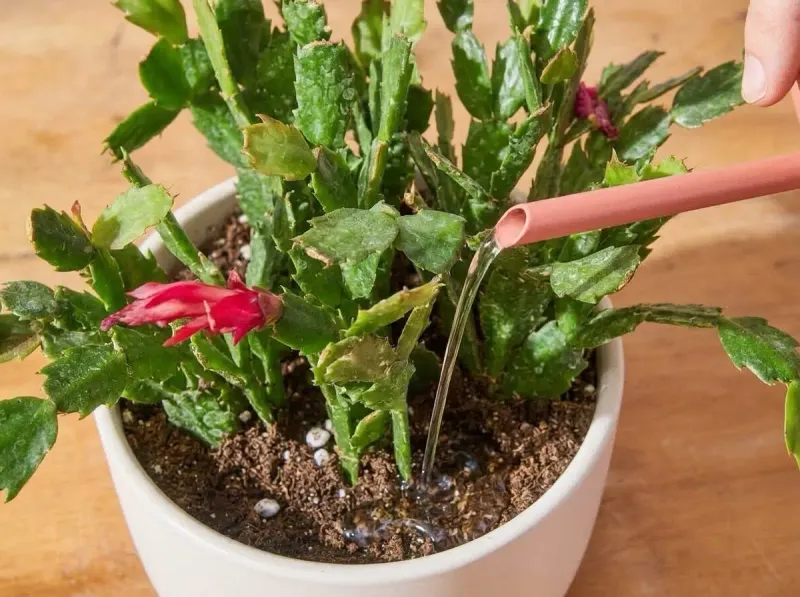
Your Christmas cactus looked great all summer, but now December is here and there is not a single bud in sight. In most North Carolina homes, the problem is not the plant at all.
It is a handful of tiny daily habits, like a lamp left on or a pot parked near the heat vent, that send the wrong signals. Fix those habits this fall, and that green plant on your windowsill can turn into a burst of pink, red, or white just in time for the holidays.
1. Leaving Lamps On During the Plant’s Night
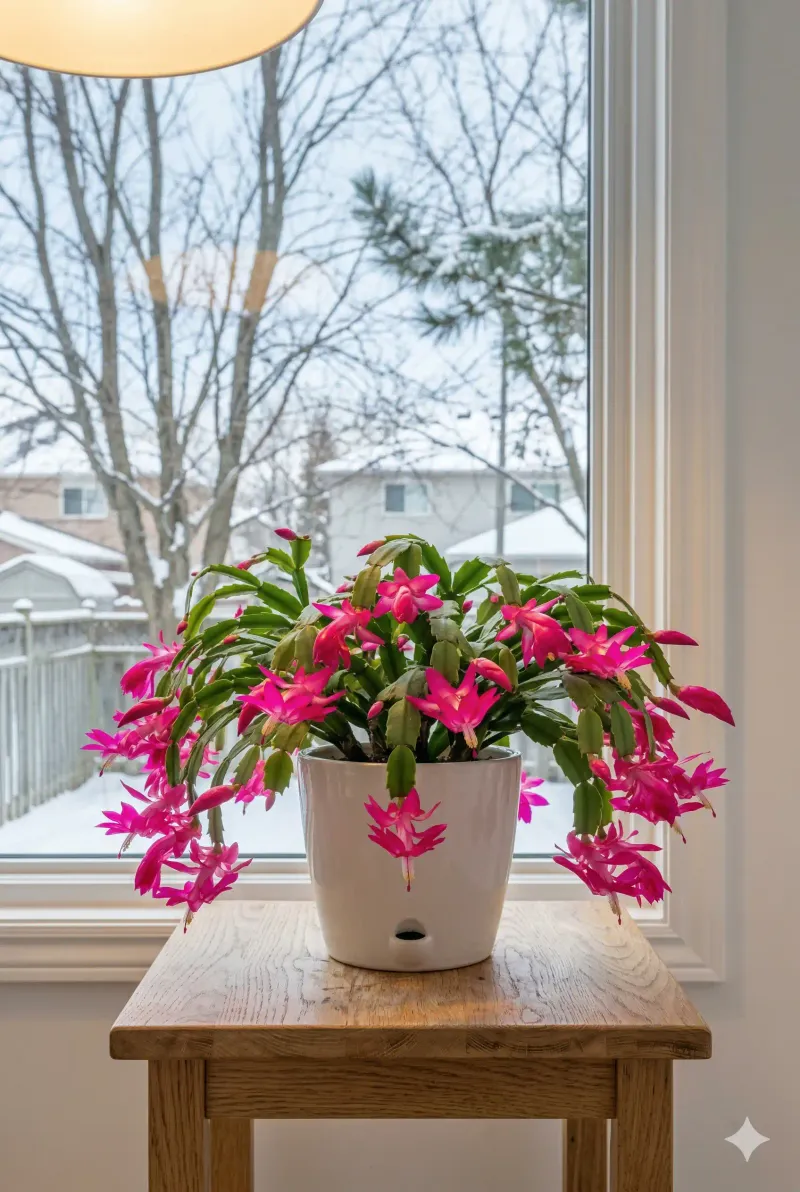
Picture a family room in Raleigh at 9 p.m. The TV is on, a reading lamp is glowing, and the Christmas cactus on the end table is soaking up every bit of that light.
Christmas cacti are short-day plants. Starting in late September or October, they need about 12 to 14 hours of complete, unbroken darkness each night for six to eight weeks before buds can form.
Even a few minutes of lamp light in the middle of that dark stretch can reset the clock.
The fix is simple. Move the plant to a spare bedroom, a guest bath, or any room nobody uses after sunset.
Some folks cover the pot with a cardboard box from about 6 p.m. to 8 a.m., then put it back by the window for the day.
Watch for sneaky light sources too, like porch lights shining through blinds or a glowing night-light. Once tiny buds show up on the segment tips, you can relax the routine and enjoy the show.
2. Keeping the Thermostat Cozy All Fall
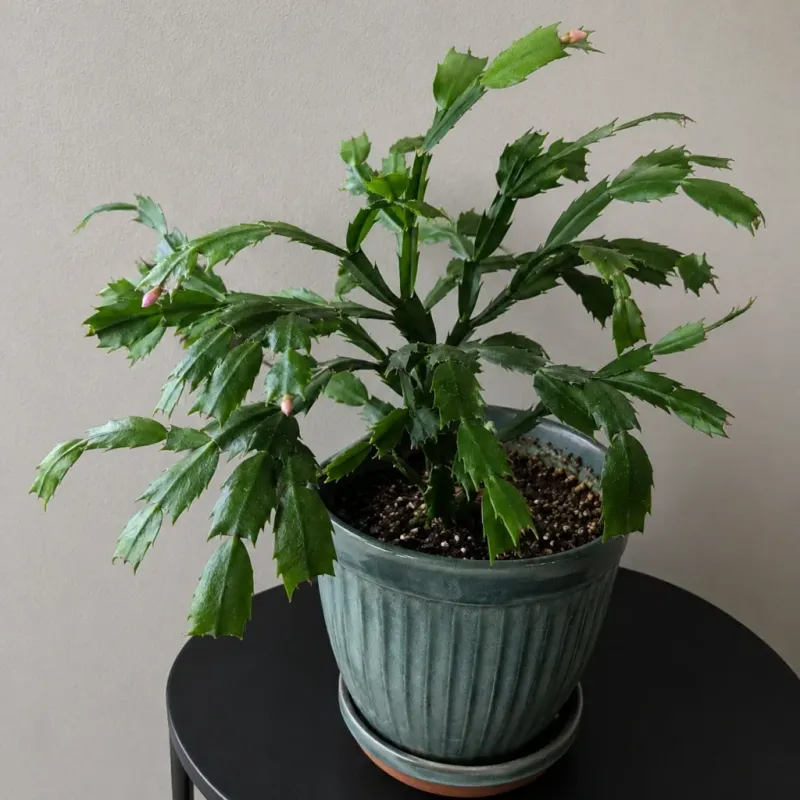
Comfort for you can mean confusion for your cactus. Many of us set the thermostat around 72 degrees and leave it there from October to March.
These plants come from the cool, misty mountain forests of Brazil, not hot deserts. Nights between 50 and 55 degrees tell them it is time to bloom.
When homes stay above 70 degrees around the clock, that signal never arrives.
North Carolina actually gives you a natural advantage here. In the Piedmont and mountains, a bright unheated sunroom, enclosed porch, or cool back bedroom often sits right in that sweet spot during October and November.
Coastal Plain gardeners may need to wait a bit later for nights to chill.
If your rooms stay warmer, around 55 to 70 degrees, the dark-night routine becomes even more important. Aim for a firm 13 hours of darkness to make up the difference.
Just bring the plant inside before any frost threatens.
3. Parking the Pot Near a Heat Vent or Fireplace
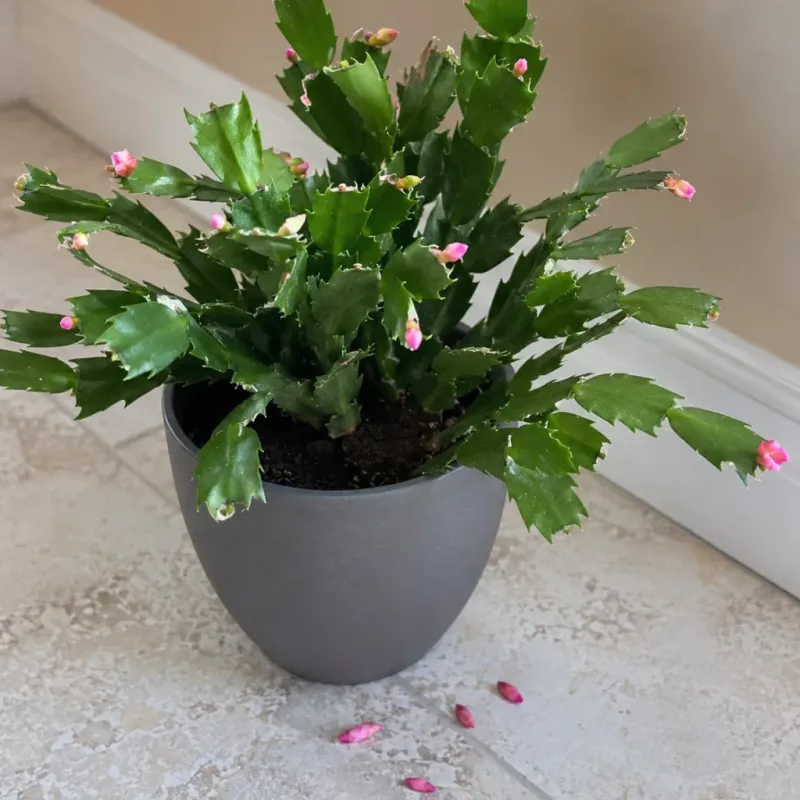
Nothing stings like finding a dozen fat pink buds scattered on the floor. Usually, the culprit is blowing right at the plant.
Heat vents, wood stoves, fireplaces, and drafty doors create sudden swings in temperature. Your cactus reacts by dropping buds it worked weeks to build.
It is basically a stress response.
Walk around your home with your hand out on a chilly evening. Feel for warm blasts near floor registers and cold drafts near the front door or a leaky window.
Pick a spot with steady air instead, a few feet away from any of those.
A bright window with no vent below it is ideal. Your plant will thank you with flowers that stay put.
4. Watering on a Strict Calendar Schedule
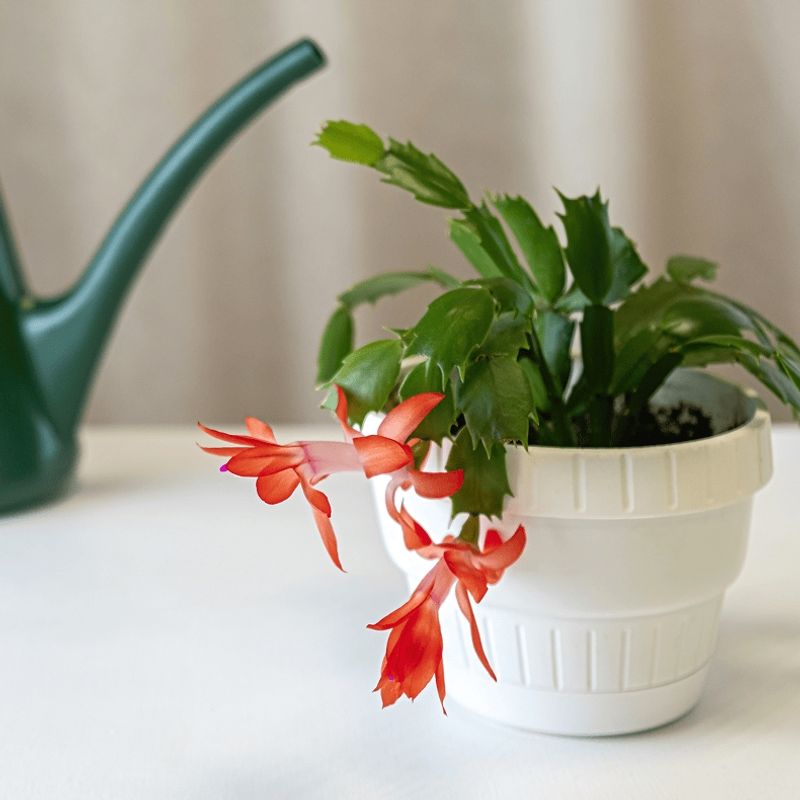
Watering every Sunday sounds organized. Your Christmas cactus, though, does not read calendars.
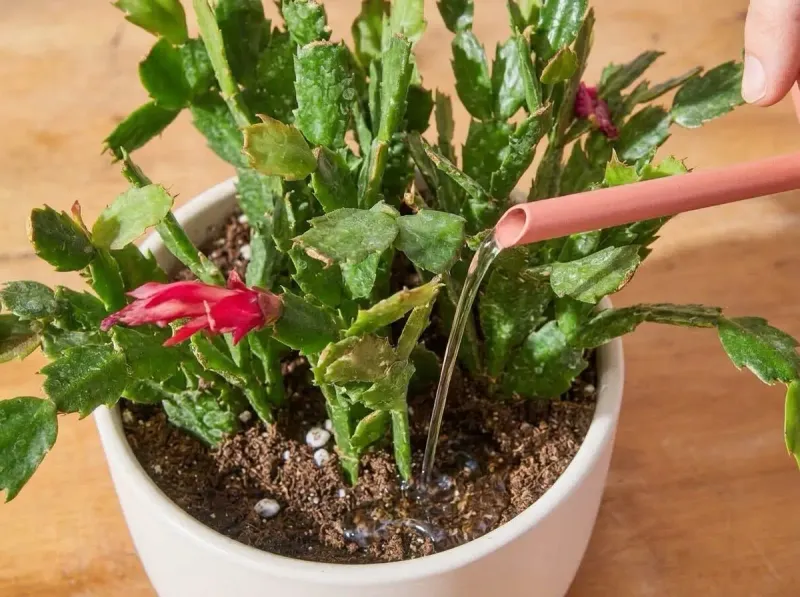
Unlike desert cacti, these plants like steady moisture, yet they rot quickly if roots sit soggy. The better habit is to push a finger into the soil and water deeply only when the top inch or two feels dry.
Then dump any water left in the saucer after about 15 minutes.
Fall gets tricky. Easing back slightly in October helps nudge the plant toward bloom, but letting it go bone dry can cause buds to fall.
Think of it like a gentle diet, not a fast.
A pot with drainage holes is a must. Decorative foil wrappers from the store often trap water at the bottom, so poke holes in them or slip them off entirely.
5. Ignoring Dry Winter Air From the Furnace
Ever notice your lips cracking in January? Your cactus feels that same dryness.
Rainforest natives like Christmas cacti prefer humidity around 50 to 60 percent. Once heat pumps and furnaces kick on across North Carolina, indoor air can drop well below that.
Shriveled, limp segments and falling buds are common results.
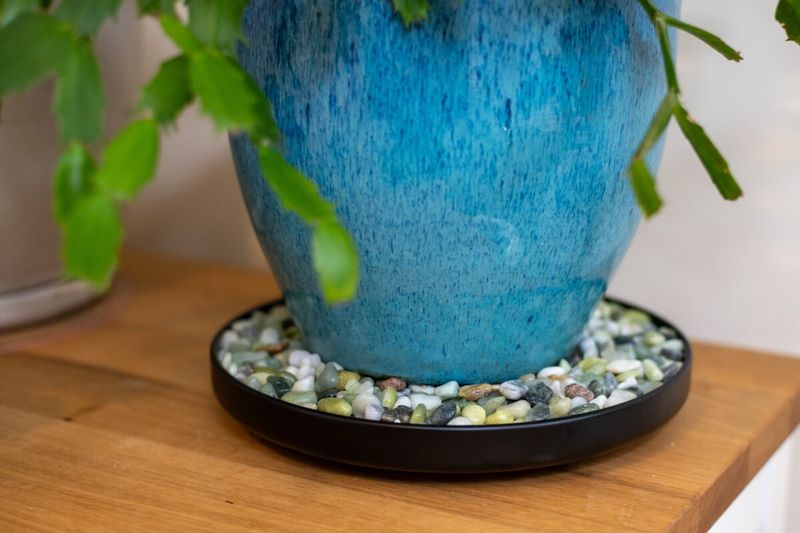
A pebble tray is the easiest fix. Fill a shallow dish with gravel, add water just below the top of the stones, and set the pot on top so it is not sitting in water.
Grouping houseplants together also creates a small pocket of moist air.
Fun fact: in the wild, these plants grow perched in tree branches, collecting moisture from fog and mist. Your little tray is a nod to that misty Brazilian home.
6. Feeding Fertilizer Into the Fall
More food does not mean more flowers. In fact, late feeding is one of the quietest bloom-killers out there.
From April through August, a balanced liquid houseplant fertilizer once a month keeps your plant strong. Then stop completely in September and October.
Fertilizer during bud-setting time pushes the plant to grow leafy segments instead of flowers.
Here is a handy trick: tie your last feeding to Labor Day. Once that weekend passes, tuck the fertilizer bottle on a high shelf until spring.
Leftover diluted fertilizer can go to other houseplants still actively growing. Please keep it out of storm drains and away from creeks, where extra nutrients can harm the fish and frogs our local waterways depend on.
7. Repotting Into a Pot That Is Too Big
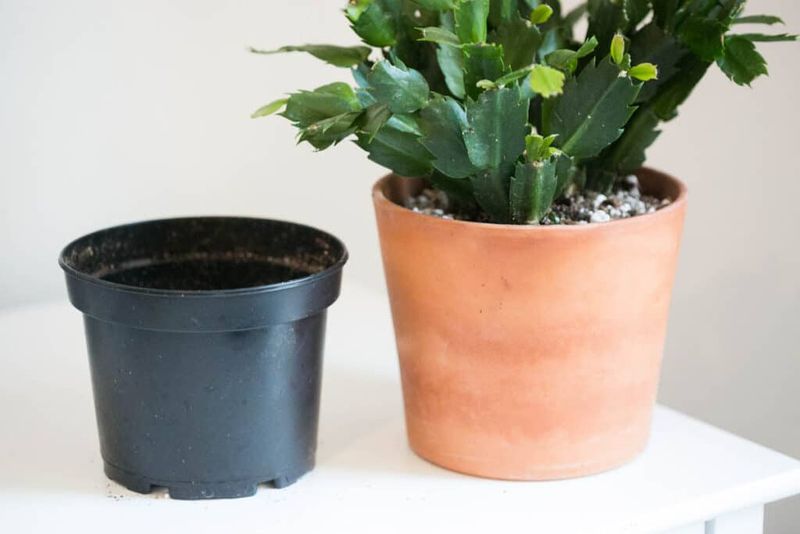
Bigger seems generous. To a Christmas cactus, an oversized pot is an invitation to grow roots, not blossoms.
These plants bloom best when slightly root-bound. Extra soil also holds extra water, which raises the risk of rot.
Repotting every two to three years is plenty, and only go up one size, about an inch wider.
Spring, right after flowering ends, is the best time for this job. Use a fast-draining mix, like regular potting soil blended with perlite or orchid bark.
Heirloom plants passed down from grandma often bloom like crazy in the same cramped pot for years. That is not neglect.
That is the plant being happy.
8. Moving the Plant Around Once Buds Appear
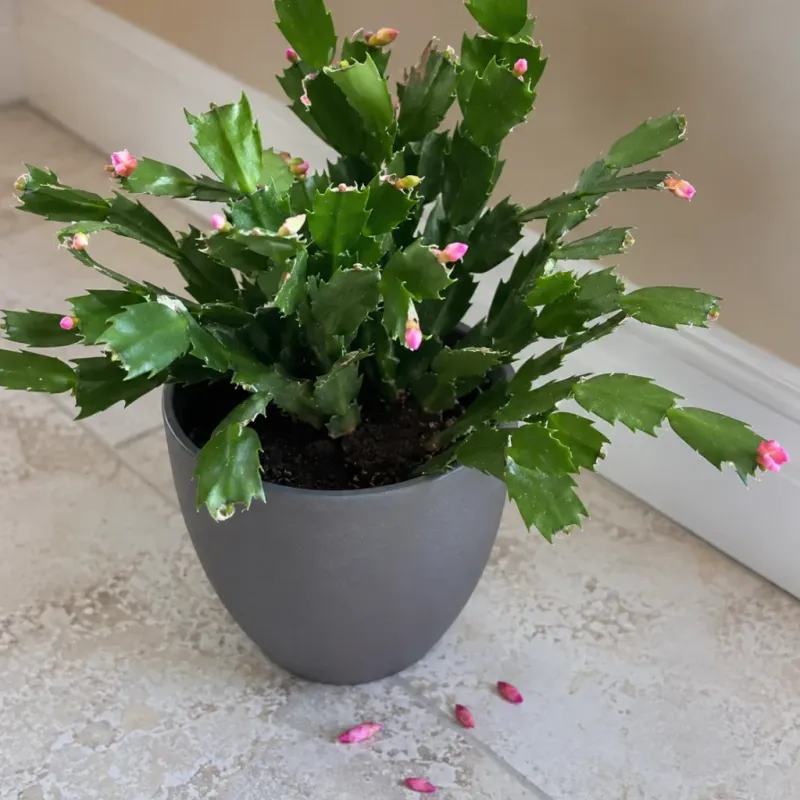
The buds finally show up, and the urge hits. You want to show them off on the dining table, the mantel, maybe the front entry for guests.
Resist it. Shifting the plant to new light, new temperatures, or new drafts while buds are forming is a classic cause of bud drop.
Even rotating the pot a lot can confuse it, since buds tend to orient toward the light.
Pick its display spot before buds form, ideally in early November. Then leave it be until flowers open.
Once they are blooming, a careful short move is usually fine.
9. Keeping It Indoors All Summer Long
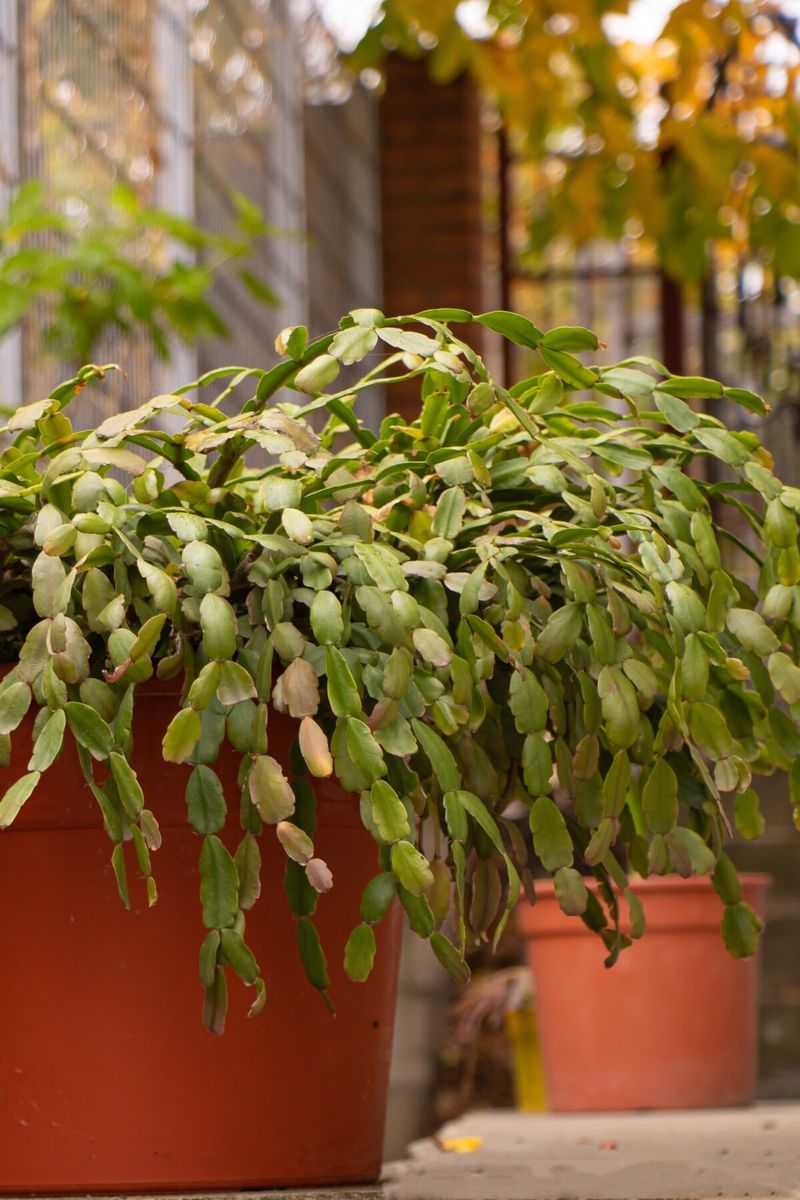
Sometimes the best indoor habit is sending your plant outside for a while. A summer on a shady North Carolina porch can set the stage for a strong fall bloom.
From late May through September, bright shade outdoors builds sturdy growth that fuels flowers later. Choose a spot with morning sun and afternoon shade, such as under a dogwood or porch roof.
Direct afternoon sun in July will scorch the segments.
Then, the shortening days and cooler nights of early fall start the bloom process naturally. Bring it in before nights dip toward 45 degrees.
Check the pot for hitchhikers like slugs or ants first, and gently move any lizards or tree frogs back into the garden rather than carrying them indoors.
Pair this summer vacation with the darkness and cool-night habits above, and you give your cactus every chance to light up your home this holiday season.