
Single-Ingredient Fertilizers From Your Kitchen That Make Next Year’s Peppers Bigger And Healthier
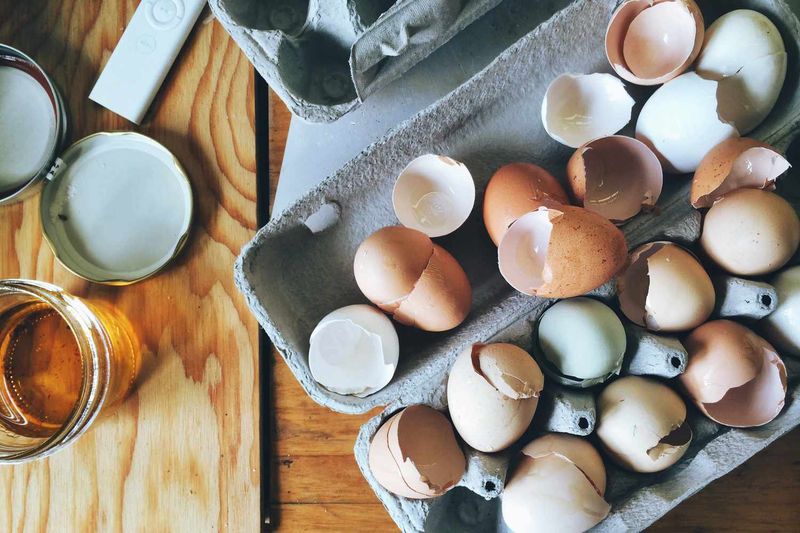
If your peppers came in small, spotty, or few and far between this year, the fix might already be sitting in your trash can. Everyday kitchen leftovers like banana peels, eggshells, and coffee grounds each feed your pepper plants one key nutrient they crave.
Start saving and using them now, and your soil will be ready to grow thicker walls, stronger stems, and heavier harvests next season. Here are seven simple, one-ingredient boosters worth keeping on your counter.
1. Banana Peels
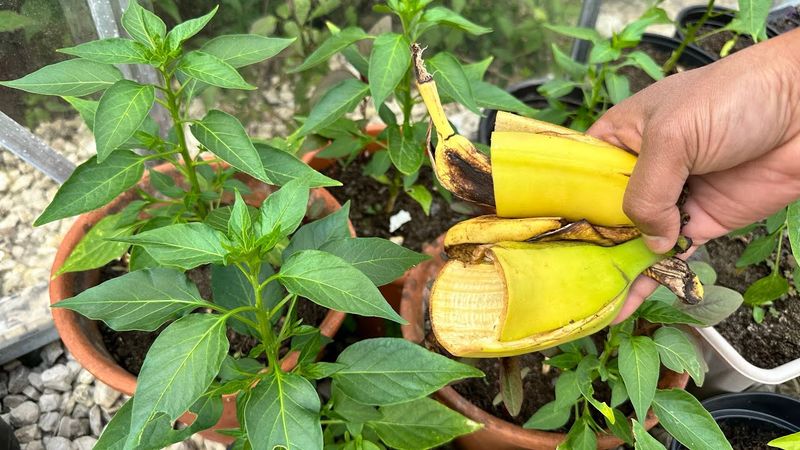
Ever notice how pepper plants sometimes look leafy and lush but barely set any fruit? Low potassium is often the quiet culprit, and banana peels are packed with it.
Potassium helps plants move sugars into fruit, which means bigger, tastier peppers.
Chop peels into small pieces and bury them a few inches deep around where your peppers will grow. Keep them out of direct contact with roots, and don’t bury them too deep, since they need some air to break down.
Chopping also keeps fruit flies and raccoons from getting curious.
Fall is a perfect time to start. Peels tucked into empty beds now will have months to rot down, so the potassium is waiting when you set out transplants in spring.
2. Banana Peel Tea
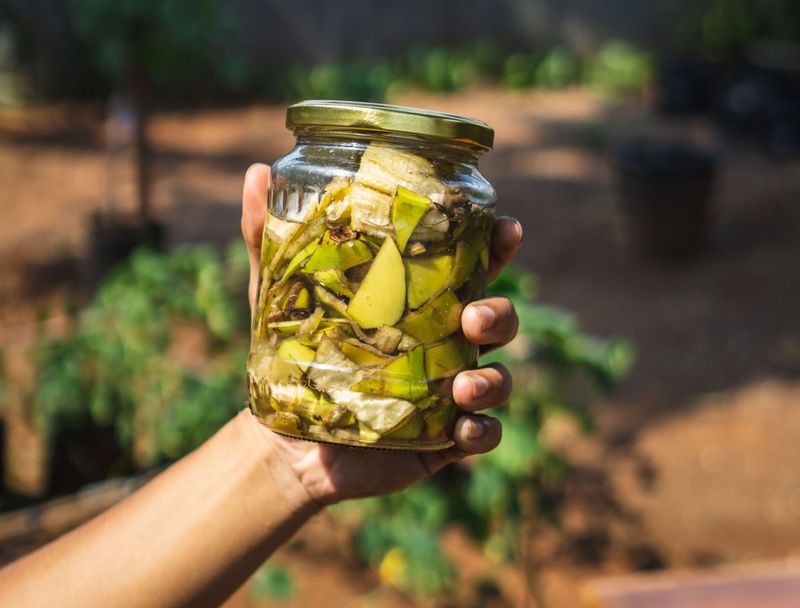
Patience isn’t everyone’s strong suit, and that’s fine. Banana peel tea gives you a faster, liquid version of the same potassium boost.
Drop a few chopped peels into a jar of water and let them soak for three to seven days. Strain out the peels, then pour the liquid around the base of your peppers.
Use it about every two weeks, not more often, once plants start flowering.
Here’s why it earns its own spot: buried peels feed slowly over months, while tea gives plants a quick sip right when they’re setting fruit. Toss the soaked peels into compost afterward, and nothing goes to waste.
3. Finely Ground Eggshells
Nothing stings quite like flipping over a perfect-looking pepper and finding a sunken black spot on the bottom. That’s blossom end rot, and it’s tied to calcium problems.
Eggshells are about 96 percent calcium carbonate, making them a natural fit.
The catch? Whole or roughly crushed shells can take years to break down.
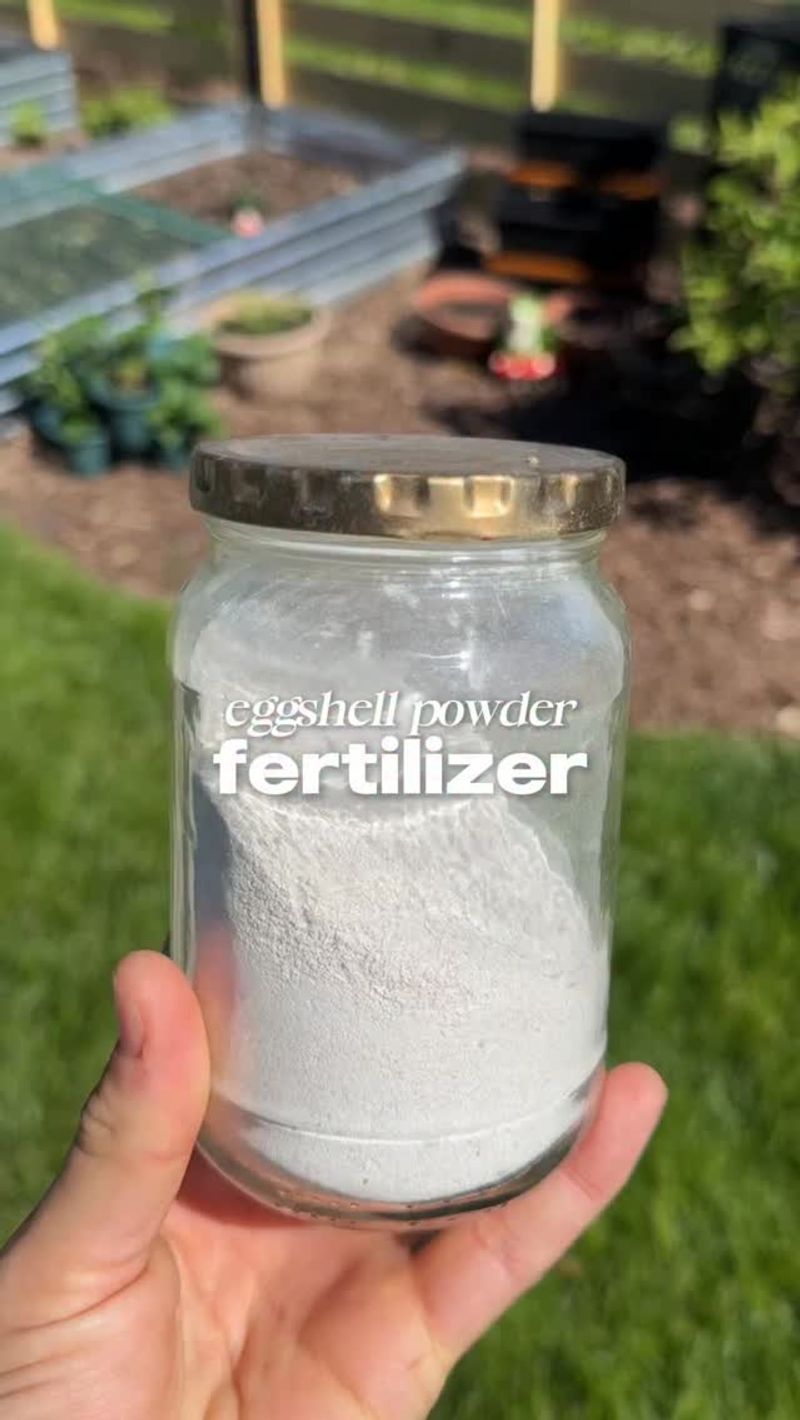
Rinse and dry your shells, then run them through an old coffee grinder until they turn to powder. Mix that powder into the soil where you’ll plant.
Working it in this fall gives the calcium a head start. Keep in mind that blossom end rot also comes from uneven watering, so steady moisture matters just as much as the shells.
4. Eggshell Tea
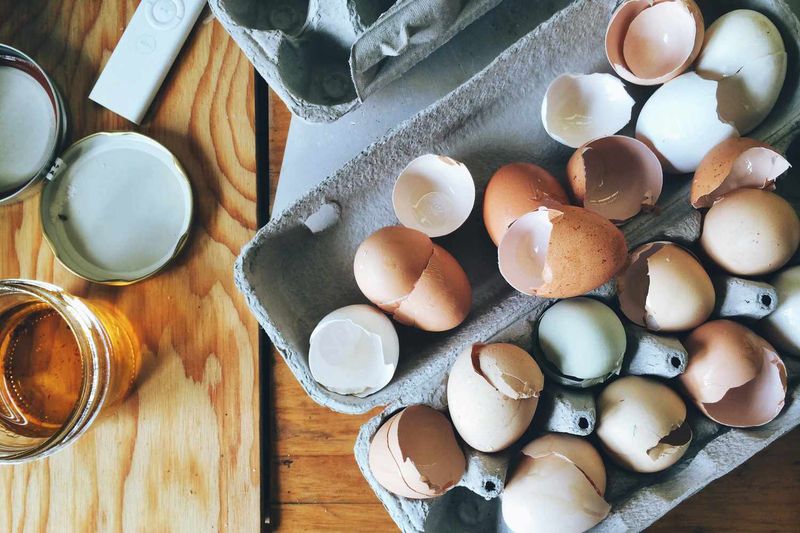
Think of eggshell tea as the express lane for calcium. Steep 10 to 20 crushed shells in a gallon of boiling water and let it sit for one to two days.
Strain the shells and pour the liquid right onto the soil around your peppers. It’s handy for container plants, where soil can run low on nutrients faster than garden beds.
Don’t expect miracles from one batch, since the amount of dissolved calcium is modest. Still, it’s a free, gentle way to support plants while your powdered shells do the long-term work in the ground.
5. Used Coffee Grounds
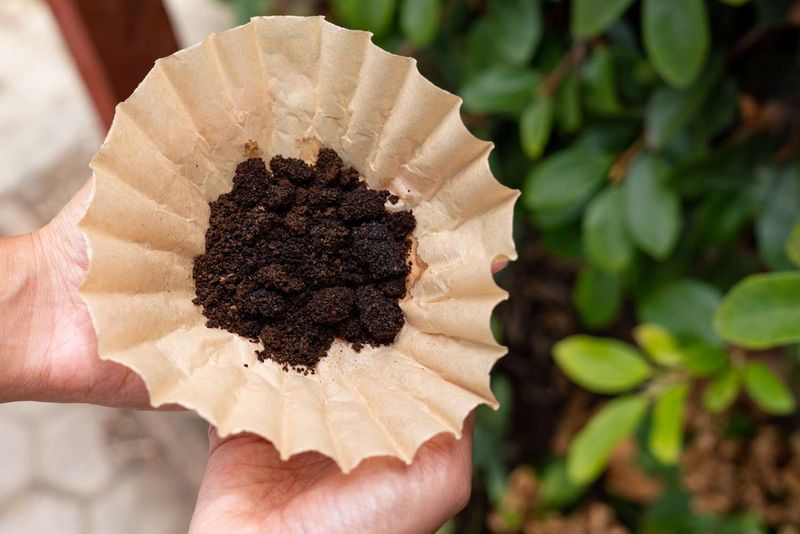
Your morning cup can do double duty. Used coffee grounds carry around 2 percent nitrogen, which fuels the leafy growth young pepper plants need before they flower.
Grounds also loosen heavy soil and improve drainage, and they can nudge alkaline soil slightly toward the mildly acidic range peppers like. Mix a thin layer into the soil early in the season rather than piling it on thick.
Go easy here. Too much nitrogen gives you a jungle of leaves and very few peppers, and some tests show heavy doses can actually slow growth.
One or two light treatments a season is plenty, and the compost pile is a safe home for the rest.
6. Epsom Salt
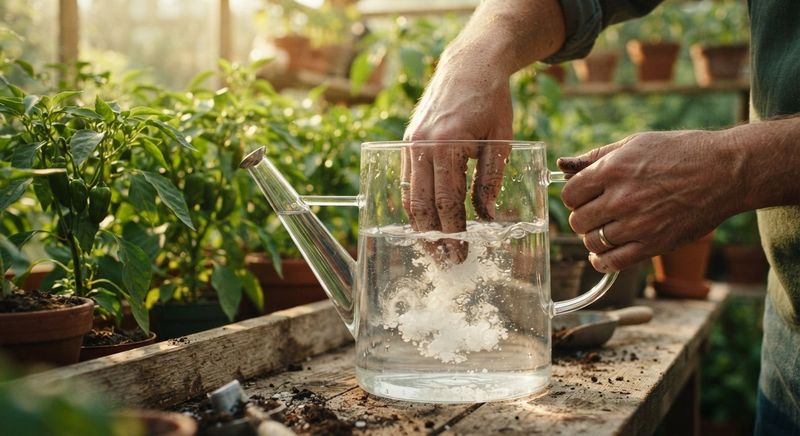
Yellowing between the veins on older pepper leaves can signal a magnesium shortage. Epsom salt, which is magnesium sulfate, supplies both magnesium and sulfur, two nutrients plants use for photosynthesis and fruit development.
Dissolve 1 to 2 tablespoons in a gallon of water and drench the soil every four to six weeks. For containers, stick to 1 tablespoon per gallon once a month.
A foliar spray at the same rate, applied in the morning when blooms first show, may help with flower set.
Only reach for it if your plants show signs of need or a soil test says so. Extra magnesium won’t help when levels are fine, and too much can upset other nutrients.
Always use the plain, unscented kind.
7. Vegetable Scrap Compost
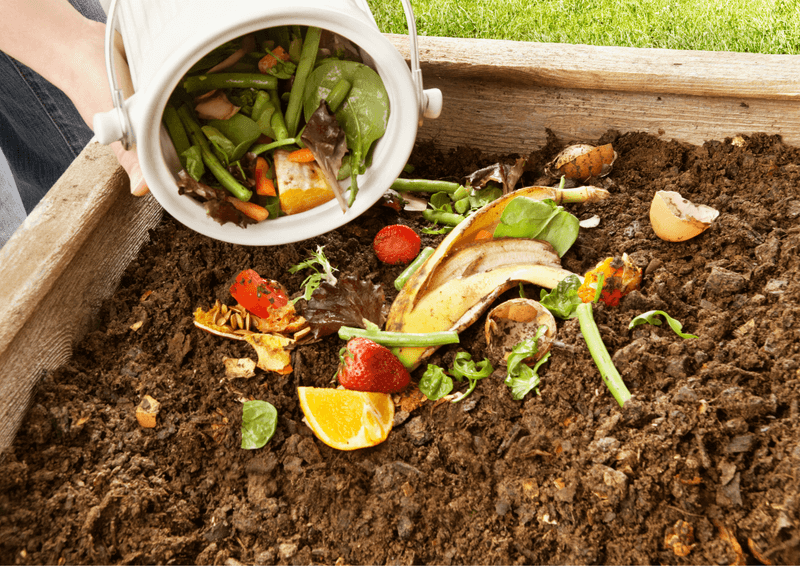
Okay, technically compost is a mix, but it starts with one simple habit: saving every veggie scrap. Carrot tops, celery ends, onion skins, plus all the peels, shells, and grounds above, can build the richest soil your peppers have ever seen.
Layer equal parts dry leaves and kitchen scraps in a bin, keep it damp like a wrung-out sponge, and turn it now and then. By spring, you’ll have dark, crumbly compost that feeds slowly and holds water better during summer heat.
Spread an inch or two over your pepper bed before planting. It’s the one move that ties every other tip together, giving next year’s crop steady nutrition from the ground up.