
These Fall Vegetables Still Go In The Ground In North Carolina Gardens Right Up Until Thanksgiving
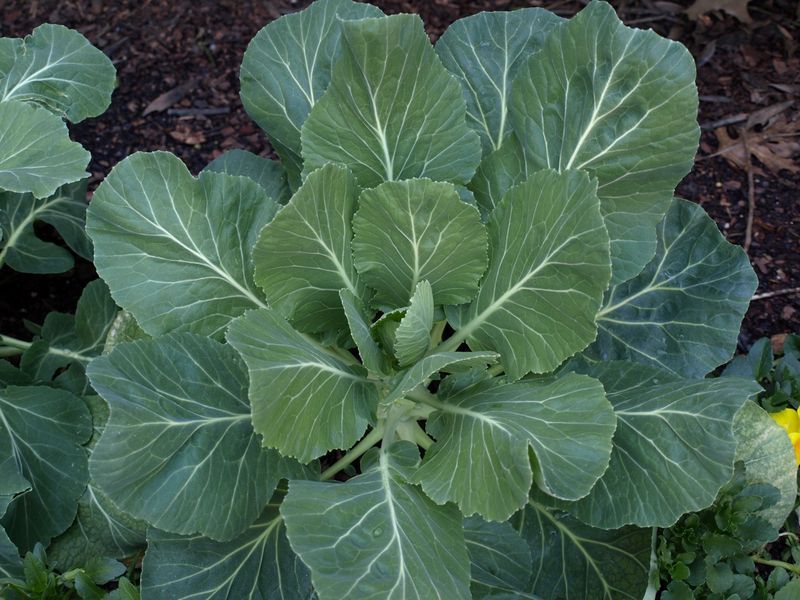
Most folks pack up their garden tools once the leaves start falling, but North Carolina gardeners have a secret advantage. Our mild late autumn gives you weeks of extra planting time, even as Thanksgiving gets close.
A few hardy crops will happily take root now and reward you with fresh food through winter or next spring. Grab your trowel, because your backyard patch is not done yet.
1. Garlic
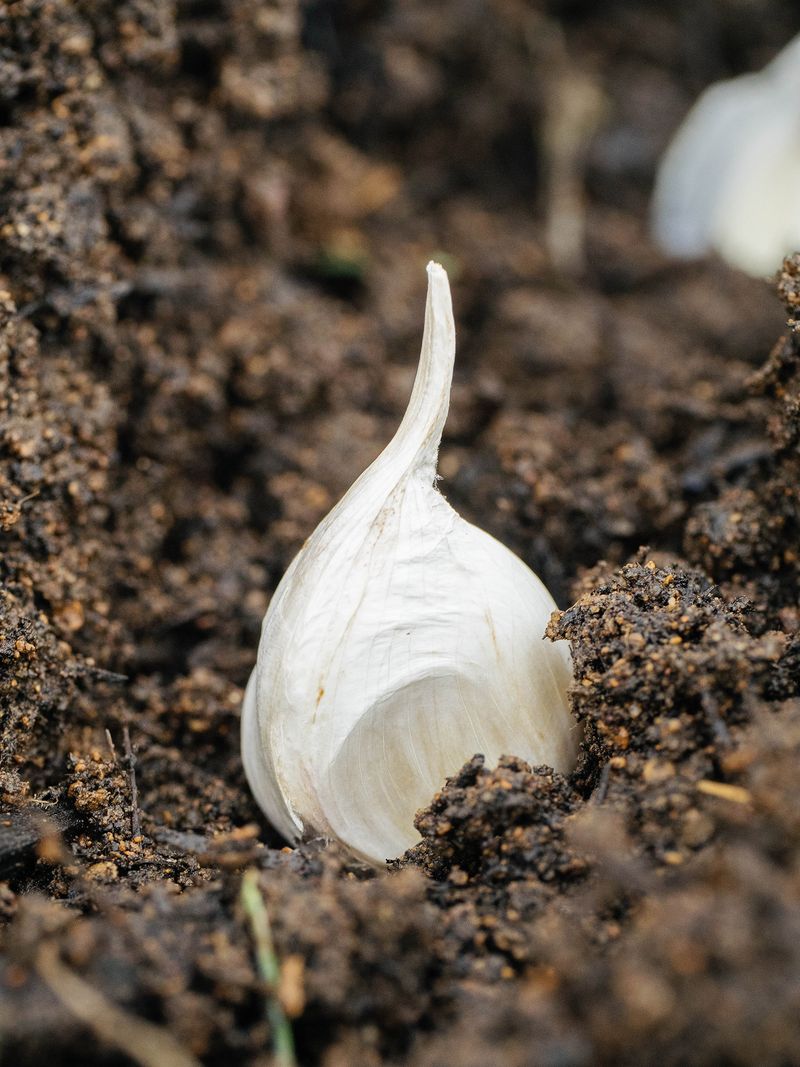
Ask any seasoned Piedmont gardener when garlic goes in, and you will hear the same answer: around the time you start planning the turkey. October and November are prime months, and in Raleigh or Charlotte you can often tuck cloves in right up to Thanksgiving week.
Plant each clove pointy end up, about 2 inches deep and 6 inches apart. The cloves send down roots before the ground cools, rest through winter, then take off again in spring for a June harvest.
Softneck types like Inchelium Red handle Coastal Plain humidity well, while hardneck varieties such as Music shine in the mountains. Top the bed with a few inches of shredded leaves from your own yard.
That mulch protects the cloves and gives ground beetles and overwintering insects a cozy hideout too.
2. Spinach
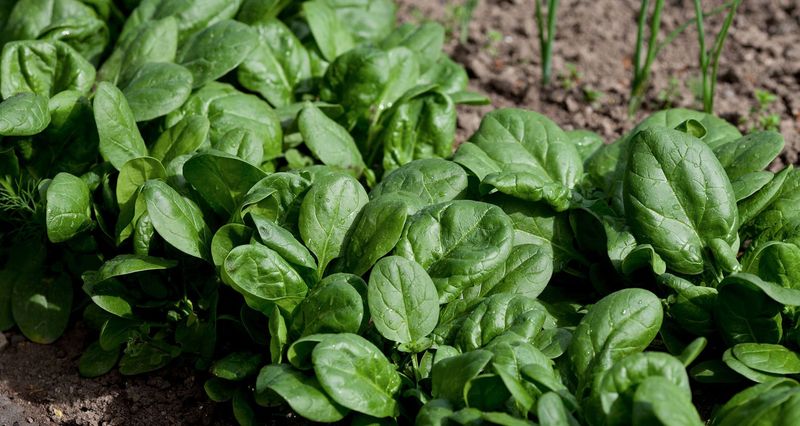
Few crops laugh at cold the way spinach does. Seedlings can shrug off nights in the low 20s, which makes it a star for late sowing anywhere from Asheville to Wilmington.
Sow seeds about half an inch deep, a little deeper than you would in spring, since fall soil surfaces dry out fast. Keep the bed evenly moist until sprouts appear, usually within a week or two.
Plants sown in November may stay small through December, then surge as soon as February warms up. Think of it as a head start on spring salads.
A light row cover can help on the coldest nights and may keep hungry deer from grazing your rows.
3. Collards
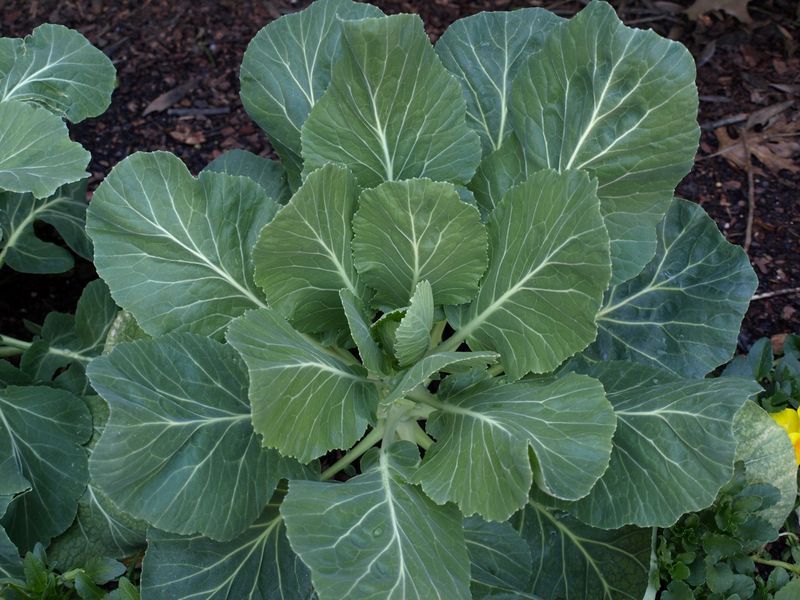
Grandma was right: collards taste better after a frost. Cold weather pushes the plant to turn starches into sugars, softening that bitter bite into something sweet and tender.
For late planting, skip seeds and buy transplants from a local garden center. Set them in the ground by mid-November in the Piedmont and Coastal Plain, firming soil around the stems and watering well.
Collards are a true Southern heritage crop, grown in North Carolina gardens for generations. Varieties like Georgia Southern and the regional Cabbage Collard handle our swings between warm afternoons and chilly nights.
Pick lower leaves first and the plant keeps producing all winter.
4. Kale
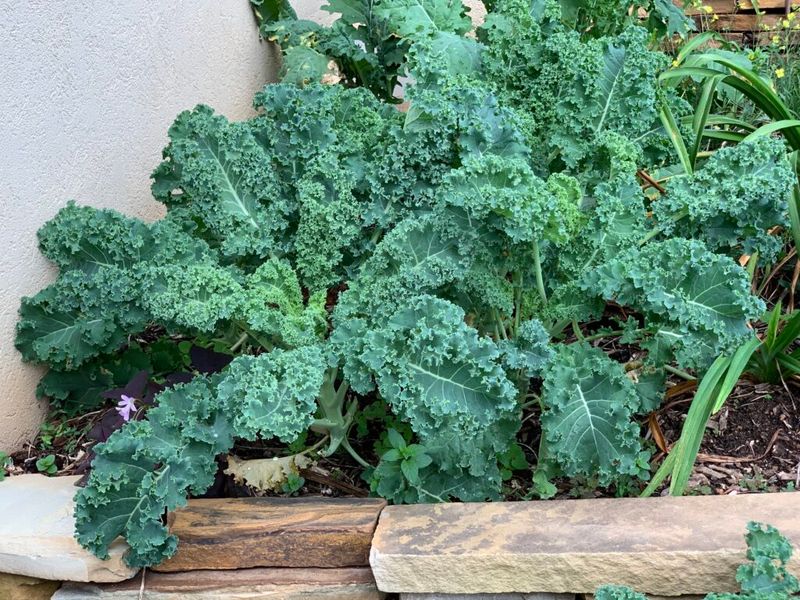
Picture a gray December morning when everything else looks tired, and there stands kale, perky and ruffled. It is one of the toughest leafy greens you can grow, and transplants set out in early to mid November usually settle in fine.
Mountain gardeners should aim earlier, since frost often arrives near Hendersonville by mid-October. Down east, you have more wiggle room.
Try Lacinato for tender leaves or Winterbor for extra cold hardiness. Mulch around the base with leaves or pine straw to hold in warmth and moisture.
Watch for cabbage worms early on and hand-pick them, which spares the beneficial wasps and birds that help patrol your yard.
5. Radishes
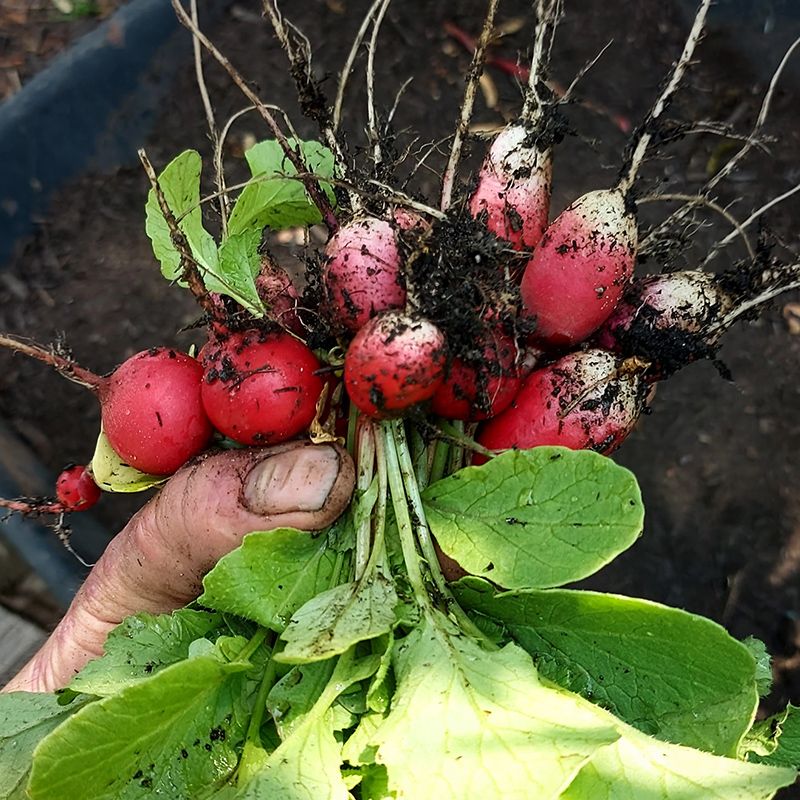
Impatient? Radishes are your crop.
Some varieties go from seed to snack in about 25 to 30 days, so an early November sowing in the eastern half of the state can still give you a harvest before winter settles in.
Scatter seeds half an inch deep and thin them to an inch apart once they sprout. Crowded radishes make leaves instead of roots, so be brave with thinning.
Fun fact: radishes are great for getting kids interested in gardening because they pop up so fast. Try Cherry Belle or French Breakfast for quick results.
Daikon types also loosen heavy Piedmont clay with their long roots.
6. Lettuce
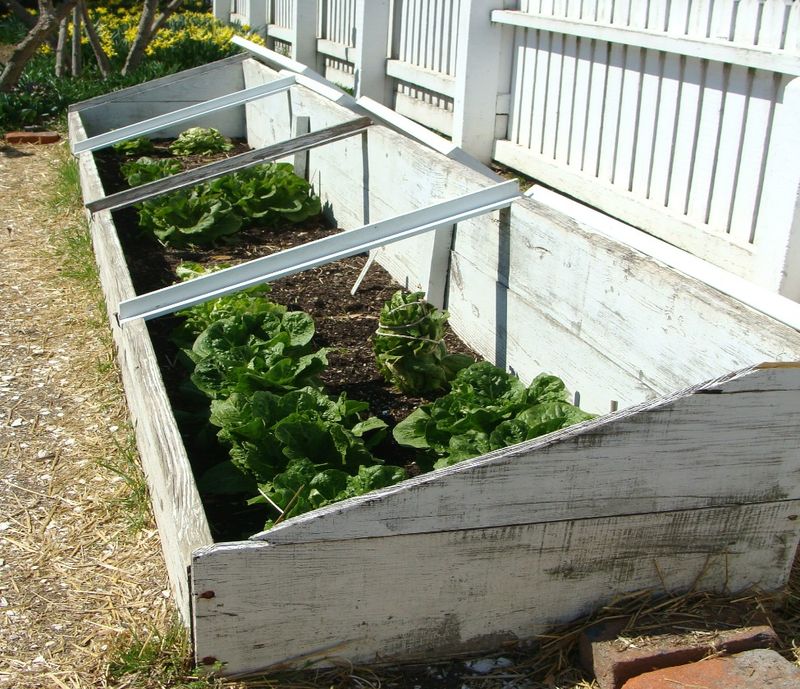
Lettuce is a little more delicate than its leafy cousins, but with a bit of help it can keep going well past the first frost. Leaf types like Red Sails and Black Seeded Simpson handle chilly nights better than big heading varieties.
For sowing as late as November, use transplants or a simple cold frame. An old window over a box of boards works surprisingly well and traps daytime warmth.
Cut outer leaves and let the center keep growing. Covering the bed on nights below 28 degrees will save your salads.
Coastal gardeners often enjoy lettuce clear through winter with almost no extra fuss.
7. Arugula
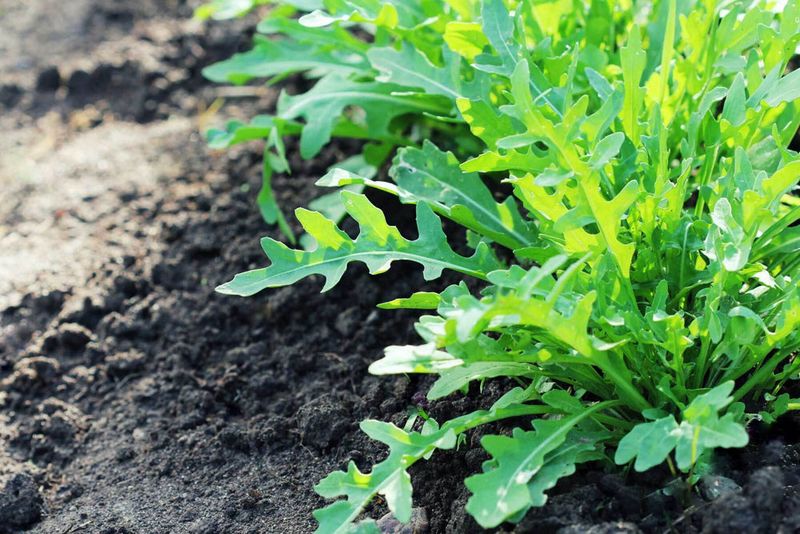
Bold, peppery, and fast, arugula is the spice rack of the winter garden. Leaves are ready for baby harvests in about three to four weeks, which means a sowing in late October or early November still pays off.
Cold weather actually tames its sharp bite, so fall arugula tends to taste milder and nuttier than spring plantings. Sow thickly in short rows and snip with scissors when leaves reach a few inches tall.
Let a few plants flower in early spring if you can. The small cream-colored blooms feed early native bees on warm days when little else is open.
8. Turnips
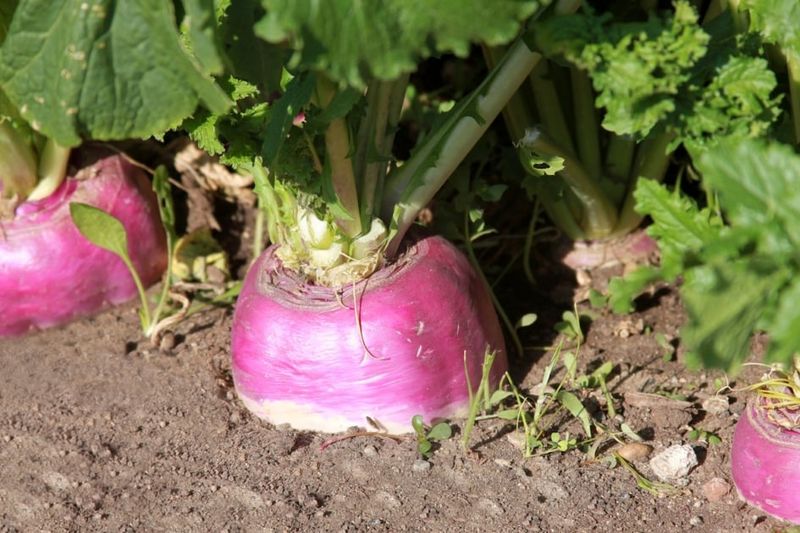
Two crops for the price of one, that is the turnip deal. You get tasty greens in a few weeks and, if time allows, sweet roots after that.
Root crops are happiest when sown by September or October, but in the Coastal Plain and southern Piedmont a November sowing is worth trying for greens alone. Seven Top and Purple Top White Globe are classic choices.
Turnip greens are a Southern table favorite simmered with a little onion. Keep the soil moist, since dry spells make roots woody.
If deer visit your yard, a simple fence or row cover is kinder than chemical repellents near wildlife.
9. Swiss Chard
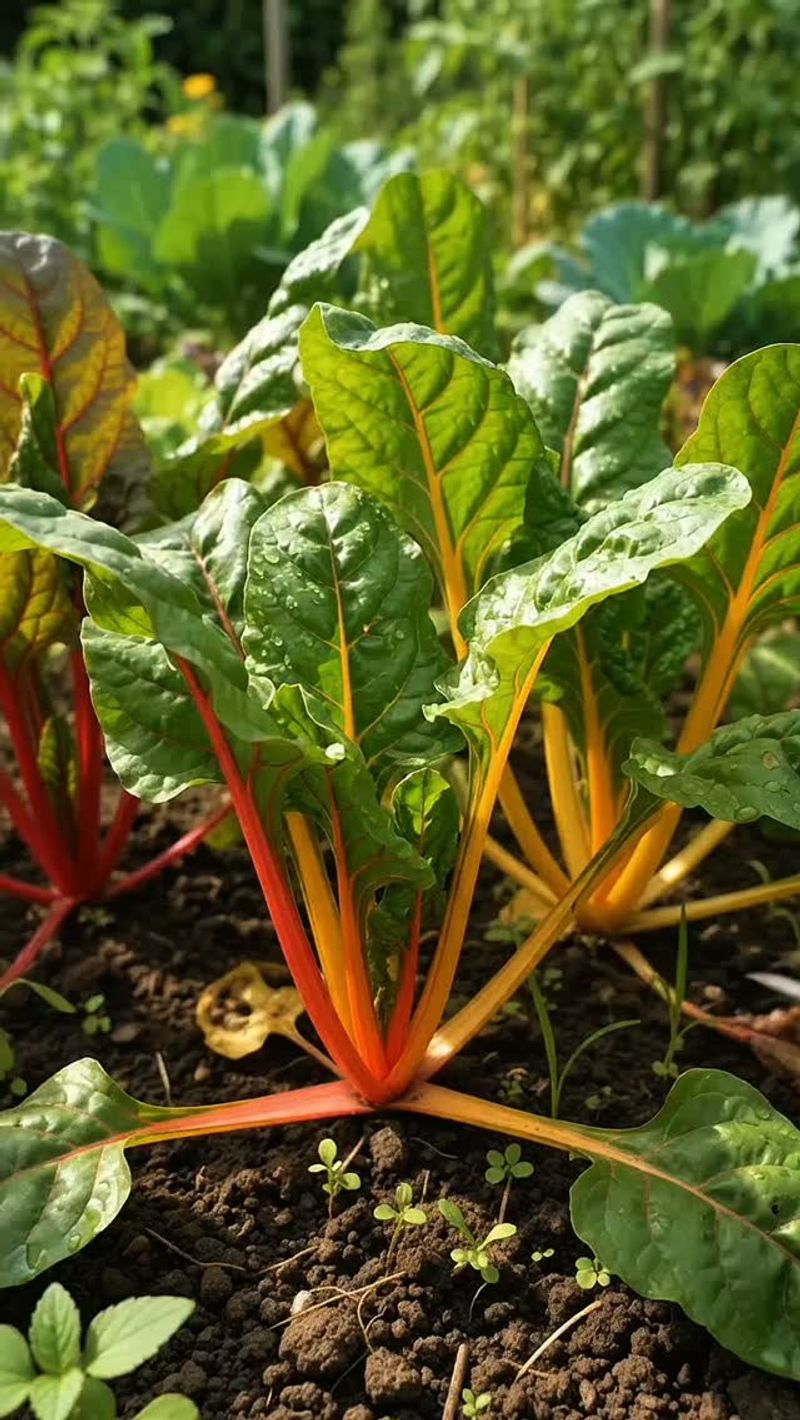
On a dull November afternoon, rainbow chard glows like stained glass in the garden. Bright Lights, with its red, gold, and pink stems, earns a spot for beauty alone.
Transplants set out in early November handle light frosts well, though a hard freeze may knock back older leaves. Cover plants with a sheet or row cover on bitter nights and they will usually bounce back.
Chard is related to beets, which explains the colorful stems. Harvest outer leaves and the plant keeps growing.
In mild Coastal winters, a single planting can feed you until spring.
10. Onion Sets and Shallots
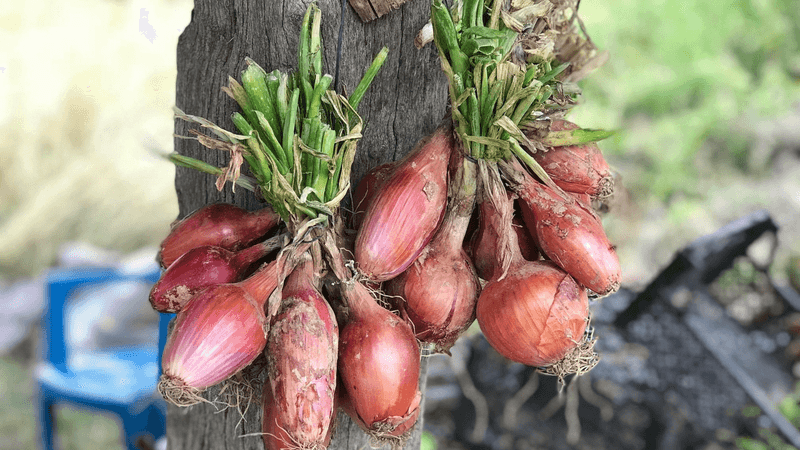
Here is a crop that rewards patience. Shallots and multiplier onions planted in fall spend winter quietly building roots, then split into clusters of bulbs by late spring.
Plant them about an inch deep and 4 to 6 inches apart in loose, compost-rich soil, much like garlic. Piedmont and Coastal gardeners can plant through November, while mountain folks should finish earlier.
Green onions from these sets can be snipped over winter for soups. Good drainage matters most, so raised beds help in heavy clay.
Planting now also leaves spring free for flowers and native pollinator plants.
Even with a short list, your yard stays alive and productive all winter. Plant a few of these this weekend and enjoy the harvest.