
Most North Carolina Tick Problems Start In The Leaf Litter Along Your Woods Edge, And Late Fall Is When To Fix It
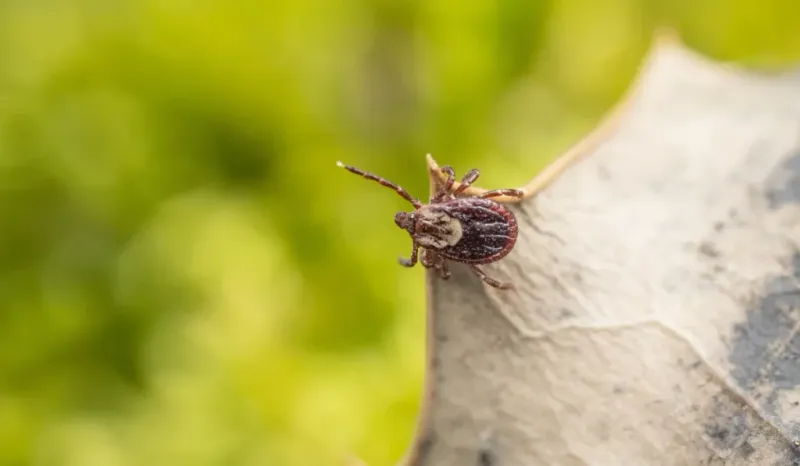
Where your lawn meets the woods, the ground is often shady, leafy, and full of hiding spots. That makes the edge a smart place to focus if you want fewer ticks near your family and pets.
But the edge is not a magic fix, and late fall is not a magic date. Here is what yard work along that line can and cannot do in North Carolina.
The woods edge is a useful target, not the proven source of most tick problems
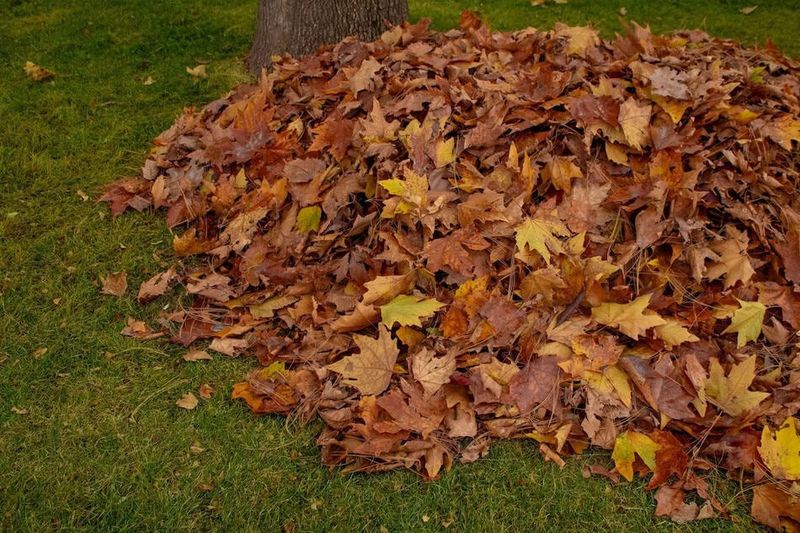
The title of this article makes a bigger claim than the evidence can back up. Nobody has shown that most North Carolina tick problems start in the leaf litter at your woods edge.
What we do know is narrower, and still useful.
Leaf litter, brush, and shaded vegetation can give ticks places to shelter. CDC guidance tells homeowners to remove leaf litter, clear tall grass and brush near lawns, and keep a border between lawn and woods.
North Carolina Cooperative Extension also describes ticks sheltering in leaf litter and other secluded spots.
That makes the lawn and woods transition a sensible place to focus your effort. But a place where ticks can shelter is not the same as the place where most encounters begin.
Ticks can ride in on deer, mice, dogs, and other animals, and a yard has many small habitats, from shady shrub beds to tall grass along a fence.
Cornell’s landscape guidance points the same way: manage the places where people spend time. So this guide treats the edge as a practical target for selective work, not as a proven source of your tick trouble.
Leaf litter shelters ticks, and winter does not erase the risk
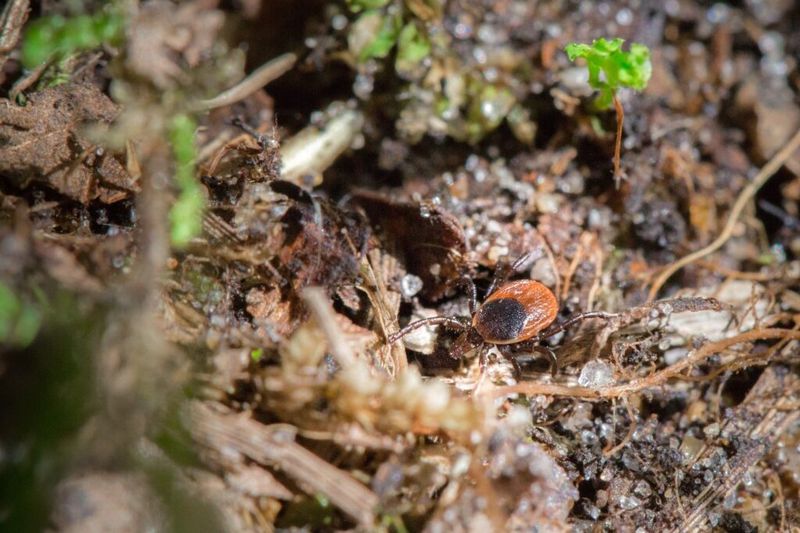
A pile of damp leaves is a cozy spot for a tick. Leaf litter and other protected places give ticks shelter from sun, wind, and drying out.
That is one reason the leafy strip along your woods deserves a look.
Winter is not a clean break, either. North Carolina Extension describes tick activity in spring, summer, and fall, and says some species may be active in winter.
Activity differs by species, so a mild January afternoon is still a good time to check yourself after being outdoors.
Here is a caution for anyone tempted to promise that raking kills ticks. A three-year field study in Connecticut and Maine found that blacklegged-tick nymphs survived better where leaf litter stayed than where it was removed.
Leaves can insulate overwintering ticks. That result comes from New England and one tick species, so it does not map exactly onto your Piedmont or Coastal Plain yard.
The takeaway is not that leaves are bad everywhere. Removing them will not reliably kill ticks or stop them from overwintering.
Targeted work near the places your family uses is easier to defend than stripping the whole property.
Choose the edge where people and pets spend time
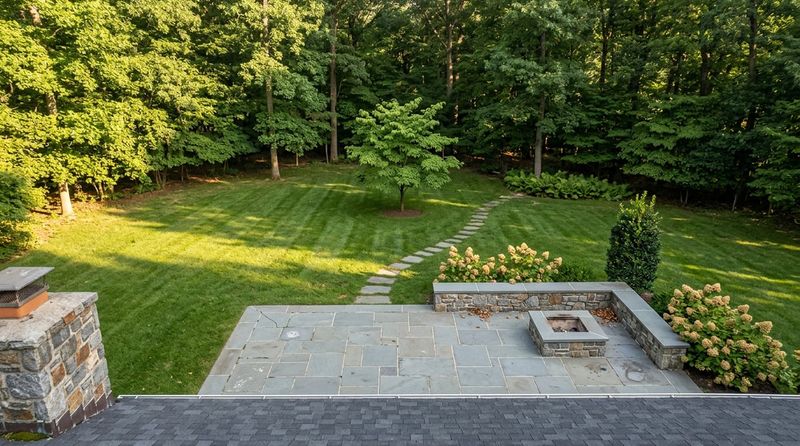
Walk your property line with a coffee and notice where your family actually goes. A path to the creek, the swing set near the trees, the spot where the dog patrols: these are your priority zones.
A back corner no one visits matters far less.
Cornell’s guidance notes that landscape management can focus on places people use, and that a border can mark a boundary and change how people move through a yard. It is a cue for people, not a tick-killing treatment.
Pair that focus with a leave-the-leaves mindset. University of Maryland Extension explains that fallen leaves support beneficial insects, and the National Park Service describes leaves as winter habitat for wildlife.
Fireflies, box turtles, and native bees all benefit when some leaves stay put.
Treat this as a rough sorting tool, not a precise risk map. Your yard has its own shade, slope, and wildlife traffic.
Keep leaves in less-used areas where you can, and put your effort where bare skin and paws meet the woods.
Clear the high-use strip without stripping the whole yard
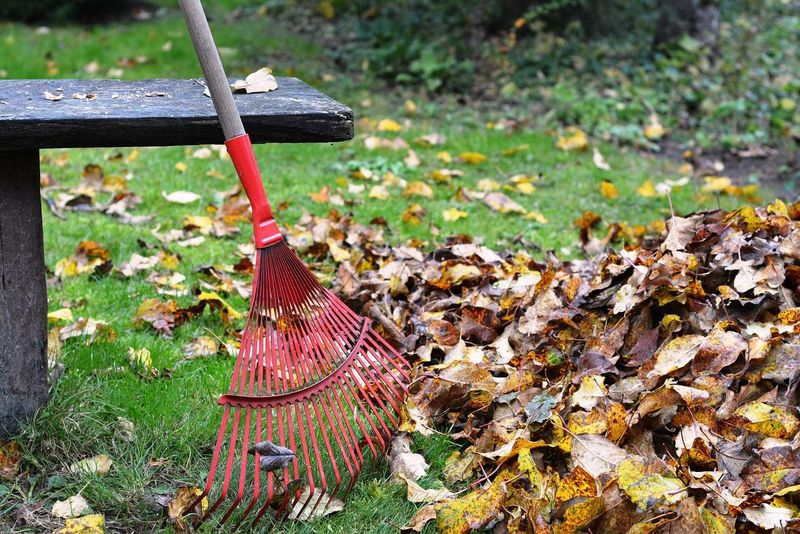
Here is a weekend job. Pick the stretch of lawn edge you chose, then rake out the thick leaf buildup and cut back loose brush there.
Trim tall grass along the border and keep the nearby lawn mowed.
These steps line up with CDC recommendations for removing leaf litter, clearing tall grass and brush at lawn edges, and mowing regularly. The CDC frames them as ways to help reduce blacklegged tick numbers or limit movement into recreational areas, not to eliminate ticks.
Stop there. Do not rake the whole property clean.
University of Maryland Extension and the National Park Service both point out that leaves feed soil and shelter beneficial insects and other wildlife. Move the leaves you rake into a back bed or a compost pile away from play spaces rather than bagging them all.
Late fall is a convenient time for this, since the trees have dropped their leaves and the weather is cooler. It is simply a practical window.
Nothing shows it is a uniquely effective time, or that this chore guarantees fewer ticks next spring.
A three-foot chip or gravel strip marks a boundary, not a guarantee
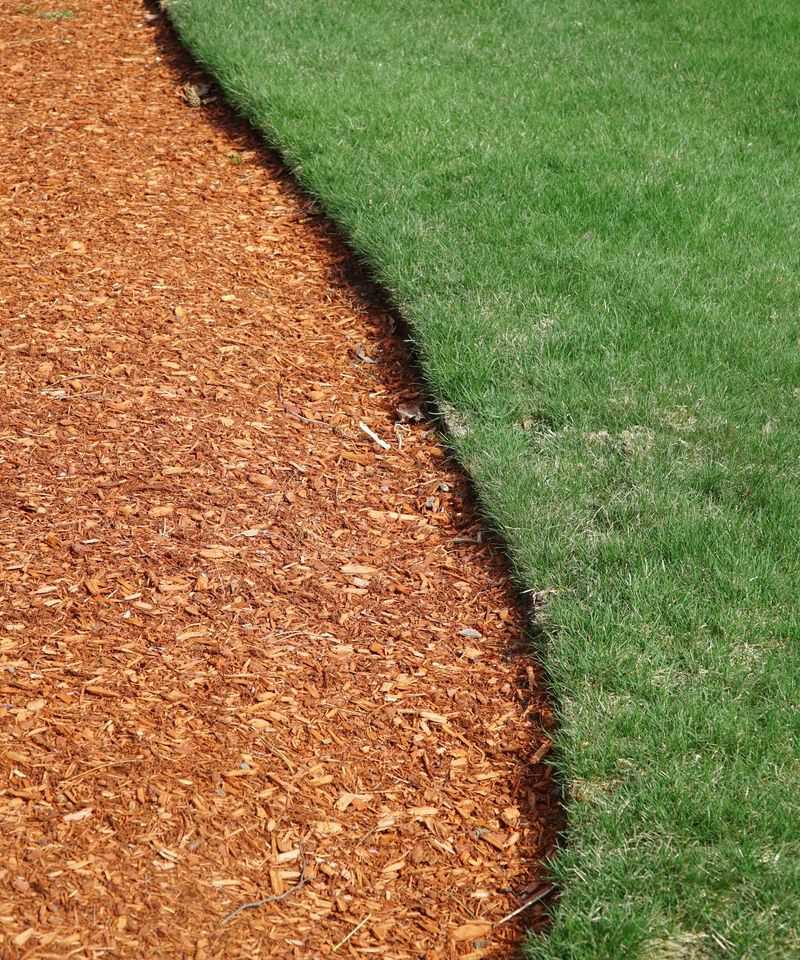
Next comes the border itself. CDC guidance recommends a three-foot-wide strip of wood chips or gravel between lawn and woods.
Keep it maintained by refreshing the chips and pulling weeds so it stays a clear line.
Think of it as one practical edge measure. Cornell describes a border like this as a boundary cue that shows where the maintained yard ends, and notes it is not designed to kill ticks.
It reminds kids, guests, and you to stay on the lawn side.
There is some field data. A study along recreational trails in Ottawa, Canada found 75 percent lower questing blacklegged-tick density along trail segments with wood-chip borders than along untreated segments.
It used ten 100-meter trail replicates, so it tells us about Canadian trails, not North Carolina home lawns. Do not expect the same drop in your yard.
A strip is not tick-proof. Ticks can still arrive on pets, wildlife, or people, and different species behave differently.
Use the strip as a visible line and a way to keep the lawn side tidy, not as a promise.
Native planting can serve yard goals without a claim of tick control
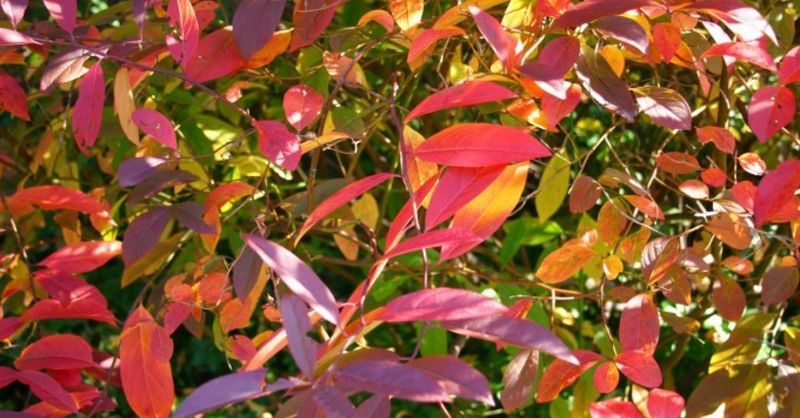
You may have heard that a dry, native-planted buffer keeps ticks off the lawn. No evidence shows that native plants repel ticks, or that a planted strip holds them back.
Plant natives for what they do well: feeding pollinators, sheltering birds, and supporting the local ecosystem.
Keep those goals separate from tick control. If you add plants near your edge, do it for habitat and beauty, and still keep the chip or gravel strip and the mowed lawn as your boundary work.
This guide does not name tick-fighting species, because none are proven.
Japanese barberry is the one plant with real research behind it. The National Park Service summarizes long-term research reporting higher tick densities in barberry-dominated areas and fewer ticks after barberry was managed.
That is a finding about barberry habitat.
Do not stretch it further. It does not show that other shrubs raise tick numbers, or that any native replacement lowers them.
If you have barberry, removing this invasive is a good stewardship move. Replace it with a native you like, and treat any tick benefit as a possible bonus, not a promise.
Treat yard work as one layer of prevention
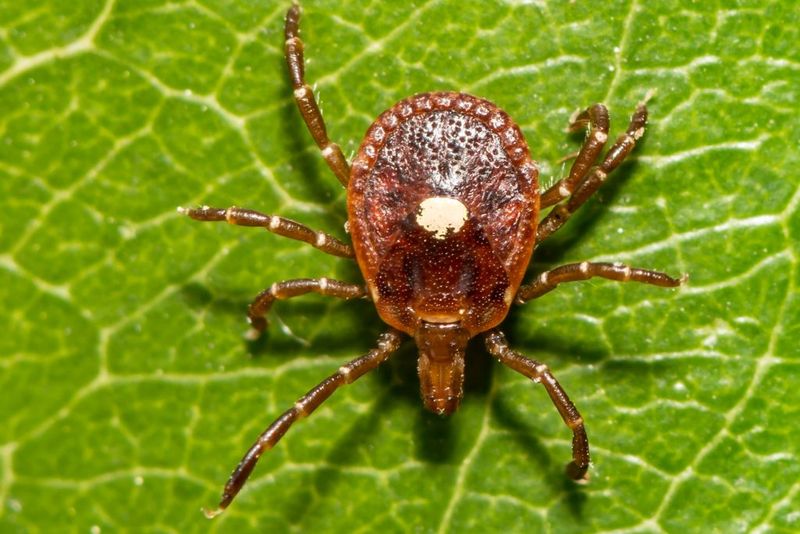
Edge work can help you manage a boundary. It cannot eliminate ticks or replace the habits that protect your body.
CDC guidance covers personal protection, including EPA-registered repellents used as directed, and it cautions against relying on yard pesticides to reduce infection risk.
Since North Carolina Extension says some ticks may be active in winter, keep checking yourself, kids, and pets after time outdoors in every season.
A better-managed edge is a fair goal. A tick-free lawn is not.
The tidiest border still needs a quick check at the end of the day.