
What It Really Means When a Dark Snake That Might Be a Racer Keeps Showing Up Near Your North Carolina Garden Beds
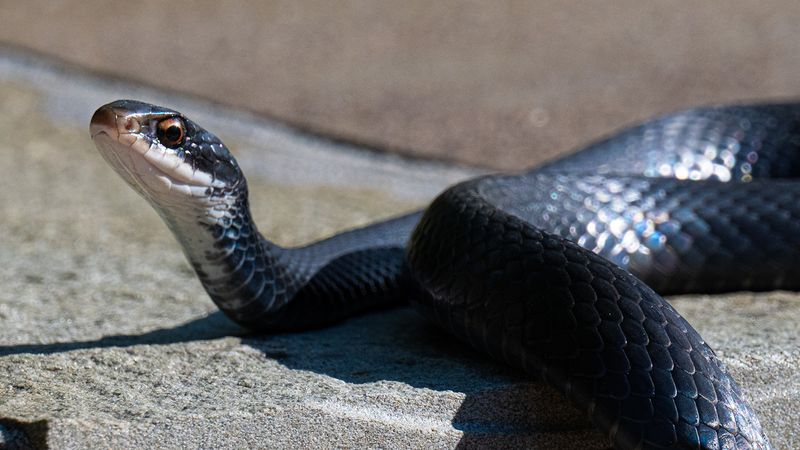
You walk out to check your tomatoes and a long, dark snake flows out of sight before you can blink. After it happens a few times, it is natural to wonder what it is and why it keeps coming back.
The answer is less simple than many online posts suggest. Here is what a repeat sighting can tell you, what it cannot, and how to keep everyone in your yard safe.
A dark snake is not automatically a racer
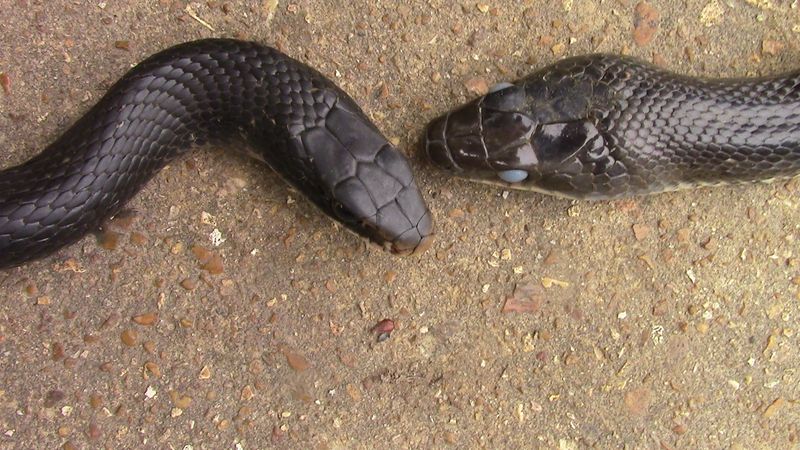
Many North Carolina gardeners see a dark, fast snake and call it a racer right away. That guess may be right, but color alone cannot settle it.
NC Wildlife’s racer profile describes adults as slender, smooth-scaled snakes that are typically black on the back and often have a pale chin.
The trouble is that other snakes can look similar. Adult black rat snakes can also be dark, and they may show pale markings on the chin too.
NC State Extension’s guide to the colubrid family notes that adult rat snakes may be black, which is why one feature is never enough to name a snake.
Age matters as well. Young racers look quite different from adults, with a grayish or brownish background and darker blotches.
So a small patterned snake near your beans could still be a racer, and a big black one could be something else.
If you want to know what you are seeing, resist the urge to get closer. Take a photo from a safe distance, zoom in later, and use several features together.
Then share the picture with a reliable local source, such as your county Extension office or a wildlife professional.
Until you have that answer, treat the identification as a maybe. That small pause keeps you from drawing big conclusions about your yard from one fast shadow.
Why might a racer use a garden bed?
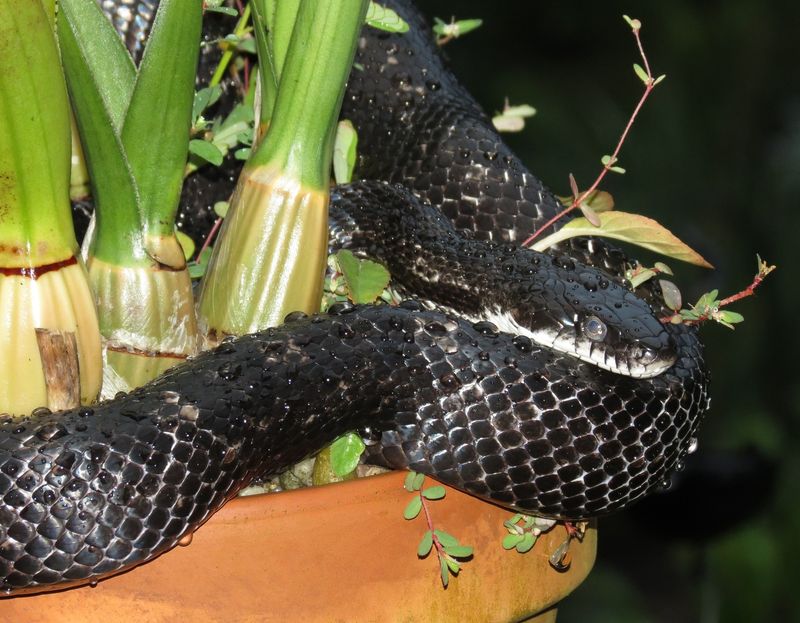
Picture your yard the way a snake might. Garden beds offer mulch, plant cover, warm patches of ground, and the small animals that come with them.
If the snake is a racer, it may simply be using a bit of the habitat around your home.
NC Wildlife describes the racer as a daytime-active, nonvenomous snake. Daytime activity is one reason people notice them while working outdoors.
The Reptiles of North Carolina profile lists a wide range of prey and habitats, so a racer may pass through for food, cover, or a place to warm up.
Here is the limit of what we know. The sources do not explain why one particular snake returns to one particular bed, and they do not show that your garden caused the visits.
The snake could be hunting along a fence line, crossing to a neighbor’s woodlot, or resting in a sunny spot.
A sighting can suggest that the snake is using the surroundings near your beds. It cannot diagnose your yard, and it does not prove you have a problem or a benefit.
Think of it as one piece of context, like noticing a bird at a feeder.
If you see it regularly, note the time of day and the spot. Those small details may help a local expert identify the snake and understand how it is moving through your property.
A varied diet offers no pest-control guarantee
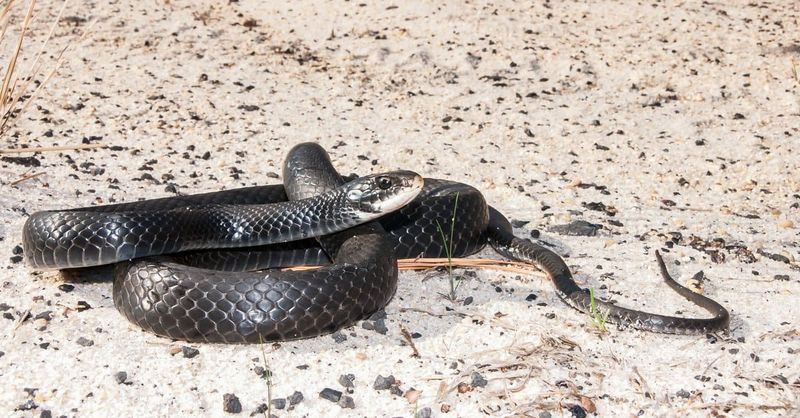
Racers are not picky. NC Wildlife lists small rodents, lizards, frogs, and insects among their prey, and the Reptiles of North Carolina profile adds arthropods, amphibians, other reptiles, and small mammals to the menu.
So a racer may eat some of the mice or insects that visit a garden. That is a possible side effect, though, not a service you can count on.
The sources do not measure how a racer affects the rodent or insect numbers in a residential yard.
That is why a repeat sighting does not prove you have an infestation. It also does not prove the snake is controlling pests, or that your yard is especially healthy.
The snake may be eating frogs by the downspout or lizards on the woodpile instead.
Ticks deserve a clear mention because gardeners worry about them. The racer diet records do not show that these snakes eat ticks or lower tick risk, so please keep up your usual tick precautions.
Racers are also not a gift to every creature you value. The same profile records small birds, bird eggs, and juvenile turtles, including eastern box turtles, as prey.
That is natural predation, but it means the snake is a predator with its own appetite, not a guardian of your wildlife garden.
Give it space, even if it is nonvenomous
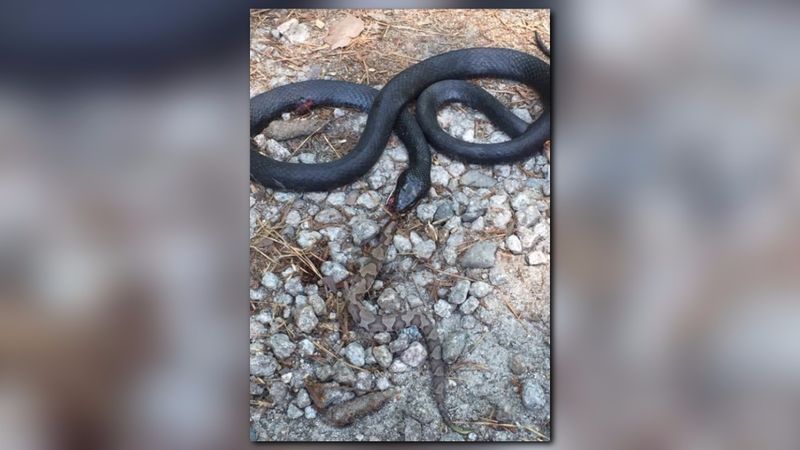
Nonvenomous is good news, but it is not a permission slip to pick a snake up. Any snake may bite defensively if it is handled or cornered.
The simplest plan is to leave it alone and let it go on its way.
NC Wildlife’s guidance on preventing conflicts with snakes recommends giving snakes space, keeping children and pets away, and not trying to catch, kill, or move them. Since you may not know the species for sure, that advice covers every dark snake in your yard.
Yard work is where most surprises happen, so build a few habits. Look before you step, and look before you reach under shrubs, into brush, or beneath boards.
CDC guidance for outdoor workers suggests boots and long pants outdoors, and gloves when handling brush or debris.
If anyone is bitten, get medical guidance promptly. NC Poison Control can be reached at 1-800-222-1222.
The same source says not to cut the wound, ice it, apply a tourniquet, or try to suck anything out. Do not try to catch or kill the snake either.
A photo from a safe distance, if one is easy to get, is plenty.
Reduce close encounters without trying to clear the landscape

If a snake near the house makes you uneasy, you can make the area right around your home less inviting. The goal is fewer close encounters, not an empty yard.
Snakes will still travel through the wider landscape, and that is normal.
NC Wildlife’s snake conflict guidance recommends trimming plants around the home and clearing nearby rock, wood, or debris piles. It also advises sealing gaps in siding, foundations, doors, and around pipes.
Try a weekend routine. Cut back shrubs that touch the siding, move stacked firewood and loose stones away from the foundation, and walk the outside of the house looking for cracks.
Patch what you find.
These steps reduce hiding places and entry points close to the house. They cannot promise that snakes will vanish from the rest of your property, so keep your expectations realistic.
Skip the repellent aisle. NC State Extension says commercial snake repellents have not been scientifically shown to work.
NC Wildlife’s snake-deterrent guidance likewise calls advertised products such as sulfur ineffective, so mothballs and similar home remedies are not dependable either.
Treat a repeat sighting as a clue, not a verdict
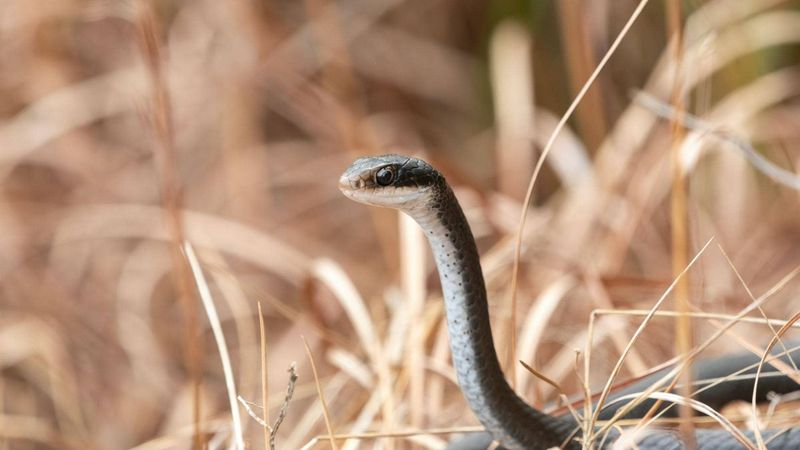
Start with a photo from a distance, and ask a reliable local source before you settle on a name. If it does turn out to be a racer, NC Wildlife’s profile describes a nonvenomous, daytime-active snake that is probably just using the habitat and prey nearby.
Keep your hands, feet, kids, and pets out of its path, and follow the NC Wildlife advice to look but not touch.
A snake that passes your tomatoes is telling you only that it passed your tomatoes.