
Planting Garlic This Fall? These 13 Neighbors Help It Thrive (And 6 That Quietly Stunt Your Bulbs)
Garlic is one of the easiest crops you can tuck into the ground this fall, but what you plant next to it matters more than most people think. Some neighbors help keep pests away and share space nicely, while others quietly steal nutrients or slow each other down.
Picking the right spot now can mean fat, healthy bulbs next summer instead of tiny disappointing ones. Here is a simple guide to the friends and foes your garlic will meet in the bed.
1. Tomatoes
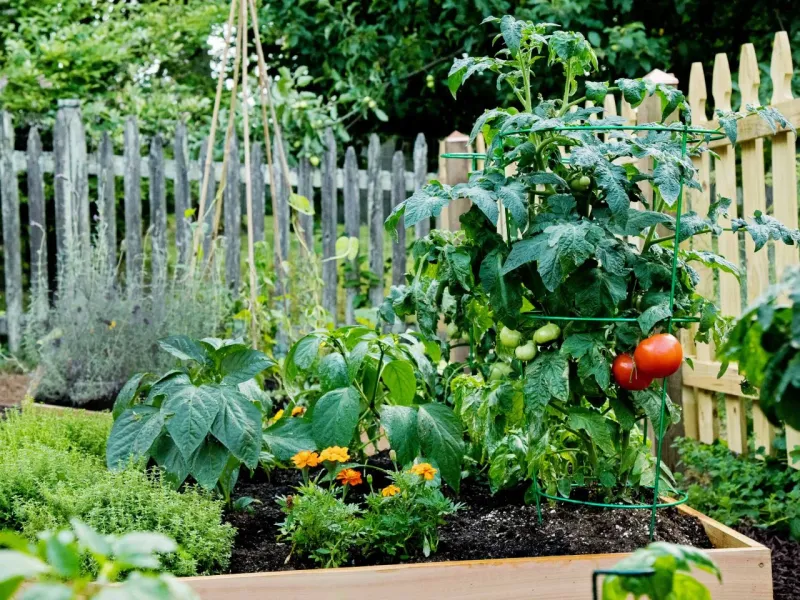
Ask any gardener which plant they worry about most, and tomatoes usually top the list. Good news: garlic makes a handy bodyguard for them.
The strong sulfur scent of garlic may help deter spider mites, which love to suck the life out of tomato leaves in hot weather. Fall-planted garlic is harvested in early summer, right as tomatoes hit their stride, so the two share space with very little overlap.
Try planting garlic along the edges of next year’s tomato bed. When you pull the bulbs in June or July, your tomatoes get the extra room just when they need it.
2. Potatoes
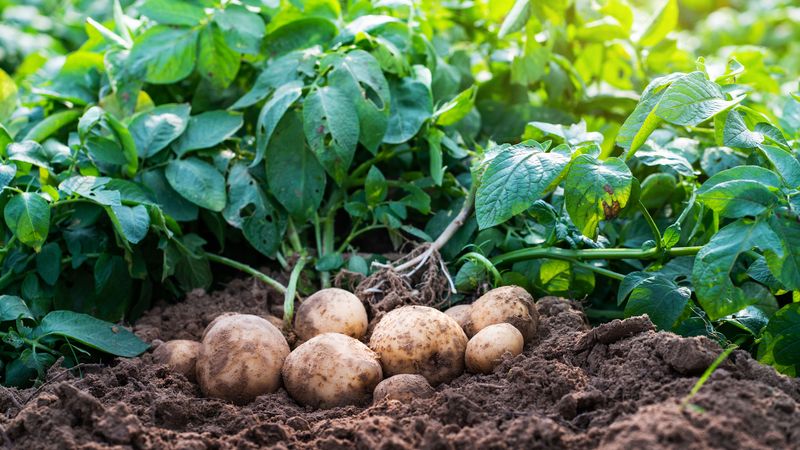
Late blight wiped out potato crops in Ireland in the 1840s, and it still haunts home gardeners today. Garlic may offer a little help here.
Many growers report that garlic acts as a mild natural fungicide, which can reduce the risk of blight on nearby potatoes. It is not a cure, so keep rotating crops and watering at the base of the plants.
Plant garlic a row or two away from where spring potatoes will go. Both like loose, well-drained soil, so the bed you prep this fall serves them both.
3. Carrots
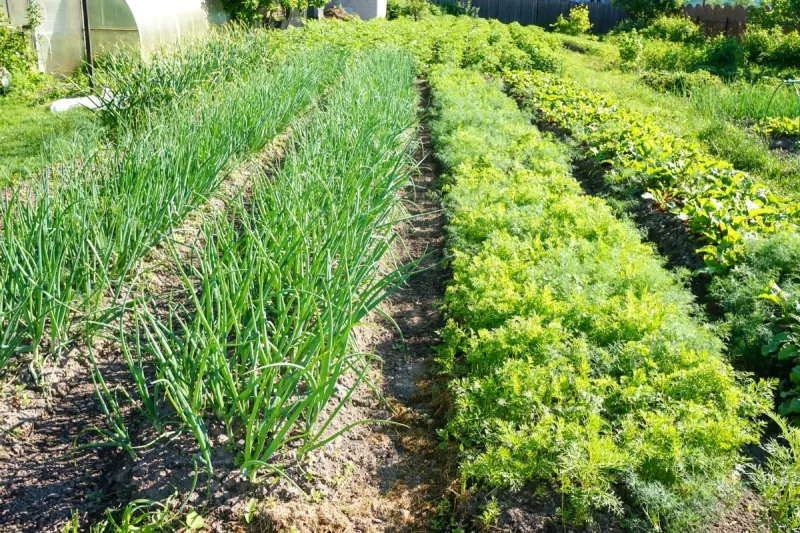
Carrot rust flies find carrots by smell, sniffing out that sweet scent from surprising distances. Garlic simply drowns it out.
Planting garlic beside carrots may help confuse these pests so they lay fewer eggs near your roots. Carrots also grow slender and deep, while garlic stays in a shallow pocket, so they rarely fight for room.
A simple pattern works well: one row of garlic, one row of carrots sown in spring. Keep the soil free of rocks and clumps so both crops form clean, straight shapes.
4. Cabbage and Broccoli
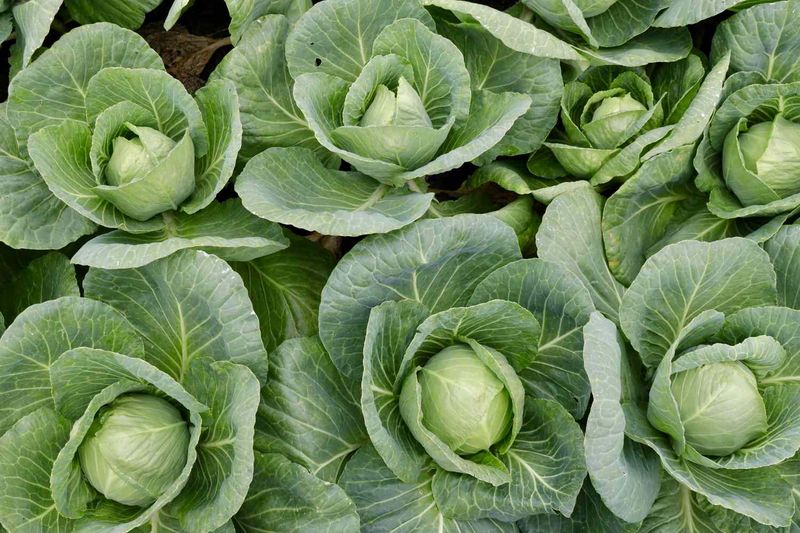
Few things sting like finding holes chewed through your cabbage overnight. Brassicas are a buffet for cabbage worms, loopers, and maggots.
Garlic planted around cabbage, broccoli, cauliflower, and kale may help deter some of those leaf-munchers. It will not replace row covers, but it adds another layer of defense.
Tuck cloves around the border of your brassica area this fall. By spring, the garlic will be up and growing as you set out new transplants.
5. Lettuce and Spinach
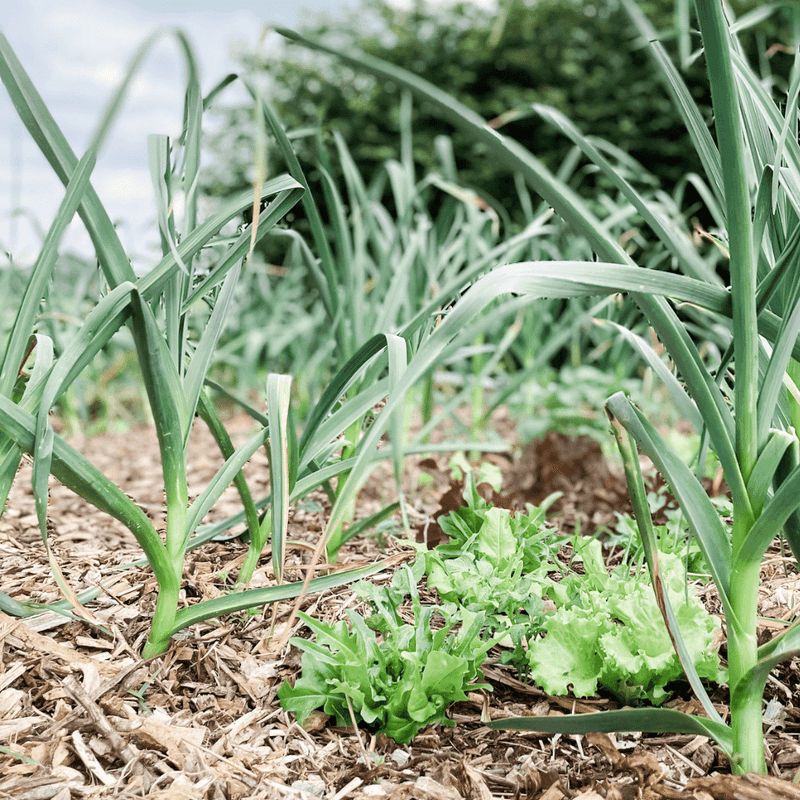
Here is a pairing that just makes sense on a calendar. Lettuce and spinach love cool weather, and so does garlic.
Leafy greens grow low and fast, filling gaps between garlic rows without shading the bulbs. Garlic’s scent may also help keep aphids from settling on tender leaves.
Sow greens between your garlic in early spring. You’ll be harvesting salads long before the garlic is ready, so nothing gets crowded.
6. Beets
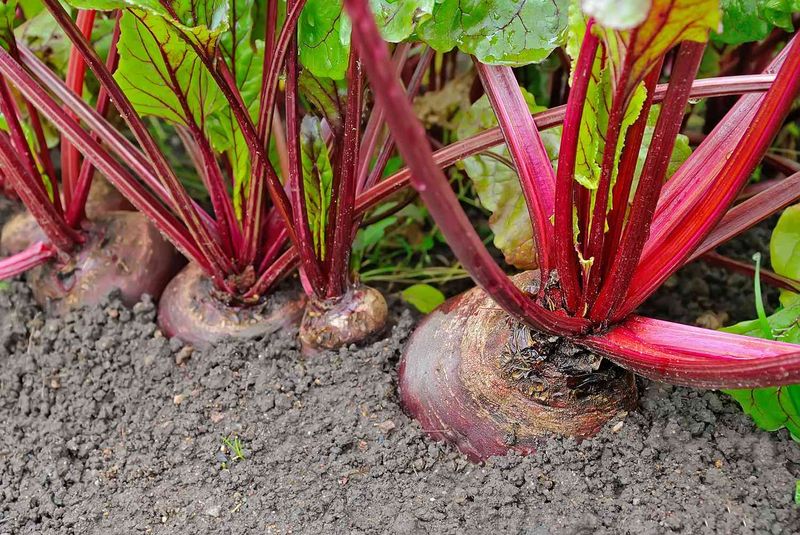
Beets are the quiet roommate every garlic bed deserves. They mind their own business, grow at a different depth, and don’t ask for much.
Both crops enjoy loose, fertile soil with a fairly neutral pH. That means one round of compost this fall prepares ground for both.
Plant beet seeds in spring between garlic rows, about four inches away from the cloves. The bright stems even look cheerful next to garlic’s blue-green leaves.
7. Peppers and Eggplant
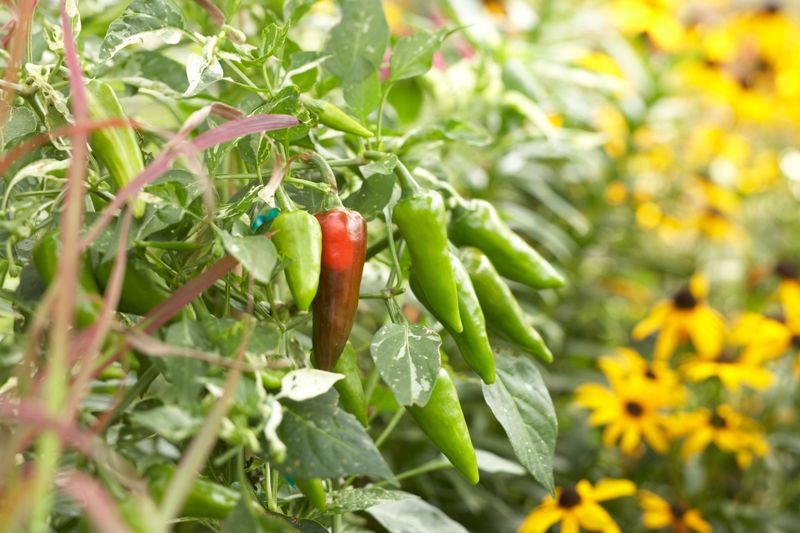
Ever had aphids crowd the underside of your pepper leaves? Peppers and eggplant are tomato cousins, and they draw many of the same pests.
Garlic nearby may help discourage aphids and mites. Since peppers and eggplant go in after the last frost, they slide neatly into the space your garlic leaves behind.
Plant garlic in fall along one side of the bed, then add peppers in late spring. When the garlic comes out, the peppers spread into the open spot.
8. Cucumbers
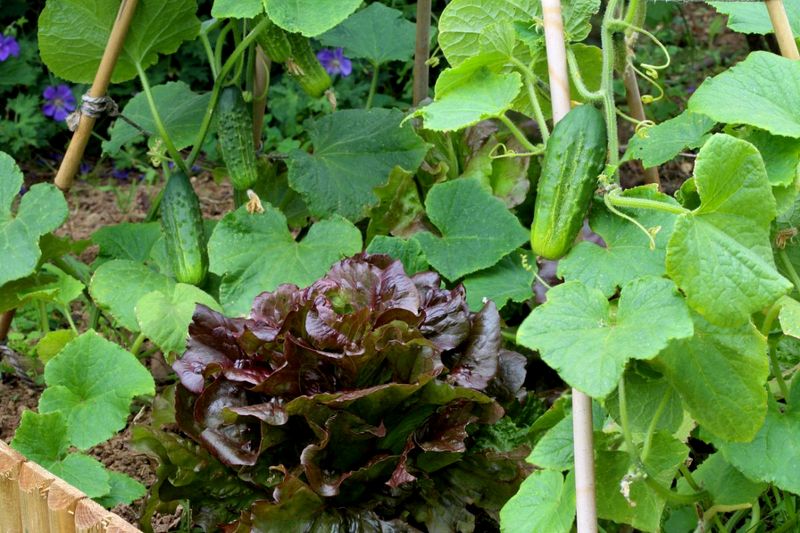
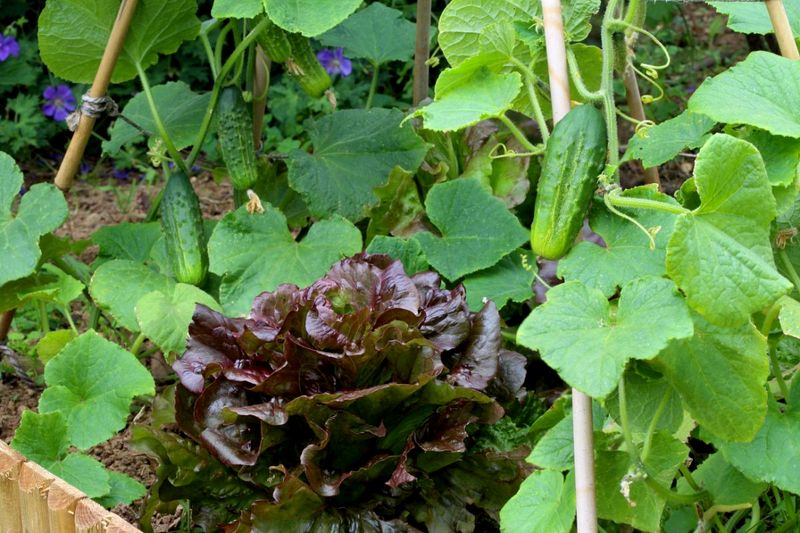
Powdery mildew turns cucumber leaves white and crispy by midsummer, and it’s frustrating to watch. Some gardeners find that garlic close by may help cucumbers resist mildew a bit longer.
Cucumber vines also act like living ground cover, shading soil and holding moisture. That helps keep garlic roots cool as the weather warms.
Plant cucumbers at the edge of the garlic bed, or train them up a trellis. Just make sure the vines don’t smother the garlic before harvest.
9. Fruit Trees
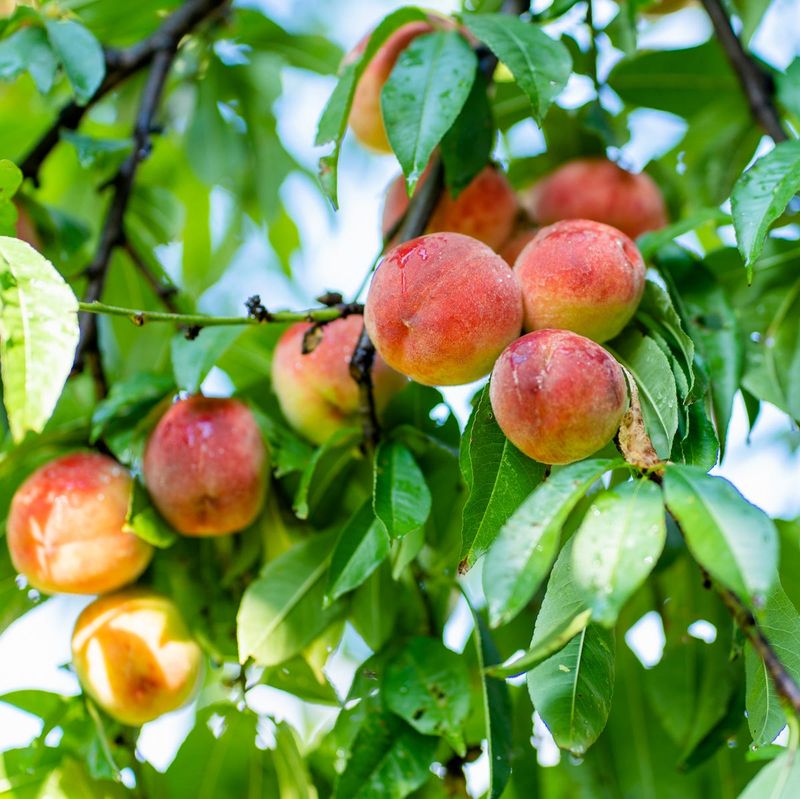
Picture a little green ring of garlic circling the trunk of your peach or fig tree. It’s an old orchard trick that’s still worth trying.
Garlic planted at the base of fruit trees may help deter aphids, spider mites, and some fungal troubles. It uses very little space and doesn’t compete much with deep tree roots.
Plant cloves a foot or so out from the trunk, where sunlight reaches the ground. Blackberries and satsumas welcome the same treatment.
10. Roses
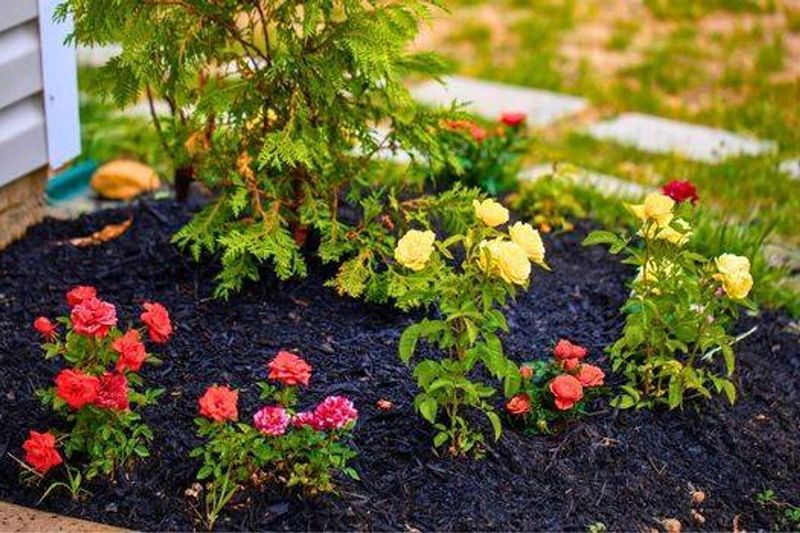
Rose lovers have planted garlic at the feet of their bushes for generations. There’s good reason this habit stuck around.
Garlic may help reduce aphids on roses and can lower the chance of black spot, a fungal disease that freckles the leaves. Roses and garlic also feed at different soil depths, so they don’t compete much.
Tuck a few cloves around each bush this fall. You’ll get fresh garlic and possibly cleaner rose leaves.
11. Geraniums
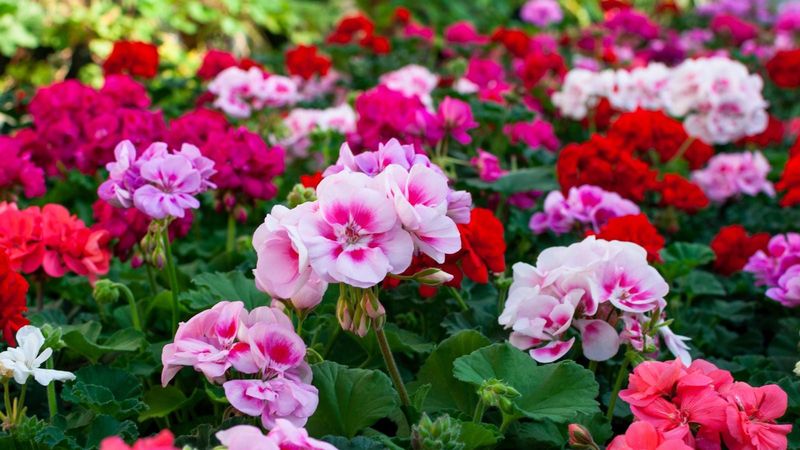
Geraniums are already tough little flowers, and garlic makes them even easier to keep happy. Aphids, mites, and ants tend to give the pair a wider berth.
Since geraniums use different nutrients and grow shallower roots, they share soil without a fuss. A border mixing both looks tidy and works hard.
If your geraniums live in pots, set them near the garlic bed in spring. You’ll still get some of that scent benefit without replanting anything.
12. Nasturtiums
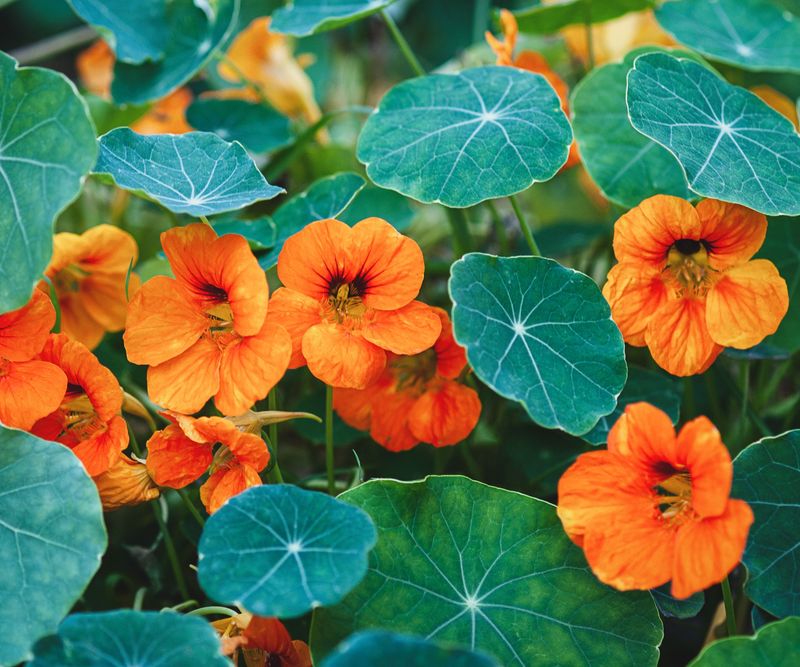
Bright, edible, and a bit wild, nasturtiums bring color to a bed full of plain green garlic. They also earn their keep.
Their spreading leaves act like natural mulch, blocking weeds and keeping soil cool. Many gardeners use them as a trap crop, drawing aphids away from other plants.
Sow seeds in spring after frost danger passes. Keep them trimmed back so they don’t cover the garlic leaves.
13. Chamomile and Yarrow
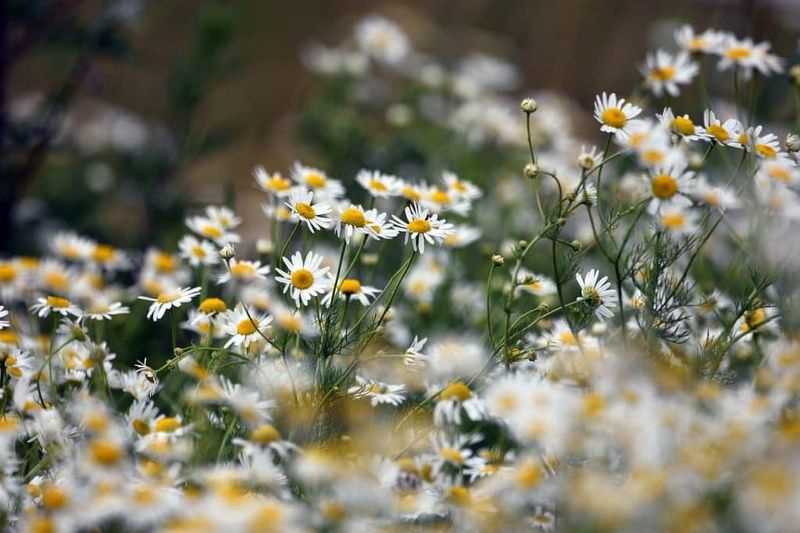
Old garden lore says chamomile makes garlic taste better. Science hasn’t proven it, but plenty of growers swear by it.
Yarrow is said to boost oils in aromatic plants, and both herbs draw helpful insects like ladybugs and hoverflies. Those good bugs eat aphids that may wander in.
Plant these herbs at the ends of garlic rows. They’re low effort and pretty, so there’s little to lose.
14. Beans
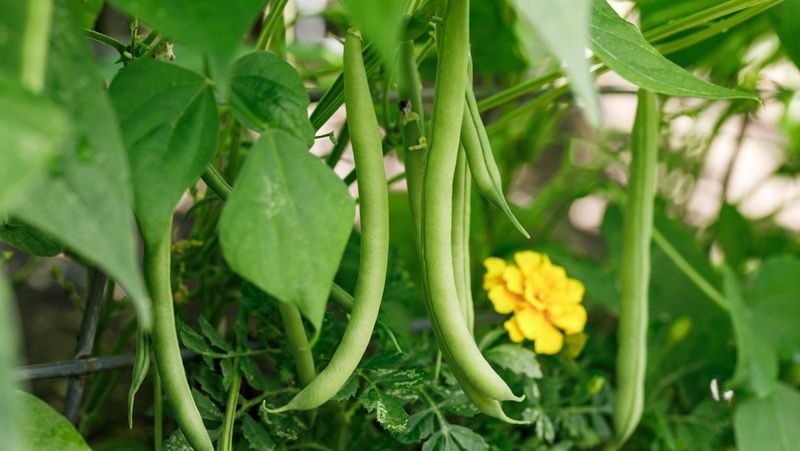
Now for the trouble makers. Beans top the list, and the reason is hidden underground.
Beans depend on special soil bacteria that help them pull nitrogen from the air. Garlic may interfere with those bacteria, leaving bean plants smaller and paler than they should be.
Keep beans at least a few feet from garlic, or plant them in a different bed entirely. Next year, beans can go where garlic grew once the bulbs are out.
15. Peas
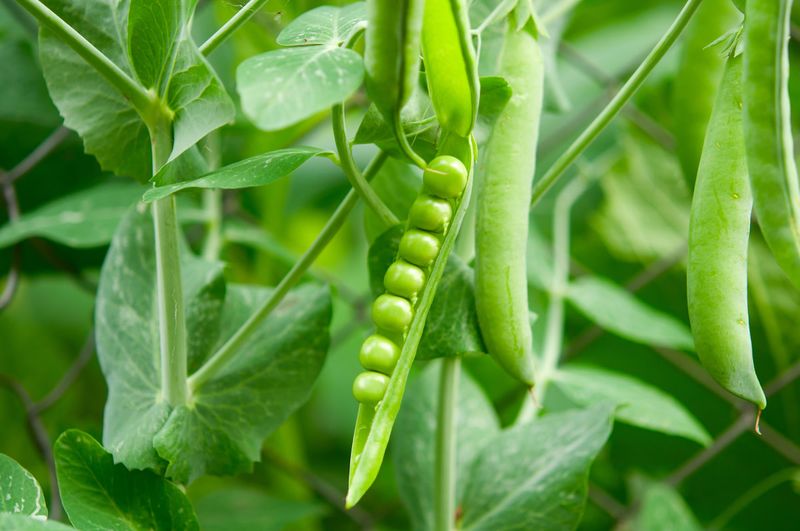
It’s tempting to plant peas next to garlic since both go in during cool weather. Resist the urge.
Peas share the same nitrogen-fixing setup as beans, so garlic can slow them down the same way. Gardeners often notice short vines and fewer pods.
Give peas their own trellis in another corner of the yard. A little distance keeps both crops productive.
16. Onions and Other Alliums
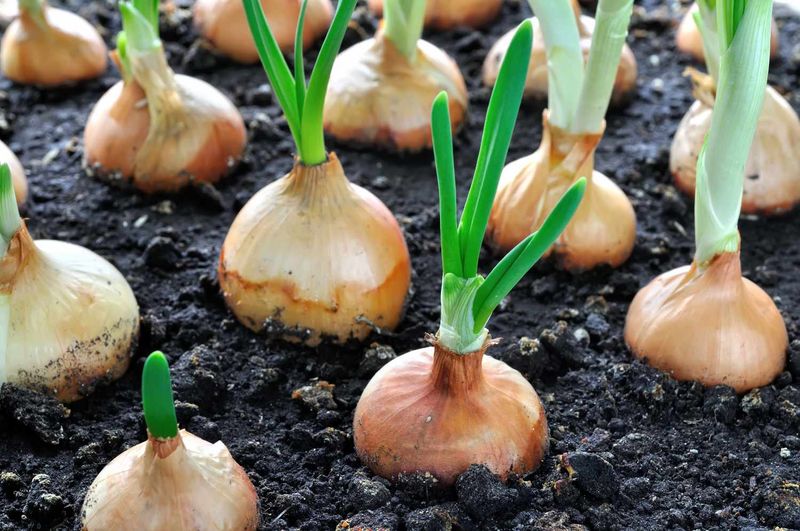
Family members don’t always make the best neighbors. Onions, leeks, shallots, and chives are close garlic relatives, and they want the exact same things.
Crowding them together means competition for nutrients and a bigger buffet for pests like onion maggots. Diseases such as white rot can also spread more easily among alliums.
Plant alliums in separate beds and rotate them each year. This simple step protects your bulbs for seasons to come.
17. Asparagus
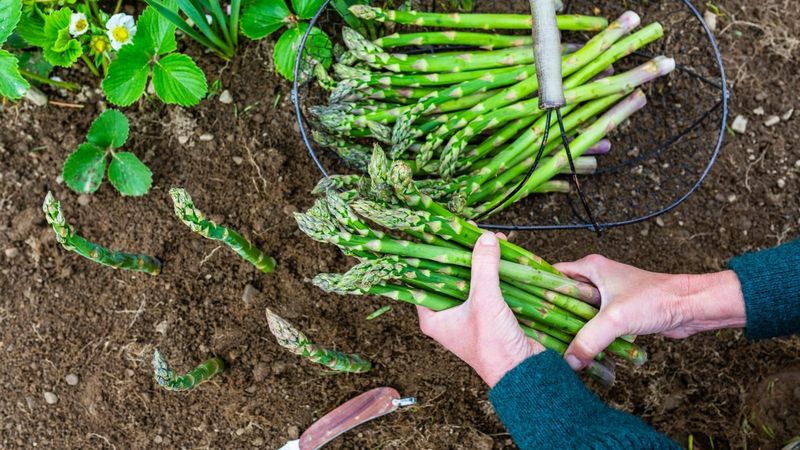
Asparagus is a long-term investment, often producing for 15 years or more. You don’t want anything slowing it down.
Garlic and other alliums may inhibit asparagus growth when planted too close. Since asparagus beds are permanent, a mistake here sticks around.
Choose a garlic spot well away from your asparagus patch. Your future spring harvests will thank you.
18. Sage and Parsley
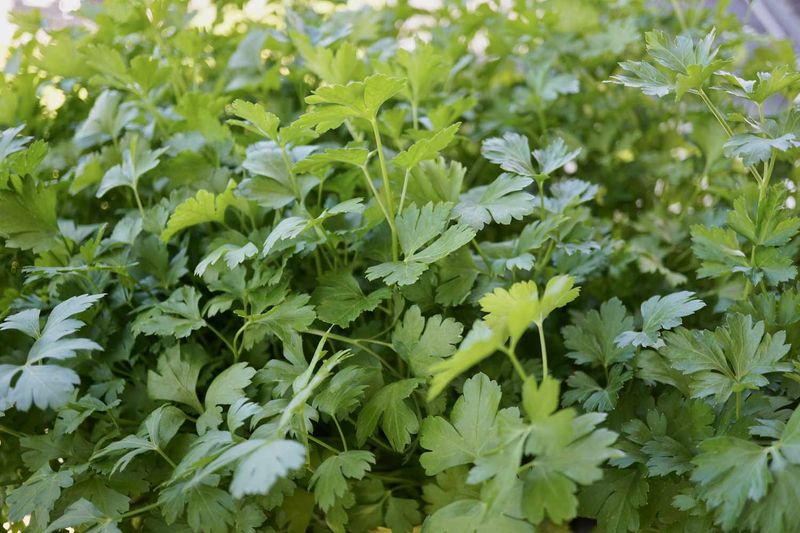
Here’s a surprise for herb lovers. Many gardeners report that sage and parsley grow poorly beside garlic.
Studies on this are limited, so treat it as experience rather than hard fact. Still, if your parsley keeps sulking, garlic might be the culprit.
An easy fix is growing these herbs in containers. You can move pots wherever they do best.
19. Strawberries
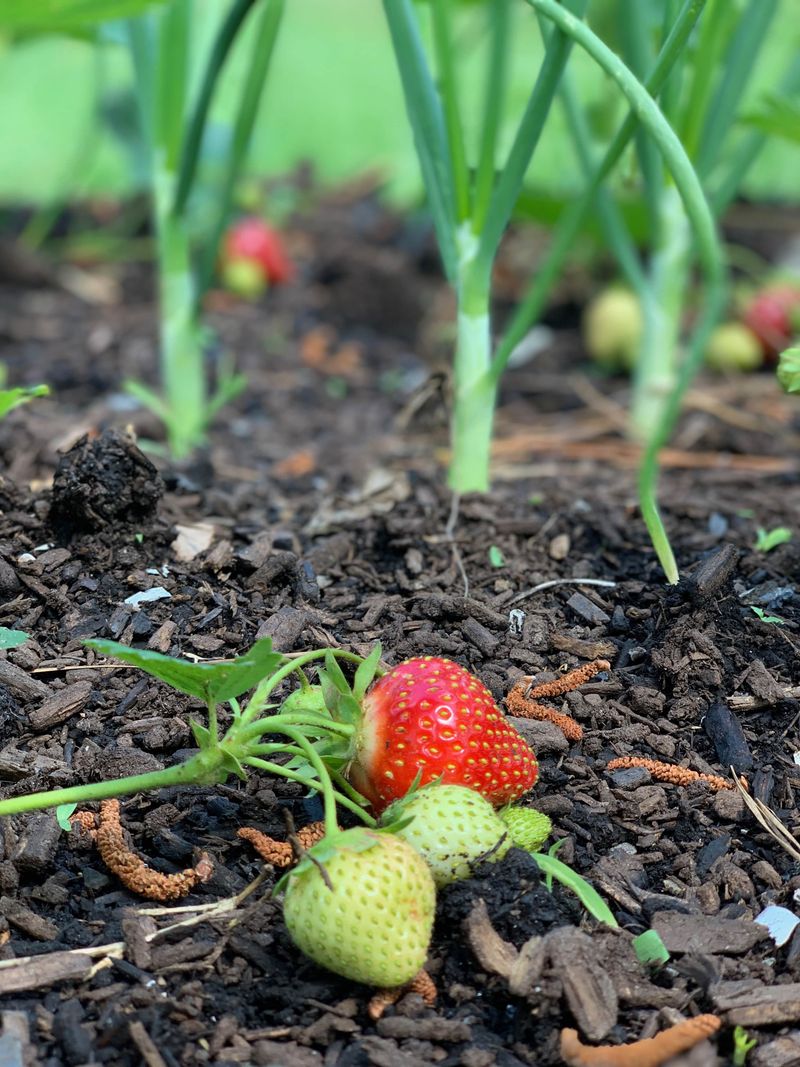
Strawberries are a hot debate in companion planting circles. Some gardeners grow them with garlic happily, while some research suggests garlic may stunt strawberry growth.
When in doubt, play it safe. Strawberries need steady care to produce sweet berries, and you don’t want to risk a smaller crop.
Give them their own patch for now. If you’re curious, try a small test row and compare the results.
Whatever you choose, plant garlic 2 to 6 weeks before your ground freezes, set cloves 2 to 4 inches deep, and cover with a thick layer of straw or shredded leaves. Smart neighbors plus good timing add up to big, healthy bulbs next summer.