
Could Fall Night Light Be Keeping Your Christmas Cactus From Blooming By The Holidays?
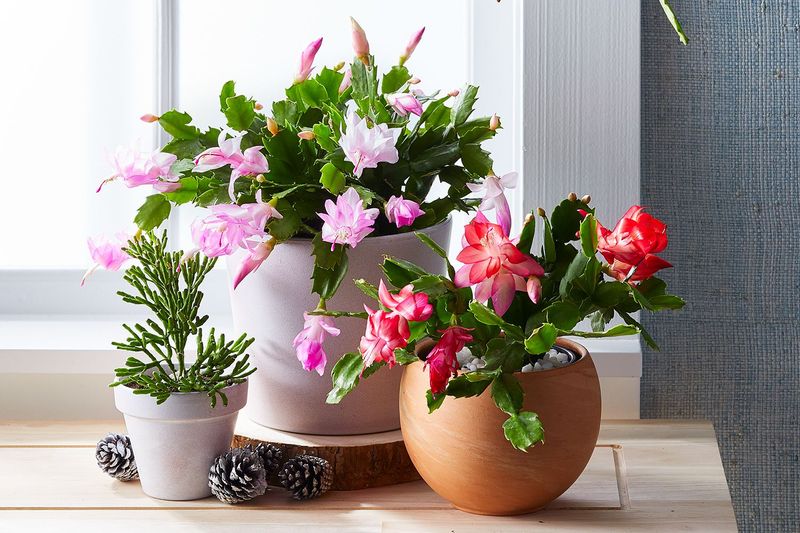
You bought a holiday cactus hoping for bright flowers, but December comes and all you get is green stems. Before you blame yourself, take a look at your room after dark.
A lamp or TV that stays on all evening may be one small fall habit that gets in the way of buds. The good news is that it is easy to adjust, and your plant is probably not ruined.
Nighttime room light may disrupt fall bud formation
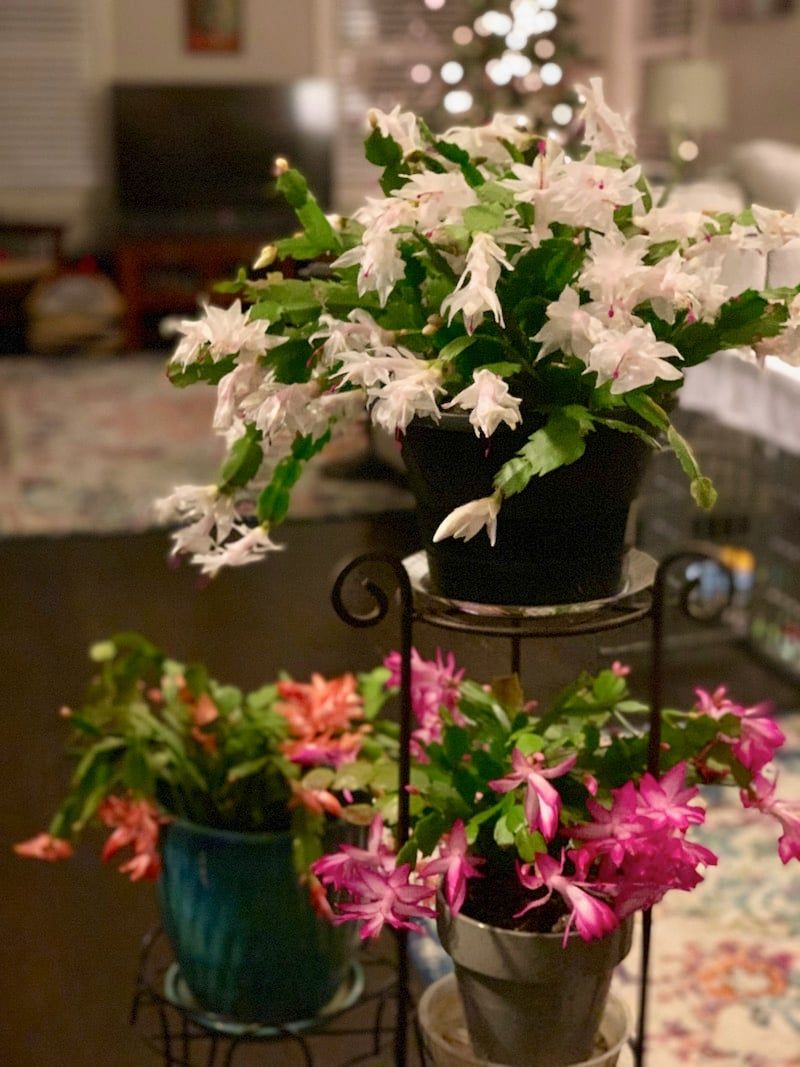
Picture this: it is early December, and your Christmas cactus is all green stems and no flowers. It is a frustrating sight, but it does not mean you did anything terrible.
One fall habit is worth a quick check, and that is a room that stays lit well after dark.
Holiday cacti pay attention to the seasons. As fall days get shorter and nights get longer, the plant reads those changes as a signal that it is time to set buds.
University of Minnesota Extension describes long nights as a key trigger for flowering in these plants.
Here is where home life can get in the way. Lamps, overhead lights, and TVs can break up the long dark stretch the plant is looking for.
University of Illinois Extension advises keeping the plant away from artificial light during its dark period so buds can form.
Still, this is a possible contributor, not a verdict. Nobody can look at one plant and say night light is the reason it skipped blooming.
Temperature, the plant’s overall condition, and even which type of holiday cactus you own all play a part too.
Think of the lit room as a clue worth checking, not a mistake you have to feel bad about. A plant that missed one season can often try again the next.
The fix is simple and costs nothing, and the next sections walk through it step by step.
Give the plant a long, uninterrupted night
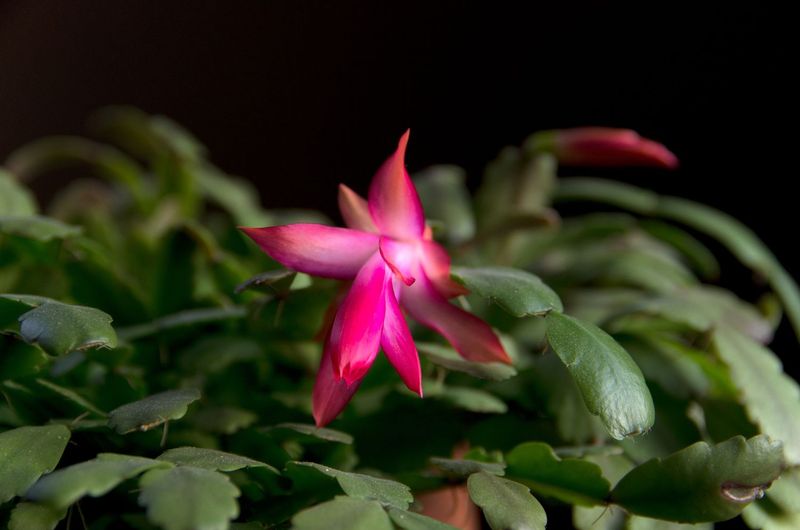
Once you know the plant likes long nights, the routine is pretty simple. Give it bright light during the day, then about 12 or more hours of real darkness each night.
Keep that up for roughly five to six weeks in fall.
The easiest way to do it is to choose a spot that does not stay lit late. A spare bedroom, a quiet hallway window, or an unused dining room often works well.
If your cactus lives beside the couch and the evening lamp, moving it for a few weeks could make a difference. Both Minnesota Extension and Illinois Extension describe this dark-night approach.
You do not need special equipment. Some people cover the plant with a box or cloth at night, but that is optional.
Picking a naturally dark room is usually enough.
Do not panic if someone flips on the light for a minute to grab a glass of water. Nothing here says one brief, accidental flash of light ruins flowering.
Aim for a steady, mostly dark routine, not perfection.
Remember what this routine is for. It targets the bud-forming window, not the whole season.
You are not trying to control day length forever, just giving the plant a clear signal during the weeks when it decides whether to make buds.
Cool nights matter alongside darkness
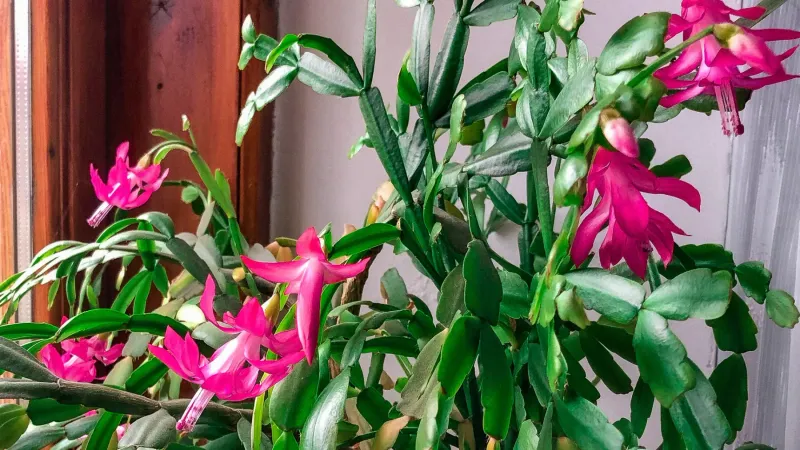
Darkness is only one piece of the puzzle. Temperature gives the plant a cue as well, and the two often work together.
If your house runs warm all fall, that can quietly hold flowering back.
Extension guidance suggests daytime temperatures around 65 to 70 degrees F and nighttime temperatures around 55 to 65 degrees F while buds form. You will find these ranges in Minnesota Extension guidance, and Illinois Extension offers similar advice.
Treat them as helpful targets, not strict rules.
Warmth is the thing to watch. Iowa State Extension notes that warm conditions can get in the way of flowering.
A plant parked beside a heating vent or in a sunny, stuffy room may have a harder time.
Here is a twist that surprises many growers. Some Christmas and Thanksgiving cacti can form buds when nights are cool, around 55 degrees F, even without short days.
That tells us light is one cue among several, and plants can respond differently.
As a practical step, try a cooler room, such as an entryway or a bedroom with the heat turned down. A cheap thermometer helps you check.
Even so, keeping a plant near 55 degrees F does not guarantee buds, so think of cool nights as one more way to improve your odds.
Keep watering steady and the pot well drained
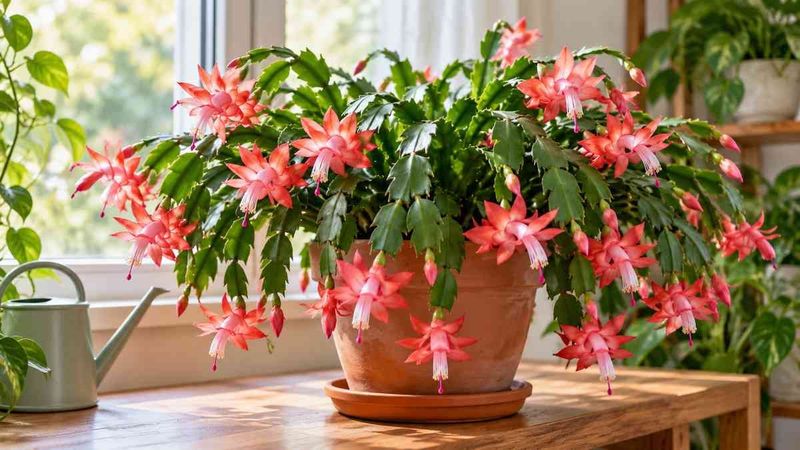
Water habits count too, and they are easy to get tangled up with the bloom idea. Because this plant is called a cactus, some people think it should be left bone dry.
That is not the advice from the experts.
Instead, Minnesota Extension recommends letting the soil dry out between waterings and making sure the pot drains well. A quick finger test works fine.
If the top of the soil feels dry, it is time to water, and if it still feels damp, wait a few days.
Check the saucer or decorative pot afterward. Water left standing at the bottom keeps the roots soggy.
Pour it out so the plant is not sitting in it.
Why does this matter? Too much water can lead to wilting, root rot, and bud drop.
A droopy plant is sometimes thirsty, but just as often it is overwatered, so look at the soil before you grab the watering can.
Do not try stopping water or letting the plant get severely dry to force flowers. That trick is not supported by extension advice, and it can stress a plant that is already working hard.
Steady, sensible watering keeps the plant healthy enough to put energy into buds.
After buds appear, keep conditions steady
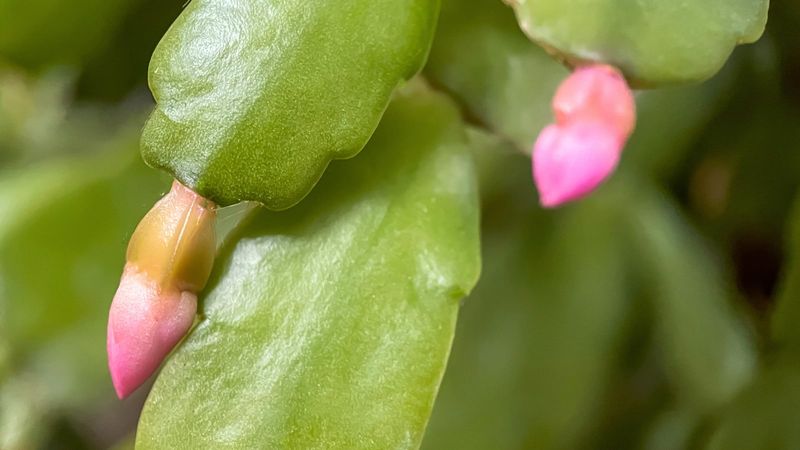
Tiny buds at the tips of the stems are a happy sight. Once you see them, the job shifts from setting buds to protecting them.
The strict dark-night routine matters most before this point.
According to Illinois Extension, once buds are set, day and night length no longer affects flowering. So you can relax about the lamp in the evening and enjoy the plant in a spot where you can see it.
What you should avoid now are sudden changes. Moving the pot to a new room, a blast of cold air, a hot vent, or a big swing in humidity can all contribute to bud drop.
Iowa State Extension points to these kinds of shifts as a reason buds fall off.
If you want to show the plant off, the best time to pick its display spot is before buds form, or else move it only a short distance. Avoid turning the pot around too often, too.
Keep it near a bright window, away from drafts.
Keep up the same sensible watering described by Minnesota Extension. If a few buds do drop, do not worry.
Plants often lose some and still bloom well.
Check which holiday cactus you own
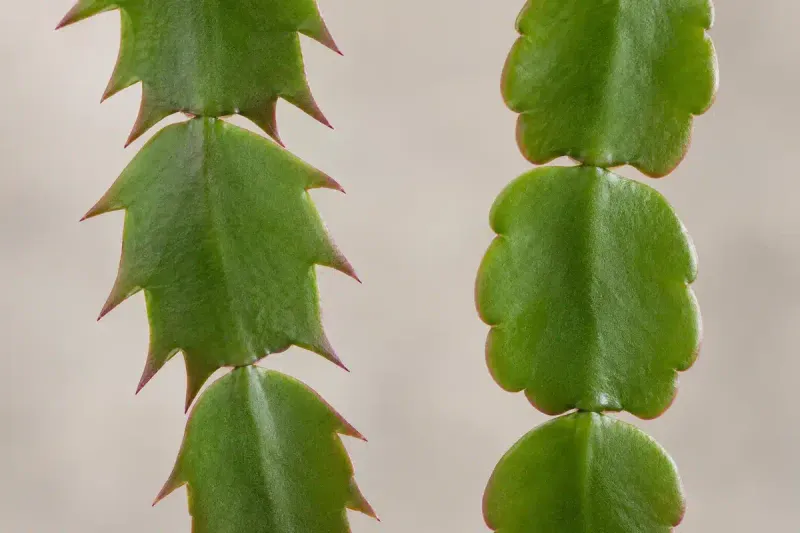
Before you set a bloom date in your head, find out what you actually have. Many plants sold as Christmas cactus are really Thanksgiving cactus, or hybrids.
University of Maine Extension notes that Thanksgiving cactus is often sold or casually called Christmas cactus, and it commonly blooms earlier.
That could explain why your plant already flowered in November, or why it looks ready well before the holiday. It may not be early at all.
It may simply be on its own schedule.
The easiest clue is in the stem segments. According to NC State Extension, Thanksgiving cactus segments have pointed, tooth-like edges.
Christmas cactus segments are smoother, with rounded, scalloped edges.
Take a close look at a few segments in good light. Run a finger along the edge if it helps.
If you see sharp points, you likely have a Thanksgiving type. If the edges look soft and wavy, it is more likely a true Christmas cactus.
Knowing which one you own helps you set fair expectations. Even then, a name does not guarantee a bloom date, since growing conditions shift timing.
Use it as a rough guide, and be happy with flowers whenever they come.
Treat the fall routine as a better chance, not a promise
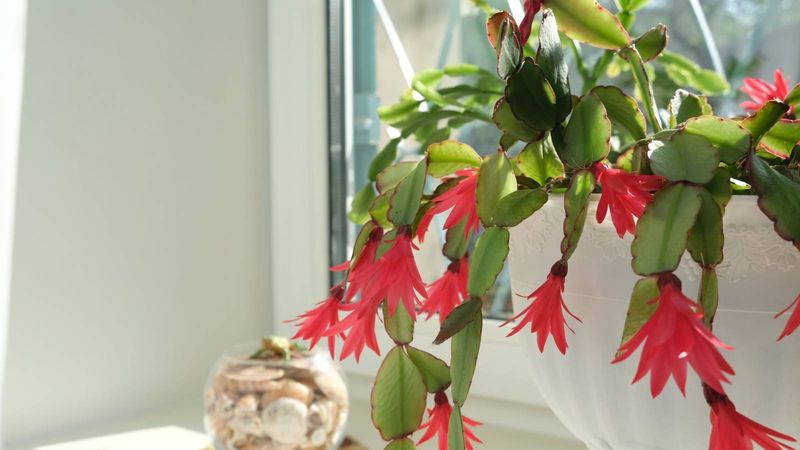
Protect the dark nights in fall, keep the room reasonably cool, water only when the soil has dried, and leave formed buds alone. Those habits, backed by Minnesota Extension, give your plant a better shot at flowering.
Plant type, temperature, and overall health still shape the result, so Christmas blooms are never guaranteed.
If your cactus skipped a year, you have not ruined it. Adjust the routine and try again.
A holiday cactus keeps its own calendar, and the best gift you can give it is a quiet, dark night.