
Christmas Cactus Sitting In A Bright Room All Evening Skips Its Holiday Buds, So Give It Long Dark Nights Now
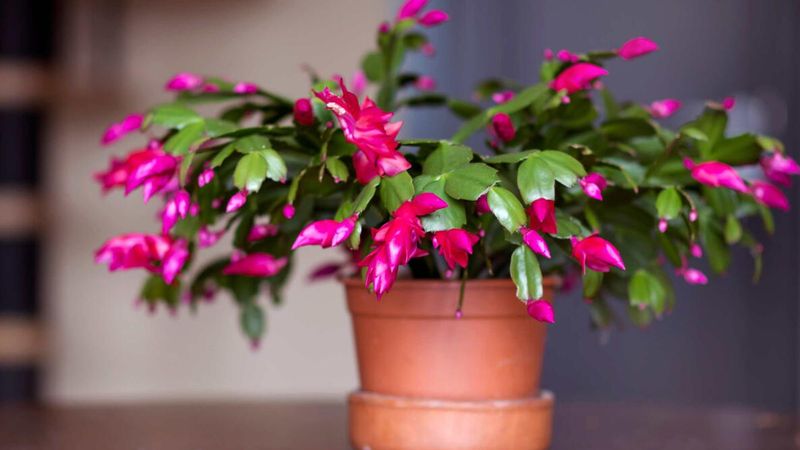
Your Christmas cactus may look healthy and still refuse to bloom. One sneaky reason is the lamp or TV glow in the room where it sits every evening.
Holiday cacti read the length of the night to decide when to make buds. The good news is that this problem is easy to fix with a few simple changes.
Evening light can interfere with flowering, but it does not guarantee failure
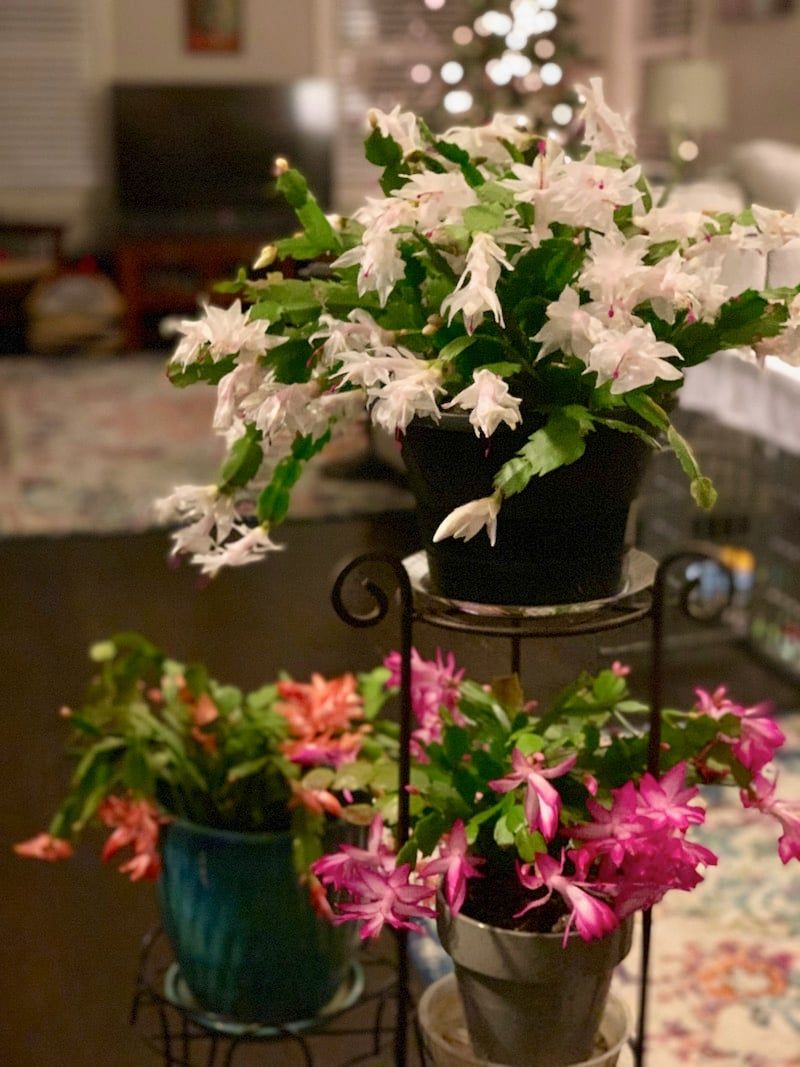
Your holiday cactus is not just watching the calendar. It is paying attention to how long the night lasts, and to how cool that night feels.
Those seasonal cues tell the plant when it is time to switch from growing stems to making flower buds.
That is where a busy living room can cause trouble. Iowa State Extension points to day length and temperature as key factors in blooming, and it warns that artificial light at night can interfere with flowering.
If a lamp, ceiling light, or TV keeps the evening going, your cactus may not get the long, uninterrupted night it is looking for.
Here is the reassuring part. A bright room all evening does not mean your plant will definitely skip its buds.
How much light the plant gets, how long it stays on, how warm the room is at night, and what conditions the plant had earlier in the season all play a role.
Think of evening light as one risk you can manage, not a verdict. Some plants bloom anyway, especially when nights are cool or the lamp is far across the room.
Others need a little help.
A quick check can tell you where you stand. Notice which lights are on near the plant after sunset, and for how many hours.
If the answer is most of the evening, you have found something worth fixing before buds are due to form.
Also remember that failed flowering has more than one possible cause. Warm nights, the type of holiday cactus, and past care can all matter.
Starting with the light is smart because it costs nothing and can be changed today.
Late October is a useful start, not a universal deadline
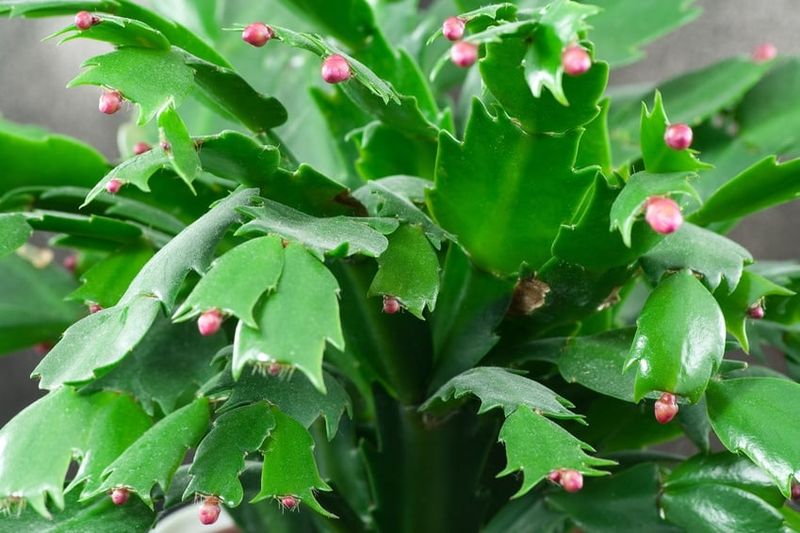
Late October is a handy reminder for many homes across the United States. If you have not started a dark-night routine yet, now is a sensible time to begin.
It gives the plant a head start without turning the season into a stressful deadline.
Still, one date cannot fit every plant. UConn Extension gives different suggested start dates for Thanksgiving and Christmas cacti, and it notes that newer hybrids can have wider or less predictable bloom periods.
The names matter here. Thanksgiving and Christmas cacti are both Schlumbergera, but they do not bloom on the same schedule.
Easter cactus follows a different pattern again, with flowers that come later in the year.
Many plants sold as Christmas cactus are really hybrids, so the label on the pot is not a promise. Your plant might open buds before the holiday, around it, or after it.
Treat the holiday name as a loose guide, not a bloom date.
Your own home also shifts the timing. A cool back bedroom and a warm kitchen can give very different results from the same plant.
Last year’s care matters too.
A simple plan works well. Pick a start date in late October, write it on your calendar, and watch the plant over the following weeks.
If buds are slow, adjust the routine rather than assuming the plant has failed.
Give the plant bright days and uninterrupted dark nights
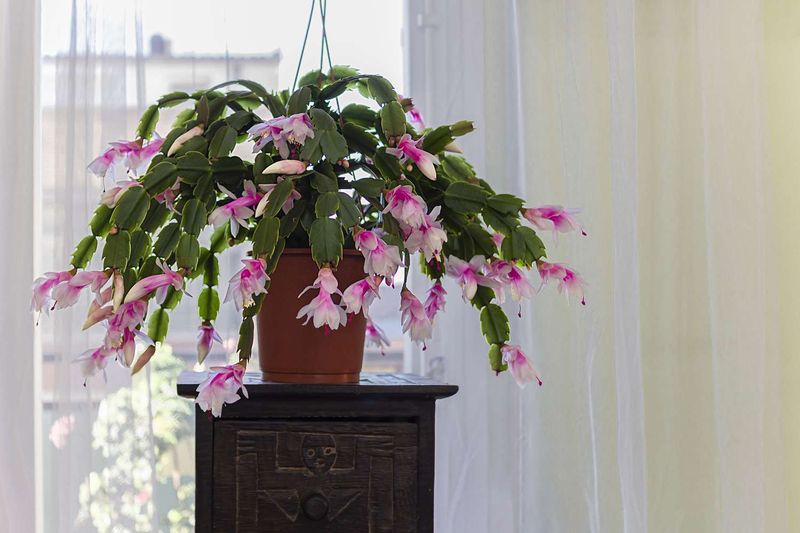
A bloom routine is easier than it sounds. By day, keep the plant in bright, filtered light.
At night, give it a long stretch of complete darkness.
Extension advice gives a target to aim for. University of Minnesota Extension recommends at least 12 hours of complete darkness each night for about six weeks when nights are 60 to 65 degrees Fahrenheit.
Treat that as a helpful guideline, not a promise, because results vary by plant and conditions.
Complete darkness really means complete. N.C.
Cooperative Extension describes the dark period as no light at all, and suggests covering the cactus or using a closet.
You have two easy options. Move the plant to a room where nobody turns on lights in the evening, or set a box or thick cloth over it at the same time each night.
Remove the cover each morning so the plant gets its bright day.
Never leave the plant in the dark around the clock. It still needs good daytime light to stay healthy and build energy for flowers.
Think of the routine as two halves, a bright day and a dark night.
A steady habit beats a perfect one. A quick peek with a flashlight can break the dark period, so try to keep the schedule the same every evening.
If you miss a night, just pick up again the next day.
Cool nights can help, but protect the plant from extremes
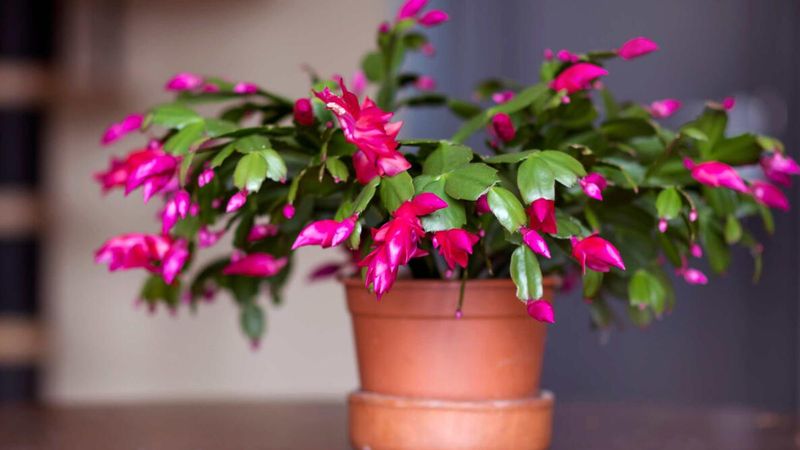
Temperature is the other half of the flowering cue. Cooler nights can nudge a holiday cactus toward making buds, and in some conditions they may partly stand in for the short-day treatment.
University of Minnesota Extension suggests evenings of 55 to 65 degrees Fahrenheit. It says plants are unlikely to bloom when nights stay above 65, and that plants exposed to about 55 degree nights may sometimes bud regardless of day length.
Iowa State Extension describes nights of 60 to 65 degrees with slightly warmer days as ideal. Notice that the advice overlaps but is not identical, so these numbers are practical ranges, not exact thresholds for every plant.
For most homes, an easy fix is to move the cactus to a cooler room for the evening. An unheated spare bedroom or a spot away from a heat vent can help.
A cheap thermometer tells you what the plant actually feels.
Cool does not mean cold. Keep the plant away from frosty window glass, open doors, and blasts from heating or cooling vents.
Big swings between hot and cold can stress the plant instead of helping it.
If your home runs warm all fall, do not panic. Focus on the darkness you can control, and use any cooler spot you have as a bonus rather than a requirement.
Quick fixes cannot replace the seasonal cues
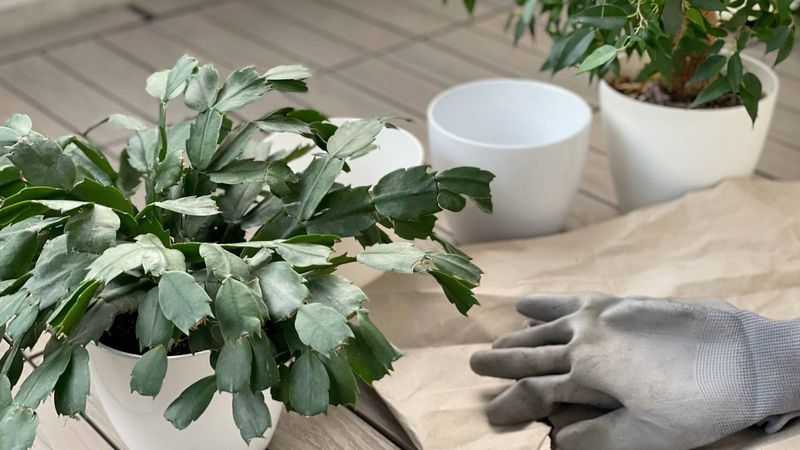
When a cactus will not bloom, many of us reach for fertilizer or a bigger pot. It feels like action.
But light and temperature are the central cues in Iowa State’s bloom guidance, so extra food will not stand in for dark nights.
That does not mean care basics do not matter. Poor nutrition or root and soil problems can affect a plant’s health.
Advice on fall feeding differs among sources, so skip heavy feeding while buds are forming and stick to a light hand.
Repotting is similar. UConn Extension suggests repotting in spring if it is needed, and healthy plants do not need it often.
Disturbing the roots right when buds are forming is a risk you can easily avoid.
Watering deserves steady attention instead. Holiday cacti need a mix that drains well, and they can suffer when it is too dry or too soggy.
University of Minnesota Extension warns that excess water can lead to bud drop and root rot.
Do not try to force blooms by letting the plant dry out badly. Water when the top of the mix feels slightly dry, let the extra drain away, and empty the saucer.
Save the repotting for spring, keep feeding gentle, and put your energy into the nights. That is the change most likely to matter this month.
Keep conditions steady when buds appear
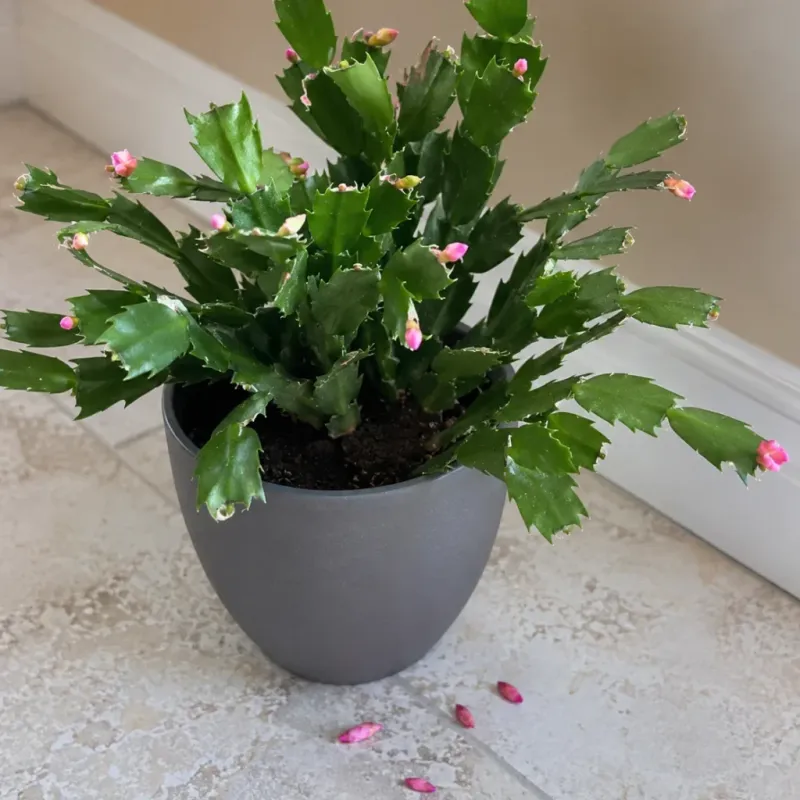
Tiny buds at the stem tips are a good sign, and now the job changes. Your goal is to keep things calm.
Moving the pot, shifting its light, or changing the watering routine can upset a plant that is busy building flowers.
Iowa State Extension advises against moving the plant during bud development. Pick a good spot, then leave it there, even if you are tempted to show off the flowers in a better room.
If buds start to fall off, resist the urge to blame the evening lamp right away. UConn Extension and University of Minnesota Extension both point to other causes, including drafts, temperature changes, and watering problems.
A short checklist helps you find the culprit. Is the plant near a heat vent or a leaky window?
Did the room get much warmer or colder? Is the mix soggy, or has it dried out completely?
Fix what you find, and keep the rest of the routine going. Bright days, dependable dark nights, and steady care give your plant its best chance, though no one can promise a bloom date.
Even if this year’s show is small, the plant is not doomed. Cacti are forgiving, and next fall you will know exactly what to adjust.
A plant that gets its night off often rewards the patience.