
17 Single-Ingredient Fertilizers Gardeners Swear By For Their Juiciest Tomatoes Next Summer
Nothing stings quite like slicing into a homegrown tomato and finding it bland, mealy, or marked with a black, sunken bottom. The good news is that many tomato troubles start in the soil, and the fix can be as simple as one ingredient you may already have in your kitchen or garage.
Each item on this list targets a specific need, from calcium for blossom end rot to potassium for sweeter fruit. Pick the ones that match what your plants are telling you, and next summer’s harvest could be your juiciest yet.
1. Epsom Salt
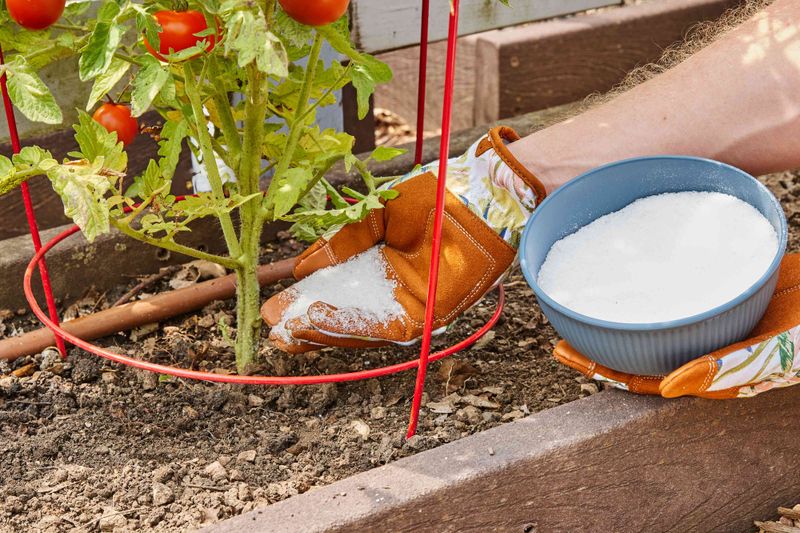
Yellow leaves with stubborn green veins are often your tomato’s way of asking for magnesium. Epsom salt, which is magnesium sulfate, is one of the cheapest ways to answer that call.
Magnesium sits at the center of the chlorophyll molecule, so it plays a big role in photosynthesis. Many gardeners report deeper green leaves and better blossom set after a dose.
Stir one tablespoon into a gallon of water and pour it around the base of the plant about once a month, or use it as a light foliar spray. Skip it if a soil test shows plenty of magnesium, since extra can crowd out calcium and actually make blossom end rot worse.
2. Crushed Eggshells
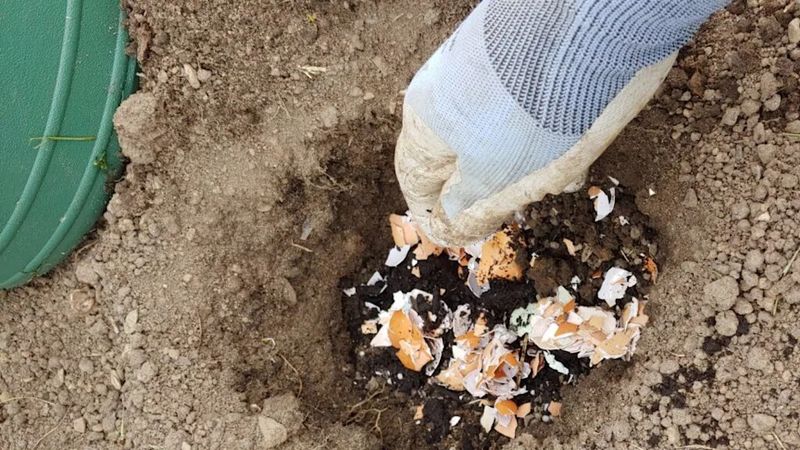
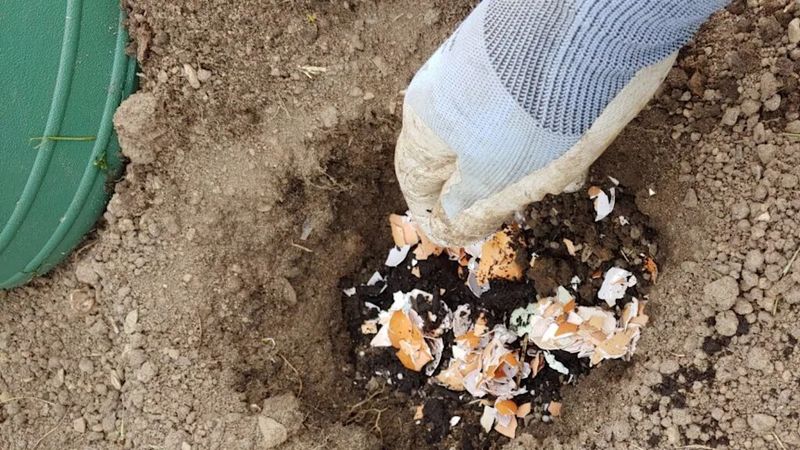
Grandma probably saved her eggshells in a coffee can by the sink, and she was onto something. Shells are mostly calcium carbonate, the mineral tomatoes need to build sturdy fruit walls.
Here’s the catch: whole or roughly broken shells take a very long time to break down. Rinse them, dry them, and grind them into a fine powder in an old blender for faster results.
Toss a handful into the planting hole this fall or spring so the calcium is waiting by mid-summer. Think of them as a long-term investment rather than an emergency rescue for fruit that already shows blossom end rot.
3. Banana Peels
Your breakfast leftovers could be the secret to sweeter slicers. Banana peels are packed with potassium, the nutrient most linked to sugar levels, even ripening, and rich tomato flavor.
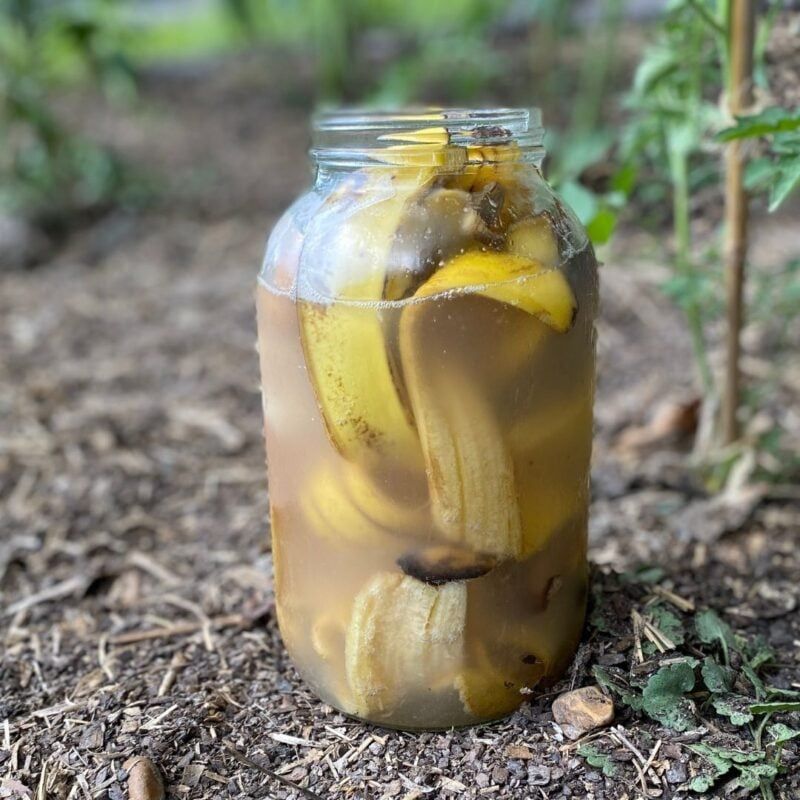
Chop the peels into small pieces and bury them a few inches deep near your plants, or dry them and crumble them into the soil. Some folks soak peels in water for a few days to make a simple tea.
Burying them helps keep fruit flies and curious critters away. Peels release nutrients slowly, so they work best as part of your routine rather than a quick fix for a struggling plant.
4. Wood Ash
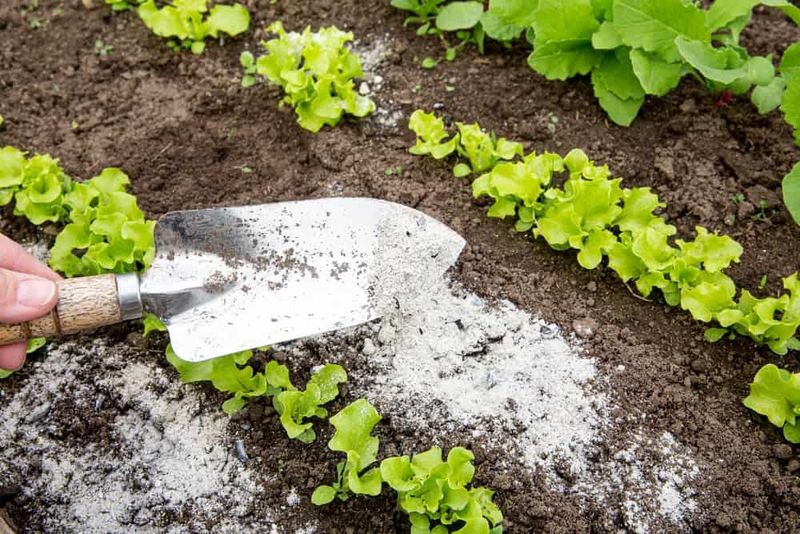
After a winter of fireplace fires, that bucket of ash is more valuable than it looks. Wood ash from untreated hardwood supplies potassium and calcium, two nutrients your tomatoes crave once fruit starts forming.
Use a light hand, though. Ash acts a lot like lime and can push your soil pH up quickly, and tomatoes prefer slightly acidic soil around 6.0 to 6.8.
A thin dusting worked into the bed in fall or early spring is plenty for most gardens. Never use ash from charcoal briquettes, painted lumber, or pressure-treated wood, and skip it entirely if your soil is already alkaline.
5. Coffee Grounds
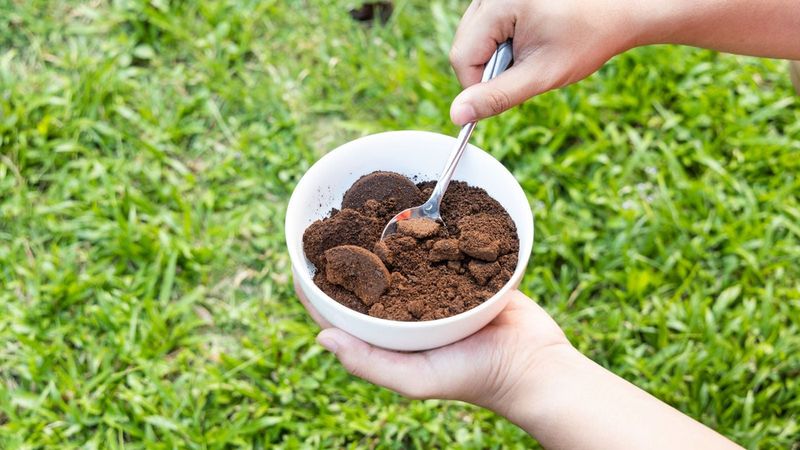
Morning coffee drinkers have a free soil amendment brewing every day. Used grounds contain nitrogen plus small amounts of potassium, phosphorus, magnesium, and calcium.
They can help improve soil texture and water holding, and some gardeners find they may help deter slugs. Spent grounds are closer to neutral than most people think, so they will not dramatically acidify your bed.
The smartest move is to compost them first or scatter a thin layer and mix it in. Thick piles can form a crust that sheds water, which is the last thing a thirsty July tomato needs.
6. Bone Meal
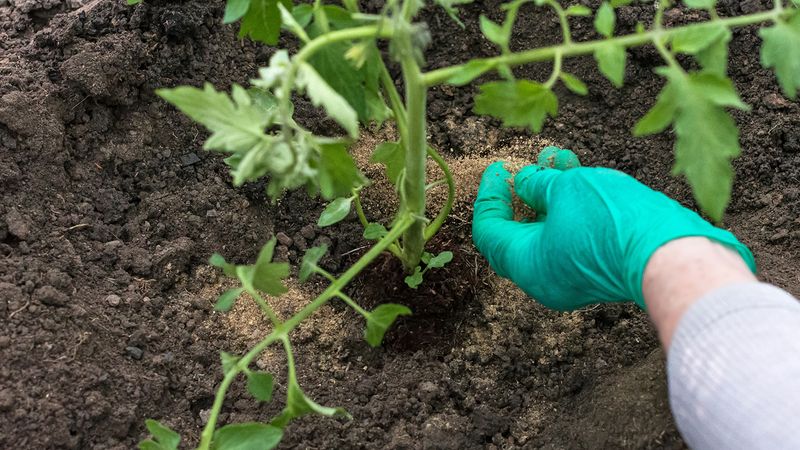
Plenty of flowers but very few tomatoes? Phosphorus might be the missing piece, and bone meal is a classic source.
Made from steamed, ground animal bones, it also brings calcium to the party. Phosphorus fuels strong roots and flower formation, which is where every tomato begins.
Mix a couple of tablespoons into each planting hole at transplant time. It works slowly and does best in soil that is not too alkaline, and keep the bag sealed because dogs find it irresistible.
7. Blood Meal
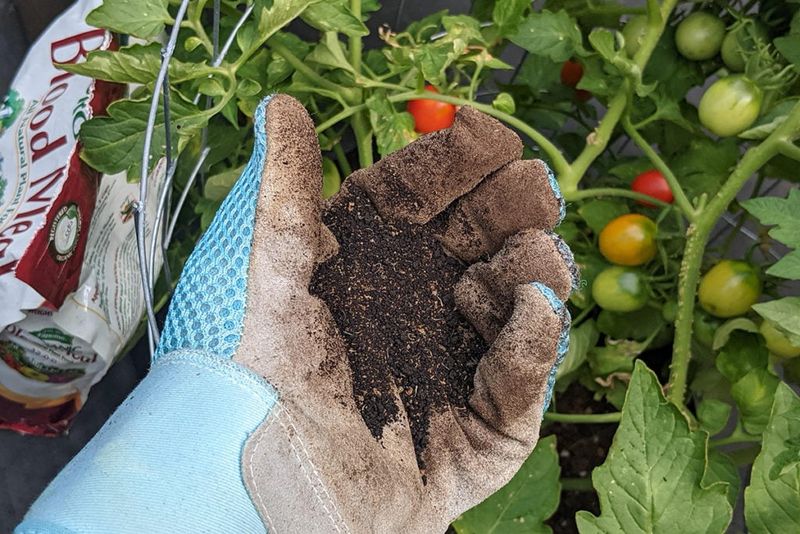
Think of blood meal as the espresso shot of the fertilizer world. It is a concentrated, fast-acting source of nitrogen that can green up pale, slow-growing seedlings in a hurry.
That speed is also its danger. Too much nitrogen gives you a jungle of leaves and very few tomatoes.
Use it early in the season if transplants look washed out, then stop once flowers appear. Water it in well to avoid burning roots.
8. Fish Emulsion
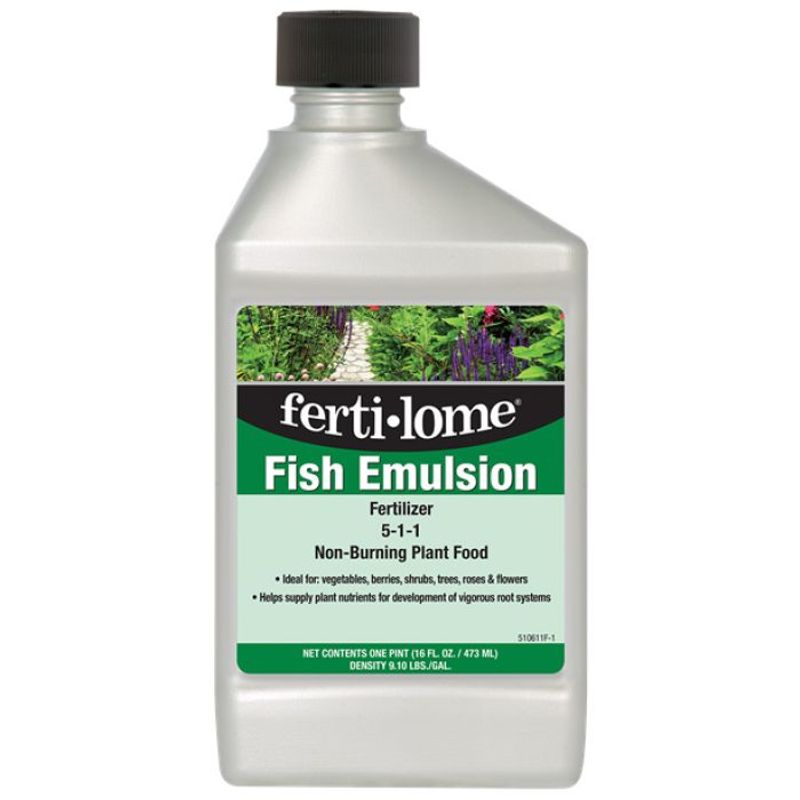
Yes, it smells like a bait shop for a day. Gardeners put up with it because fish emulsion delivers a quick, gentle boost that tomatoes respond to fast.
It offers mostly nitrogen with smaller amounts of phosphorus and potassium. Diluted according to the label, it is mild enough for seedlings and transplants recovering from shock.
Feed every two to three weeks early in the season, then ease off as fruit sets. Fish meal is the slower, drier cousin you can mix into soil before planting.
9. Finished Compost
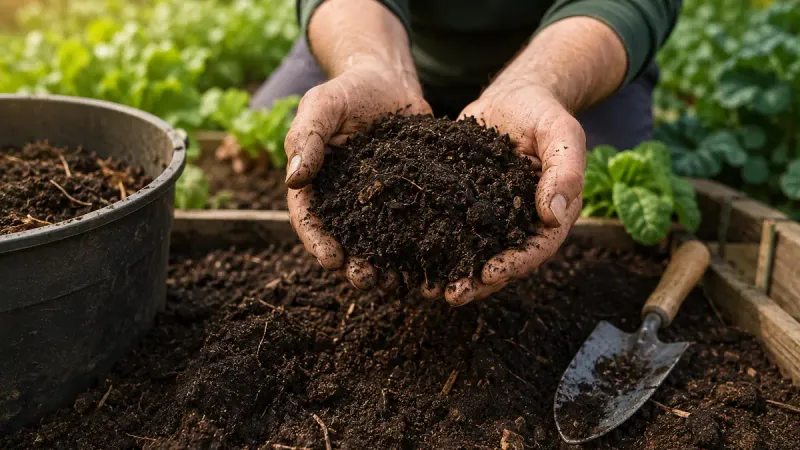
If you could only pick one item from this list, plenty of veteran growers would pick this one. Finished compost does a little bit of everything.
It feeds plants slowly and steadily, loosens heavy clay, and helps sandy soil hold water. That steady moisture matters, because uneven watering is a major cause of cracked fruit and blossom end rot.
Spread two to three inches over your beds this fall and let winter do the work. By spring planting, the soil will be dark, crumbly, and full of life.
10. Worm Castings
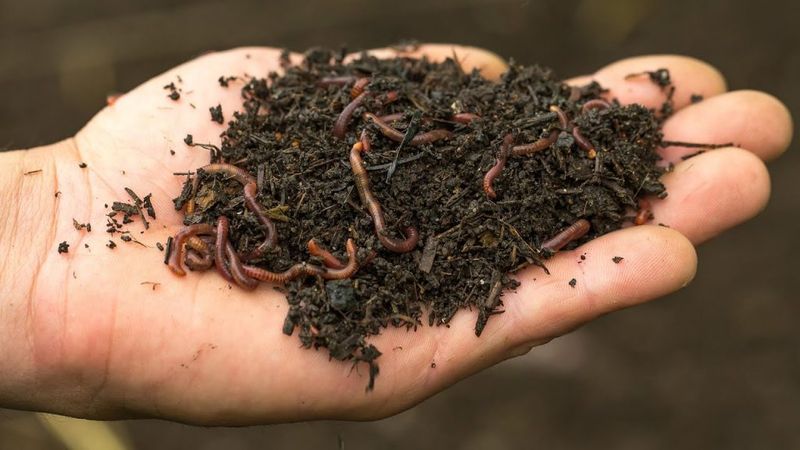
Earthworms are tireless little farmers, and their castings are pure gold for tender roots. Worm castings deliver balanced nutrients plus beneficial microbes in a form that will not burn plants.
They shine in containers and seed-starting mixes, where gentle feeding matters most. A handful in each planting hole gives transplants a smooth start.
You can also side-dress established plants or steep castings in water for a mild tea. A small home worm bin can keep you supplied year round.
11. Powdered Milk
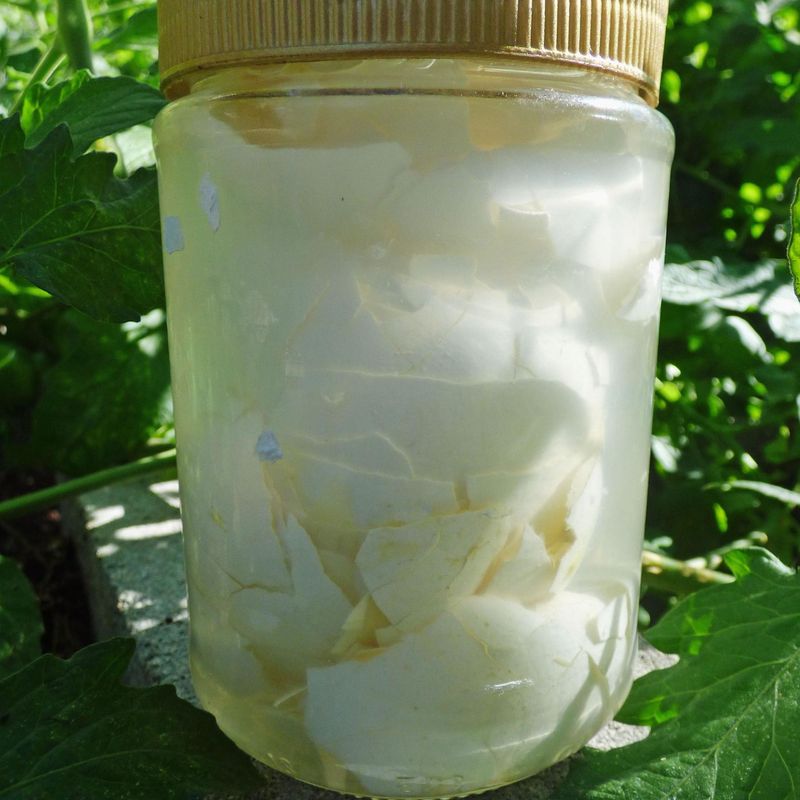
That forgotten box of powdered milk in the pantry has a second life. Some gardeners add a scoop to the planting hole as a calcium source.
The idea is to support firm fruit walls. Results vary, and blossom end rot is more often caused by uneven watering than by a true calcium shortage.
Use it as a supporting player alongside mulch and steady watering. Bury it well so it does not smell or attract animals.
12. Alfalfa Meal
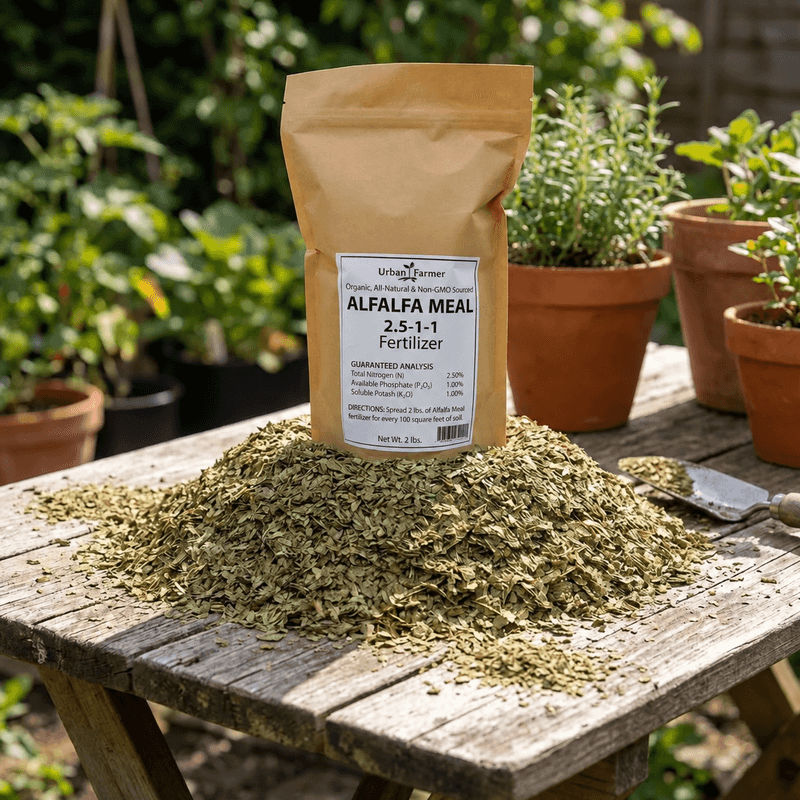
Rose growers have loved alfalfa for decades, and tomato fans are catching on. Alfalfa meal is a slow-release source of nitrogen along with trace nutrients.
Unlike blood meal, it feeds steadily over weeks, building strong stems that can hold up heavy fruit clusters. Many gardeners also credit it with livelier soil biology.
Work a cup or so into the soil around each plant at planting. Rabbit food pellets made only of alfalfa can work in a pinch.
13. Kelp Meal
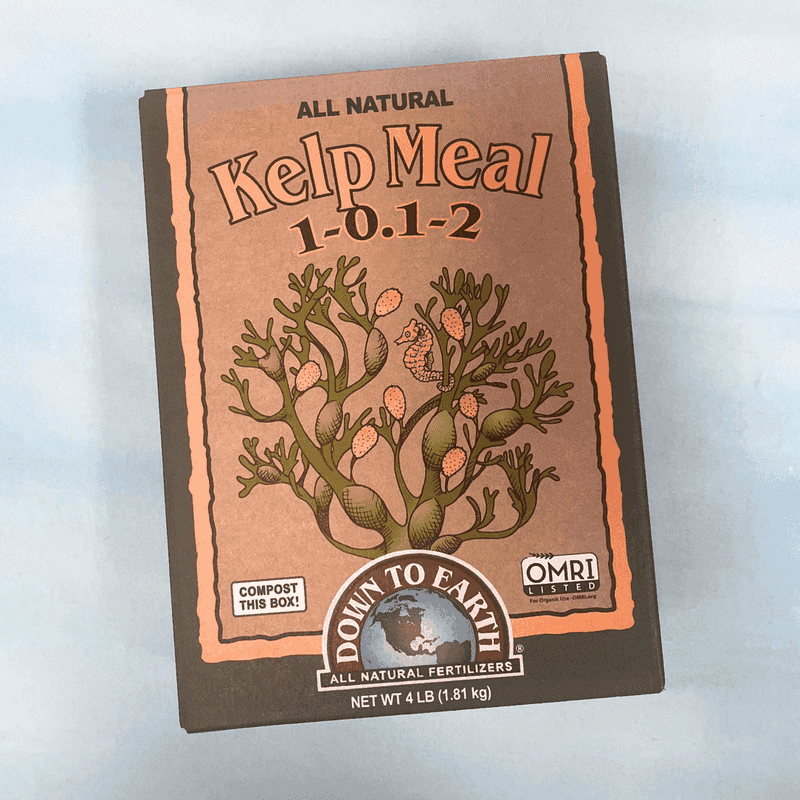
From the ocean floor to your raised bed, kelp brings a little sea magic. It offers potassium and a long list of trace minerals that are hard to find elsewhere.
Gardeners often notice sturdier, more resilient plants that handle summer heat a bit better. That overall health can indirectly support better fruit.
Mix a small amount into the soil at planting or use liquid seaweed as a foliar feed. A little goes a long way.
14. Gypsum
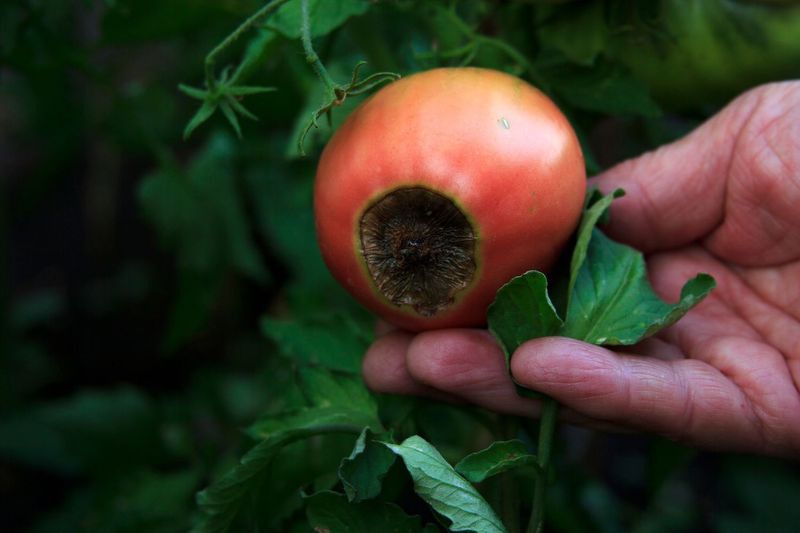
Got heavy clay and ripe tomatoes with black bottoms? Gypsum, or calcium sulfate, may help on both fronts.
It adds calcium and sulfur without changing your soil pH, which makes it a better pick than lime when your soil is already neutral or alkaline. It can also help loosen some clay soils.
Apply in fall or early spring following the package rate. Pair it with consistent watering for the best shot at firm, blemish-free fruit.
15. Garden Lime
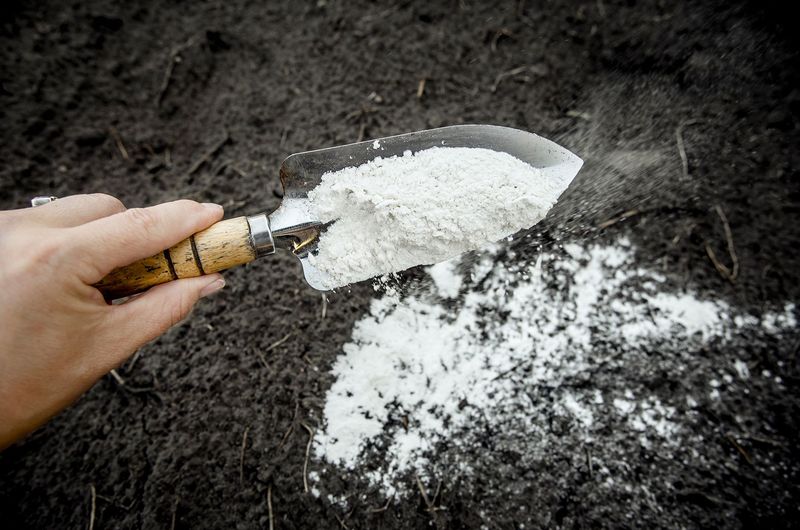
Sour soil can lock up nutrients even when they are present. Garden lime raises pH and supplies calcium, while dolomitic lime adds magnesium too.
Only use it after a soil test confirms acidic soil below about 6.0. Adding lime blindly can push pH too high.
Fall is the ideal time, since lime works slowly and needs months to react. Your tomatoes will thank you next summer.
16. Rock Phosphate
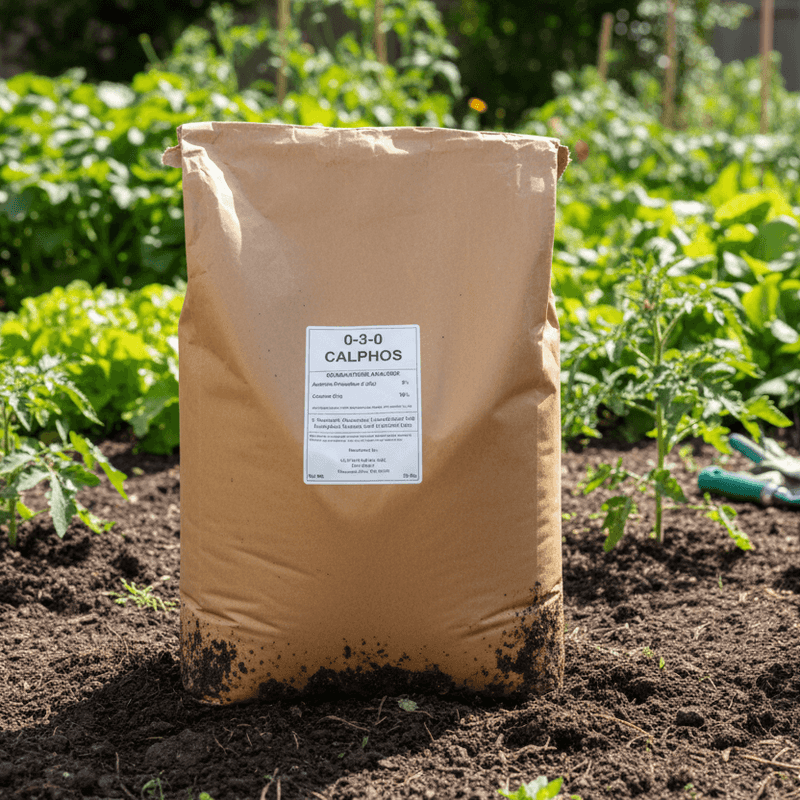
Patience pays with rock phosphate. This natural mineral releases phosphorus and calcium slowly, sometimes over several seasons.
It supports deep roots, flower formation, and fruit set. Because it works so gradually, it is perfect for fall prep.
Work it into beds now, and it will keep quietly feeding tomatoes for years.
17. Molasses
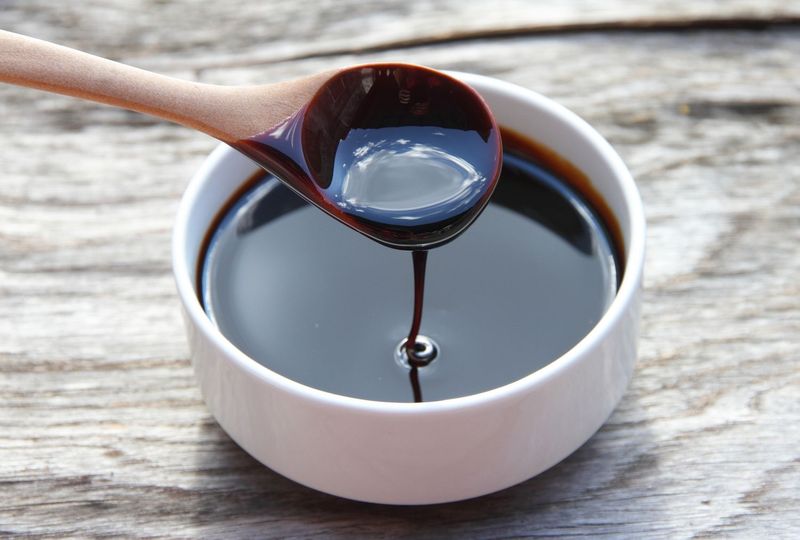
A sweet treat for the soil, not the plant. Diluted unsulfured molasses feeds the beneficial microbes living around tomato roots.
Those microbes help cycle nutrients so your plants can use them. Mix about one tablespoon per gallon of water and apply every few weeks.
Think of it as a booster for soil life rather than a full fertilizer, and pair it with compost for the best results.