
Struggling Hydrangeas? Check Your Planting Spot, and See Whether Fall Timing Works Where You Live

You water, you prune, you fuss, and your hydrangea still wilts or skips its flowers. Before you add one more step to your routine, it helps to look at where the shrub is growing.
A poor match between plant and place can play a part, though it is not the only possible cause. Here is how to check your site, decide whether a move makes sense, and see if fall timing suits your area.
Check the spot before adding more care
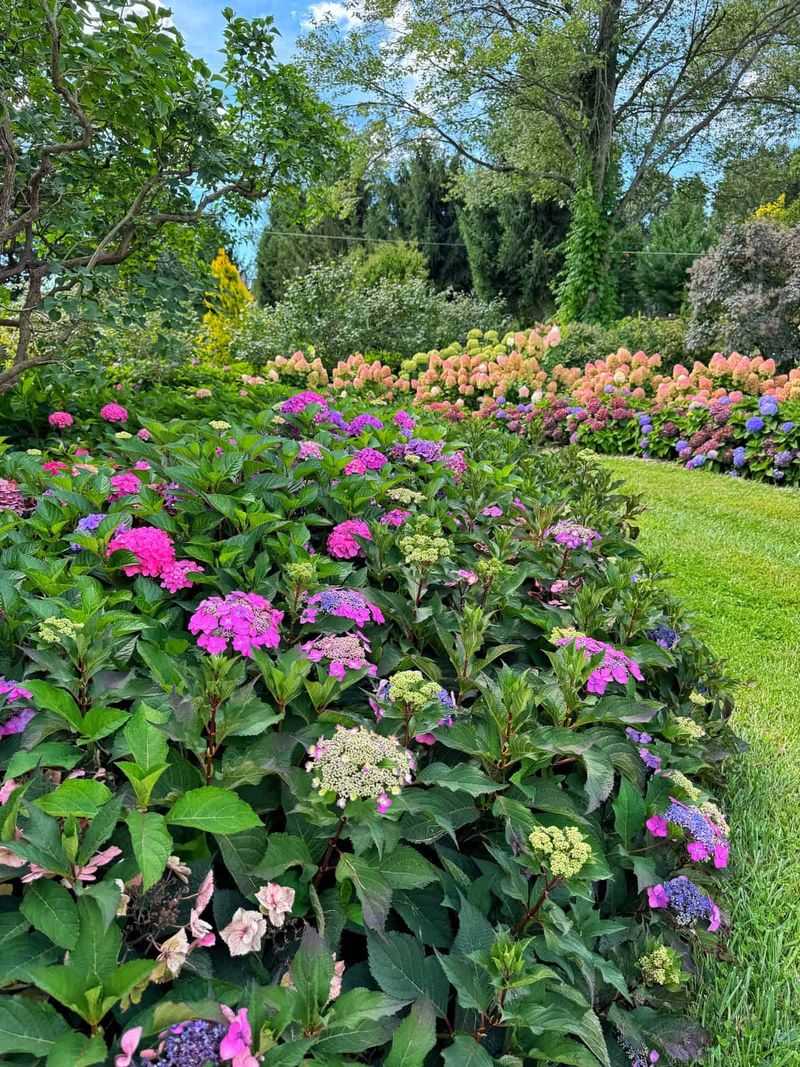
Few things worry a gardener like a hydrangea that droops or refuses to bloom. The natural reaction is to change the care routine.
A smarter first step is to look at the location, which says nothing bad about your gardening skills.
Light, soil moisture, drainage, and room to grow all shape how a hydrangea performs. University of Georgia Extension guidance on bigleaf hydrangeas points to morning sun, afternoon shade, and moist but well-drained soil as a useful starting point, and it warns against hot, dry, exposed sites.
A site mismatch is only one possibility. Drought, pruning at the wrong time, winter injury, and too much nitrogen can all cause similar symptoms, and Penn State Extension’s look at hydrangeas that will not bloom walks through several of them.
So think of this guide as a short investigation. First, figure out which type of hydrangea you have.
Next, look at how the site handles sun, water, and space. Then decide whether moving the shrub is worth the effort, and whether your local season gives it enough time to settle in.
Sometimes the answer will be to stay put and adjust something else.
Identify the hydrangea before choosing its light
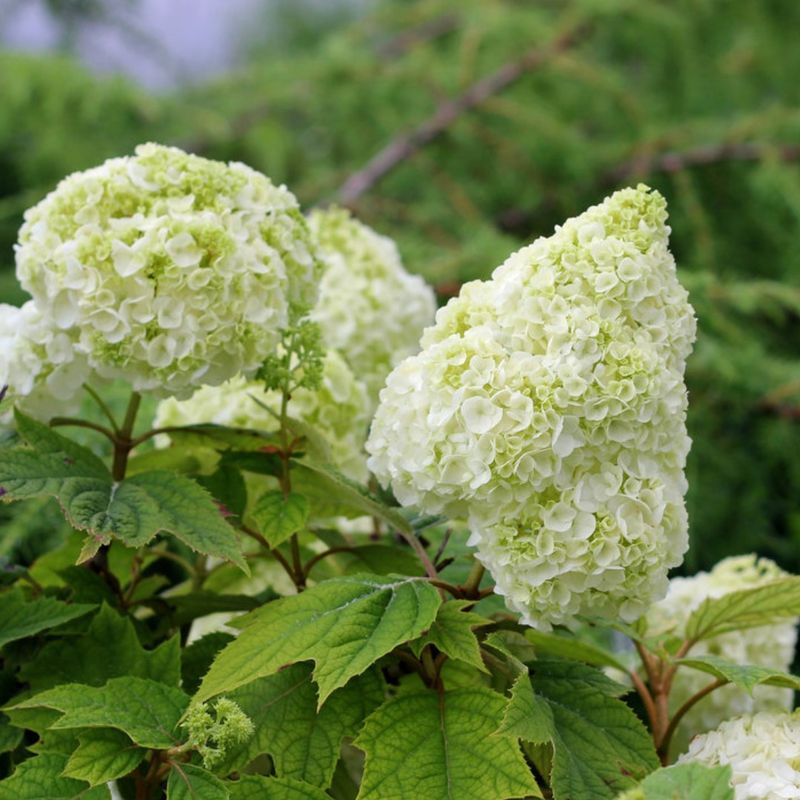
“Hydrangea” covers several different plants, and their light preferences are not the same. If you cannot recall the tag, check leaf shape and bloom form, or look up the cultivar name.
That small bit of detective work can save you from moving a shrub to a spot it likes even less.
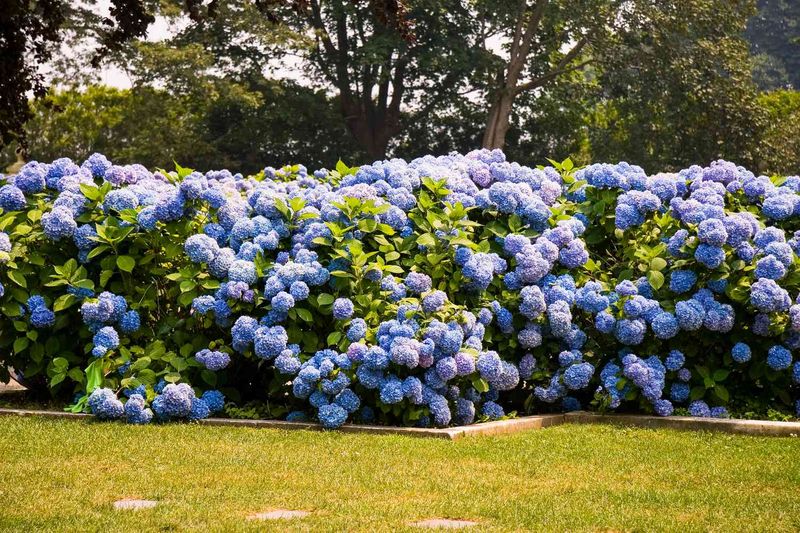
Bigleaf hydrangeas, the mophead and lacecap types, usually do well with morning sun and afternoon shade. UGA Extension advises avoiding hot, dry, exposed sites for them and notes that too much shade can also contribute to poor flowering.
Panicle hydrangeas, with their cone-shaped blooms, tolerate more sun than many other types. UGA Extension in Forsyth County explains how to tell the types apart, which helps with both siting and pruning.
Oakleaf hydrangeas, recognizable by their lobed leaves, can suit some understory sites. A Carroll County Master Gardener guide offers more detail on how these types differ.
The takeaway is simple. Full shade is not a cure-all, and full sun is not a rule.
Match the spot to the type you actually have, and keep in mind that deep shade can quietly cut down on flowers.
Check the site’s sun, drainage, and room
Once you know your hydrangea’s type, spend a day watching the site. Note when sun hits the spot and when it leaves.
Penn State defines full sun as six or more hours of direct sun per day, which gives you a handy yardstick for what you are seeing.
Next, look at the water. Soil that stays moist is different from soil that stays soggy.
After a good rain, check whether water soaks in or lingers in puddles. Penn State Extension’s shrub selection advice stresses that poor drainage can deprive roots of oxygen, so a spot where water stands is not a good home for a hydrangea.
A simple test helps. Dig a hole about a foot deep, fill it with water, and see how long it takes to drain.
If it is still full many hours later, consider another location or a raised bed.
Finally, think about size. A hydrangea that looks small in a pot may grow wide and tall, and crowding can leave it competing for light and water.
Check the tag or UGA Extension’s hydrangea information for mature size, then leave room.
A good site gets the right amount of light for your type, moisture that drains rather than pools, and space to grow without constant cutting back.
A wilted hydrangea may not need another drink
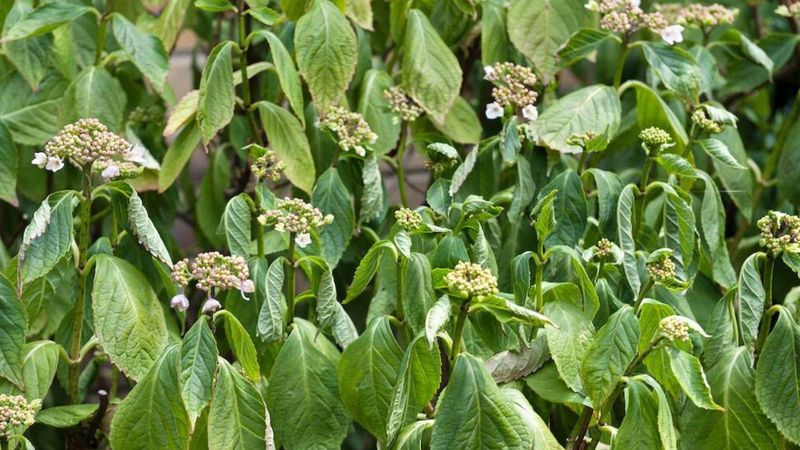
Picture a hot afternoon, and your hydrangea looks like it has given up. The hose is tempting.
Hold off for a minute, because wilting does not always mean thirst.
According to University of Illinois Extension on heat stress, bigleaf hydrangeas can wilt temporarily in the heat even when the soil holds enough moisture. The plant often perks back up as temperatures cool in the evening.
Here is a quick routine. Push a finger a few inches into the soil near the base.
If it feels damp, wait and watch to see whether the leaves recover by evening or the next morning. If the soil is dry, a deep watering makes sense.
Wilting that continues into cool mornings, or that keeps returning, deserves a closer look. Dry soil is one explanation, but wilt alone cannot tell you the cause.
Roots sitting in soggy ground can also cause drooping, and so can a spot too exposed to afternoon heat.
Your wilt pattern can be a clue about the site. A shrub that droops every sunny afternoon, even in moist soil, may be getting more heat than UGA Extension suggests is ideal for bigleaf types.
That is worth noting before you decide on any move.
Fall can work, depending on local conditions
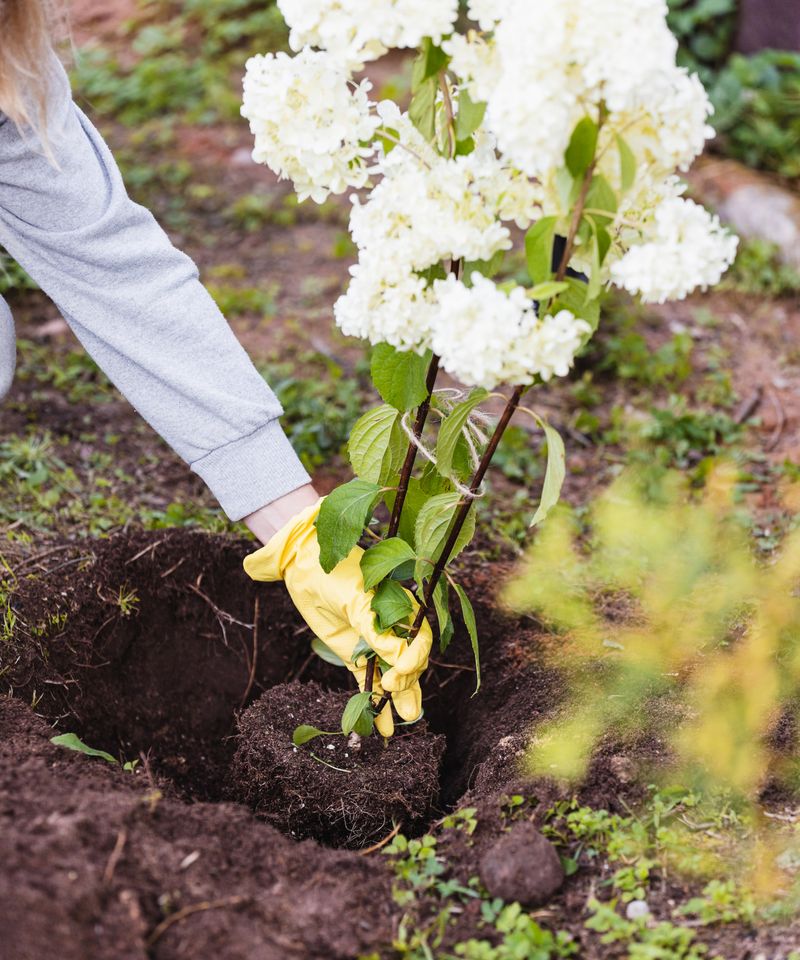
Fall has a good reputation for planting, and for good reason. Cooler air eases stress on the leaves while soil often stays warm enough for roots to grow.
Still, whether it works for you depends on where you live.
Guidance comes in two flavors. Penn State Extension suggests early to mid-fall for container-grown trees and shrubs, so roots can establish before the ground freezes.
MU Extension advises transplanting hydrangeas in early spring or late fall while the plant is not actively growing.
Notice that early spring is on the list too. If your winters arrive early or hit hard, spring may be the safer window.
Instead of a calendar date, count backward from your own first frost. Illinois Extension uses about six weeks before the first frost as a guide for fall planting of perennials and shrubs.
Your local extension office can tell you the typical frost dates for your area.
Late planting leaves roots less time to settle. University of Minnesota Extension covers winter protection, and freeze-thaw cycles can heave new plantings out of the ground.
If you are running out of time, waiting for spring is a sensible choice.
Preserve as much of the root ball as possible
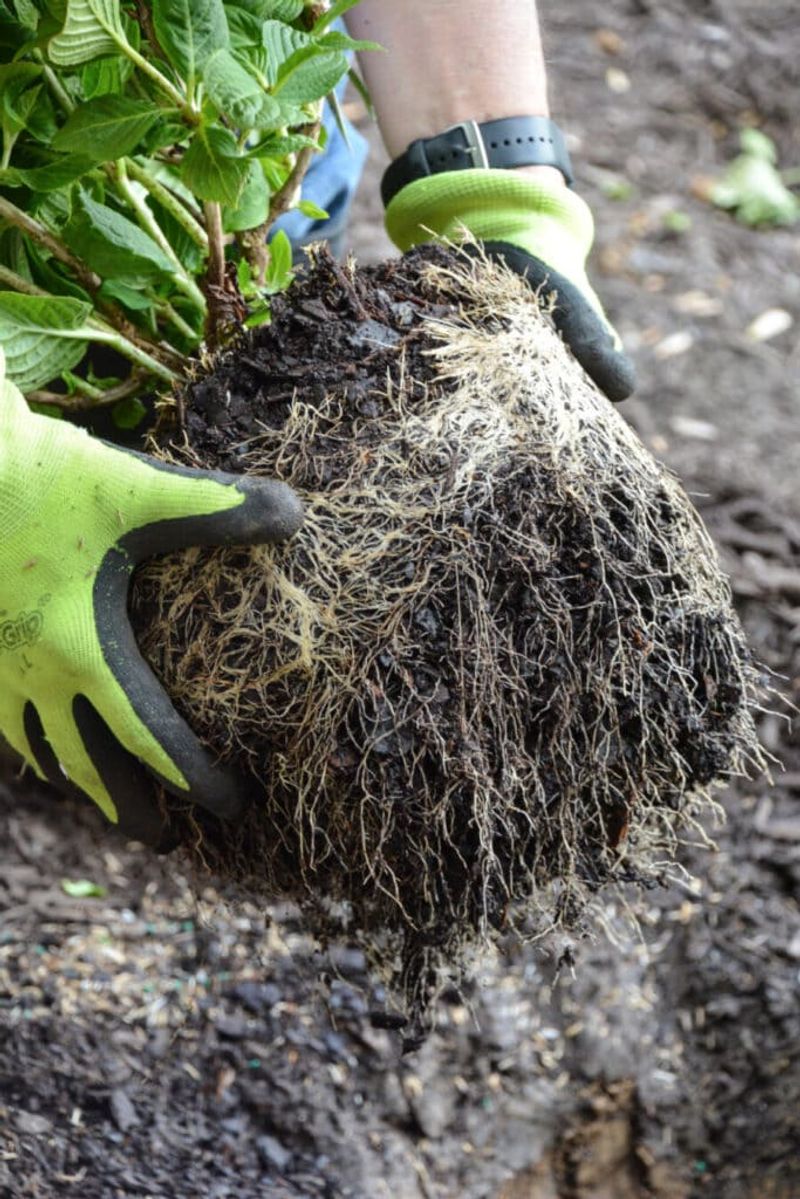
A struggling hydrangea does not automatically need to move. If your site check turned up a real mismatch, such as too much shade or a damp low spot, relocating may be worth trying.
Handle the shrub gently, and the move goes much better.
Start a day or so ahead by watering the plant well. Illinois Extension advice on moving shrubs recommends watering before the move and avoiding it when the shrub is drought-stressed.
A plant already struggling with dry conditions has fewer reserves to handle the shock.
Dig the new hole first so the shrub is out of the ground for as short a time as possible. Then dig a wide circle around the plant and lift it with as much of the root ball as possible.
Slide a tarp underneath to carry it without breaking the soil apart.
Set the shrub in the new hole at the same depth where it grew before. Planting too deep or too shallow can cause new trouble.
Fill in around the roots, firm the soil lightly, and check that water will drain away from the spot.
As for timing, MU Extension points to times when the hydrangea is not actively growing, so match the move to your local calendar.
Help the roots settle into their new spot
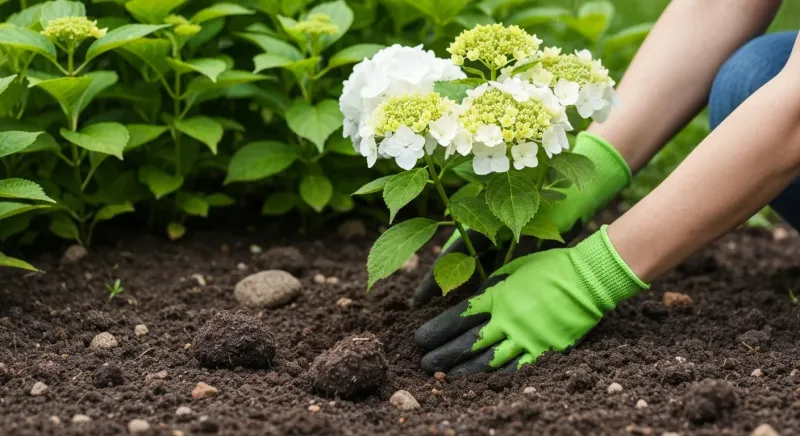
The weeks after planting matter as much as the move itself. Fresh roots are still reaching into new soil, so they need steady attention.
Start with a long, slow soaking right after planting to settle the soil around the roots.
From there, keep the root area from drying out while the shrub establishes. This matters most in dry weather, when you may need to check the soil every few days.
Illinois Extension’s planting guide covers watering new trees and shrubs in more detail.
Test before you pour. If the soil a few inches down is still damp, wait.
Extra water does not help a plant sitting in poorly drained ground, and soggy soil can harm roots.
Mulch helps hold in moisture. Spread a layer of organic material such as shredded bark or leaves over the root zone, and keep it a few inches away from the stems.
UGA Extension recommends mulch for hydrangeas as a way to conserve soil moisture.
Some leaf droop in the first weeks is not unusual after a move. Keep watching the soil, and give the shrub time to settle before judging whether the move worked.
If blooms still fail, look beyond the location
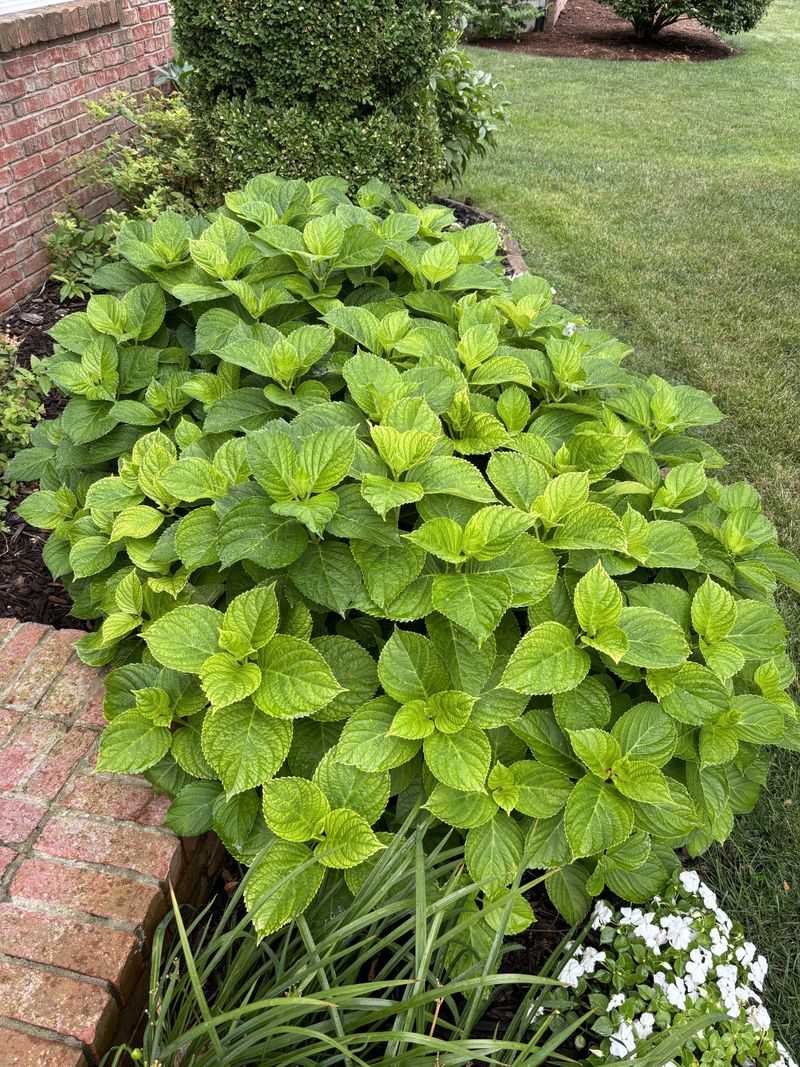
A better site can solve a real mismatch, but it does not guarantee flowers. Bloom trouble has several other well-documented causes, so a move is not the only thing to try.
Bigleaf and oakleaf hydrangeas bloom on old wood, meaning the buds form the season before. Winter cold or a late-spring freeze can kill those buds, and pruning at the wrong time can remove them.
Illinois Extension’s hydrangea care article explains that smooth and panicle types bloom on new wood, so their pruning needs differ.
Penn State Extension adds that too much shade and excess nitrogen can also reduce flowering, since the plant puts energy into leaves instead of blooms. UGA Extension lists the same culprits for bigleaf types.
To sort it out, confirm your hydrangea type, then think back. Did a cold snap hit after leaves emerged?
When did you last prune? Has the shrub been fertilized heavily, or has a nearby tree grown and cast more shade?
Those answers often point to the fix faster than a shovel does. Hydrangeas keep their own record, written in old stems and missing buds.