
Clover Taking Over Your Lawn Is A Clue – 13 Ways To Fix What’s Really Going On Underneath (Plus 5 Mistakes That Make It Spread)
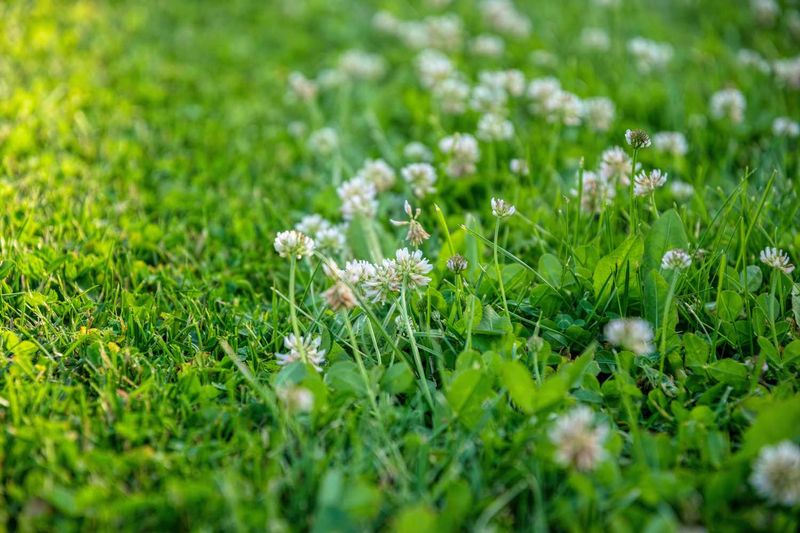
If little white clover flowers are popping up all over your grass, your lawn is trying to tell you something. Clover is not just a random weed that blew in.
It moves in when your grass is hungry, thirsty, cramped, or cut too short. Once you know what the clover is pointing to, you can fix the real problem and watch your grass take back its space.
1. Feed Your Grass With Nitrogen
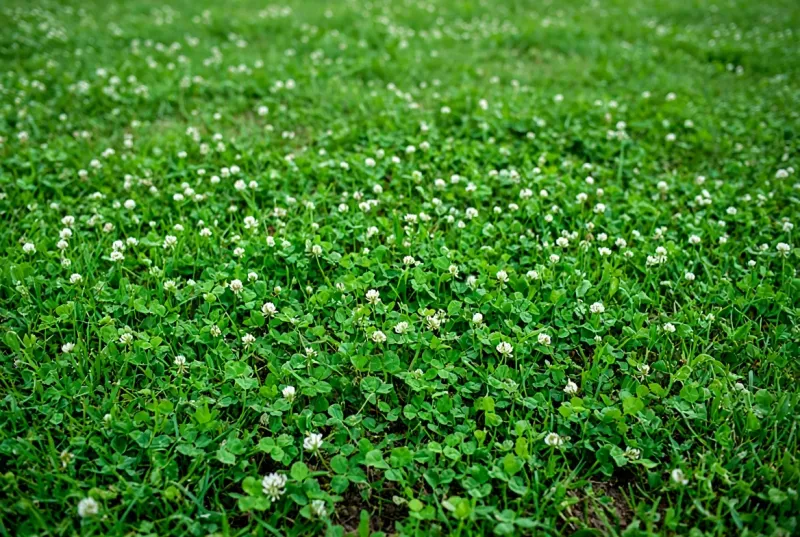
Clover has a secret weapon your grass lacks. As a legume, it pulls nitrogen right out of the air, so it stays green and happy in soil where grass is starving.
That is why a clover-heavy lawn is often a hungry lawn. Feeding with a nitrogen-rich lawn fertilizer gives your grass the fuel it needs to grow thick and fast, while clover gets almost no benefit because it already makes its own.
For cool-season grasses like fescue and bluegrass, early fall is the best feeding time, with a lighter dose in spring. Warm-season grasses like Bermuda and zoysia prefer feeding from late spring through summer.
A slow-release product keeps growth steady instead of giving one big burst and a crash.
2. Raise Your Mowing Height
Picture a forest floor under tall trees. Not much grows down there because the shade blocks the sun, and the same idea works in your yard.
Set your mower to at least 3 inches, and even 3.5 to 4 inches for cool-season grass in summer. Taller blades shade the soil surface, which can make it much harder for low-growing clover to sprout and spread.
Longer grass also grows deeper roots, so it handles heat and dry spells better. Try to remove no more than one-third of the blade at each cut, and keep the blade sharp so the tips heal cleanly.
3. Core Aerate Compacted Soil
Kids running bases, dogs racing the fence line, and cars parked on the edge all press soil down tight. Over time, it gets as hard as a sidewalk.
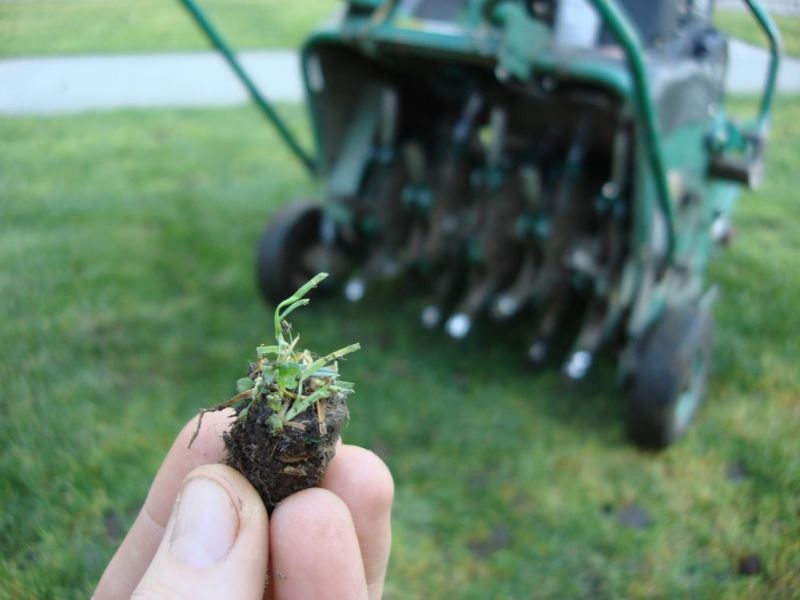
Grass roots struggle to push through packed dirt, but clover handles it just fine. Core aeration pulls small plugs of soil out of the ground, opening space for air, water, and food to reach the roots.
Aim for once a year, in early fall for cool-season lawns or late spring for warm-season lawns. Leave the plugs on the surface, since they break down on their own within a couple of weeks.
Quick test: push a screwdriver into moist soil. If it fights you, aeration is overdue.
4. Water Deeply, Not Daily
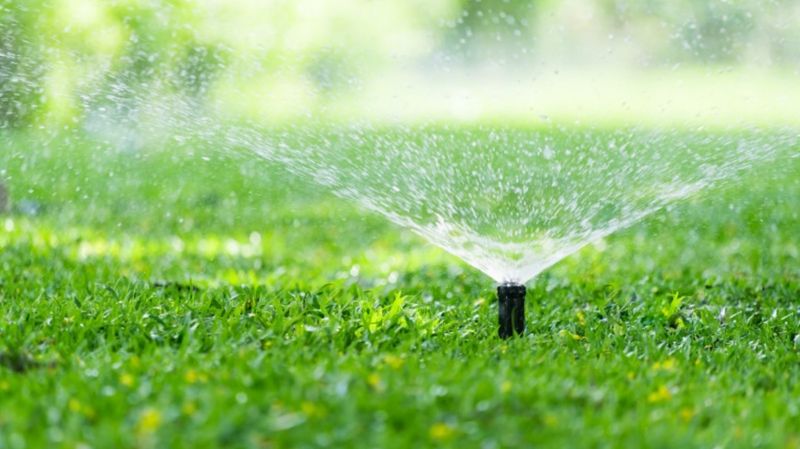
Here is a sneaky fact: clover stays green during dry spells long after grass gives up and turns tan. Every time your lawn browns from thirst, clover gets a head start.
The fix is deep, steady watering. Give the lawn about 1 to 1.5 inches per week, including rain, so moisture soaks 4 to 6 inches down.
Water early in the morning, two or three times a week, rather than a light sprinkle every evening. Set an empty tuna can on the lawn to see how long your sprinkler takes to fill it to an inch.
Deep roots follow deep water, and a deep-rooted lawn is far tougher to push around.
5. Overseed Thin and Bare Spots

Clover is an opportunist. Give it one bare patch the size of a dinner plate and it will claim the whole thing by summer.
Overseeding fills those gaps before weeds can. Rake the thin areas lightly, spread a thin layer of compost, and sow seed that matches your existing grass.
Keep the seed lightly moist until it sprouts, which may mean a quick watering once or twice a day for a couple of weeks. Early fall is the sweet spot for cool-season grass, while warm-season types do best in late spring.
A thick lawn leaves clover with nowhere to land.
6. Hand-Pull Small Patches After Rain
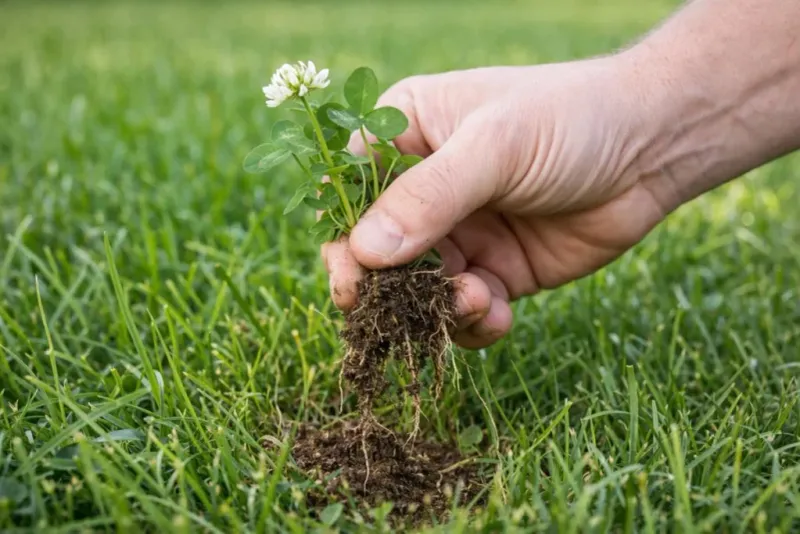
Sometimes the oldest tools work best. Your own two hands, a weeding fork, and a rainy morning can clear small clover patches surprisingly fast.
Wait until after a good soaking, when the soil is soft. Grab the clover at its base and wiggle it out slowly, getting as much root and runner as you can.
Clover spreads by creeping stems that root as they go, so leftover pieces can regrow. Check back in a week or two and pull any new sprouts.
Fill the empty spot with a pinch of grass seed right away so clover cannot return.
7. Try a Vinegar Spot Spray
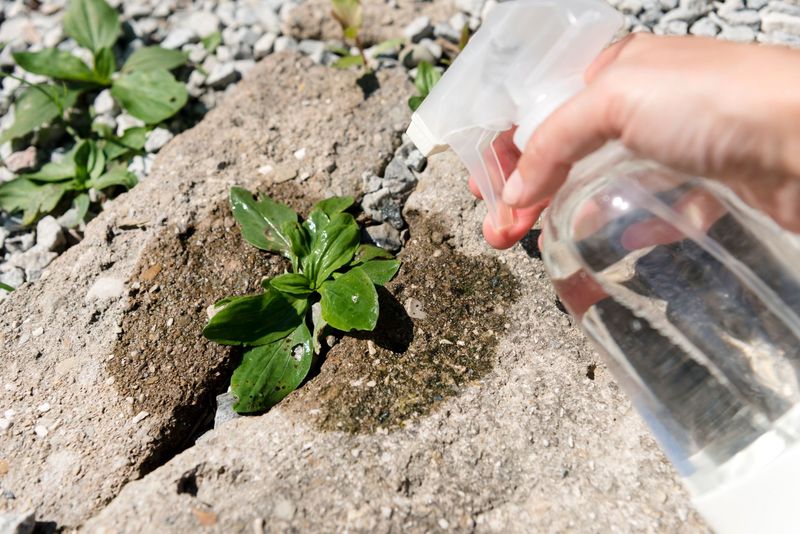
Got a kitchen cabinet? Then you may already own a simple spot treatment.
Mix about one cup of vinegar with one cup of water and a few drops of dish soap in a spray bottle. Spray it directly on clover leaves on a sunny, dry day, and the soap helps the mix cling.
Be careful, though. Vinegar does not choose sides, and it can burn your grass too, so aim tightly and avoid windy days.
It mostly dries out leaves, so tough clover may come back and need a repeat. Think of it as a quick fix while the deeper repairs kick in.
8. Spread Corn Gluten Meal in Spring
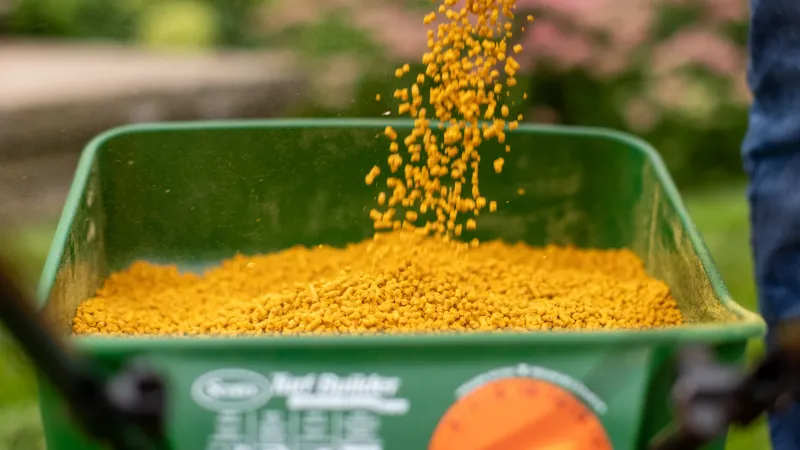
Corn gluten meal sounds like breakfast cereal, but gardeners use it as a natural pre-emergent. It may help stop clover seeds from rooting after they sprout.
Spread it in early spring, before seeds germinate, roughly when forsythia blooms in your area. It also adds a little nitrogen, which is a nice bonus for hungry grass.
One catch: it cannot tell clover seed from grass seed. Skip it for about six weeks before and after overseeding.
Results tend to build over a few seasons rather than overnight.
9. Smother Stubborn Clover Patches
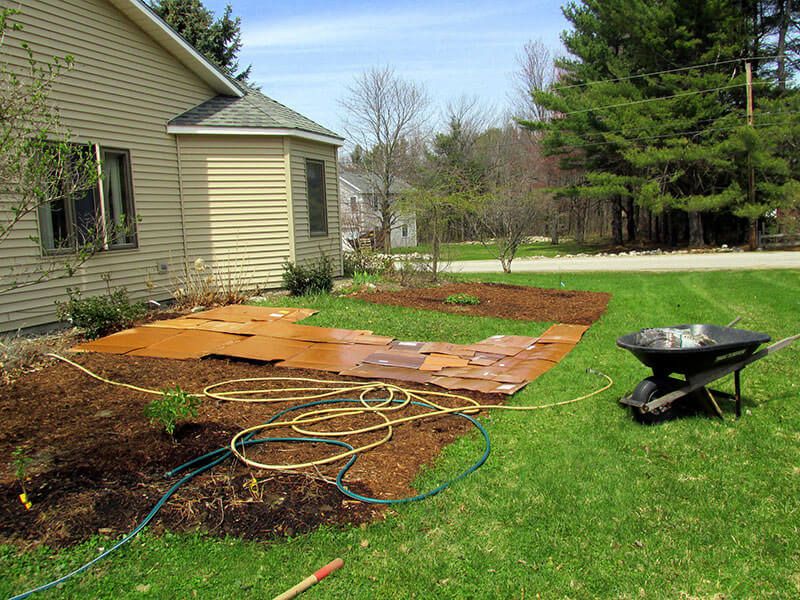
Every green plant has one weakness, and it is darkness. Take away sunlight and clover slowly fades.
For a thick, stubborn patch, lay cardboard or black plastic over it and pin it down with bricks or stakes. Leave it in place for two to four weeks, especially during warm weather when things break down faster.
Yes, the grass underneath will die too, so save this for spots that are mostly clover anyway. Once you lift the cover, loosen the soil, add compost, and reseed.
It is a clean slate with the bonus of no chemicals.
10. Apply Chelated Iron
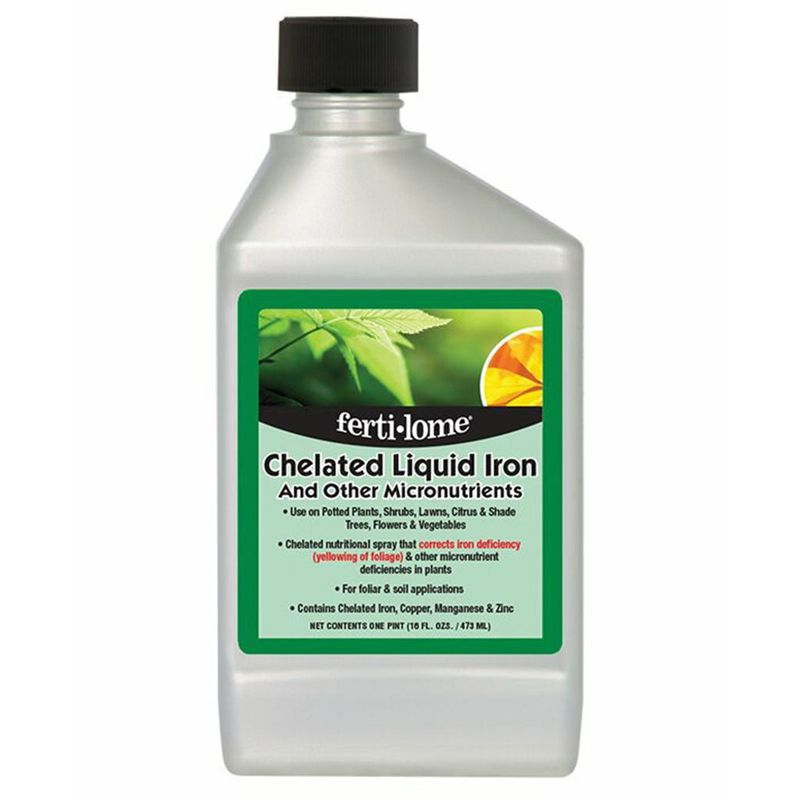
Iron has a quiet double life in lawn care. Grass loves it and turns a deep, rich green, while broadleaf weeds like clover tend to blacken and weaken.
Chelated iron products, often sold as iron-based weed killers, can suppress clover without harming most lawns. Expect to apply more than once, usually a few weeks apart, since one spray rarely finishes the job.
Keep the spray off concrete, pavers, and siding, because iron can leave rusty stains. Read the label for temperature limits, as hot days can stress grass.
11. Test and Adjust Soil pH

Clover is not picky. It grows in soil from quite acidic to fairly alkaline, roughly pH 5.3 to 8.2.
Most lawn grasses, on the other hand, are happiest between 6.0 and 7.0. When soil drifts outside that range, grass gets sluggish and clover moves right in.
A soil test through your county extension office is cheap and tells you pH plus nutrient levels. If your soil is too acidic, lime can raise it.
If it runs too alkaline, sulfur can bring it down. Make changes slowly and retest each year, because pH shifts take months.
12. Pick a Grass That Fits Your Yard
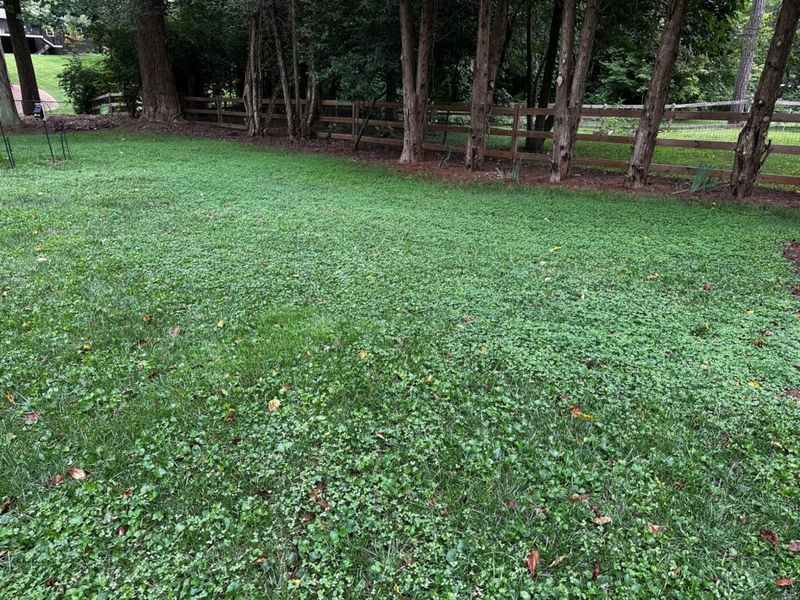
A grass that hates your climate will always be fighting uphill. Plant the wrong type, and clover wins without even trying.
Northern lawns usually thrive with cool-season grasses like tall fescue, Kentucky bluegrass, and perennial ryegrass. Southern yards do better with warm-season choices like Bermuda, zoysia, St. Augustine, or centipede.
Think about shade too. Fine fescues handle shady corners where bluegrass sulks.
When you overseed, choose a blend made for your region and light, and you will build a lawn that defends itself.
13. Topdress With Compost
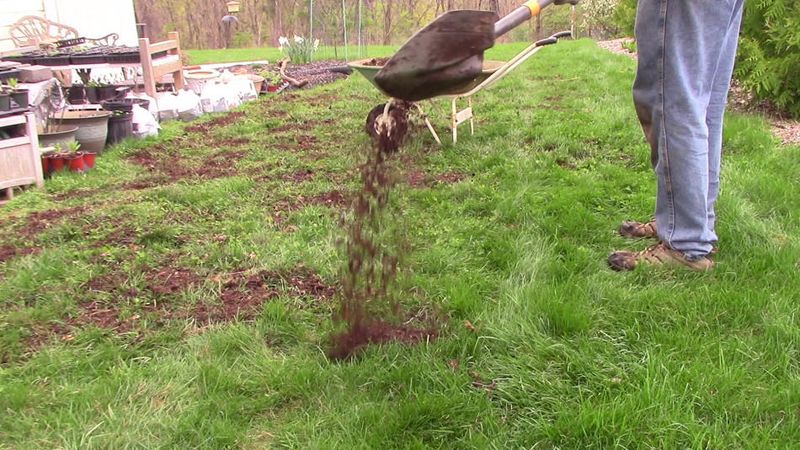
Healthy soil is like a well-stocked pantry for grass. Compost fills those shelves.
Spread a thin layer, about a quarter to half an inch, across the lawn and rake it in so the grass blades still poke through. It adds organic matter, helps clay drain better, and helps sandy soil hold water.
Pair it with aeration for the biggest payoff, since compost drops right into those open holes. Do it once a year in fall or spring.
Over time, you will notice greener grass and fewer weak spots for clover to grab.
14. Mistake: Scalping the Lawn
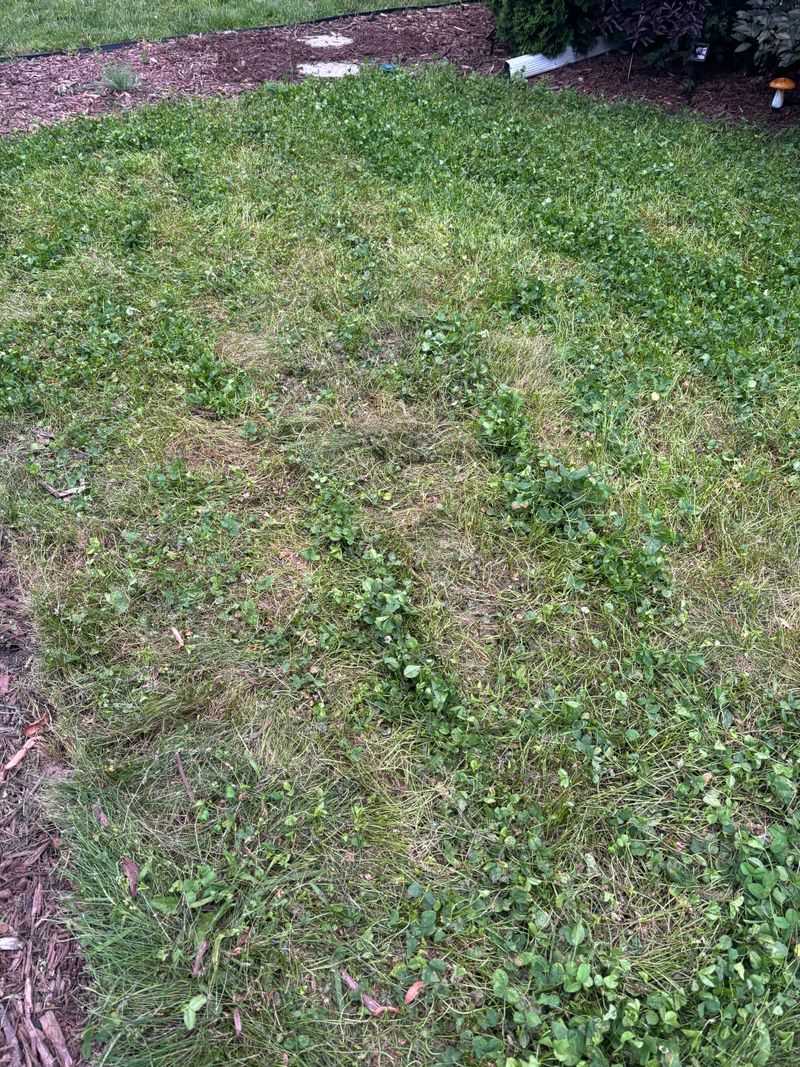
A super-short buzz cut might look tidy for a day. Then the sun bakes the soil, the grass stresses, and clover throws a party.
Mowing too low weakens grass roots and lets light hit bare ground, which is exactly what clover needs. Scalped lawns also dry out faster in summer heat.
Raise that mower deck and leave it there. If you have been cutting at 2 inches, the jump to 3 or more will feel strange at first, but your lawn will thank you within a few weeks.
15. Mistake: Skipping Fertilizer
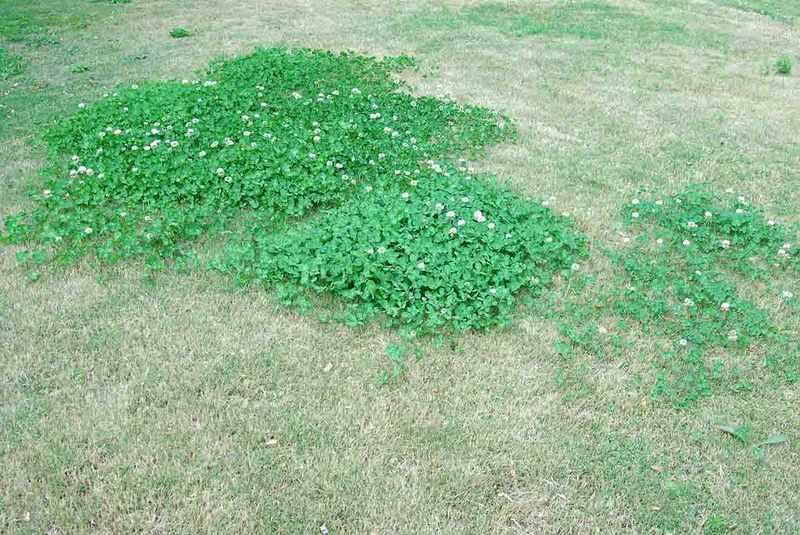
Plenty of homeowners skip fertilizing to save money or time. Clover is grateful every time.
Without regular nitrogen, grass grows thin and pale while clover keeps feeding itself. Within a season or two, the balance tips, and suddenly white blooms are everywhere.
You do not need to go overboard. Two to four light feedings a year, timed for your grass type, is usually enough.
A soil test helps you skip guesswork.
16. Mistake: Watering the Wrong Way
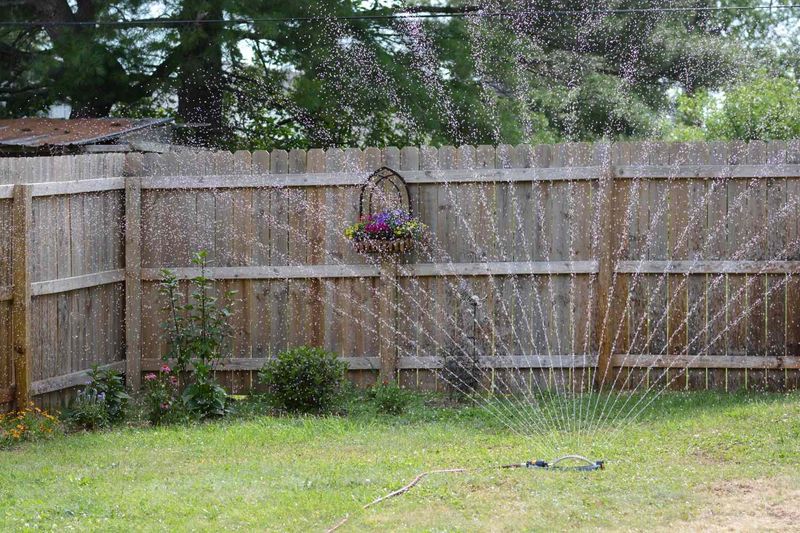
Watering seems simple, yet it trips up nearly everyone. Too little leaves grass brown and weak, and too much creates shallow roots and soggy, packed soil.
Both extremes hand clover an advantage. Quick evening sprinkles are especially sneaky, since they keep roots near the surface and can invite fungus.
Switch to deep, early-morning watering a few times a week. Skip it entirely after a good rain.
Your grass will root deeper and hold its ground.
17. Mistake: Ignoring Hard, Packed Soil
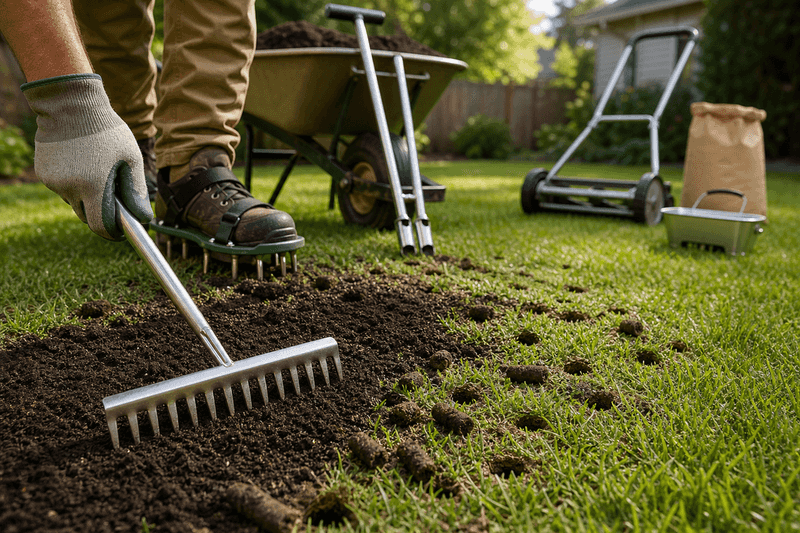
Ever notice clover lining the path where everyone cuts across the yard? That is no coincidence.
Packed soil chokes grass roots, but clover shrugs it off. Ignore compaction long enough, and those foot paths turn into clover highways.
Aerate yearly, add stepping stones where traffic is heaviest, and avoid walking on soggy lawns. Small changes keep soil loose enough for grass to compete.
18. Mistake: Too Much Phosphorus

Those three numbers on a fertilizer bag matter more than most people realize. The middle one is phosphorus, and clover loves it.
Many lawns already have plenty, so adding more without a soil test can actually help clover outgrow your grass. Some states even limit phosphorus in lawn products to protect lakes and streams.
Choose a fertilizer with a high first number and a low or zero middle number unless your soil test says otherwise. Read the bag, test the soil, and feed the grass, not the clover.
Fix these five habits along with the thirteen repairs above, and clover will slowly lose the ground it borrowed.