
Faded Mums Aren’t Necessarily Done: Post-Bloom Steps That Can Improve Their Odds of Returning
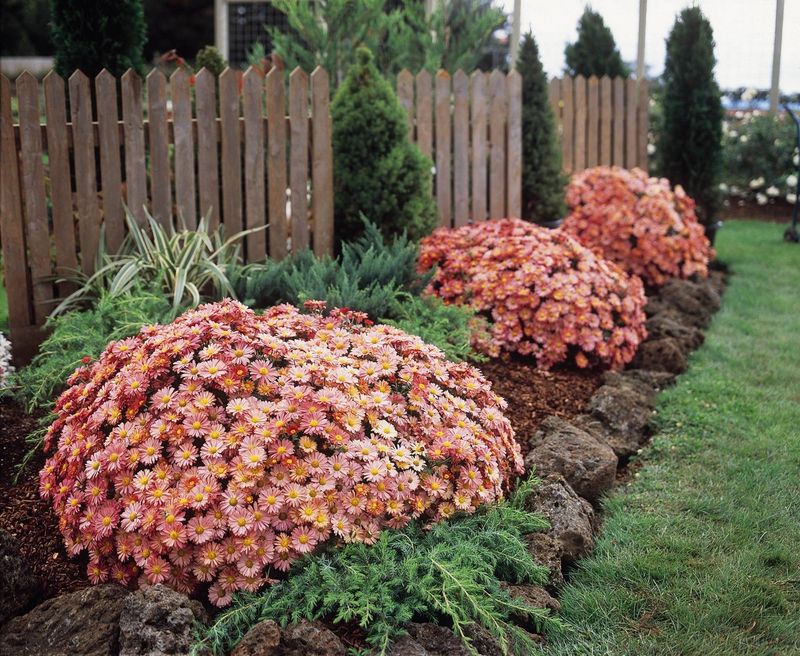
Your mums dropped their flowers, and now the pot or garden bed looks sad and brown. Faded blooms do not mean the plant is dead, and some mums can come back with a little help.
Others will not make it through winter, no matter what you do. Here is how to tell which kind you have and what to do this season to give it a fair shot.
First, decide whether your mum is likely to return

Brown, faded flowers are simply the end of the show. They do not tell you the plant has died, and an established garden mum can come back and bloom again.
The harder question is whether your mum can handle winter.
Mums sold in bloom each fall are a mixed bag. Garden mums are generally more cold-tolerant than florist mums, but cultivar, local climate, drainage, and planting date all change the outcome.
Virginia Cooperative Extension describes garden mums as typically hardy in zones 5 to 9, but that range is not a promise for any store-bought plant, and a hardy look or a hardy label does not guarantee it.
Timing matters most. A mum planted in the ground last spring has had months to grow roots, so it has a real shot.
A mum you bought in full bloom and planted a few weeks ago has been busy flowering, not rooting, and may not have enough roots before the ground freezes. University of Wisconsin Extension advises treating many fall-blooming retail mums as seasonal plants.
So set your expectations honestly. A late-planted or potted florist mum is a long shot, while an established garden mum in a sunny, well-drained spot is a better bet.
If you want a long-term mum, Iowa State Extension points to spring planting as the more reliable start. Trying to save this year’s plant costs almost nothing, so it is still worth a try.
Leave in-ground stems standing through winter

Put the pruning shears down. When the flowers fade on an in-ground mum, the urge is to chop everything to the ground and tidy up.
Resist it for now.
Extension guidance in colder areas recommends leaving the old stems and foliage in place over winter. Iowa State Extension reports better winter survival when old growth is left standing, and Wisconsin Extension and Virginia Cooperative Extension give similar advice.
The dead top growth appears to help shield the crown of the plant from harsh weather.
Think of the brown stems as a winter coat, not clutter. They may look messy, but they are doing a job.
Cutting them back is a spring task, and we will get to it.
One caution: you may run into advice to cut mums to about six inches after flowering. That tip shows up for warmer climates.
For a general national rule, leaving stems until spring is the safer choice. If your local extension office says something different for your area, follow theirs.
This advice is for mums growing in the ground. If yours is still in a pot, it needs a different plan, covered below.
Leaving the stems standing improves the odds, but it cannot guarantee a late-planted mum will make it.
Wait for the soil to freeze before adding mulch
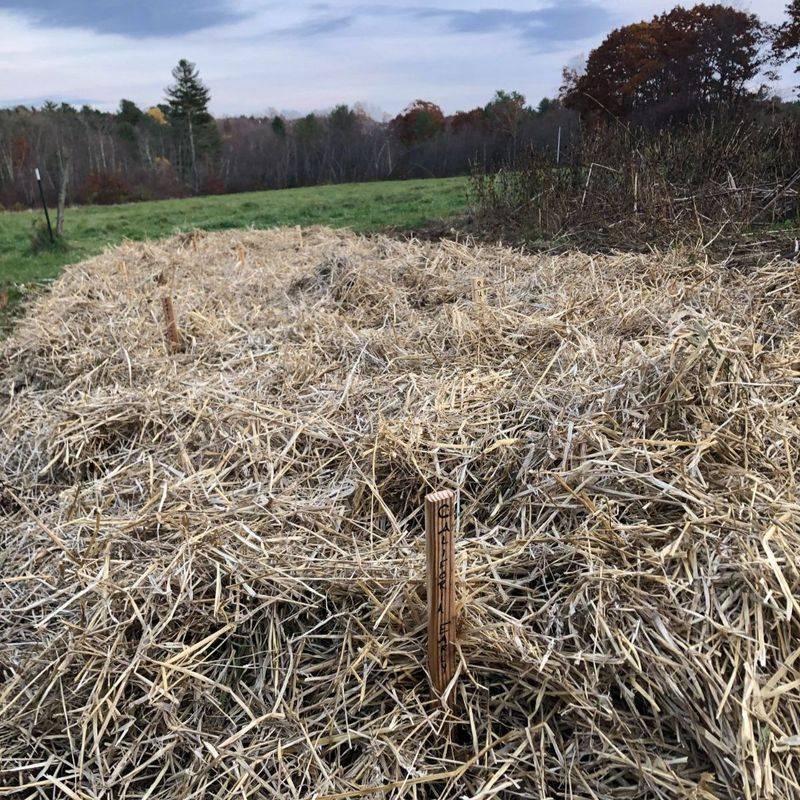
Mulch is helpful, but timing is everything. Skip the heavy mulching during early fall cleanup.
Wait until the soil has begun to freeze or the plant has gone dormant, then add the cover.
The idea is to keep the soil steadily cold, not to keep it warm. University of Minnesota Extension explains why mulching perennials after the soil freezes makes sense.
Mulch put down too early can invite new growth or create other problems.
Choose loose, airy material. Virginia Cooperative Extension recommends 3 to 4 inches of clean straw, pine needles, or evergreen branches.
Iowa State suggests several inches of straw or pine needles. Pile it over and around the standing stems without packing it down.
Be realistic about what mulch can do. It cannot turn a tender mum into a hardy one, and it will not rescue a plant that went in the ground too late to grow strong roots.
It simply gives a plant with a fair chance a bit more protection.
When early spring arrives, pull the mulch away so the new growth is not smothered.
Protect potted mums differently

Still have your mum in its original pot? Skip the in-ground routine.
Container plants face extra risk, and they need their own plan.
Fall-bought potted mums often have not grown many roots yet, and mum roots are shallow. Wisconsin Extension notes that this leaves them exposed to winter conditions.
A pot sitting out on a porch can freeze through from every side.
One option from Virginia Cooperative Extension is to keep the plant in its container in a cold frame, greenhouse, or other protected, unheated space where it will not freeze. An unheated garage or shed with some light may fit the bill.
Watering still matters. Do not let the dormant plant become completely dry, but cut back on watering as it settles into dormancy.
Soggy soil is no help either.
Even with this care, survival is not guaranteed. A pot-grown florist mum is among the least likely to return, so treat the effort as a low-cost experiment, not a sure thing.
Uncover the plant and cut back dead stems in spring
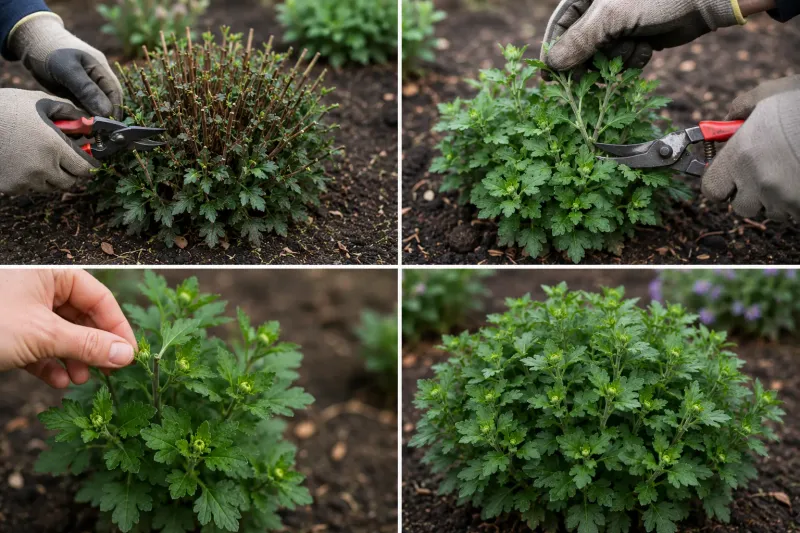
Early spring is when the work starts again. Once the worst of winter has passed, pull the protective mulch away from the plant.
Leaving it on can smother new growth.
Next, cut the dead stems down close to the ground. Now is the time for this cutback, not right after the fall flowers faded.
Iowa State Extension and Virginia Cooperative Extension both describe this spring cleanup after winter protection comes off.
Look at the base of the plant for small green shoots. Fresh growth at the soil line is a good sign that the roots made it.
If you see nothing, give it a little more time, since mums can be slow to wake up.
A bare spot after several weeks of warm weather may mean the plant did not survive. That happens, even to mums that got everything right.
Following these steps improves the odds, but it cannot promise a plant will live or bloom.
Pinch new shoots early for a fuller fall display
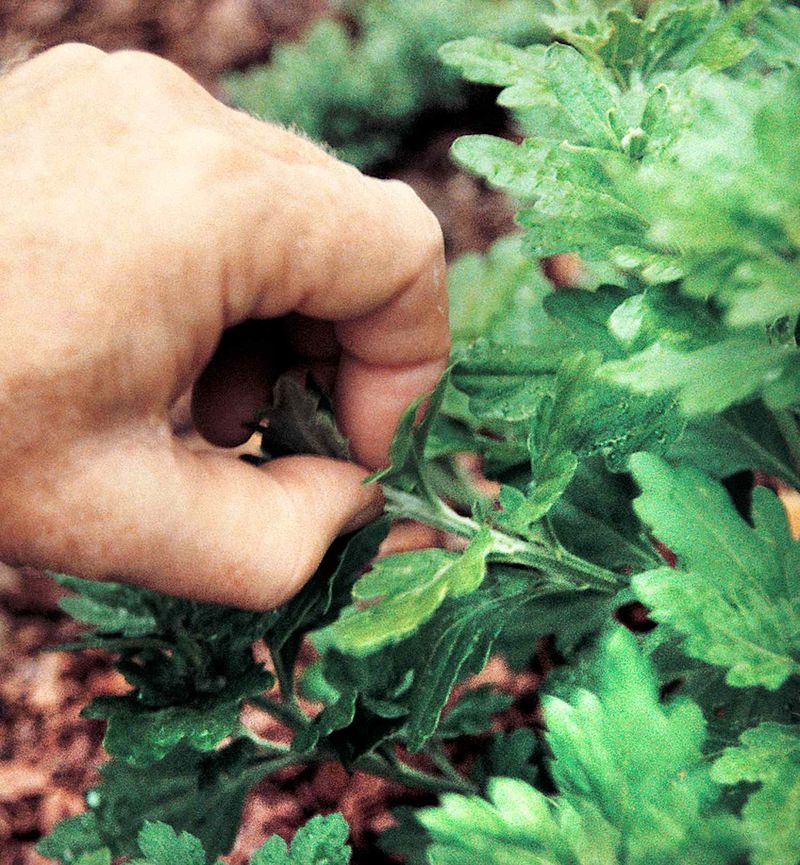
Once your mum is growing again, the focus shifts from survival to flowers. The main tool here is a simple pinch.
When new shoots reach about 6 inches tall, nip off the tip with your fingers.
Pinching pushes the plant to branch out, which can mean a bushier shape and more flowers. Repeat it as side shoots grow.
Iowa State Extension advises stopping by early July, or earlier for some cultivars and regions. Pinching too late can delay flowering, so late pinching does not help.
This also keeps tall plants from flopping over in fall. Another Iowa State resource covers how pinching helps with that problem.
Growing conditions matter too. Give your mum a sunny spot with about six or more hours of direct sun and well-drained soil, as described by Utah State Extension.
One more catch: mums set buds in response to shorter days and longer nights. A porch light, floodlight, or streetlight shining on the plant at night may delay or inhibit bud formation.
If yours sits near a light, consider moving it or turning the light off in early fall.
Even a perfectly pinched, well-placed mum is not guaranteed to flower. These steps simply give it a better chance.
Improve the odds, but expect variation

Know what you have, leave in-ground stems through winter, add loose mulch once the soil starts to freeze, and cut back dead growth in spring. Those steps can tip the odds in your favor, as Iowa State Extension suggests.
No step can promise survival or fall blooms, especially for a late-planted or potted retail mum. Some mums simply fade for good, and that is normal.
The ones that do return feel like a free gift.