
Why Yellowjackets Keep Hanging Around Your Yard This Fall – 13 Things Quietly Drawing Them In
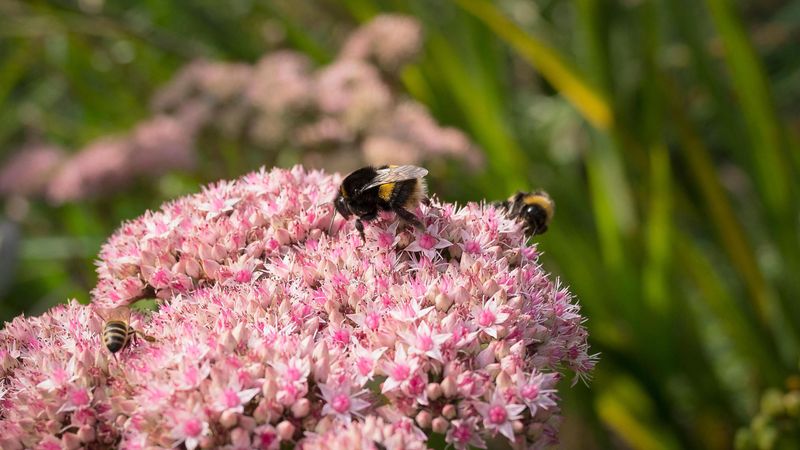
You step outside to pick your last tomatoes, and suddenly three yellowjackets are buzzing around your head. Fall is when these wasps get bolder, hungrier, and much harder to ignore.
Their colonies are at peak size, their usual food is running out, and your yard may be offering more snacks than you realize. Here are 13 sneaky things that keep pulling them in, plus simple fixes you can start today.
1. Sweet Foods and Drinks
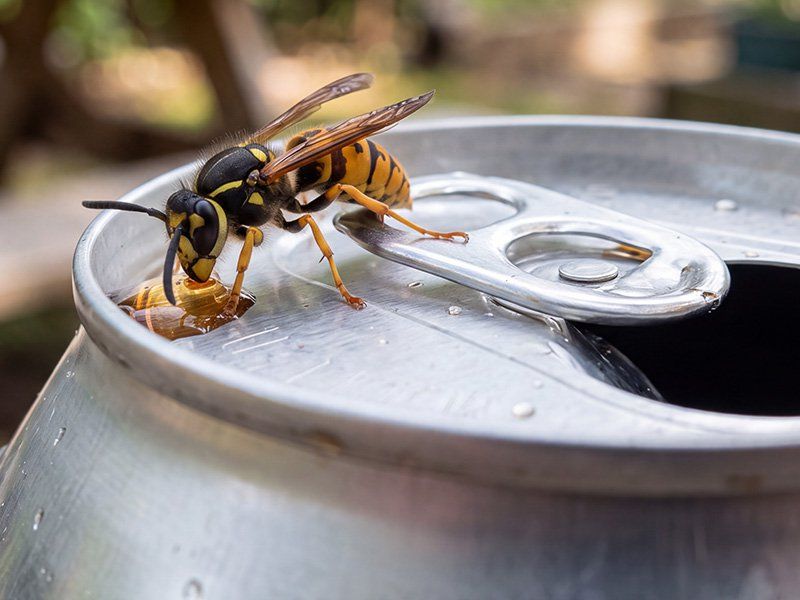
Picture a can of soda on the patio table while you pull spent petunias. Ten minutes later, a yellowjacket is crawling right into the opening.
That is no accident.
In late summer, the colony queen stops laying new eggs. Worker yellowjackets used to get a sugary treat from the larvae they fed, and once that supply ends, they go hunting for sugar anywhere they can find it.
Soda, juice, lemonade, beer, and dessert all smell like a jackpot.
The fix is simple. Use cups with lids or straws, and always glance inside a can before you sip.
Keep sweets indoors when you’re working in the garden, and wipe sticky spills off tables right away. A small habit change can save you from a painful sting on the lip.
2. Fallen and Overripe Fruit
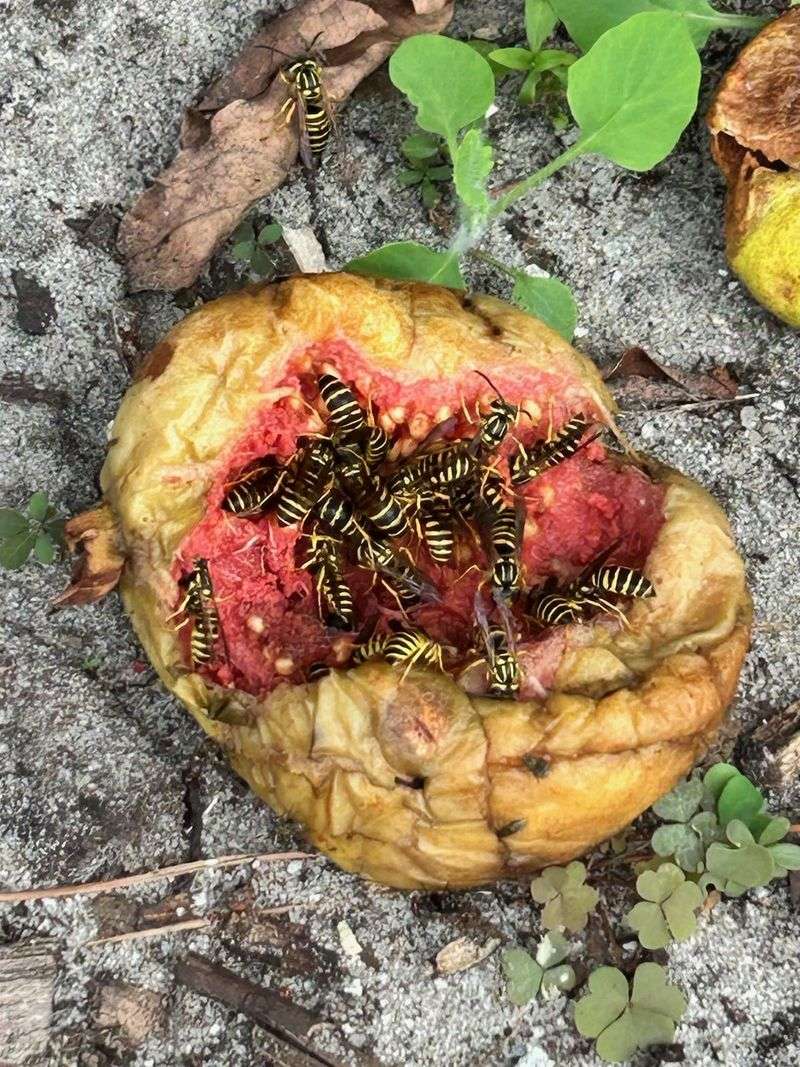
Split tomatoes, dropped apples, and squishy pears might look like compost-to-be. To a yellowjacket, they look like a buffet.
Once fruit starts to ferment, the sweet smell drifts across the whole yard.
Gardeners with tomato plants know the late-season struggle. Cracked fruit piles up fast as nights cool and rain comes and goes.
Those soft, leaking tomatoes under the vines are one of the biggest draws you can have.
Walk the garden every day or two with a bucket. Pick up anything on the ground and harvest ripe fruit a little early if needed.
Wear gloves and look before you grab, since a wasp may already be feeding inside. Bag the scraps or bury them deep rather than tossing them on an open pile.
3. Unsecured Garbage and Recycling Bins
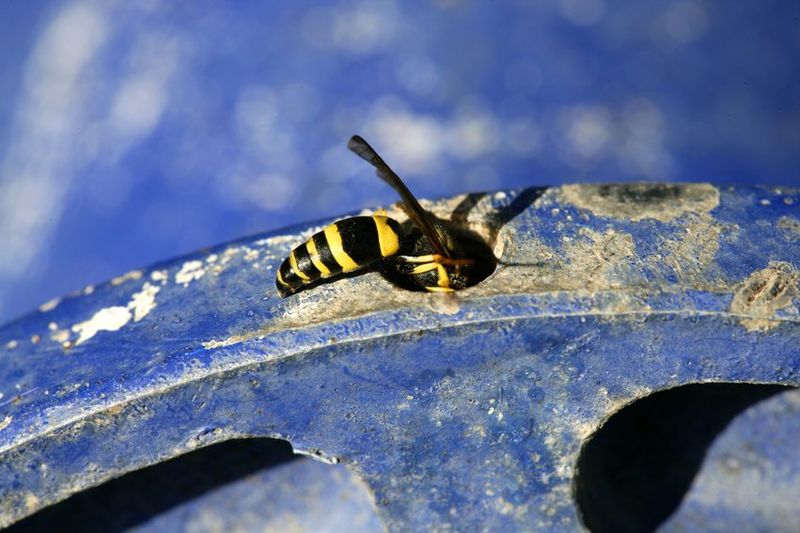
Ever notice wasps circling the trash can by the garage? Your recycling bin might be even worse.
Rinsed or not, juice bottles and soda cans hold enough sugary residue to call in a crowd.
Garbage also offers meat scraps, which yellowjackets happily carry home for protein. A bin left open on a warm October afternoon becomes a busy landing strip.
Keep lids tightly closed and fix any cracked or warped tops. Give cans and bottles a quick rinse before tossing them.
Every week or two, hose out the bins themselves to remove that sticky layer at the bottom. Moving the cans away from doors and garden beds also means fewer wasps drifting toward your plants and you.
4. Outdoor Pet Food
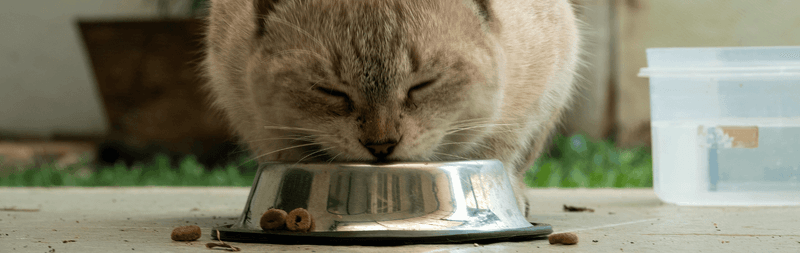
Your dog may not be the only one enjoying dinner on the porch. Yellowjackets are scavengers, and wet pet food is packed with the protein they love.
Even dry kibble crumbs can catch their attention.
This one matters for more than comfort. Pets that snap at buzzing insects can get stung on the mouth or nose, which is painful and sometimes needs a vet visit.
Feed pets indoors when you can. If meals have to happen outside, pick up the bowl as soon as your pet finishes and wipe the area clean.
Skip leaving food out all day for grazing during fall. Your furry friend will adjust quickly, and the wasps will lose a reliable lunch spot.
5. Open Compost Piles
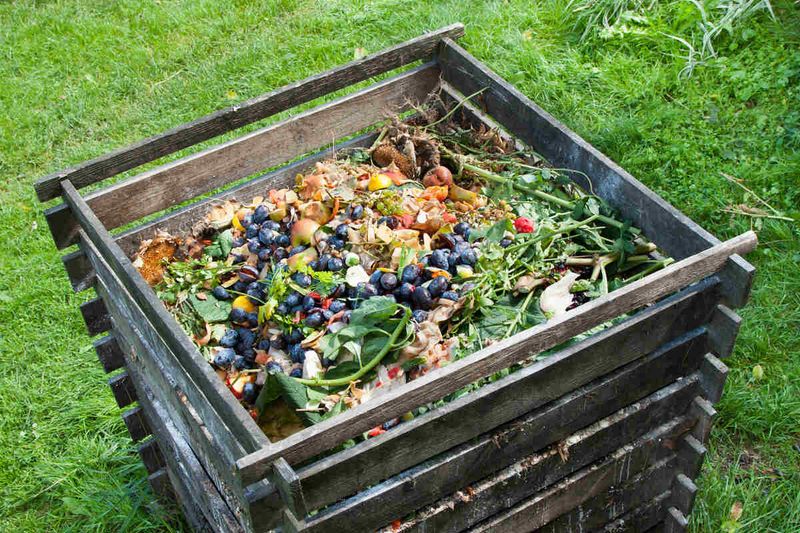
Good gardeners compost. Unfortunately, so do yellowjackets, in their own way.
Melon rinds, banana peels, and tomato scraps sitting on top of an open pile give off a sweet scent wasps can’t resist.
Fall is peak compost season, too. Between spent plants and kitchen leftovers, piles get loaded with fresh food scraps right when wasps are most desperate.
Bury kitchen scraps under a layer of leaves, straw, or finished compost so nothing sweet sits on the surface. A covered bin or tumbler works even better.
Turning the pile regularly helps it break down faster and stay less smelly. You keep your free garden fertilizer without hosting a wasp party.
6. Outdoor Dining and BBQ Remains
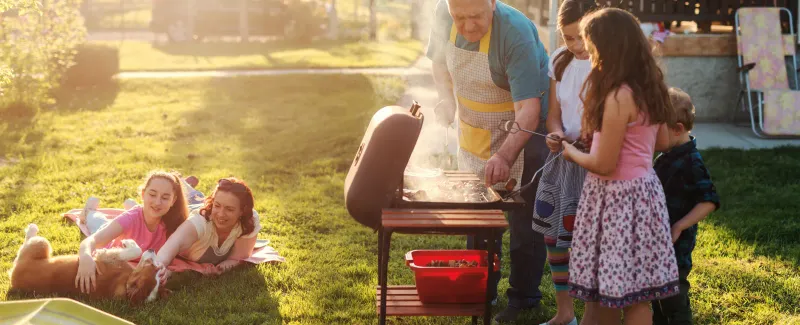
Autumn cookouts are wonderful, right up until uninvited guests arrive. Yellowjackets love hot dogs, burgers, and chicken just as much as cake.
They will slice off tiny bits of meat and fly them home to the nest.
The trouble often starts after the party. Grease in the drip tray, crumbs under the picnic table, and forgotten paper plates keep drawing wasps for days.
Cover serving dishes and bring leftovers inside right after eating. Scrape and clean the grill, and empty the grease trap once it cools.
A quick sweep under tables helps too. If you notice wasps hanging around the deck long after dinner, a hidden smear of barbecue sauce is often the culprit.
7. Late-Season Blooming Flowers
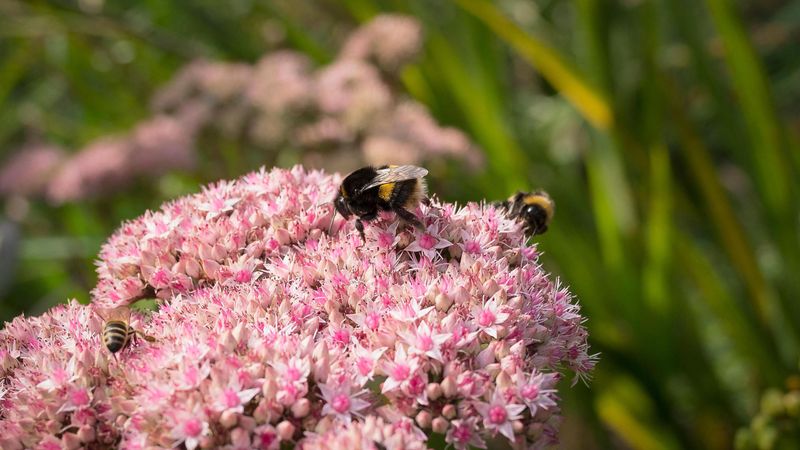
Here’s the tricky part for flower lovers. The same late bloomers that brighten fall beds, like Sedum ‘Autumn Joy’, asters, goldenrod, and coneflowers, also offer nectar right when other food is scarce.
Black-eyed Susans, salvia, catmint, and lavender can draw yellowjackets too. Seeing wasps on your sedum does not mean anything is wrong with the plant.
They are simply grabbing a drink.
You don’t need to rip out your favorites. Instead, avoid planting heavy nectar flowers right beside doors, patios, or play areas.
Do your deadheading and cutting in the cool early morning, when wasps are slow. Wear gloves and move gently, and you can enjoy your fall color in peace.
8. Moisture Sources
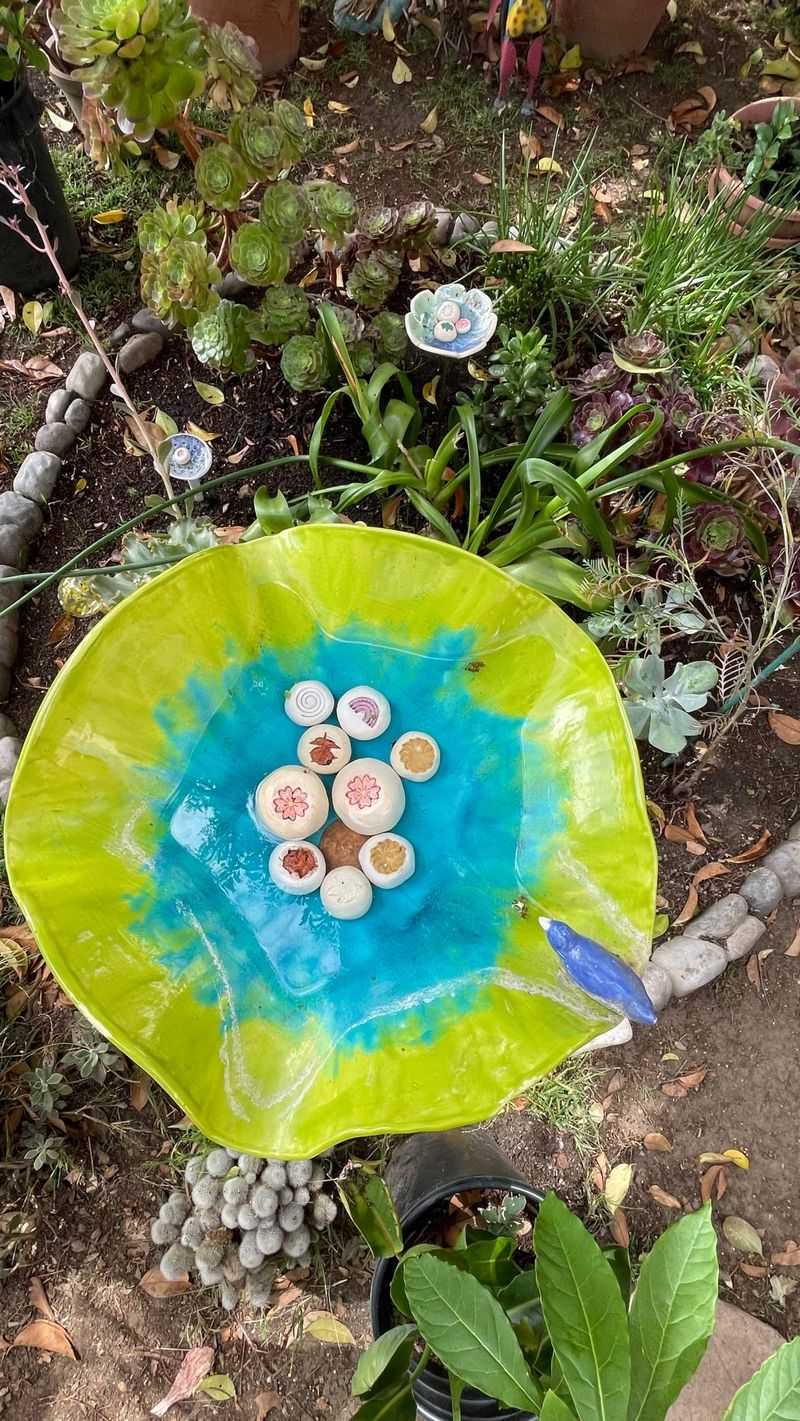
A dripping spigot seems harmless. For yellowjackets, though, it’s a steady drinking fountain.
They need water to survive and to help build and cool their papery nests.
Birdbaths, pet water dishes, saucers under potted geraniums, and clogged gutters all count. Dry fall spells can make these spots even more popular.
Fix leaky faucets and hoses, and empty plant saucers after watering. Clean gutters so water doesn’t pool.
Refresh birdbaths often, or move them away from busy seating areas. You can still water your plants deeply, just try to avoid leaving puddles behind.
9. Hidden Ground Nests
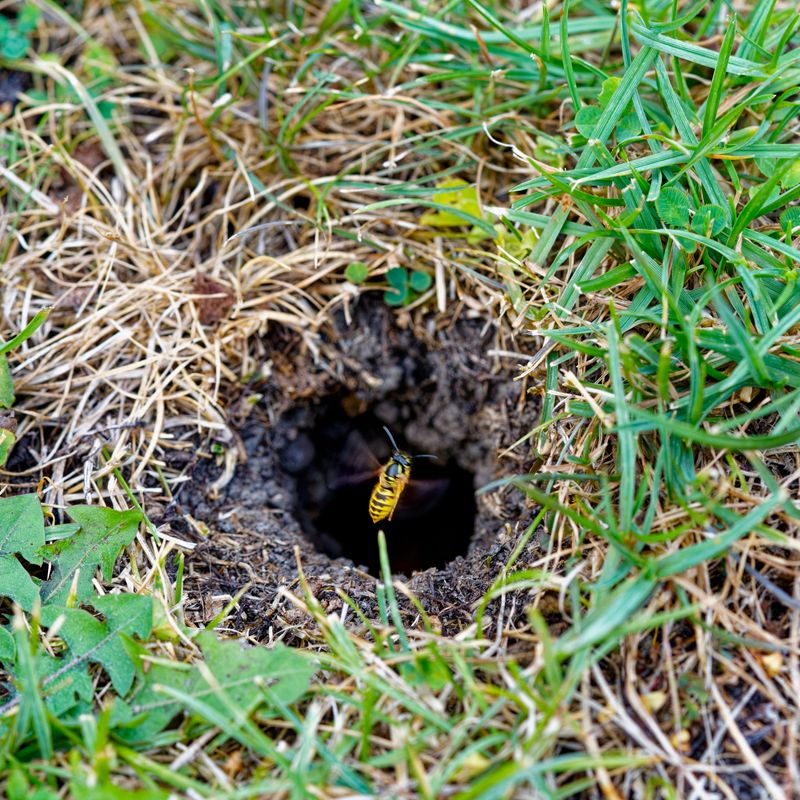
Many people get stung by a ground nest while mowing and never saw it coming. Some yellowjackets prefer living underground, moving into old rodent burrows, gaps by tree roots, or holes under landscape stones.
By fall, a single nest can hold thousands of workers. Mowers, string trimmers, and even heavy footsteps can trigger a fast, angry defense.
Watch for a steady stream of wasps flying in and out of one small hole. Mark the spot with a flag and keep kids and pets away.
Never pour gasoline into a nest or try to block it yourself. For nests near busy areas, a pest professional is the safest bet.
Fun fact: in colder regions, the colony dies off after hard freezes, and only new queens survive winter.
10. Structural Nests
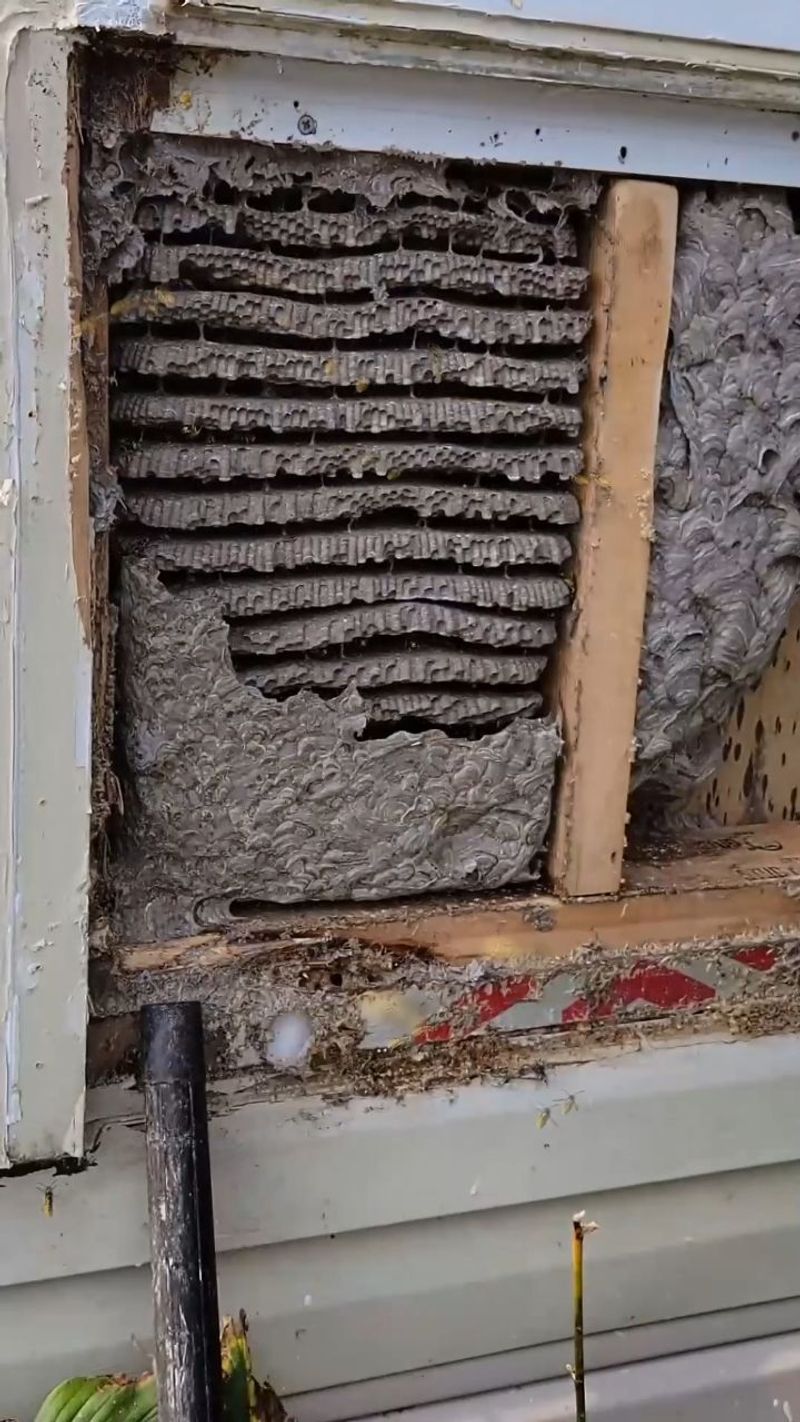
Sometimes the nest is not in the yard at all. It’s tucked inside your house.
Wall voids, attics, soffits, eaves, and the space under decks give colonies dry, safe shelter.
If you see wasps slipping into a gap in siding over and over, a nest is likely inside. Heavy fall traffic around a deck often points to one underneath.
Resist the urge to seal the hole right away. Trapped wasps may chew their way indoors instead.
Call a pro to handle active nests, then seal cracks and gaps in winter once the colony is gone. Fixing those openings now may help prevent next year’s tenants.
11. Decaying Garden Debris
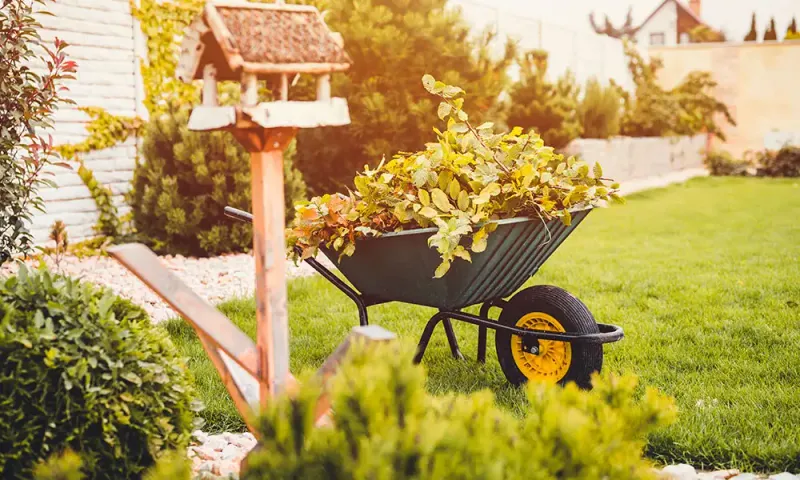
End-of-season garden beds tell a story. Collapsed squash, mushy pumpkins, and blackened tomato vines start breaking down fast once cool weather hits.
That rotting plant matter can give off sweet, fermenting smells that keep yellowjackets cruising the beds. It may also shelter other insects they like to hunt.
Pull spent annuals and vegetable plants as they finish. Cut up large, soft squash before composting so they break down quicker.
A tidy fall cleanup also gives your garden a fresh start in spring and reduces places for plant diseases to hide over winter.
12. Presence of Other Insect Pests
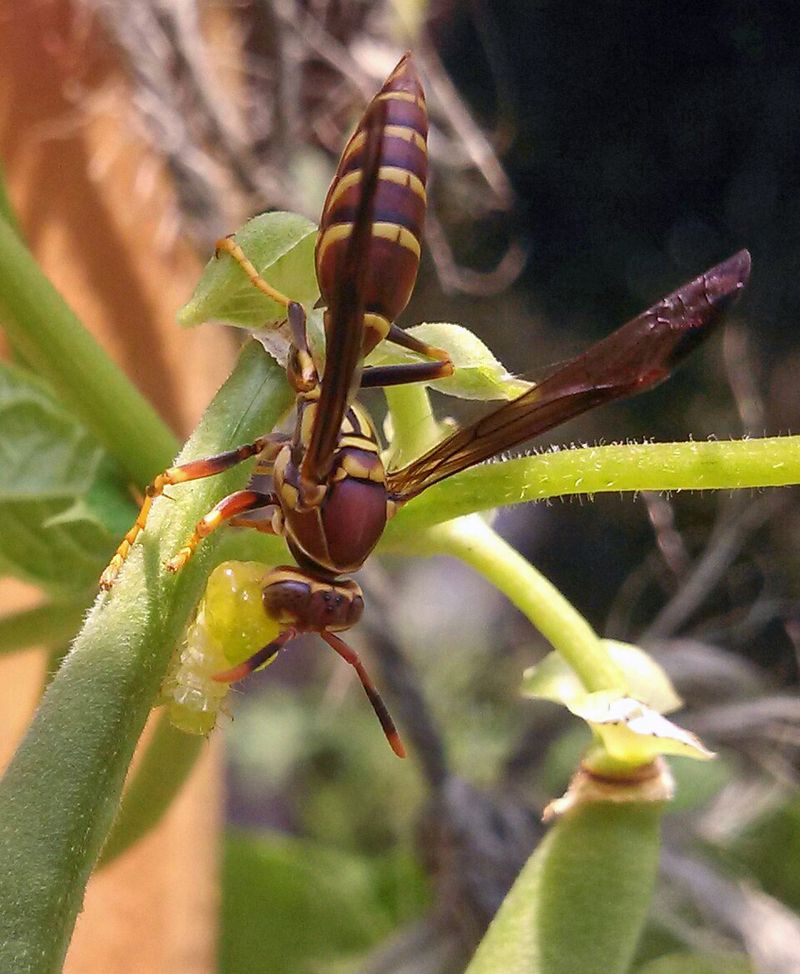
Believe it or not, yellowjackets do gardeners some favors. Through summer they hunt caterpillars, flies, aphids, and other pests to feed their young.
A yard full of hornworms or aphids can act like a welcome sign. Wasps learn where the hunting is good and keep returning, even after they switch to sugar in fall.
Keep pests in check with regular plant checks. Hand-pick caterpillars from tomatoes and blast aphids off with a strong spray of water.
Healthy plants with fewer pests may mean fewer wasps patrolling. Just remember, a few yellowjackets helping with pest control isn’t always a bad trade.
13. Scented Products and Bright Colors
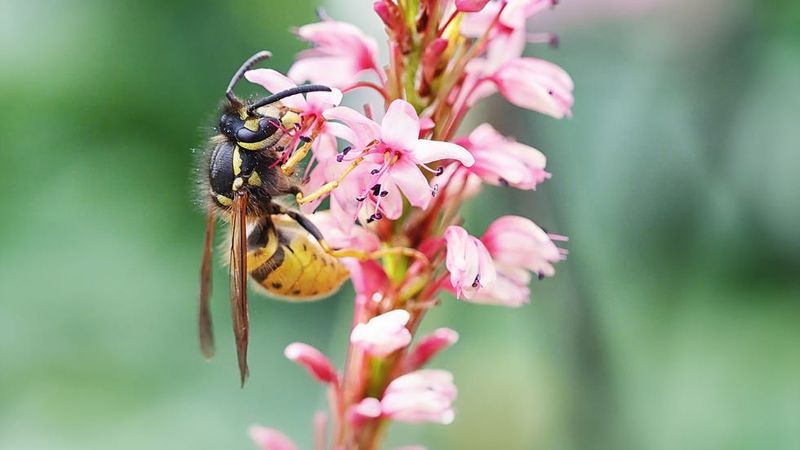
Sometimes the attraction is you. That fruity shampoo, floral perfume, or coconut sunscreen can smell a lot like food to a hungry yellowjacket.
Bright clothing plays a role too. Yellow, orange, and red outfits may look like flowers, while dark colors can seem threatening to defensive wasps.
Before heading out to trim hydrangeas or pull weeds, skip strong scents. Choose light, neutral colors like white, tan, or khaki.
If a wasp lands on you, stay calm and move slowly away rather than swatting. With these 13 fixes in mind, your fall garden can feel like yours again, not a wasp hangout.