
Spotting A Little Brown Bat Under Your North Carolina Eaves This Late In The Year Means You Should Leave It Alone
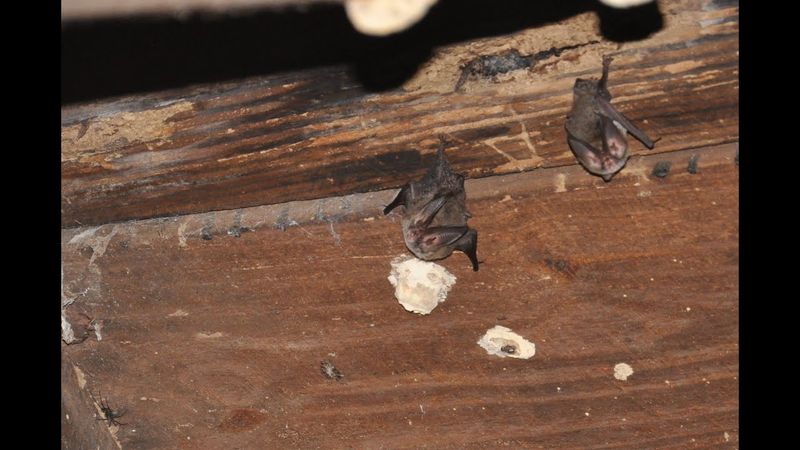
A small bat tucked under your roofline on a chilly November evening can make you stop and stare. Many North Carolina yards host bats, and they are part of the wildlife we value.
A sighting like this raises a fair question about what to do next. The calm answer is usually to watch from a distance and let the bat be.
A casual sighting cannot confirm the bat’s species
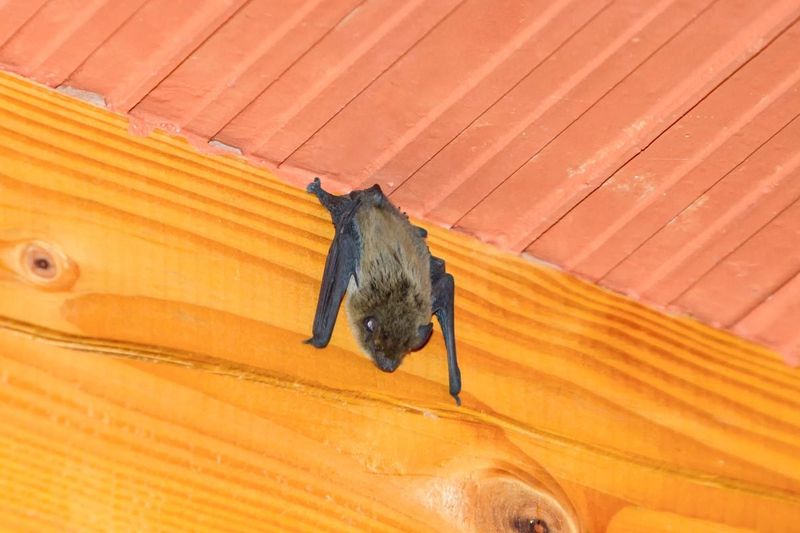
Here is a twist on the headline: you probably cannot tell which bat you are looking at. The North Carolina Wildlife Resources Commission lists 17 bat species in the state, and many are small and brown.
Size, color, and a spot under the eaves do not settle the question.
The little brown bat is a good example of how much the answer can vary. Mammals of North Carolina notes that it occurs statewide, but it is more common in the mountains and foothills, uncommon or rare across much of the Piedmont, and rare to locally uncommon in the northern Coastal Plain.
So a bat in your Raleigh or Wilmington yard could easily be something else.
State wildlife guidance also points out that bat species can be hard to identify and may be mistaken for one another. For that reason, this article treats your visitor simply as a bat, not a confirmed species.
You can read about managing conflicts with bats from the same agency if you want more detail.
The more useful question is not which bat it is. It is how to respond to the bat you can actually see, and the answer is much the same for any species.
Late fall makes winter preparation plausible, not certain
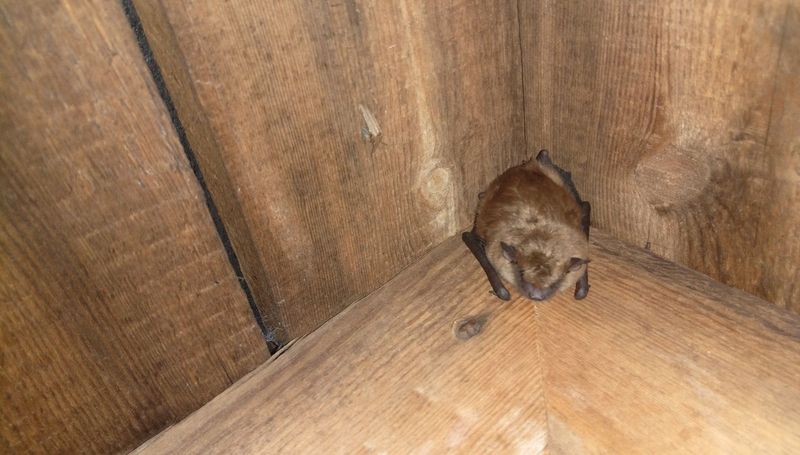
Cooler nights and fewer insects make late fall a time of change for many bats. That timing fits with getting ready for winter, but it does not tell you what this one bat is up to.
Some North Carolina bat species migrate, while others stay and overwinter locally, according to state wildlife information.
Little brown bats are a useful case. They hibernate in winter, usually in caves or mines.
In late summer they swarm around those sites, and they mate in fall, as described by Mammals of North Carolina. So fall activity can mean mating, feeding, or moving between places.
Weather matters too. A mild evening may bring bats out to hunt, while a cold snap may slow them down.
Activity and shelter use vary by species, location, and weather, and late fall has no exact biological cutoff.
Put simply, a bat at your eaves in November might be settling in for winter, or it might just be resting between meals. One sighting cannot show whether it is hibernating or heading to a particular shelter, so there is no need to guess or to act on a guess.
A bat at the eaves is not proof of an indoor roost
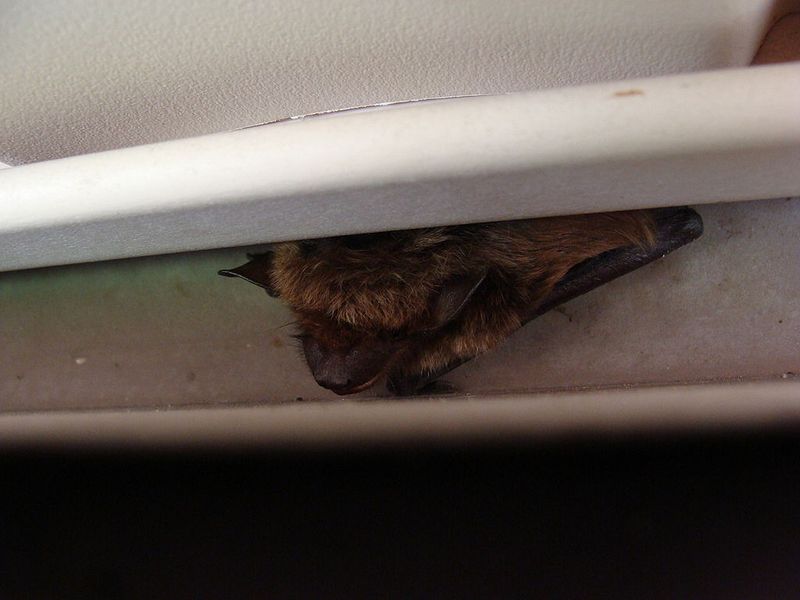
Three different situations can look alike from the driveway. A bat may be flying past the roofline, resting on an outside surface, or sheltering inside an attic or wall.
Only the last one points to a roost in the building, and you usually cannot tell which one you are seeing.
Buildings do matter to some bats. Mammals of North Carolina says little brown bats commonly use buildings, especially attics, as warm-season roosts.
It also notes that in eastern parts of the state, where caves and mines are scarce, they may need other sheltered sites in winter.
The U.S. Fish and Wildlife Service describes the species and its roosting habits, and North Carolina sources say some bats use buildings or other sheltered places in winter.
Variation is the rule, not the exception.
So one bat under your eaves does not mean it entered the house, and it does not mean a colony lives there. Clues of a real building roost, such as repeated sightings over weeks or droppings piling up below one spot, would tell you far more than a single evening.
Avoid disturbing a bat that may be hibernating
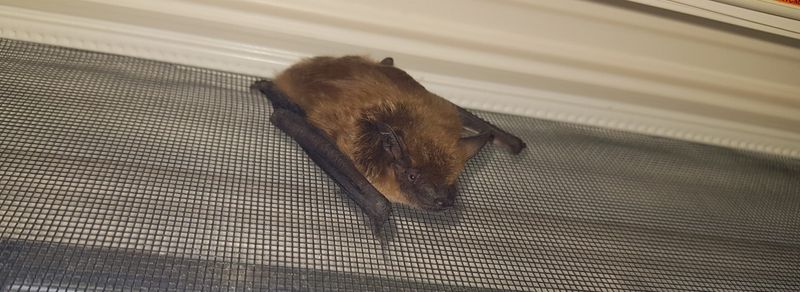
Bats that hibernate survive winter by slowing their bodies way down. This state is called torpor, and it saves precious energy when insects are gone.
A study of hibernation energetics in free-ranging little brown bats found that waking up, called an arousal, is energetically costly.
That is the practical reason to leave a bat alone. Every unnecessary wake-up burns fat the bat needs to last until spring.
Little brown bats are especially worth protecting, since Mammals of North Carolina describes them as hibernators.
Keep the conclusion modest, though. A brief look from across the yard does not mean harm was done, and nobody can say a short disturbance will kill a bat.
The bat you see may not even be hibernating, since it could just be resting for the day.
The takeaway is simple. Skip the flashlight close-ups, the poking, and the broom.
Quiet distance costs you nothing and gives the bat room to follow its own routine.
Keep your distance and leave possible entrances alone
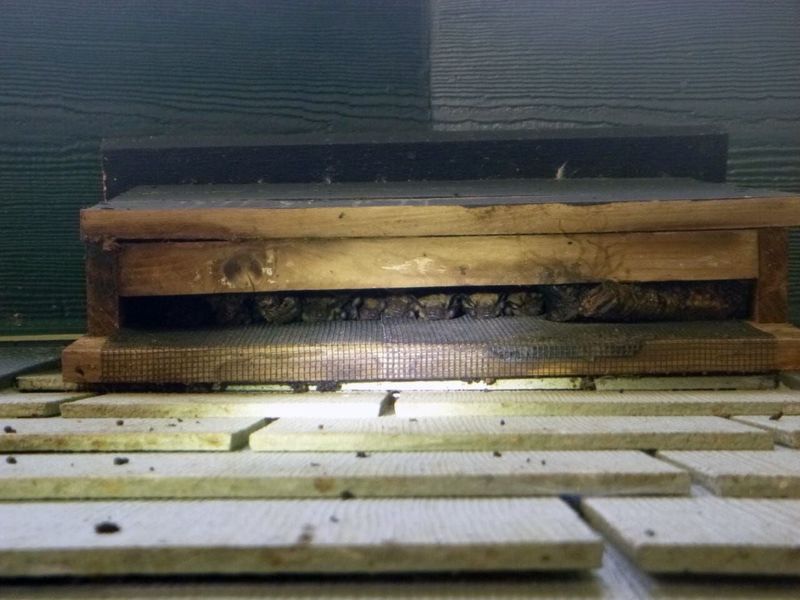
For a bat you see outdoors, the best plan is a short one. Watch from a distance, keep pets and kids back, and do not touch or handle the bat.
If it is still there tomorrow, that is fine too.
Resist the urge to plug gaps around the roofline. Sealing an opening while bats may be using it can trap them inside or push them into your living space.
State guidance on managing conflicts with bats explains that proper exclusion means finding the roost and exit points and making sure bats can leave.
If you do have a recurring building-roost problem, such as bats returning to the same attic spot or droppings collecting, call a licensed wildlife control agent. North Carolina requires paid bat evictions to be done by licensed agents, so do not try a do-it-yourself eviction.
You may have heard about the May 1 through July 31 moratorium. It covers evictions during pup-rearing season, when young bats cannot fly.
It does not make a late-fall sighting outside your house a reason to act.
For one bat on the outside of the house, restraint is the right first step.
Possible contact or a bat indoors changes the response
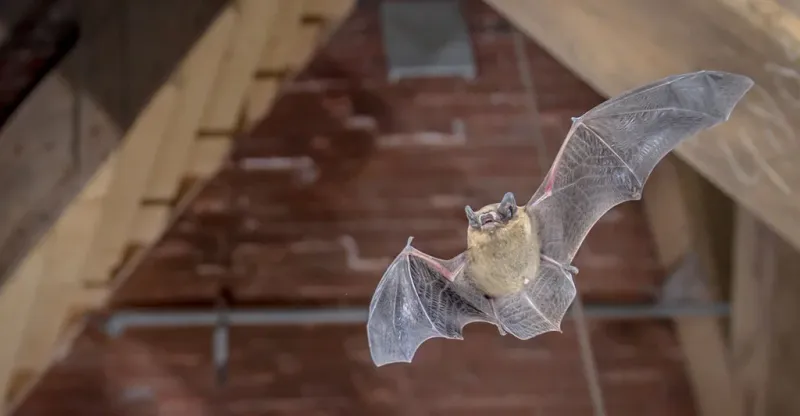
Everything above applies to a bat outside. A bat inside your living space is a different matter, and so is any chance that a person or pet touched one.
Seeing a bat outdoors is not an exposure, and most bats are not rabid, but contact deserves a careful response.
If you think contact may have happened, call your local animal control or health department for advice. CDC guidance stresses avoiding contact with bats and getting public health advice when contact may have occurred.
That includes situations where you wake up to find a bat in a room and cannot rule out a bite.
After a bite or scratch, wash the wound well with soap and water. Then seek medical guidance promptly, even if the mark looks small, because bat teeth and claws can leave marks that are easy to miss.
If a bat is loose indoors, close the doors to the room, keep pets and people out, and call for advice before trying anything yourself. Do not grab the bat with bare hands.
A quiet bat under the eaves can stay a neighbor. A bat in the kitchen needs a phone call.