
Check Out These 13 Tough Perennials Every Low-Effort Gardener Should Plant This Fall
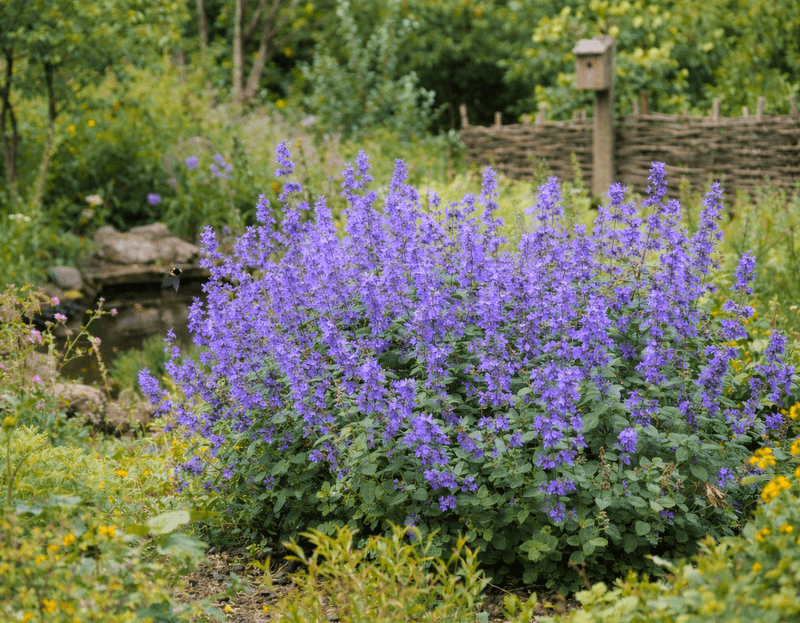
If you have ever watched a new plant wilt and wondered what you did wrong, fall planting might be your fix. Cool air and warm soil give perennials time to grow strong roots before winter, so they wake up ready to thrive in spring.
The plants on this list shrug off heat, dry spells, and a little neglect. Pick a few now, and next summer your garden can mostly take care of itself.
1. Black-Eyed Susan
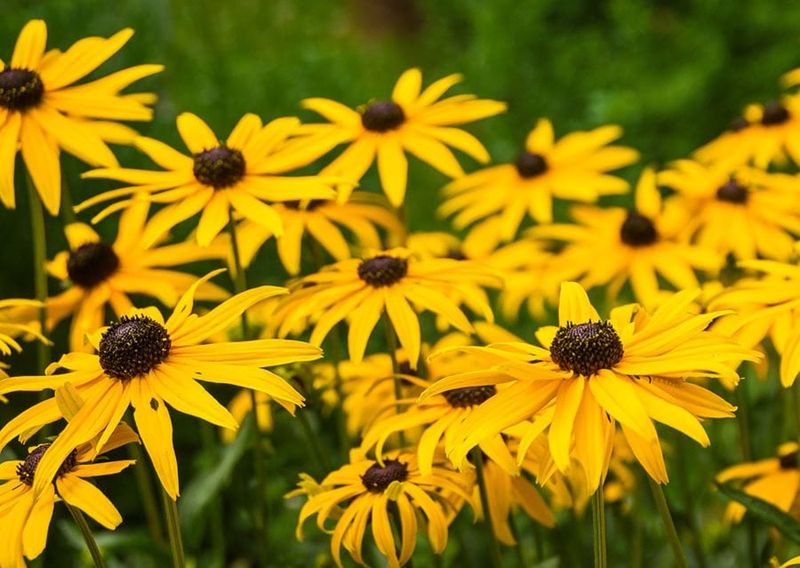
Forget to water for a week in August, and black-eyed Susans barely notice. These native wildflowers grew across American prairies long before anyone planted them on purpose, so they know how to handle rough summers.
Heat, drought, and poor soil are all fine with them.
Plant them in full sun this fall, water them in well, and then mostly leave them alone. Their golden petals keep showing up from midsummer into autumn.
Deer tend to skip them, while bees and butterflies flock to them.
Here is a lazy gardener bonus: skip the fall cleanup. The dark seed heads look nice poking through snow, and goldfinches love picking at them in winter.
If your plants spread a bit, simply share extras with a neighbor.
2. New England Aster
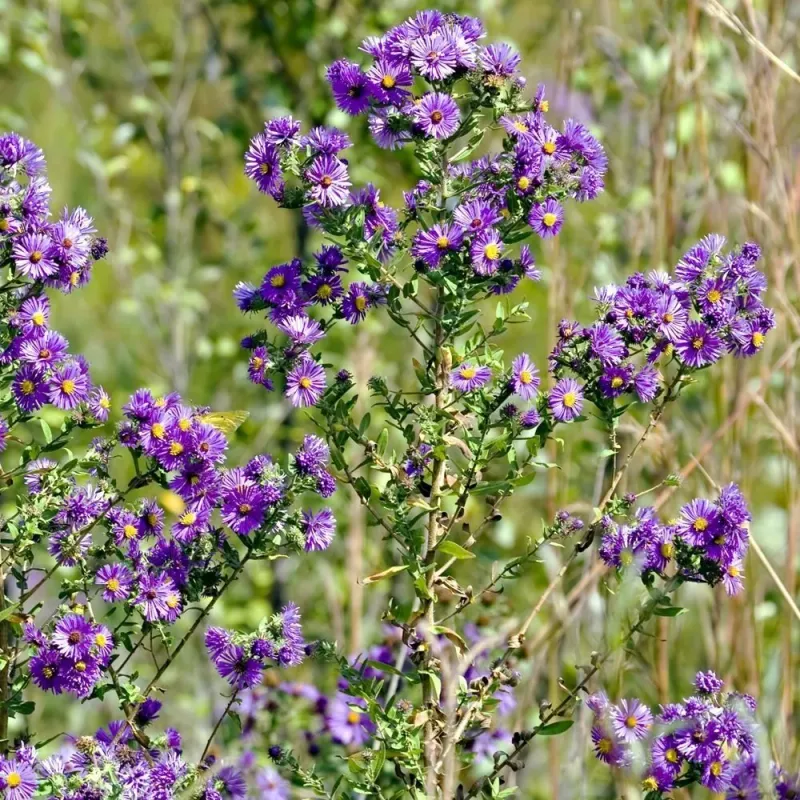
Right when summer flowers start looking tired, asters wake up and steal the show. Purple, pink, and blue blooms pile up from late summer into fall.
New England asters are some of the most reliable of the bunch.
They are not picky about soil, which makes them a safe bet for beginners. Once they settle in, they need very little help.
Migrating monarchs often stop to refuel on them, which is a real treat to watch.
One easy trick keeps tall types from flopping. Cut the stems back by about a third in early summer.
You will get bushier plants and even more flowers, with zero extra money spent.
3. Sedum Autumn Joy
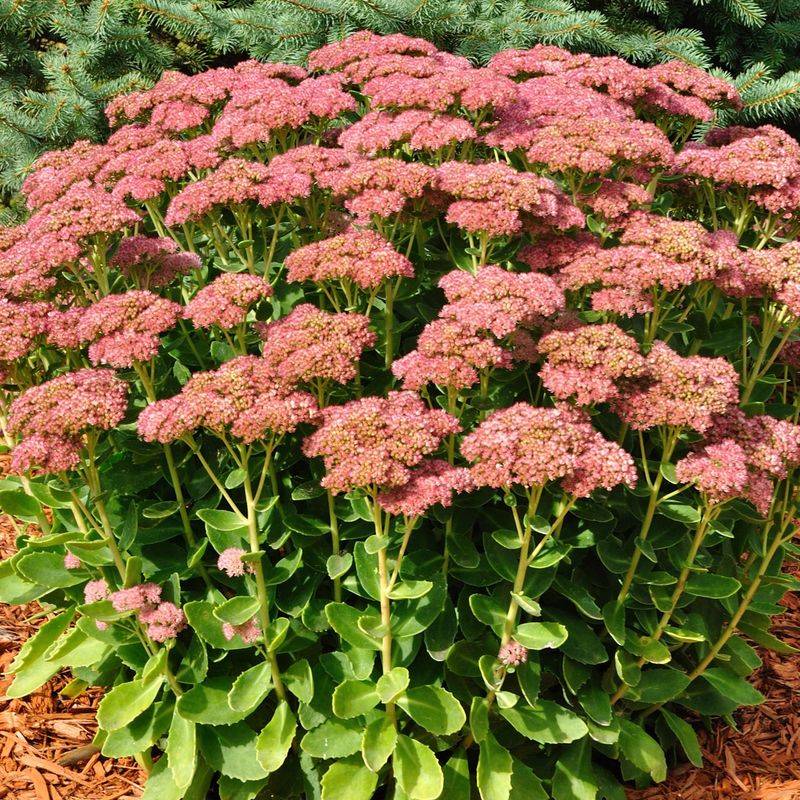
Thick, juicy leaves are the secret here. Sedum stores water like a cactus, so it can coast through dry weeks that would leave other plants drooping.
‘Autumn Joy’ is the classic choice. Its flower heads start pale green, turn pink, and finish a rusty red as the weather cools.
Pests, diseases, rabbits, and deer usually leave it alone.
The biggest mistake people make is too much kindness. Rich soil and lots of water can make stems floppy.
Give it full sun and soil that drains fast, then walk away.
4. Purple Coneflower
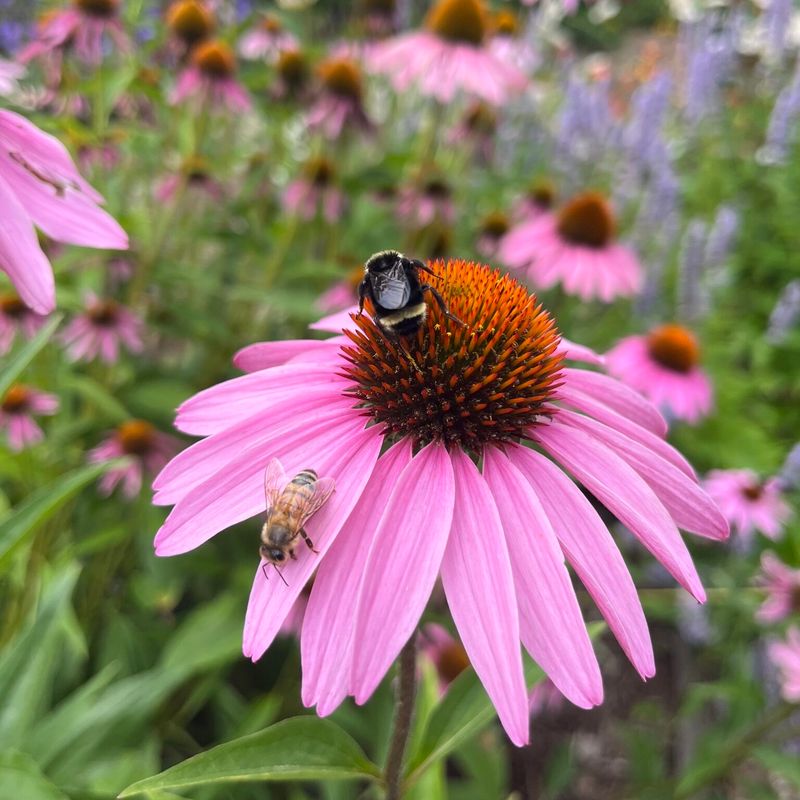
Picture a flower that bees treat like a diner open all summer long. Purple coneflowers bloom from early summer into fall, and their spiky centers are packed with pollen.
They handle drought and poor soil better than most. In fact, coneflowers often struggle more in soggy, rich beds than in plain dirt.
Plant them in sun, water until they root in, and then ease off.
Varieties like ‘Pow Wow Wild Berry’ are especially sturdy. Leave a few seed heads standing in fall, and you may get free seedlings plus visits from hungry birds.
5. Coreopsis
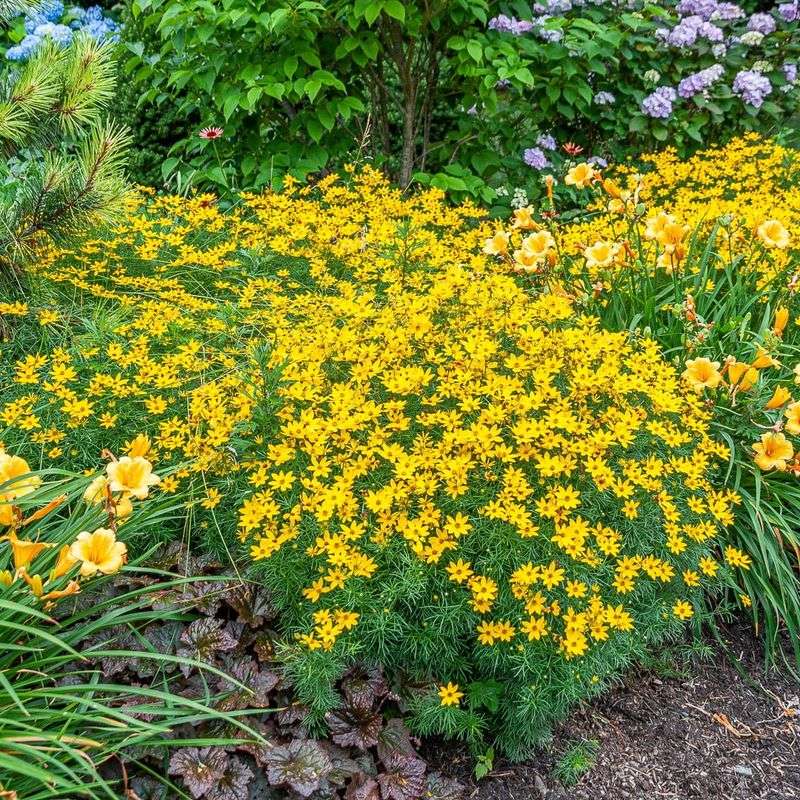
Tired of snipping off dead flowers every weekend? Many newer coreopsis varieties keep blooming without deadheading, which makes them a gift for busy gardeners.
Their small daisy-like flowers come in sunny yellow, pink, and red. They put up with poor, dry soil and actually settle in nicely when planted in late summer or early fall.
Just make sure the spot drains well. Wet feet in winter is one of the few things that can sink them.
6. Perennial Salvia
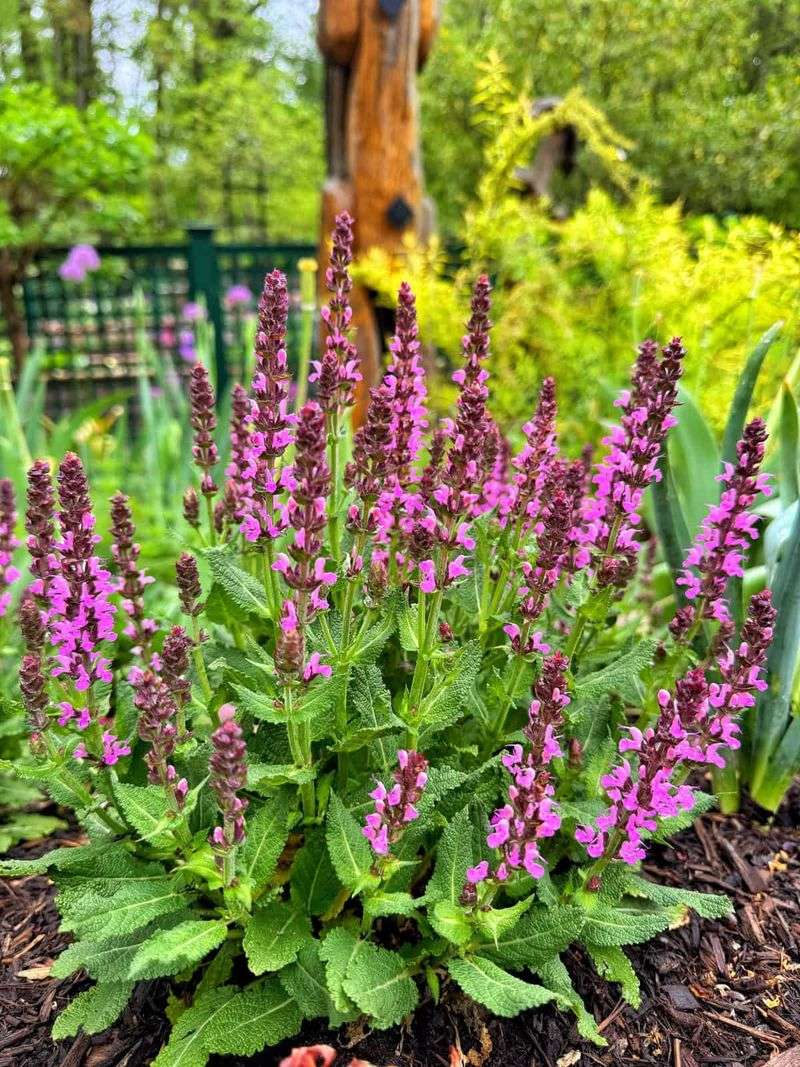
Hummingbirds seem to have a map with every salvia in the neighborhood marked on it. Those tall flower spikes in purple, blue, and pink are a magnet for pollinators of all kinds.
Salvias are a big plant family, but the hardy perennial types are tough and drought-resistant. They love sun and don’t ask for rich soil.
The fuzzy, scented leaves also tend to turn away deer.
Want a second wave of color? Trim off faded spikes after the first big bloom.
New ones usually pop up within a few weeks.
Fun fact: salvia shares its family with mint, basil, and oregano. That is part of why the leaves smell so strong when you brush past them.
7. Catmint
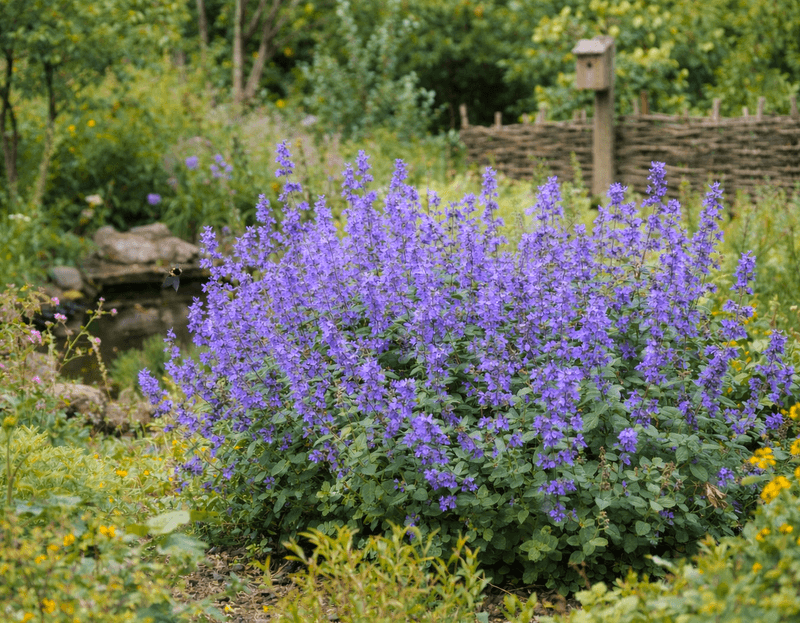
Some plants sulk when ignored. Catmint seems to enjoy it.
Its soft lavender flowers can roll on from spring into fall with almost no help.
Bees adore it, and deer and rabbits usually keep their distance. The gray-green leaves smell a bit minty, and yes, some neighborhood cats may come by to roll in it.
The one chore worth doing is a midsummer shear. When it starts looking floppy, cut it back by about half.
In a couple of weeks it bounces back tidy and blooming again.
8. Stella de Oro Daylily
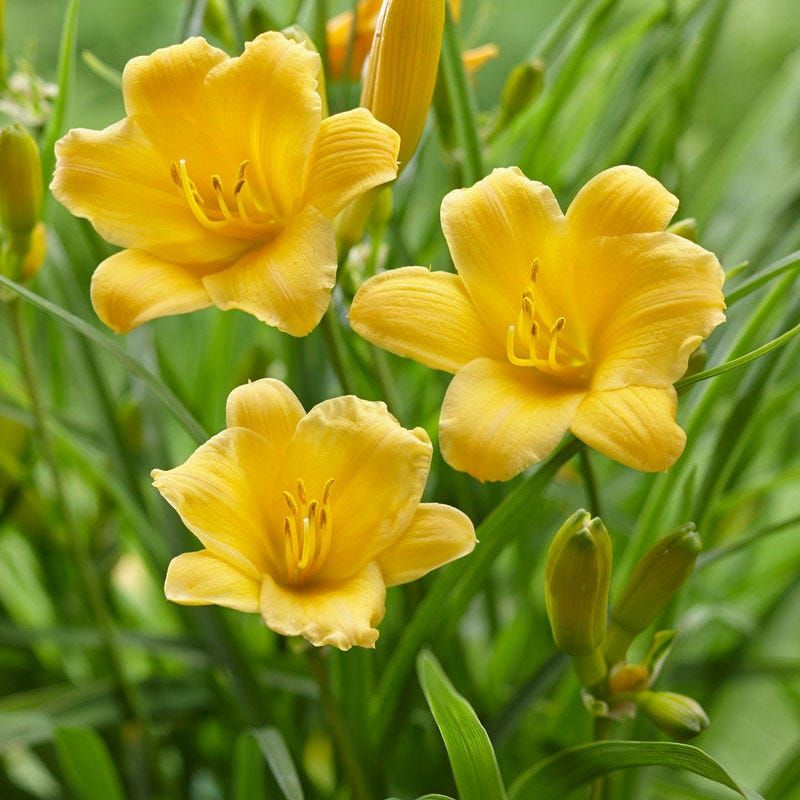
Grandma probably had a patch of daylilies by the mailbox, and there is a good reason. They are nearly impossible to kill.
‘Stella de Oro’ is the reblooming star. Its golden-yellow flowers keep appearing from late spring into fall.
Each bloom lasts only a day, but new buds line up to replace them.
Daylilies can sit undivided for many years without complaint. Plant them this fall in sun or light shade, and they will fill in fast.
When a clump gets huge, dig and split it to make free plants.
9. Russian Sage
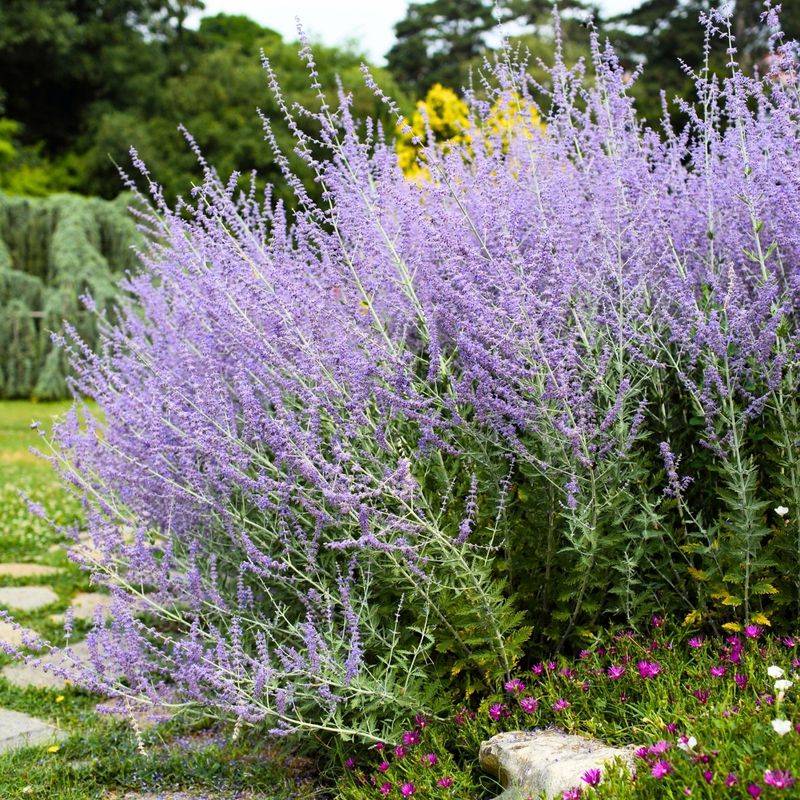
Love the look of lavender but keep losing it to cold winters? Russian sage is a hardy stand-in with a similar soft, purple haze.
Its airy blue spikes and silvery leaves bloom from late summer into fall. It thrives in full sun, dry soil, and blazing heat.
Pollinators buzz around it all season.
Wait until spring to cut it back to about a foot tall. Leaving the stems up over winter may help protect the crown, and they look pretty with frost on them.
10. Yarrow
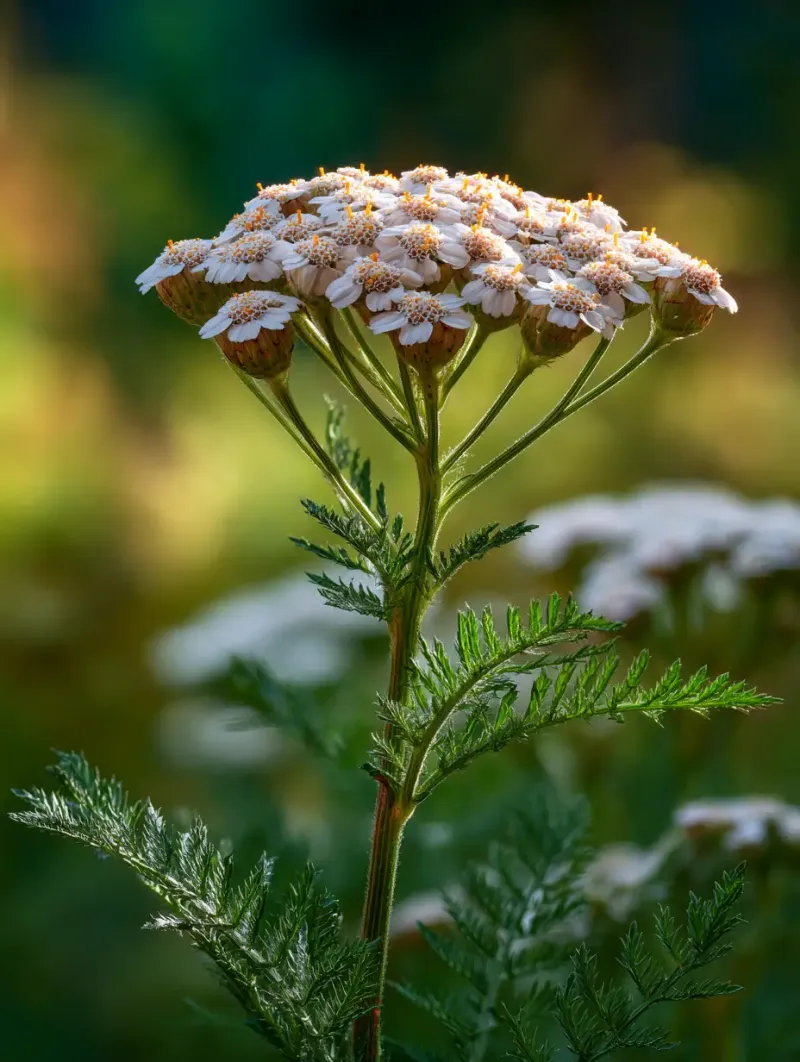
Long before garden centers existed, people tucked yarrow leaves into wounds. Its Latin name, Achillea, comes from the Greek hero Achilles, who legend says used it on his soldiers.
Today it earns its spot for toughness. Yarrow loves sun, laughs at drought once settled, and makes flat clusters of tiny flowers in white, yellow, pink, or red.
The fern-like leaves add soft texture too.
Deadhead the spent blooms and it will usually rebloom. Skip the fertilizer, though.
Rich soil makes yarrow tall and floppy.
11. Hosta
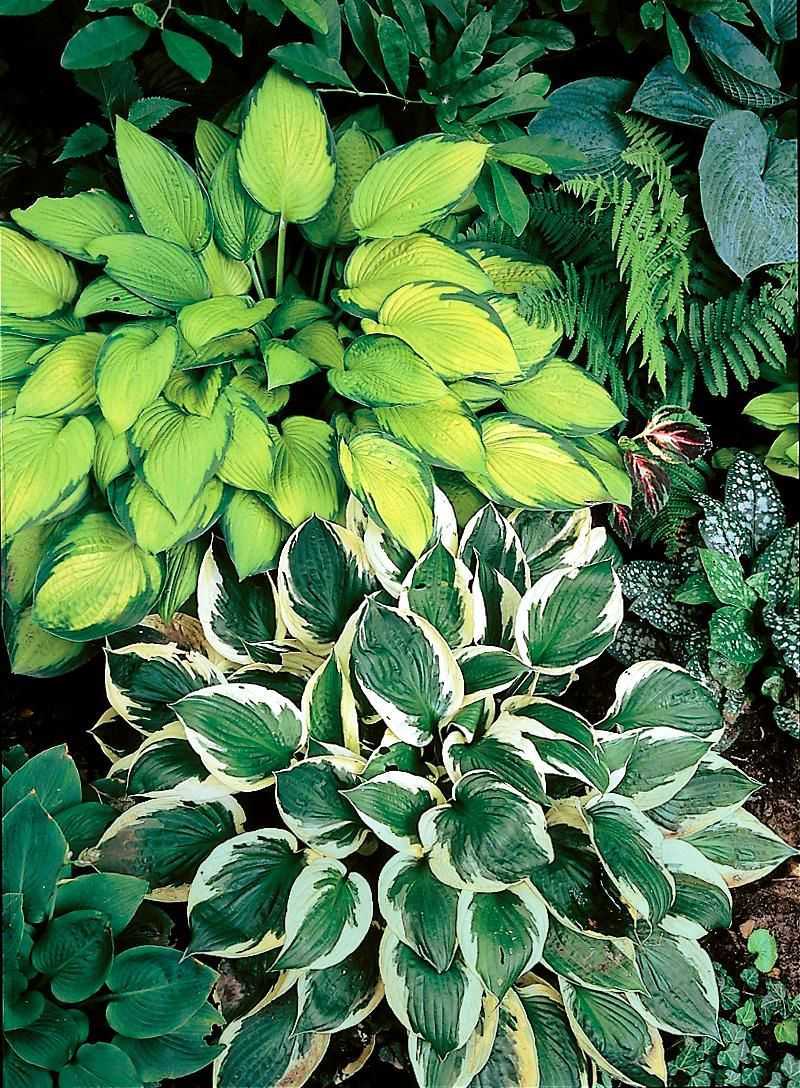
Shady corners can feel like dead zones. Hostas turn them into lush, leafy spots with almost no work.
They come in blue, gold, green, and striped leaves, from tiny mounds to giant clumps. Many varieties handle morning sun, but they are happiest out of harsh afternoon rays.
They come back every spring and fill space fast.
Slugs and deer can nibble, so thicker-leaved or blue types are often a smarter pick. Fall is a great time to plant or divide them.
12. Rozanne Hardy Geranium
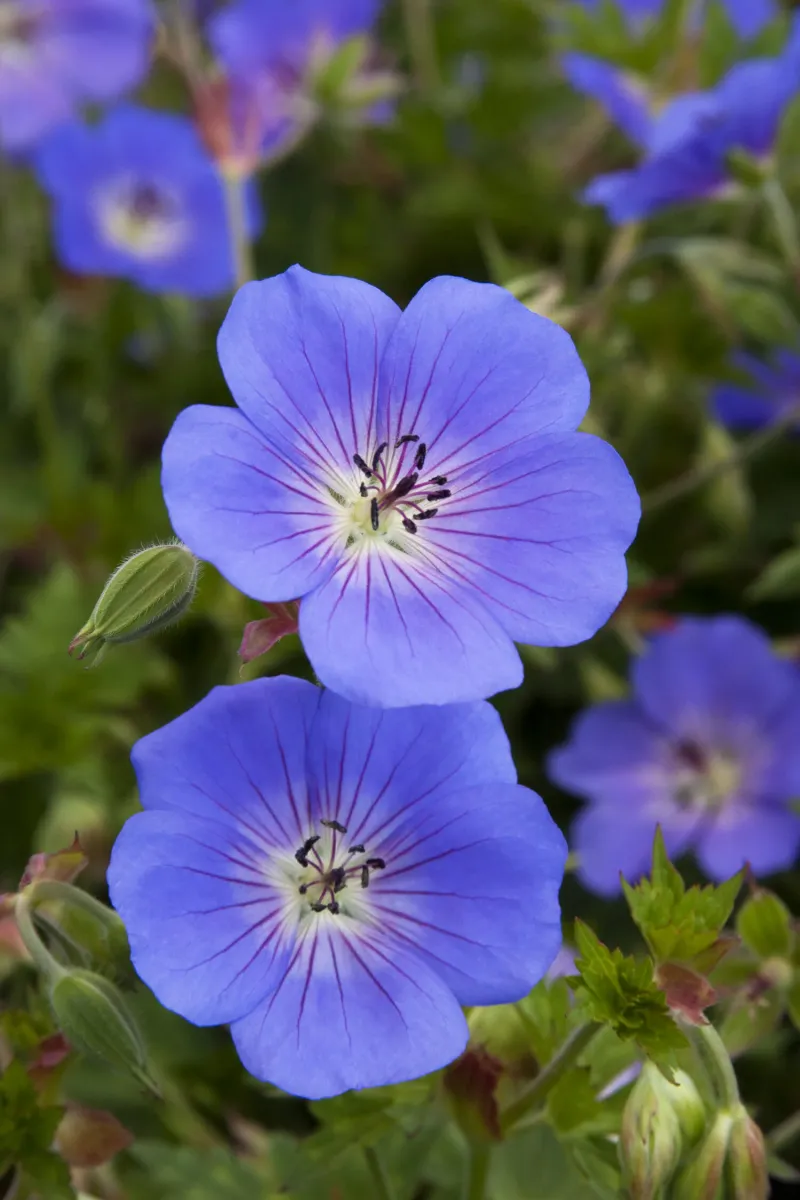
Not to be confused with the potted geraniums on your porch, hardy geraniums come back year after year. ‘Rozanne’ is famous for blooming violet-blue flowers nonstop from early summer until frost.
Other picks like ‘Max Frei’ offer pink blooms on compact mounds. Many types handle part shade, which makes them handy where sun-lovers struggle.
If your plant gets leggy or messy in midsummer, give it a good haircut. Cut it back hard, water it, and fresh leaves and flowers usually return within weeks.
13. Blanket Flower
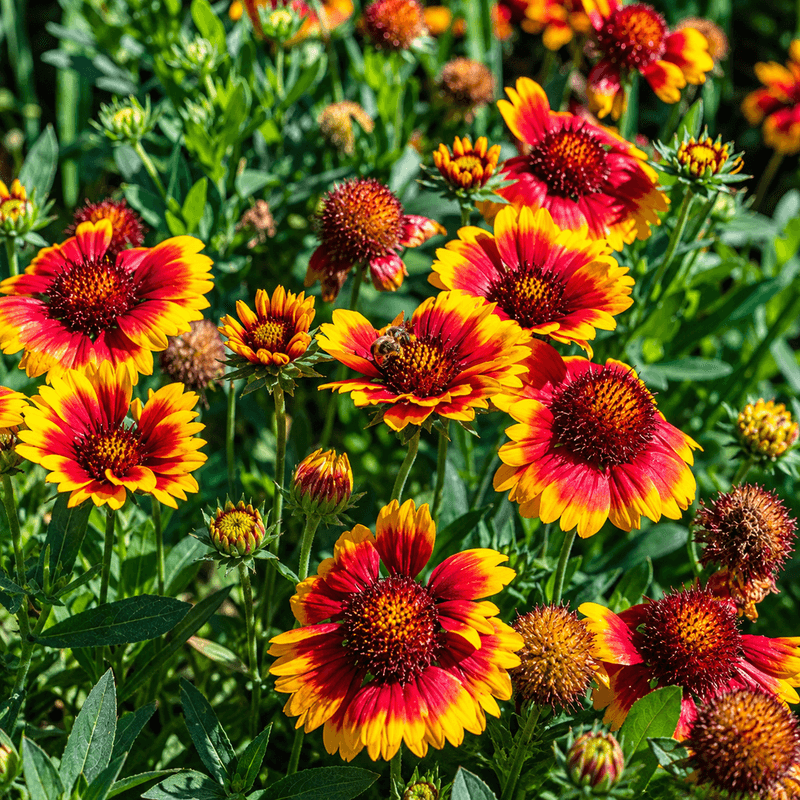
Got a patch of sandy, rocky, or just plain bad soil? Blanket flower might actually love it.
This western U.S. native prefers lean dirt and dry, sunny spots.
Its daisy-like flowers glow in red, orange, coral, and yellow from summer into fall. Too much fertilizer or water can make it weak, so treat it with gentle neglect.
Plants can be short-lived, but they often reseed on their own. Let a few flowers go to seed, and new ones may pop up nearby next year.
Planted this fall, it is a cheerful way to wrap up a garden that mostly runs itself.