
Your Aloe Vera Will Keep Giving You New Pups If You Make These Few Simple Changes
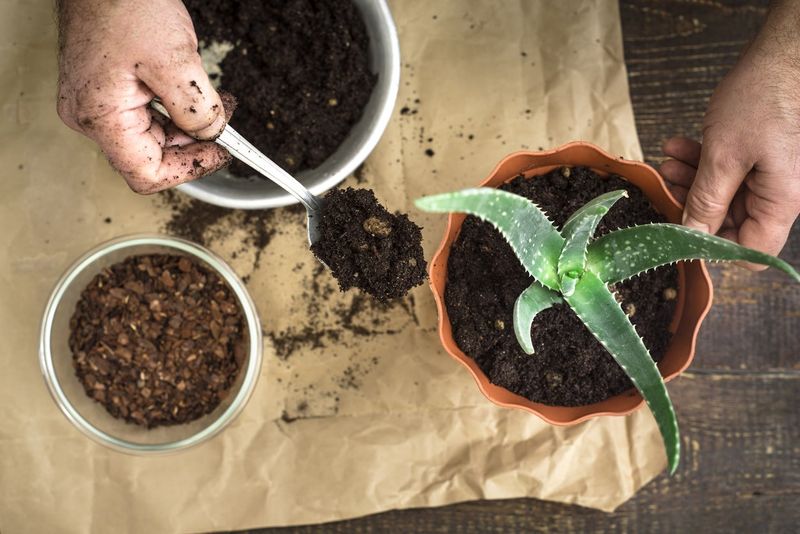
If your aloe vera has been sitting alone in its pot for years without a single baby plant, you are not doing everything wrong. Aloe pups, the little offshoots that pop up around the base, only show up when the mother plant feels safe, strong, and ready.
The good news is that a few small changes to light, water, soil, and pot size can wake that urge back up. Once you get them right, you may end up with more free aloe plants than you know what to do with.
1. Give It Bright, Indirect Light for Six Hours
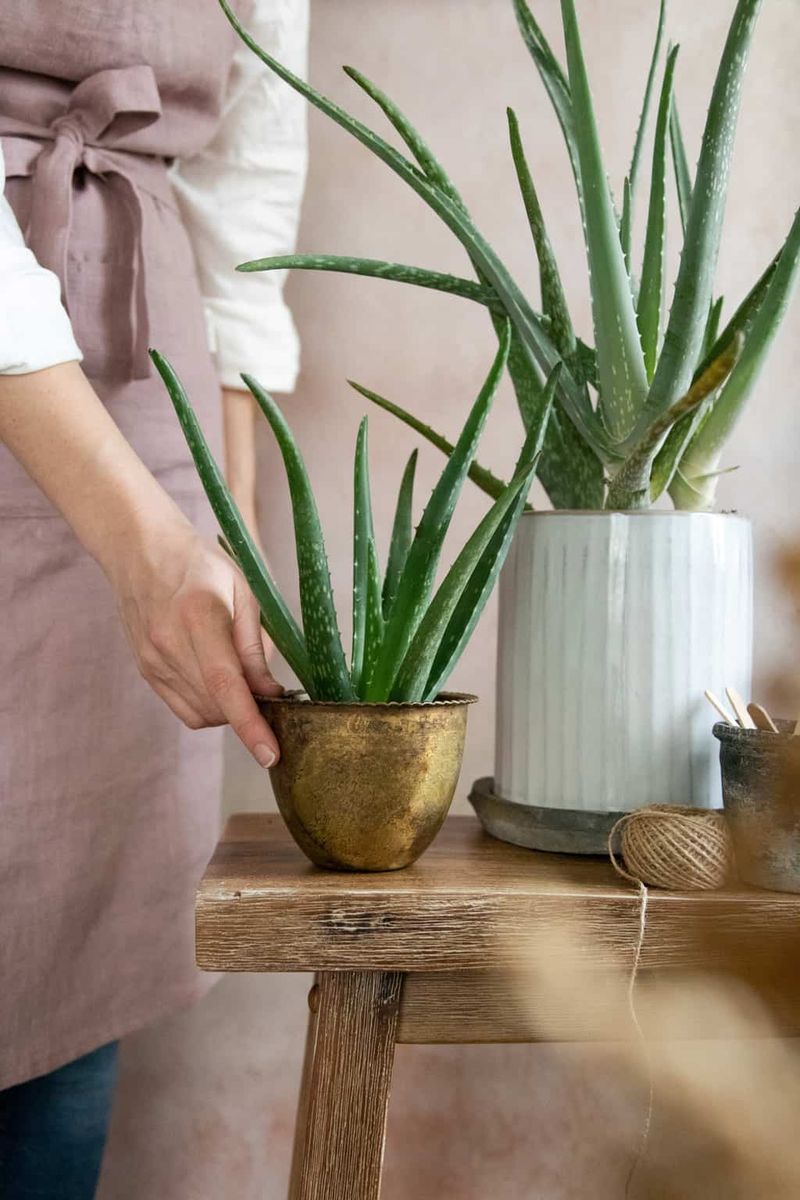
Picture an aloe tucked into a dim corner of the living room. It may stay green, but it is quietly running on a low battery, and a tired plant does not make babies.
Aloe vera needs at least six hours of bright, indirect light each day to build the energy it uses for pups. A south or west window with a sheer curtain works well, and a little direct morning sun is a bonus.
Watch out for harsh afternoon rays through hot glass, though. Leaves that turn reddish brown or look bleached are getting scorched, and a stressed plant puts survival ahead of reproduction.
If your home is dark, a simple LED grow light set about a foot above the plant can fill the gap.
2. Switch to the Soak and Dry Watering Method
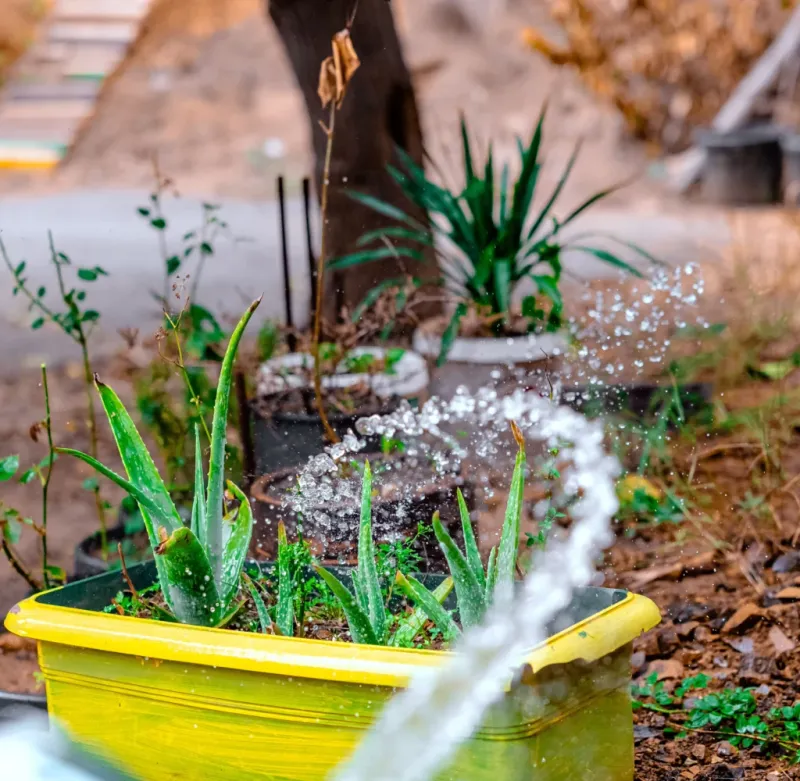
Too much love in a watering can is the number one way people stall their aloe. Soggy roots start to rot, and a plant fighting rot has zero interest in growing pups.
Try this instead. Water deeply until it runs out the drainage hole, then leave the pot alone until the top two or three inches of soil are completely dry.
Stick your finger in to check, because a calendar cannot tell you what the soil is doing.
Here is a fun twist: a short dry spell between waterings mimics desert conditions, and that mild drought may actually nudge the plant to reproduce. In fall and winter, stretch the gap even longer, sometimes to once a month.
3. Repot Into a Gritty Cactus Mix
Regular potting soil feels like a cozy bed to most houseplants. For aloe, it is more like sleeping in a wet sponge.
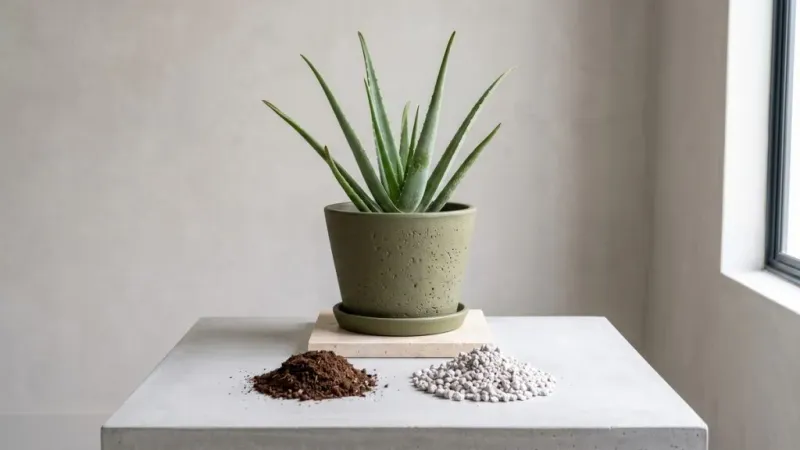
Switch to a succulent or cactus mix, then stir in extra perlite or pumice until it feels loose and gritty in your hand. Water should rush through it rather than puddle on top.
Fast drainage keeps the roots breathing and healthy. Healthy roots are where future pups begin, since offsets sprout from underground runners that spread out from the mother plant.
4. Choose a Snug Terracotta Pot
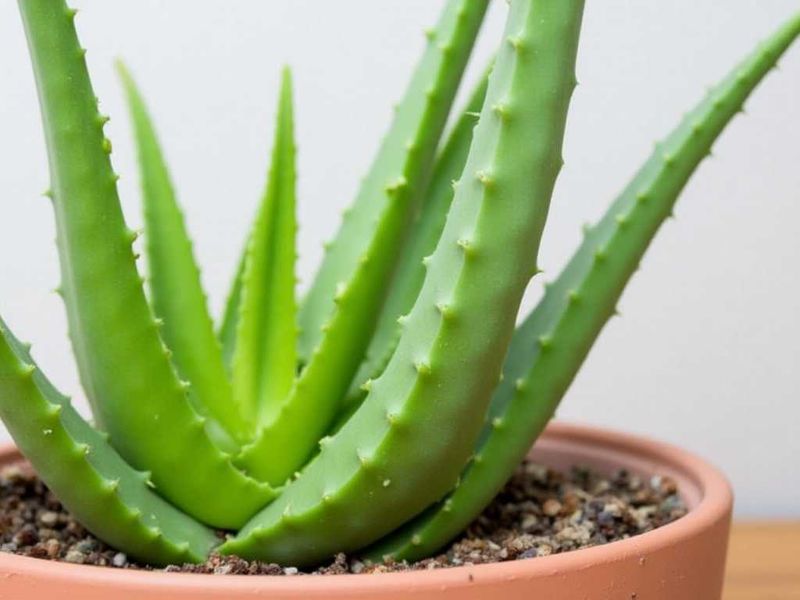
Bigger is not better here, and that surprises a lot of gardeners. When an aloe sits in a huge pot, it spends its energy filling all that space with roots instead of sending up babies.
A slightly snug pot, only an inch or two wider than the root ball, tends to encourage pups. Unglazed terracotta is the best pick because the clay wicks moisture away and helps soil dry faster than plastic does.
Always make sure there is a drainage hole. A gorgeous pot without one is basically a bathtub for roots, and no amount of careful watering fully fixes that.
5. Be Patient With a Young Plant
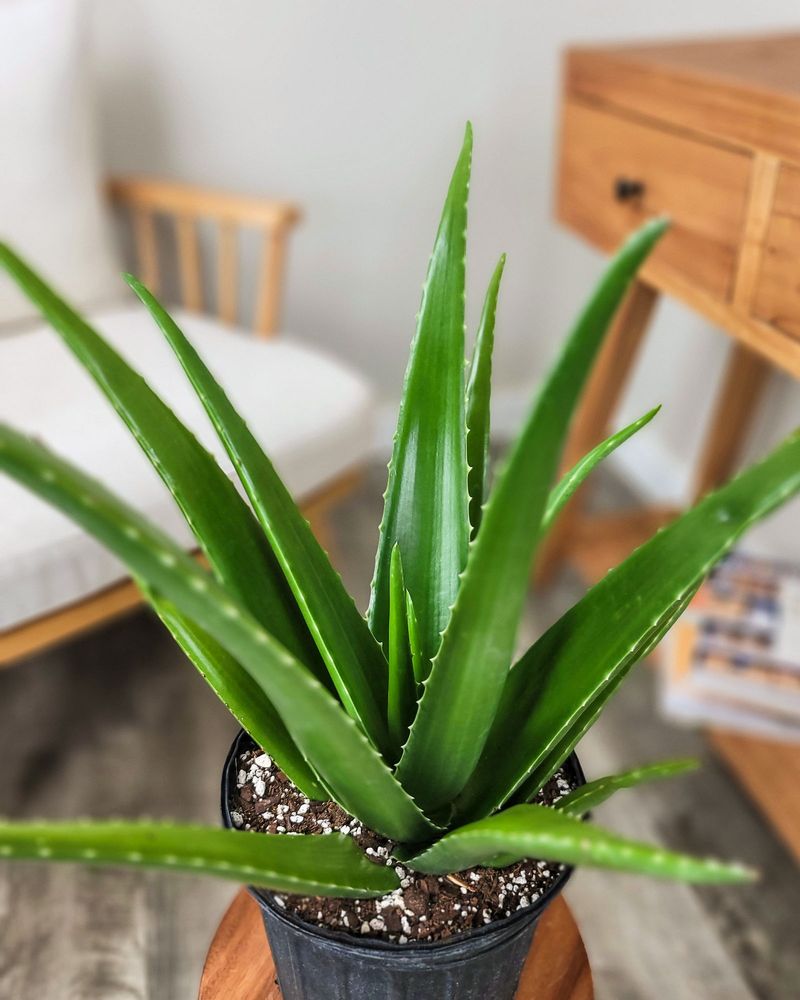
My first aloe was a tiny grocery store rescue, and I checked it for pups every week for a year. Nothing.
Turns out it simply was not old enough yet.
Most aloe vera plants start producing offsets between one and three years old, and some take up to five. A small plant is still building its own body, so it has no extra energy to share.
While you wait, focus on keeping the mother strong. Check under leaves for mealybugs or scale, trim mushy leaves, and give it steady care, because a robust parent plant is the one that eventually fills its pot with little ones.
6. Let Nights Run a Little Cooler
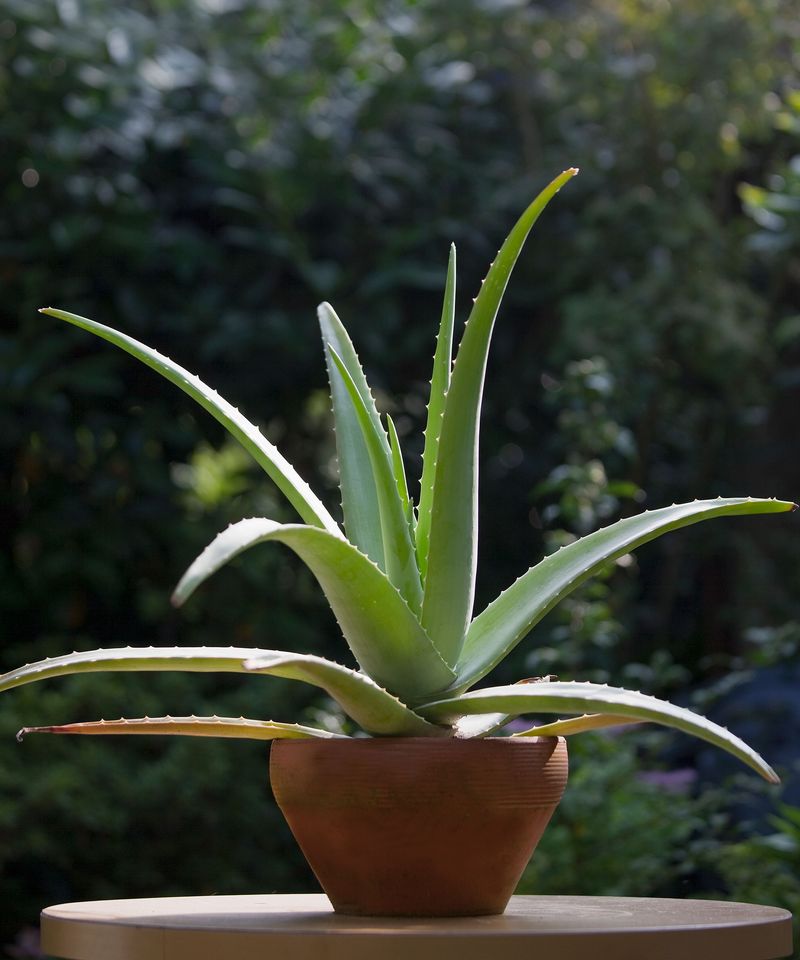
Deserts get hot by day and chilly by night. Aloe evolved with that swing, and copying it at home may help encourage pup growth.
Aim for nights about 10 to 15 degrees Fahrenheit cooler than daytime. Many US gardeners get this naturally by moving their aloe outside to a patio for late spring and summer.
Just bring it back indoors before temperatures dip near 50 degrees. Frost will turn those juicy leaves to mush overnight.
7. Feed Lightly in Spring and Summer
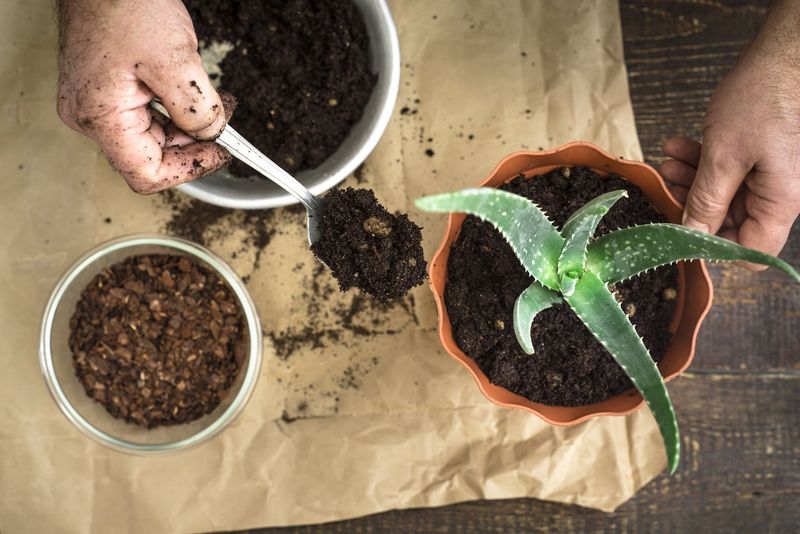
Fertilizer is the dessert, not the dinner. It only helps after light, water, and soil are already right.
Once those basics are handled, give your aloe a balanced succulent fertilizer diluted to half strength about once a month in spring and summer. Skip feeding entirely in fall and winter when growth slows down.
Overdoing it can burn roots and cause floppy, weak leaves. A light hand keeps the plant growing steadily, and steady growth is exactly what leads to a ring of fresh pups you can pot up and share.