
Clematis Leaves Turning Black And Crispy This Fall Aren’t A Death Sentence – Here’s What’s Really Going On
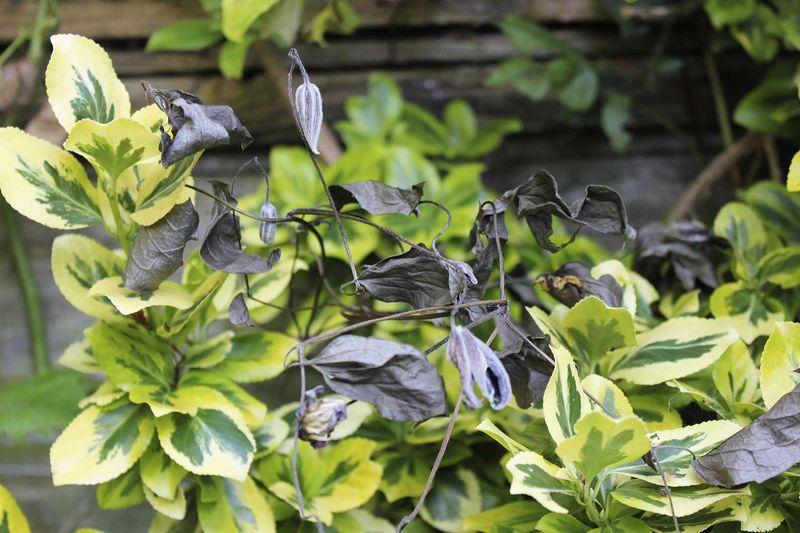
You walk out to the garden and your clematis looks scorched, with leaves gone black and papery. It is easy to panic and assume the plant is finished.
But black, crispy leaves are a symptom, not a verdict, and the clues around them can tell you a lot. Here is how to read those clues and what to do next.
Black leaves are a clue, not a verdict
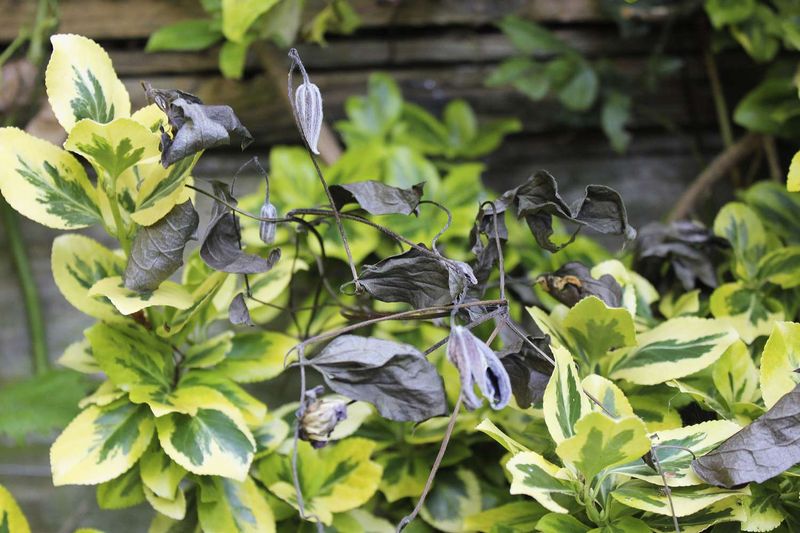
Clematis are generally deciduous, so losing leaves in fall can be perfectly normal. University of Arkansas Extension even tells gardeners that a bedraggled clematis can shed its leaves in fall.
Still, black foliage alone does not prove your plant is simply heading into dormancy. Frost injury can turn leaves dark, and so can clematis wilt, a disease that can kill stems above ground.
Black and crispy is what you see. It does not tell you which of those is behind it.
The good news is that the roots are not automatically dead just because the leaves look terrible. Extension guidance says wilt is only one of several possible causes of wilting and damage, including stem injury, pests, cultural problems, and root diseases.
So the smartest first move is to slow down and look at timing and pattern. Did the leaves fade little by little over weeks?
Did they darken after a cold night? Or did a stem suddenly flop?
Each story points toward a different next step, and the next sections walk through them one by one.
Nothing here can promise your plant will bounce back, but a calm look now beats a panicked pruning session.
Did the leaves fade gradually, or did damage appear after frost?
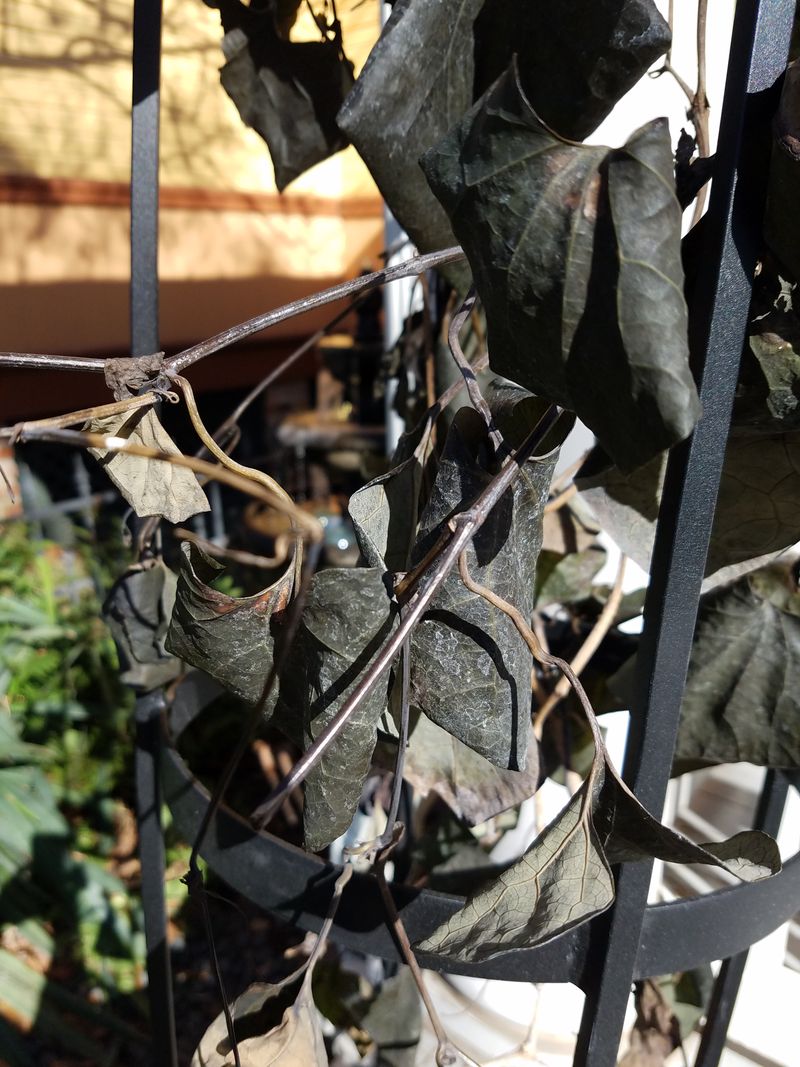
Think back over the last few weeks. If the leaves yellowed, browned, and dropped slowly as the season wound down, that fits a deciduous vine getting ready for winter.
The same Arkansas Extension clematis page notes that shedding leaves in fall is not unusual for this plant.
Frost looks different. Tissue hit by a cold snap often turns limp or water-soaked first, then becomes blackish-brown.
According to University of Maryland Extension, that is a typical pattern for frost and cold damage on flowering plants.
Here is a quick diagnostic clue: check the weather. Did the dark, collapsed leaves show up within a day or two of a freezing night?
Are nearby tender plants, like basil or dahlias, showing the same look? If so, frost is a likely suspect.
Remember that timing is a clue, not proof. A gradual fade could still hide another problem, and a frost could coincide with something else going on.
Look at the stems too. If they are firm and the damage is limited to leaves, that is a different situation from stems that have gone dark and dead.
Jot down what you see and when. Those notes will help if you later ask an Extension office for a second opinion.
Sudden stem collapse raises concern for clematis wilt
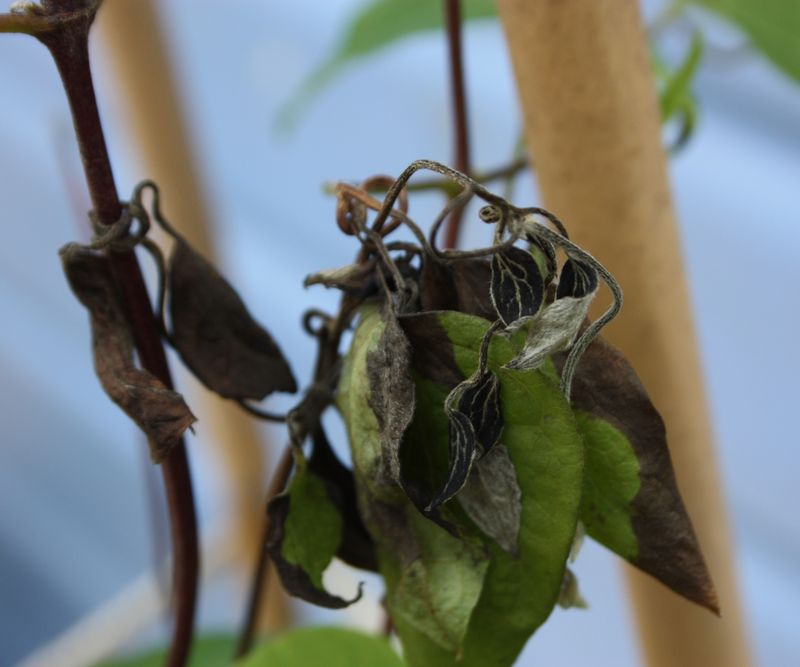
Clematis wilt has a more dramatic calling card than a few crispy leaves. A stem, or sometimes the whole vine, suddenly collapses.
Within days, the leaves and stems turn black. UVM Extension Master Gardeners describe this sudden pattern, and mention blackened leaf stalks and purple-tinged veins as things that can show up.
Large-flowered hybrids are the types most often affected. Species clematis and small-flowered types are less susceptible, but that does not make them immune to decline or to other kinds of damage.
Here is the catch. Looking wilted and black does not confirm wilt.
The same UVM source lists other causes of wilting, including stem damage, pests, cultural problems, and root diseases. A vine chewed at the base or injured by a string trimmer can collapse in a very similar way.
The encouraging part is that wilt can kill the stems above ground, yet Clemson Extension notes it rarely kills the whole plant. That means a collapsed vine is worth treating carefully rather than ripping out the whole clematis.
If you saw sudden collapse, treat it as suspected wilt and use the cleanup steps in the next section. If you did not, frost or normal fall decline may fit better.
Remove dead or suspect material without cutting every vine
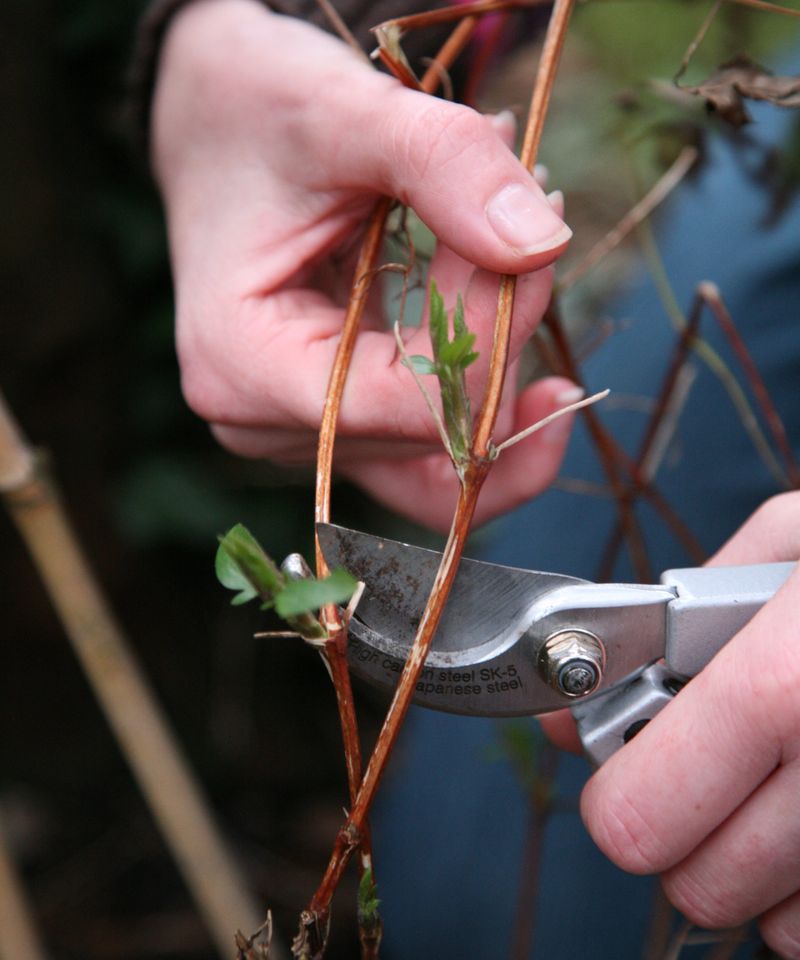
Cleanup should match the cause. After a hard frost, clear away the dead, blackened foliage.
Maryland Extension notes that removing dead plant material can help reduce disease and insect problems next season.
If a stem collapsed suddenly and you suspect wilt, go a step further. UVM Extension advises cutting affected dead vines near ground level, then putting the material in the trash or otherwise destroying it.
Do not leave it lying around the base of the plant.
Disinfect your pruners as you go, and again when you finish. A wipe or dip in a disinfectant between cuts keeps you from carrying problems to healthy stems or other plants.
Pick up fallen leaves as well, since Clemson recommends removing fallen foliage around affected plants.
Notice what this does not mean. You are removing dead or suspect material, not cutting every green, healthy-looking vine to the ground.
A stem that is still firm and flexible may be alive, and some of it may carry flower buds for next year.
Skip the compost pile for suspect vines, and skip fungicide sprays as a cure, since none of this guidance promises that they fix blackened foliage.
Check the soil before reaching for the hose
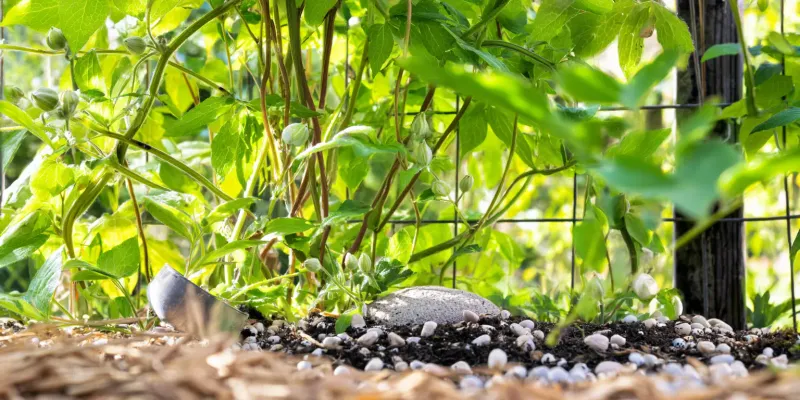
Dry soil can stress a clematis, but it is only one possible stressor. Crispy leaves do not automatically mean thirsty roots, so skip the guesswork and test.
Push a finger a couple of inches into the soil near the base. If it is damp, hold off.
If it is dry well below the surface, water makes sense.
When the weather turns dry, deep watering helps. UMass Extension recommends watering deeply about once a week during dry spells.
A slow soak reaches the roots better than a quick daily sprinkle.
Keep expectations honest. Water will not turn blackened leaves green again, and extra water will not cure frost damage or a disease.
Soggy soil can also cause its own trouble, so more is not better.
Think of watering as protecting the roots and crown going into winter, not as a rescue for dead foliage. If the soil moisture is fine and the leaves are still black, look back at the timing clues from earlier sections instead.
Wait to hard-prune until you know your clematis type
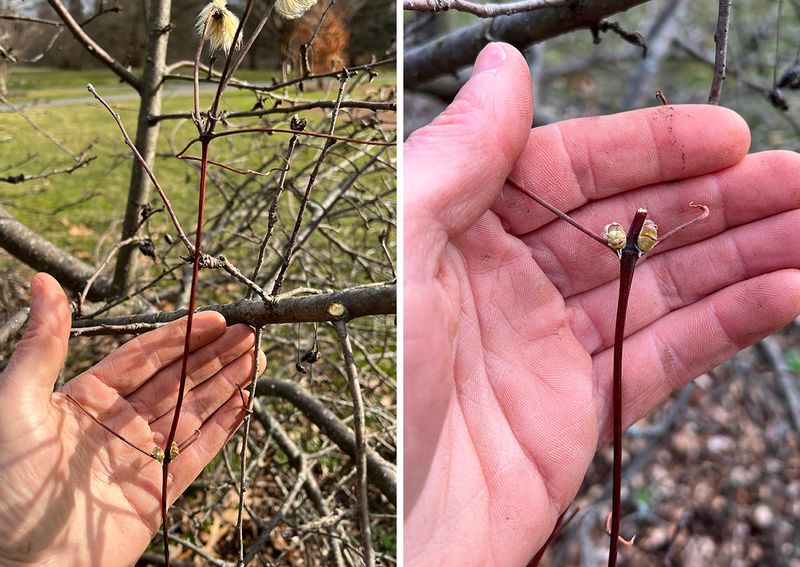
Black leaves make many people grab the shears and cut the whole vine down. Resist that urge until you know what you are growing.
Clematis pruning depends on type, and cutting at the wrong time can remove flowers you were hoping for.
Spring bloomers may flower on growth made the previous season, so cutting old stems in fall can remove next year’s buds. Late bloomers flower on new growth, which changes the timing.
According to Iowa State Extension, Group 3 clematis are typically pruned in late winter or early spring, while Group 1 types are pruned after they flower.
Look for the plant tag, your purchase records, or the bloom time you remember. If you cannot identify the group, wait and observe it through the next season rather than guessing.
The exceptions are dead or suspect stems. Those can come out as described earlier.
Healthy-looking stems can stay until the right pruning season for your plant.
Give the crown time to show whether it will regrow
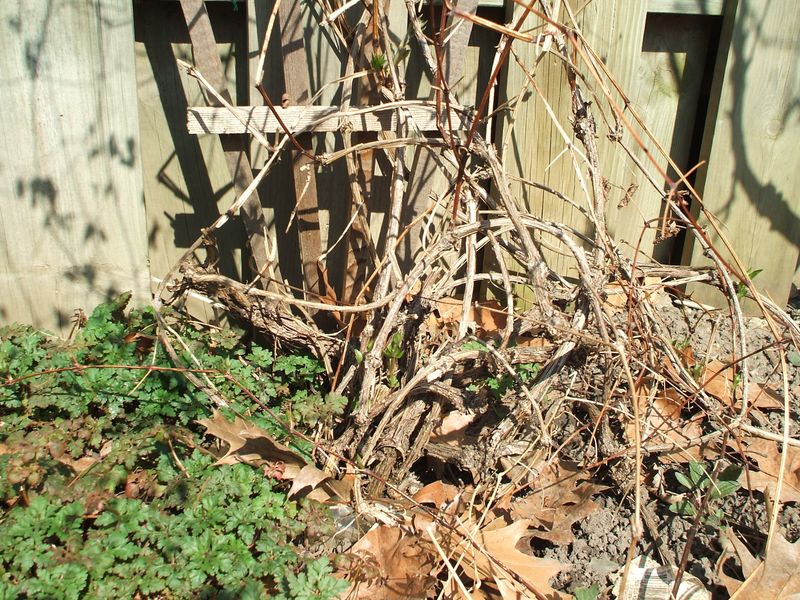
Patience is the hardest part of this rescue. Even when wilt kills the stems, the plant can survive underground.
UVM Extension and Clemson Extension both say wilt rarely kills the entire plant, and new shoots often emerge from the crown.
Often is not always, though. Regrowth is possible and fairly common, but it is not guaranteed, so avoid promising yourself a happy ending.
Watch the base through winter and into spring. New shoots usually show up as small buds near the soil line.
Resist digging the plant up just because the foliage looked awful. Leave the crown in place, keep the soil from drying out completely, and mark the spot so you do not forget it.
If symptoms stay unclear or keep coming back year after year, contact your local Extension office or a plant diagnostic clinic. They can help separate disease from other problems.
A clematis rarely announces its fate in autumn; it tells you in spring.